Top 20 Gorges in Australia
Best canyons in Australia feature diverse geological formations, including ancient sandstone cliffs and lush rainforest systems. These natural wonders offer insights into the continent's rich geological and cultural history. The country presents vast sandstone ledges, multi-tiered waterfalls, and unique rock formations. Exploring these areas provides varied natural landscapes.
Best canyons in Australia
- The most popular canyons include Evans Lookout, a viewpoint offering sweeping views across sandstone cliffs and deep forested gorges. It serves as a common access point for the Grand Canyon Track.
- Another must-see spot is Hell's Gates, a viewpoint where sheer cliffs drop to the ocean. This location provides sweeping views along the rugged coastline.
- Visitors also love Govetts Leap Lookout, a viewpoint on the edge of a sheer sandstone escarpment. It offers expansive views across the Grose Valley to rugged cliffs and a waterfall.
- Australia is known for its diverse gorges, waterfalls, and natural monuments. These natural attractions Australian canyons offer a variety of experiences, from challenging trails to family-friendly viewpoints.
- The canyons in Australia are appreciated by the komoot community, with more than 70 highlights featuring photos and tips from visitors.
Last updated: October 12, 2026
Rocket Point lookout
Highlight • Viewpoint
Tip by

Werribee River Gorge
Highlight • Gorge
The river cuts through a rocky valley with a lot of diverse vegetation. It is always impressive to see what is coming around the next corner or behind the next hill. Close to the end of this track segment where the car park is located there are a few official bath spots.
Showing Translation
Tip by

Sign up now to discover places like this
Get recommendations on the best single tracks, peaks, & plenty of other exciting outdoor places.
Kings Canyon Rim Walk
Highlight (Segment) • Gorge
Translated by Google •
Tip by

Nature's Window
Highlight • Natural Monument
Tip by

Wentworth Falls
Highlight • Waterfall
Tip by

Evans Lookout
Highlight • Viewpoint
Tip by

Mount Bruce summit track
Highlight (Segment) • Trail
Tip by
Furber Steps
Highlight (Segment) • Trail
Tip by
Hell's Gates
Highlight • Viewpoint
Tip by
Fortescue Falls
Highlight • Waterfall
Translated by Google •
Tip by

Sign up for free to discover even more gorges in Australia.
Already have an account?
Start today with a free account
Your next adventure awaits.
Popular around Australia
Around the World in 80 Days
Six Foot Track — An iconic trek across the Blue Mountains
Gravel riding in New South Wales, Australia — Bongil Bongil National Park and beyond
The world's most adventurous cycling passes
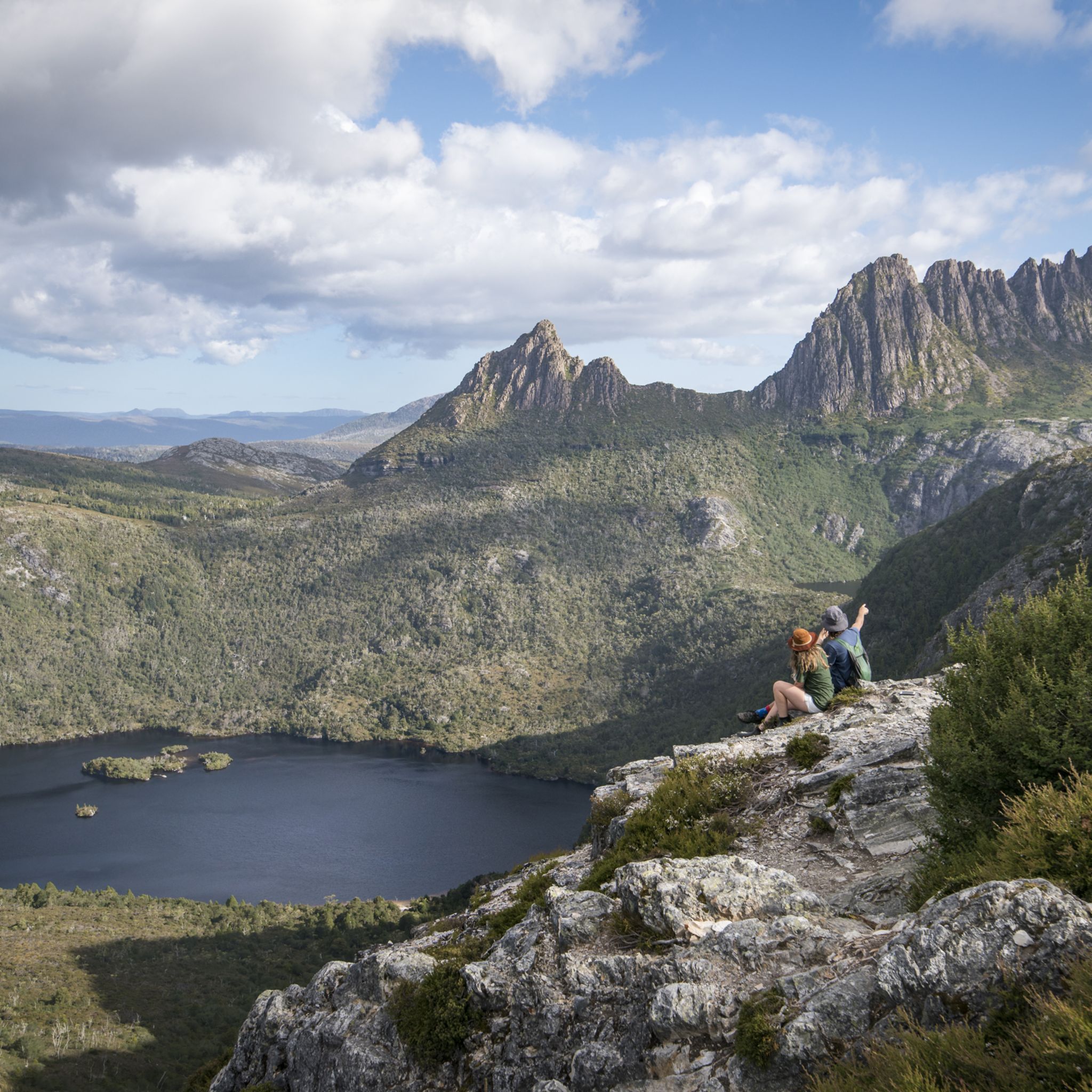
Hiking in Australia
Cycling in Australia
Running Trails in Australia
Road Cycling Routes in Australia
MTB Trails in Australia
Gravel biking in Australia
Other adventures in Australia


Tips from the Community

Paradise place. Quiet, never too crowded. Visited in September. Perfect temperature, both water and outside. Old 2.5 billion year old steps where you can relax listening to the rustling of the water. Very beautiful and simple loop trail.
0
0

Furber Steps drops steeply down the escarpment towards the Jamison Valley, with sections of stone steps, metal stairs and track cut close against the sandstone cliffs. You’ll pass beneath large overhangs and get changing views across to Katoomba Falls as you descend. The way down is straightforward enough, but remember you’ll need to regain all that height if you’re returning the same way.
0
0

No Merlot here — the shelf stands empty, quiet, waiting for a bottle that never comes. Kein Merlot hier — das Regal bleibt leer, still, wartend auf eine Flasche, die nie kommt. Pas de Merlot ici — l'étagère reste vide, silencieuse, attendant une bouteille qui n'arrive jamais. No hay Merlot aquí — el estante queda vacío, silencioso, esperando una botella que nunca llega.
0
0

Mount Bruce summit track is a challenging return hike that climbs to the summit of Punurrunha (Mount Bruce), the second-highest peak in Western Australia. The track is around 9–10 kilometres return with some relatively steep gradients, loose rock, and exposed scrambling sections, including short rock climbs that, though not technical, do require careful footing. Once you reach the summit, you can enjoy beautiful, expansive views that stretch across the Hamersley Range.
0
0
Set along the cliff edge in Blue Mountains National Park, this lookout sits on a narrow, fenced ledge with a direct view of Wentworth Falls as it drops into the valley below. The position brings you close to the escarpment, with steep drop-offs and a more immediate perspective of the waterfall and surrounding rock walls. Space is limited at the lookout, and surfaces can be uneven or slippery, particularly after rain.
0
0
Hell’s Gates is an impressive coastal lookout where sheer cliffs drop to the ocean and waves surge through a narrow rocky gap. There are sweeping views toward Alexandria Bay and along the rugged headland, and the exposed, windswept setting is one of the most memorable vantage points on the Noosa coastline.
0
0

Undercliff Track traces along the cliffsides and passes by a number of amazing viewpoints. If you can time your hike after a rain then you'll see the waterfalls at their full potential.
1
0
Evans Lookout sits on the edge of the Grose Valley, with sweeping views across sandstone cliffs and deep forested gorges. Just a short walk from the car park, it’s a favourite spot for sunrise and sunset and a common access point for the Grand Canyon Track. From here, you can descend into the canyon, following the track through rainforest gullies and sandstone walls before looping back to the rim.
0
0
Frequently Asked Questions
Which canyons in Australia are suitable for families?
Several canyons in Australia offer family-friendly experiences. For instance, the Cataract Gorge Suspension Bridge provides an accessible way to experience the gorge. Nature's Window and Kangaroo Point Cliffs are also noted as family-friendly viewpoints. The Grand Canyon Track in the Blue Mountains, while a 7km walk, offers a well-maintained path through rainforest and towering canyon walls that can be enjoyed by active families.
What are some of the best canyons for hiking in Australia?
Australia offers diverse hiking experiences in its canyons. The 6km Kings Canyon Rim Walk in Watarrka National Park is highly recommended for its panoramic views and the tranquil 'Garden of Eden' at the bottom. In the Blue Mountains, the Grand Canyon Track is a popular choice, and the 3-hour Ormiston Pound Walk in Ormiston Gorge provides stunning desert views. For an easy hike, you can explore options like the Mount Ngungun Summit Track or the Dove Lake Circuit, which are part of the easy hikes available across Australia. You can find more hiking routes at Easy hikes in Australia.
Where can I find opportunities for canyoning and abseiling in Australia?
The Blue Mountains in New South Wales are a prime location for canyoning and abseiling, boasting the largest known area of slot canyons in Australia. Empress Canyon is particularly famous for abseiling, swimming, and waterfall descents, suitable for intermediate canyoners. Rocky Creek Canyon offers options for beginners, while Sheep Dip Canyon involves scrambling and water jumps without abseiling. These canyons provide exhilarating adventures through intricate systems.
What unique geological features can be found in Australia's canyons?
Australia's canyons showcase a variety of unique geological formations. Kings Canyon features impressive sandstone rock formations known as the 'Lost City' and towering red cliffs. Carnarvon Gorge is characterized by ancient sandstone cliffs rising up to 200m. The Capertee Valley, the world's second-widest canyon, boasts vast sandstone cliffs and the prominent Pantoney's Crown monolith. Karijini National Park's gorges, like Hamersley Gorge, are renowned for their striking, richly colored, and swirly walls.
Are there any canyons in Australia with significant cultural or historical importance?
Yes, several canyons hold deep cultural and historical significance. Carnarvon Gorge in Queensland is renowned for its well-preserved Aboriginal rock art sites, such as the 'Art Gallery,' offering insights into ancient indigenous heritage. Nitmiluk (Katherine) Gorge in the Northern Territory has great ceremonial importance to the local indigenous people, with its network of 13 ravines carved by the Katherine River.
What is the best time to visit Australia's canyons?
The best time to visit Australia's canyons often depends on the region. For the Blue Mountains, spring (September-November) and autumn (March-May) offer pleasant temperatures for hiking and canyoning. For the Northern Territory's Kings Canyon and Nitmiluk Gorge, the dry season (May-October) is ideal, with cooler temperatures and lower humidity. Ormiston Gorge, also in the NT, is popular year-round due to its permanent waterhole, providing a refreshing escape during hotter months.
Can I find wild swimming spots within or near Australian canyons?
Absolutely! Many Australian canyons feature refreshing waterholes perfect for swimming. Kings Canyon has the tranquil 'Garden of Eden,' a permanent waterhole. Carnarvon Gorge offers the 'Rock Pool' for swimming. Ormiston Gorge is known for its year-round waterhole, a popular spot for a dip. Hamersley Gorge in Karijini National Park also boasts a glorious rock pool at its base, ideal for swimming.
What kind of wildlife can I expect to see in Australian canyons?
Australian canyons are home to diverse wildlife. The Capertee Valley is a prime location for birdwatching, known for its rich birdlife. In the Northern Territory's Nitmiluk Gorge, saltwater crocodiles are present, though rangers relocate them during the wet season for visitor safety. Many canyons, especially those with permanent waterholes like Kings Canyon's 'Garden of Eden,' support unique plant species and attract various animals seeking water and shelter.
What other outdoor activities are available near Australia's canyons?
Beyond canyon exploration, the regions around Australia's canyons offer a range of outdoor activities. You can find numerous cycling routes, including challenging MTB trails and scenic touring bicycle paths. For instance, there are cycling guides like Cycling in Australia and MTB Trails in Australia. Many areas also provide opportunities for rock climbing, birdwatching, and exploring other natural monuments and viewpoints.
Are there any viewpoints that offer spectacular panoramic views of Australian gorges?
Yes, Australia is home to many stunning viewpoints overlooking its gorges. Evans Lookout and Govetts Leap Lookout in the Blue Mountains offer sweeping views across sandstone cliffs and deep forested gorges. Hell's Gates provides impressive coastal views where cliffs drop to the ocean. Kings Canyon Rim Walk also offers panoramic vistas of the gorge and surrounding desert, while Pantoney's Crown in Capertee Valley provides 360-degree views.
What should I wear for canyoning in Australia?
For canyoning in Australia, it's essential to wear appropriate gear. This typically includes sturdy, closed-toe shoes with good grip that can get wet, quick-drying clothing (often wetsuits are recommended for colder water or longer exposure), and a helmet. Depending on the specific canyon, you might also need a harness, abseiling equipment, and a waterproof bag for essentials. Always check specific requirements for the canyon you plan to visit.
Are there any hidden gem canyons in Australia worth exploring?
While many canyons are well-known, Australia still holds some lesser-explored gems. Beyond the famous Blue Mountains canyons, there are numerous smaller slot canyons waiting to be discovered. Porcupine Gorge in Queensland, often called Australia's 'little Grand Canyon,' offers multi-colored sandstone cliffs and permanent waterholes. Alligator Gorge in South Australia provides a moderate hike through unique rock formations and wildflowers, offering a quieter experience.
Most popular routes in Australia
Most popular attractions in Australia

Get inspired with the komoot mobile app


Didn’t find what you were looking for?
Want to see even more gorges? See the best ones in Australia region by region:
