Top 17 Huts and Cabins in Australia
Best huts in Australia are found across diverse landscapes, from the historic alpine regions of Victoria and New South Wales to the rugged coastlines and national parks. These structures provide shelter and a connection to the country's wilderness, often serving as essential stops for hikers and explorers. Many huts hold historical significance, reflecting Australia's pioneering past as shelters for cattlemen, miners, and early adventurers. They are typically situated in natural environments, offering access to alpine landscapes, forests, and coastal views.
Best huts in Australia
- The most popular huts is Brayshaw's Hut, a historical site that was once owned by an early settler and is maintained for public use. It features a fireplace, and a rainwater tank is available nearby.
- Another must-see spot is Waterfall Valley Hut, a hut with a viewpoint. Visitors can experience sunsets and views of Barn Bluff from this location.
- Visitors also love Carinyah Camp Site, a hut and campsite that serves as the first overnight spot on the Munda Biddi Trail. Tin huts are available for sleeping, alongside a bush toilet and rainwater tanks.
- Australia is known for its historic alpine huts, modern retreats, and stockman huts. These structures offer a variety of experiences, from emergency shelters to comfortable overnight stays.
- The huts in Australia are appreciated by the komoot community, with 14 upvotes and 4 photos shared across various highlights.
Last updated: October 12, 2026
Munda Biddi Trail Northern Terminus
Highlight • Trail
Located in the Mundaring Sculpture Park, it's very easy to find.
Mundaring has plenty of amenities, such as supermarkets (Coles, Aldi) and accommodation (Check out the chalets, they're great!)
Tip by

Brayshaw's Hut
Highlight • Mountain Hut
There isn't much inside - a couple of chairs and a table. There is a fireplace and if you're lucky, someone may have left some firewood, but this is not guaranteed. There are often candles available for use also.
This is one of the easier to get to alpine huts and is clearly visible from the road, which means there isn't much here due to looters etc... It is still a decent place to spend the night, just a bit basic.
We spent the night in the hut after a tough day of riding and it worked out great! There are two rooms, and the second room within is a great place to set up a freestanding tent if you require some extra warmth or want to keep the bugs out.
There is a rainwater tank, I would suggest filtering or otherwise treating the water before use.
There is also a basic toilet nearby, closer to the road.
Tip by
Sign up now to discover places like this
Get recommendations on the best single tracks, peaks, & plenty of other exciting outdoor places.
Seaman's Hut
Highlight • Mountain Hut
Tip by

Mt Cooke Hut
Highlight • Mountain Hut
Tip by

Carinyah Camp Site
Highlight • Mountain Hut
Tin huts are available to sleep in as well as access to a bush toilet and rainwater tanks. Bicycle racks are nearby to lock up your bikes too.
A plastic box contains some random odds and ends that people have left behind, such as half-used gas canisters and a guestbook! Make sure to sign it!
Tip by
Wungong Campsite
Highlight • Mountain Hut
A fantastic facility on the popular Munda Biddi Trail.
There are often items of food or other useful things like inner tubes and fuel canisters left in a plastic box within the main hut.
Make sure you sign the guest book!
Tip by
Waterfall Valley Hut
Highlight • Mountain Hut
Tip by

Horse Camp Hut
Highlight • Mountain Hut
Tip by

Mamukala Observation Hut
Highlight • Mountain Hut
Tip by

Hewett's Hill Hut
Highlight • Mountain Hut
Tip by
Sign up for free to discover even more huts and cabins in Australia.
Already have an account?
Start today with a free account
Your next adventure awaits.
Popular around Australia
Around the World in 80 Days
Six Foot Track — An iconic trek across the Blue Mountains
Gravel riding in New South Wales, Australia — Bongil Bongil National Park and beyond
The world's most adventurous cycling passes
Hiking in Australia
Cycling in Australia
Running Trails in Australia
Road Cycling Routes in Australia
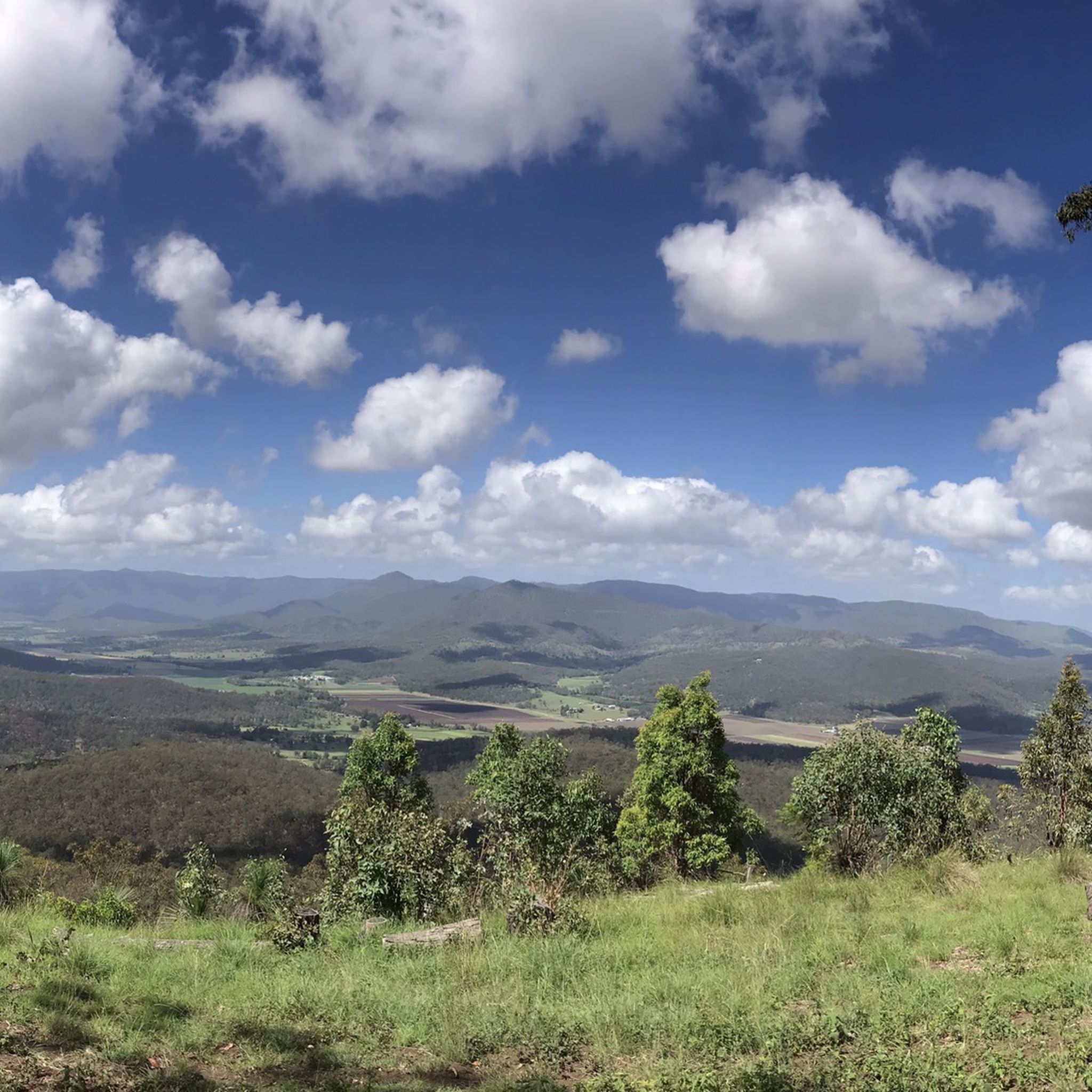
MTB Trails in Australia
Gravel biking in Australia
Other adventures in Australia


Tips from the Community

Hewett's Hill Hut, sometimes also spelled Hewitt's Hut, was the first shelter built along the 1,000-kilometer Bibbulmun Track. Nestled in the Jarrah and Wandoo forests of Beelu National Park, the hut can only be reached by bushwalking. It's close to the trail's northern terminus, so this rustic, three-sided wooden timber hut often becomes southbound thru hikers' first night stop. There's a pit toilet and a rainwater catch, so treat or filter all water before drinking.
0
0
The Seaman's Hut was first built in 1929 in memory of skier Laurie Seaman, who passed in a blizzard one year before. The stone hut was built as an emergency shelter for skiers and hikers caught in bad weather on the mountain. Today, the hut is open year-round as a safe haven and historical point of interest while exploring Australia's highest alpine terrain. There is also a modern pit toilet.
1
0

Mt Cooke Hut is a standard Bibbulmun Track campsite set among jarrah forest on the northern side of the track. There is a three-sided timber shelter, tent sites, a water tank, and a drop toilet, providing a simple overnight stop for walkers. Its quiet bush setting makes it a practical base for completing the loop or continuing along the track.
0
0

Bivouac with 24 places, tables, benches and tanks for collecting rainwater.
0
0

There’s a small creek nearby, just a small bush trail left from the front door.
2
0
Easily accessible historic hut. There’s also toilet facilities.
1
0

Frequently Asked Questions
What types of huts can I find in Australia?
Australia offers a diverse range of huts, from historic alpine shelters in Victoria and New South Wales, built by cattlemen, miners, and early skiers, to modern, architect-designed retreats and stockman huts. You'll also find observation huts like the Mamukala Observation Hut in Kakadu National Park, which is ideal for wildlife viewing.
Are there family-friendly huts in Australia?
Yes, many huts in Australia are suitable for families. For example, Brayshaw's Hut is a historical site that is family-friendly and easily accessible. Carinyah Camp Site, the first overnight spot on the Munda Biddi Trail, also offers family-friendly facilities including tin huts for sleeping, a bush toilet, and rainwater tanks. The Mamukala Observation Hut is also a great family-friendly option for nature observation.
Which huts offer notable viewpoints or scenic locations?
Many huts are situated in stunning natural environments. Waterfall Valley Hut is renowned for its amazing sunsets and views of Barn Bluff. The Mamukala Observation Hut in Kakadu National Park provides a protected place to observe thousands of geese, offering a unique natural spectacle.
What facilities can I expect at Australian huts?
Facilities vary widely. Historic huts like Brayshaw's Hut often feature a fireplace and a nearby rainwater tank, with basic toilet facilities. Campsites like Carinyah Camp Site and Wungong Campsite, both on the Munda Biddi Trail, provide tin or metal huts for shelter, drop toilets, rainwater tanks, and bike racks. Some even have guestbooks and communal plastic boxes with useful items left by previous visitors.
Are there any historical huts with unique stories?
Australia's huts are rich in history. Many alpine huts date back to the 1860s, built by cattlemen and miners. Brayshaw's Hut was once owned by an early settler and is maintained for public use. The Australian Alps are home to over 200 historic huts, including Cope Hut (architect-designed), Vallejo Gantner Hut (a memorial), Fry's Hut (inspiration for a novel), Cleve Cole Hut (honoring a skiing pioneer), Wallace Hut (one of Victoria's oldest), Seaman's Hut (an emergency shelter memorial), Gooandra Hut (one of Kosciuszko's oldest), Four Mile Hut (mining residence), and Old Currango Homestead (Kosciuszko's oldest building).
What outdoor activities can I do near these huts?
Many huts are located along popular trails, offering excellent opportunities for outdoor activities. You can find numerous hiking trails across Australia, with options ranging from moderate to difficult. For cycling enthusiasts, there are extensive gravel biking routes, such as those near Mundaring Sculpture Park, and dedicated MTB trails like those around Mount Stromlo. You can explore more options for hiking, gravel biking, and MTB trails in Australia.
Are there multi-day hut-to-hut hiking experiences in Australia?
Yes, the Green Gully Track in Oxley Wild Rivers National Park, New South Wales, offers a well-maintained hut-to-hut hiking experience. This track links five restored Stockman Huts, providing fireplaces, bunk rooms, cooking facilities, and even a solar-powered outdoor hot shower in one hut, making for a comfortable multi-day trek.
What is the Munda Biddi Trail and which huts are on it?
The Munda Biddi Trail is a renowned long-distance cycling trail in Western Australia. Carinyah Camp Site serves as the first overnight spot on this trail, offering tin huts, a bush toilet, and rainwater tanks. Further along, Wungong Campsite also provides metal huts, drop toilets, and rainwater tanks for trail users.
What do visitors appreciate most about huts in Australia?
Visitors often highlight the unique connection to nature and history that these huts provide. They appreciate the emergency shelter, the scenic locations, and the sense of escape. Specific feedback mentions the amazing sunsets and views from places like Waterfall Valley Hut, and the convenience of facilities like those at Carinyah Camp Site and Wungong Campsite, especially for multi-day adventures.
Are there any unique or contemporary hut experiences?
Beyond historic shelters, Australia also features modern interpretations of huts. Examples include the beautifully designed Moonlight Cabin on Victoria's rugged coastline, offering stunning ocean views, and an Off-Grid Cabin near Melbourne, designed for a simpler lifestyle and even visited by a friendly horse named George. These provide unique and tranquil escapes.
What is the best time to visit the Mamukala Observation Hut?
The Mamukala Observation Hut in Kakadu National Park is particularly popular during the late dry season, typically from August to October. This is when thousands of geese gather, making it an ideal time for birdwatching and photography.
Where can I find more information about the Australian Alps huts?
For detailed information on the historic huts within the Australian Alps National Parks, including their history and guidelines for visitors, you can refer to resources provided by the Australian Alps National Parks, such as their dedicated huts section.
Most popular routes in Australia
Most popular attractions in Australia

Get inspired with the komoot mobile app


Didn’t find what you were looking for?
See even more amazing huts in Australia with these guides per region:
