The 5 Most Amazing Peaks in Denali Wilderness
Best mountain peaks in Denali Wilderness are found within the Alaska Range, a region known for its imposing and awe-inspiring summits. This area encompasses a significant portion of Denali National Park and Preserve, offering a vast wilderness landscape. The mountains here are characterized by their immense size, challenging ascents, and the presence of large glaciers. The region provides diverse experiences, from technical climbs to scenic viewpoints.
Best mountain peaks in Denali Wilderness
- The most popular mountain peaks is Denali West…
Last updated: October 16, 2026
Denali West Buttress ridge (16,400 ft, 4970 m)
Highlight • Climb
Tip by

Thorofare Ridge (Summit of Eielson Alpine Trail)
Highlight (Segment) • Summit
Tip by

Sign up now to discover places like this
Get recommendations on the best single tracks, peaks, & plenty of other exciting outdoor places.
Northeast summit of Mount Healy
Highlight • Summit
Tip by

Denali Headwall (4500m): Advance Basecamp and Mt Foraker view
Highlight • Climb
Tip by
View of Denali from Stony Overlook
Highlight • Viewpoint
Tip by
Start today with a free account
Your next adventure awaits.
Other adventures in Denali Wilderness


Tips from the Community

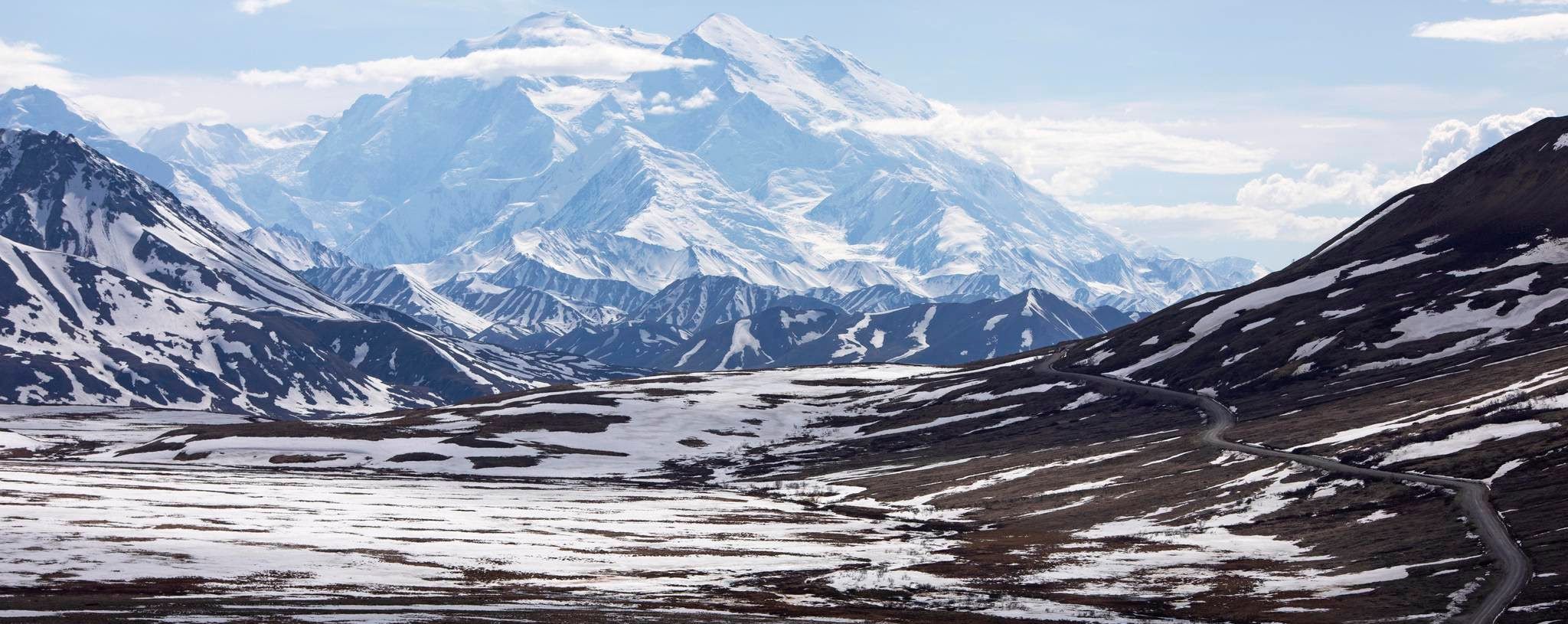
Stony Overlook is located at mile marker 62 on Denali Park Road. It is pointed directly at both peaks of Denali and is a popular stop for most buses passing through the area. You can see from the base of the mountain to the summit from this overlook, really showing off just how massive this peak is.
0
0
The northeast summit of Mount Healy is far less traveled than the southeast summit located on the Mount Healy Overlook Trail in the park. This side of the mountain is steep, rocky, and usually super windy. Only mountain runners with route finding and steep mountain running experience should seek to tackle this trail. That being said, this trail offers a real Alaskan mountain-running experience with the promise of solitude the further up the mountain you climb.
0
0
Stony Overlook is located at mile marker 62 on Denali Park Road. It is pointed directly at both peaks of Denali and is a popular stop for most buses passing through the area. This is a great turnaround spot for a road run.
0
0

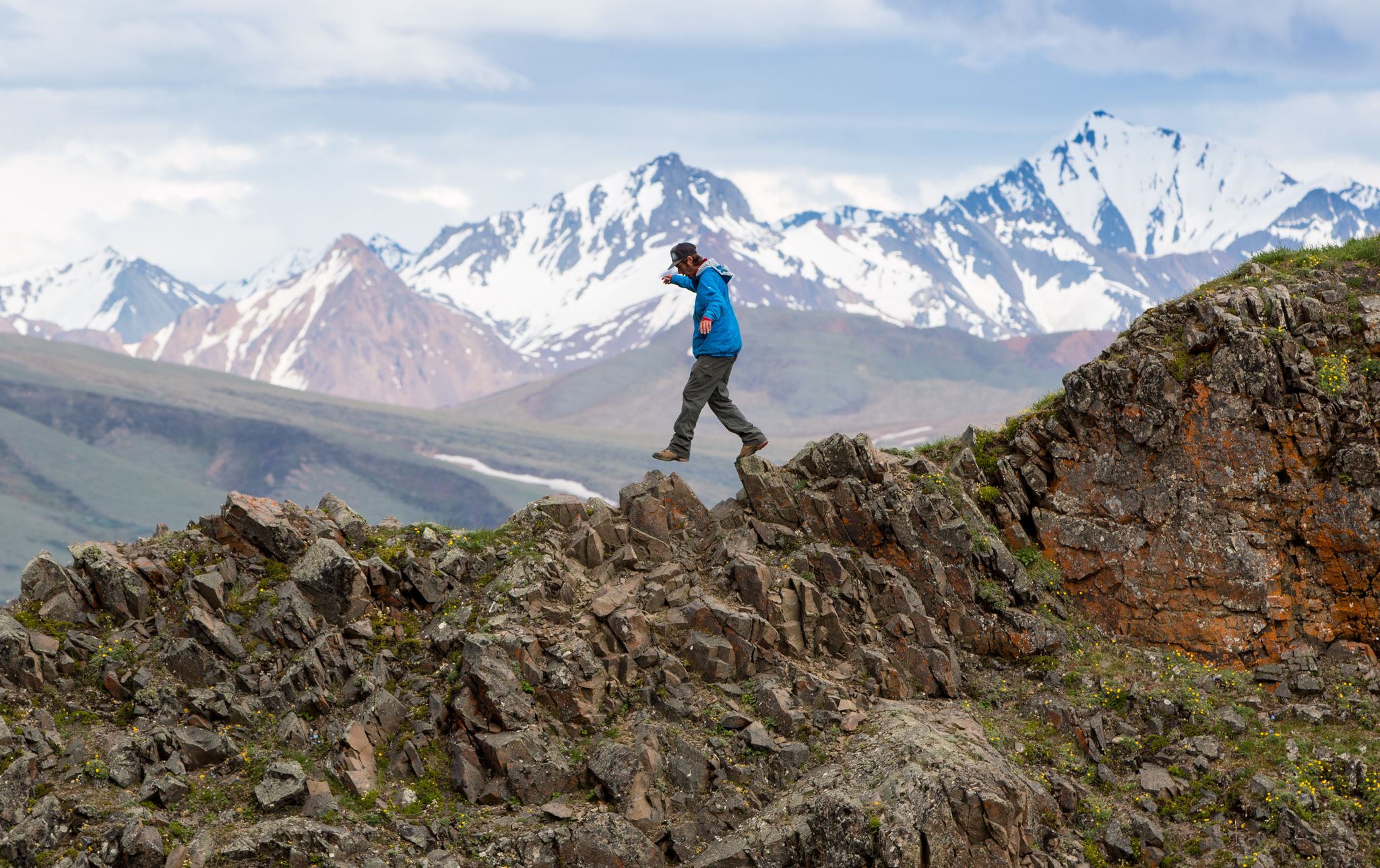
The Eielson Alpine Trail ends when you summit the Thorofare Ridge, a rocky exposed ridge high above the Denali Park Road. On a clear day from this vantage point you get phenomenal views of Denali, the highest peak in North America, as well as the surrounding peaks and valley below. This stunning spot is a great place to enjoy the views in an amazing high alpine environment after the relatively short, but steep hike from the Eielson Visitor Center.
0
0

Yeah, focusing on survival while climbing the fixed ropes on the Denali Headwall at 4,500m is a good idea, but do turn around to enjoy the spectacular 200 degree panorama to the south :-) On the West Buttress ridge approach to Denali summit, most climbers camping at the Advance Base camp take an acclimation day to climb up the head wall on fixed lines, bringing supplies up to the top of the headwall and leaving a cache on the ridge at about 16,400 ft elevation before returning to sleep at 14,300 feet. The headwall is the steepest section of the whole climb to the summit. Bringing food up to a cache is good training to get used to the higher altitude (spending the day higher but sleep lower to avoid altitude sickness), and reduce the load to carry when moving to High Camp a couple of days later for the Summit push.
6
0
On the West Buttress ridge approach to Denali summit, most climbers camping at the Advance Base camp take an acclimation day to climb up the head wall on fixed lines, bringing supplies up to the top of the headwall and leaving a cache on the ridge at about 16,400 ft elevation before returning to 14,300 feet. The headwall is the steepest section of the whole climb to the summit. Bringing food up to a cache is good training to get used to the higher altitude (spending the day higher but sleep lower to avoid altitude sickness), and reduce the load to carry when moving to High Camp a couple of days later for the Summit push. The top of the ridge has dramatic 300 degree views, south down the headwall fixed ropes to the 14,300 Advance base camp, west along the ridge towards Mt Foraker, and North into the Denali National Park valley. To the North-East the side of the Denali summit base near the High Camp comes into view.
1
0

Well, this sight is to be envied ...;)
1
0
Frequently Asked Questions
What are some of the most challenging mountain peaks for experienced climbers in Denali Wilderness?
The Denali Wilderness is renowned for its formidable peaks. Denali itself, the highest in North America, offers extreme conditions and technical routes like the Cassin Ridge. Mount Foraker, the second-highest, is considered a mountaineering objective of the highest caliber, with routes like the Sultana Ridge demanding significant skill. Mount Hunter, though lower, is often deemed more difficult due to its steep faces and intricate ice and rock climbing, with the Moonflower Buttress being a particularly famous challenge. For specific climbing sections, the Denali West Buttress ridge and Denali Headwall are notable for their technical demands.
Are there any family-friendly viewpoints to see the mountain peaks in Denali Wilderness?
Yes, for those seeking spectacular views without extreme climbing, the View of Denali from Stony Overlook is an excellent choice. Located at mile marker 62 on Denali Park Road, it offers direct views of both Denali peaks and is a popular, accessible stop for visitors. Another option is the Thorofare Ridge (Summit of Eielson Alpine Trail), which provides phenomenal views of Denali and surrounding peaks after a steep but relatively short hike from the Eielson Visitor Center.
What natural features are prominent around the mountain peaks in Denali Wilderness?
The Denali Wilderness is characterized by its immense glaciers and vast wilderness. Five large glaciers, including the Kahiltna, Peters, Muldrow, Ruth, and Traleika Glaciers, flow from Denali's slopes. The Kahiltna Glacier, the longest in the Alaska Range, is particularly significant, meeting the foot of Mount Hunter. The region's high alpine environment, with its rocky ridges and expansive valleys, offers breathtaking natural beauty and a profound sense of solitude.
What is the best time of year to visit the Denali Wilderness for mountain views or activities?
The best time to visit for mountain views and outdoor activities generally falls between late May and early September. During these months, the weather is milder, and more park facilities and roads are open. For mountaineering, the climbing season for Denali typically runs from May through July, when conditions are most favorable, though still extremely challenging. Always be prepared for unpredictable weather, as conditions can change rapidly at high altitudes.
What types of hiking trails are available near the mountain peaks in Denali Wilderness?
There are various hiking opportunities near the mountain peaks, catering to different skill levels. For easier options, you can explore trails like the Horseshoe Lake Loop or the Savage River Loop Trail. Moderate hikes include the Savage Alpine Trail and the Mount Healy Overlook Trail. More challenging routes like the Triple Lakes Trail are also available. You can find more details on these and other trails in the Easy hikes in Denali Wilderness and Hiking in Denali Wilderness guides.
Are there opportunities for mountain running in Denali Wilderness?
Yes, Denali Wilderness offers challenging terrain for mountain runners. The northeast summit of Mount Healy, for example, is a steep, rocky, and often windy area recommended for experienced mountain runners seeking solitude. Other trails like the Savage River Loop Trail and the Savage Alpine Trail also provide excellent running experiences. For more options, refer to the Running Trails in Denali Wilderness guide.
What are the permit requirements for mountain climbing in Denali Wilderness?
Climbing Denali and other major peaks in Denali National Park and Preserve requires specific permits and adherence to strict regulations. All climbers must register with the National Park Service and attend a mandatory orientation. There are also fees associated with climbing. It is crucial to plan well in advance and understand all requirements before attempting an ascent. For detailed and up-to-date information, it is best to consult the official Denali National Park and Preserve website.
What makes Mount Hunter a particularly difficult climb despite its lower elevation compared to Denali or Foraker?
Mount Hunter, known as Begguya, is considered one of North America's most difficult 14,000-foot climbs due to its unique characteristics. It features extremely steep faces, intricate ice and rock climbing routes, and highly corniced ridges. Its complex summit plateau and the technical demands of routes like the Moonflower Buttress make it a significant challenge for even advanced alpinists, often requiring more technical skill than its higher neighbors.
Can I see wildlife when visiting the mountain peaks area of Denali Wilderness?
The Denali Wilderness is home to diverse wildlife, and sightings are possible, especially in the lower elevations and valleys surrounding the peaks. Common animals include grizzly bears, caribou, moose, Dall sheep, and various bird species. While direct encounters on high mountain slopes are less frequent, observing wildlife from viewpoints or during hikes in the park is a significant part of the Denali experience. Always maintain a safe distance and follow park guidelines for wildlife viewing.
What essential gear should I consider for mountain treks in Denali Wilderness?
Given the extreme and unpredictable conditions, essential gear for mountain treks in Denali Wilderness includes layers of warm, waterproof, and windproof clothing, sturdy mountaineering boots, ice axe, crampons, and a helmet for technical routes. Navigation tools, a first-aid kit, emergency shelter, and sufficient food and water are also critical. For high-altitude climbs, specialized equipment for glacier travel and crevasse rescue is mandatory. Always check current weather forecasts and consult with experienced guides or park rangers for specific gear recommendations based on your planned activity.
Are there any less crowded mountain trails or areas to explore in Denali Wilderness?
While Denali and its main climbing routes attract many, areas like the northeast summit of Mount Healy are far less traveled than other popular spots. This side of the mountain offers a real Alaskan mountain-running experience with the promise of solitude. Similarly, Mount Foraker and Mount Hunter see fewer climbers than Denali, offering a more remote and less crowded alpine climbing experience for those with the necessary skills.
Most popular attractions in Denali Wilderness

Get inspired with the komoot mobile app


Explore more
See even more amazing summits in Denali Wilderness with these guides:
