Top 20 Castles in the Sistema Ibérico Mountains
Best castles in the Sistema Ibérico Mountains are found across a vast and complex mountain range in central-eastern Spain. This region features historic fortresses, often strategically located on hills, providing panoramic views. These structures offer insights into centuries of conflict and cultural exchange, showcasing Spain's rich past. The area's geography and historical significance make it a notable destination for exploring medieval architecture.
Best castles in the Sistema Ibérico Mountains
- The most popular castles is Clavijo Castle, a castle with…
Last updated: October 17, 2026
Clavijo Castle
Highlight • Castle
Translated by Google •
Tip by

Yanguas Historic Village
Highlight • Historical Site
Translated by Google •
Tip by

Sign up now to discover places like this
Get recommendations on the best single tracks, peaks, & plenty of other exciting outdoor places.
Préjano Castle
Highlight • Castle
Translated by Google •
Tip by

Castle of la Nava del Marqués de Magaña
Highlight • Castle
Translated by Google •
Tip by

Yanguas
Highlight • Settlement
Translated by Google •
Tip by
Hinojosa de la Sierra Castle
Highlight • Castle
The ruins are more impressive from afar but it is worth going …
Translated by Google •
Tip by

San Pedro Manrique
Highlight • Settlement
Translated by Google •
Tip by

Nalda Castle
Highlight • Castle
Translated by Google •
Tip by

Castle of Arnedo
Highlight • Castle
The fortification from Roman times …
Translated by Google •
Tip by
Castillo de Quel
Highlight • Castle
The castle stands on a hill about 100 meters high, with privileged views of the surroundings, …
Translated by Google •
Tip by
Sign up for free to discover even more castles in the Sistema Ibérico Mountains.
Already have an account?
Start today with a free account
Your next adventure awaits.
Popular around Sistema Ibérico Mountains
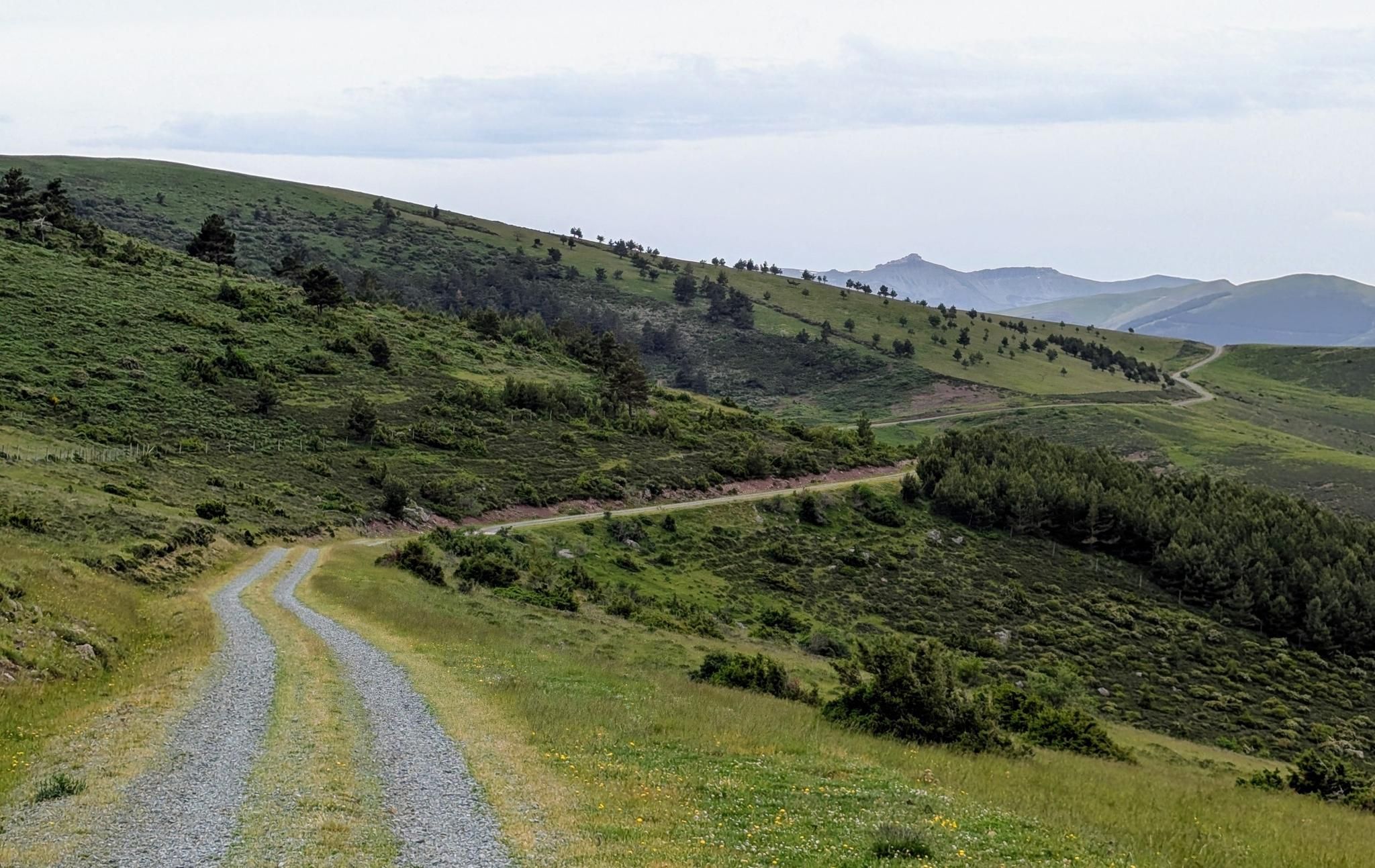
MTB Transhumance — Cañada Real Soriana Occidental
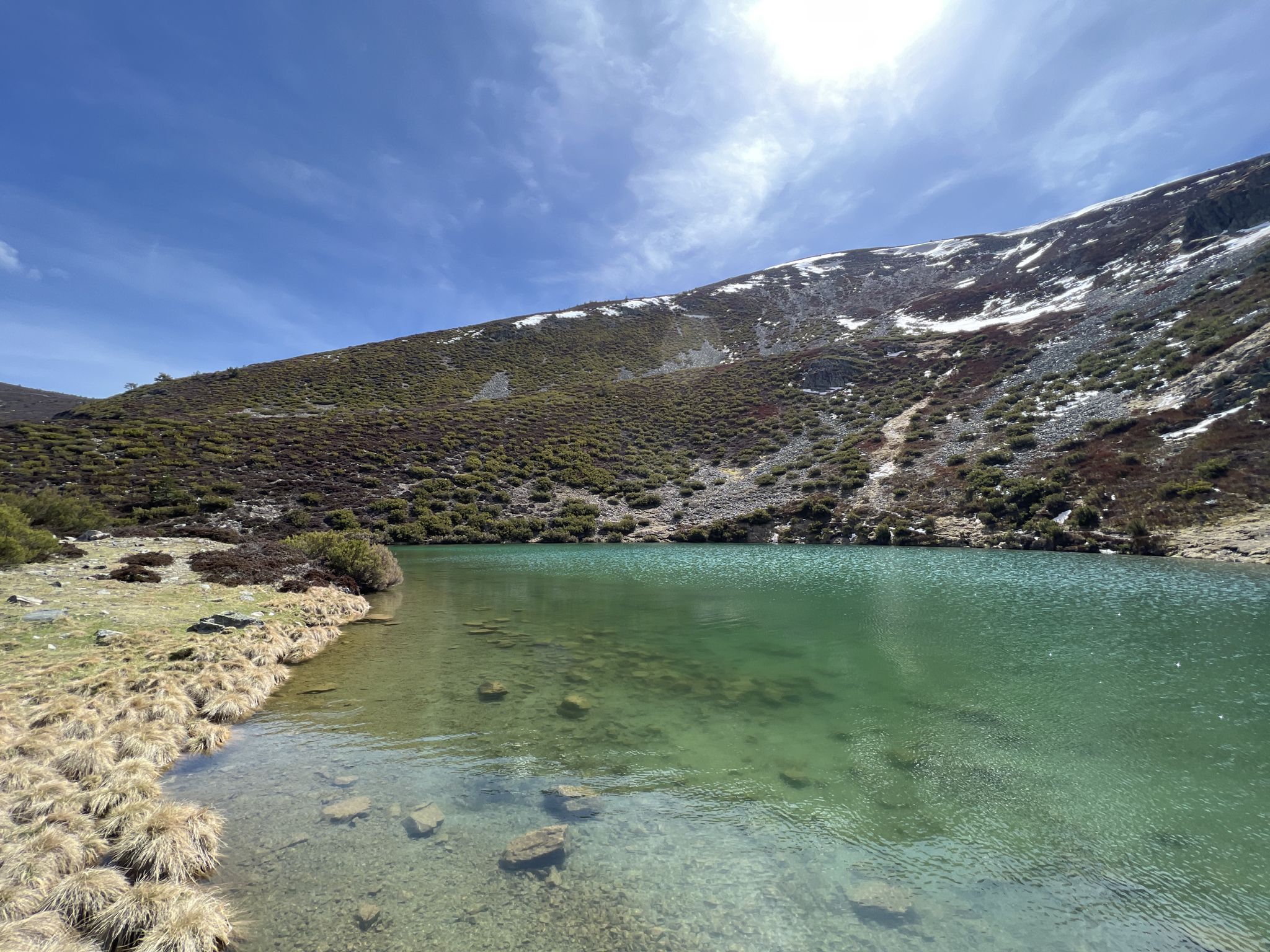
Discover the unknown Burgos - Dos Aguas Trail (GR 290)
Zazpiak Bat Packing – a cycling adventure in the Basque Country
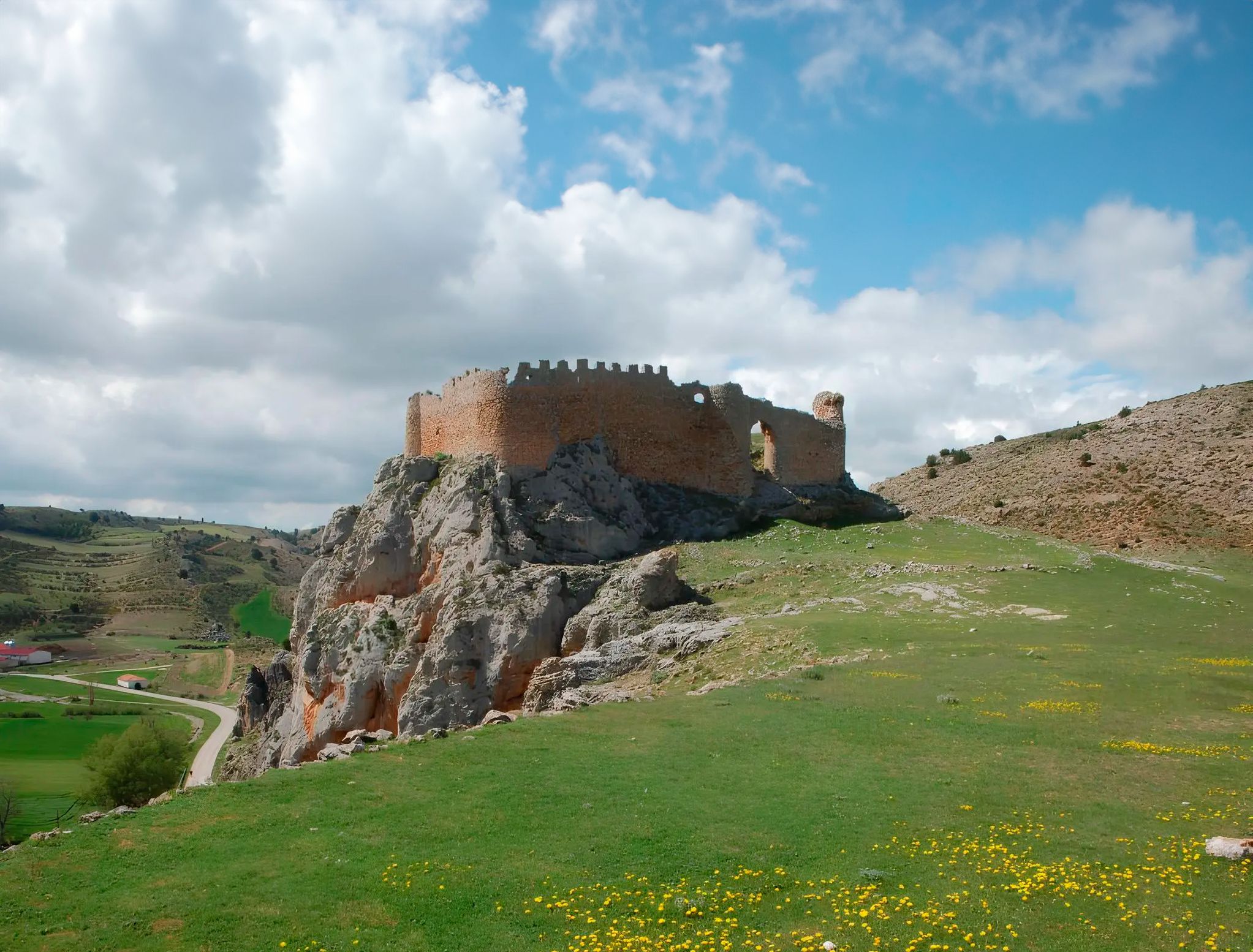
Around the Spanish province of Soria - Sendero Ibérico Soriano (GR 86)
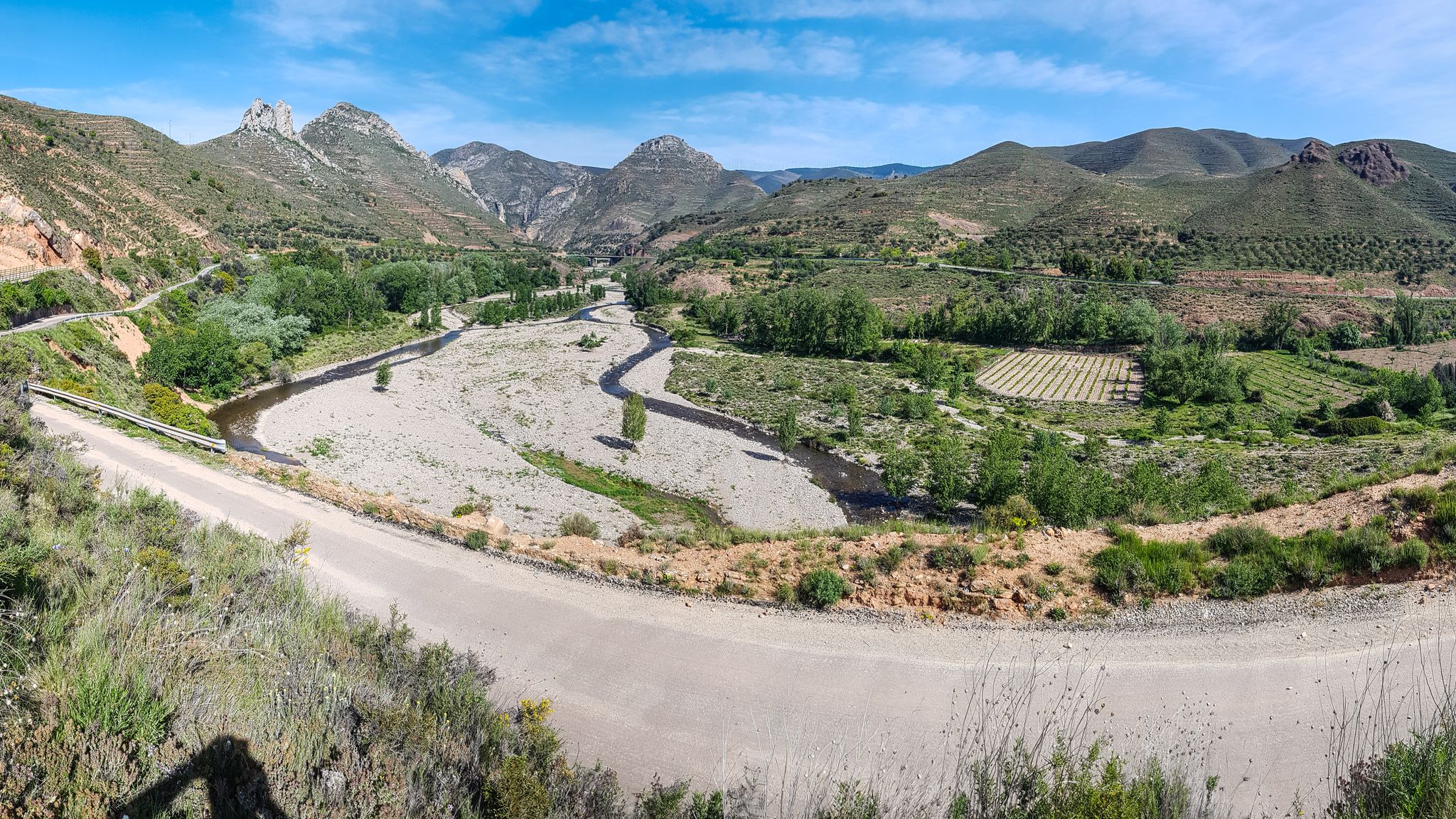
Orchards and karst peaks in La Rioja – Cidacos Greenway
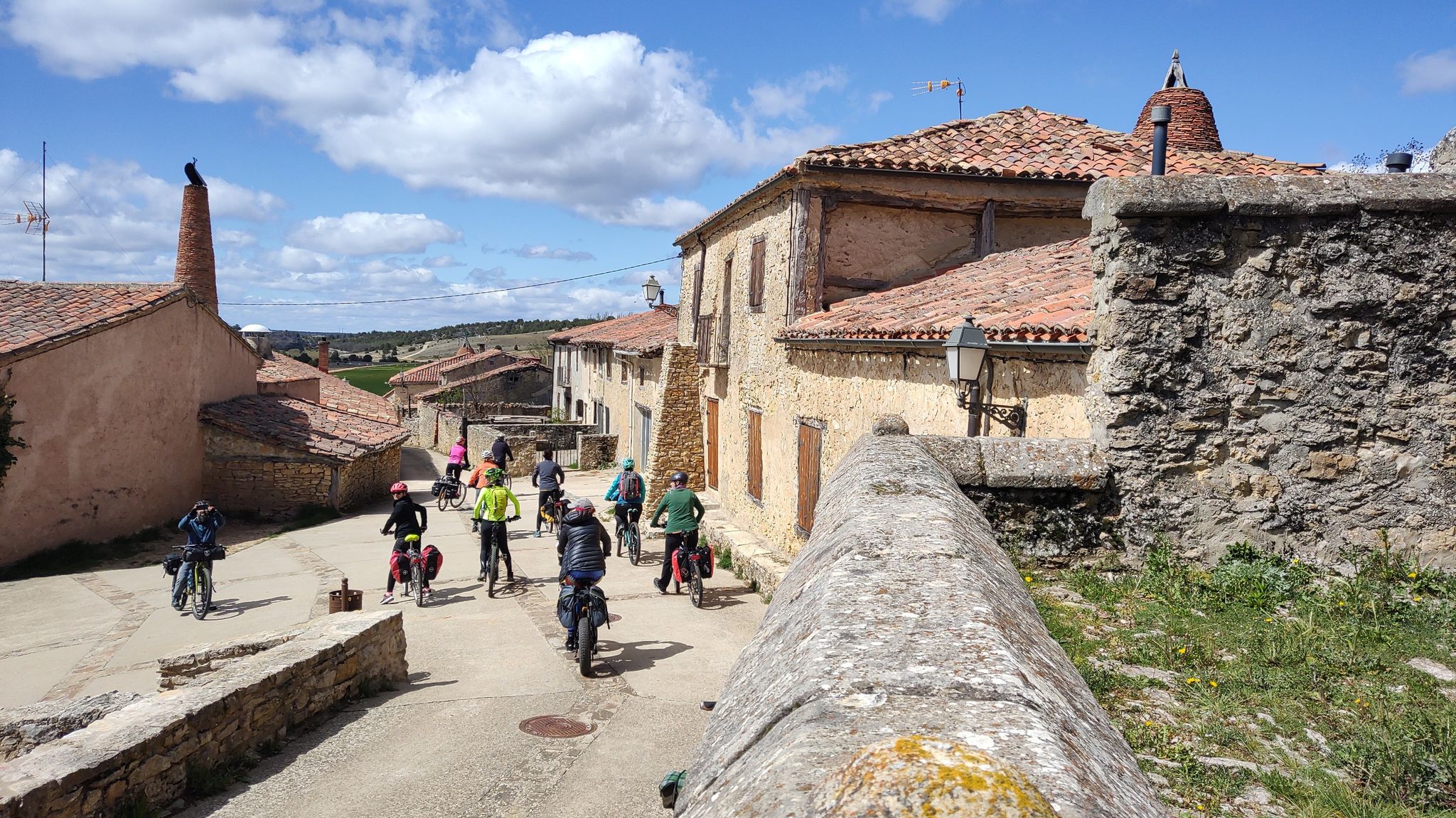
Millennial treasures on pedals – Romanesque art of Soria by MTB
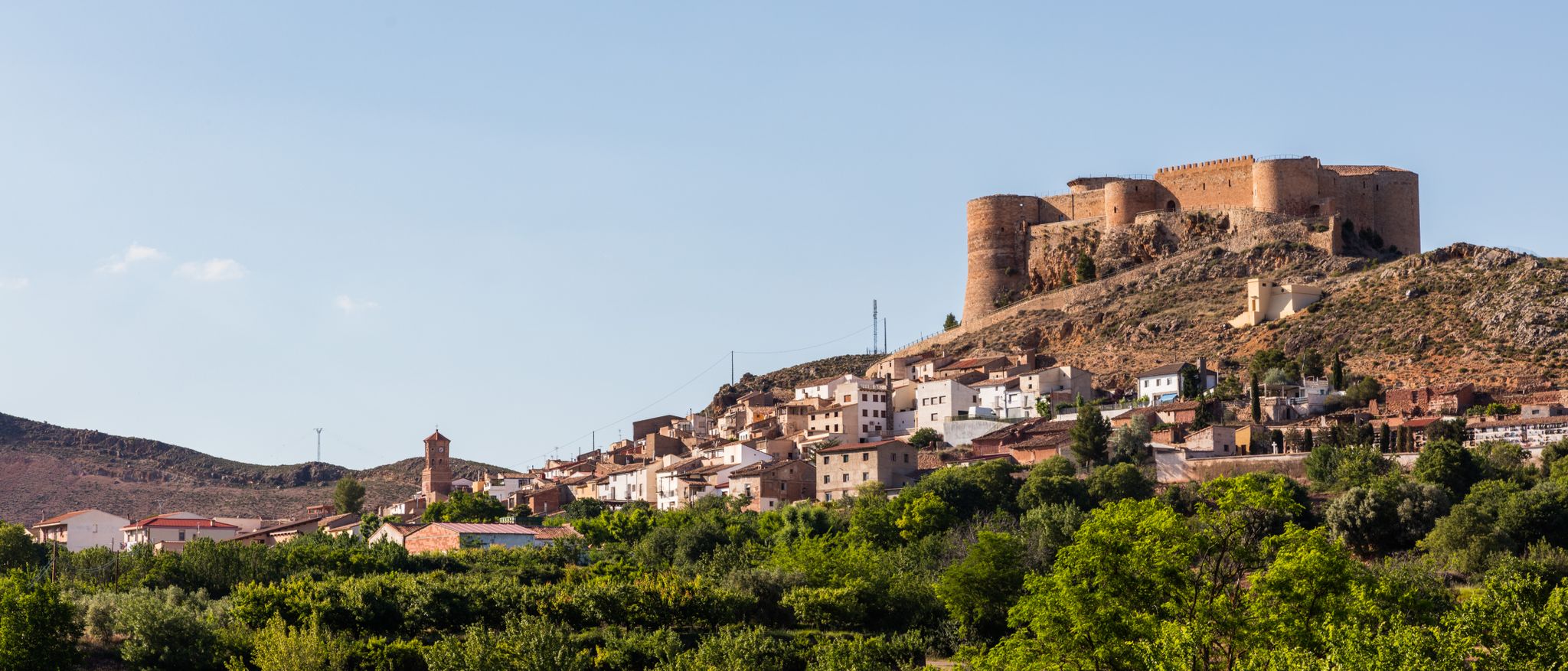
Moncayo to Daroca – Iberian Zaragoza Path (GR 90)
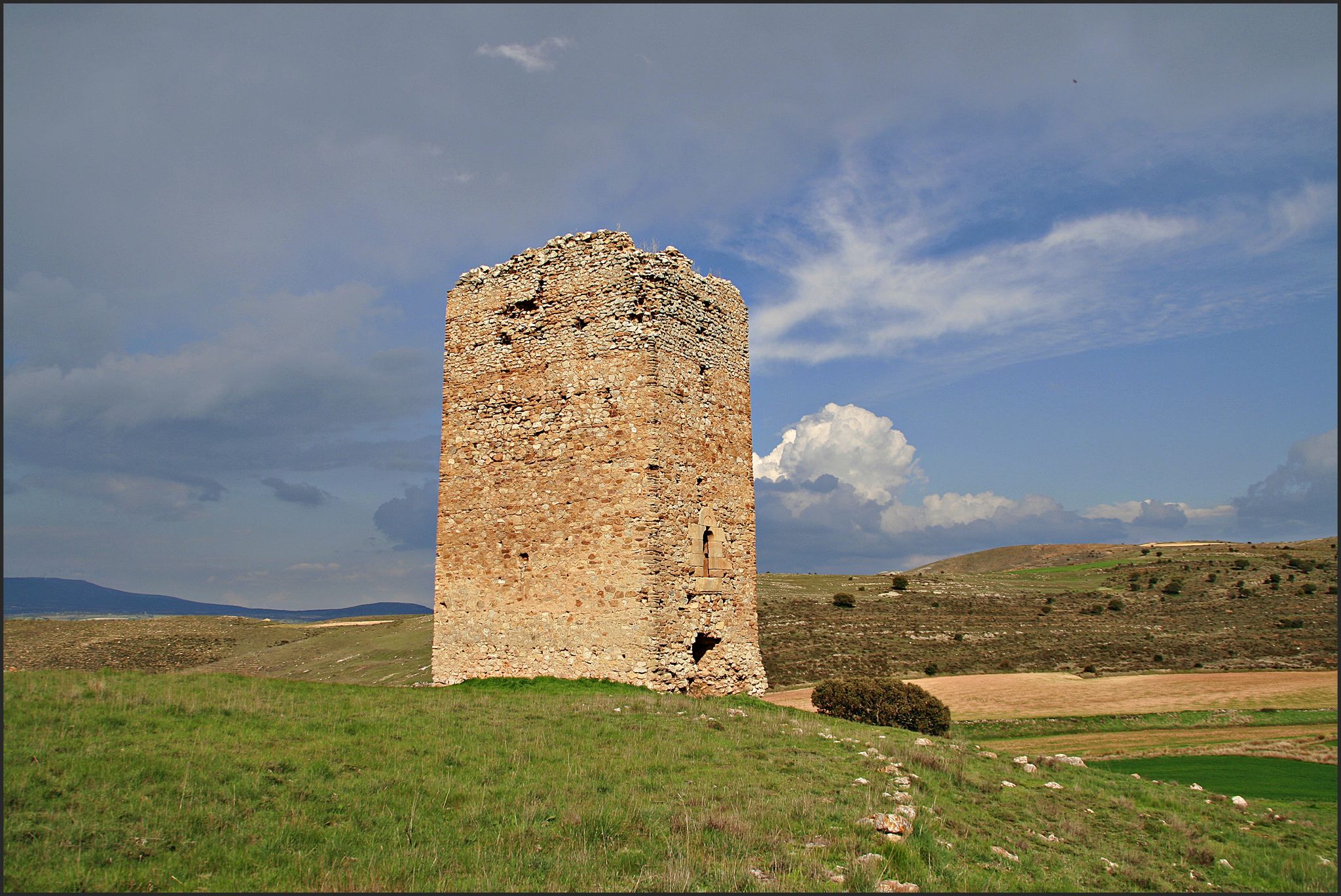
The Duero to the Ebro – Soriano Water Natural Trail
18th-century gravel – Camino Real de Aragón from Madrid
An epic getaway – Santander-Mediterráneo Nature Trail
Other adventures in the Sistema Ibérico Mountains


Tips from the Community

I didn't know it, and today I've been on routes for two days and I loved it.
0
0

Small and pretty town, area with lots of interesting mountain bike trails
0
0

Picnic area with water and beautiful views of the Prejano castle and the valley
0
1

Accommodation, shops and bar in this beautiful medieval town. They have just restored the castle
0
0

San Pedro Manrique is a municipality in Soria in the Tierras Altas region, in the community of Castilla y León. Its origin dates back to the Celts, Vascones, Iberians and Romans. With the passage of time, other neighboring towns such as Sarnago, Las Fuentes de San Pedro, Matasejún, Palacio de San Pedro, Taniñe, Valdenegrillos and Ventosa de San Pedro have been incorporated into the municipal area. San Pedro Manrique is well known for his particular way of celebrating San Juan Day. On the night of San Juan the well-known "paso del fuego" is carried out, in which the embers of a bonfire are stepped on by the town's natives, barefoot and carrying someone on their backs. Among its heritage, the hermitage of the Virgen de la Peña, the church of San Miguel, the remains of a castle on the outskirts and the ruins of the convent of San Pedro el Viejo stand out.
0
0
Yanguas is a town in Soria in the Tierras Altas region, in the community of Castilla y León. Of pre-Roman origin, it is located at the beginning of the Cidacos river gorge, on the road that linked Numancia and Calahorra. It was declared a Historical-Artistic Site in 1993 and belongs to the Most Beautiful Towns in Spain association. Of its heritage, the Romanesque tower of San Miguel stands out, in Catalan Romanesque style (unique in the province), the Yanguas castle (14th century) and the church of San Lorenzo.
2
0
Magaña Castle is a medieval fortress located on a hill overlooking the town of the same name, in the province of Soria, Tierras Altas region, community of Castilla y León. It is believed to have been built during two stages throughout the 15th century. The inner enclosure would be built in the first stage, and the outer barrier in a second. Due to its architectural characteristics, it belongs to the typology of stately castle of the Valladolid school, very common in the north of Castile in the second half of the 15th century.
2
0

Yanguas is located at the gates of a canyon on the Cidacos River that leads to La Rioja. The beauty of the town has made it enter by its own right into the association of The Most Beautiful Towns in Spain. Its historic group of stone houses, especially slate, preserves the appearance of traditional architecture. In addition, it houses centuries-old monuments such as the Romanesque churches of San Lorenzo and Santa María, among other buildings of heritage relevance.
1
0
Frequently Asked Questions
What types of castles can I explore in the Sistema Ibérico Mountains?
The Sistema Ibérico Mountains offer a diverse range of castles, from well-preserved medieval fortresses to significant ruins. You can find rocky castles, stately castles, and those with unique historical narratives, each reflecting centuries of conflict and cultural exchange in central-eastern Spain.
Are there any castles that offer spectacular panoramic views?
Yes, several castles are strategically perched to provide impressive vistas. Clavijo Castle offers wide views of the Leza river gorge and the Iregua and Ebro river valleys. Similarly, Castillo de Quel, built on a 100-meter-high hill, provides privileged views of its surroundings. The ruins of Hinojosa de la Sierra Castle also offer views of the Duero riverbank and Laguna de la Serna.
Which castles are particularly interesting for their historical significance?
Castle of la Nava del Marqués de Magaña is a medieval fortress believed to have been constructed in two stages during the 15th century, offering insights into the defensive architecture of the period. Loarre Castle, located in Huesca, is a remarkably well-preserved Romanesque-style castle from the 11th century, considered a prime example of military architecture. Monzón Castle, also in Huesca, gained significant importance as one of the most important Templar seats on the Iberian Peninsula, with a profound cultural and architectural legacy.
Are there family-friendly castles or historical sites in the region?
While specific castles may not be explicitly labeled 'family-friendly' in all data, the historical site of Yanguas Historic Village is noted as family-friendly. It features traditional architecture, Romanesque churches, and the Yanguas Castle, offering an engaging experience for all ages. Exploring the grounds of many castles can be an adventure for families, especially those with well-maintained paths.
What outdoor activities can I do near the castles in the Sistema Ibérico Mountains?
The Sistema Ibérico Mountains offer numerous outdoor activities. You can find excellent hiking trails, such as the 'Pico Urbión and the source of the Duero River' or the 'Moncayo Circular Trail'. For cyclists, there are routes like the 'Sierra de la Demanda Greenway' or the 'Torre de Préjano y Castillo de Herace – circular from Arnedo via the Vía Verde'. Mountain biking enthusiasts can explore trails like 'La Tronchaberezos Trail' or the 'Moncayo Loop'. You can find more details on these activities in the hiking, cycling, and MTB guides for the region.
What is the best time to visit the castles in the Sistema Ibérico Mountains?
The Sistema Ibérico Mountains can experience varied weather. While specific best times for castles aren't detailed, generally, spring and autumn offer pleasant temperatures for exploring historical sites and engaging in outdoor activities like hiking. During the rainy season, the views from places like Hinojosa de la Sierra Castle can be particularly impressive, showcasing the Laguna de la Serna.
Are there any castles that are particularly well-preserved?
Loarre Castle in Huesca is renowned for its excellent state of preservation, allowing visitors to experience an 11th-century medieval military fortress almost as it was centuries ago. Castle of la Nava del Marqués de Magaña also boasts a well-preserved medieval structure, offering clear insights into its defensive architecture.
What kind of natural landmarks or viewpoints can I find near these castles?
Many castles are situated to offer stunning natural views. For instance, Clavijo Castle provides views of the Leza river gorge. The ruins of Hinojosa de la Sierra Castle overlook the Duero riverbank and Laguna de la Serna. The region itself is characterized by a vast mountain range, offering numerous opportunities for scenic vistas and natural exploration.
What do visitors enjoy most about the castles in the Sistema Ibérico Mountains?
Visitors frequently appreciate the strategic locations of these castles, which often provide breathtaking panoramic views. The rich history embedded in their walls, from Roman settlements to Templar strongholds, offers a captivating journey through Spain's past. The komoot community has shown significant appreciation, with 57 upvotes and 34 photos shared across 30 highlights, indicating a strong interest in both the historical and scenic aspects.
Can I find any castles with connections to specific historical orders or events?
Monzón Castle in Huesca holds significant importance due to its transformation into a strategic stronghold by the Order of the Temple during the Middle Ages. It became one of the most important Templar seats on the Iberian Peninsula, offering a profound cultural and architectural legacy from its Templar past. It also hosted important sessions of the historic Courts of Aragon.
Are there any castles that are particularly unique in their architectural style?
Castle of la Nava del Marqués de Magaña is architecturally notable as it belongs to the stately castle typology of the Valladolid school, which was common in northern Castile during the second half of the 15th century. Loarre Castle is a prime example of 11th-century Romanesque military architecture, standing out for its design and preservation.
Are there any castles that are part of a larger historical village or town?
Yes, Yanguas Historic Village, part of the 'Most Beautiful Towns in Spain' association, features the Yanguas Castle alongside Romanesque churches and traditional architecture. Similarly, Castle of la Nava del Marqués de Magaña overlooks the town of Magaña, which also boasts the Romanesque tower of San Miguel and is part of the 'Most Beautiful Towns in Spain' association.
Most popular routes in the Sistema Ibérico Mountains
Most popular attractions in the Sistema Ibérico Mountains

Get inspired with the komoot mobile app


Explore more
Looking for the best castles somewhere else? Discover other guides in the Sistema Ibérico Mountains:
