The best MTB trails in Columbia National Wildlife Area
5.0
(1)
80
riders
4
rides
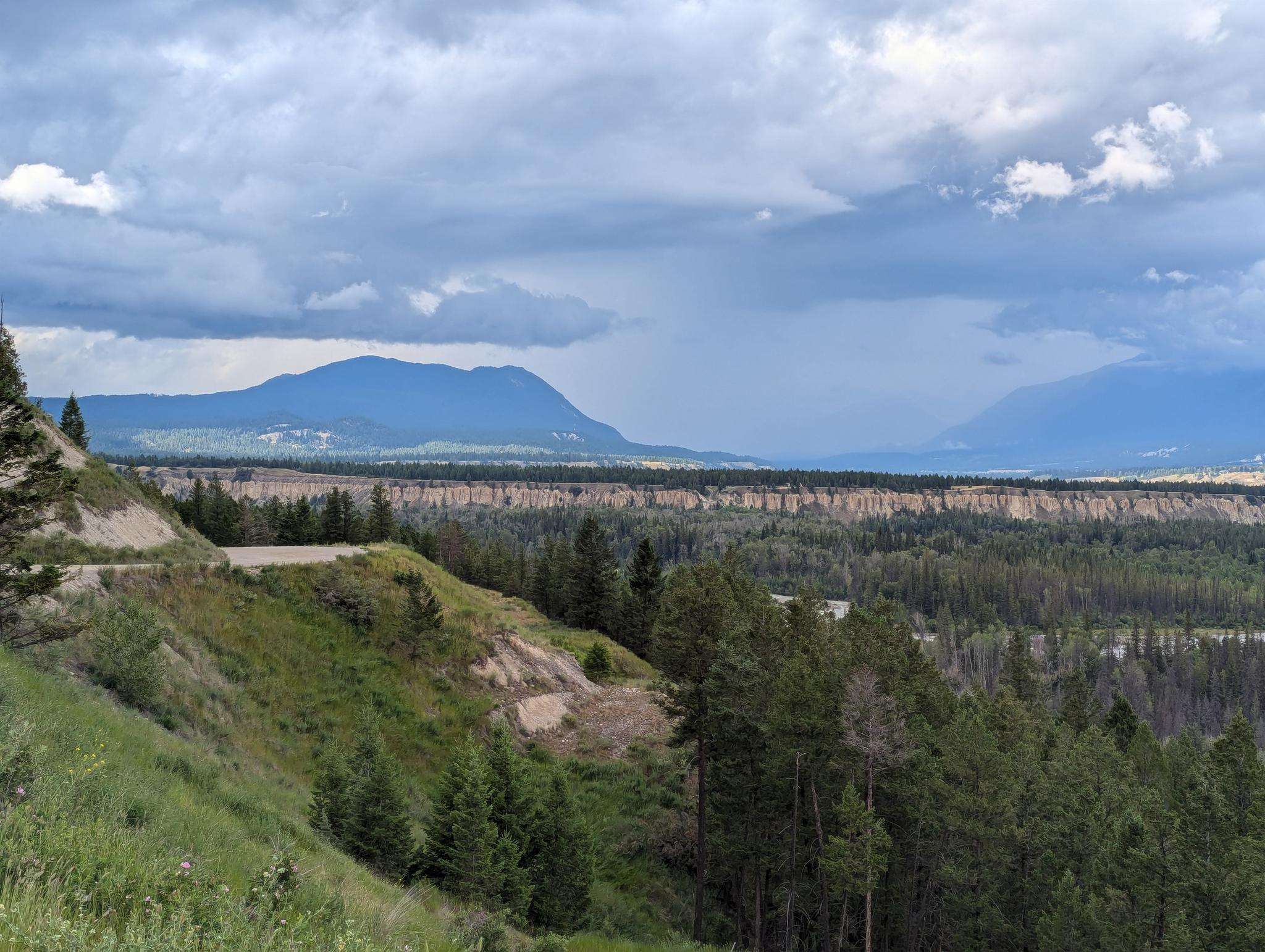
Mountain bike trails in Columbia National Wildlife Area navigate a landscape shaped by ancient Missoula Floods, featuring dramatic scabland basalt formations, cliffs, and rimrock. The region is characterized by a mix of low-elevation shrub-steppe, willow woodlands, and riparian habitats. Numerous lakes, potholes, and marshes are interspersed throughout, creating vital oases. Mountain biking is primarily permitted on gravel roads within the refuge, offering access to these unique natural features.
Best mountain bike trails in Columbia National Wildlife Area
- The most popular…
Last updated: July 15, 2026
5.0
(1)
37
riders
8.23km
00:48
140m
140m
Hard mountain bike ride. Great for any fitness level. Advanced riding skills necessary. Some portions of the route may require you to push your bike.
28
riders
29.2km
02:36
540m
540m
Hard mountain bike ride. Good fitness required. Advanced riding skills necessary. Some portions of the route may require you to push your bike.

Sign up for free
4
riders
18.6km
01:41
280m
280m
Hard mountain bike ride. Great for any fitness level. Advanced riding skills necessary. Some portions of the route may require you to push your bike.
6
riders
22.9km
02:31
910m
910m
Hard mountain bike ride. Very good fitness required. Suitable for all skill levels.
5
riders
12.6km
01:42
580m
580m
Hard mountain bike ride. Good fitness required. Advanced riding skills necessary. Some portions of the route may require you to push your bike.
Our route recommendations are based on thousands of hikes, rides, and runs completed by other people on komoot.
Start today with a free account
Your next adventure awaits.
Login or Signup
Popular around Columbia National Wildlife Area
Frequently Asked Questions
How many mountain bike trails are available in Columbia National Wildlife Area?
There are over 4 mountain bike trails available in the Columbia National Wildlife Area, all of which are rated as difficult. These routes navigate a landscape shaped by ancient Missoula Floods, featuring dramatic scabland basalt formations, cliffs, and rimrock.
What is the typical difficulty level of mountain bike trails in Columbia National Wildlife Area?
The mountain bike trails in Columbia National Wildlife Area are generally challenging, catering to experienced mountain bikers. All available routes, such as the Toby Creek loop from BJ's Bench and the Long Lake loop from Lillian Lake, are rated as difficult.
What kind of terrain can I expect on mountain bike trails in Columbia National Wildlife Area?
You can expect a rugged, arid landscape characterized by dramatic scabland basalt formations, cliffs, and rimrock. The trails primarily follow gravel roads, offering access to diverse habitats including low-elevation shrub-steppe, willow woodlands, and riparian areas. Numerous lakes, potholes, and marshes are also interspersed throughout the region.
What do other mountain bikers say about the trails in Columbia National Wildlife Area?
The routes in Columbia National Wildlife Area are highly rated by the komoot community, with an average score of 5.0 stars from over 1 review. More than 80 mountain bikers have used komoot to explore the area, often praising the unique geological features and diverse habitats.
What natural features or landmarks can I see while mountain biking in Columbia National Wildlife Area?
While mountain biking on the designated gravel roads, you can observe dramatic scabland basalt formations, cliffs, and rimrock, which are remnants of the Missoula Floods. The area also features numerous lakes, potholes, and marshes, creating vital oases. Routes like the Long Lake loop from Lillian Lake lead through areas featuring these unique geological and aquatic features.
Is Columbia National Wildlife Area a good place for wildlife viewing while mountain biking?
Yes, the refuge is a significant attraction for wildlife enthusiasts. While biking, you might spot large numbers of migrating and wintering mallards, Canada geese, and tundra swans. It's a critical stop for migratory birds along the Pacific Flyway. Other notable wildlife includes mule deer, beaver, porcupine, and coyotes. The diverse habitats, including shrub-steppe and wetlands, support a rich variety of species.
Are there any circular mountain bike routes in Columbia National Wildlife Area?
Yes, several routes in the area are loops. For example, you can explore the Toby Creek loop from BJ's Bench, which is 5.1 miles (8.2 km) long, or the longer Toby Creek loop from James Chabot Provincial Park, spanning 18.1 miles (29.2 km). The Long Lake loop from Lillian Lake is another popular circular option.
What is the best time of year to go mountain biking in Columbia National Wildlife Area?
The Columbia National Wildlife Refuge is accessible year-round, but conditions vary. Spring and fall offer pleasant temperatures and excellent opportunities for birdwatching, especially during migratory periods. Summers can be hot and arid, while winters may bring colder temperatures. Always check local weather conditions before your ride.
Are mountain bikes permitted on all trails within the Columbia National Wildlife Area?
No, mountain biking is primarily permitted on designated gravel roads within the refuge. While the area offers numerous trails for hiking, dedicated single-track mountain biking trails are limited. Always adhere to signage and regulations to protect the natural environment and wildlife.
Where can I find more information about visiting the Columbia National Wildlife Refuge?
For official information regarding visiting hours, regulations, and any specific alerts for the Columbia National Wildlife Refuge, you can consult the U.S. Fish & Wildlife Service website at fws.gov/refuge/columbia. They also provide details on how to plan your visit at fws.gov/refuge/columbia/visit-us.
Are there any specific permits required for mountain biking in Columbia National Wildlife Area?
Generally, no specific permits are required for day-use activities like mountain biking on designated roads within the Columbia National Wildlife Refuge. However, it's always advisable to check the official U.S. Fish & Wildlife Service website for the most current regulations and any potential changes before your visit. You can find this information at fws.gov/refuge/columbia/visit-us.
Is the Columbia National Wildlife Area suitable for family mountain biking?
Given that all listed mountain bike routes are rated as difficult and primarily follow gravel roads, the area might be more suitable for families with older, experienced riders. The rugged terrain and challenging nature of the trails may not be ideal for young children or beginner mountain bikers. However, the scenic drives and wildlife viewing opportunities can be enjoyed by families.
Most popular routes in Columbia National Wildlife Area

Get inspired with the komoot mobile app


Explore more
Browse the best MTB trails in other regions.
