Attractions and Places To See in the Trans-Mexican Volcanic Belt - Top 20
Best attractions and places to see in the Trans-Mexican Volcanic Belt include a diverse range of natural landscapes and significant cultural sites. This geologically active region stretches across south-central Mexico, characterized by towering volcanic peaks and extensive pine-oak forests. It offers a combination of geological grandeur and rich cultural heritage, making it a compelling destination for explorers. The area is home to numerous archaeological sites and prominent volcanoes, providing varied points of interest.
Best attractions and places to see in…
Last updated: July 6, 2026
Nevado de Toluca Summit
Highlight • Summit
Tip by

Palace of Fine Arts
Highlight • Monument
Tip by
Sign up now to discover places like this
Get recommendations on the best single tracks, peaks, & plenty of other exciting outdoor places.
Sign up for free
Teotihuacan
Highlight • Historical Site
Tip by
Malecón of Puerto Vallarta
Highlight (Segment) • Trail
Translated by Google •
Tip by

Chapultepec Castle
Highlight • Castle
Translated by Google •
Tip by
Pico del Águila and Cruz del Marqués (Ajusco)
Highlight • Summit
Translated by Google •
Tip by

Diana the Huntress Fountain
Highlight • Monument
Tip by

Avenue of the Dead (Calzada de los Muertos)
Highlight • Historical Site
Tip by
Cerro Tláloc Summit and Archaeological Site
Highlight • Summit
Tip by
Summit of Nevado de Colima
Highlight • Summit
Tip by
Sign up for free to discover even more attractions in the Trans-Mexican Volcanic Belt.
Sign up for free
Already have an account?
Start today with a free account
Your next adventure awaits.
Login or Signup
Popular around Trans-Mexican Volcanic Belt

Triathlon 360 – my journey around the world
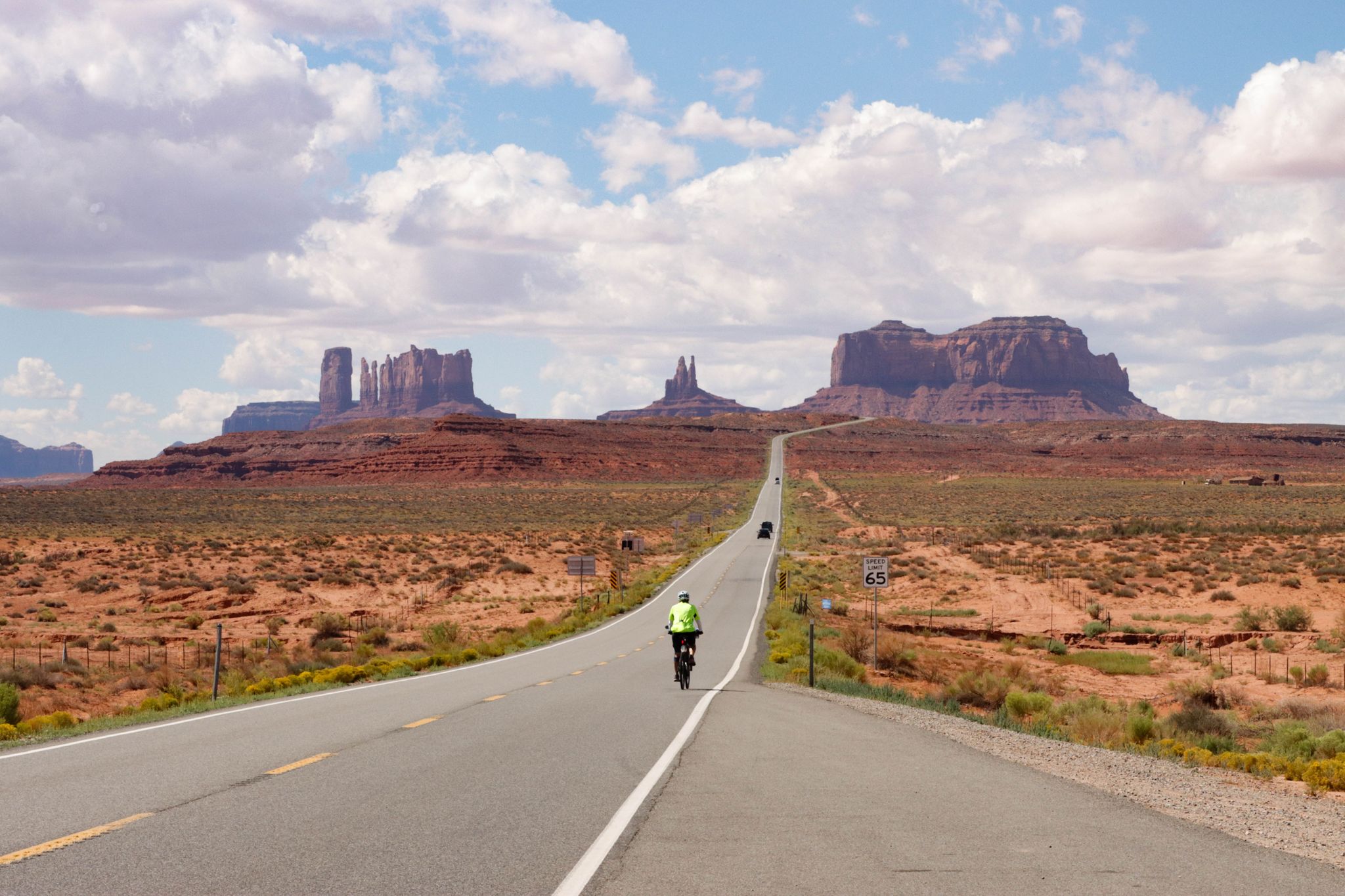
From the Arctic Ocean to the Panama Canal — North American Epic
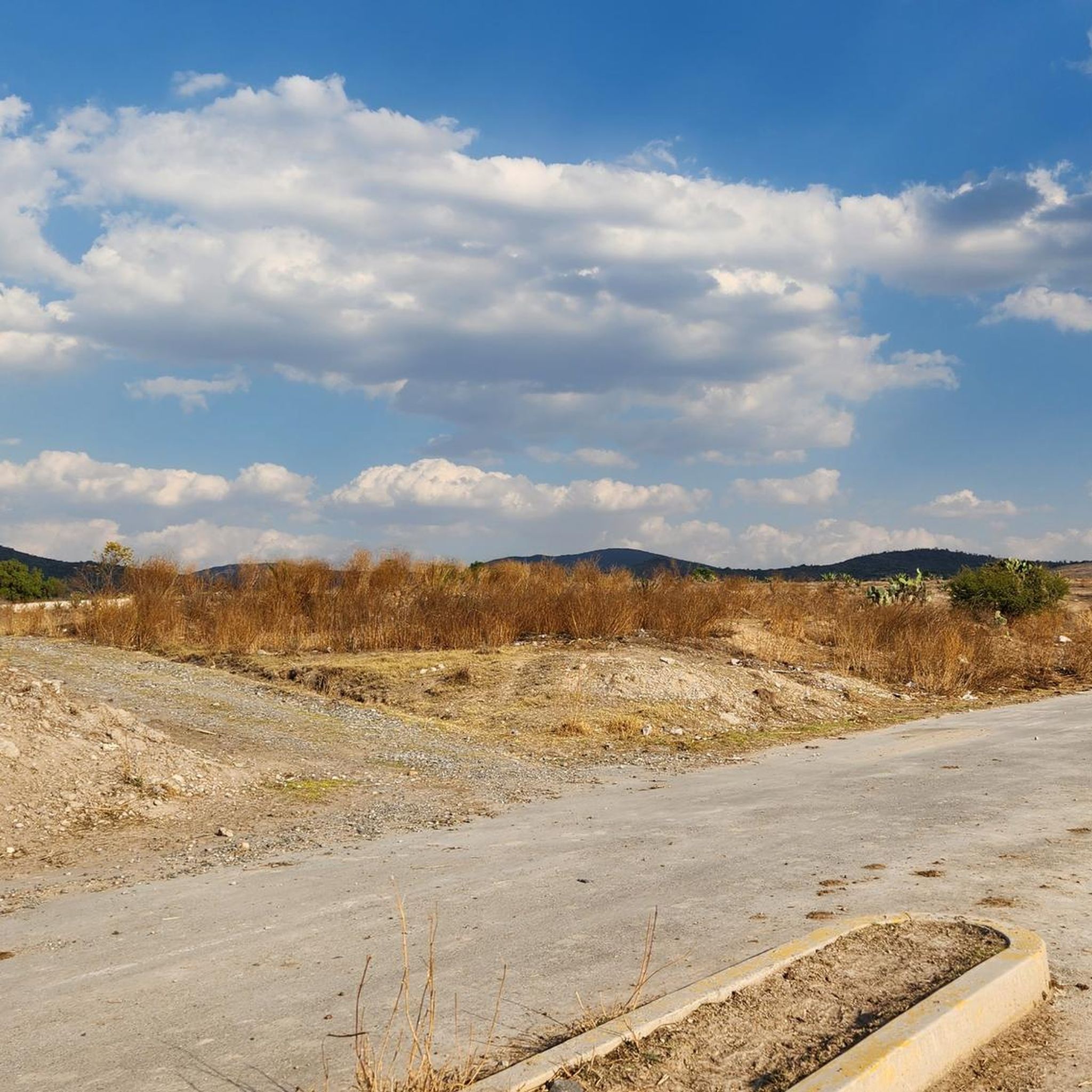
Hiking in the Trans-Mexican Volcanic Belt
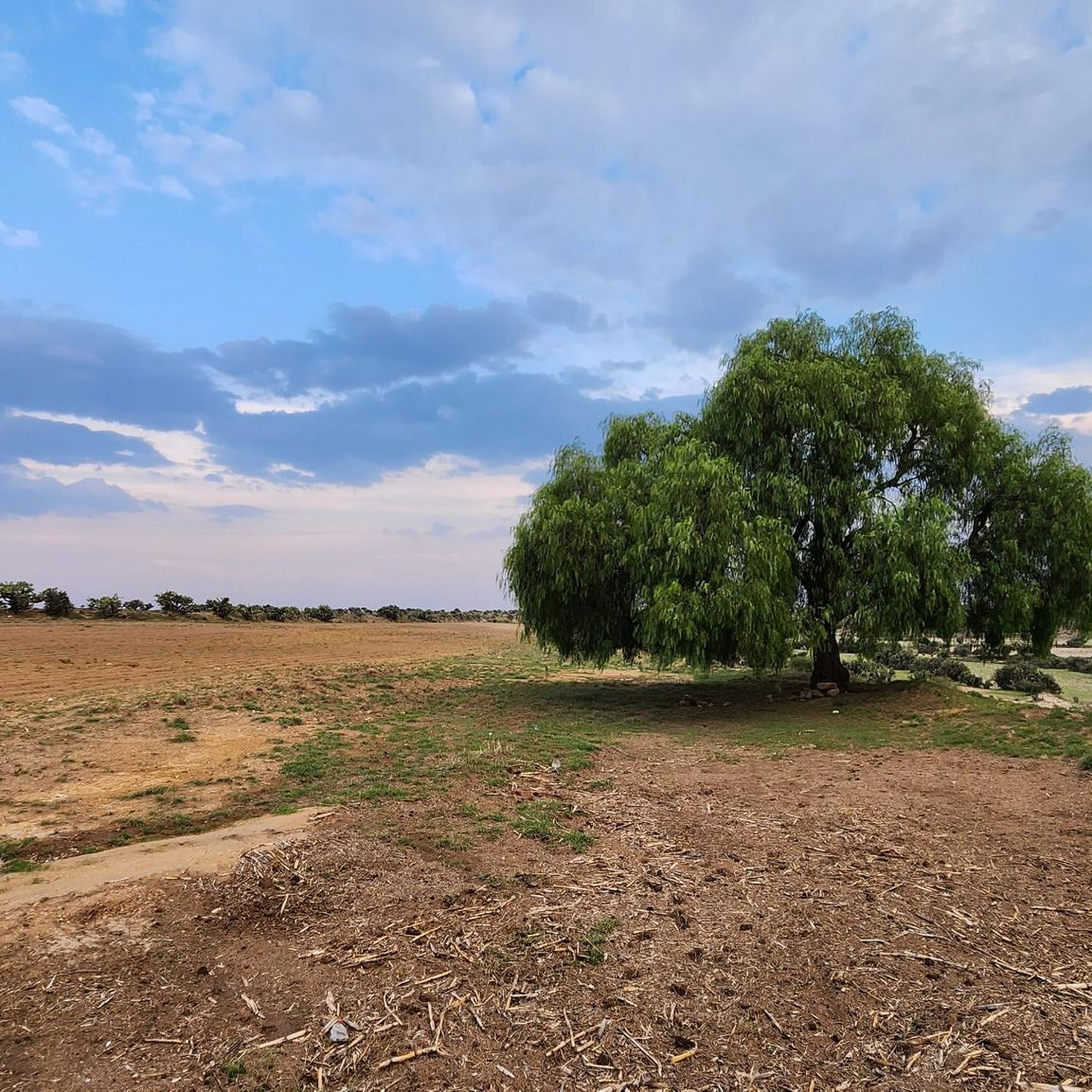
Running Trails in the Trans-Mexican Volcanic Belt
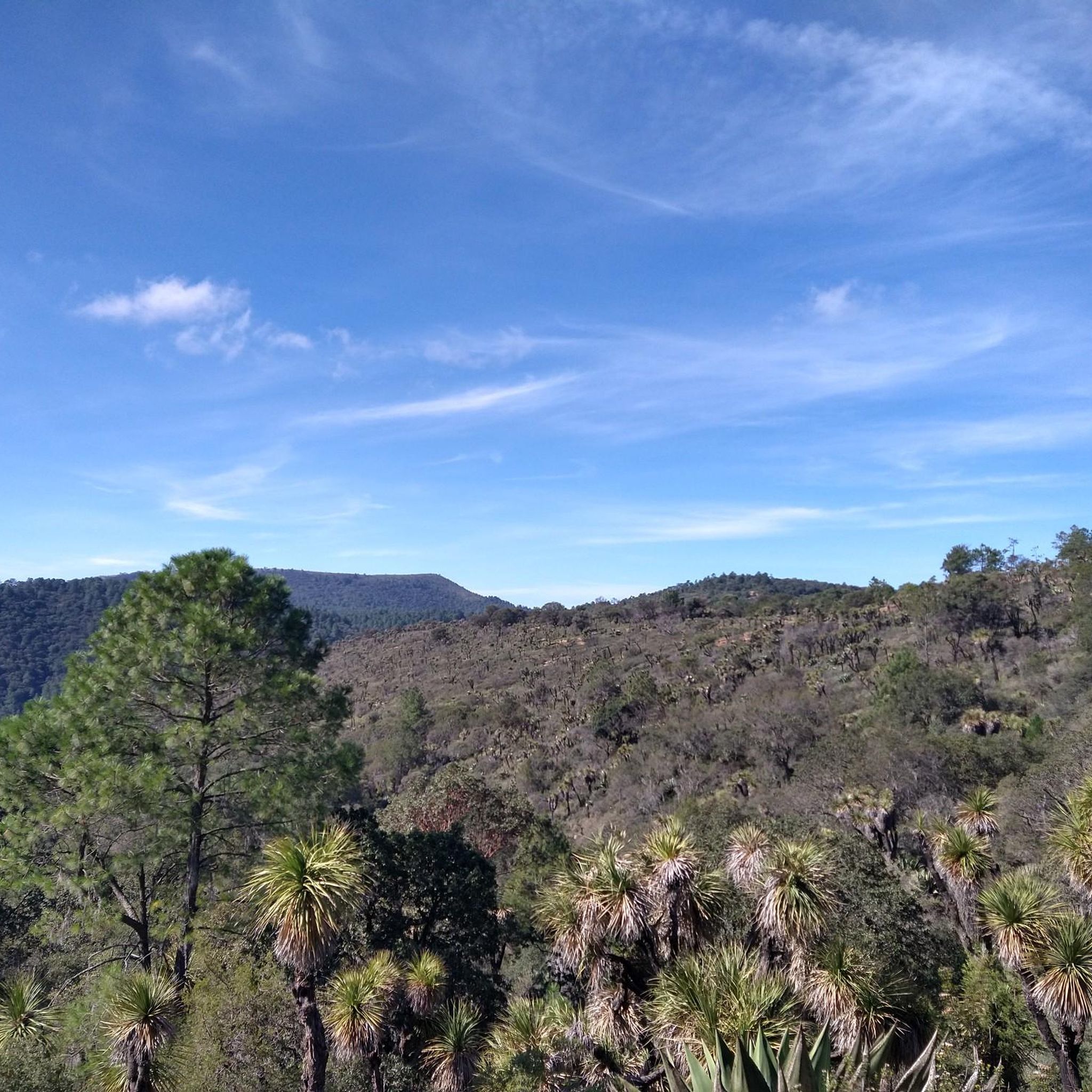
Cycling in the Trans-Mexican Volcanic Belt
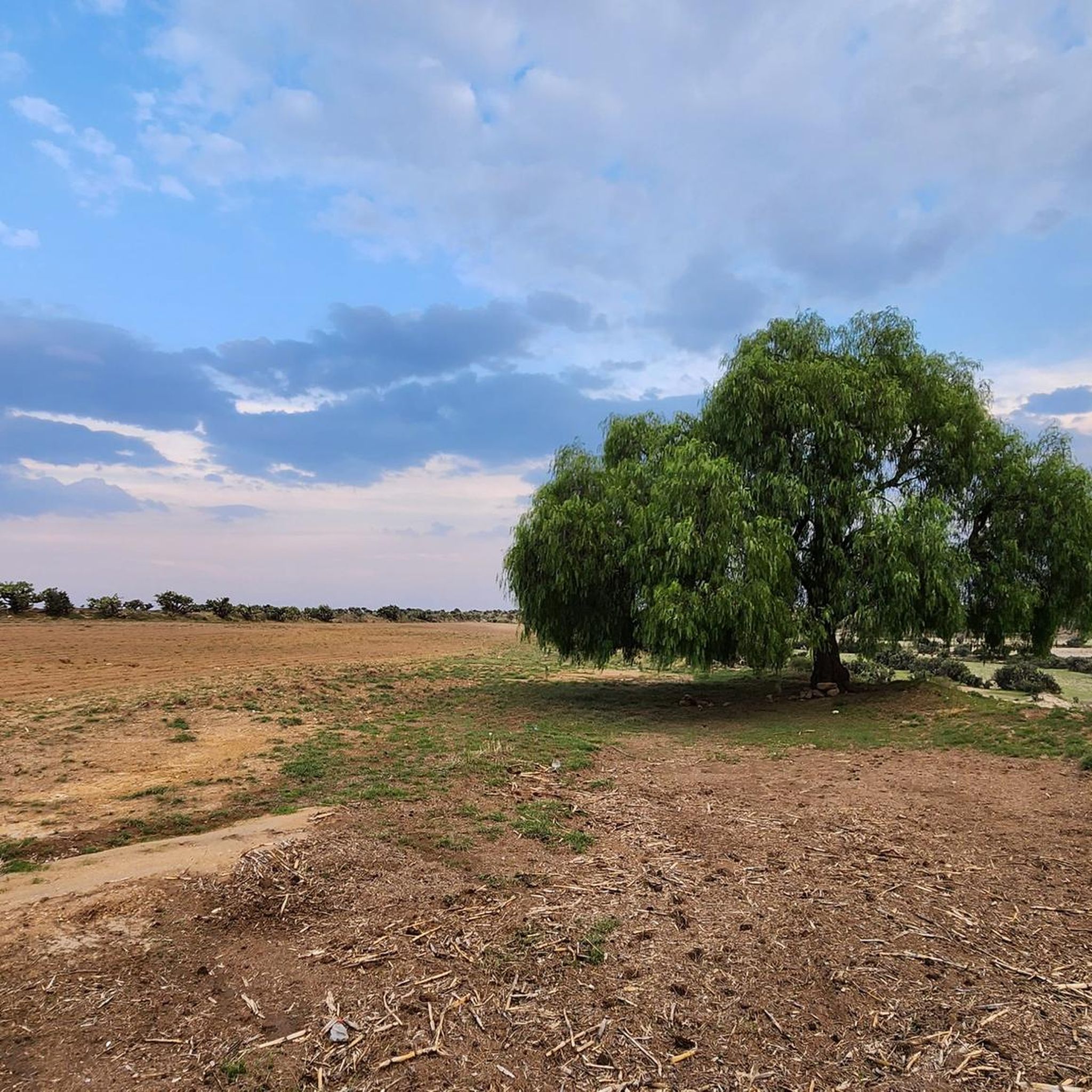
Road Cycling Routes in the Trans-Mexican Volcanic Belt
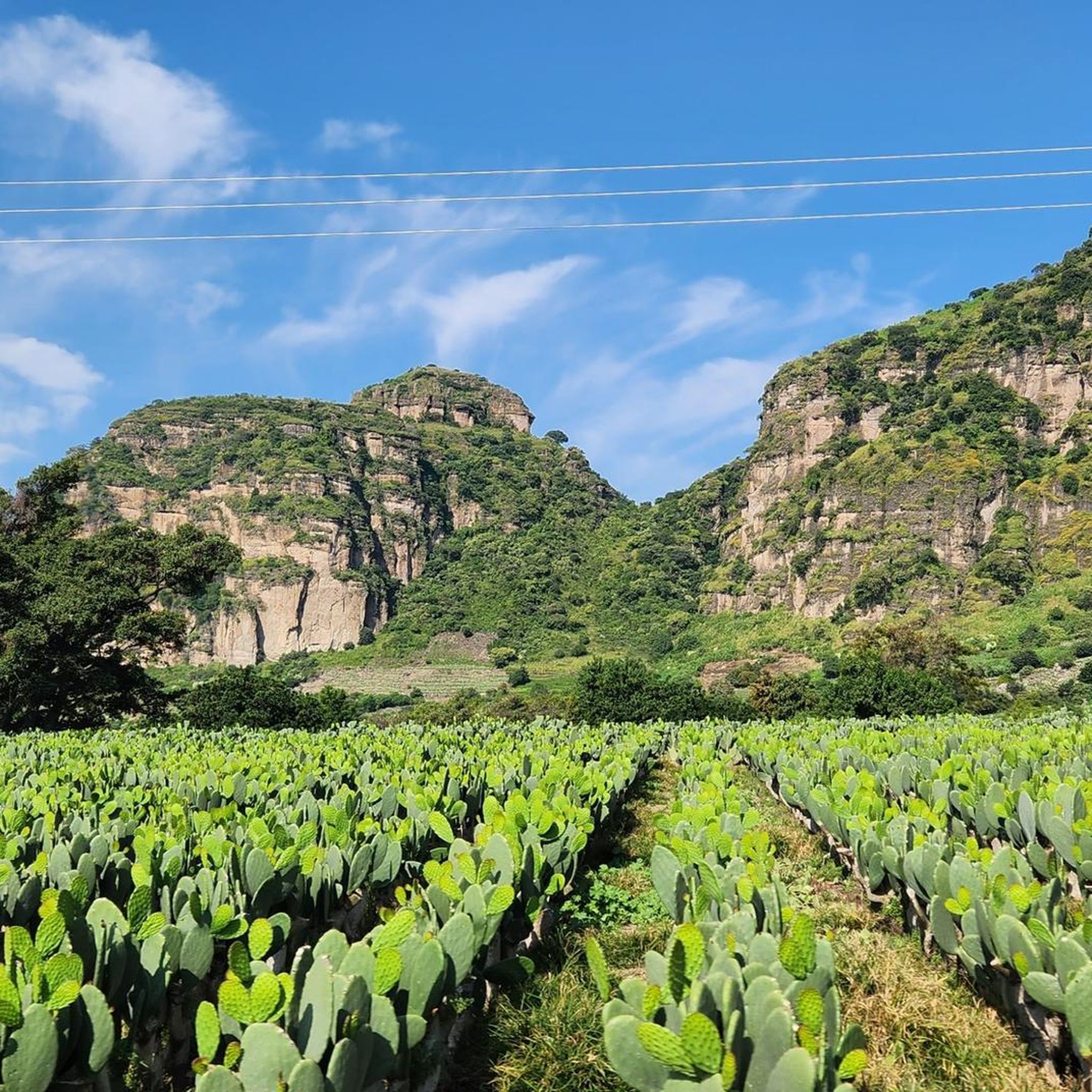
MTB Trails in the Trans-Mexican Volcanic Belt

Mountain Hikes in the Trans-Mexican Volcanic Belt

Gravel biking in the Trans-Mexican Volcanic Belt
Other adventures in the Trans-Mexican Volcanic Belt


Tips from the Community

Teotihuacan is definitely worth a visit.
0
0
A truly magnificent complex. The Pyramid of the Sun, the Pyramid of the Moon, and many more. The steps are quite challenging; you have to pay close attention, especially when descending.
0
0

Puerto Vallarta is a popular tourist destination on the Pacific coast of Jalisco, Mexico. Many outdoor activities are possible in the interior (jungle). Numerous cruises are also offered. The best time to travel is from November to April.
1
0

This is a spectacular bronze statue representing the Roman goddess of the hunt. It was unveiled in 1942.
0
0

Challenging, great views, easy to navigate.
0
0

The Malecón in Puerto Vallarta is a lively boardwalk that runs along the coast, lined with sculptures, street performers, and offering panoramic views of the bay. It's ideal for a sunset stroll, soaking up the local atmosphere, and relaxing at one of its many outdoor cafes.
3
0

Since they are around there, we must go in,
0
0

A wonderful place to visit, it's currently easier to access by vehicle (to a certain extent) and with parking. However, if you're someone who enjoys climbing mountains over 4,000 meters from the bottom, I'm sure you'll love the challenge. Don't forget that these are mountains, and weather changes can happen at unexpected times, so it's best to be prepared for anything, bringing hydration and food necessary for the effort and the weather. In the craters, you'll find two bodies of fresh water that form the Laguna del Sol and Laguna de la Luna. In the 1990s, you could dive at altitude in the icy waters. Visibility is very low, so it was done with instruments and good orientation, a dry suit, or a wetsuit for icy waters. Currently, only research personnel can do so with a special permit, as it is an ecological and archaeological reserve. Admission is fee-based, and on weekends, it's very crowded, so be patient and always respect the place. Leave it better than you found it, and enjoy! You can also get there by gravel bike or mountain bike, but achieving this requires good training due to the incline and altitude. Always remember: Respect the Mountain.
2
0
Frequently Asked Questions
What are the prominent cultural and historical sites to visit in the Trans-Mexican Volcanic Belt?
The region boasts significant cultural and historical attractions. You can explore the impressive Teotihuacan, a massive archaeological complex featuring the Avenue of the Dead, the Pyramid of the Moon, and the Pyramid of the Sun. In Mexico City, visit the historic Chapultepec Castle, which houses a museum, or admire the Palace of Fine Arts, known for its murals by renowned Mexican artists. Additionally, the Nevado de Toluca National Park contains eighteen archaeological sites, and the Cerro Tláloc Summit also features an archaeological site.
Which volcanic peaks are popular for hiking and eco-tourism in the Trans-Mexican Volcanic Belt?
The Trans-Mexican Volcanic Belt is defined by its impressive volcanic peaks. Popular destinations include Nevado de Toluca, known for its picturesque crater lakes within its caldera. Other notable peaks are Pico de Orizaba, the highest point in Mexico, and the iconic Popocatépetl and Iztaccíhuatl. For a relatively easier hike, consider La Malinche. The Sierra de Ajusco-Chichinauhtzin also offers challenging hikes to peaks like Pico del Águila and Cruz del Marqués.
Are there family-friendly activities or attractions in the Trans-Mexican Volcanic Belt?
Yes, several attractions are suitable for families. Chapultepec Castle and its surrounding forest offer a great day out with historical exploration and green spaces. The Palace of Fine Arts can also be an engaging cultural experience for older children. For outdoor fun, Ejidal Park “San Nicolás Totoloapan” is an MTB park with facilities that can be enjoyed by families.
What kind of outdoor activities can I do in the Trans-Mexican Volcanic Belt?
The region offers a wide range of outdoor activities, especially around its numerous volcanoes and forests. You can find excellent opportunities for mountain hiking, with routes like those around La Malinche Summit or the challenging trails of Popocatépetl. Mountain biking is also popular, with dedicated trails in areas like Ejidal Park “San Nicolás Totoloapan”. For more detailed routes, explore the Mountain Hikes, MTB Trails, and Cycling guides for the Trans-Mexican Volcanic Belt.
Where can I see unique geological formations, such as young volcanoes or crater lakes?
The Trans-Mexican Volcanic Belt is a geological marvel. You can visit Nevado de Toluca to see its stunning Sun Lake and Moon Lake within its caldera. Another unique site is Parícutin, famous as one of the youngest volcanoes on Earth, which emerged suddenly in a cornfield in 1943. The Michoacán-Guanajuato Volcanic Field also offers an otherworldly landscape with numerous cinder cones and steaming vents, including the ruined San Juan Parangaricutiro church, half-buried in lava.
What is the best time to visit the Trans-Mexican Volcanic Belt for outdoor activities?
The best time to visit for outdoor activities generally depends on the specific activity and elevation. The dry season, typically from November to May, offers clearer skies and more stable weather conditions, which are ideal for hiking and climbing volcanoes. During the rainy season (June to October), afternoons can bring showers, but mornings are often clear. For snow-capped peaks like Pico de Orizaba, winter months offer prime climbing conditions, though some areas might require specific gear.
Are there any specific permits required for climbing the higher volcanic peaks?
Yes, for some of the higher and more challenging volcanic peaks, such as Pico de Orizaba, permits or registration may be required, especially if you plan to reach the summit. Access to active volcanoes like Popocatépetl can also be restricted due to its activity. It's always advisable to check with local authorities, national park offices, or experienced guides for the most current information on permits and access restrictions before planning your ascent.
What kind of natural landscapes and ecosystems can I expect to see?
The region is incredibly diverse, featuring towering volcanic peaks, deep calderas, and extensive pine-oak forests. These forests are vital for recharging underground aquifers and support rich biodiversity, including endemic species like the volcano rabbit. They also serve as a crucial habitat for monarch butterflies, which hibernate here annually. You'll encounter a mix of high-altitude alpine environments, dense forests, and unique volcanic terrains.
What are some of the most challenging hikes in the Trans-Mexican Volcanic Belt?
The Trans-Mexican Volcanic Belt offers several challenging hikes for experienced adventurers. Ascending to the Nevado de Toluca Summit can be demanding, especially with its high altitude. Other strenuous climbs include Pico de Orizaba, the highest peak in Mexico, and the iconic Iztaccíhuatl. The Pico del Águila and Cruz del Marqués in the Sierra de Ajusco-Chichinauhtzin also present challenging routes. Always be prepared for high altitudes and varying weather conditions.
Can I find viewpoints with panoramic vistas of the volcanic landscape?
Absolutely. Many of the volcanic peaks themselves offer incredible panoramic views. From the summits of volcanoes like Nevado de Toluca, La Malinche, or Pico del Águila and Cruz del Marqués, you can often see vast stretches of the volcanic belt and surrounding landscapes. Chapultepec Castle also provides excellent views of Mexico City and the distant volcanoes on clear days.
What makes the Trans-Mexican Volcanic Belt unique compared to other regions?
Its uniqueness stems from its geological activity and the resulting dramatic landscapes. It's one of the most active volcanic belts globally, featuring towering peaks, crater lakes, and even a volcano (Parícutin) that emerged in living memory. This geological dynamism is coupled with rich biodiversity, including endemic species and crucial habitats like the pine-oak forests, which are vital for monarch butterfly hibernation. This combination of geological grandeur and ecological significance makes it a truly distinctive destination.
Most popular routes in the Trans-Mexican Volcanic Belt
Most popular attractions in the Trans-Mexican Volcanic Belt

Get inspired with the komoot mobile app


Explore more
Still not found the Highlight you’re looking for? See guides of the top attractions in other regions:
