Attractions and Places To See in Nyborg - Top 20
Best attractions and places to see in Nyborg include a mix of historical sites, significant landmarks, and family-friendly activities. Nyborg, located on the island of Funen, Denmark, is known for its rich history as a former royal city and its coastal setting. The area features well-preserved historical architecture and offers unique things to do for visitors. It provides opportunities to explore both cultural heritage and natural landscapes.
Best attractions and places to see in Nyborg
- The most popular attractions is Egeskov Castle, a castle that is one of Europe's best-preserved moated castles. It features a Renaissance castle from the 16th century, extensive historical gardens, and various museums.
- Another must-see spot is Nyborg Castle, a historical site. This royal castle, built around 1170, served as a defense against the Wends and was a residence for Danish kings for centuries.
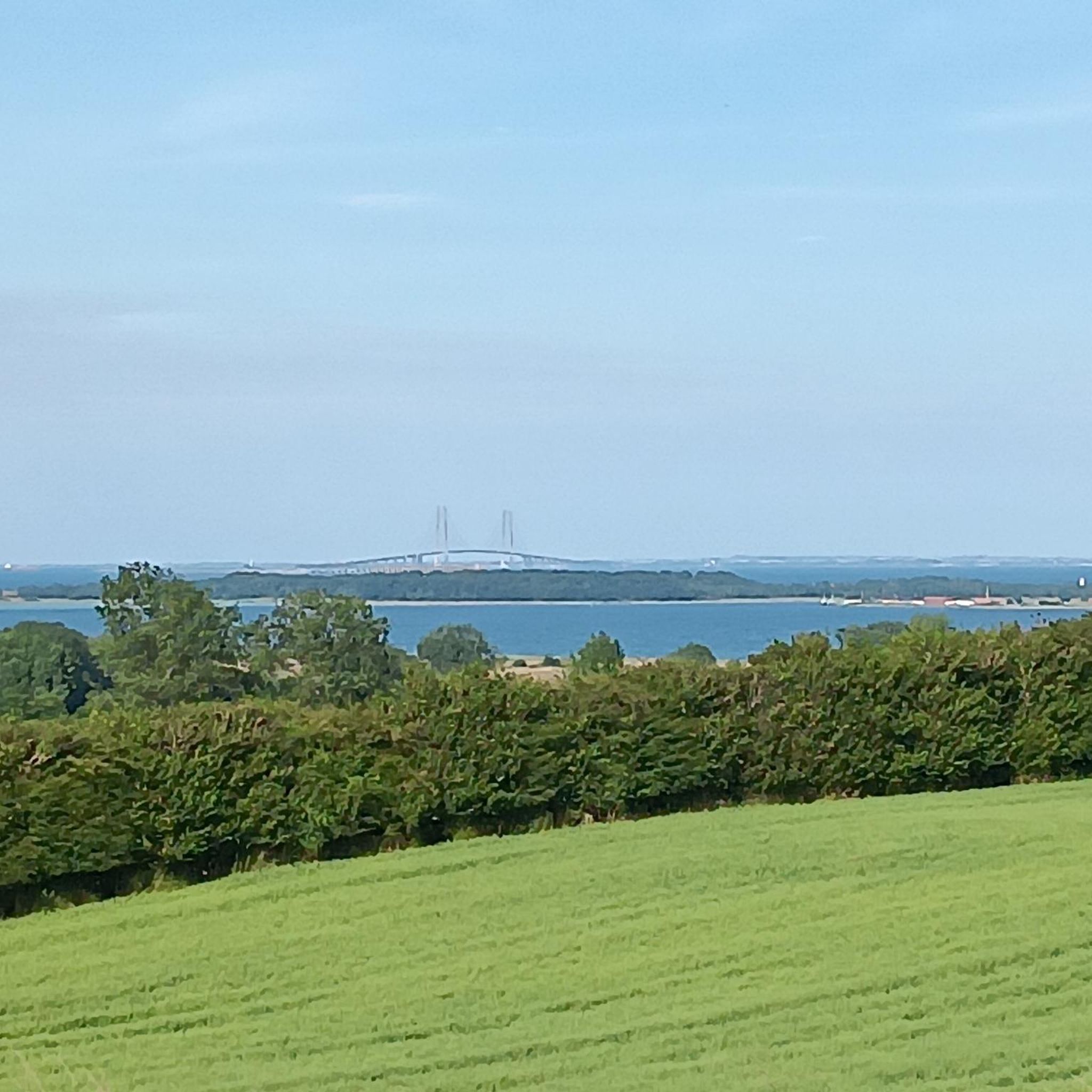
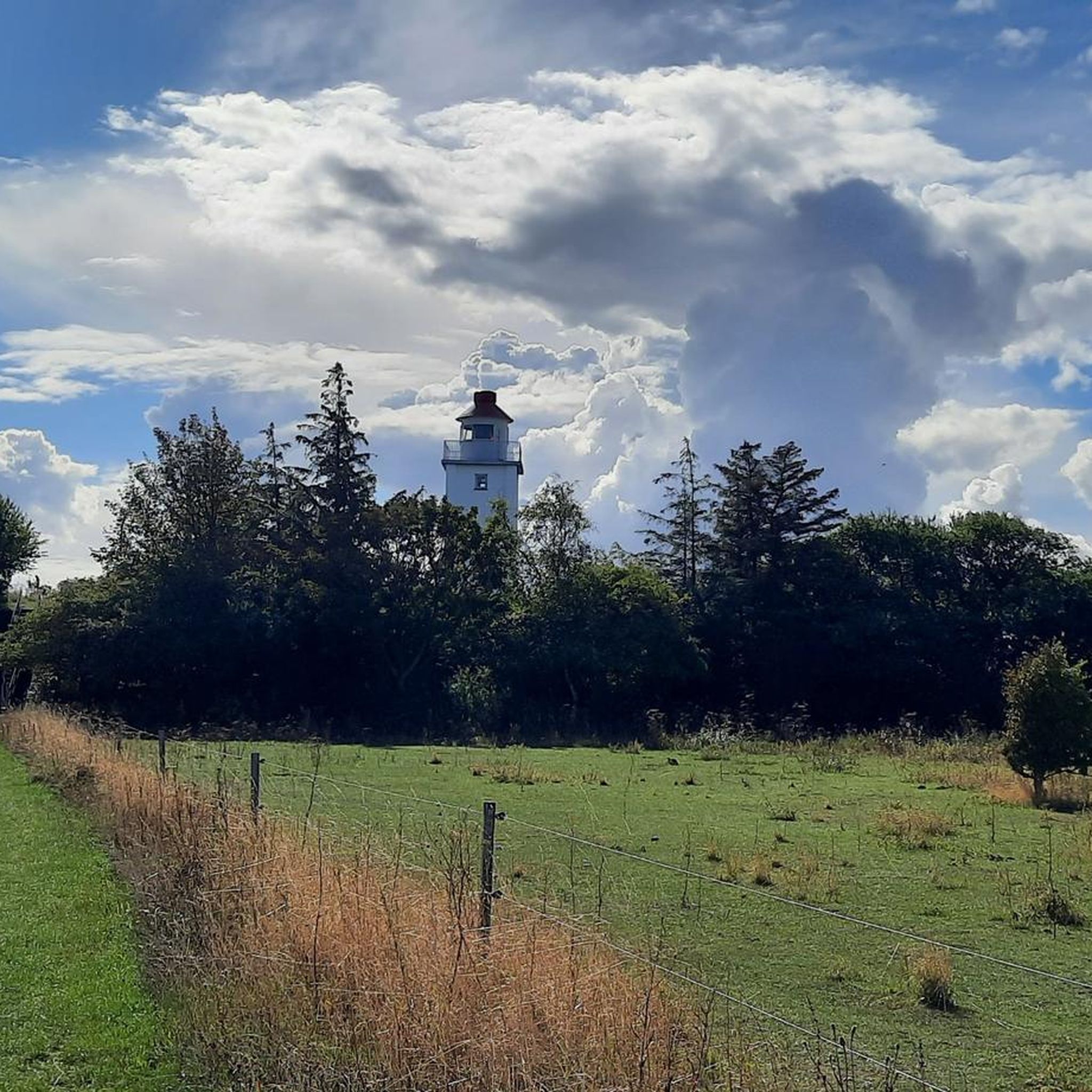
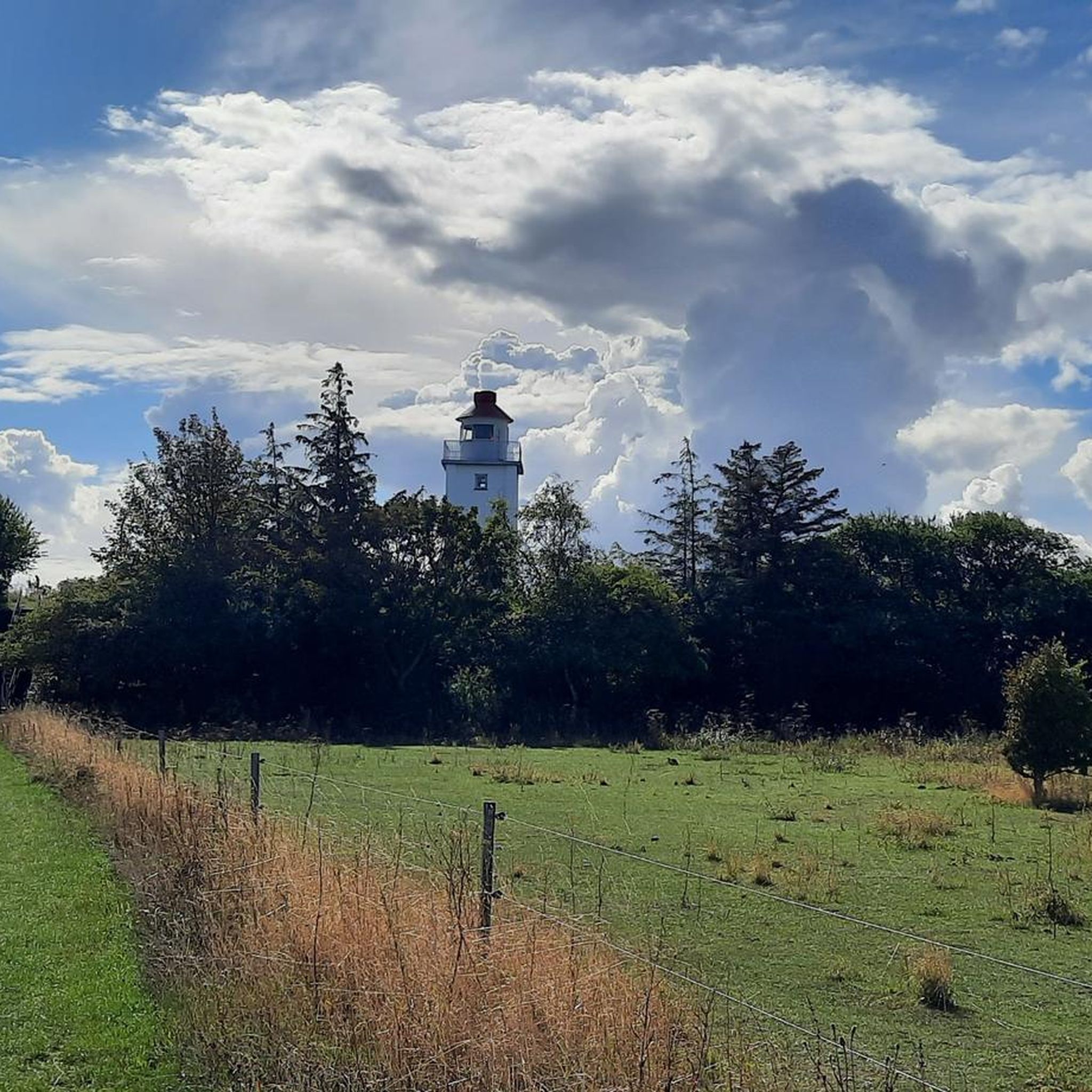
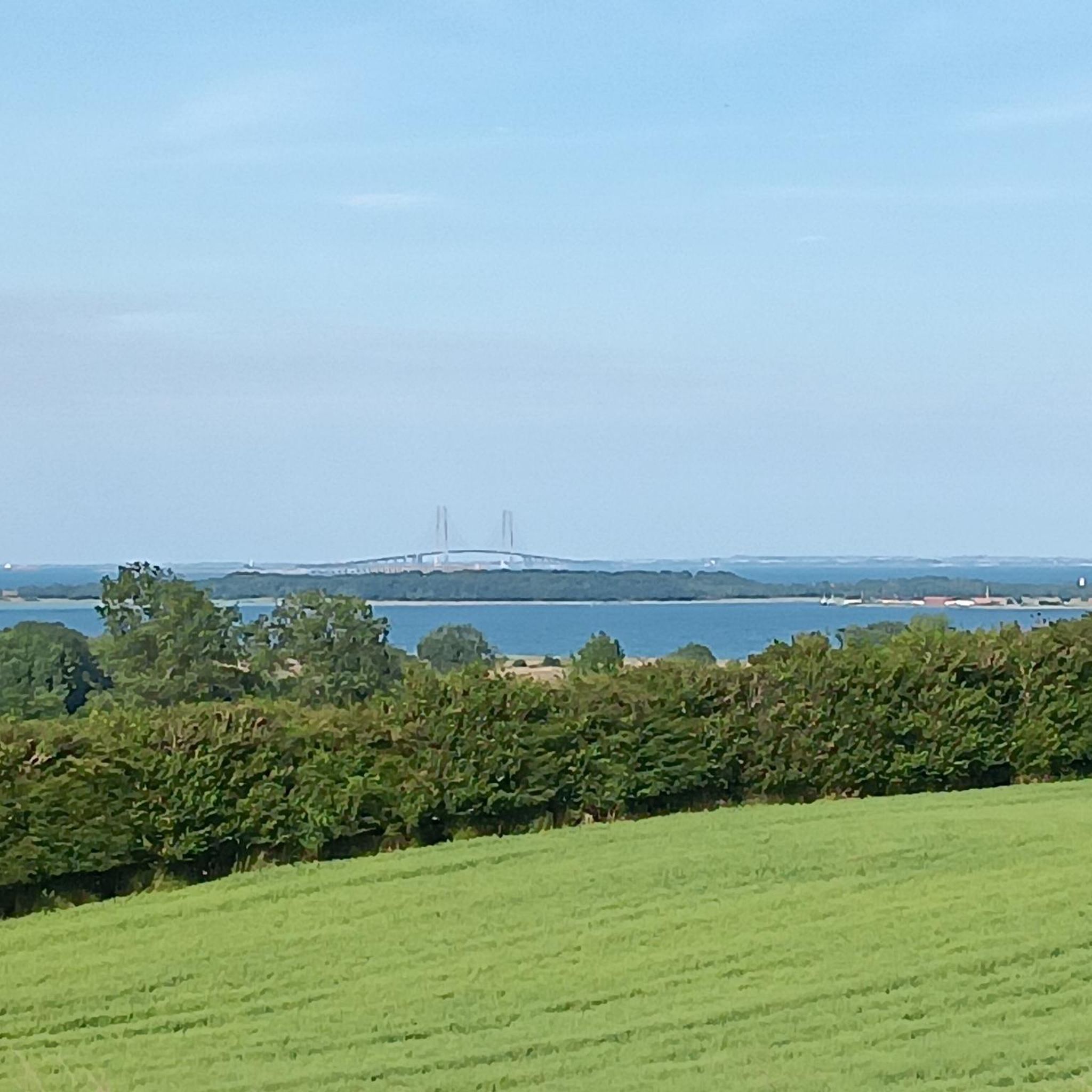
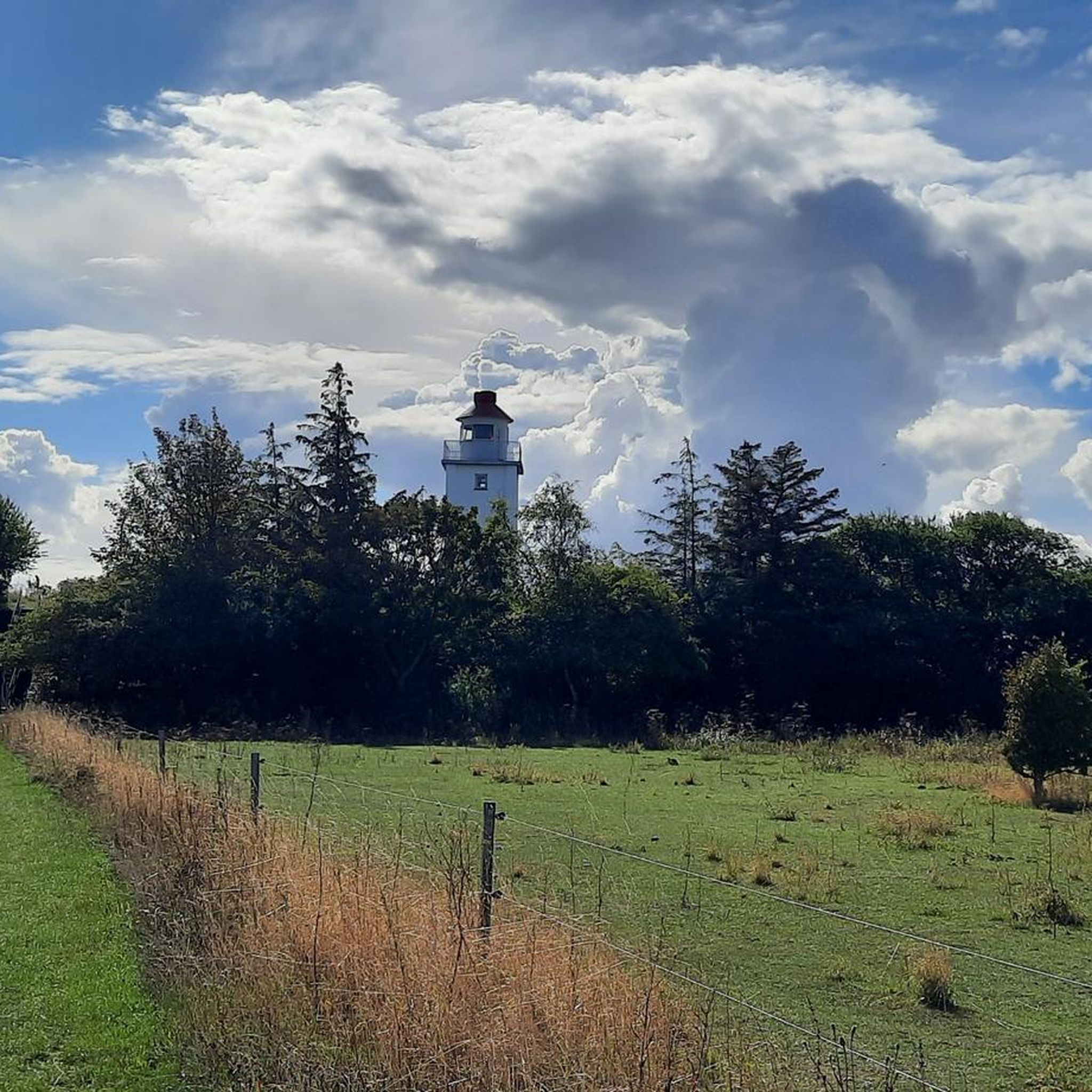
- Visitors also love Knudshoved Lighthouse, a man-made monument southeast of Nyborg. It is notable for its historical significance as a warning system for ferry traffic and offers a viewpoint near the Great Belt.
- Nyborg is known for its castles, historical sites, and man-made monuments. Visitors can explore a variety of attractions, from ancient fortresses to significant lighthouses.
- The attractions in Nyborg are appreciated by the komoot community, with more than 130 upvotes and 98 photos shared.
Last updated: October 9, 2026
Nyborg Castle
Highlight • Castle
The castle is currently being restored, but visiting the grounds is still worthwhile. The first parts are expected to reopen in the course of 2026.
Showing Translation
Tip by

Hverringe Manor
Highlight • Historical Site
Showing Translation
Tip by

Sign up now to discover places like this
Get recommendations on the best single tracks, peaks, & plenty of other exciting outdoor places.
Knudshoved Lighthouse
Highlight • Monument
The Knald Station was intended to guide ferries safely into Nyborg Fjord by sound in cases of dense fog, heavy snowfall, etc.
In normal weather conditions, the ferries could navigate using the visual lighthouses that had guided ships safely into Nyborg Harbor since the mid-19th century using bonfires and lighthouses. But when the weather and visibility were poor, the lighthouses could not be seen.
The Cracking Station was built with a 7-8 meter high mast, equipped with a curved rocker arm at the top, which could be lowered to a small shed built next to the mast. Here, the explosive charges were mounted on a gallows and the rocker arm was raised back into the air.
The explosive charges were detonated using an electrical device, and the ferries could orient themselves according to the sound.
The cracking station was decommissioned in 1934 and replaced by more modern warning systems (electric sirens).
From 1934 onward, and for 40 years afterward, the cracking station stood and fell into disrepair.
In 1976, it collapsed onto the beach due to cliff erosion.
In 1983, the mast and rocker arm of the blasting machine were reconstructed, but mistakenly
fitted with a firewood basket, as if it were a "rocker light" for visual warning.
After restoration in 1983, the mast and rocker arm of the blasting machine were once again in poor condition and were restored to a high shine in 2009 with paint and new steel wires. In 2022, DSB Ejendomme carried out a careful restoration of the mast, tilting structure, and stiffening wires.
The mast and tilting lever have now been returned to their original design and fitted with a gallows for securing the explosive charge.
visitnyborg.dk/nyborg/planlaeg-din-tur/fyrtaarn-og-knaldfyr-paa-knudshoved-gdk1114413
Translated by Google •
Tip by

Egeskov Castle
Highlight • Castle
It als has something to offer for children. In addition to a huge playground there are various play and action areas and in the old beeches there is a 100 m long suspension bridge at a height of 10-15 meters.
Tip by

Nyborg Town Hall
Highlight • Monument
Translated by Google •
Tip by

Sign up for free to discover even more attractions in Nyborg.
Already have an account?
Start today with a free account
Your next adventure awaits.

Tips from the Community


At Hverringe Estate, past and present, nature and culture, production and preservation unite. The history of Hverringe dates back several hundred years. In 1768, Hverringe became a manor house. The current beautiful, three-winged building was erected around 1790 by Hans Rudolph Iuel, who is primarily known for his efforts during the Napoleonic Wars, where in 1809 he led an expedition against the English troops on Romsø. 100 Englishmen were taken prisoner and, for lack of a better place, locked up in Kerteminde church. The estate is still owned by the Iuel-Reventlow family. Today, it is run as a modern large-scale operation specializing in grass seed. The estate is another large property owner on Hindsholm. The main building is unfortunately private and therefore not accessible to visitors. https://www.visitkerteminde.dk/kerteminde/planlaeg-din-tur/hverringe-gods-gdk613483
4
0
Egeskov Castle is a major tourist attraction in Denmark because it is the most beautiful and best-preserved moated castle in all of Europe. For over 450 years, Egeskov has been situated in a scenic setting in the south of the island of Funen. The main building, completely surrounded by water, was built by Frands Brockenhuus and completed in 1554. He was a wealthy landowner and needed a fortress that was difficult to conquer to protect against raids, so he had it built in the middle of a marshy area. To fortify the foundation, an entire oak forest was felled, and the piles were driven into the lake bed. The castle is surrounded by a unique and award-winning park that immediately captivates every visitor. https://www.medienwerkstatt-online.de/lws_wissen/vorlagen/showcard.php?id=21736
4
0
Nyborg Town Hall was first built in 1586. After the great fire of 1797, it was rebuilt in 1803 and remodeled in 1862, with an additional floor added. Since then, it has been renovated several times, most recently in 1970. Even today, it remains an impressive and worth seeing building. https://www.visitnyborg.dk/nyborg/planlaeg-din-tur/raadhuset-i-nyborg-gdk914692
2
0
Nyborg Castle (Danish: Nyborg Slot, also Danehofslottet) is located in the town of Nyborg, about 29 kilometers southeast of Odense on Funen. The castle was built around 1170 by Duke Knud Prislavsen, a nephew of Valdemar the Great, for protection against the Wends. In 1282, Erik V. Glipping signed the first Danish charter (Danehof) here. Through this, the supreme court passed from the king to the Danehof, the first Danish parliament, which convened in Nyborg Castle. When Erik VII. moved to Copenhagen, the castle there became the center of royal power in Denmark until 1416. Nyborg, however, remained another royal residence. Later, the castle was used as an armory and granary. During the Count's Feud (1533–1536), the castle was conquered twice. Christian III. subsequently ensured an expansion of the castle and fortified it with a large rampart system. Christian IV. had the castle further expanded in 1607 by the Italian architect Domenicus Badiaz. During the war with Sweden (1658–1660), three-quarters of the castle was destroyed. The building material was partly reused in 1722 for the new construction of the castle in Odense. Nyborg itself remained a garrison town until 1913. After the dissolution of the garrison, the castle was reconstructed by Morgen Clemmensen from 1917–1923. Today, a museum is housed in the castle. Two half-towers and the gatehouse from Erik's time can still be visited. A wing with a large banqueting hall remains from the former royal palace. Three halls display Nyborg's history during the time of the Danehof, Queen Margarethe I, and Christian III. https://de.wikipedia.org/wiki/Schloss_Nyborg
3
0
The Knald Station here in Knudshoved is one of the oldest surviving acoustic warning systems in the country. It was introduced in 1901 by the Lighthouse Directorate as a warning system for ferry traffic on the Great Belt, replacing the outdated acoustic warning that occurred when two cannons called "Löwes Batteri" were fired. The Knald Station was intended to guide ferries safely into Nyborg Fjord by sound in cases of dense fog, heavy snowfall, etc. In normal weather conditions, the ferries could navigate using the visual lighthouses that had guided ships safely into Nyborg Harbor since the mid-19th century using bonfires and lighthouses. But when the weather and visibility were poor, the lighthouses could not be seen. The Cracking Station was built with a 7-8 meter high mast, equipped with a curved rocker arm at the top, which could be lowered to a small shed built next to the mast. Here, the explosive charges were mounted on a gallows and the rocker arm was raised back into the air. The explosive charges were detonated using an electrical device, and the ferries could orient themselves according to the sound. The cracking station was decommissioned in 1934 and replaced by more modern warning systems (electric sirens). From 1934 onward, and for 40 years afterward, the cracking station stood and fell into disrepair. In 1976, it collapsed onto the beach due to cliff erosion. In 1983, the mast and rocker arm of the blasting machine were reconstructed, but mistakenly fitted with a firewood basket, as if it were a "rocker light" for visual warning. After restoration in 1983, the mast and rocker arm of the blasting machine were once again in poor condition and were restored to a high shine in 2009 with paint and new steel wires. In 2022, DSB Ejendomme carried out a careful restoration of the mast, tilting structure, and stiffening wires. The mast and tilting lever have now been returned to their original design and fitted with a gallows for securing the explosive charge. https://www.visitnyborg.dk/nyborg/planlaeg-din-tur/fyrtaarn-og-knaldfyr-paa-knudshoved-gdk1114413
3
0

In 1586, the town hall was built on the east side of the square. However, only a very small part of the brickwork of this building has survived, as it burned down along with many other houses in the town in the great fire of 1797. It was rebuilt in 1803, but was already rebuilt in 1862, with a floor added. Further renovations were carried out in 1899 and 1931–36. The most recent extension dates from the 1970s. Source: VisitNyborg
0
0
Frequently Asked Questions
What are the best family-friendly attractions in Nyborg?
Nyborg offers several attractions suitable for families. Egeskov Castle is a top choice, featuring a huge playground, various action areas, and a 100-meter-long suspension bridge in the old beeches, alongside its historical gardens and museums. Nyborg Castle, a significant historical site, is also considered family-friendly, offering a glimpse into Denmark's royal past. Additionally, Knudshoved Lighthouse provides an interesting historical experience and a nice place to linger by the coast.
Are there any historical sites to visit in Nyborg?
Yes, Nyborg is rich in history. The most prominent historical site is Nyborg Castle, built around 1170, which served as a royal residence and defense against the Wends. While undergoing extensive restoration, it's set to reopen as a recreated ring castle. Other historical sites include Egeskov Castle, a well-preserved 16th-century Renaissance moated castle, and Nyborg Town Hall, with parts dating back to 1586.
What outdoor activities can I do near Nyborg's attractions?
Nyborg and its surroundings are excellent for outdoor activities, especially cycling. You can explore various routes for gravel biking, general cycling, and road cycling. For detailed routes and guides, check out the Gravel biking in Nyborg, Cycling in Nyborg, and Road Cycling Routes in Nyborg guides. These guides offer routes of varying difficulties, taking you past many local sights and natural landscapes.
How long should I plan for a visit to Nyborg Castle?
While Nyborg Castle is currently undergoing restoration, once it reopens, visitors should plan for at least 1-2 hours to explore the castle grounds and its historical significance. The castle served as a residence for Danish kings for centuries and was a crucial defensive bastion, offering a deep dive into Danish history.
Are there any wheelchair accessible attractions in Nyborg?
Yes, Nyborg Town Hall is noted as being wheelchair accessible. While many historical sites may have limitations due to their age, efforts are often made to improve accessibility where possible. It's always recommended to check the specific attraction's website for the most up-to-date accessibility information before your visit.
What are some unique things to do in Nyborg?
Beyond the main castles, consider visiting Knudshoved Lighthouse, which features one of the country's oldest surviving acoustic warning systems, the 'Knald Station,' used for ferry traffic on the Great Belt. It's a unique piece of maritime history. Another unique experience is exploring the extensive historical gardens and various museums at Egeskov Castle, which includes a large collection of vintage vehicles.
Can I find easy walks or circular routes in Nyborg?
Nyborg's coastal setting and green areas offer opportunities for easy walks. While specific 'easy walks with parking' aren't detailed in the highlights, the area around Knudshoved Lighthouse is described as a 'nice place to linger' and is easily reachable by bike from Nyborg, suggesting pleasant walking opportunities. For more structured routes, the cycling guides often include segments suitable for walking, especially along the coast.
What is the best time of year to visit Nyborg attractions?
The best time to visit Nyborg attractions is generally during the late spring (May-June) and summer (July-August) months. The weather is typically mild and pleasant, ideal for exploring historical sites, gardens, and enjoying outdoor activities. Many attractions also have extended opening hours during this period. Autumn can also be beautiful with changing foliage, while winter offers a quieter experience, though some attractions might have reduced hours.
Are there any hidden gems or lesser-known attractions in Nyborg?
While Egeskov Castle and Nyborg Castle are well-known, Knudshoved Lighthouse offers a fascinating, less-crowded historical insight into maritime warning systems. Although not open to the public, Hverringe Manor is a beautiful, privately owned estate with a rich history dating back centuries, offering picturesque views from its surroundings.
What kind of nature and viewpoints can I experience in Nyborg?
Nyborg, situated on the Great Belt, offers coastal nature and scenic viewpoints. Knudshoved Lighthouse provides excellent views near the Great Belt, where you can observe the sea and the historical significance of the area. Egeskov Castle is surrounded by one of Denmark's largest historical gardens and features a forest, offering beautiful natural settings and viewpoints within its grounds.
Are Nyborg attractions accessible by public transport?
Many of Nyborg's central attractions, such as Nyborg Castle and Nyborg Town Hall, are located within the town and are generally accessible by local public transport or within walking distance from the train station. For attractions further afield like Egeskov Castle, public buses often connect from Nyborg or other major towns on Funen. It's advisable to check local bus schedules for specific routes and timings.
What do visitors enjoy most about Nyborg?
Visitors particularly appreciate Nyborg's blend of rich history and beautiful natural settings. The well-preserved historical architecture, especially the castles, and the coastal landscapes are frequently highlighted. The komoot community has shared over 98 photos and given more than 130 upvotes, indicating a strong appreciation for the area's unique charm and diverse attractions, from ancient fortresses to significant lighthouses.
Most popular attractions in Nyborg

Get inspired with the komoot mobile app


Explore more
Still not found the Highlight you’re looking for? See guides of the top attractions in other regions:
