Top 20 Lakes in Banff National Park
Best lakes in Banff National Park are a prominent feature of this Canadian Rockies destination. The park is characterized by its glacial lakes, which often display vibrant turquoise waters due to glacial rock flour. These natural landscapes offer diverse experiences, from large, accessible bodies of water to smaller, high-alpine pools. The region's geography provides a backdrop of majestic mountains and forests, making it a significant natural area.
Best lakes in Banff National Park
- The most popular lakes is Lake Louise…
Last updated: October 8, 2026
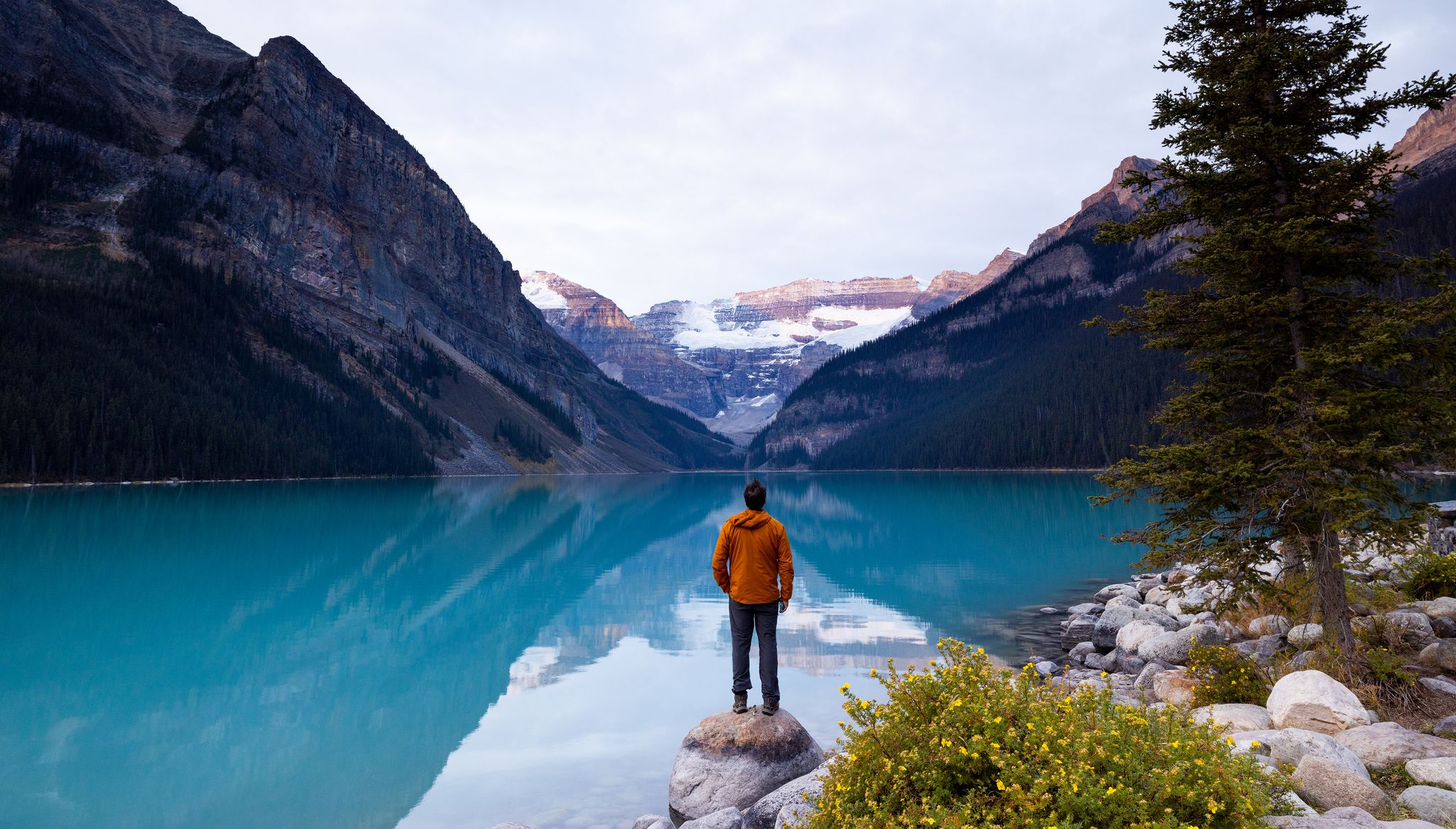
Lake Louise
Highlight • Lake
Tip by

Lake Agnes Tea House
Highlight • Mountain Hut
Tip by

Sign up now to discover places like this
Get recommendations on the best single tracks, peaks, & plenty of other exciting outdoor places.
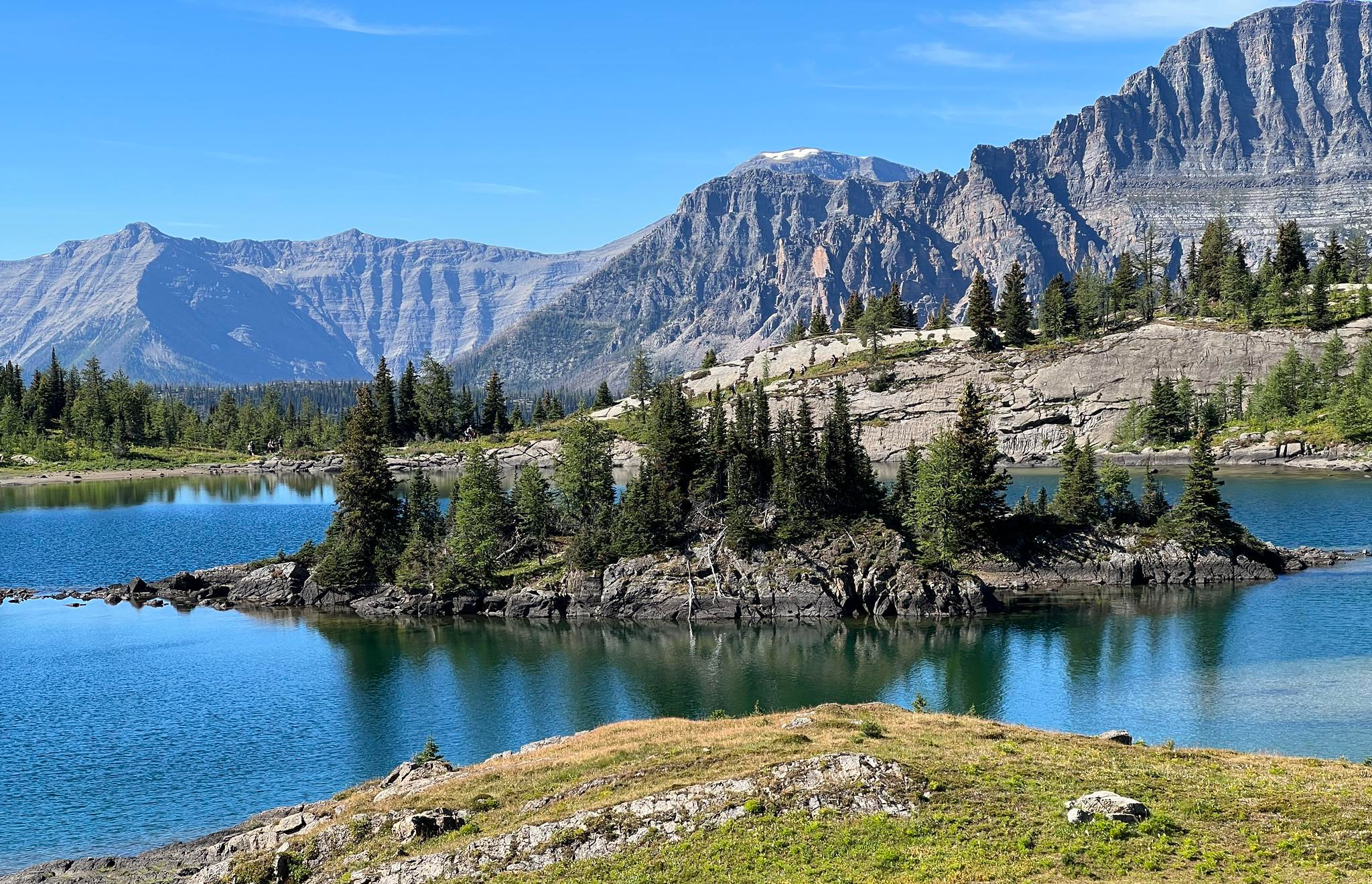
Moraine Lake
Highlight • Lake
In this case: If you are in Banff National Park and you do not want to stop by, it's your own fault!
Translated by Google •
Tip by

Lake Minnewanka
Highlight • Lake
Tip by

Mirror Lake (Banff National Park)
Highlight • Lake
Translated by Google •
Tip by

Sign up for free to discover even more lakes in Banff National Park.
Already have an account?
Start today with a free account
Your next adventure awaits.
Popular around Banff National Park
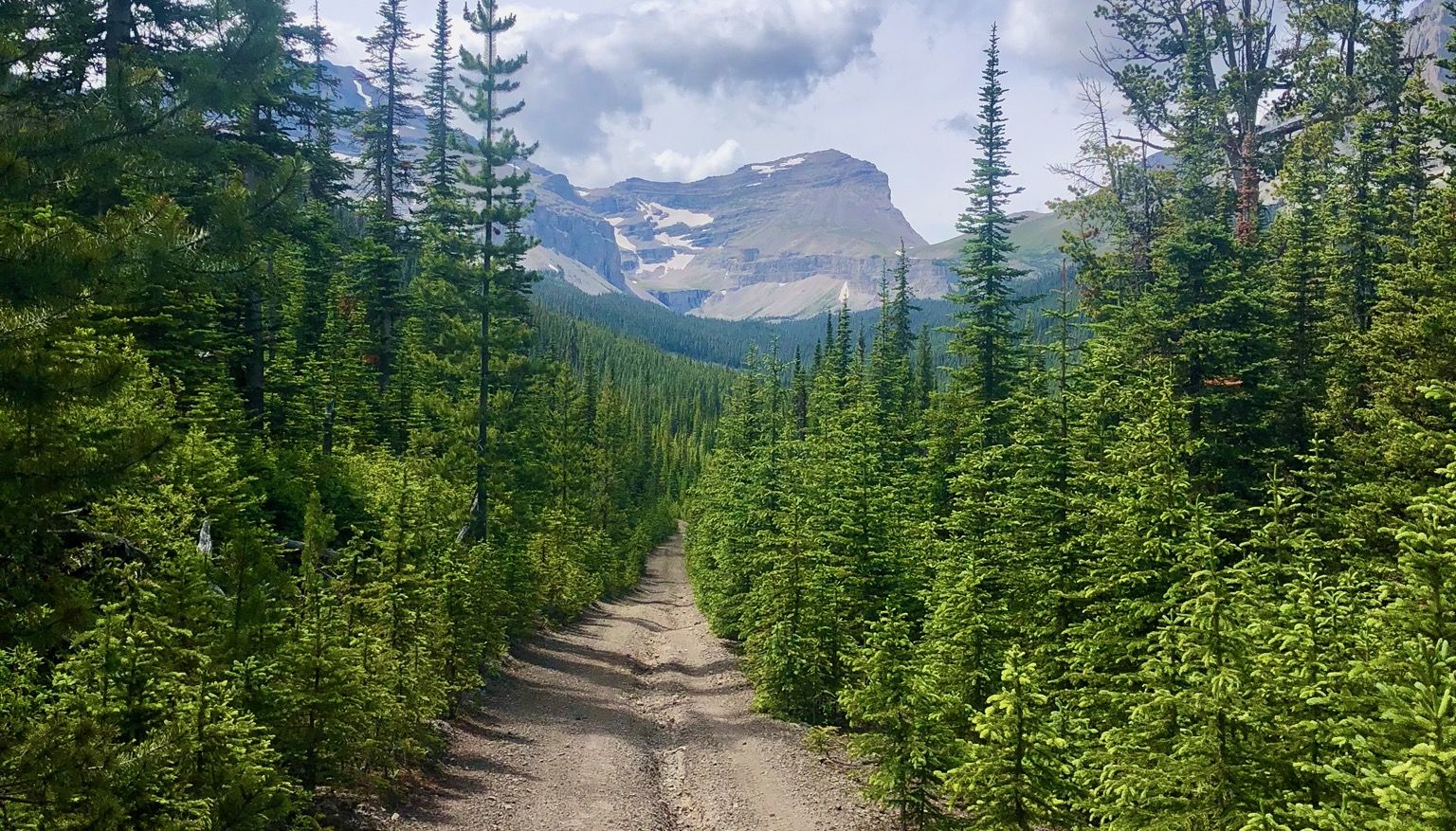
Run the Rockies – mountain range fastpack #5
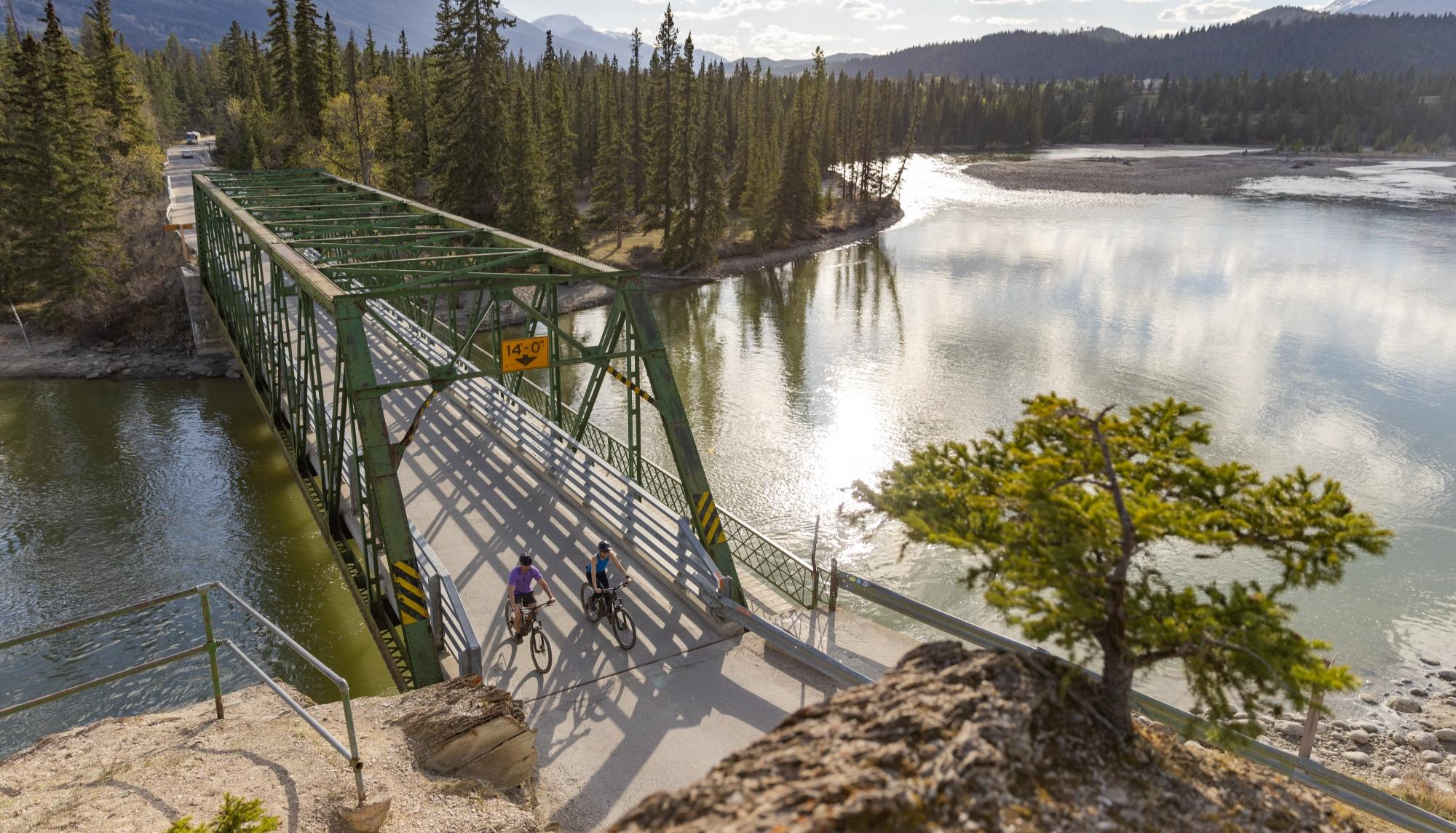
City, forest, river - explore diverse Alberta by bike
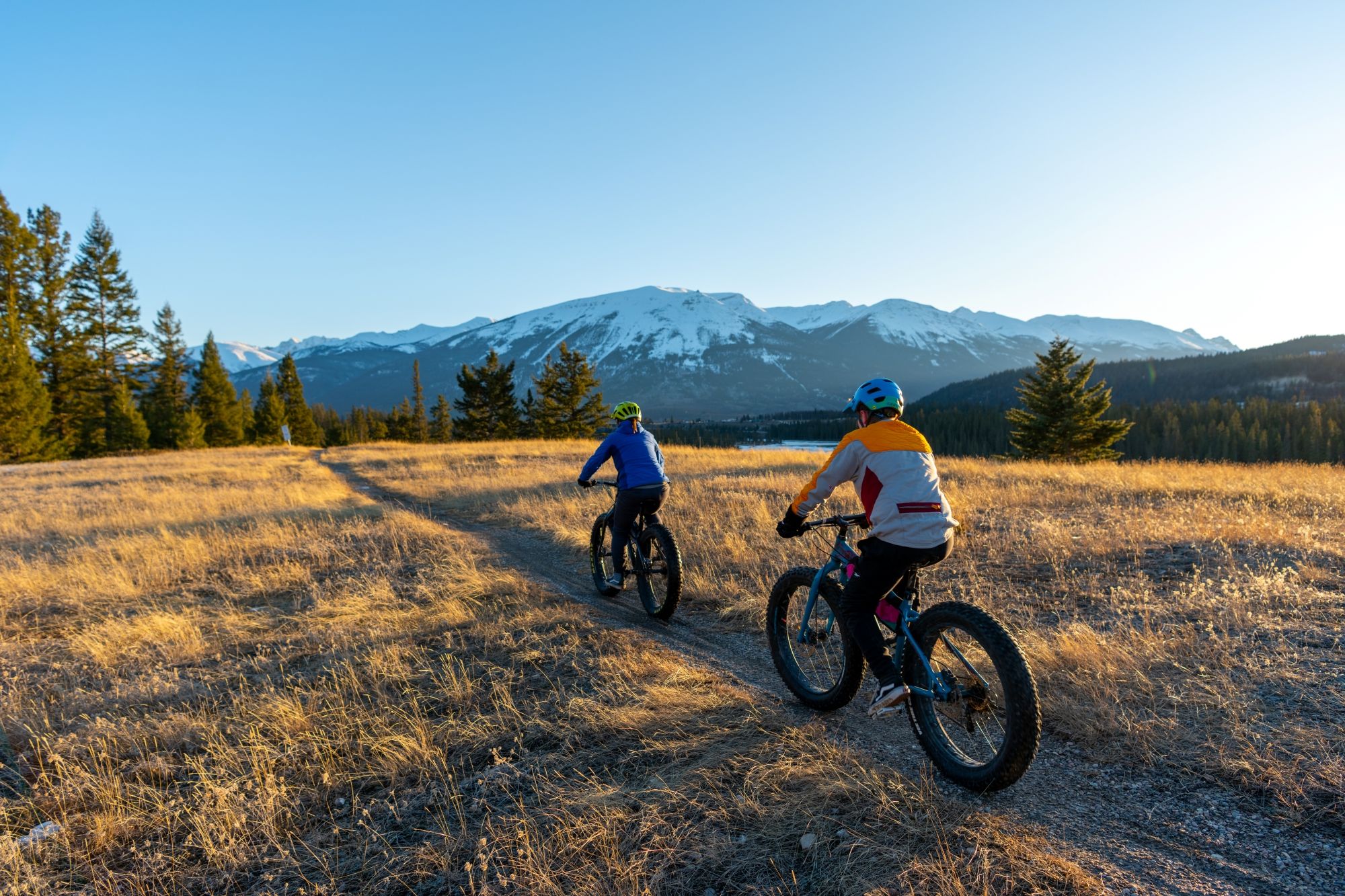
Hop on the trails – mountain biking & fat biking in Alberta
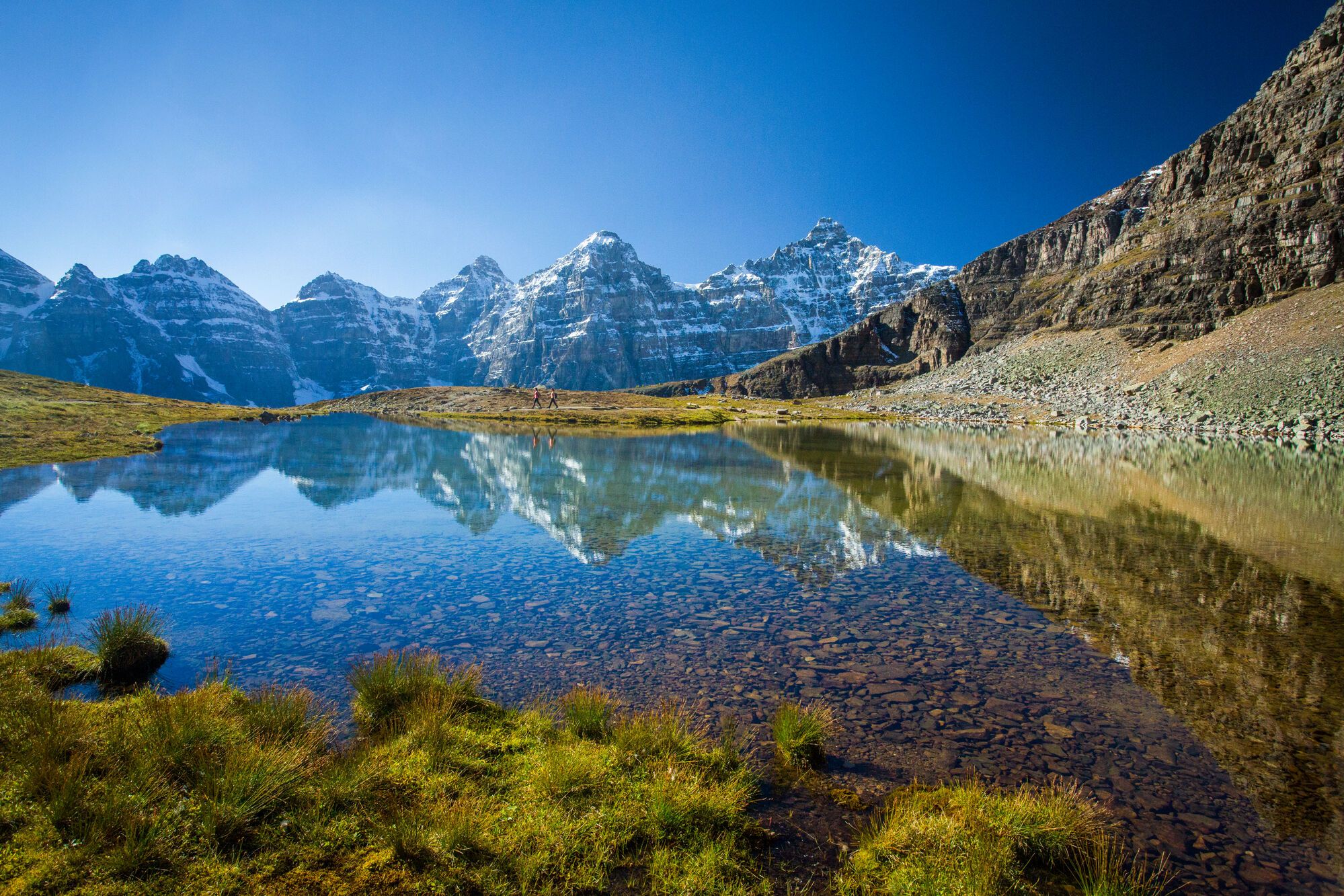
Spectacular road trip hikes – discover Calgary and Southern Alberta
Hiking in Alberta – explore nature, discover indigenous culture
Great Divide Trail – Section A to E: Waterton to Maligne Lake
Hiking in Banff National Park
Cycling in Banff National Park
MTB Trails in Banff National Park
Running Trails in Banff National Park
Other adventures in Banff National Park


Tips from the Community

A very beautiful lake. By far more beautiful than Lake Louise
1
0

It really feels like a fairy tale here.
4
0

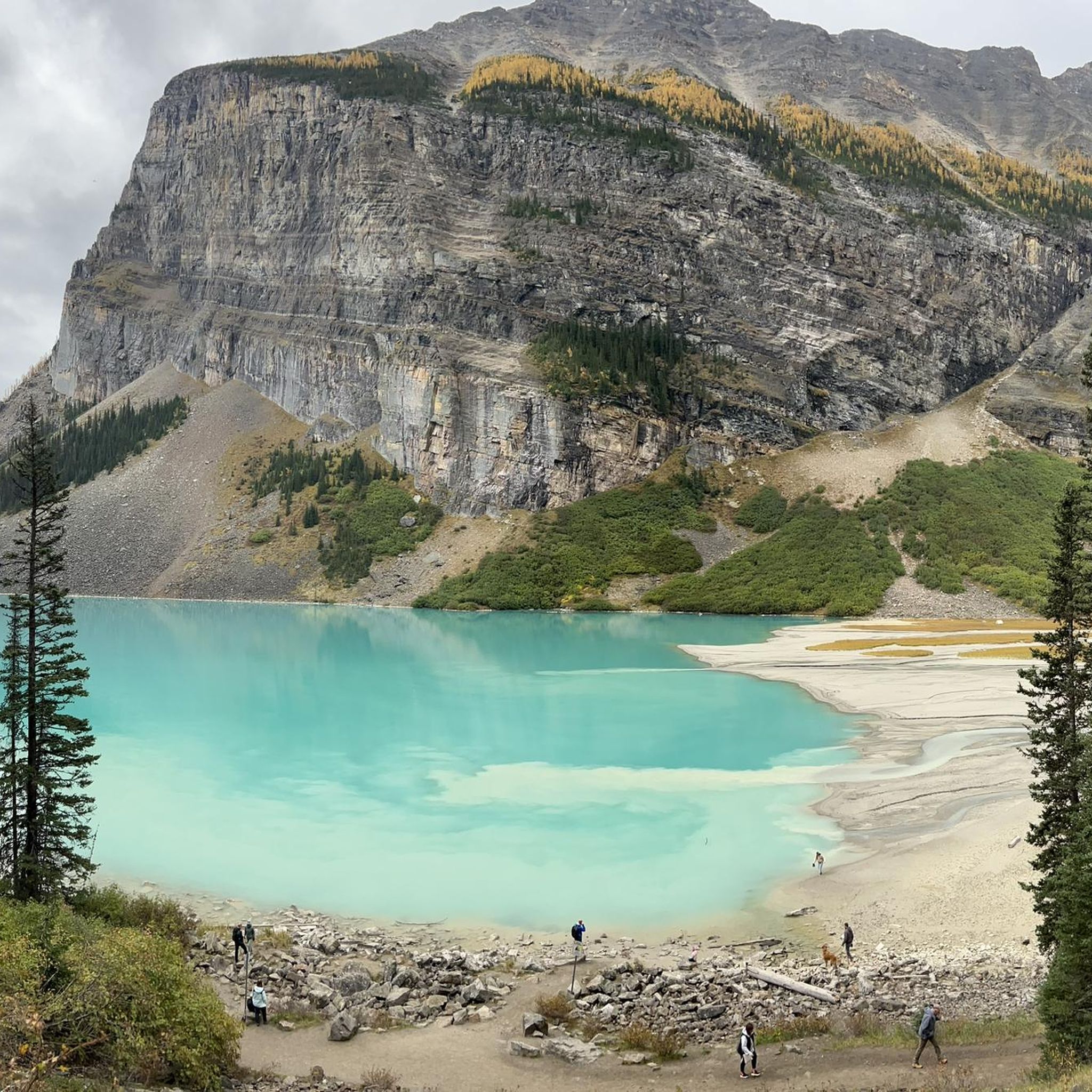
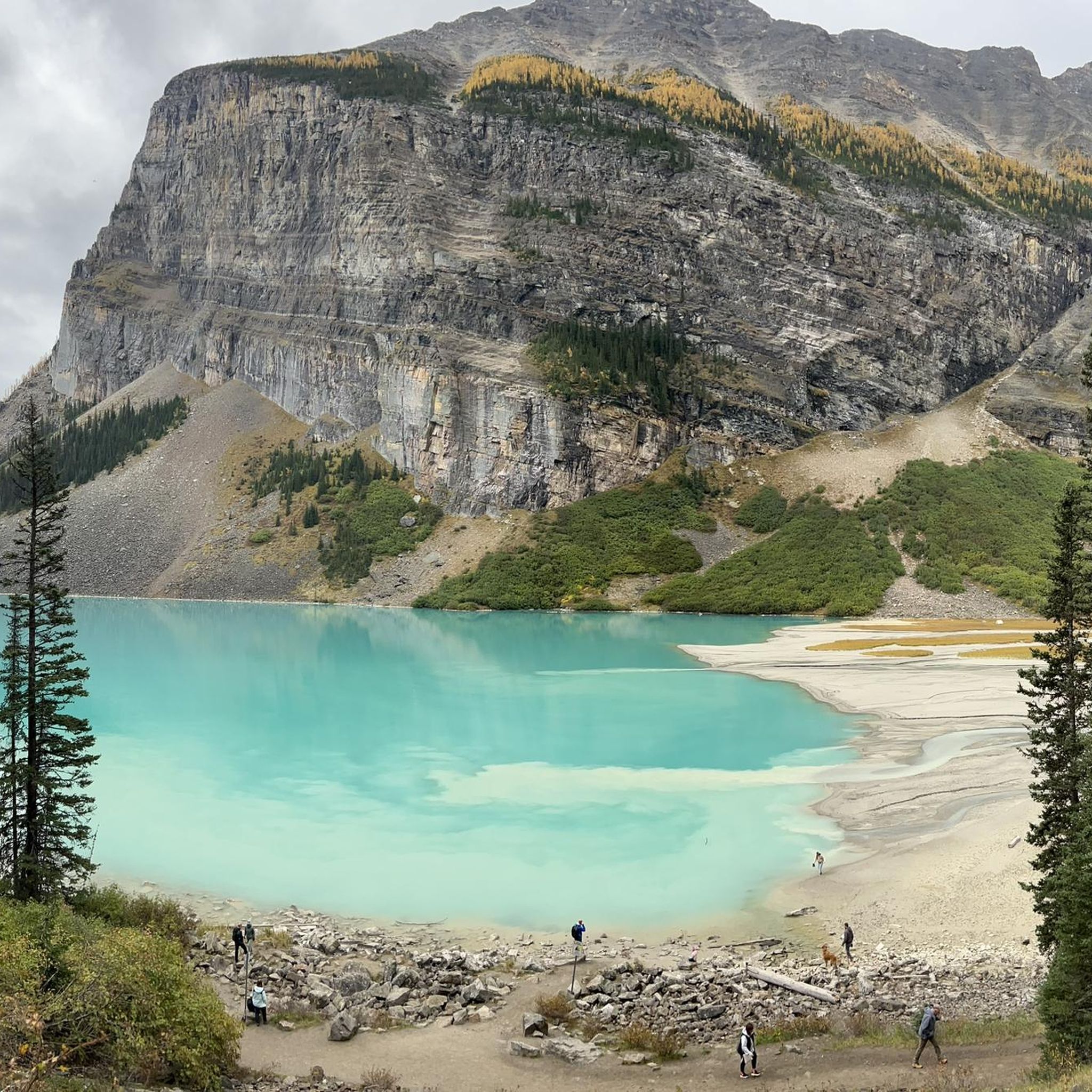
One of Canada's most famous locations, Lake Louise (known in the Stoney Nakoda language as Ho-run-num-nay, meaning “Lake of the Little Fishes”) shines with its glacier-fed turquoise waters. The lake serves as a base for hiking, summer canoeing, and winter skiing. With limited parking and shuttle options required during peak season, planning ahead will turn a visit into a memorable encounter with one of the Rockies’ most iconic landscapes. As others have mentioned, it does get very busy, so arriving early is a great way to beat the crowds and enjoy a bit of solitude along the shoreline.
3
0

Delicious tea, sandwiches, and soup. A wonderful place to recover from the climb.
1
0

Beautiful, small lake, with the Big Beehive towering majestically above it.
0
0

Lake Minnewanka is a beautiful glacial lake and the second longest lake in the Canadian Rockies at 21 kilometers long and 142 meters deep. It is fed by the rushing Cascade River. The lake was home to indigenous people about 10,000 years ago. The historic site of Minnewanka Landing was submerged during the 20th century when the lake was dammed. Today, it is a popular recreational destination for mountain biking, hiking, boating and diving.
3
0

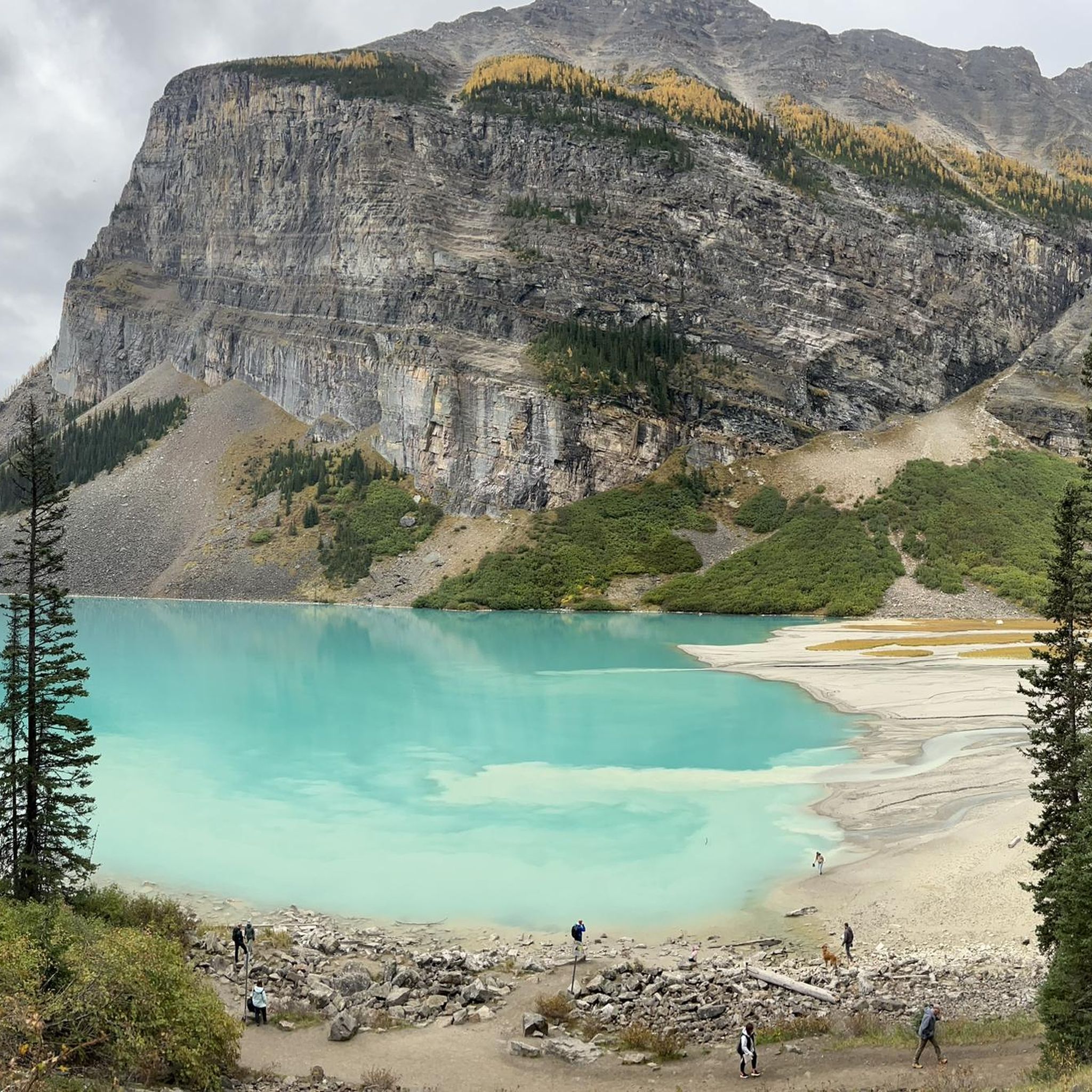
On the way from Banff to Jasper at the end of May 2018, we stopped at Lake Louise. The wonderful location and proximity to the Trans-Canada Highway attracts numerous visitors. Mountain lakes with a connection to a road are often an attraction. Nevertheless, Lake Louise remains well remembered for the striking massif of Fairview Mountain.
3
0

Lake Louise is the name of the lake, but also of the town, the ski area and the luxury hotel that is over 100 years old. At this highlight you are very close to the lake shore and have one of the best photo perspectives. The high peaks of the Rocky Mountains are often beautifully reflected in the light blue water.
4
0
Frequently Asked Questions
What are some popular lake trails and viewpoints in Banff National Park?
Many lakes in Banff National Park offer popular trails and stunning viewpoints. For instance, the Lake Louise area provides access to trails leading to the Lake Agnes Tea House and Mirror Lake. At Moraine Lake, the Rockpile Trail offers a panoramic vista of the lake and its surrounding peaks. Peyto Lake is known for its distinctive wolf-head shape and a magnificent viewpoint accessible via a short hike.
How can I access the lakes in Banff National Park, and what about parking?
Access to lakes like Lake Louise and Moraine Lake can be challenging during peak season due to limited parking. For Moraine Lake, personal vehicle access has been restricted since 2023, requiring visitors to use shuttles or other approved transport. Planning ahead is crucial, and arriving early is often recommended for Lake Louise to secure parking or utilize shuttle options. Bow Lake and Vermilion Lakes are generally more accessible.
Are there family-friendly activities or dog-friendly trails at Banff's lakes?
Yes, many lakes in Banff National Park are family-friendly. Lake Louise and Moraine Lake are popular for gentle walks and canoeing. Lake Minnewanka offers boat tours and paddle sports suitable for families. For dog-friendly options, it's best to check specific trail regulations as rules can vary, but many trails around the lakes allow dogs on leash. Vermilion Lakes are easily accessible and great for wildlife viewing, which can be enjoyable for families.
What is the best time to visit the lakes in Banff National Park?
The best time to visit the lakes for their vibrant turquoise colors is typically from late June to early July, when glacial melt is at its peak. Summer (June to September) offers the warmest weather and full access to activities like hiking and canoeing. However, this is also the busiest period. For winter activities like ice skating, Lake Louise transforms into a winter wonderland from December to March.
What unique natural features can I observe at Banff's lakes?
The lakes in Banff National Park are renowned for their vibrant turquoise waters, a result of 'rock flour' – fine particles carried into the lakes by glacial meltwater. This phenomenon is particularly striking at Lake Louise, Moraine Lake, and Peyto Lake. Vermilion Lakes offer stunning reflections of Mount Rundle and Sulphur Mountain, especially at sunrise and sunset, and are surrounded by marshlands rich in wildlife.
Are there any hidden gem lakes in Banff National Park?
While many lakes are well-known, Bow Lake, located directly off the Icefields Parkway, is often less crowded than its more famous counterparts like Lake Louise or Moraine Lake, offering stunning blue waters and mountain views. Vermilion Lakes, just west of Banff townsite, are easily accessible and provide excellent wildlife viewing opportunities in a serene setting, often overlooked by those rushing to the larger glacial lakes.
What outdoor activities can I do near the lakes in Banff National Park?
Beyond hiking and canoeing on the lakes themselves, Banff National Park offers a wide range of outdoor activities. You can find numerous cycling routes, including options for gravel biking and mountain biking. For example, there are routes like the Minnewanka Trail for mountain biking or the Bow River Trail for cycling. You can explore more options on the Gravel biking in Banff National Park, MTB Trails in Banff National Park, and Cycling in Banff National Park guide pages.
Can I spot wildlife around Banff's lakes?
Yes, wildlife spotting is a common and exciting activity around Banff's lakes. The marshlands surrounding Vermilion Lakes are particularly known for diverse wildlife, including elk, deer, beavers, and various bird species. While hiking near any of the lakes, it's possible to encounter local fauna, though it's important to maintain a safe distance and be aware of bear warnings, especially in areas like Lake Louise.
What winter activities are available at Banff's lakes?
In winter, several lakes transform into picturesque settings for cold-weather activities. Lake Louise is famous for ice skating and hosts the annual Ice Magic Festival. Cross-country skiing and snowshoeing are also popular on trails around the frozen lakes, offering a different perspective of the park's beauty.
What is unique about Lake Minnewanka?
Lake Minnewanka, meaning 'Lake of the Spirits,' is the largest lake near Banff town and the only lake in Banff National Park where power boats are permitted. It's popular for boat tours, paddleboarding, and hiking. Uniquely, it holds a submerged resort town called Minnewanka Landing beneath its surface, making it a fascinating spot for scuba diving.
How do Lake Louise and Peyto Lake compare?
Lake Louise is arguably the most famous and popular lake, known for its iconic Fairmont Chateau and extensive hiking options. Peyto Lake, while also glacier-fed and brilliantly turquoise, is instantly recognizable for its distinctive wolf-head-like shape and is primarily visited for its stunning panoramic viewpoint off the Icefields Parkway. Lake Louise offers more direct access to the water for activities like canoeing, while Peyto Lake is more about the scenic overlook.
Most popular routes in Banff National Park
Most popular attractions in Banff National Park

Get inspired with the komoot mobile app


Explore more
Still not found your perfect lake in Banff National Park? Check out the guides of these regions to see even more beautiful places.
