The best gravel rides in Banff National Park
47
riders
4
rides
Gravel biking in Banff National Park offers extensive routes through the Canadian Rocky Mountains. The terrain features a mix of paved and gravel pathways, winding through dense forests, alongside glacial lakes, and across river valleys. Elevations vary, with many routes including significant climbs and descents, providing diverse challenges for gravel bikers. The park's landscape is characterized by majestic peaks, such as Mount Rundle, and prominent waterways like the Bow River.
Best gravel bike trails in Banff National Park
- The most popular gravel bike trail is View of Rundle Forebay loop from Canmore Nordic Centre Downtown Bound, a 54.2 miles (87.3 km) trail that takes about 7 hours to complete. This difficult route offers expansive views of the Rundle Forebay and surrounding mountains.
- Another top favourite among local gravel bikers is Arts In Nature Trail – Fairmont Banff Springs loop from Lions Park, a difficult 34.2 miles (55.1 km) path. This route traverses varied terrain, including sections near the Bow River and the historic Fairmont Banff Springs area.
- Local gravel bikers also love the View of Rundle Forebay – Pathway along the Bow River loop from Canmore, a 22.5 miles (36.2 km) trail leading through river valleys and offering views of the Rundle Forebay, often completed in about 3 hours 35 minutes.
- Gravel biking in Banff National Park is defined by glacial lakes, majestic mountains, and river valleys. The network offers options for different ability levels, from moderate paths to challenging climbs.
- The guide includes highly-rated routes that showcase the best of the region's landscape. More than 30 gravel bikers have used komoot to explore Banff National Park's varied terrain.
Last updated: October 19, 2026
18
riders
89.8km
07:14
1,420m
1,420m
Hard gravel ride. Very good fitness required. Mostly paved surfaces. Suitable for all skill levels.
5
riders
56.2km
04:21
820m
820m
Hard gravel ride. Very good fitness required. Mostly paved surfaces. Suitable for all skill levels.

12
riders
28.9km
01:47
330m
330m
Moderate gravel ride. Good fitness required. Mostly paved surfaces. Suitable for all skill levels.
12
riders
35.8km
02:27
640m
640m
Hard gravel ride. Very good fitness required. Mostly paved surfaces. Suitable for all skill levels.
Our route recommendations are based on thousands of hikes, rides, and runs completed by other people on komoot.
Start today with a free account
Your next adventure awaits.
Popular around Banff National Park
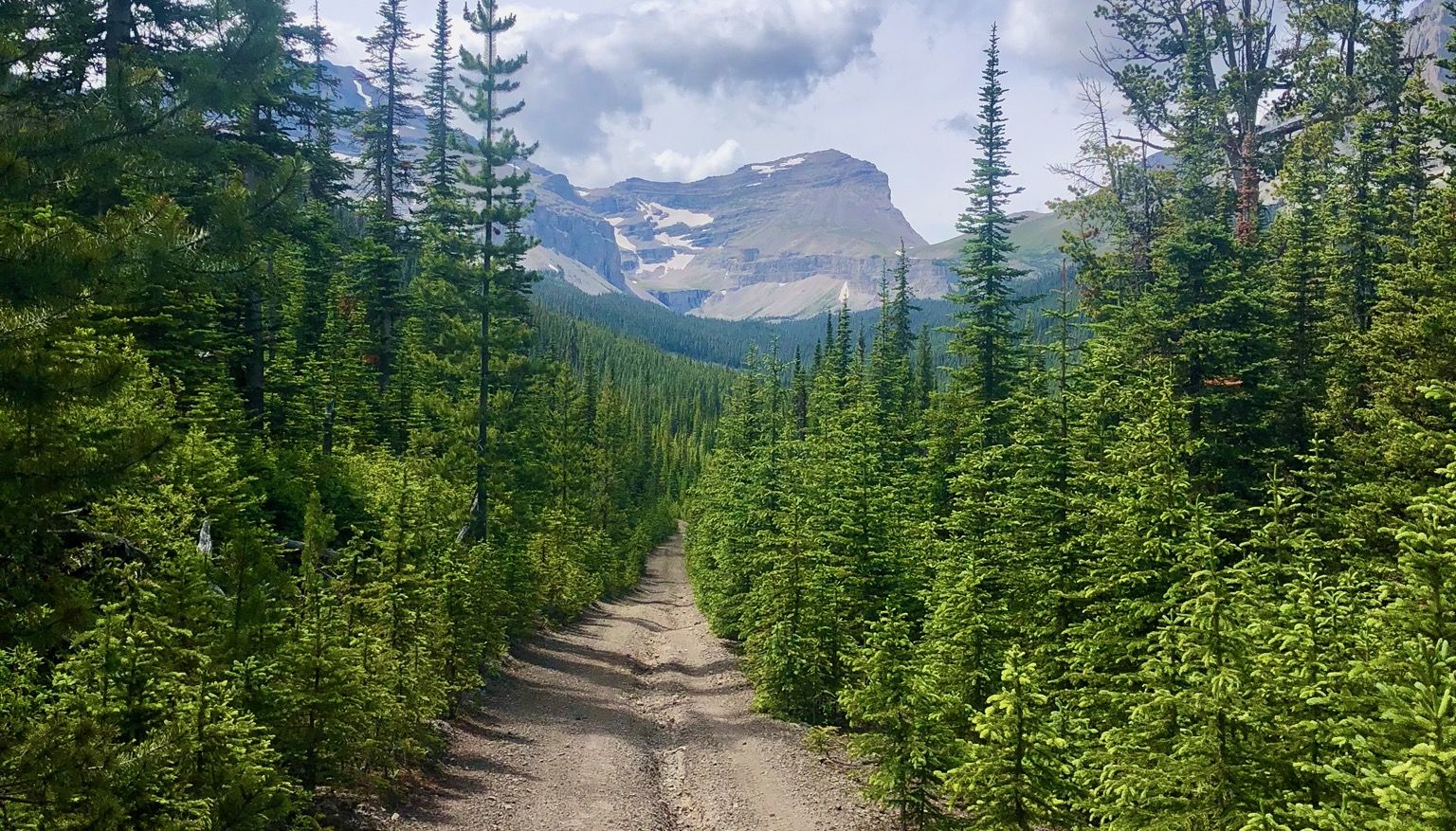
Run the Rockies – mountain range fastpack #5
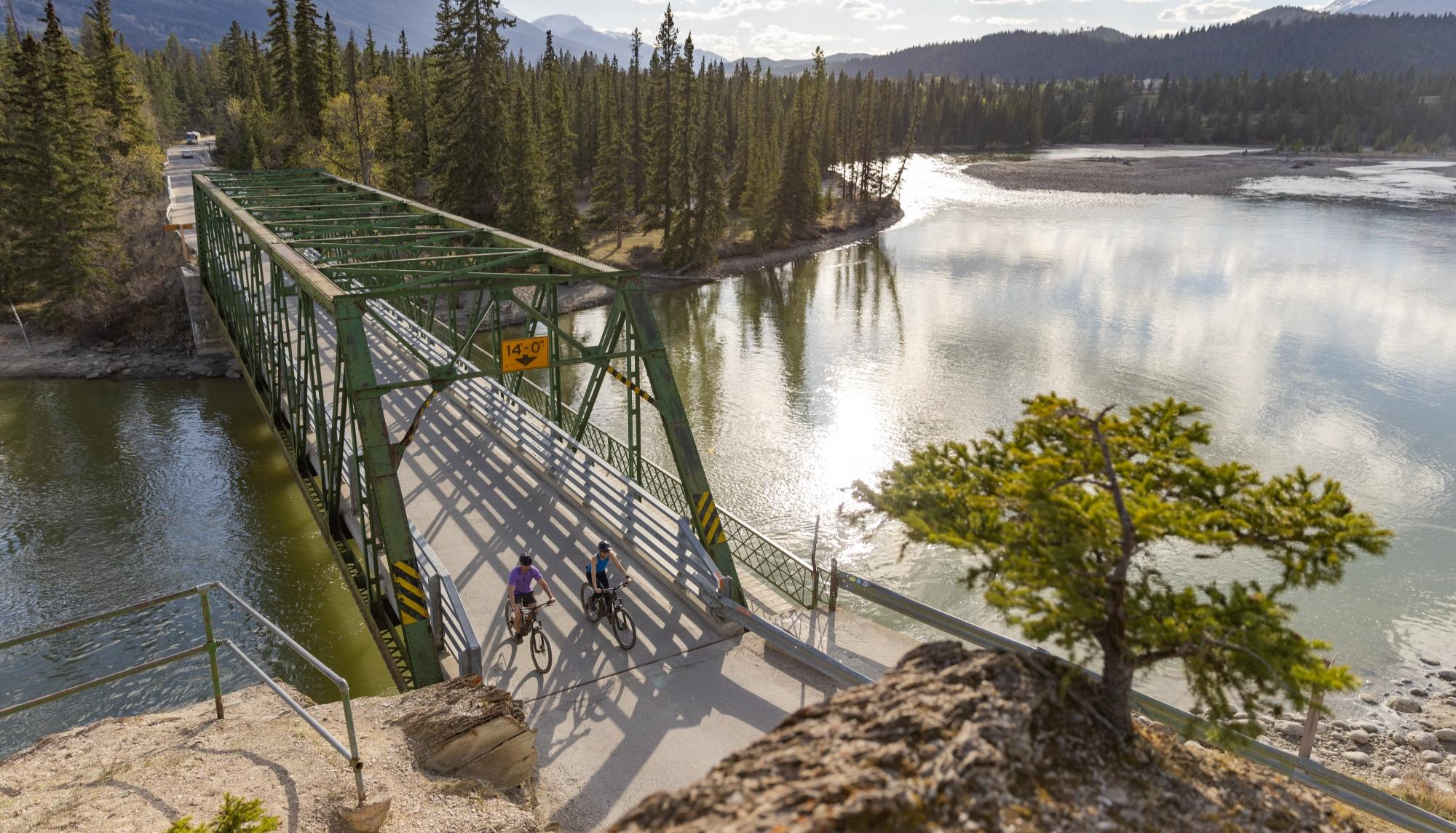
City, forest, river - explore diverse Alberta by bike
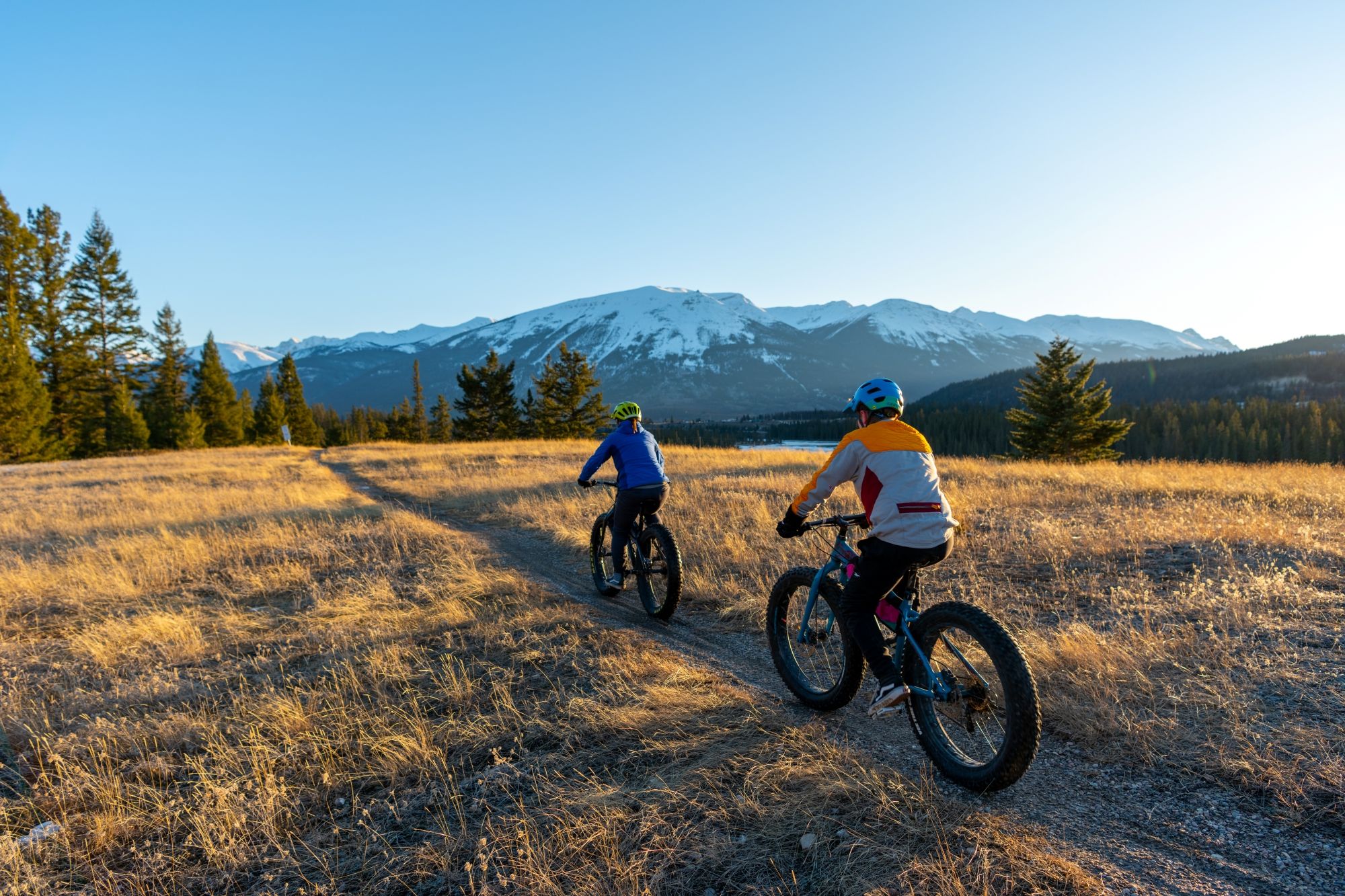
Hop on the trails – mountain biking & fat biking in Alberta
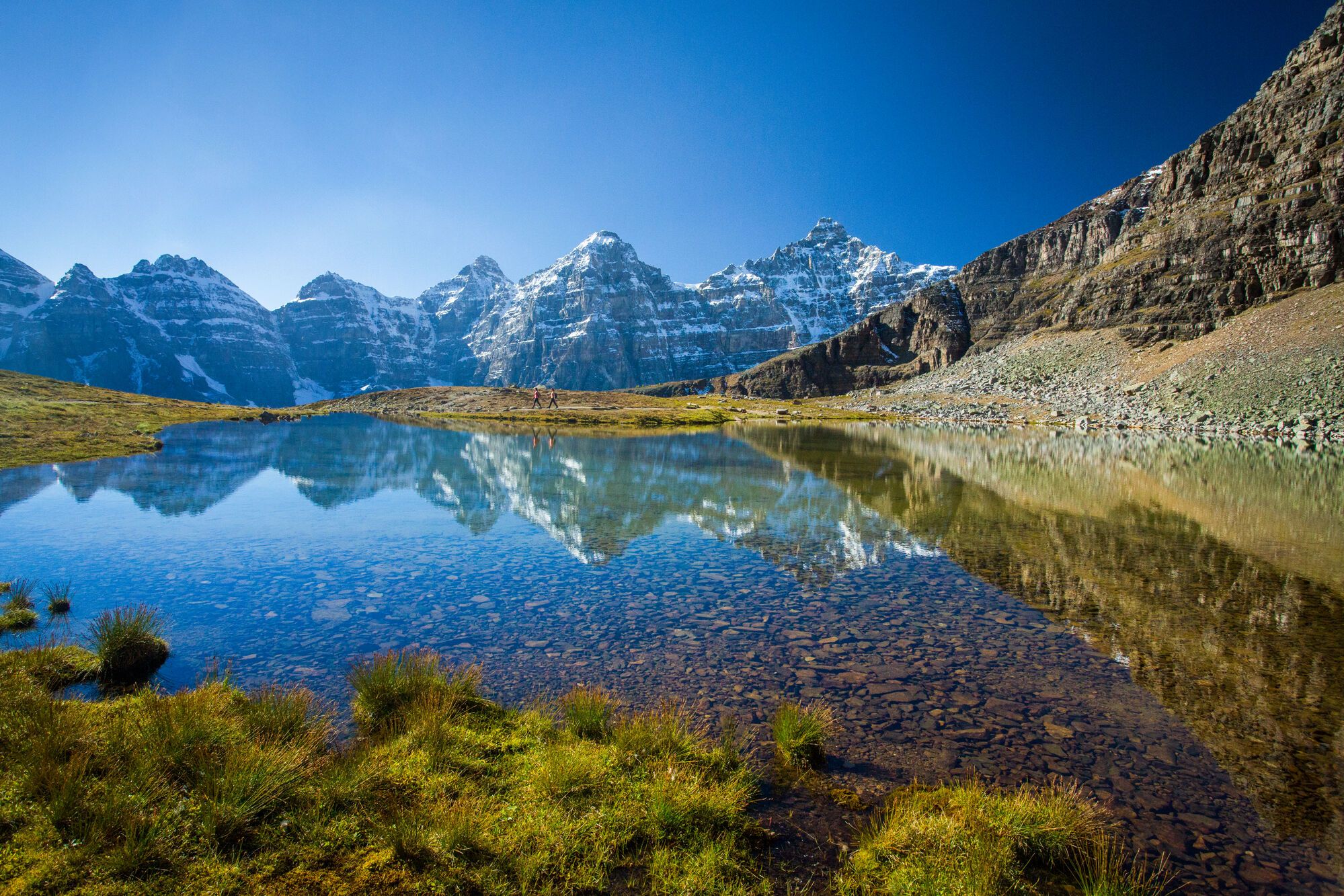
Spectacular road trip hikes – discover Calgary and Southern Alberta
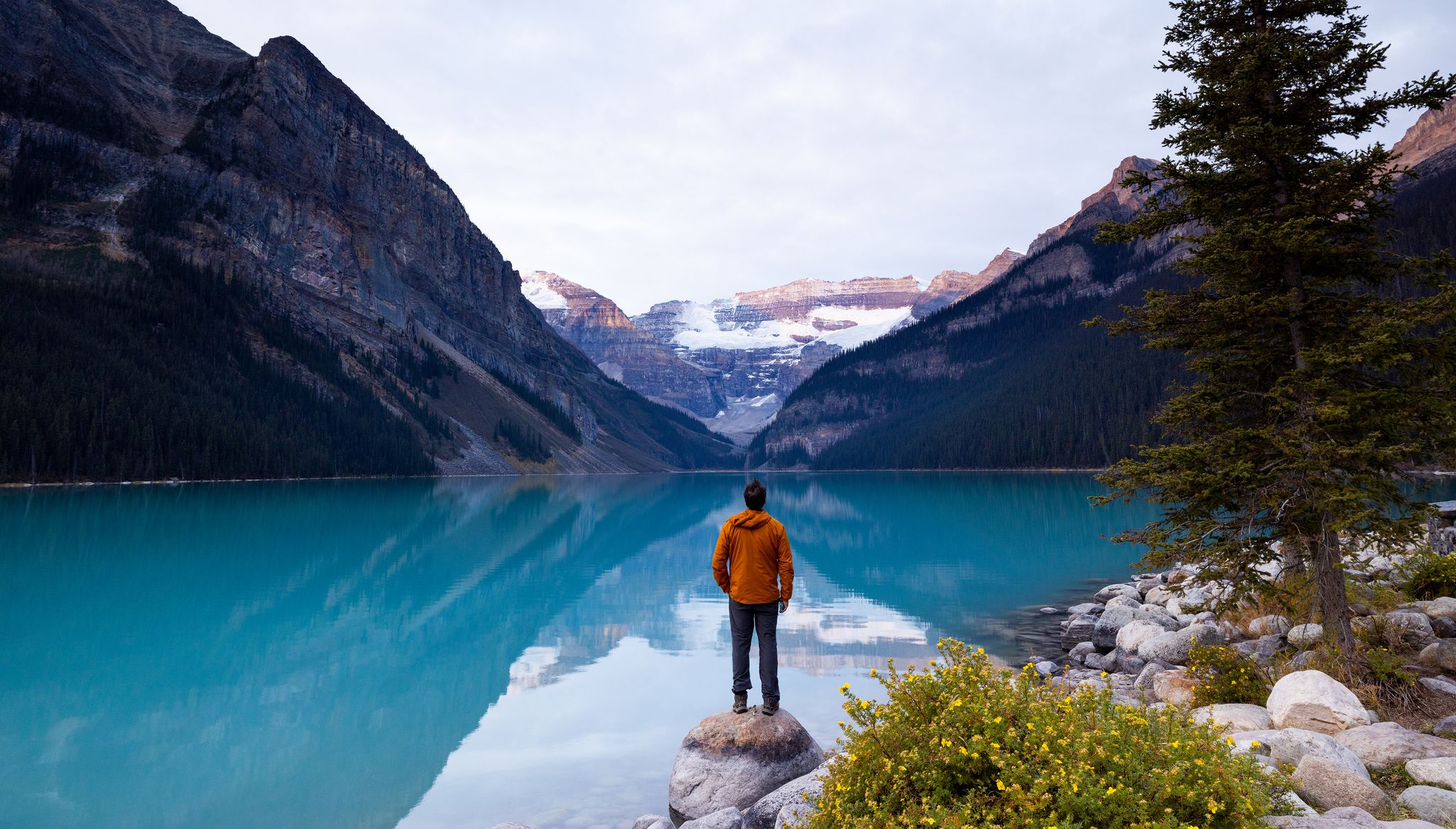
Hiking in Alberta – explore nature, discover indigenous culture
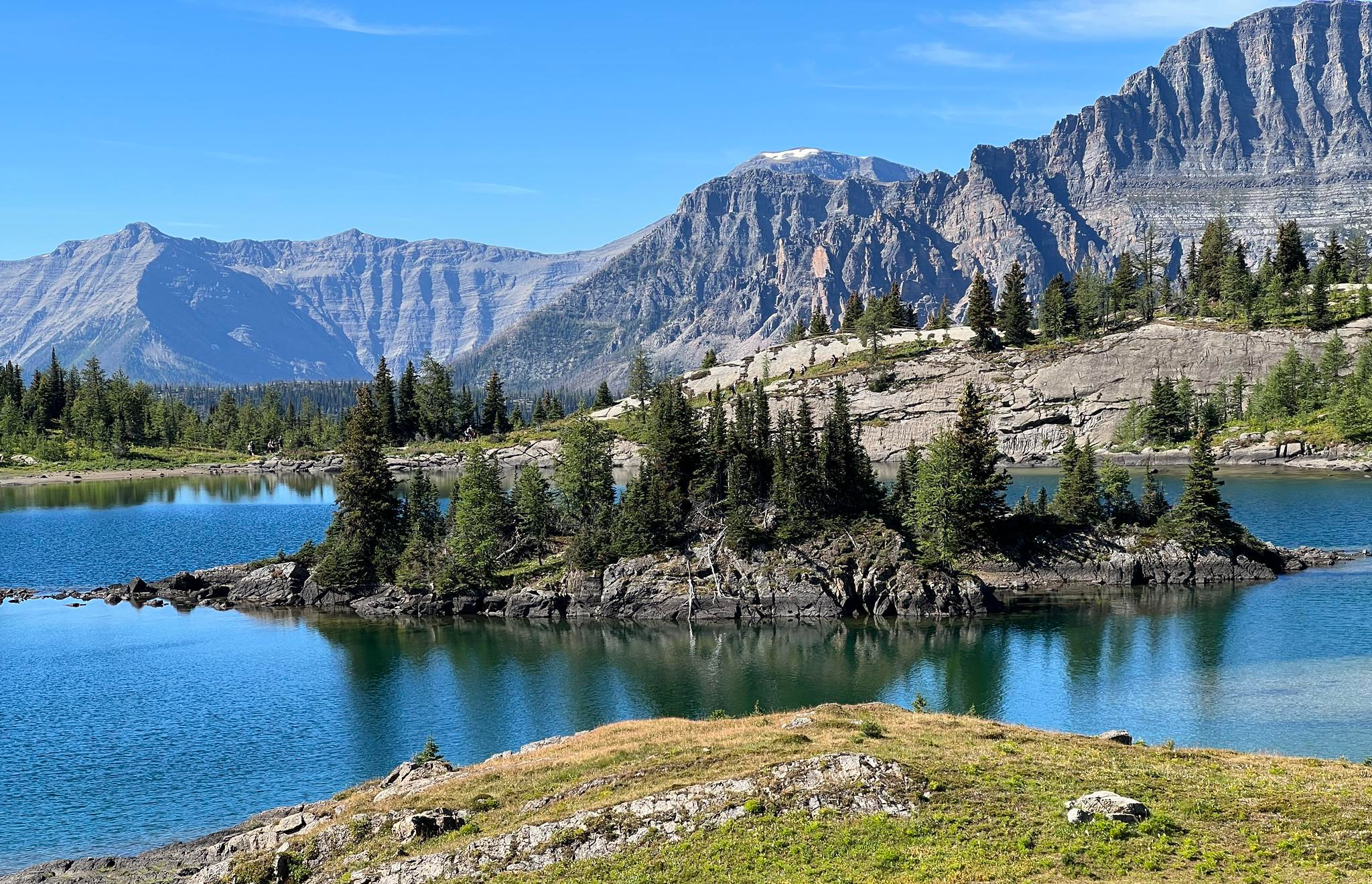
Great Divide Trail – Section A to E: Waterton to Maligne Lake
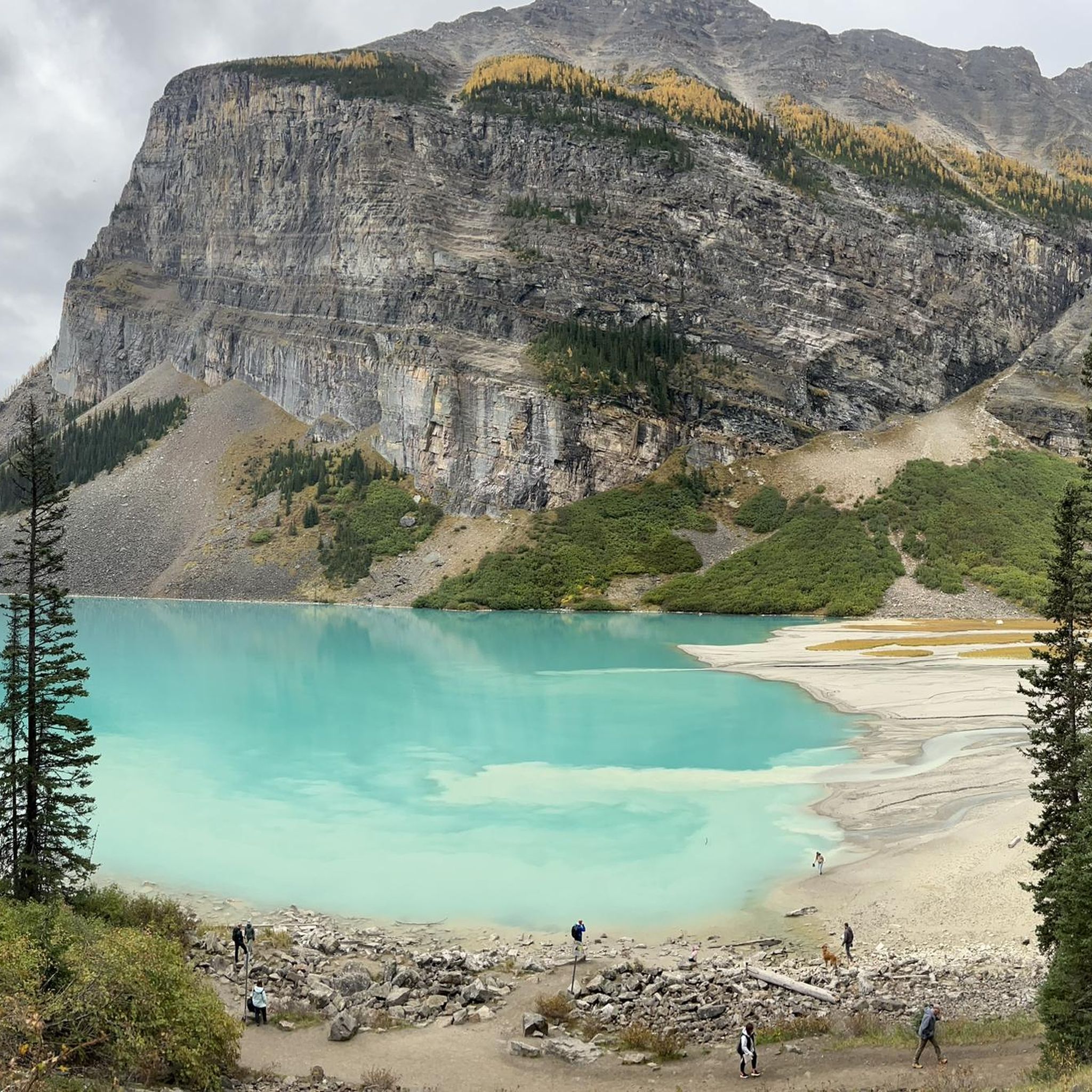
Hiking in Banff National Park
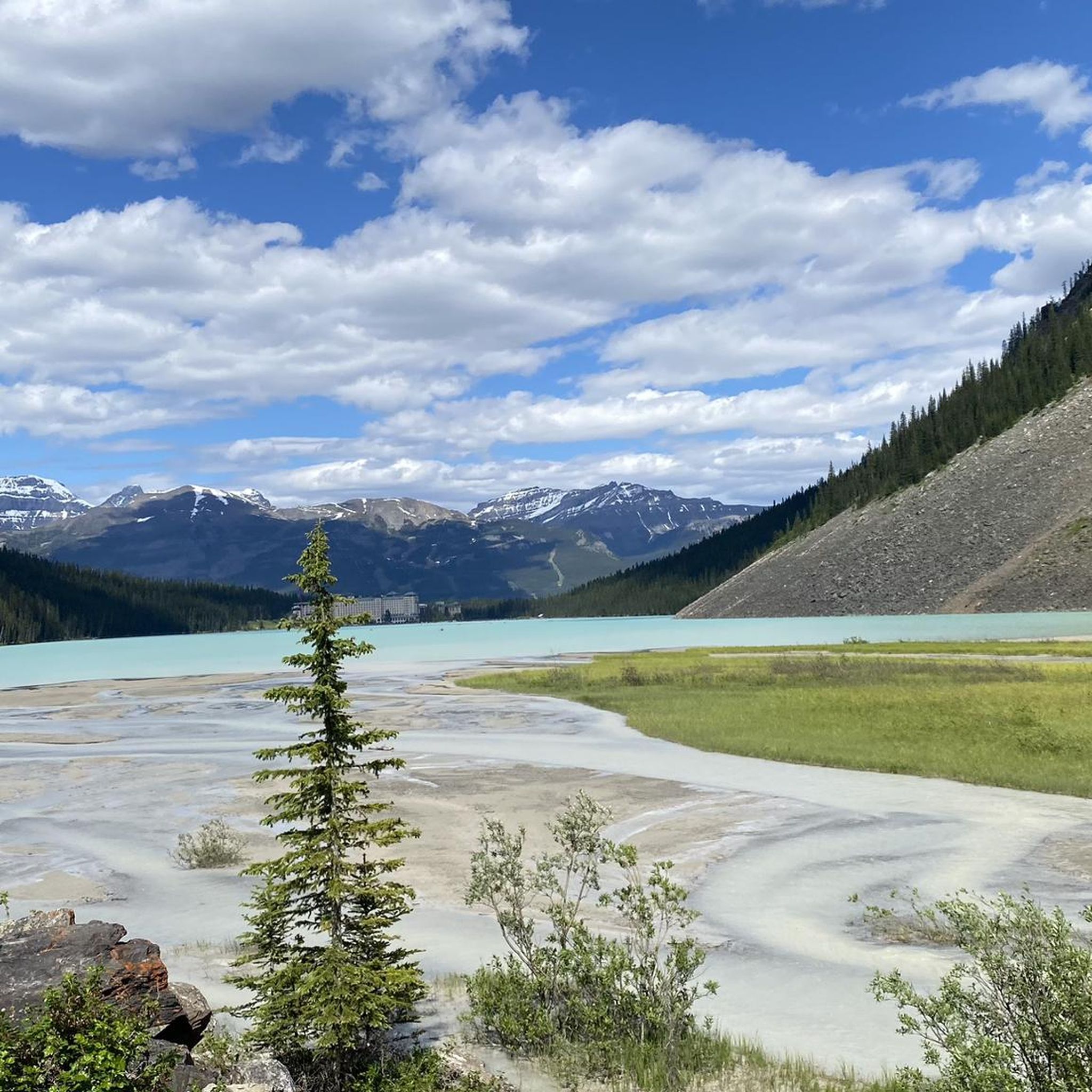
Cycling in Banff National Park
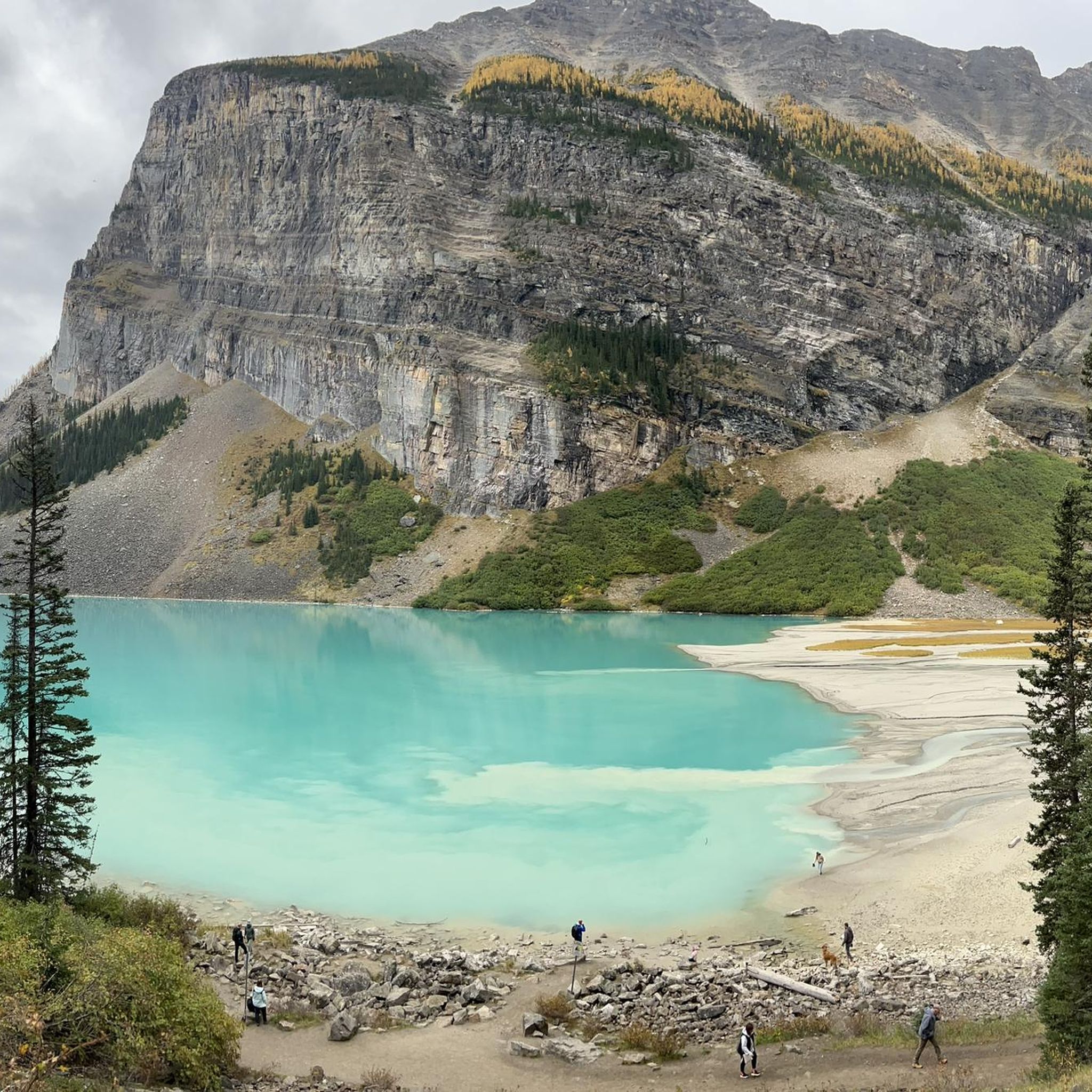
MTB Trails in Banff National Park
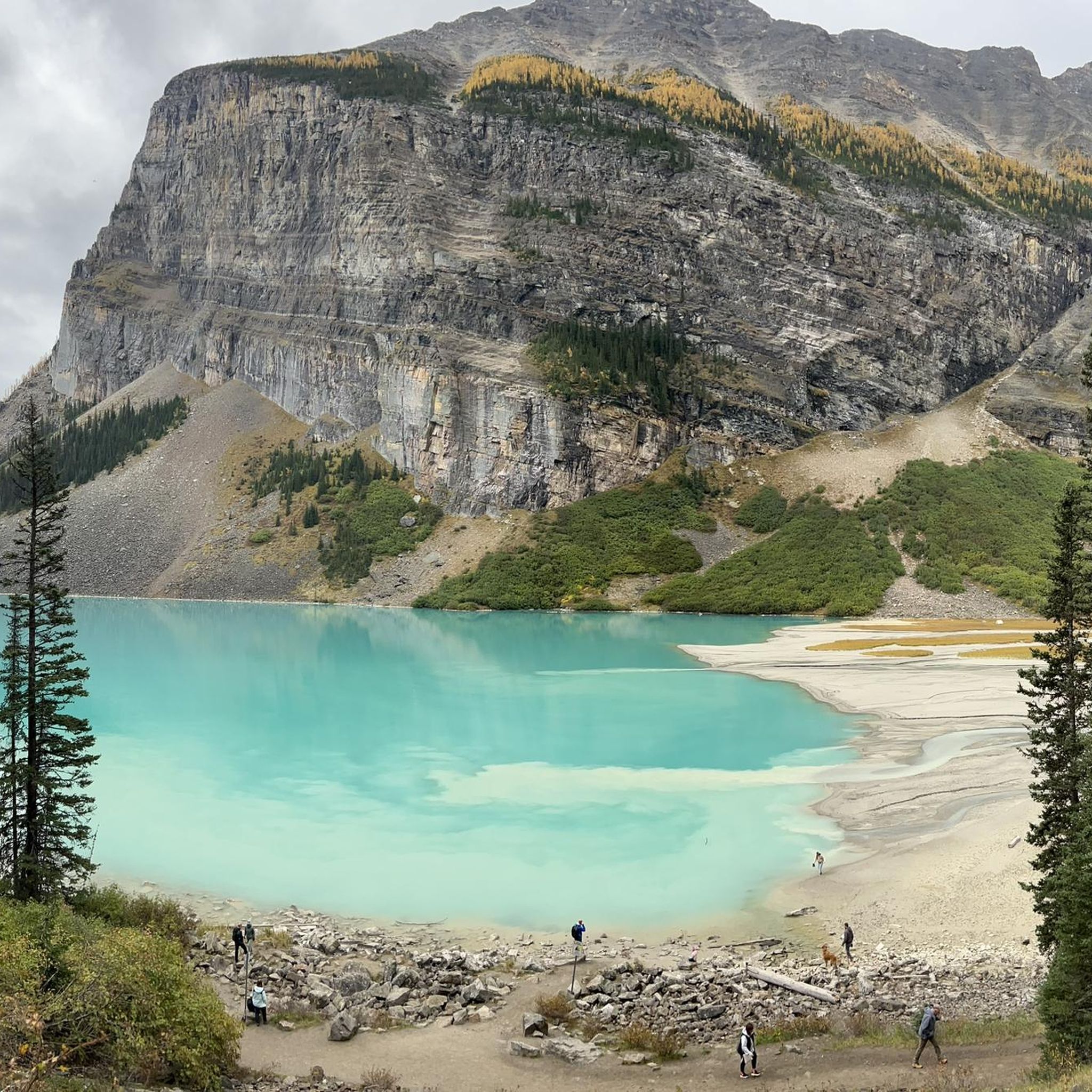
Running Trails in Banff National Park
Other adventures in Banff National Park


Tips from the Community


Get Out is a smooth, confidence-building introduction to singletrack riding, with gentle terrain and enough twists to make the ride feel playful but not intimidating. Paired with Get In, it creates an easy, convenient loop starting near the Nordic Centre.
0
0

A very well-made main street. With wide sidewalks and a wide bike path. Which in turn shows, if you build the infrastructure, it will also be used. There are many cyclists out and about. The street is lined with many small shops and eateries. It is quite pleasant here.
0
0

This section of the Trans Canada Trail passes through Canmore, offering a journey through both the town’s history and its mountain landscape. Along the route you’ll see reminders of Canmore’s coal mining past, modern neighbourhoods, and areas connected to the 1988 Winter Olympics, when nearby trails hosted cross-country skiing events. The multi-use path is open year-round and used for walking, hiking, cycling, and cross-country skiing in winter. Near downtown, the trail also passes a pavilion celebrating the volunteers and communities who helped build the Trans Canada Trail.
0
0

Just a short walk from Spray Lakes Road, you’ll reach a rocky shoreline with open views toward Canmore Nordic Centre Provincial Park, where ski and biking trails wind across the lower slopes. From here, you can clearly see how the park sits beneath the rugged front ranges of the Rockies.
0
0

This is a beautiful, gravel trail running alongside the Rundle Mountain Range from Canmore to Banff. A relatively easy ride, this trail is shared by hikers and bikers and offers stunning alpine views.
1
0

Well-marked path with art objects that have been cleverly integrated into the natural surroundings.
2
0
Frequently Asked Questions
How many gravel bike trails are available in Banff National Park?
Banff National Park features a network of over 4 gravel bike trails, ranging from moderate to difficult, offering diverse experiences through the Canadian Rocky Mountains. These trails are well-suited for gravel biking, with options for various skill levels.
What is the best time of year for gravel biking in Banff National Park?
The prime season for gravel biking in Banff National Park typically runs from May to October. During these months, trails are generally snow-free, providing optimal conditions to enjoy the stunning mountain scenery and extensive trail network.
Are there any family-friendly or easier gravel bike trails in Banff National Park?
Yes, for those seeking a more relaxed ride, the park offers options suitable for families and beginners. While our guide features routes like the Pathway along the Bow River – Three Sisters Mountain Village loop from Bow Meadows which is rated moderate, the park also has trails like the Tunnel Campground Loop, known for being perfect for beginners and children, and the paved Sundance Trail, suitable for families.
What kind of terrain will I encounter on gravel bike trails in Banff?
Gravel biking in Banff National Park offers a varied terrain, including a mix of paved and gravel pathways. You'll ride through dense forests, alongside glacial lakes, and across river valleys. Many routes feature significant climbs and descents, providing diverse challenges. Trails are often shared-use, so you might encounter hikers, vehicles, and horseback riders.
What natural attractions can I see along the gravel bike trails in Banff National Park?
Banff National Park is rich with iconic natural features. You can expect to see mesmerizing glacial lakes like Lake Louise and Moraine Lake, known for their striking turquoise hues. Majestic mountains such as Mount Rundle and Cascade Mountain provide a dramatic backdrop. The Bow River flows through the park, and you might encounter features like Johnston Canyon with its waterfalls and the unique Ink Pots.
Are there any circular gravel bike routes in Banff National Park?
Yes, many of the gravel biking opportunities in Banff National Park are designed as loops, allowing you to start and end at the same point. For example, the View of Rundle Forebay – Pathway along the Bow River loop from Canmore offers a scenic circular path through river valleys with views of the Rundle Forebay.
What are the elevation changes like on gravel bike trails in Banff?
The gravel bike trails in Banff National Park can feature significant elevation changes, catering to riders looking for a challenge. For instance, the View of Rundle Forebay loop from Canmore Nordic Centre Downtown Bound, a difficult route, includes over 1390 meters of ascent and descent, providing a demanding ride with expansive mountain views.
Are there specific rules or considerations for wildlife encounters on Banff's gravel trails?
Banff National Park is home to diverse wildlife, including bears, elk, and caribou. It's crucial to be aware of your surroundings, carry bear spray, and know how to use it. Maintain a safe distance from all animals, never feed them, and keep dogs on a leash to minimize encounters and protect both wildlife and yourself. Always check park advisories for current wildlife activity.
Where can I find parking for gravel biking trailheads in Banff National Park?
Many popular trailheads and access points in Banff National Park offer designated parking areas. For routes originating near towns like Canmore or Banff, you'll find various parking options. It's advisable to arrive early, especially during peak season, as parking can fill up quickly at popular spots.
Are there any cafes or amenities near the gravel bike trails in Banff?
Yes, the towns of Banff and Canmore, which serve as common starting points for many gravel routes, offer a wide range of amenities. You'll find cafes, restaurants, bike shops, and accommodation options. Some trails, like the Banff Legacy Trail, also have picnic areas along the way.
What permits are required for gravel biking in Banff National Park?
A valid Parks Canada Discovery Pass or a daily park pass is required for entry into Banff National Park. This pass covers access to the park's facilities and trails, including those for gravel biking. No additional specific biking permits are typically needed beyond the park entry fee.
Can I use public transport to access gravel bike trails in Banff National Park?
Public transport options are available within Banff National Park, particularly connecting the town of Banff to popular attractions and trailheads. Roam Transit operates routes that can help you access various areas, including some that are starting points for gravel biking adventures. Check their schedules for specific routes and bike-friendly services.
Most popular routes in Banff National Park
Most popular attractions in Banff National Park

Get inspired with the komoot mobile app


Explore more
Browse the best Gravel rides in other regions.
