Top 15 Castles in Dublin
Castles in Dublin offer a rich collection of historic sites, each providing insight into Ireland's past. The region, situated on the east coast, features a diverse landscape from urban centers to coastal areas and parklands. These historical landmarks are often set within expansive grounds, offering opportunities for exploration beyond the castle walls. Visitors can discover a range of architectural styles and historical periods across the area.
Best castles in Dublin
- The most popular castles is Dublin Castle, a castle…
Last updated: July 1, 2026
Dublin Castle
Highlight • Castle
Translated by Google •
Tip by

Malahide Castle and Gardens
Highlight • Castle
Translated by Google •
Tip by

Sign up now to discover places like this
Get recommendations on the best single tracks, peaks, & plenty of other exciting outdoor places.
Sign up for free
Powerscourt House
Highlight • Historical Site
Tip by

Powder Tower, Viking and Norman Defences, Dublin Castle
Highlight • Historical Site
Tip by
Swords Castle
Highlight • Castle
Translated by Google •
Tip by

Sign up for free to discover even more castles in Dublin.
Sign up for free
Already have an account?
Start today with a free account
Your next adventure awaits.
Login or Signup
Popular around Dublin
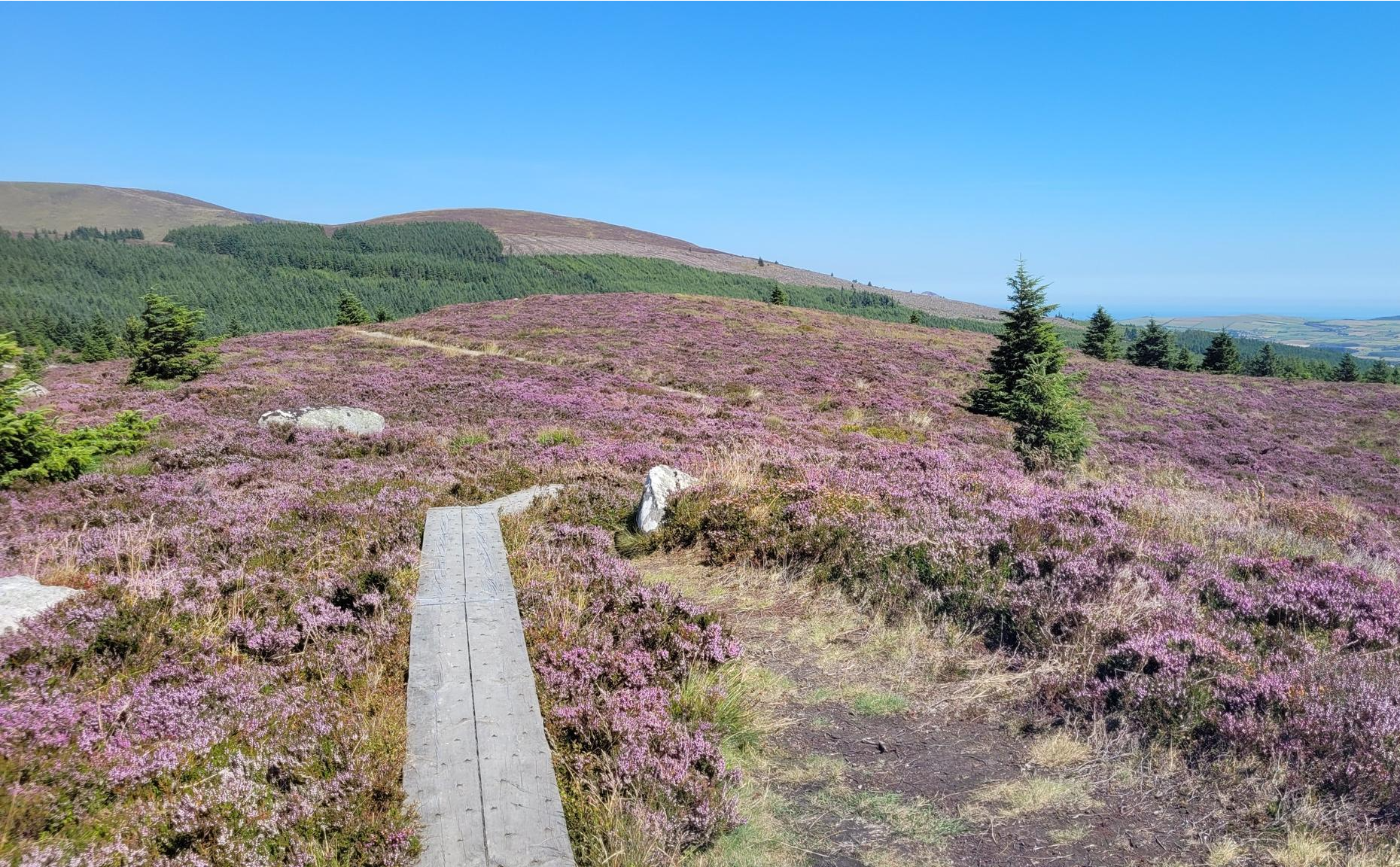
Running the Wicklow Way – From the city to the mountains
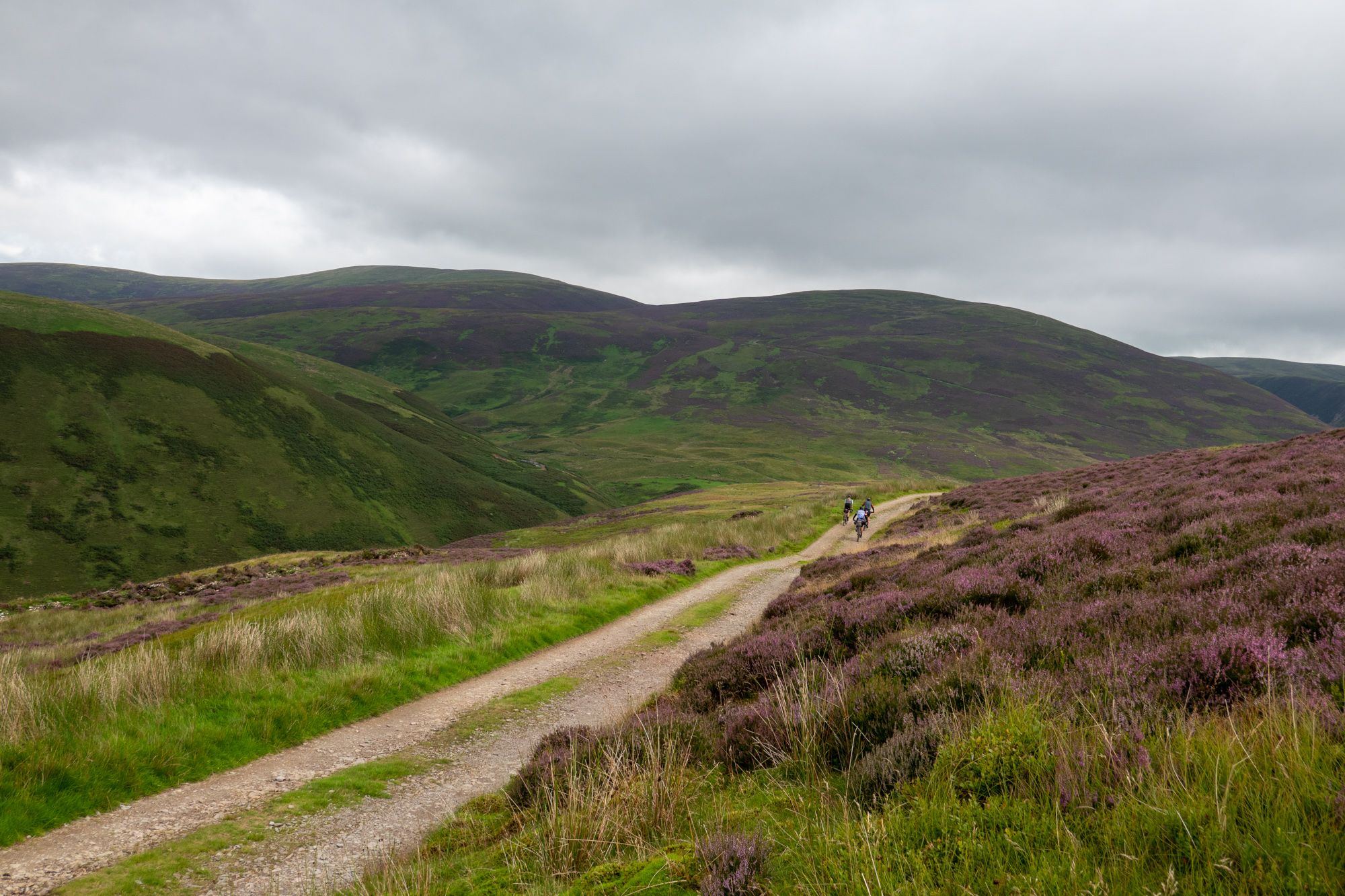
Bikepacking to the World Champs across Ireland and Scotland
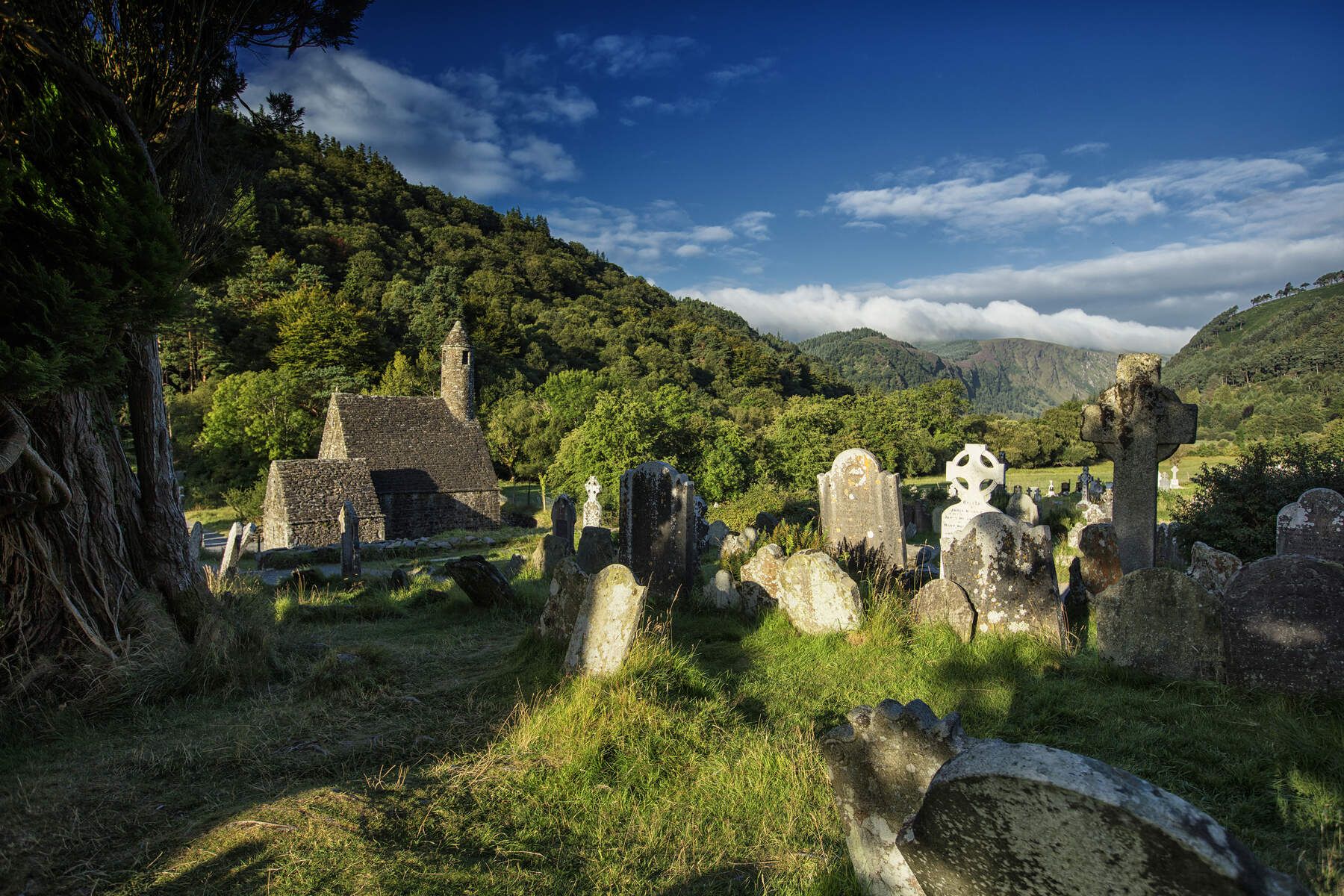
The Wicklow Way — discover Ireland's east
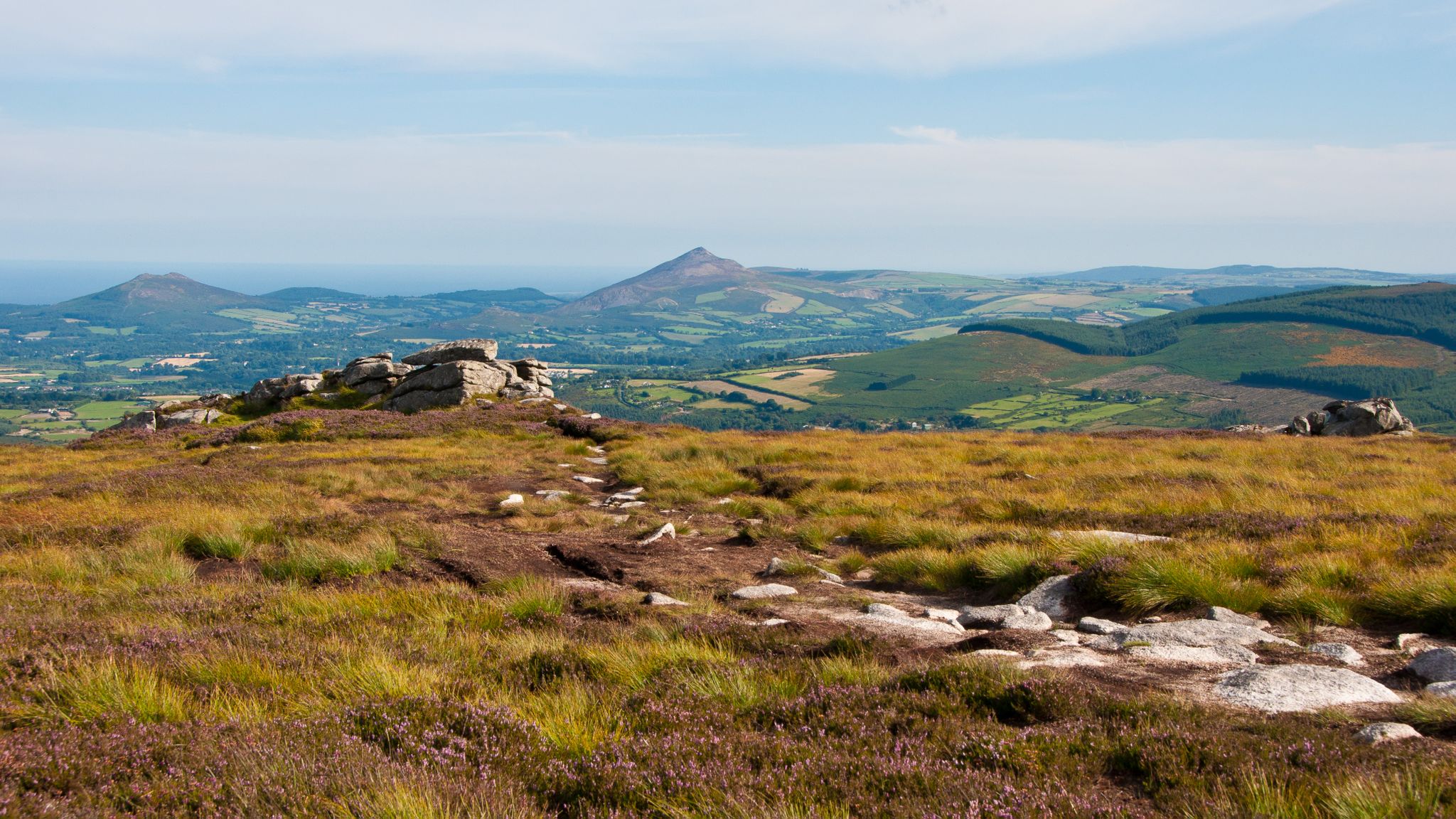
Dublin Mountains Way – hiking from city to summit
The Republic of Ireland and Northern Ireland – e-bike trials by Halfords
Hike Ireland's coast: cliffs, waves and wonderful wide beaches
Awaken your spirit of discovery — family-friendly walks in Ireland
Ireland's blue rivers and lakes – walks along the water
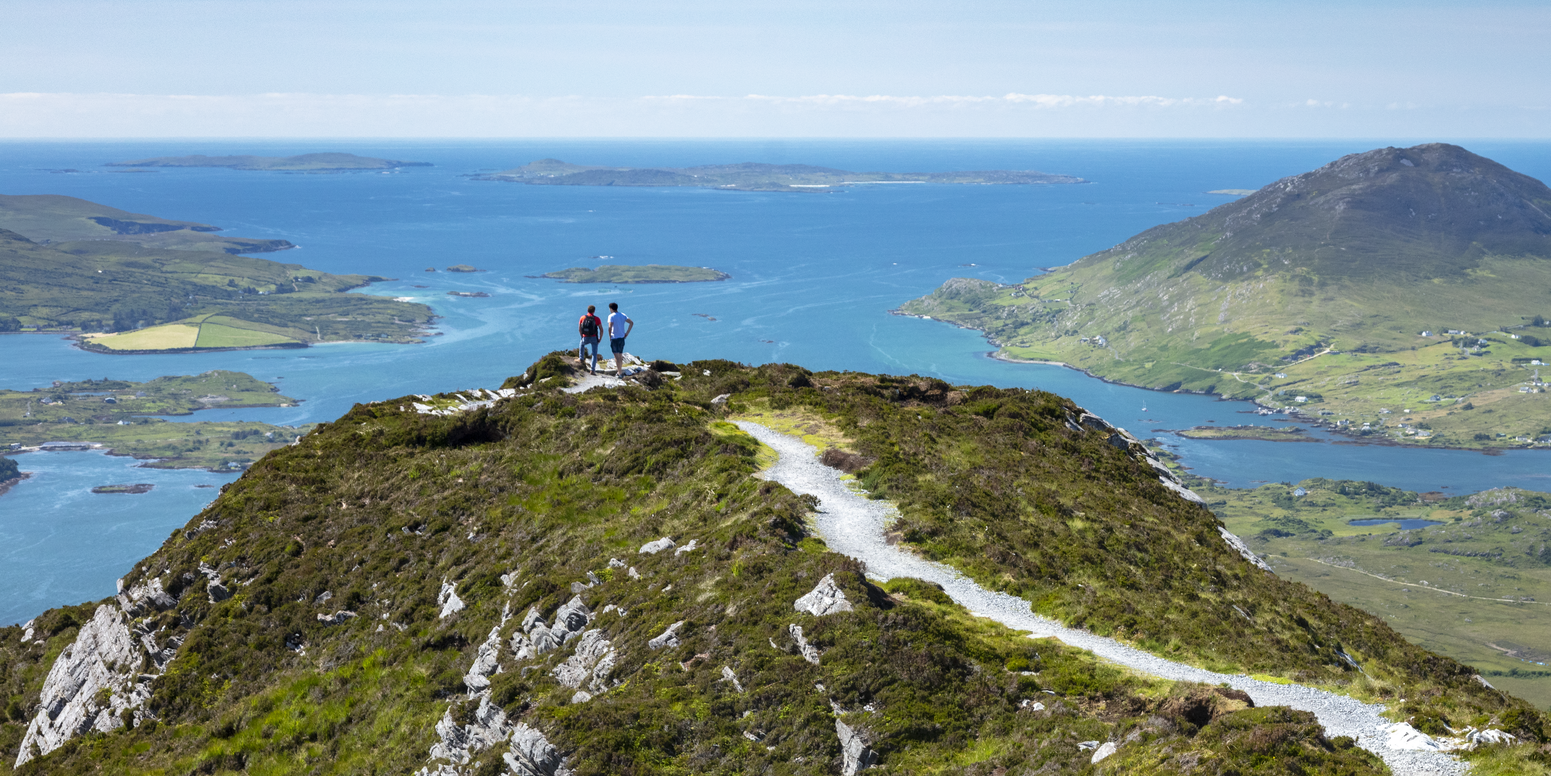
Between waves and peaks — to the best views in Ireland
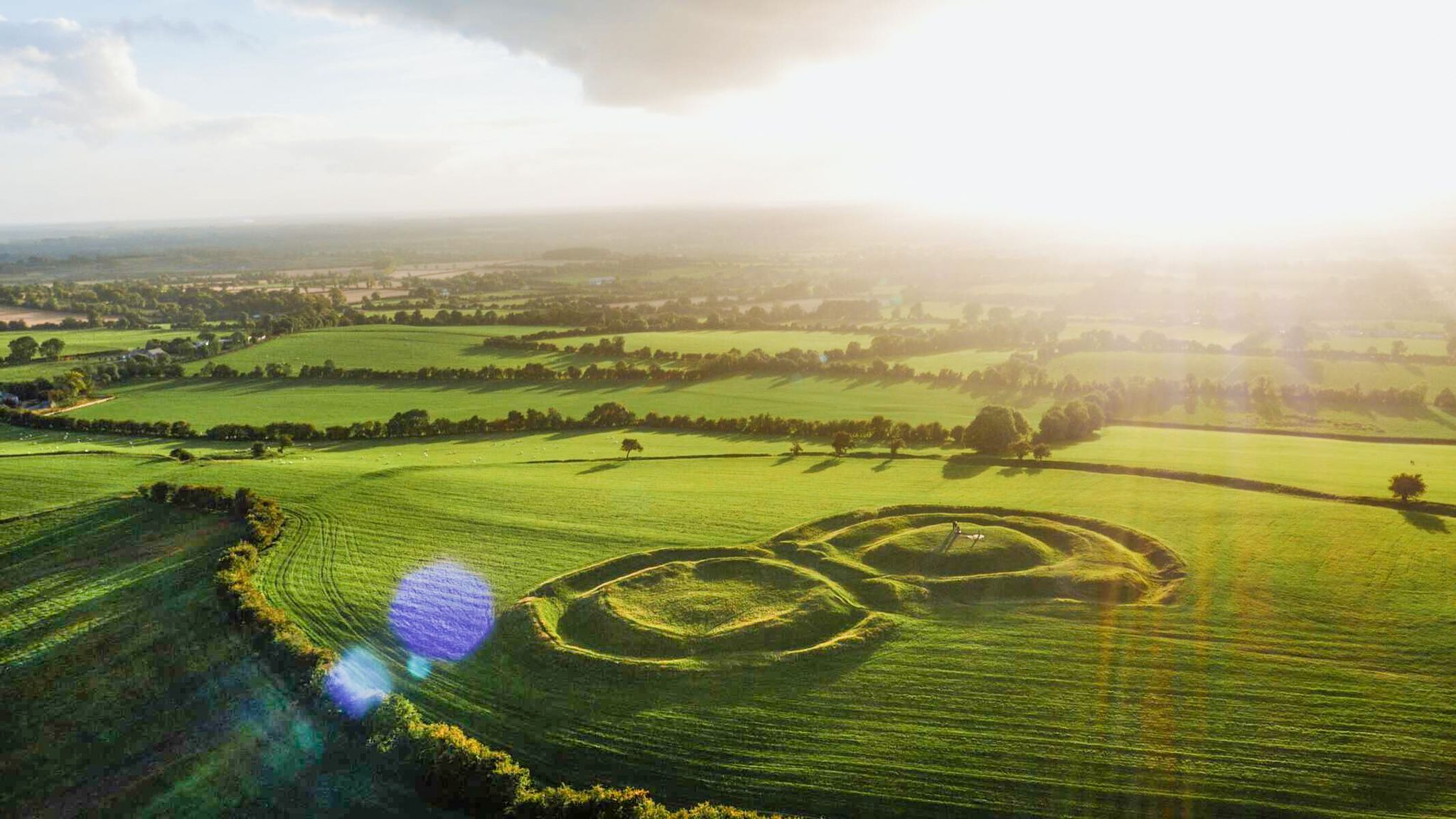
The magical east of Ireland – ancient places, scenic lakes and rocky mountains
Other adventures in Dublin


Tips from the Community

Dublin Castle has been the historical and political heart of the Irish capital for over 800 years. Once built as a medieval fortress on the site of the 'Black Pool' (Dubh Linn), today you will mainly recognize the imposing 18th-century architecture and the characteristic medieval Record Tower. As you walk or cycle across the courtyard, you will pass the richly decorated State Apartments and the neo-Gothic Chapel Royal.
7
0

Very beautiful structure, which cannot be visited inside or there are only shops to see inside.
0
0

The complex is a former bishop's palace from the 13th century with a walkable castle wall and a restored chapel.
2
0

Powerscourt House houses the entrance to the beautiful garden. The house itself is not open to the public.
0
0

Dublin Castle was built in the early 13th century on the site of a Viking settlement and served for centuries as the seat of the English and later British administration of Ireland. In 1922, after Ireland's independence, Dublin Castle was handed over to the new Irish government. Today it is a major government complex and a major tourist attraction (Source: https://www.dublincastle.ie/)
2
0

Powerscourt House, is a grand example of 18th-century architecture. Originally built in 1730, it features elegant interiors and is surrounded by exquisite gardens. The house combines historical charm with modern attractions, including a variety of shops and a café. Visitors can explore its rich history, enjoy the breathtaking views of the Wicklow Mountains, and immerse themselves in the tranquil beauty of the estate. A visit to Powerscourt House is both a cultural and visual delight. 🌿🏰
2
0

Malahide is easily accessible from Dublin via the DART train. From the train station it is a short walk to the castle and gardens. The entrance fee of 14.50 euros for adults and 9.50 euros for seniors is reasonable. The tour with guide Brandon was really lively and funny. There are also free audio guides in the respective language. We also experienced the gardens with the construction of the Christmas world, which begins on November 10, 2023.
1
0
A beautiful, well-kept garden with a lake and fountain, tower, animal cemetery, pebble mosaic, huge trees, Japanese and Italian garden, regional things... and the view of the mountains.
0
0
Frequently Asked Questions
Which castles in Dublin offer a deep dive into Irish history?
For history enthusiasts, Dublin Castle is paramount, having served as the center of English power for over 700 years. You can explore its State Apartments, Chapel Royal, and medieval foundations. Malahide Castle and Gardens, home to the Talbot family for nearly 800 years, offers a glimpse into continuous family lineage and exquisite period furnishings. Swords Castle, a 13th-century Archbishop's Palace, is another significant historical site with extensive medieval features.
Are there family-friendly castles in Dublin with activities for children?
Yes, several castles are great for families. Malahide Castle and Gardens offers expansive grounds with a butterfly house, a fairy trail, and botanical gardens. Dublin Castle, while historical, has large courtyards and the Chester Beatty Library nearby. Dalkey Castle & Heritage Center provides an interactive experience with costumed actors, which can be engaging for kids.
What outdoor activities can I do near Dublin's castles?
Many castles are set within large estates offering outdoor opportunities. Near Malahide Castle, you can explore 260 acres of parkland and gardens. Ardgillan Castle is within a 200-acre demesne with woodland walks and gardens. For more structured activities, you can find various hiking trails, road cycling routes, and MTB trails throughout the Dublin region, often accessible from areas near these historical sites.
Which castles are easily accessible by public transport from Dublin city center?
Dublin Castle is located right in the heart of the city, making it highly accessible by various bus routes and within walking distance of many central points. Malahide Castle is also well-served by public transport, typically reachable by DART train or bus from Dublin city center.
Are there any less crowded or 'hidden gem' castles near Dublin?
While Dublin Castle and Malahide Castle are very popular, you might find a quieter experience at places like Drimnagh Castle, which is unique for being the only castle in Ireland still surrounded by a flooded medieval moat. Rathfarnham Castle, a late 16th-century Elizabethan building, also offers a fascinating visit, as does Ardgillan Castle with its extensive demesne and coastal views.
What is the best time of year to visit castles in Dublin?
The spring (April-May) and autumn (September-October) months generally offer pleasant weather for exploring both indoor and outdoor castle grounds, with fewer crowds than the peak summer season. Summer (June-August) provides the warmest weather and longest daylight hours, ideal for enjoying gardens and outdoor activities, though popular sites will be busier. Winter visits can be charming, especially for indoor tours, but be prepared for colder, wetter weather.
Can I find cafes or places to eat near Dublin's castles?
Yes, many castles, especially the larger ones, have on-site cafes or are located near towns with dining options. Malahide Castle has cafes within its grounds. Dublin Castle is in the city center, surrounded by numerous cafes, restaurants, and pubs. Ardgillan Castle also features a cafe within its demesne.
Which castles are suitable for a visit on a rainy day in Dublin?
Most castles offer substantial indoor experiences, making them suitable for rainy days. Dublin Castle allows you to explore its State Apartments, Chapel Royal, and the Medieval Undercroft indoors. Malahide Castle offers guided tours through its furnished rooms. Rathfarnham Castle and Dalkey Castle & Heritage Center also provide engaging indoor tours and exhibitions.
What unique architectural features can I expect to see at Dublin's castles?
Dublin's castles showcase a range of architectural styles. Dublin Castle blends medieval fortification with elegant Georgian design. Malahide Castle features a central Norman tower house and exquisite 17th-century carvings in its Oak Room. Ardgillan Castle, though a country house, boasts a distinctive castellated Gothic Revival appearance. Drimnagh Castle is notable for its intact medieval moat.
What do visitors enjoy most about the castles in Dublin?
Visitors frequently appreciate the rich history and the sense of stepping back in time that these castles offer. The extensive grounds and gardens, particularly at Malahide Castle and Ardgillan Castle, are highly praised for their beauty and opportunities for leisurely walks. Many also enjoy the well-preserved interiors and the stories shared during guided tours, providing a deeper understanding of Ireland's past.
Are there castles in Dublin with significant natural surroundings or viewpoints?
Yes, several castles are set in beautiful natural environments. Malahide Castle is surrounded by 260 acres of parkland and botanical gardens. Ardgillan Castle, located near Balbriggan, offers breathtaking views of the Irish Sea and coastline from its 200-acre demesne. Howth Castle is situated on the Howth Head peninsula, providing access to extensive heathland and well-known cliff walks with views across Dublin Bay.
How long should I allocate for visiting a castle in Dublin?
The time needed varies by castle. For a comprehensive visit to a major site like Dublin Castle or Malahide Castle, including a guided tour and exploring the grounds, plan for at least 2-3 hours. Smaller castles or those primarily focused on exterior exploration, like Swords Castle, might take 1-1.5 hours.
Most popular routes in Dublin
Most popular attractions in Dublin

Get inspired with the komoot mobile app


Explore more
Looking for the best castles somewhere else? Discover other guides in Dublin:
