Attractions and Places To See in Massa-Carrara - Top 20
Best attractions and places to see in Massa-Carrara include a diverse range of sites, from the peaks of the Apuan Alps to the Ligurian Sea coast. This province in northern Tuscany is known for its ancient marble quarries, medieval castles, and rich cultural heritage. Visitors can explore natural landscapes, historical landmarks, and coastal towns. The region offers a blend of artistic tradition and unique natural features.
Best attractions and places to see in Massa-Carrara
- The most popular attractions is Passo…
Last updated: October 9, 2026
Passo della Cisa
Highlight • Mountain Pass
Translated by Google •
Tip by

Lagastrello Dam
Highlight • Monument
Translated by Google •
Tip by
Sign up now to discover places like this
Get recommendations on the best single tracks, peaks, & plenty of other exciting outdoor places.
Nello Conti Hut
Highlight • Mountain Hut
Translated by Google •
Tip by

Tambura Pass
Highlight • Mountain Pass
Translated by Google •
Tip by

Mount Sagro
Highlight • Summit
Translated by Google •
Tip by

Kobra’s David mural at Cava Cima di Gioia
Highlight • Monument
Translated by Google •
Tip by

Passo del Vestito
Highlight • Mountain Pass
Translated by Google •
Tip by
Pontremoli Cathedral (Co-Cathedral of Saint Mary of the People)
Highlight • Religious Site
Translated by Google •
Tip by

Rifugio Carrara CAI
Highlight • Mountain Hut
Translated by Google •
Tip by
Campocecina Meadows
Highlight • Natural
Translated by Google •
Tip by
Sign up for free to discover even more attractions in Massa-Carrara.
Already have an account?
Start today with a free account
Your next adventure awaits.
Popular around Massa-Carrara
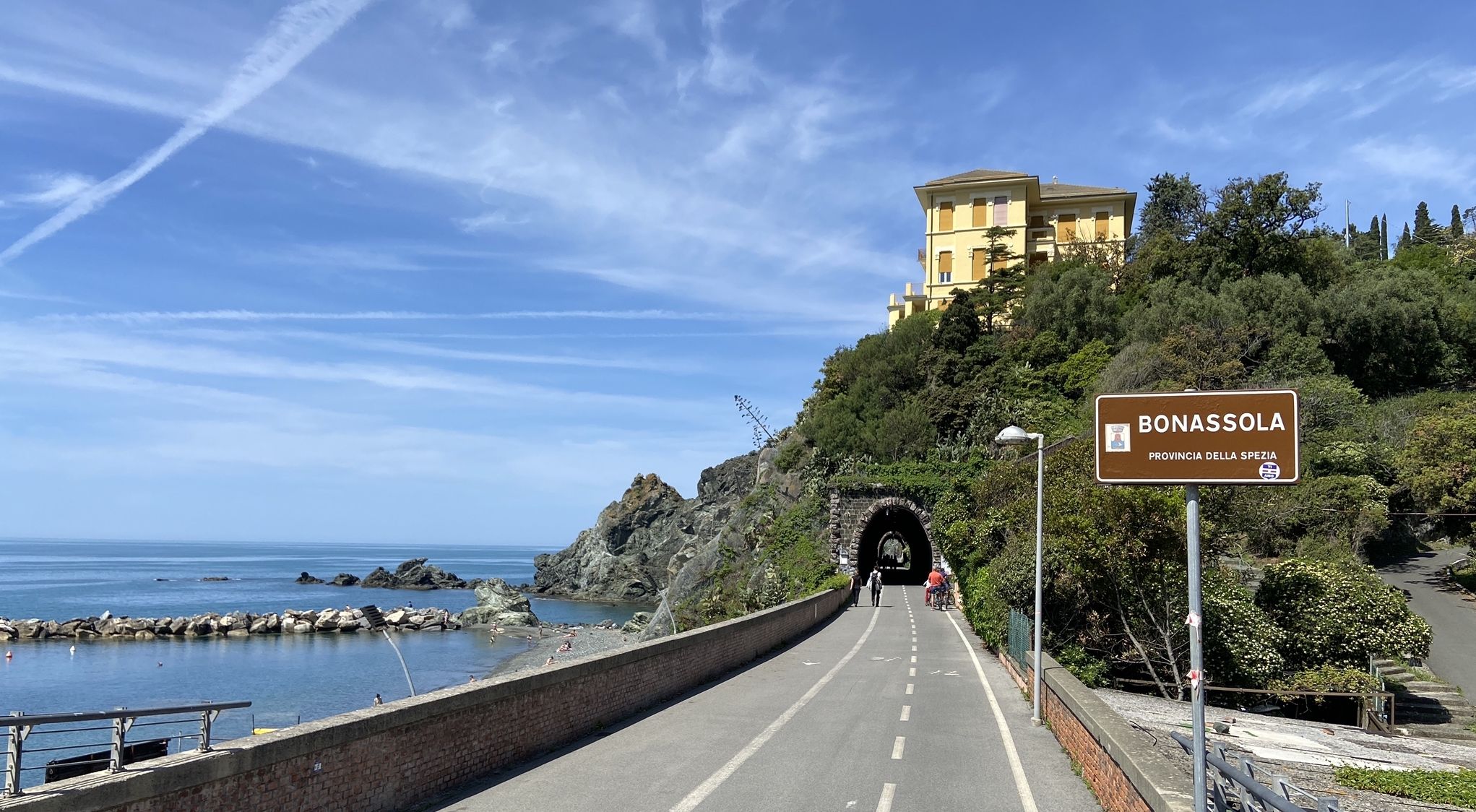
Pedalling to Portofino and the Cinque Terre — sea and mountains
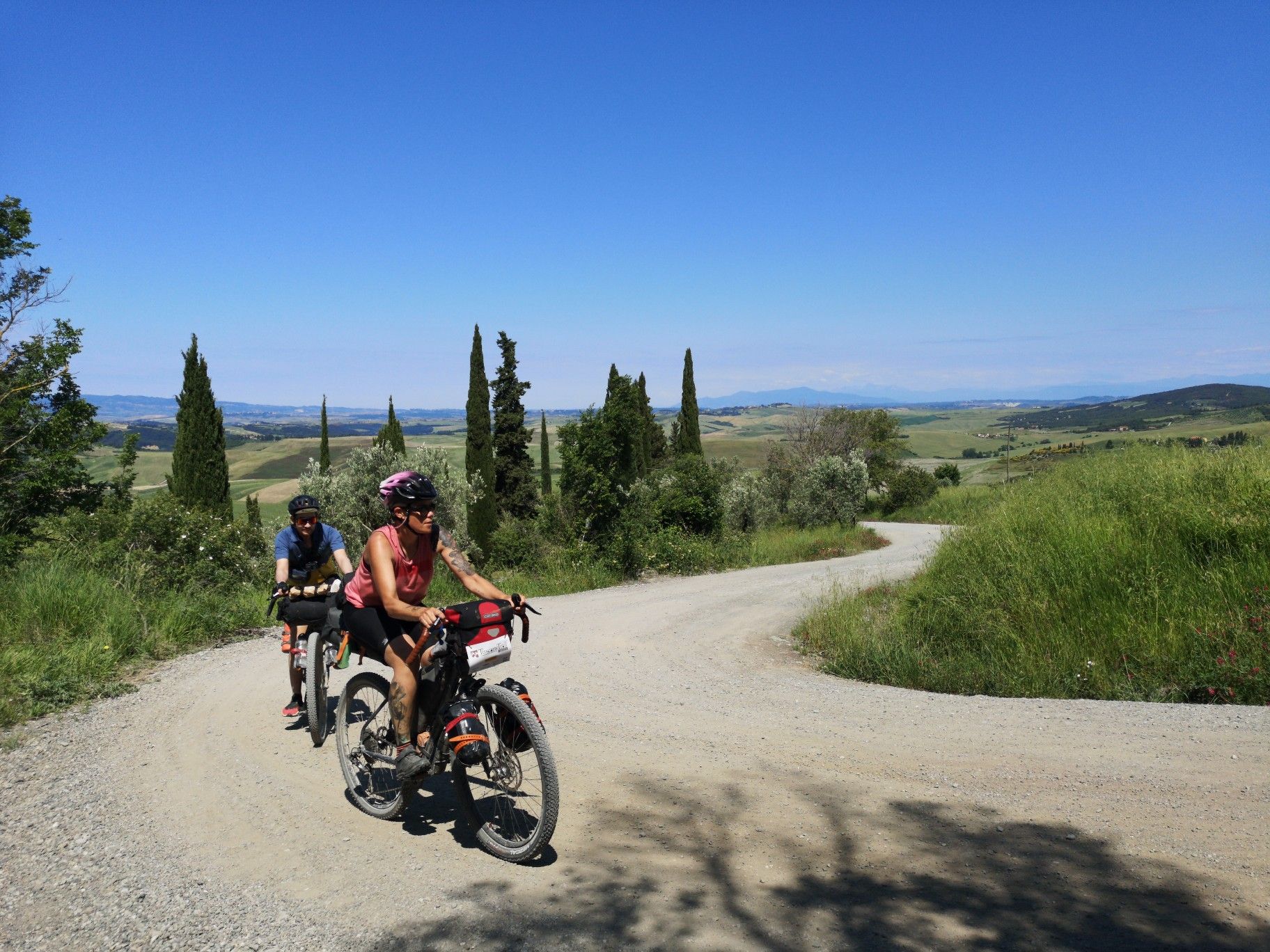
The Tuscany Trail – bikepacking in the heart of Italy
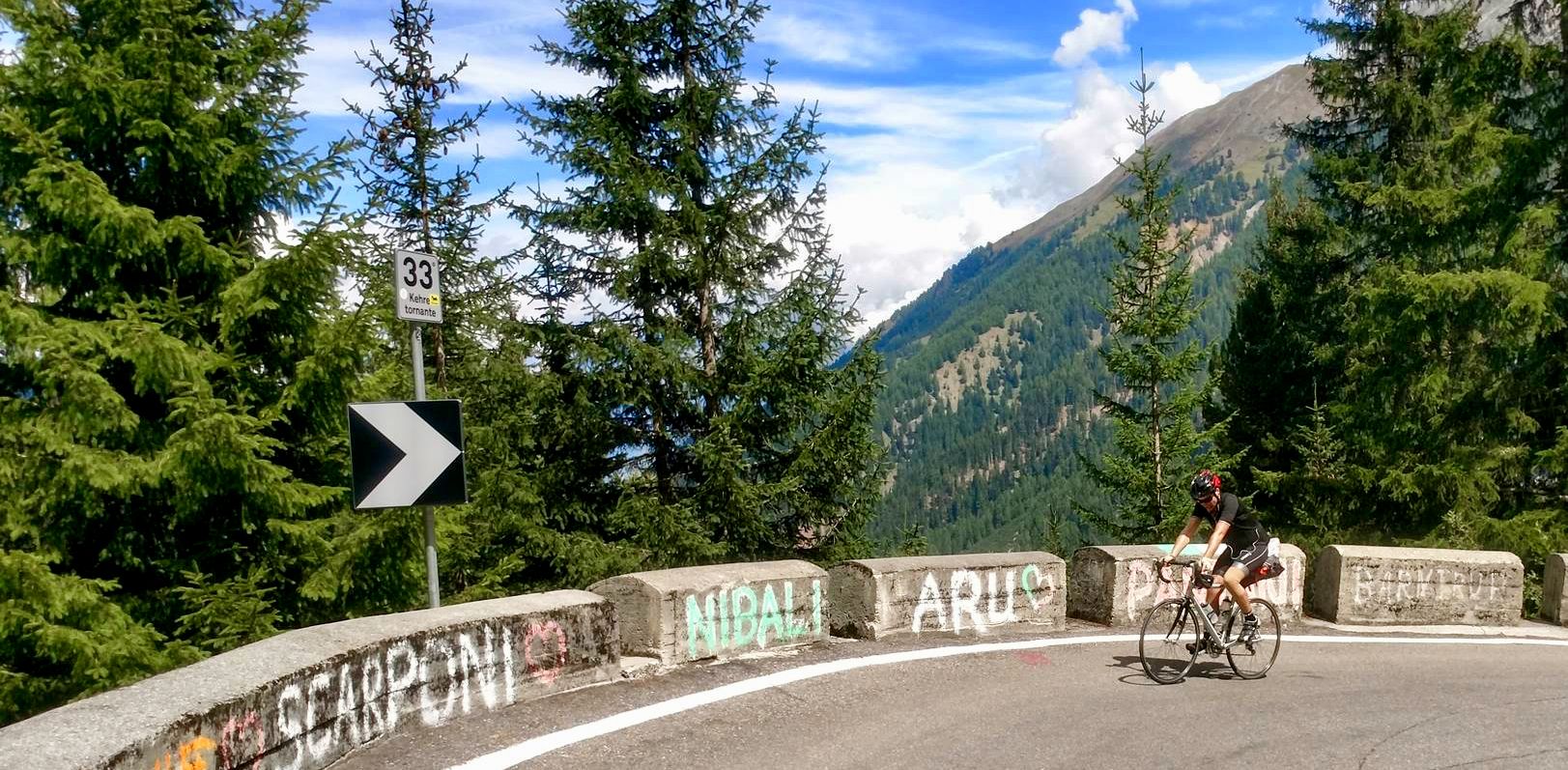
From the mountains to the sea — road cycling in Northern Italy
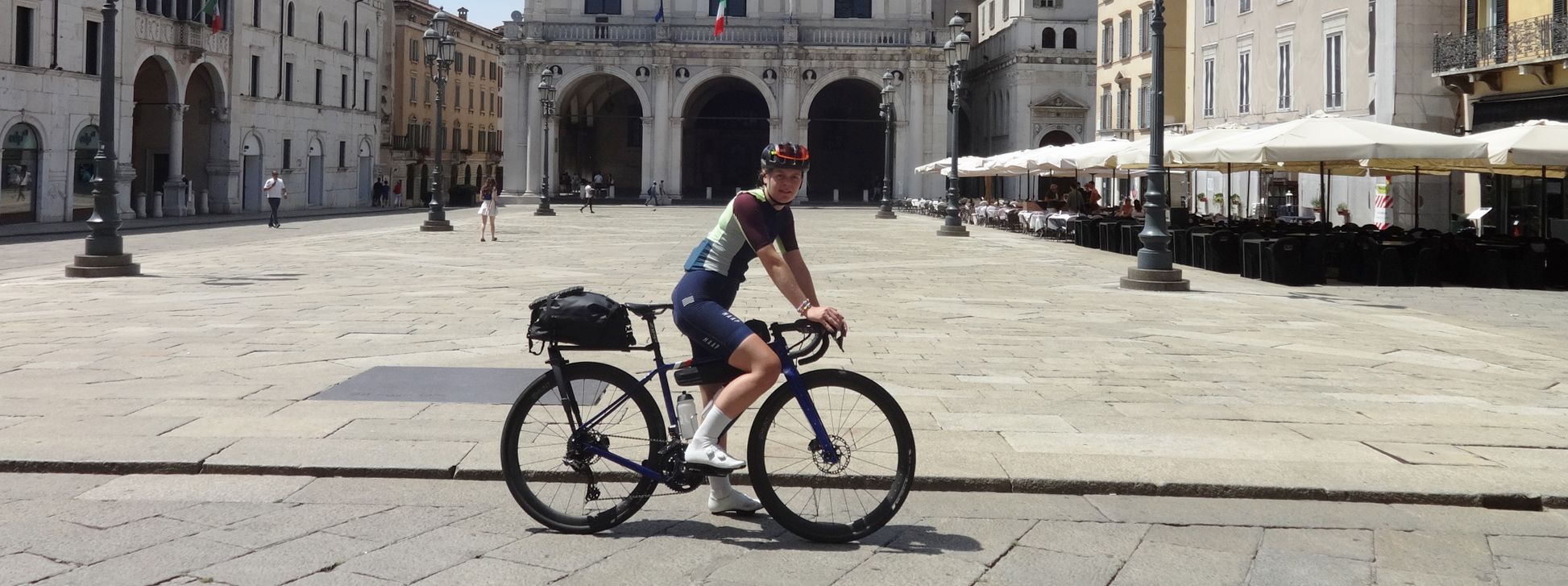
The Pizza Pilgrimage – Milan to Naples, fuelled by pizza
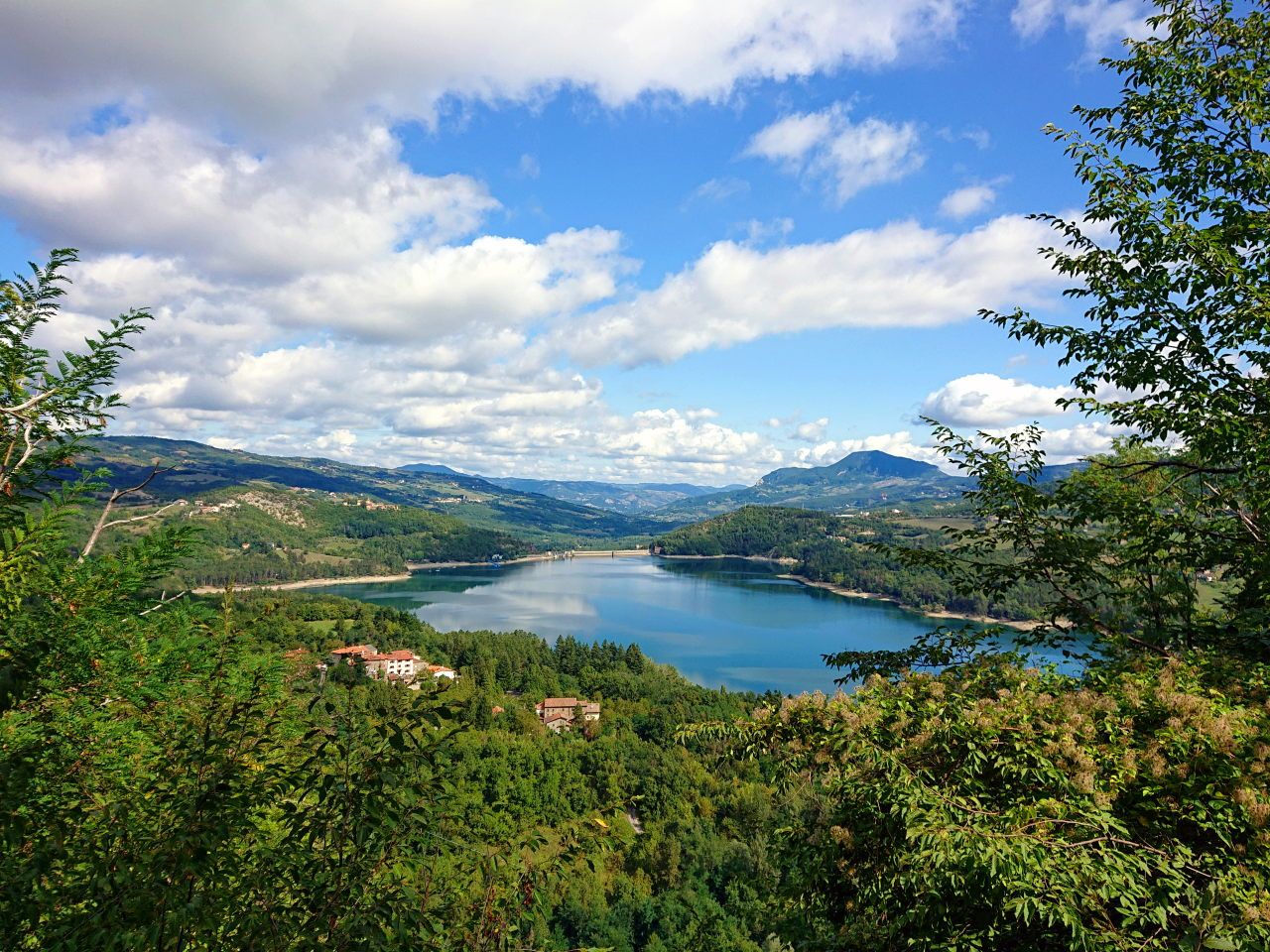
Interiora - A Journey into the Remote Areas of Italy
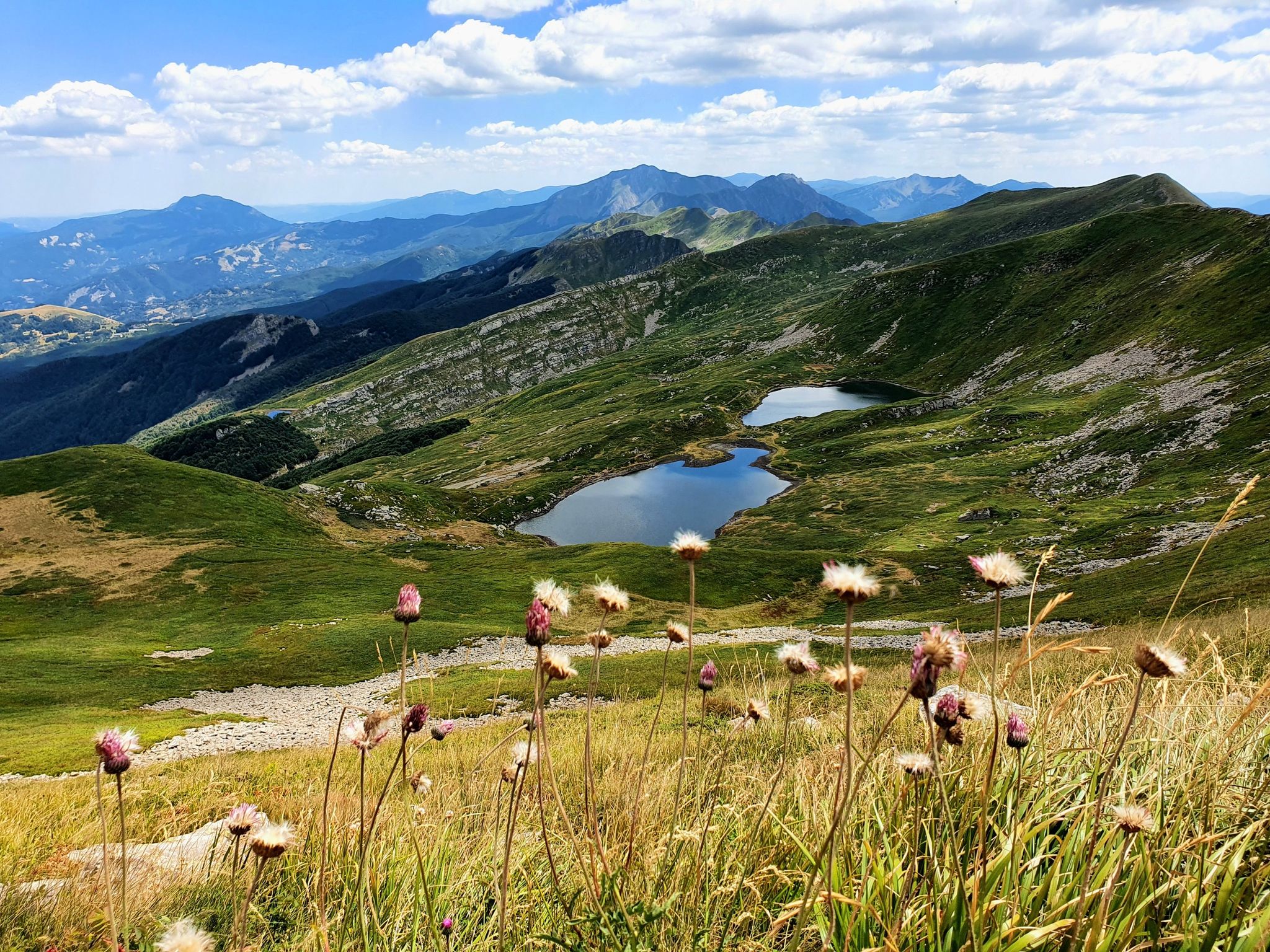
Berceto to Abetone – Alta Via dei Parchi (part 1)
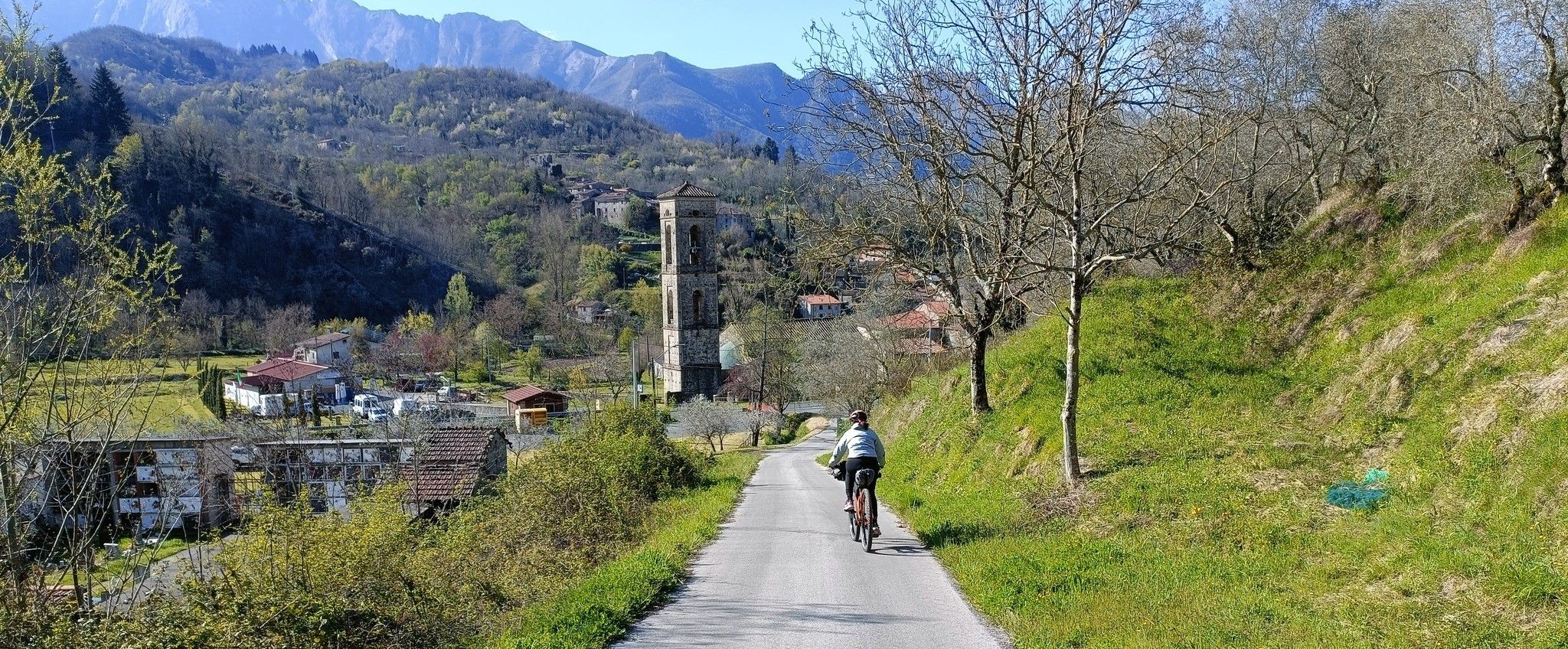
Mediaeval villages and sublime nature – Lunigiana Gravel
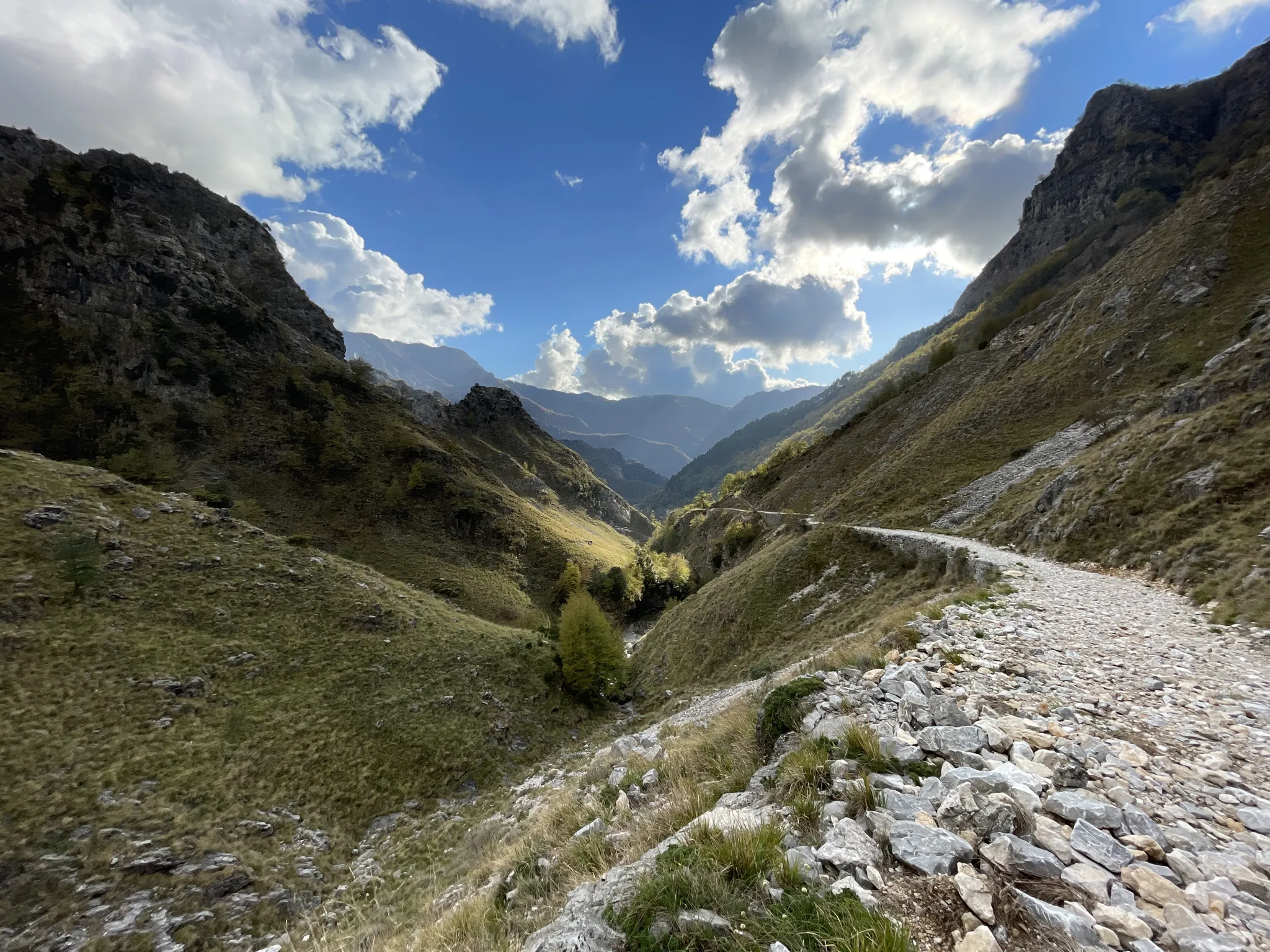
18th-century route from Modena to Massa – Via Vandelli
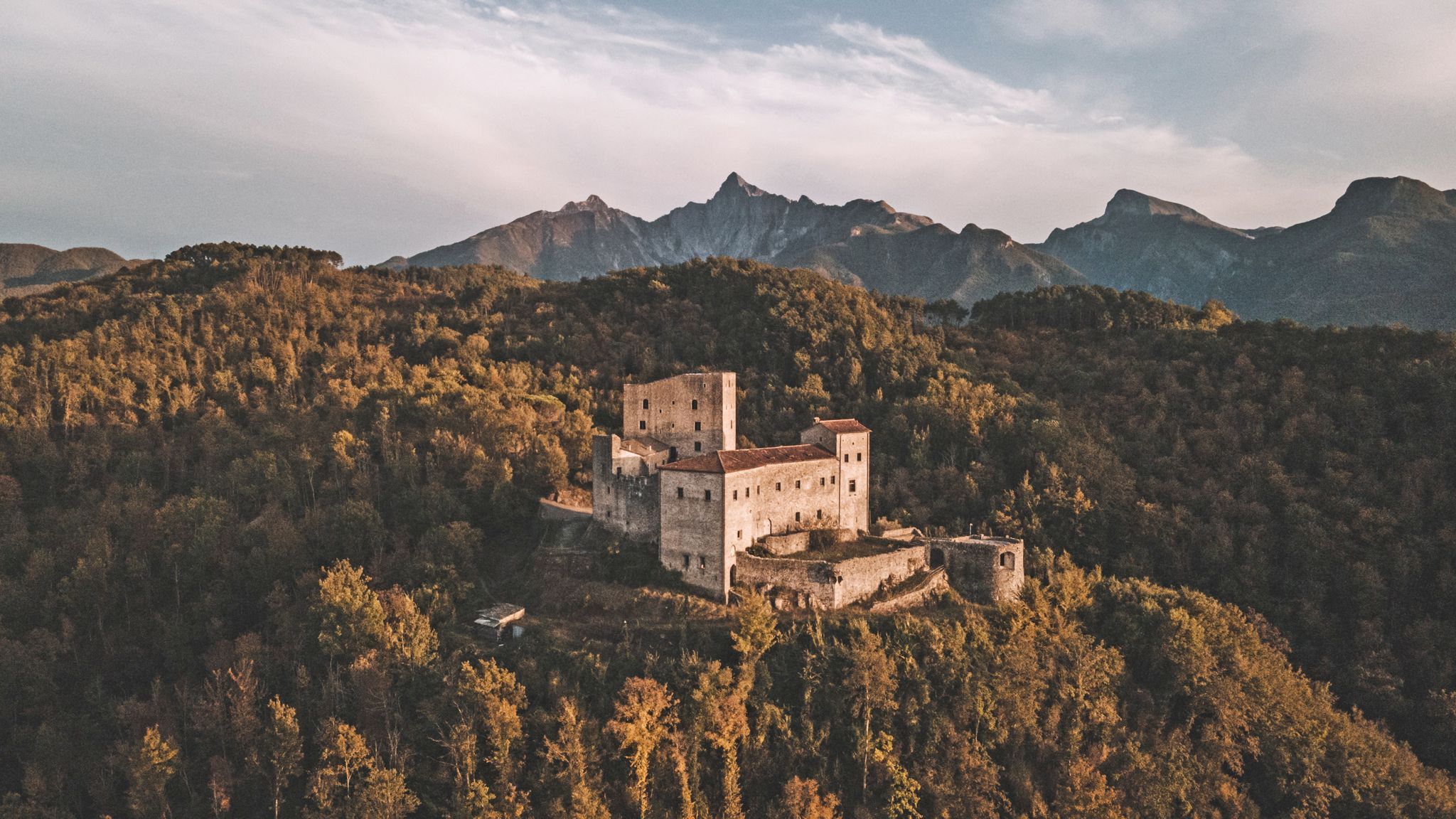
Through history between Lunigiana and Garfagnana – Via del Volto Santo by MTB
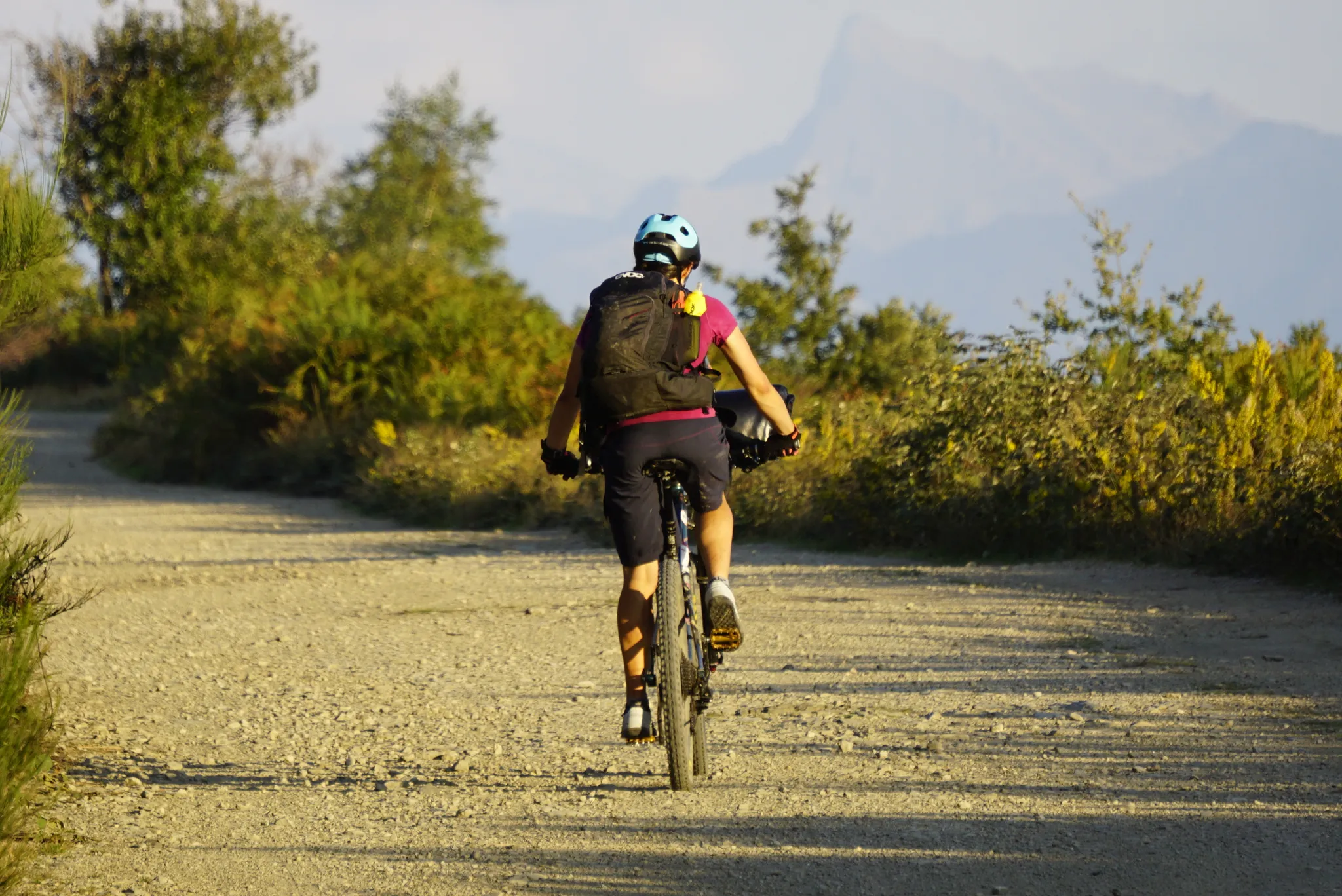
The land of 100 castles – Lunigiana Trail MTB
Other adventures in Massa-Carrara


Tips from the Community

The Concattedrale di Santa Maria Assunta impresses inside with a huge dome and opulent Baroque architecture
1
0


The Diga del Lagastrello (officially called Diga di Lago Paduli) is an artificial dam located in the Tuscan-Emilian Apennines, at an altitude of about 1,157 meters in the municipality of Comano (Massa-Carrara), very close to the Passo del Lagastrello which separates Tuscany from Emilia-Romagna. Built between 1906 and 1910 for hydroelectric purposes by damming the Enza stream, it creates the Lago Paduli, an artificial basin that collects over 3 million cubic meters of water. From an engineering point of view, it is a notable example of an earth-fill dam with a central impermeable clay core. In December 1909, during the final stages of its construction, it suffered a partial and disastrous collapse that devastated the underlying Val Cedra, fortunately without causing any casualties.
1
0

Beautiful route, with a stunning summit panorama
2
0

Beautiful grassy plateau, from which you can see neither the sea of Massa Carrara nor the quarry area and, thanks to this isolation, it has something magical! It is reached with an easy walk of about half an hour from the Carrara refuge, in another half hour you can climb Mount Borla or the opposite "Zucco del latte" which offers excellent views. A very suitable place for eating, the only drawback is the lack of water.
0
0

A huge plaque that marks the death of the Apuan Alps due to criminal marble mining, and on which they didn't even have the good sense to include the dates of birth and death. 200,000,000 years of the Apuan Alps' geological formation pulverized into marble destined for the chemical industry. After this excursion, when you brush your teeth before bed tonight, you might find Apuan marble in your toothpaste. Visit this place because you need to see the pollution and devastation with your own eyes, and you need to know what it means to destroy mountains. And mountains don't grow back: what's taken away is gone forever. And if during your visit you think you see "beauty" around you in this place of devastation and pollution, perhaps you haven't yet developed the consciousness to truly understand what marble quarries are.
0
0

Visited on a Sunday in October, closed
0
0

A beautiful refuge nestled in the mountains. I recommend booking in advance to secure a spot, even just for lunch. The trail is steep; I recommend appropriate equipment, especially footwear.
0
0
Frequently Asked Questions
What are some of the most popular natural attractions in Massa-Carrara?
The region is renowned for the spectacular Apuan Alps, famous for their majestic peaks, hiking trails, and craggy caves. Visitors also enjoy the Lagastrello Dam, an artificial lake offering scenic views, and the refreshing waters of the Renara Stream with its natural pools. The Apuan Alps Regional Nature Park is a UNESCO-protected geopark.
What historical landmarks should I visit in Massa-Carrara?
Massa-Carrara boasts a rich history. Key historical sites include the Pontremoli Cathedral, a significant religious building in the northernmost town of Tuscany. You can also explore the impressive Malaspina Castle in Massa, the Carrara Duomo (Cathedral of Sant'Andrea) built entirely of marble, and the ancient Aghinolfi Castle in Montignoso.
Where can I learn about the famous Carrara marble?
To delve into the world of Carrara marble, visit the Apuan Alps and its renowned marble quarries. You can take tours to witness the marble extraction process and explore ancient quarries like Fossacava, which is now an open-air museum. The Marble Museum in Carrara also highlights the city's deep connection to this primary resource and the artistry involved in its creation.
Are there family-friendly attractions in Massa-Carrara?
Yes, Massa-Carrara offers several family-friendly options. The Passo del Vestito is a viewpoint suitable for families. Many of the medieval villages like Filetto and Bagnone offer a charming atmosphere for exploration. Additionally, the coastal towns of Marina di Massa and Marina di Carrara provide beaches and seaside activities.
What kind of outdoor activities, like hiking or cycling, are available?
Massa-Carrara is excellent for outdoor enthusiasts. For hiking, you can explore trails around mountain passes like Tambura Pass or visit mountain huts like Nello Conti Hut and Rifugio Carrara CAI. For cycling, there are numerous routes, including gravel biking and road cycling routes, often featuring gentle slopes and wide curves around passes like Passo della Cisa. You can also find easy hikes suitable for various fitness levels.
What are some notable medieval villages in the region?
The Lunigiana region is dotted with picturesque medieval villages. Pontremoli, the northernmost town in Tuscany, is a 'small jewel' known for its medieval bridges. Colonnata is an ancient village of quarrymen, famous for its 'Lardo di Colonnata'. Filetto and Bagnone also offer an authentic atmosphere with cobblestone streets and stone houses, providing a glimpse into the past.
Are there coastal areas or beaches to visit in Massa-Carrara?
Yes, the province borders the Ligurian Sea. Marina di Massa is a popular seaside resort known for its Art Nouveau villas and a pier perfect for scenic walks. Marina di Carrara also offers coastal access and a harbor. Cinquale, a village in Versilia, provides views of the Apuan Alps from its harbor.
What is the best time of year to visit Massa-Carrara for outdoor activities?
The Apuan Alps are open year-round, but for hiking and cycling, spring (April-May) and autumn (September-October) offer pleasant temperatures and beautiful scenery. Summer can be warm, especially in coastal areas, but the higher altitudes of the Apuan Alps provide a refreshing escape. Winter offers opportunities for snow activities in higher elevations.
Where can I find panoramic views in Massa-Carrara?
For breathtaking views, head to the Tambura Pass, which offers exceptional 360-degree panoramas. Mount Sagro and Passo del Vestito are also excellent viewpoints. Campocecina, located at 1,300 meters above sea level in the Apuan Alps, provides unique vistas of the Tyrrhenian coast and the highest peaks of the range.
What cultural institutions or art-related sites are there?
Massa-Carrara has a rich artistic heritage. The Palazzo del Principe Alberico Cybo Malaspina in Carrara houses the Academy of Fine Arts and a gipsoteca with works by Canova and Thorvaldsen. The Marble Museum in Carrara showcases the artistry involved in marble creation. In Massa, the Diocesan Museum safeguards a collection of paintings and sacred objects, and Villa La Rinchiostra features works by local sculptor Gigi Guadagnucci.
Are there any unique food specialties to try in Massa-Carrara?
Yes, the region is known for unique culinary specialties. In the village of Colonnata, you must try the famous 'Lardo di Colonnata,' a cured lard. The historical region of Lunigiana is also known for specialties like Lunigiana testaroli and local honey, making it ideal for food and wine tours.
What do visitors enjoy most about Massa-Carrara?
Visitors frequently praise the stunning natural beauty of the Apuan Alps, the historical significance of its castles and cathedrals, and the unique experience of exploring the marble quarries. The welcoming atmosphere of mountain huts like Nello Conti Hut and Orto di Donna Mountain Hut, known for their hospitality and good food, also receives high marks from the community.
Most popular routes in Massa-Carrara
Most popular attractions in Massa-Carrara

Get inspired with the komoot mobile app


Didn’t find what you were looking for?
Are you keen on exploring more awesome places nearby? Browse our guides:
Explore more
Still not found the Highlight you’re looking for? See guides of the top attractions in other regions:
