The 12 Most Amazing Peaks around Pompeiana
Best mountain peaks around Pompeiana are found in a region characterized by hilly terrain and elevated viewpoints within Liguria, Italy. The area offers scenic landscapes rather than towering peaks, with notable features like Monte Croce providing panoramic views of the Ligurian coast and Mediterranean Sea. Elevations in the vicinity typically range from around 500 to over 1000 meters, offering varied hiking experiences. The terrain includes wooded areas, ancient structures, and challenging cycling climbs, highlighting its accessible yet diverse nature.
Best…
Last updated: June 26, 2026
Monte Faudo summit
Highlight • Summit
Translated by Google •
Tip by

Monte Follia summit cross
Highlight • Summit
Translated by Google •
Tip by

Sign up now to discover places like this
Get recommendations on the best single tracks, peaks, & plenty of other exciting outdoor places.
Sign up for free
Monte Faudo
Highlight (Segment) • Summit
Translated by Google •
Tip by

Endpoint of the Poggio climb (Milano-Sanremo route)
Highlight • Summit
Translated by Google •
Tip by

Mount Cinque Bourche
Highlight • Summit
Translated by Google •
Tip by

Sign up for free to discover even more peaks around Pompeiana.
Sign up for free
Already have an account?
Start today with a free account
Your next adventure awaits.
Login or Signup

Tips from the Community

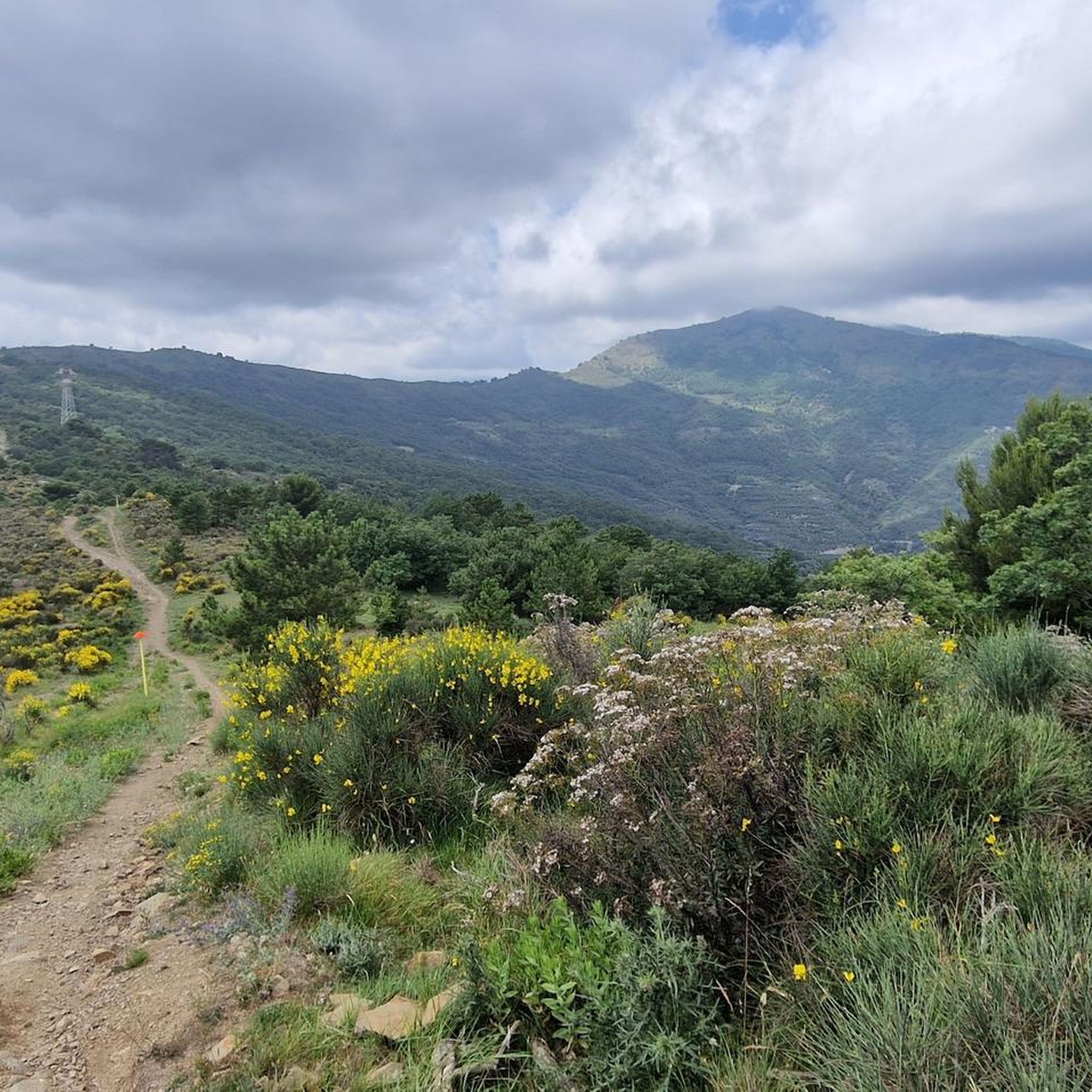
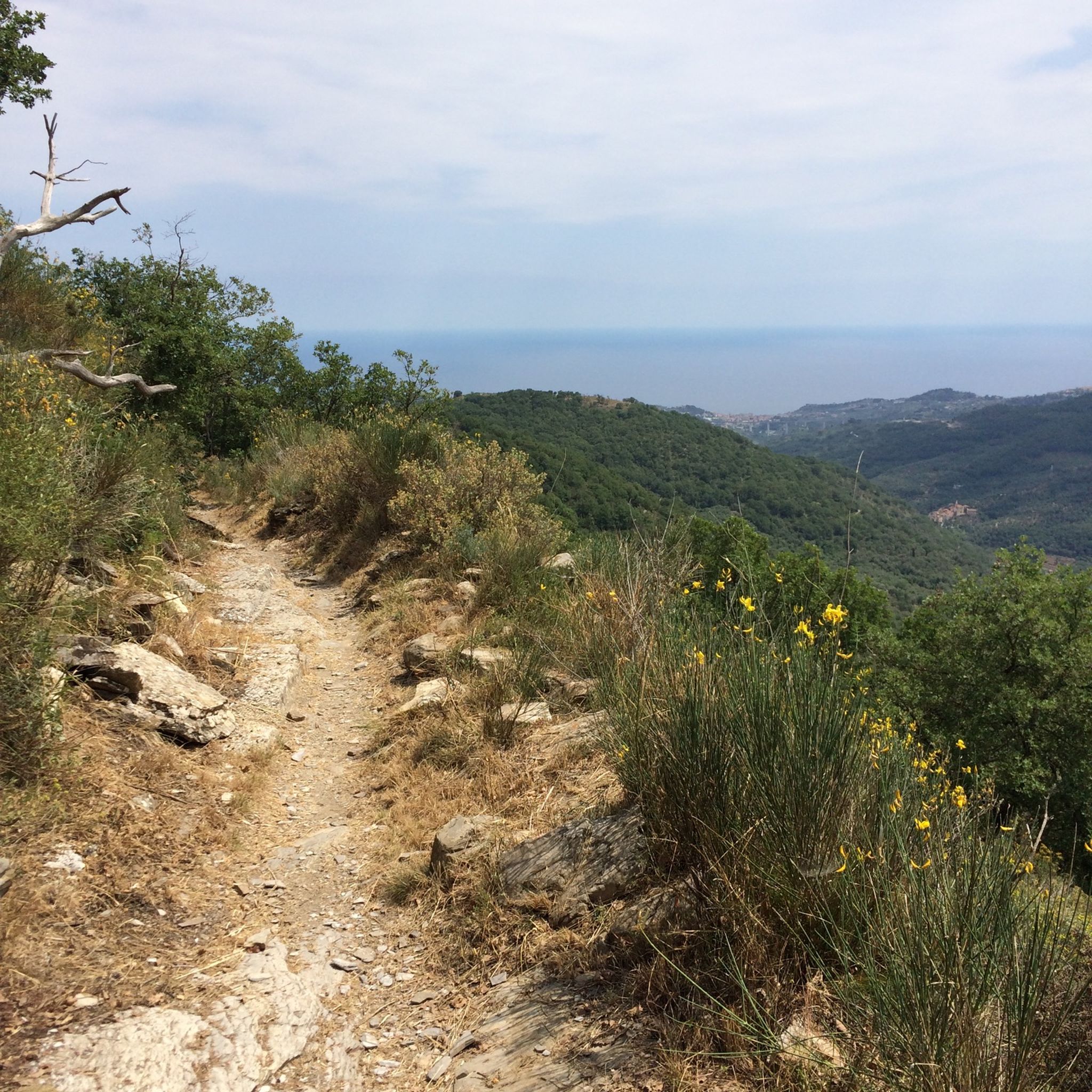
There's something mystical about Mount Faudo: a trail of ancient stories, far back in time. Today, it's best known for the marathon trail that climbs from Imperia to its summit and for the antennas dotting it; yet for centuries, it was a contested land between the church, neighboring states, and the villages on its slopes. Since the ancient Ligurians, well before the Romans. It shares this burden with Mount Follia and Mount Sette Fontane. The oldest evidence of human settlement in the Dolcedo area is near Mount Follia, a conical peak on the southern slope of Mount Faudo. Traces of metalworking have emerged there, with furnaces and residential structures, dating back to the Iron Age castellari, fortifications placed high up for observation and defense, in visual contact with other castellari in the area. Today, the site is abandoned: one can still walk and imagine the defensive landscape of the ancient Ligurians.
1
0
drink a stretch of path that is not particularly interesting, good for cutting a few bends.
0
0

Start of the descent of the Poggio
0
0

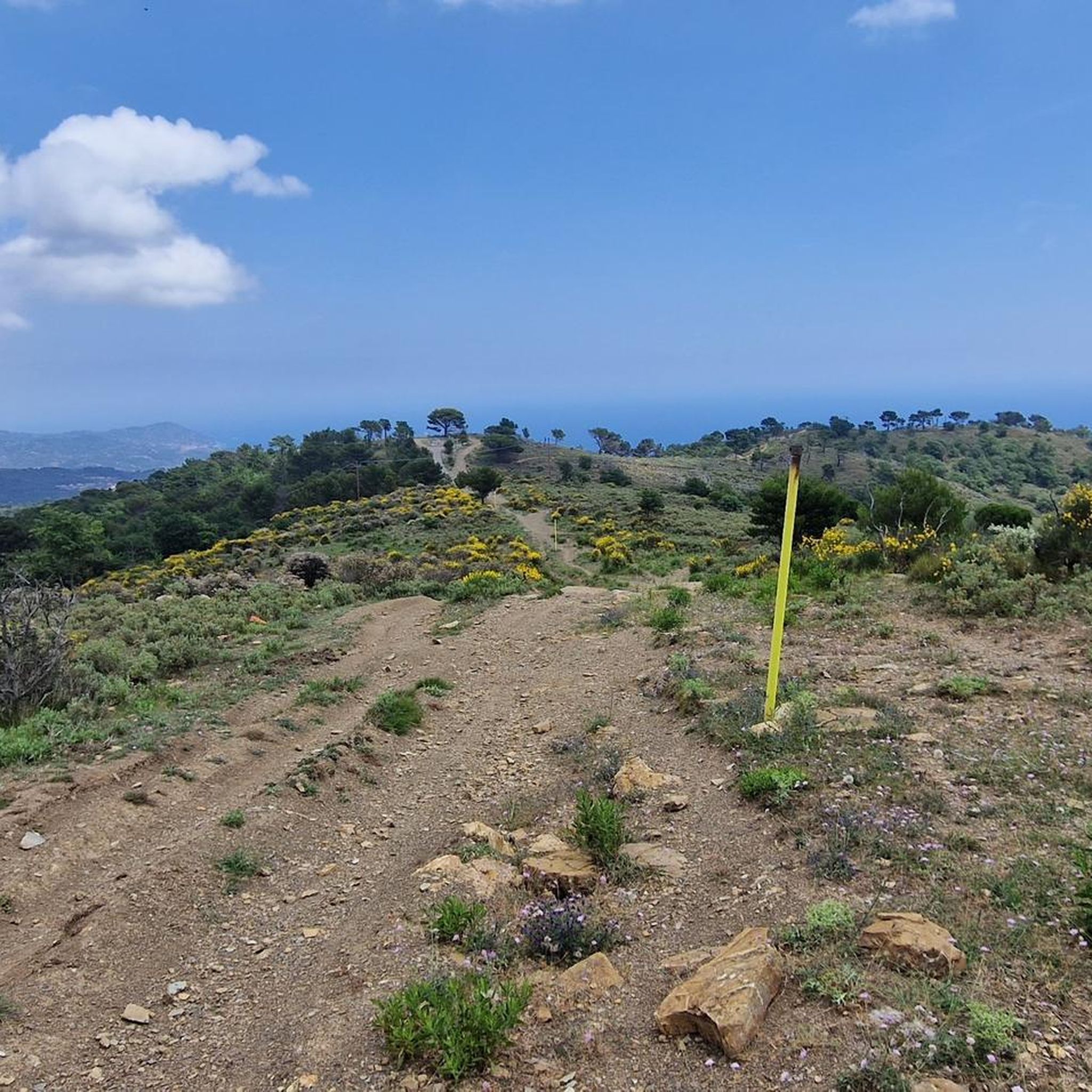
On the Monte Cinque Bourche you have to be careful where you turn. Some of the paths are very overgrown and you can only get through them with a few scratches.
1
0

This is the point where the final climb of the famous Milan-Sanremo men's cycling race, the Poggio, ends. The runners here at the top make a sharp left turn to undertake the descent towards the Aurelia and head straight towards Sanremo. Inside the curve to the left there is an old telephone booth with a sign indicating the altitude of the climb.
0
0

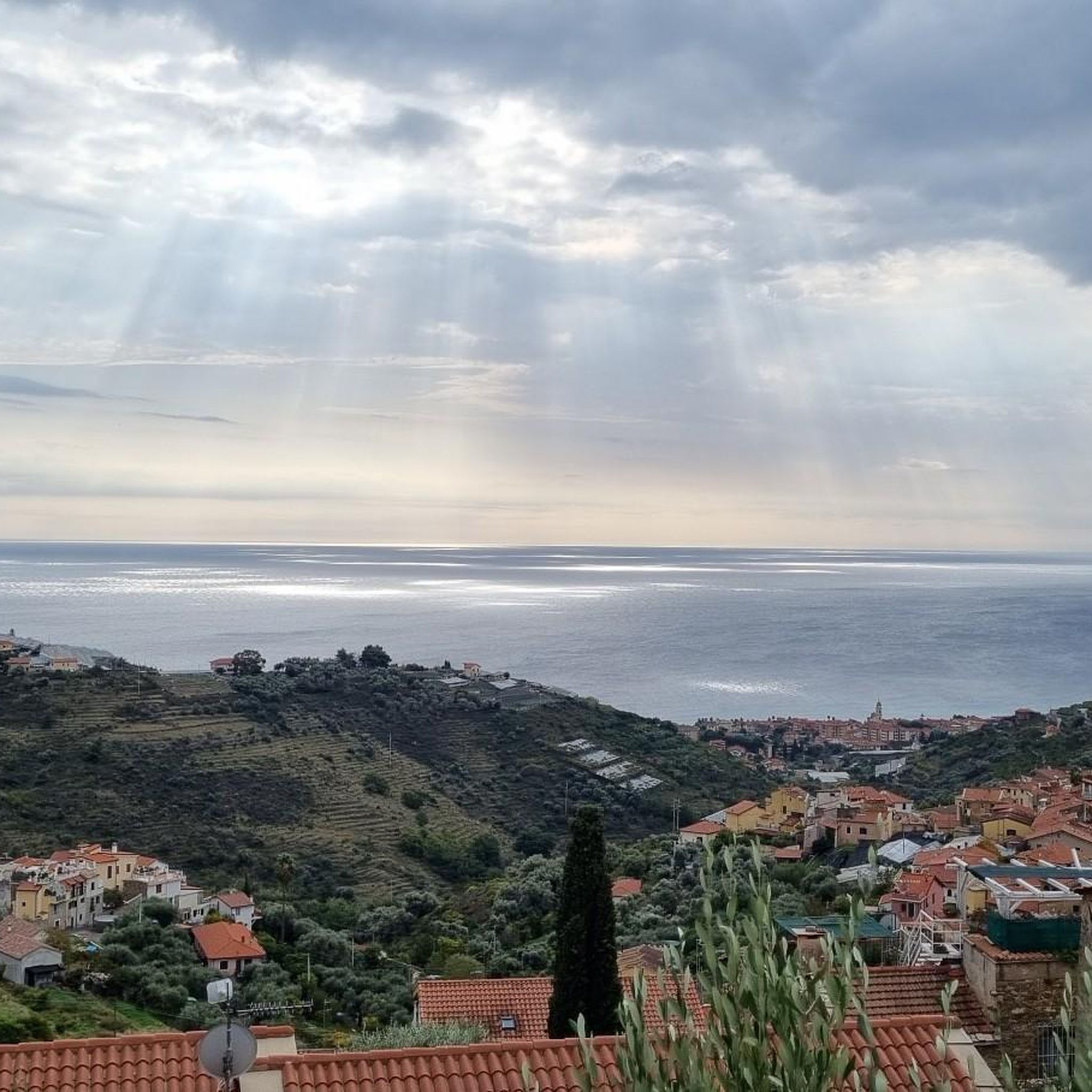
Nice roads across the Mediterranean Sea
0
0

Here at the invisible Poggio 'summit', MVDP called back home to celebrate his monumental win in 2023! ;-)
0
0

Arriving at the summit of Monte Follia, the hiker will also find a beautiful summit cross that crowns the mountain. They are often massive wooden crosses, but the builders designed this one very differently. It is made of iron or steel, and decorative ornaments are incorporated between the outlines of the longitudinal and transverse beams, which characterize the shape of the cross, as well as on the four outer corners of the crossing point.
3
0
Frequently Asked Questions
What are the most notable elevated features and peaks around Pompeiana?
While Pompeiana is characterized by hilly terrain rather than towering peaks, the most notable elevated feature is Monte Croce, offering panoramic views of the Ligurian coast. For more challenging ascents, Monte Follia summit cross and Monte Faudo summit are popular, reaching over 1000 meters.
Are there any easy or beginner-friendly mountain walks near Pompeiana?
Yes, the area offers varied hiking experiences. While specific 'easy' mountain walks to summits aren't detailed, the general hilly terrain allows for more moderate walks. For example, the 'Rio Caravello Loop' is an easy hiking route available in the area. You can find more options in the Hiking around Pompeiana guide.
Which mountain peaks offer the best views of the Ligurian coast and beyond?
Monte Croce is renowned for its panoramic views of the Ligurian coast and the Mediterranean Sea. Additionally, Monte Faudo summit provides extensive views stretching from the seashore all the way to the Alps, and Monte dei Prati is also known for its 'super views'.
Are there challenging mountain climbs for experienced hikers near Pompeiana?
Yes, for those seeking a challenge, the climb to Monte dei Prati features angular paths with loose stones and technical rock passages, making it physically demanding. The final section of the ascent to Monte Faudo summit is also considered tough.
What kind of historical or cultural sites can be found on or near the peaks?
The area around Monte Croce features ancient structures like megalithic altars and unique stone 'caselle' (stone shelters). Monte Moro Summit is a historical site, once a fixed fortress of the Saracens, where traces of ancient masonry and even crescent swords have been found.
What outdoor activities, besides hiking, can I do near the mountain peaks around Pompeiana?
The hilly terrain around Pompeiana is popular for various outdoor activities. You can explore numerous mountain biking trails, such as the 'Monte Sette Fontane Loop Trail' found in the MTB Trails around Pompeiana guide. Cycling is also prominent, with routes like the 'San Lorenzo Tunnel – San Lorenzo Tunnel loop' detailed in the Cycling around Pompeiana guide, including the well-known 'Pompeiana Climb'.
What should I know about hiking to Mount Cinque Bourche?
When hiking to Mount Cinque Bourche, it's advisable to wear hiking shoes as some paths can be very overgrown. Hikers should be careful where they turn, as navigation can be tricky, and some sections might require pushing through dense vegetation.
Are there any specific natural features or wildlife to look out for?
The trails around Monte Croce pass through wooded areas of oak trees, offering glimpses of diverse local flora. While specific wildlife sightings are not guaranteed, the region's natural environment supports various species typical of the Ligurian landscape.
What do visitors particularly enjoy about the mountain peaks around Pompeiana?
Visitors frequently praise the spectacular and extensive views from peaks like Monte Faudo summit and Monte dei Prati. The unique iron or steel summit cross at Monte Follia summit cross is also a distinctive feature appreciated by hikers.
Is the area around Pompeiana suitable for family-friendly mountain walks?
Yes, the varied terrain includes options suitable for families. While some peaks offer challenging climbs, there are also moderate routes like the 'Pompeiana Villages and Natura 2000 Site Loop' which can be enjoyed by families looking for a scenic walk without extreme difficulty. More options can be found in the Hiking around Pompeiana guide.
What is the best time of year to hike the mountain peaks near Pompeiana?
The Ligurian climate generally allows for hiking for much of the year. Spring and autumn offer pleasant temperatures and vibrant scenery, ideal for exploring the trails. While winter hiking is possible, conditions can vary, especially at higher elevations like Monte Follia, so checking local weather is always recommended.
Most popular attractions around Pompeiana

Get inspired with the komoot mobile app


Explore more
See even more amazing summits around Pompeiana with these guides:
