Top 20 Gorges around Mels
Canyons around Mels, a municipality in Switzerland, are characterized by deep gorges and water-carved landscapes within a mountainous region. The area offers various natural attractions, including significant gorges that provide opportunities for exploration. This part of Eastern Switzerland is known for its dramatic scenery shaped by water and rock formations.
Best canyons around Mels
- The most popular canyons is Tamina Gorge, a gorge known for its thermal springs and a narrow, deep rock crevice. It is notable for its…
Last updated: October 13, 2026
Tamina Gorge
Highlight (Segment) • Gorge
Source of our thermal water
The Tamina spring is not only the namesake of our thermal spa, but …
Translated by Google •
Tip by

Tamina Gorge
Highlight (Segment) • Gorge
The ticket has to be bought at the kiosk recently.
Translated by Google •
Tip by

Sign up now to discover places like this
Get recommendations on the best single tracks, peaks, & plenty of other exciting outdoor places.
Trutg dil Flem – Flims Water Trail
Highlight (Segment) • Trail
Showing Translation
Tip by
Tamina Gorge Thermal Spring
Highlight • Gorge
Two hunters from the nearby Pfäfers Monastery discovered the healing Tamina spring in 1240. Therefore, the healing properties of Pfäfers' spring water …
Translated by Google •
Tip by
Geissbergtobel Gorge (Schluchtenweg Sevelen)
Highlight (Segment) • Gorge
views of our unique mountain world.
The special climate in the Geissbergtobel, namely cool, humid air, little sunlight, and barren soils, leads to a strict selection among the potential inhabitants.
Translated by Google •
Tip by
Sign up for free to discover even more gorges around Mels.
Already have an account?
Start today with a free account
Your next adventure awaits.
Popular around Mels
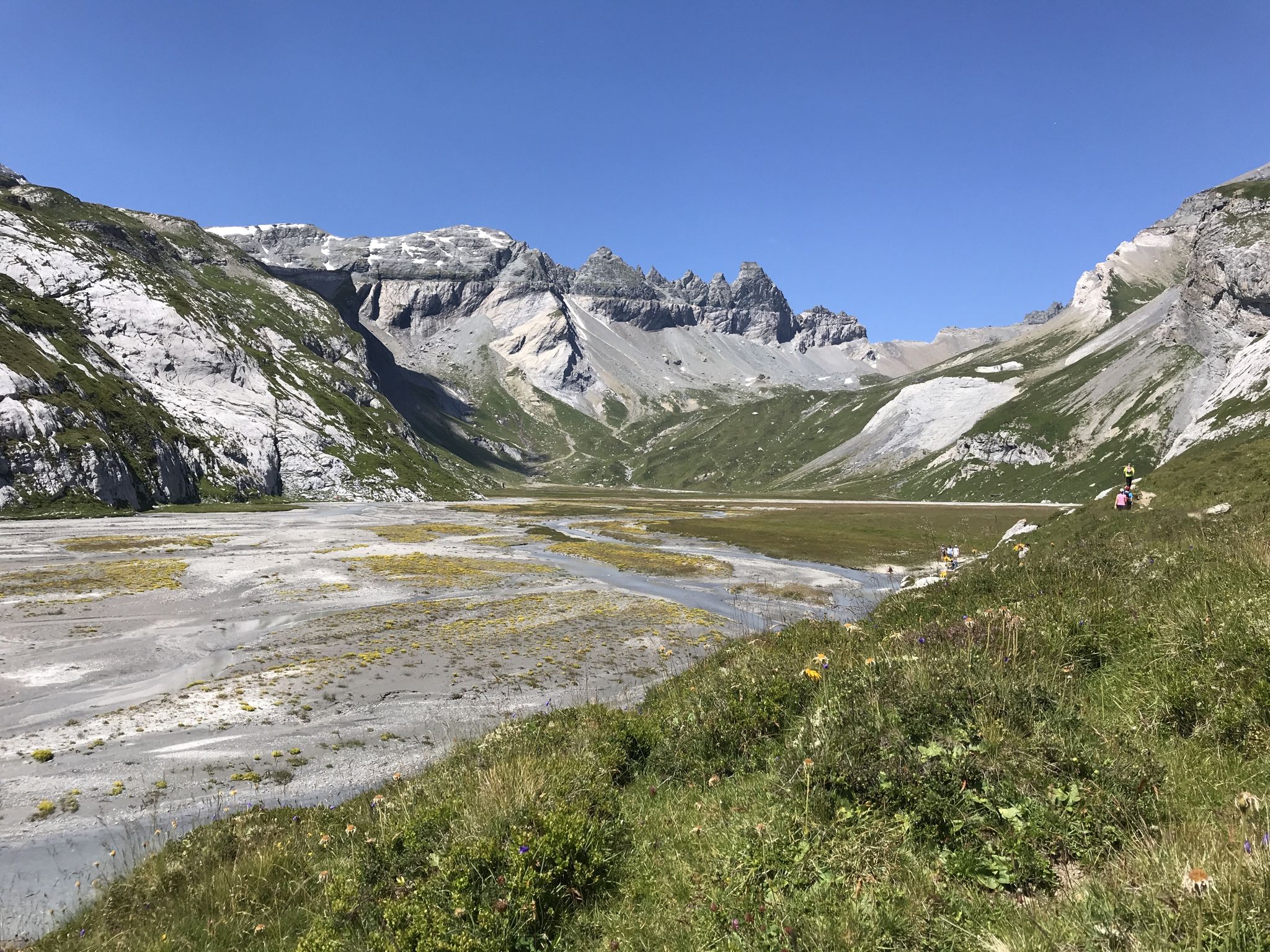
Sardona World Heritage Trail – Where the Alps once formed
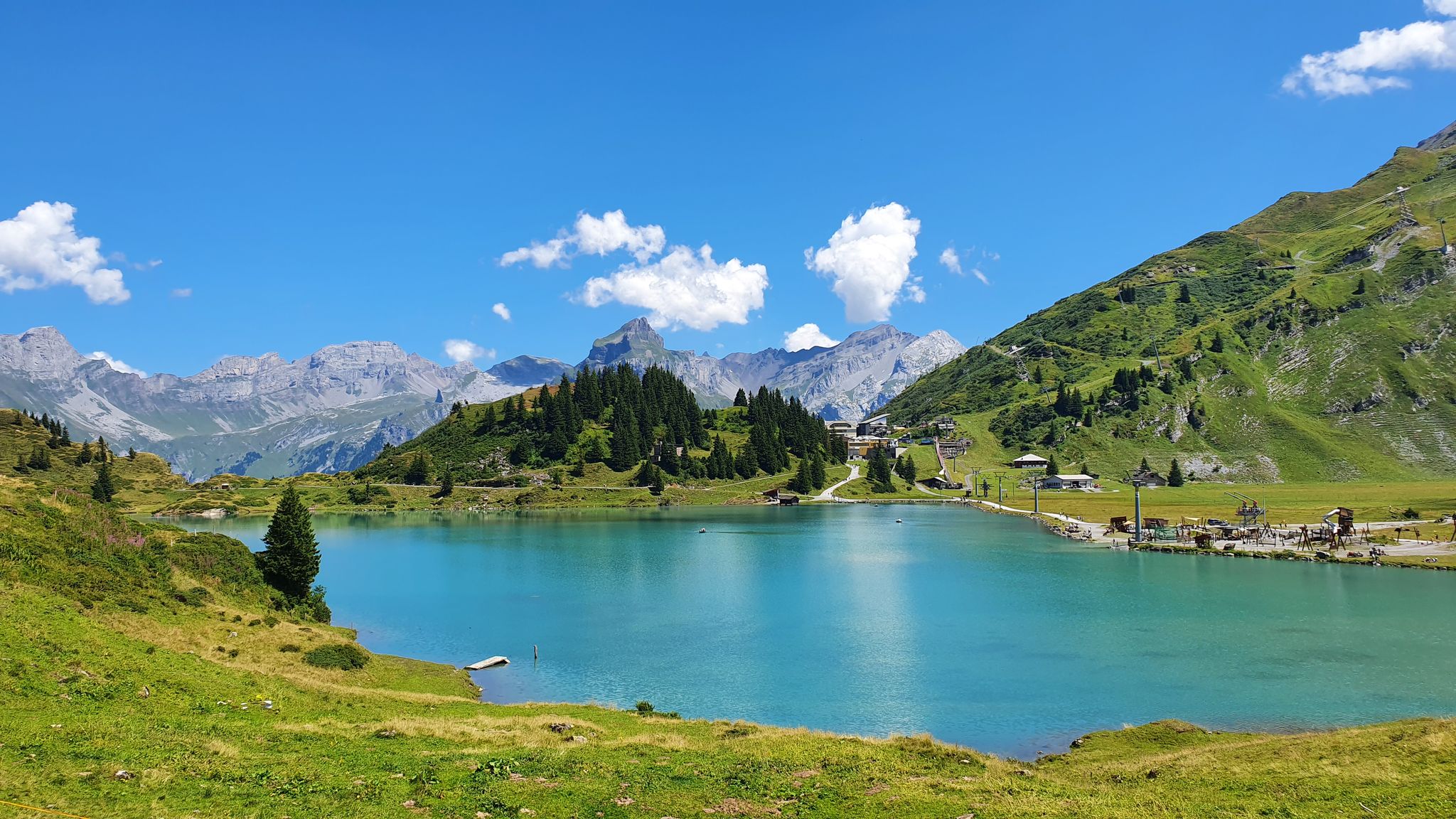
Via Alpina – The 15 stages of the Green Route
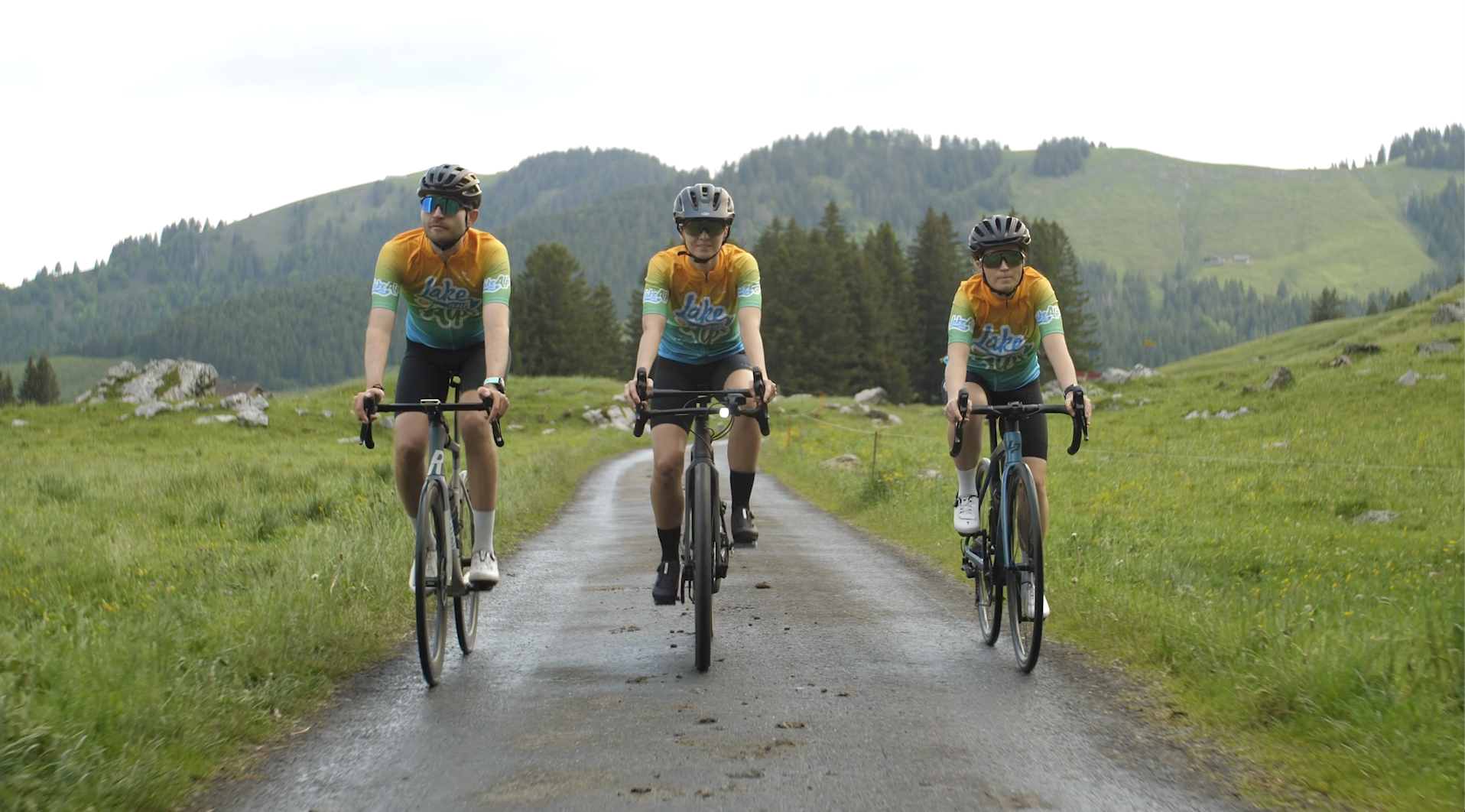
Lake and Alps Adventure – explore 100 dreamy places in our cycling region!
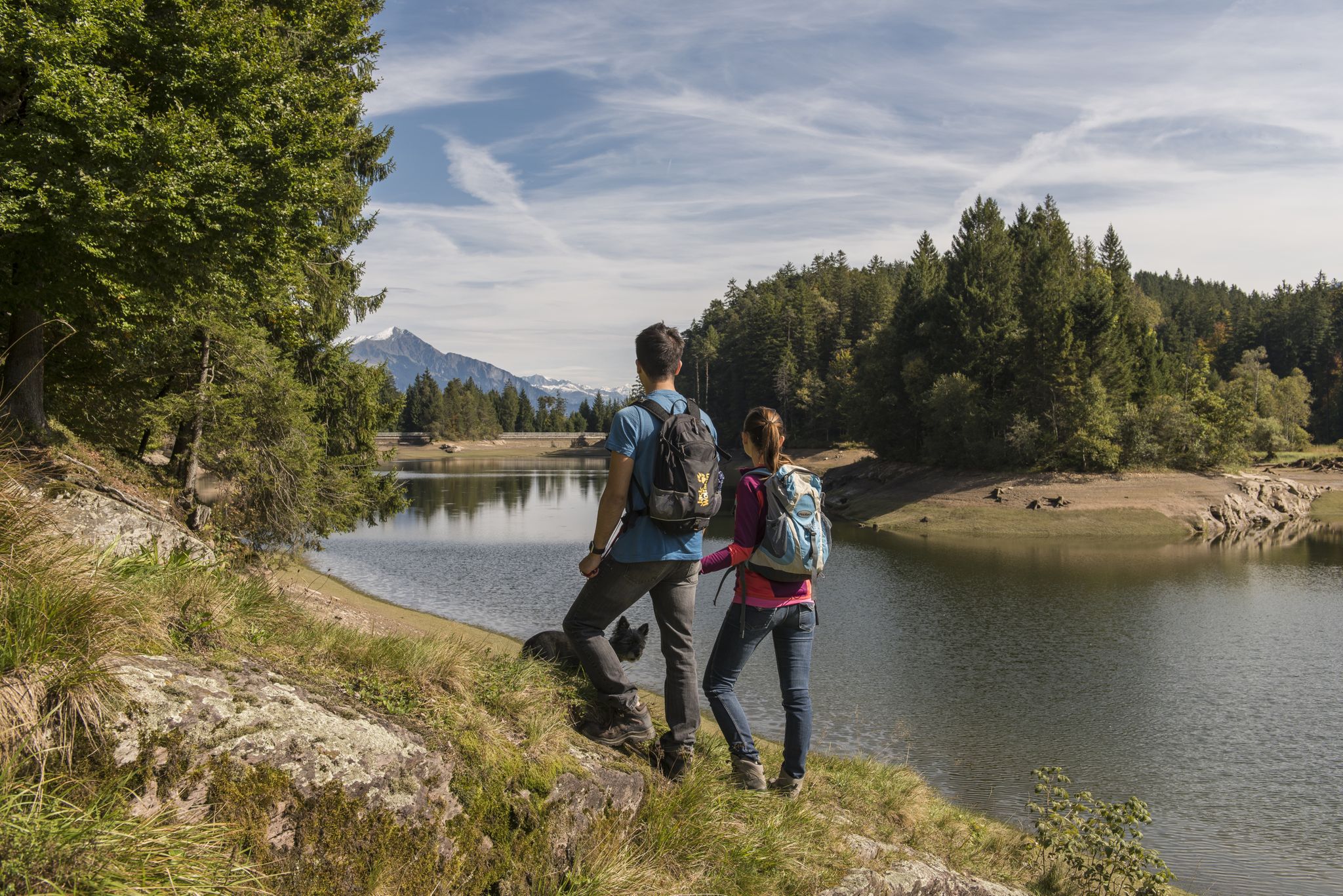
Summer in Eastern Switzerland – 10 hikes in Heidiland
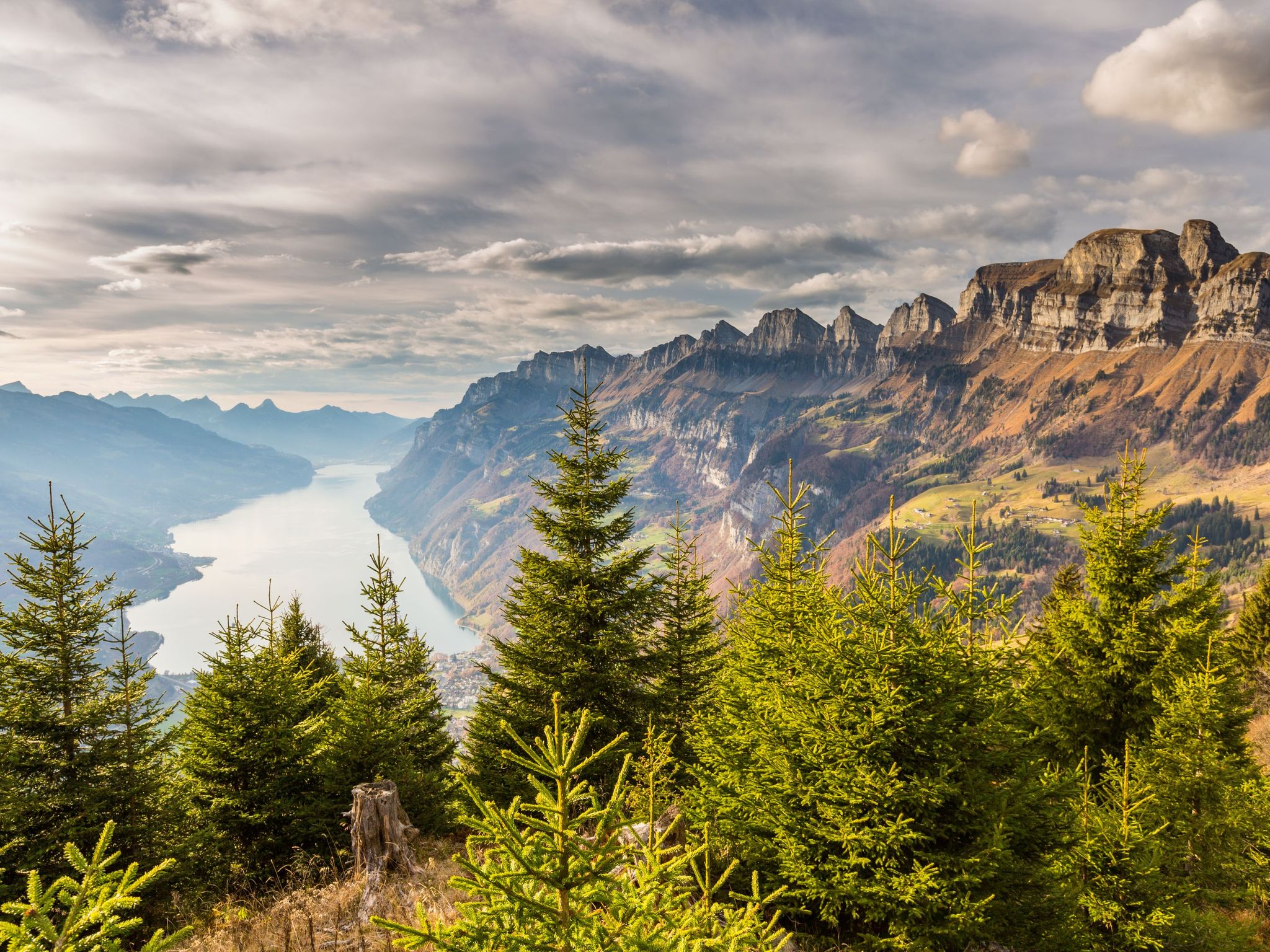
Blue lakes, wide panoramas & autumnal splendour – hiking in Heidiland
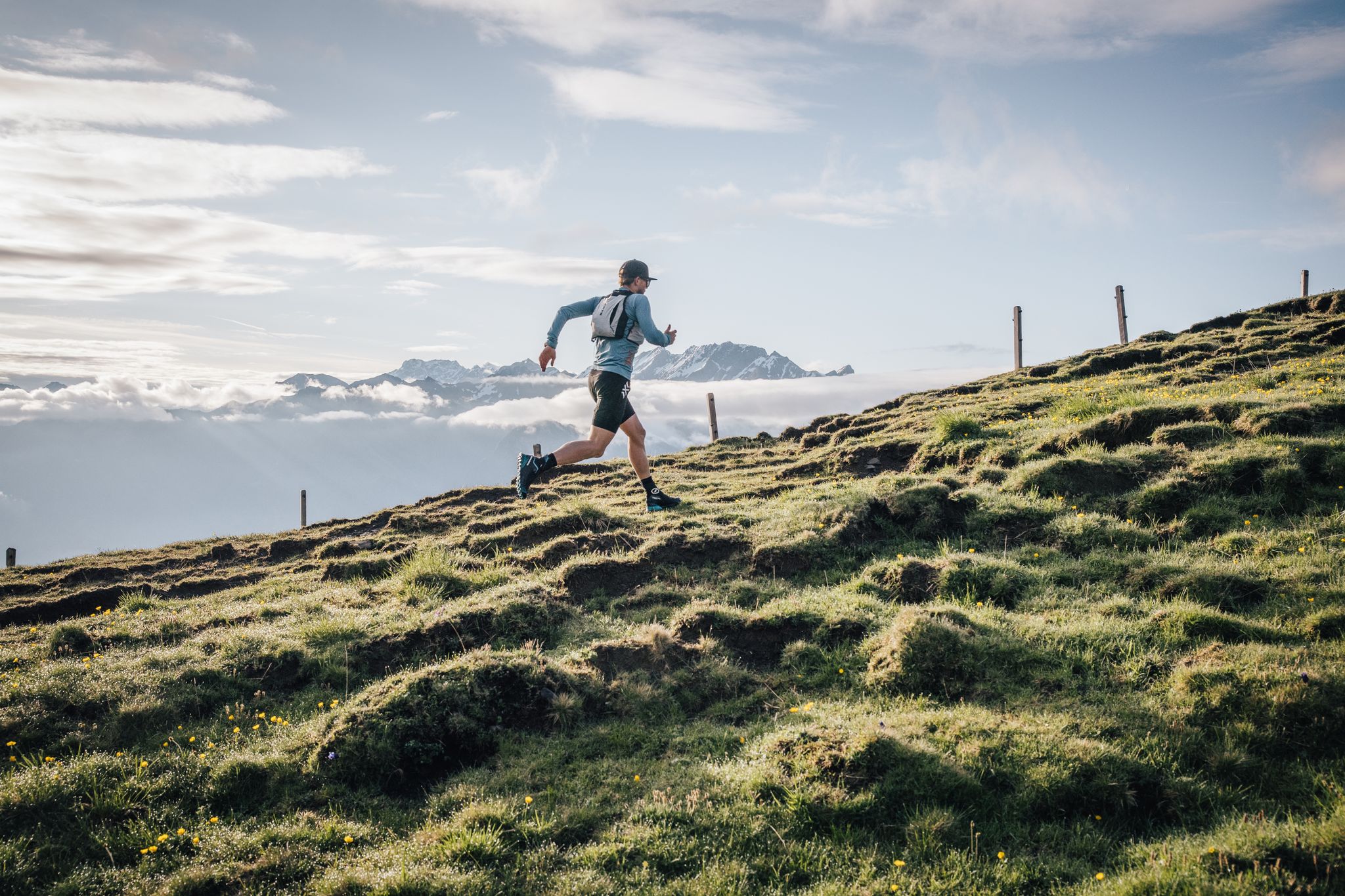
Trailrunner-Geheimtipp: Herausfordernde Trails & bequeme Rückfahrt mit der Seilbahn Palfries
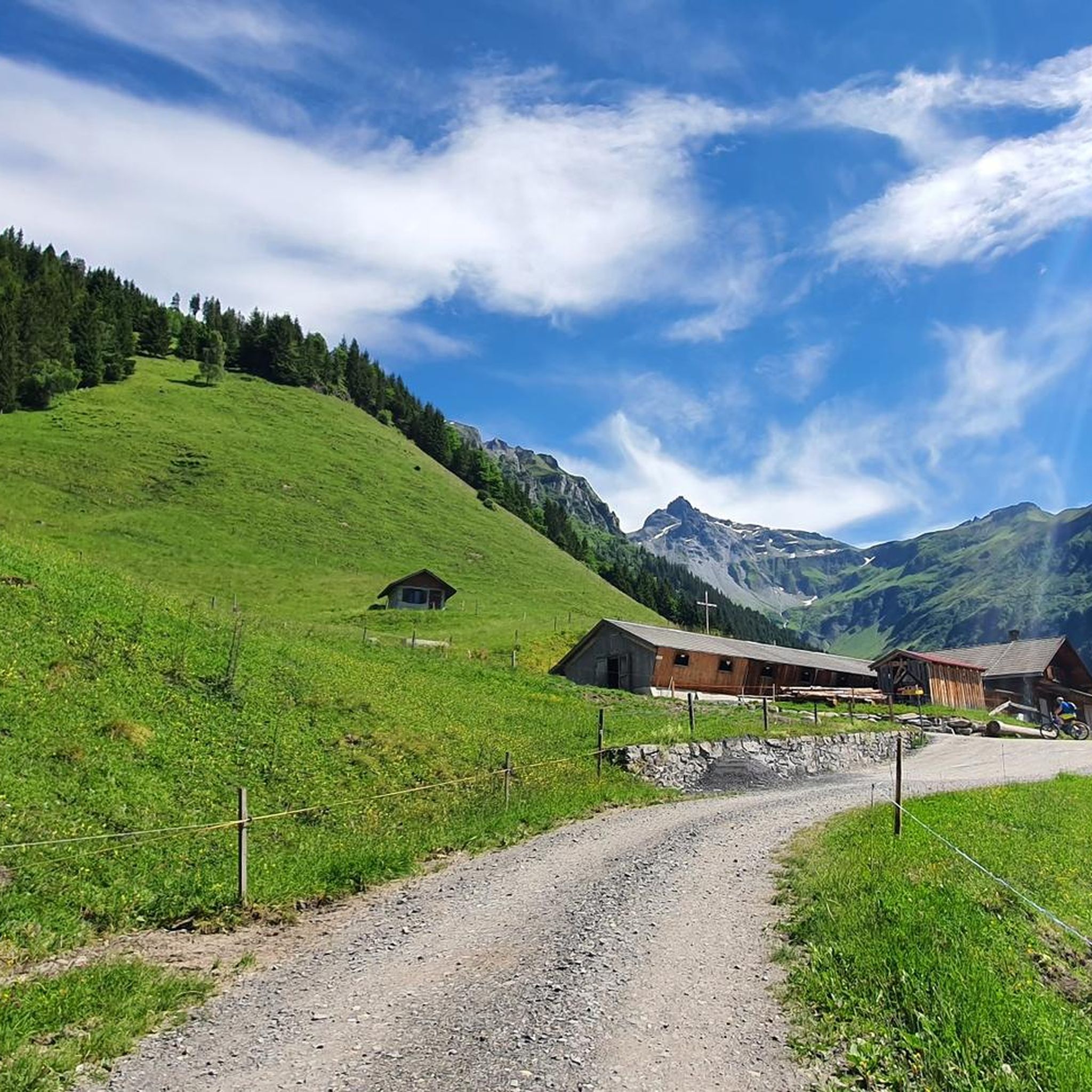
Hiking around Mels
Cycling around Mels
MTB Trails around Mels
Road Cycling Routes around Mels
Other adventures around Mels


Tips from the Community

Fire pit at this location
0
0

Tamina Gorge near Old Bad Pfäfers - 36.5°C, 8,000 liters per minute. Source of our thermal water The Tamina spring is not only the namesake of our thermal spa, but also the source of our healing spring water. Europe's most abundant thermal spring rises in the Tamina Gorge near Bad Ragaz and was discovered in the early Middle Ages (in 1242). Mysterious Tamina Gorge In the Tamina Gorge between Valens and the hamlet of Bonadivis, the water of the Tamina River carves its way up to 200 meters into the earth. The narrow rock crevice of the Tamina Gorge is approximately 750 meters long and 70 meters deep. Near Old Bad Pfäfers, the gorge widens, and a road now connects Old Bad Pfäfers with the town of Bad Ragaz. Deep within the mystical Tamina Gorge beats its heart: the inexhaustible spring from which healing, body-temperature thermal water has bubbled for centuries. Among others, the physician and alchemist Paracelsus praised the healing properties of the spring water in the 16th century, which is considered an acratotherm due to its low mineral content and temperature of 36.5°C. Text / Source: TAMINA THERME AG, Hans Albrecht-Strasse, Bad Ragaz https://www.taminatherme.ch/thermalwasserwelt/taminaschlucht-thermalwasser
15
0
Tamina Gorge - 36.5°C, 8,000 liters per minute. Two hunters from the nearby Pfäfers Monastery discovered the healing Tamina spring in 1240. Therefore, the healing properties of Pfäfers' spring water were recognized early on. Initially, the sick bathed in rock depressions, and from 1350 onwards, in wooden bathhouses across the roaring Tamina. Access to the gorge was difficult: those who could climbed ladders. The rest abseiled into the gorge in baskets – blindfolded to combat their fear. Today, the Tamina Gorge can be explored much more comfortably. From Bad Ragaz, a leisurely one-hour hike leads to the Old Baths of Pfäfers. Halfway through, you pass under the largest arched bridge in Switzerland, the Tamina Bridge. Those who don't want to walk can take the post bus or the Rösslipost (horse-drawn carriage). The entrance to the mystical gorge is located just behind the historic building. A tunnel secures the 450-meter-long path through the rock to the spring water grotto. Here, the Tamina spring bubbles continuously from the rock, day and night, at a temperature of 36.5°C, and 8,000 liters per minute. Text / Source: Switzerland Tourism https://www.myswitzerland.com/de-ch/erlebnisse/tamina-schlucht-und-altes-bad-pfaefers/
16
0

The lower, wide section of the gorge from Bad Ragaz to the old town of Bad Pfäfers, marked in this highlight, is freely accessible. Only the narrower section that follows requires admission. Both sections are absolutely worth seeing.
2
0
Sevelen Gorge Trail / 3.5 km circular hiking trail On this approximately 3.5 km circular hiking trail, you can experience nature and the environment in a different way. Is a glacial mill a type of coffee machine or a chicane in downhill skiing? Why is Liechtenstein actually African? And how can more than 1,300 different animals live on a single piece of wood? Bring your spirit of discovery and enjoy the mysterious atmosphere in the Geissberg Gorge or the magnificent views of our unique mountain world. The circular trail can be started from either the Glat parking lot or the town center near the civil defense installation. Simply follow the "Gorge Trail" markings and stay on these trails in the interest of nature and wildlife. The two other hiking trails, marked green and blue, offer a varied alternative to the adventure trail. Text / Source: Sevelen Municipal Administration, Hauptstrasse 54, 9475 Sevelen https://www.sevelen.ch/naturwanderungen/26930
12
1
The mysterious atmosphere in the Geissbergtobel ravine or the magnificent views of our unique mountain world. The special climate in the Geissbergtobel, namely cool, humid air, little sunlight, and barren soils, leads to a strict selection among the potential inhabitants.
13
1

The Tamina Gorge is definitely worth seeing and also the healing spring
1
0

The Tamina Gorge is located above Bad Ragaz in the northern part of the Tamina Valley in the canton of St. Gallen. Between Valens and Bonadivis, the water of the Tamina has dug itself up to 200 meters into the rock for 15,000 years. The narrowest part of the crevices is 750 meters long and 75 meters deep. It is covered at the natural bridge. In the rear part of the Tamina Gorge is the thermal spring, which has water at a temperature of 36.6 degrees. From 1350 to 1969, the thermal water was used in Bad Pfäfers, in the Valens medical clinic and in the thermal baths in Bad Ragaz to cure rheumatism, for example. The water was piped there via long pipes.
2
0
Frequently Asked Questions
What makes the canyons around Mels unique?
The canyons around Mels are characterized by deep gorges and water-carved landscapes within a mountainous region. They offer a variety of natural attractions, from thermal spring gorges like the Tamina Gorge, known for its healing waters, to trails with unique rock formations and waterfalls such as the Trutg dil Flem Water Trail. The region's dramatic scenery is shaped by the powerful interplay of water and rock.
Are there family-friendly canyon experiences near Mels?
Yes, several options cater to families. The Geissbergtobel Gorge (Schluchtenweg Sevelen) offers a 3.5 km circular hiking trail that is described as easy to walk with children, featuring a mysterious atmosphere and jungle-like vegetation. The path to the Tamina Thermal Spring within the Tamina Gorge is also suitable for prams and wheelchairs, offering an accessible natural experience.
What kind of outdoor activities can I do near the canyons around Mels?
Beyond exploring the gorges themselves, the region around Mels offers diverse outdoor activities. You can find numerous hiking trails, including moderate and difficult options, such as the 'Batöni waterfall arena in the Weisstannental valley' or the 'Alp Foo – Foopass loop'. For running enthusiasts, there are trails like the 'Rhine Valley Near Sargans loop'. Mountain hikes are also popular, with routes like the 'Wildsee – Schotten Lake loop' in the nearby Pizol region. You can find more details on these activities in the Hiking around Mels, Running Trails around Mels, and Mountain Hikes around Mels guides.
Can I go canyoning in the Mels area?
While specific details for canyoning directly within Mels require local outfitter consultation, the broader region of Eastern Switzerland and Graubünden is a prime destination for canyoning. This sport involves following water through hidden canyons, with activities like jumping into natural pools, sliding over rocks, and rappelling down waterfalls. For visitors interested in canyoning, exploring local guides familiar with the specific canyons listed for the 'Mels' area on specialized canyoning websites would be the best approach for detailed information and safety considerations.
What is the <a href="https://www.komoot.com/highlight/163012" target="_blank" rel="noopener">Trutg dil Flem Water Trail</a> like?
The Trutg dil Flem Water Trail is an award-winning path that follows the Flem stream from its source in the upper Segnesboden down to Flims. It leads through unique gorge landscapes, crossing seven bridges, some boldly designed by Jürg Conzett. Along the trail, you can enjoy impressive views of bizarre rock formations, whirlpools, and waterfalls, offering a beautiful water hiking experience.
Is the <a href="https://www.komoot.com/highlight/126564" target="_blank" rel="noopener">Tamina Gorge</a> accessible by public transport?
Yes, the Tamina Gorge, located near Bad Ragaz, is accessible. A post bus (or horse-drawn carriages on request) runs to Alt Bad Pfäfers, which is close to the gorge entrance. The path to the Tamina Thermal Spring itself is suitable for prams and wheelchairs, though you may need to ask for a large gate to be opened for access.
What is special about the <a href="https://www.komoot.com/highlight/74573" target="_blank" rel="noopener">Geissbergtobel Gorge (Schluchtenweg Sevelen)</a>?
The Geissbergtobel Gorge (Schluchtenweg Sevelen) offers a unique circular hiking trail with a special climate. Its cool, humid air and jungle-like vegetation create a mysterious atmosphere. A highlight is a waterfall that has carved its way through pure rock, resembling a natural slide. The trail also provides magnificent views of the surrounding mountain world.
Are there any historical aspects to the canyons around Mels?
Yes, particularly the Tamina Gorge has significant historical relevance. Its thermal springs, which emerge at 36.5°C, were discovered in the early Middle Ages (1242) and have been utilized for their healing properties ever since. The physician and alchemist Paracelsus praised these waters in the 16th century, making the gorge a site of historical medical importance.
What do visitors say about the canyons around Mels?
Visitors appreciate the dramatic scenery and unique experiences. For instance, the Tamina Gorge is described as a 'wild and romantic gorge' and an 'exciting place with a history.' The Trutg dil Flem Water Trail is noted for its 'very nice, varied path with many impressions and great views of whirlpools, waterfalls, etc.' The Geissbergtobel Gorge is praised for its 'mysterious atmosphere' and being an 'impressive walk that is also easy to walk with children.'
Are dogs allowed on hiking trails near the canyons?
While specific dog restrictions for each trail should always be checked locally, many hiking trails in Switzerland are dog-friendly, provided dogs are kept on a leash. For example, the Hiking around Mels guide offers various routes, but it's always best to look for specific signage or information regarding dog policies at the trailhead or on local tourism websites for the particular canyon or trail you plan to visit.
What is the best time to visit the canyons around Mels?
The best time to visit the canyons around Mels generally depends on the activity. For hiking and exploring the gorges, late spring through early autumn (May to October) typically offers the most pleasant weather conditions. During these months, trails are usually clear of snow, and the temperatures are suitable for outdoor activities. For canyoning, the summer months are usually preferred due to warmer water temperatures.
Are there any hidden gems or less-known canyons in the Mels region?
While the Tamina Gorge and Trutg dil Flem Water Trail are well-known, the Geissbergtobel Gorge (Schluchtenweg Sevelen) offers a more secluded and mysterious experience with its unique climate and jungle-like vegetation, making it feel like a hidden discovery. The broader Weisstannental valley, which is home to the 'Batöni waterfall arena,' also offers less-trafficked natural beauty.
Most popular routes around Mels
Most popular attractions around Mels

Get inspired with the komoot mobile app


Explore more
Already discovered everything in this region? See additional gorges around Mels for your next adventure:
