Top 20 Castles in Cumbria
Best castles in Cumbria are found within a region characterized by its diverse natural landscape, including the Lake District and the Eden Valley. This area offers a rich historical tapestry, with numerous castles reflecting centuries of strategic importance and architectural evolution. These sites provide insights into the past, ranging from medieval strongholds to 19th-century follies. Cumbria's geography, with its lakes, rivers, and valleys, often provides scenic backdrops to these historic structures.
Best castles in Cumbria
- The most popular castles is Wray Castle, a castle that is a 19th-century Gothic Revival building on the shore of Lake Windermere. Its grounds are open year-round, offering trails and views.
- Another must-see spot is Sizergh Castle and Gardens, a medieval fortified manor house. Visitors can explore its extensive gardens, including a rock garden and apple orchard, and view the castle's historical collections.
- Visitors also love Kendal Castle, a historical site with romantic ruins. Its elevated position provides views of the town and the Lakeland skyline.
- Cumbria is known for its variety of castles, including medieval fortresses, ruined strongholds, and 19th-century architectural follies. These structures offer a glimpse into different historical periods and architectural styles.
- The castles in Cumbria are appreciated by the komoot community, with more than 350 upvotes and over 120 photos shared across 33 highlights.
Last updated: October 9, 2026
Wray Castle
Highlight • Castle
Tip by

Sizergh Castle and Gardens
Highlight • Cafe
The National Trust castle, cafe and shop are also onsite.
NT members are free, non-members must pay to enter the garden and castle.
Tip by
Sign up now to discover places like this
Get recommendations on the best single tracks, peaks, & plenty of other exciting outdoor places.
Lowther Castle
Highlight • Historical Site
Large free car park is a brilliant place to start a bike ride.
Tip by

Penrith Castle
Highlight • Historical Site
the castle is open 7.30am until 9pm and entrance is free of charge. You can find more information, here: english-heritage.org.uk/visit/places/penrith-castle
Tip by

Pendragon Castle ruins
Highlight • Castle
What we do know is that a castle was built here in the late 12th century and came into the stewardship of the Clifford family. Raids by the Scots and a couple of fires ruined the fortress during the 16th century. Lady Anne Clifford oversaw renovations during the 17th century, but the castle fell into disuse once more after her death.
Tip by

Drumburgh Castle
Highlight • Other
Translated by Google •
Tip by

The Stables Yard, Muncaster Castle
Highlight • Cafe
The castle has plenty of history and it is thought Henry VI fled to the castle after the Battle of Towton in 1461 where Sir John Pennington put him up for the night.
The castle and gardens can be visited between 10.30-1700. Tickets cost approximately £15 per adult.
Find more information on muncaster.co.uk
Tip by

Appleby-in-Westmorland
Highlight • Cafe
Tip by

Kendal Castle
Highlight • Historical Site
Built at some point in the 12th century, it was the home of the barons of Kendal. The Parrs were the most renowned of the baronial families; Katherine Parr, in particular, found fame as the last of Henry VIII's queens. During the reign of the Tudors, the fortress fell into ruin and has remained so ever since.
Tip by
Askerton Castle
Highlight • Castle
In the 16th century, the complex was expanded with a stable block and additional wings for troop accommodation. A third tower on the northwest corner is believed to have been lost, possibly to fire, but traces of its stonework and staircases are still visible in the walls. The structure contains impressive oak beams, dated between 1494 and 1510, and shows clear stages of architectural evolution—from a simple hall to a military stronghold.
Although the castle is not open to the public, it is now part of the Askerton Castle Estate, an organic farm that produces beef, lamb, pork, and poultry. The building is a Grade I listed building, indicating its exceptional historical value.
Translated by Google •
Tip by
Sign up for free to discover even more castles in Cumbria.
Already have an account?
Start today with a free account
Your next adventure awaits.
Popular around Cumbria
Scenic hikes to stand-up paddleboarding locations in the UK

Supporting the National Three Peaks FKT in true Green Runners’ Style

Ephemeral Lines – Stunning UK Winter Ridges
Bothies of Britain: hiking and biking adventures to unique mountain shelters
Lakeland 300 — Bikepacking in the hills of the Lake District
Lakeland 100 – ultra tour of the Lake District
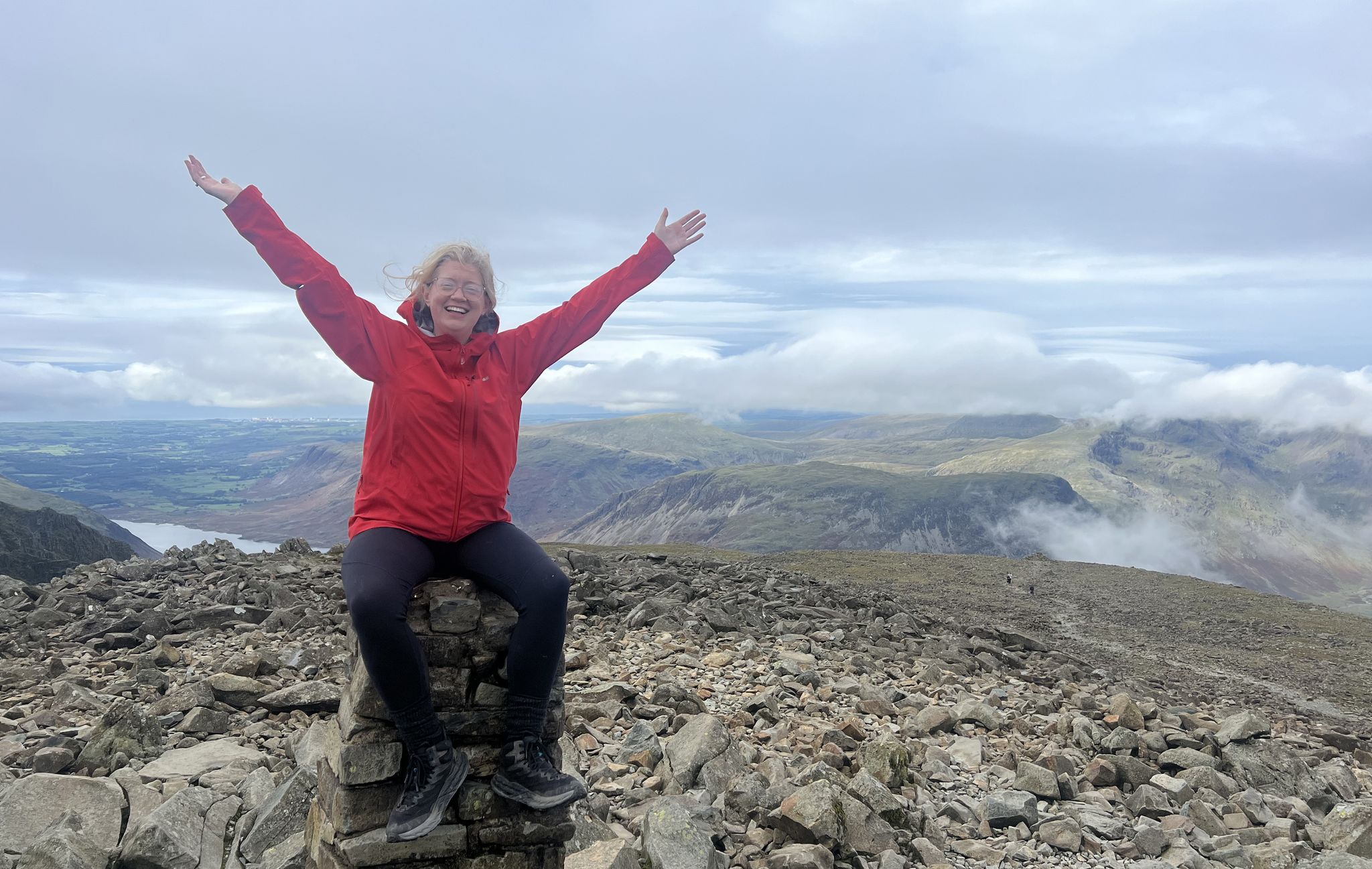
Lake District National Park – A Walk in the Parks
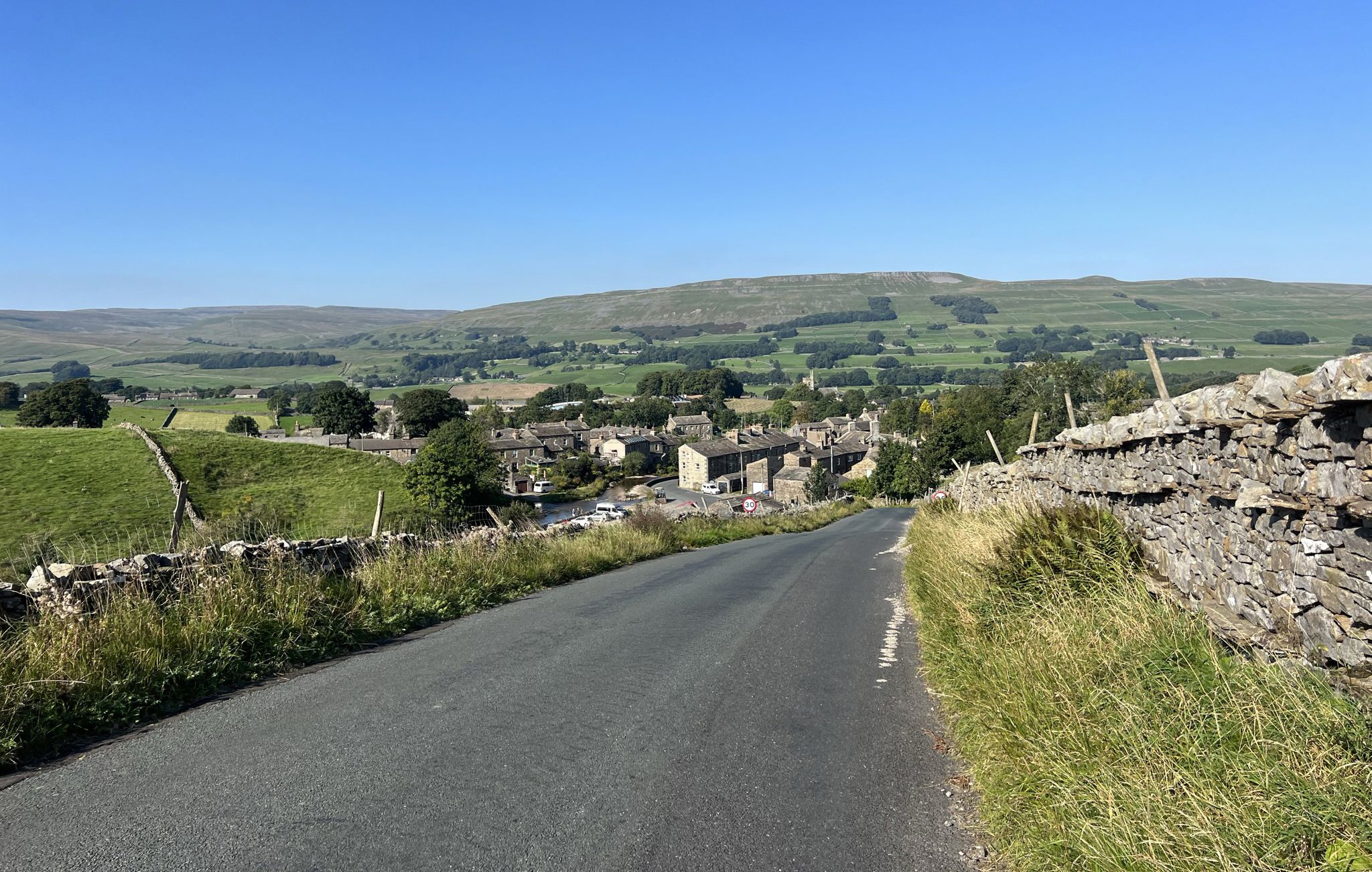
Yorkshire Dales National Park – A Walk in the Parks
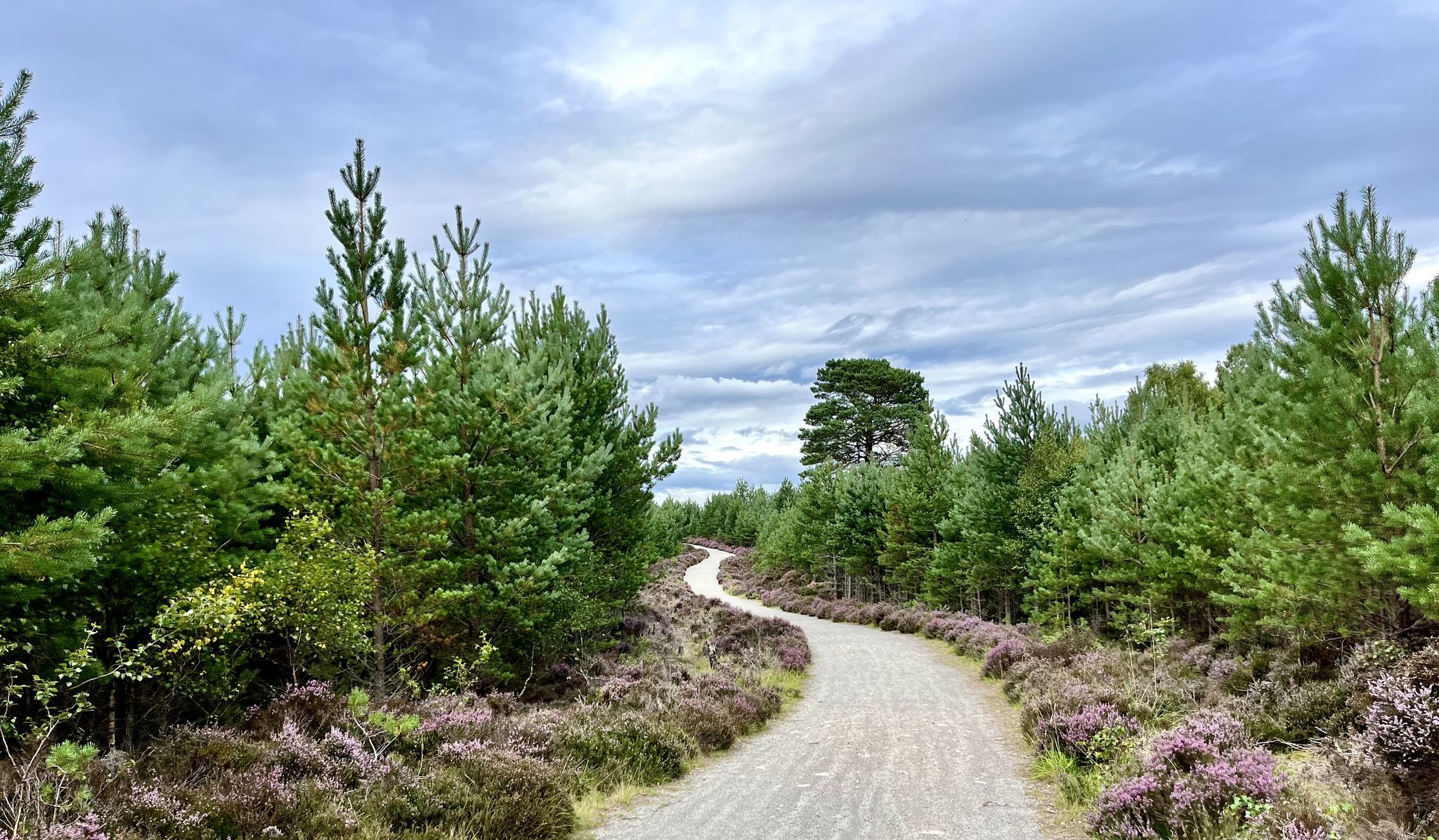
National Cycle Network Route 7 – Sunderland to Inverness
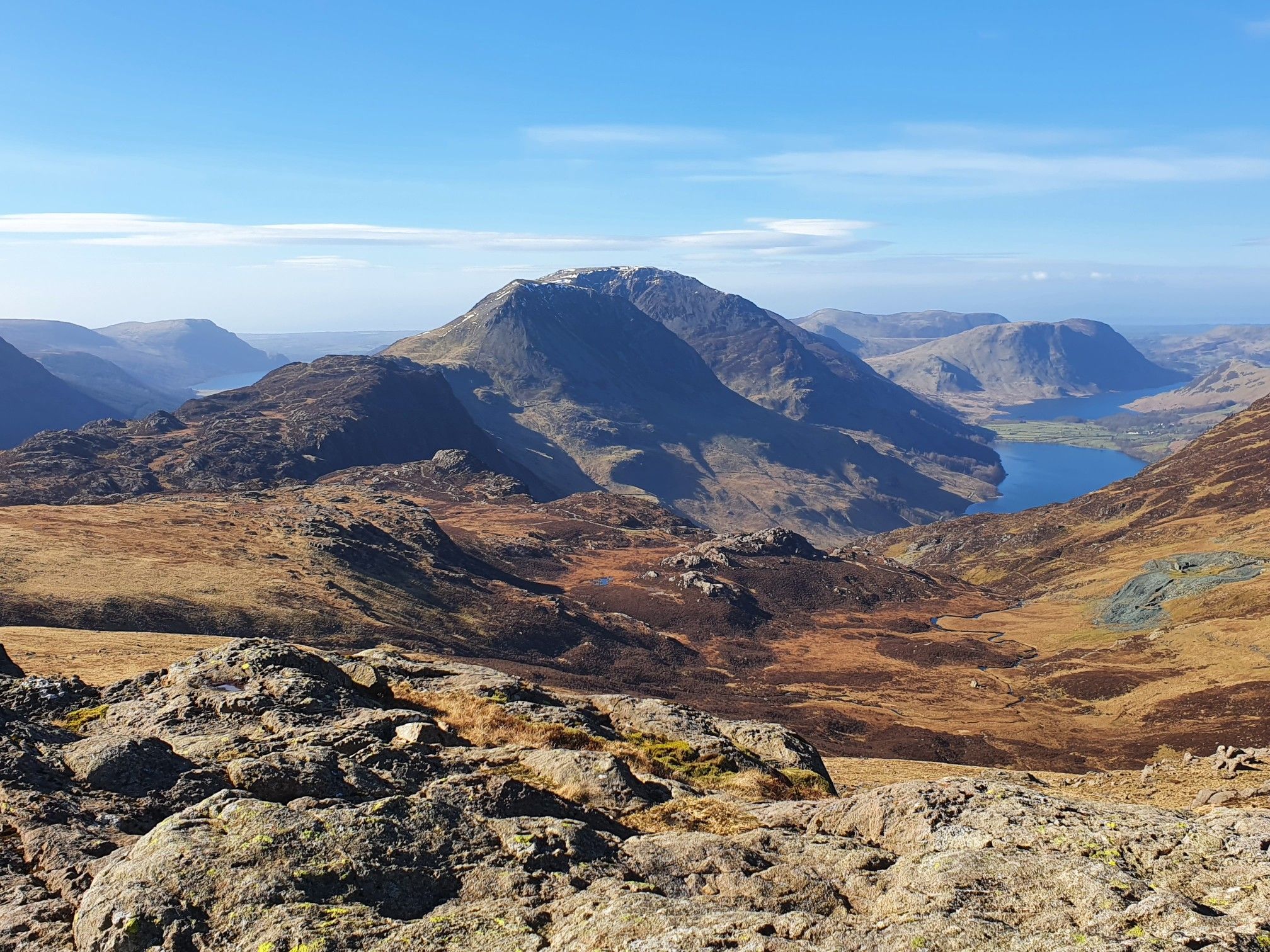
Cumbrian Traverse – A sublime high-level hike across Lakeland
Other adventures in Cumbria


Tips from the Community

Drumburgh Castle in Cumbria was built in 1307 as a pele tower on a Roman foundation of Hadrian's Wall, using reused Roman sandstone. In 1518, it was converted into a fortified house, a so-called bastle house, which features defensive features such as loopholes and blank walls. The building even includes an integrated Roman altar and bears the Dacre coat of arms. As a Grade I-listed building, it is of exceptional heritage importance, but it is currently privately owned and not open to the public.
12
0
Askerton Castle is a rare example of a fortified medieval manor house, situated in remote north Cumbria, about three miles north of Hadrian's Wall. The original building was constructed around 1290 as an unfortified hall, but in the late 15th century, two battlemented towers—the Dacre Tower and the Dovecot Tower—were added by Thomas, Lord Dacre, as part of a border defense against the notorious Border Reivers. In the 16th century, the complex was expanded with a stable block and additional wings for troop accommodation. A third tower on the northwest corner is believed to have been lost, possibly to fire, but traces of its stonework and staircases are still visible in the walls. The structure contains impressive oak beams, dated between 1494 and 1510, and shows clear stages of architectural evolution—from a simple hall to a military stronghold. Although the castle is not open to the public, it is now part of the Askerton Castle Estate, an organic farm that produces beef, lamb, pork, and poultry. The building is a Grade I listed building, indicating its exceptional historical value.
7
0

A pele tower was built on this site in 1307 on a former tower of Hadrian's Wall. This castle was then built on the same site in 1518 and then altered to its present design in the 17th century.
0
0


Among the many treasures of the English Lake District, Lowther Castle stands out. Built in the early 19th century on the site of two older houses, the castle once had a room for every day of the year and its gardens were famous in the north. Today, Lowther Castle is a great visitor attraction with dramatic ruins, beautiful gardens, and an adventure playground.
0
1


It is well worth visiting the castle and gardens. I was particularly impressed by the rock garden.
0
0

Rather muddy in some spots. At one of the turns, it appears to have been covered up by a shed so it was hard to get around. All in all a nice walk with lambs everywhere.
0
0
Frequently Asked Questions
Which castles in Cumbria are particularly family-friendly?
Several castles in Cumbria offer great experiences for families. Lowther Castle features one of the UK's largest adventure playgrounds, 'The Lost Castle,' along with cycling trails. Wray Castle, a National Trust site on Windermere, has extensive grounds for exploration. Muncaster Castle offers an adventure playground, an enchanted fairy trail, and a Hawk & Owl Centre. Carlisle Castle, while historic, also houses Cumbria's Museum of Military Life, which can engage older children.
What castles are best for history enthusiasts in Cumbria?
For history buffs, Carlisle Castle is a must-visit, with its long history of conflict, including the imprisonment of Mary, Queen of Scots, and its remarkably preserved keep. Sizergh Castle, home to the Strickland family for over 750 years, showcases medieval and Tudor architecture. Kendal Castle, though largely in ruins, was once a stronghold for the Barons of Kendal and owned by Katherine Parr. Brougham Castle, a 13th-century ruin, offers secret passages and spiral staircases.
Are there castles in Cumbria with notable gardens or natural surroundings?
Yes, many castles are set within beautiful landscapes. Sizergh Castle and Gardens is renowned for its extensive gardens, including a rock garden and apple orchard. Muncaster Castle boasts 77-acre grounds with Himalayan gardens and bluebell woods. Lowther Castle features beautifully restored 17th-century gardens. Wray Castle is situated on the shores of Windermere, offering scenic lakeside trails.
What outdoor activities can I do near Cumbria's castles?
The region around Cumbria's castles is excellent for outdoor activities. You can find numerous hiking opportunities, from easy strolls to more challenging routes. For example, there are many easy hikes in Cumbria, including routes around Tarn Hows. For those seeking more adventure, there are also waterfall hikes and general hiking trails throughout the region. Lowther Castle offers bike hire for exploring its parkland, and Wray Castle serves as a base for cycling along the west side of Windermere.
Are there any castles in Cumbria that are particularly accessible?
Penrith Castle is noted as being wheelchair accessible. While many historic sites may have limitations due to their age, modern facilities at places like Lowther Castle often include accessible paths and amenities. It's always advisable to check specific accessibility details with each castle directly before your visit.
What is the best time of year to visit castles in Cumbria?
The best time to visit Cumbria's castles generally depends on your preferences. Spring (April-May) offers blooming gardens, such as the bluebell woods at Muncaster Castle, and milder weather for exploring grounds. Summer (June-August) provides the warmest weather and full access to all attractions and outdoor activities. Autumn (September-October) brings beautiful fall foliage, especially around castles with extensive parkland like Lowther Castle. Some castles, like Wray Castle, have grounds open year-round, but indoor access and specific events may vary seasonally.
Can I find cafes or places to eat near Cumbria's castles?
Yes, many of the larger castle attractions in Cumbria have on-site cafes or are located near towns with dining options. Lowther Castle has a brilliant cafe, and Sizergh Castle also features a cafe and shop. The town of Appleby-in-Westmorland, which has its own castle, offers cafes and other amenities. For castles closer to urban areas, like Carlisle Castle or Kendal Castle, you'll find a wide range of cafes and pubs in the nearby town centers.
Are there any castles in Cumbria that are particularly unique or off the beaten path?
For a unique experience, consider Piel Castle, a 14th-century fortress located on Piel Island, accessible by a small ferry. It offers a glimpse into its past guarding against pirates and scenic views of Morecambe Bay. The ruins of Brougham Castle, set on the banks of the River Eamont, offer an idyllic setting for exploration with its impressive keep and secret passages. Pendragon Castle ruins also provide a sense of remote history.
What are the parking options like at Cumbria's castles?
Parking availability varies by castle. Larger attractions like Lowther Castle typically offer large, often free, car parks. Wray Castle has paid parking for non-National Trust members. For castles within or near towns, such as Kendal Castle or Carlisle Castle, you'll likely use public car parks in the surrounding areas. It's recommended to check the specific castle's website for current parking information before your visit.
Can I reach Cumbria's castles using public transport?
Public transport options vary depending on the castle's location. Castles in or near larger towns like Carlisle Castle or Kendal Castle are generally well-served by local buses and trains. For more rural castles, public transport might be limited, requiring a combination of bus/train and then a taxi or a longer walk. For example, Brougham Castle is near Penrith, which has good transport links. Always plan your journey in advance using local transport websites.
What kind of views can I expect from Cumbria's castles?
Many of Cumbria's castles offer stunning panoramic views due to their strategic historical locations. From Kendal Castle, you can enjoy incredible views of the town and the Lakeland skyline. Brougham Castle's keep provides stunning panoramic views of the Eden Valley. Muncaster Castle overlooks the Ravenglass estuary, offering magnificent vistas. Piel Castle provides scenic views of Morecambe Bay. Even the ruins of Lowther Castle offer dramatic backdrops.
Most popular routes in Cumbria
Most popular attractions in Cumbria

Get inspired with the komoot mobile app


Didn’t find what you were looking for?
Explore Cumbria’s best castles region by region:
Explore more
Looking for the best castles somewhere else? Discover other guides in Cumbria:
