Attractions and Places To See in Latgale - Top 20
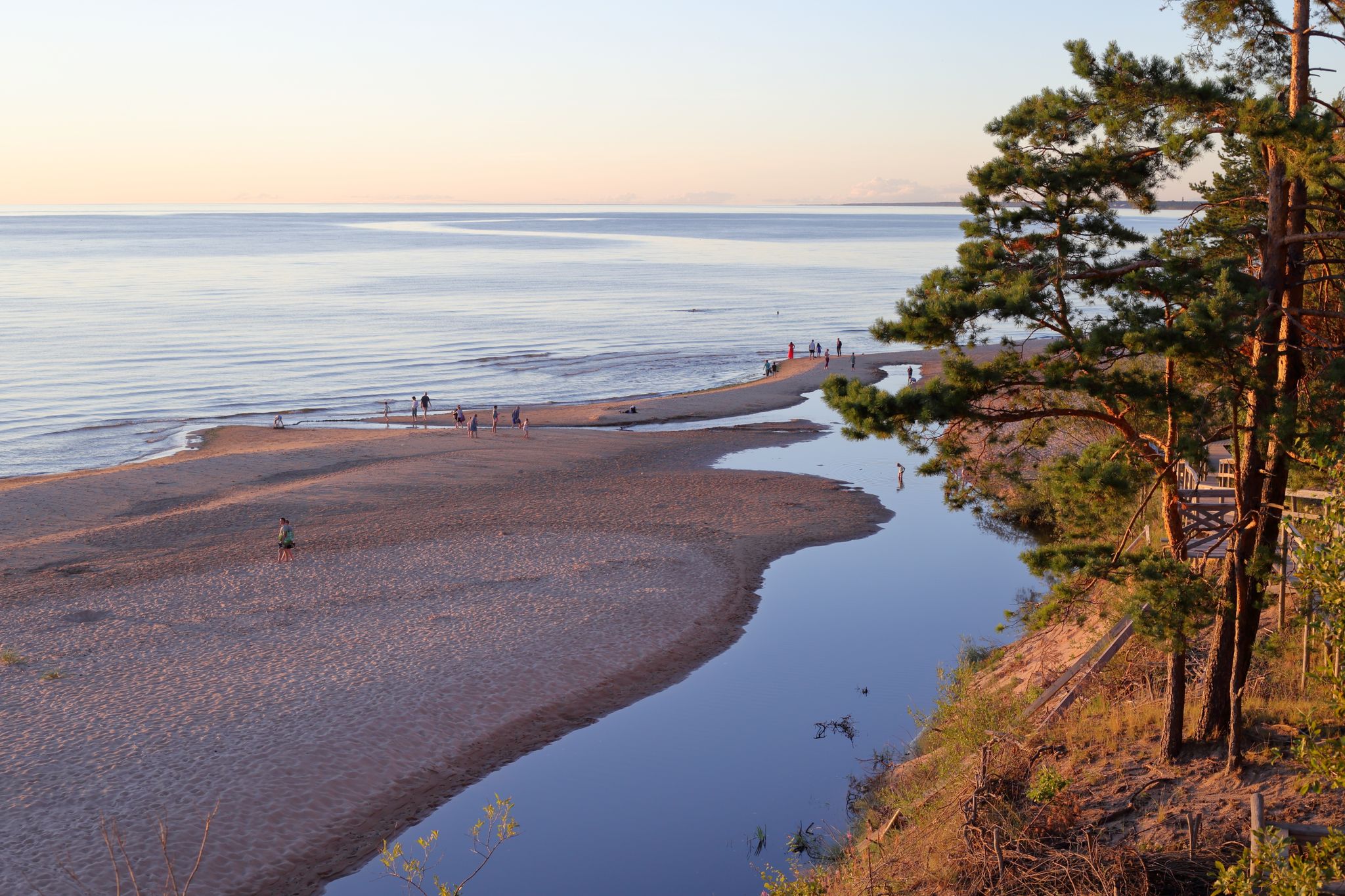
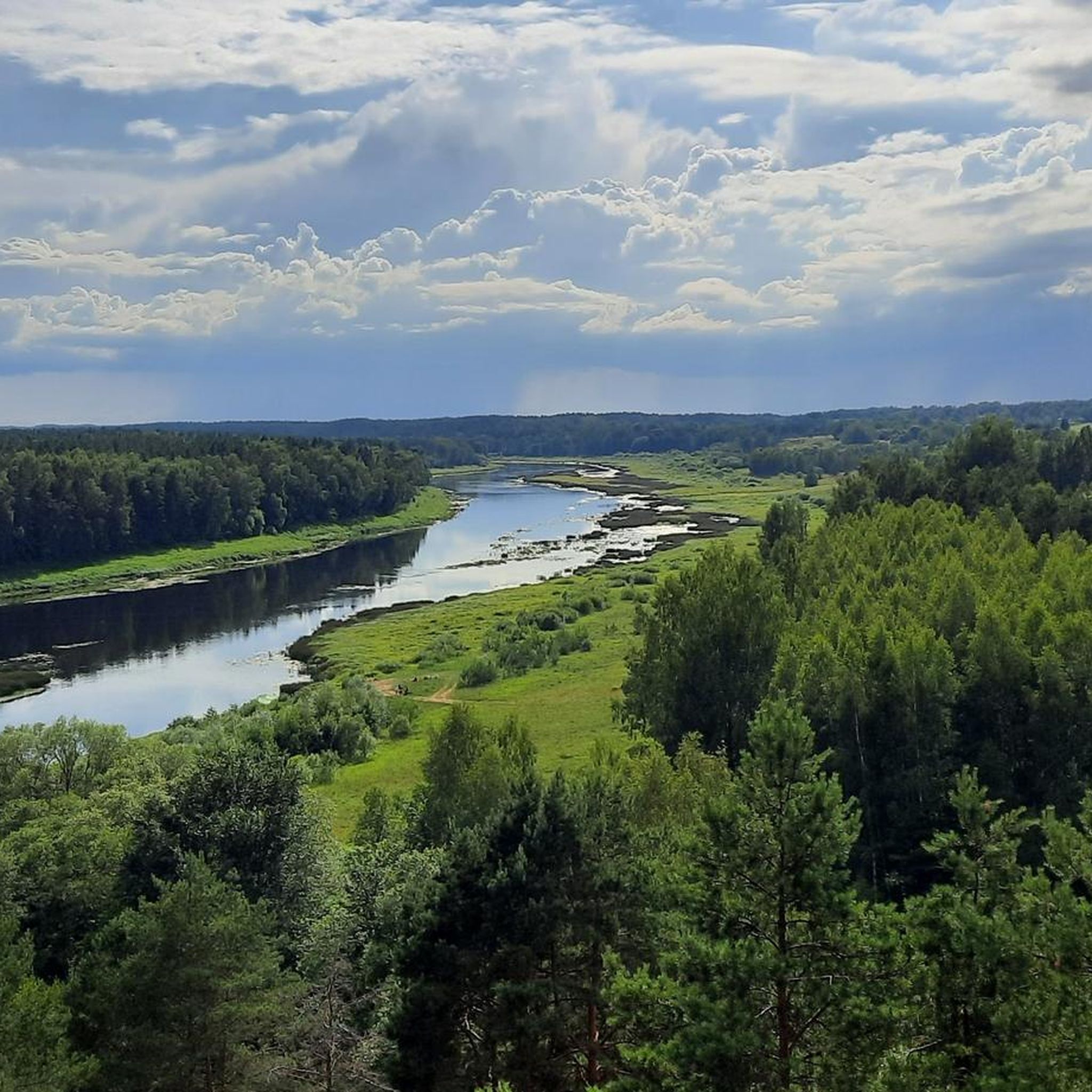
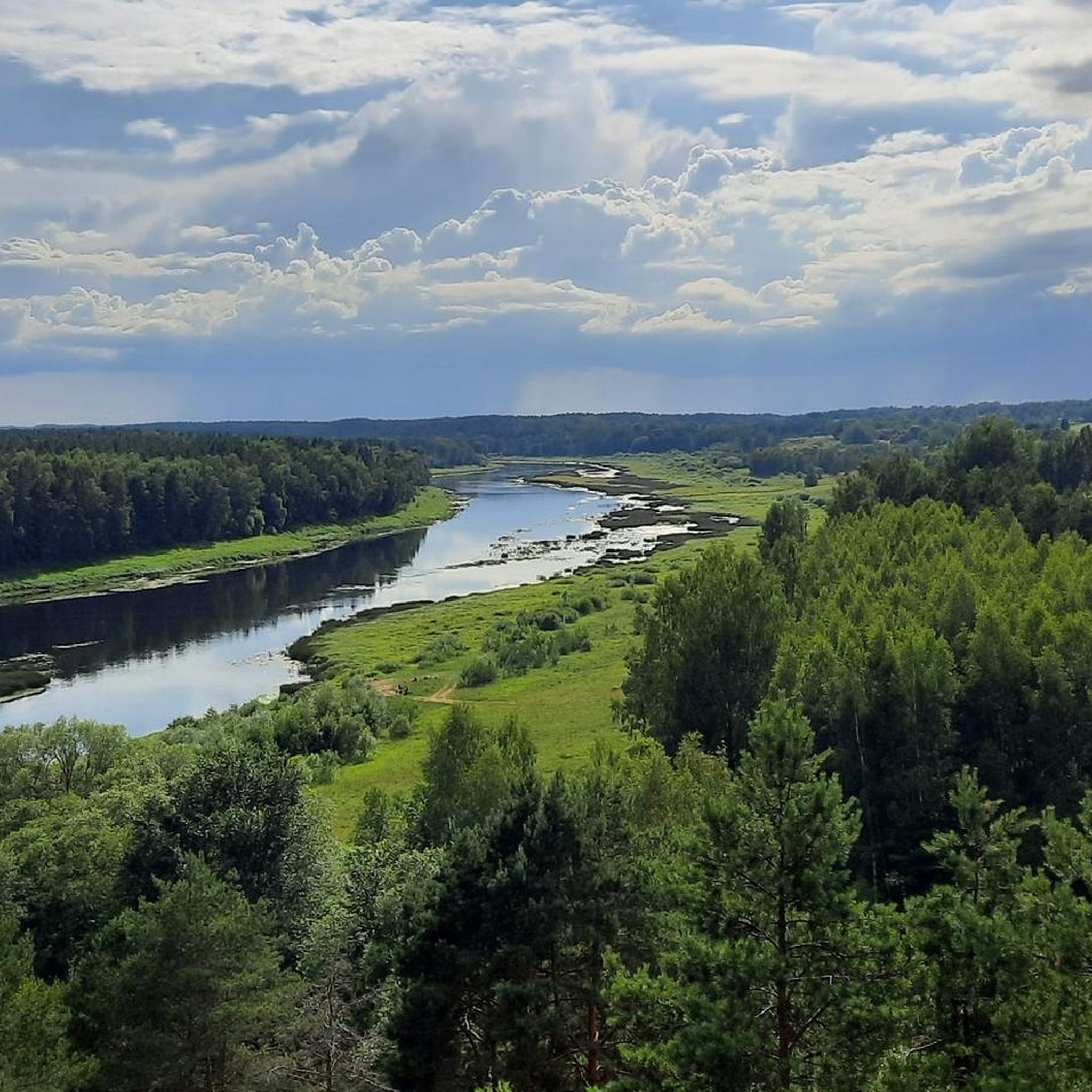
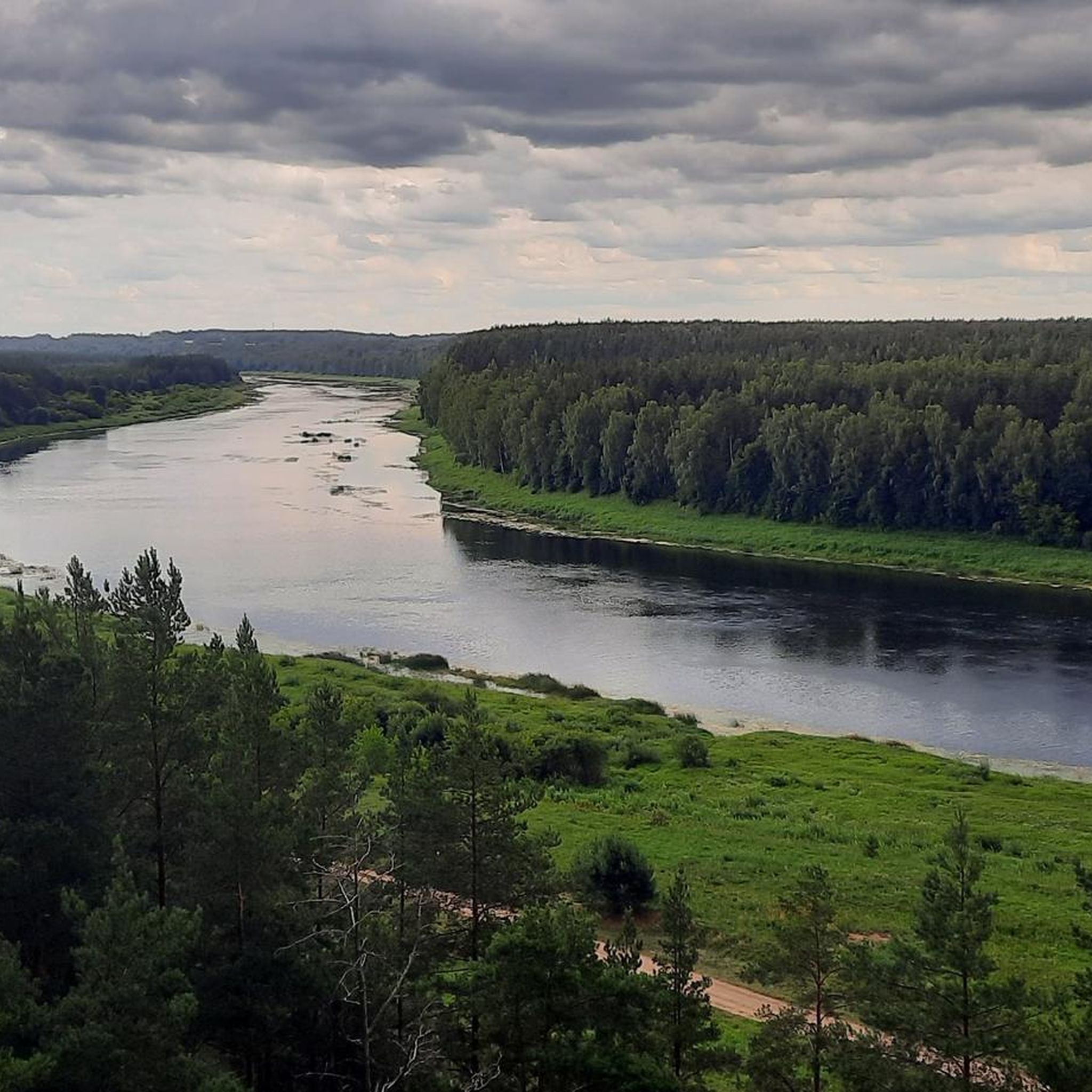
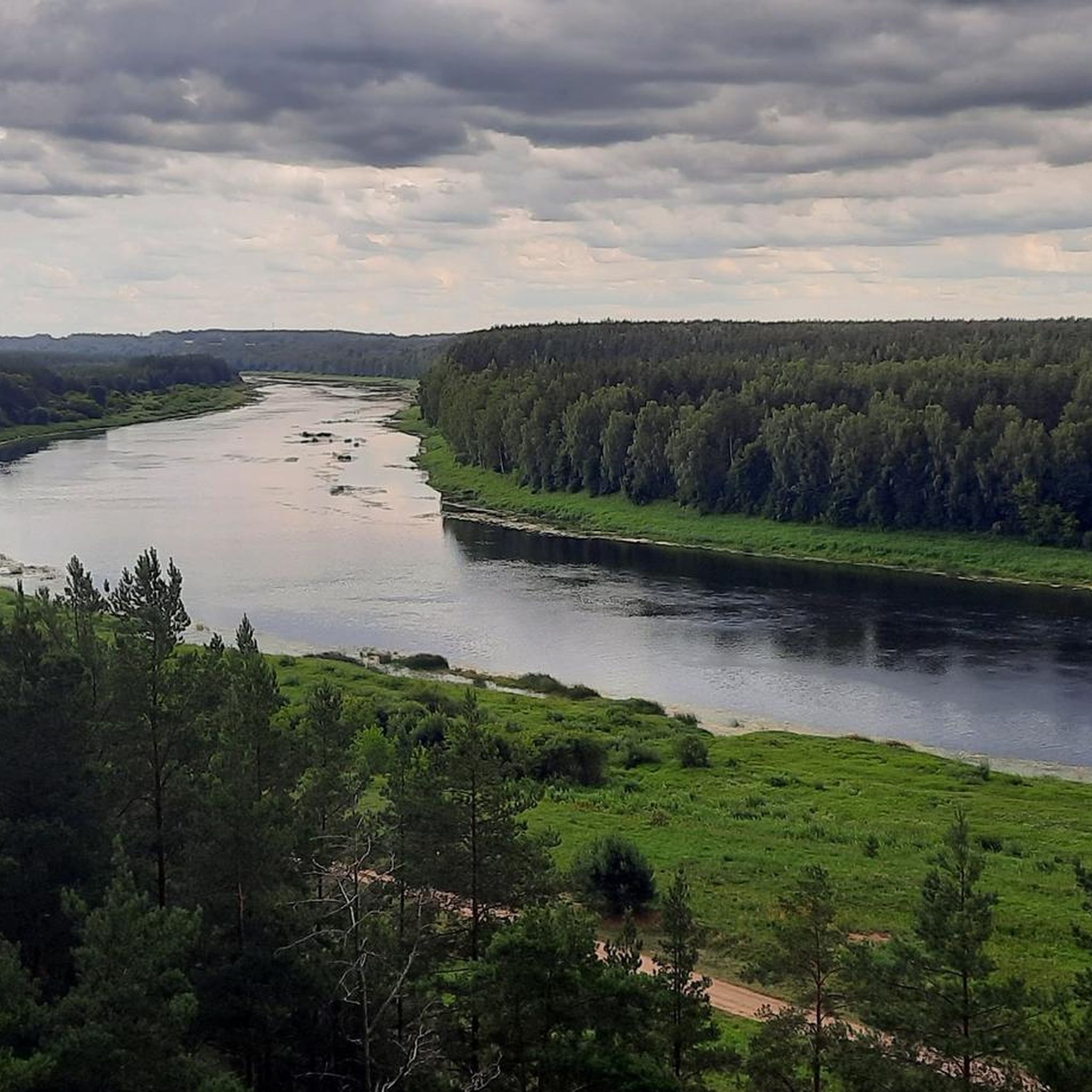
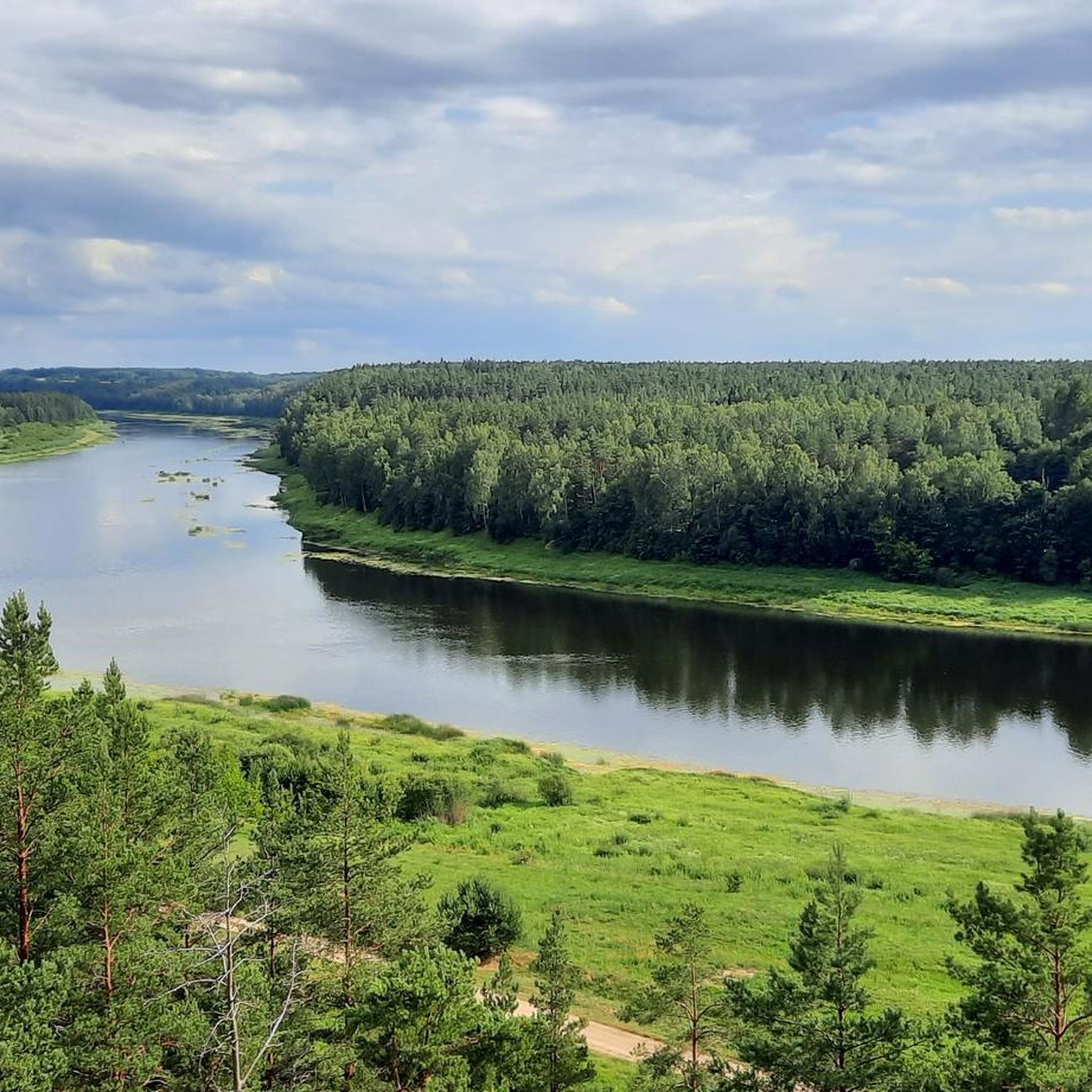
Best attractions and places to see in Latgale, Latvia's easternmost region, are defined by its "Land of Blue Lakes" landscape, featuring numerous lakes and the Daugava River. The region is known for its natural beauty, historical sites, and diverse cultural heritage. Visitors can explore a blend of natural features, historical landmarks, and cultural experiences.
Best attractions and places to see in Latgale
- The most popular attractions is Daugavpils Mark Rothko Art Centre, a man_made_monument located within the Daugavpils Fortress. It houses original pieces by Mark Rothko and hosts temporary exhibitions.
- Another must-see spot is Nicholas Gate (Daugavpils Fortress), a historical_site. This gate is one of four in the Daugavpils Fortress, an early 19th-century military fortification preserved in Northern Europe.
- Visitors also love St. Peter in Chains Roman Catholic Church, Daugavpils, a religious_building. Built in 1848–1849 and rebuilt in 1924–1934, its architecture features elements of Classicism.
- Latgale is known for its historical sites, natural features like lakes and rivers, and cultural sites. The region offers a variety of attractions to see and explore, including religious buildings and art centers.
- The attractions in Latgale are appreciated by the komoot community, with 9 upvotes and 5 photos shared by visitors.
Last updated: October 23, 2026
Nicholas Gate (Daugavpils Fortress)
Highlight • Historical Site
The Nicholas gate is one of the four gates of the Dinaburg fortress, located in the city of Daugavpils (Latvia).
Tip by

Unity House (Vienības Nams)
Highlight • Historical Site
Daugavpils Theatre (Latvian: Daugavpils teātris) is a theatre in Daugavpils, Latvia.
Daugavpils Theatre was founded in 1857 and is one of the oldest professional theatres in Latvia, as well as the only permanent professional theatre in the Latgale region. It stages plays in the Latvian, Russian and Latgalian languages.
en.wikipedia.org/wiki/Daugavpils_Theatre
Tip by
Sign up now to discover places like this
Get recommendations on the best single tracks, peaks, & plenty of other exciting outdoor places.
Daugavpils Mark Rothko Art Centre
Highlight • Monument
the building of the artillery arsenal
(1830-1833). It is a place where the
past has regained its second wind
and is in step with the time, thus
creating a unique place for varied
creative manifestations.
Some day the place was used to
keep cannons, ammunition wagons
and prodgy, swords and rifles,
regimental colours and drums. The
building is architectural monument
of State significance.
In the Art Centre one can see
the original pieces of the worldknown
artist Mark Rothko, born in
Daugavpils, as well as to visit the
exposition devoted to this artist.
Mark Rothko (b. Marcus Rothkowitz)
was born September 25, 1903. In
1913 his family emigrated to the
United States of America. He is
one of the most outstanding and
remarkable artists of the second half
of the 20th century, founder of the
abstract expressionism movement.
In the art centre it is also possible to
visit changing personal and group
exhibitions of well-known Latgalian,
Latvian and foreign artists. The total
surface of the exhibition halls is
2000 m2.
One may visit expositions and
exhibitions independently or
accompanied by a guide. The tour
around all art centre exhibitions
takes 1 hour and 30 minutes, the
tour of the A sector (M. Rothko
biography and creative works) takes
45 minutes. The art centre also
offers ordering tours around the
fortress. Tours can be ordered by
phone: +371 654 30279,
+371 65430273, +371 20364226.
Opening hours of Mark Rothko Art
Centre:
Monday – closed;
Tuesday and Sunday – from 11:00
to 17:00;
Wednesday, Thursday, Friday, and
Saturday – from 11:00 to 19:00.
Mihaila Street 3. +371 654 30 253
rotkocentrs.lv, rotkocentrs@
daugavpils.lv
Tip by
Martin Luther Cathedral
Highlight • Religious Site
Design
The cathedral was designed by Wilhelm Neumann, one of the most influential architects in the current landscape of Daugavpils. It is built is the brick gothic style, and was completed in 1893.
en.wikipedia.org/wiki/Martin_Luther_Cathedral,_Daugavpils
Tip by
St. Peter in Chains Roman Catholic Church, Daugavpils
Highlight • Religious Site
daugavpils.lv/en/turisms
meganstarr.com/churches-daugavpils
Tip by
Ss. Boris and Gleb Cathedral, Daugavpils
Highlight • Religious Site
A previous church on the site was built in 1866 by the order of the Governor-General of the Northwestern Krai Konstantin von Kaufman for the needs of the local garrison and was consecrated in honour of the emperor Constantine I and his mother Helena. Usually referred to as the Iron church (Железная церковь, Dzelzs baznīca) because of its external cladding, it was dismantled and rebuilt at Tsargrad (now Jersika), where it still remains, following the decision to build a new garrison cathedral at the original site.
The contemporary church was built in 1904–1905, the construction work being financed by the military. It was consecrated on 25 July [O.S. 12 July] 1905 in honour of the Holy Righteous Princes and Passion-bearers Boris and Gleb and Saint Alexius, Metropolitan of Moscow.
Architecture.
The church was built in the Neo-Russian style. It is a three-aisled masonry church, which on the plan forms an oblong rectangular with a polygonal apse and resembles a ship. The cathedral has ten towers with gilded cupolas. The interiors include murals and ceiling pieces.
It has been suggested that the icons on the oak iconostasis in the cathedral are copies of works by Viktor Vasnetsov in St. Vladimir's Cathedral, Kiev.
en.wikipedia.org/wiki/Ss._Boris_and_Gleb_Cathedral,_Daugavpils
Tip by
Dvinsk Fortress Cannon Monument
Highlight • Monument
in the second half of the 19th
century a garden was created in
place of the former fortress square
in front of the main facade of the
Commandant’s house. In 1866 a
fountain was erected in the centre
of the garden, water to the fountain
was supplied from the water tower.
In 1912, while celebrating the
centennial anniversary of the victory
over Napoleon in 1812, an unusual
monument – a fountain made
from three cast-iron large-calibre
cannons – was erected in the centre
of the garden at the expense of the
soldiers and officers of the Dvinsk
fortress – warehouse. A sculpture of
a two-headed eagle with its wings
spread wide was rising above the
cannonball placed on top of the
cannons; this sculpture was lost at
the outset of the World War I.
The base of the monument devoted
to the killed soldiers from the 10th
Aizpute infantry regiment of the
Latvian Army (opened in 1924) has
been preserved in the garden. After
the World War II the monument was
considerably transformed and used
as the base to Stalin’s bust. The old
pergola has also been preserved.
Today the shady lanes of the fortress
garden are a popular resting place
of fortress inhabitants and its guests.
In winter the greatest open-air
skating-rink in the city is made
around the fountain. In summer
different festivals and concerts take
place here.
rm.coe.int/16806f5dfd
Tip by
Aglona Basilica of the Assumption
Highlight • Religious Site
Translated by Google •
Tip by

Daugavpils University Sundial and Public Garden
Highlight • Monument
daugavpils.lv/en/turisms
en.wikipedia.org/wiki/University_of_Daugavpils
Tip by
Daugavpils Pedestrian Zone
Highlight • Structure
Translated by Google •
Tip by

Sign up for free to discover even more attractions in Latgale.
Already have an account?
Start today with a free account
Your next adventure awaits.




Tips from the Community

Behind the beautiful basilica is a spring that was said to have healing powers. People regularly come here to fetch water. We enjoyed lingering in the tranquil atmosphere of the church, even during a service.
0
0

The old town center of Daugavpils, with its historic two-story houses, is well worth a visit because of its beautiful design. The art installed in many places throughout the city is striking.
0
0
The garden in front of the commandant's house is actually beautifully landscaped, but the decay of the many unused buildings surrounding it is depressing. Fortunately, at least some of them are in use, and some have even been restored.
0
0
The fortress as a whole is very worth seeing, even if it would deserve better use to prevent it from being left to decay.
0
0

Protestant cathedral located on a Church Hill next to Orthodox, Catholic and Old Believer churches.
0
0

In 1699, the Dominican Order founded a monastery in Aglona.[2] The miraculous image of Our Lady of Aglona, which the Dominicans probably brought here from Lithuania, is considerably older. As it attracted more and more pilgrims, the current Basilica of the Assumption of the Virgin Mary was built between 1768 and 1780, and the icon of the Virgin Mary was inserted into the high altar. The hill is the spiritual centre of Catholics in otherwise predominantly Lutheran Latvia, and the pilgrimage basilica is the most important Catholic church in the country. The interior of the baroque basilica is decorated with grisaille paintings in the Rococo style. It is visited by up to 300,000 pilgrims every year, especially on the Feast of the Assumption of the Virgin Mary on August 15, when often more than 50,000 believers come to Aglona (Wikipedia). During our visit, a trade fair was taking place and we only had a quick look inside. Very impressive!
1
0

Mark Rothko Art Centre is located in the building of the artillery arsenal (1830-1833). It is a place where the past has regained its second wind and is in step with the time, thus creating a unique place for varied creative manifestations. Some day the place was used to keep cannons, ammunition wagons and prodgy, swords and rifles, regimental colours and drums. The building is architectural monument of State significance. In the Art Centre one can see the original pieces of the worldknown artist Mark Rothko, born in Daugavpils, as well as to visit the exposition devoted to this artist. Mark Rothko (b. Marcus Rothkowitz) was born September 25, 1903. In 1913 his family emigrated to the United States of America. He is one of the most outstanding and remarkable artists of the second half of the 20th century, founder of the abstract expressionism movement. In the art centre it is also possible to visit changing personal and group exhibitions of well-known Latgalian, Latvian and foreign artists. The total surface of the exhibition halls is 2000 m2. One may visit expositions and exhibitions independently or accompanied by a guide. The tour around all art centre exhibitions takes 1 hour and 30 minutes, the tour of the A sector (M. Rothko biography and creative works) takes 45 minutes. The art centre also offers ordering tours around the fortress. Tours can be ordered by phone: +371 654 30279, +371 65430273, +371 20364226. Opening hours of Mark Rothko Art Centre: Monday – closed; Tuesday and Sunday – from 11:00 to 17:00; Wednesday, Thursday, Friday, and Saturday – from 11:00 to 19:00. Mihaila Street 3. +371 654 30 253 www.rotkocentrs.lv, rotkocentrs@ daugavpils.lv
1
0
With the loss of military significance in the second half of the 19th century a garden was created in place of the former fortress square in front of the main facade of the Commandant’s house. In 1866 a fountain was erected in the centre of the garden, water to the fountain was supplied from the water tower. In 1912, while celebrating the centennial anniversary of the victory over Napoleon in 1812, an unusual monument – a fountain made from three cast-iron large-calibre cannons – was erected in the centre of the garden at the expense of the soldiers and officers of the Dvinsk fortress – warehouse. A sculpture of a two-headed eagle with its wings spread wide was rising above the cannonball placed on top of the cannons; this sculpture was lost at the outset of the World War I. The base of the monument devoted to the killed soldiers from the 10th Aizpute infantry regiment of the Latvian Army (opened in 1924) has been preserved in the garden. After the World War II the monument was considerably transformed and used as the base to Stalin’s bust. The old pergola has also been preserved. Today the shady lanes of the fortress garden are a popular resting place of fortress inhabitants and its guests. In winter the greatest open-air skating-rink in the city is made around the fountain. In summer different festivals and concerts take place here. https://rm.coe.int/16806f5dfd
0
0
Frequently Asked Questions
What historical sites can I explore in Latgale?
Latgale offers a rich history to discover. In Daugavpils, explore the well-preserved 19th-century Daugavpils Fortress, including its notable Nicholas Gate. The city also features the historic Unity House, an architectural landmark. Other significant sites include the Aglona Basilica of the Assumption, a world-famous Catholic pilgrimage site, and the ruins of Rēzekne Castle Hill. You can also find medieval castle ruins in Ludza, and the Baroque Krāslava Palace.
Where can I experience Latgale's unique cultural heritage?
Latgale's culture is diverse and vibrant. Visit the Daugavpils Mark Rothko Art Centre, dedicated to the famous artist born in the city. The Latgale Culture and History Museum in Rēzekne provides insights into the region's heritage, including its renowned pottery. Explore the Šmakovka Museum in Daugavpils to learn about Latgale's traditional strong alcoholic drink, or the Līvāni Glass Museum to see glassblowing traditions. The Aglona Bread Museum offers a taste of traditional bread-making, and you can discover Latgalian pottery at the House-Museum of Polikarps Čerņavskis in Preili or the Daugavpils Clay Art Centre.
What natural attractions should I visit in Latgale?
Latgale, known as the 'Land of Blue Lakes,' boasts stunning natural beauty. The Daugavas Loki Nature Park features scenic arches of the Daugava River, with panoramic views from observation towers like Vasargelišķi. Explore Lake Drīdzis, Latvia's deepest lake, or the unusually transparent Lake Čertoks (Devil's Lake) near Aglona. Rāzna National Park is home to Lake Rāzna, often called the 'Latgale Sea,' and nearby Makonkalns offers beautiful views. Don't miss the Teirumniku Bog Trail for a unique bog-walking experience, or Lake Lubāns, an important birdwatching location.
Are there family-friendly attractions in Latgale?
Yes, Latgale offers several family-friendly options. The Nicholas Gate (Daugavpils Fortress) and the broader Daugavpils Fortress are great for exploring history. The Daugavpils Mark Rothko Art Centre can also be engaging for older children. Many of the natural parks and lakes, such as Daugavas Loki Nature Park or Rāzna National Park, provide opportunities for outdoor activities suitable for families. The Museum of Military Technology in Svente is also a popular choice for families.
What outdoor activities can I do near Latgale's attractions?
Latgale's diverse landscape is perfect for outdoor enthusiasts. You can find numerous routes for mountain biking, road cycling, and hiking. For example, there are easy hikes like the "Čertoka Lake Viewing Platform loop" or the "Mikhail Gate – Daugavpils Fortress Cannons loop" near Daugavpils. Cyclists can enjoy routes like the "Stropu Lake – Jaunbūve loop" from Daugavpils. For more detailed information on routes, explore the MTB Trails in Latgale, Road Cycling Routes in Latgale, and Easy hikes in Latgale guides.
What is the best time to visit Latgale?
The best time to visit Latgale largely depends on your interests. For enjoying the 'Land of Blue Lakes' and outdoor activities like hiking, cycling, and kayaking, the warmer months from late spring to early autumn (May to September) are ideal. If you're interested in birdwatching, late September is excellent for seeing thousands of cranes at Lake Lubāns. Winter offers opportunities for activities like skiing in places like Balkani Hill Nature Park, though some attractions might have reduced hours.
Are there any unique culinary experiences in Latgale?
Yes, Latgale is known for its rich culinary heritage and hearty portions. You can pre-order traditional dishes or enjoy degustation dinners at places like the Latgale Culinary Heritage Centre in Krāslava. The Aglona Bread Museum also offers a unique experience where you can learn about traditional bread-making and enjoy a traditional feast with a local hostess.
Where can I find viewpoints with scenic panoramas in Latgale?
For breathtaking views, head to the Daugavas Loki Nature Park. Observation towers like Vasargelišķi and Lazdukalns offer stunning panoramic vistas of the meandering Daugava River. Makonkalns, near Lake Rāzna, also provides beautiful park scenery and views, including the ruins of Volkenberg castle.
What are some lesser-known or 'hidden gem' attractions in Latgale?
Beyond the main highlights, consider visiting the Lūznava Manor, a beautifully renovated Art Nouveau manor that hosts cultural events. The Folvarka Church, a bright blue Old Believer's prayer house in an isolated area, offers a unique architectural sight. For nature lovers, the Piloru Oak Grove and the Nicgale Great Stone, Latvia's largest stone, are also worth seeking out.
Are there opportunities for water activities like kayaking in Latgale?
Absolutely. With its numerous interconnected lakes, Latgale is an ideal destination for kayaking and other water activities. Lake Drīdzis, Latvia's deepest lake, is part of a nature-protected area and offers kayaking tours. Many other lakes in the region, such as Lake Cirīšs, also provide excellent opportunities for enjoying the water.
What kind of religious sites can I visit in Latgale?
Latgale is home to a diverse array of religious buildings. The most prominent is the Aglona Basilica of the Assumption, a major Catholic pilgrimage site. In Daugavpils, you can visit 'Church Hill' which features four churches of different denominations: a Lutheran church (like the Martin Luther Cathedral), the Catholic St. Peter in Chains Roman Catholic Church, the Orthodox Ss. Boris and Gleb Cathedral, and a House of Prayer for Old Believers.
Can I find wheelchair-accessible places among Latgale's attractions?
Yes, some attractions in Latgale are noted for being wheelchair accessible. The Daugavpils Mark Rothko Art Centre is one such highlight, making it easier for visitors with mobility needs to enjoy its exhibitions. It's always advisable to check specific venue details or contact them directly for the most up-to-date accessibility information.
Most popular routes in Latgale
Most popular attractions in Latgale

Get inspired with the komoot mobile app


Explore more
Still not found the Highlight you’re looking for? See guides of the top attractions in other regions:
