The best MTB trails in Latgale
5.0
(1)
33
riders
6
rides
Mountain biking in Latgale offers diverse terrain across its "Land of Blue Lakes" landscape. The region features approximately 1,200 lakes, extensive forests, and unique geological formations, providing varied routes. Riders can explore trails along lake shorelines, through woodlands, and within areas like Daugavas Loki Nature Park. The topography includes sufficient variation for mountain biking, with some routes featuring elevation gains.
Best mountain bike trails in Latgale
- The most popular mountain bike trail is Zilais kalns loop from Jaunie Stropi,…
Last updated: June 24, 2026
10
riders
97.4km
07:53
590m
590m
Hard mountain bike ride. Very good fitness required. Advanced riding skills necessary.
8
riders
10.4km
00:44
60m
60m
Moderate mountain bike ride. Great for any fitness level. Advanced riding skills necessary.

Sign up for free
8
riders
95.9km
07:10
510m
510m
Hard mountain bike ride. Very good fitness required. Advanced riding skills necessary.
5.0
(1)
5
riders
16.4km
01:11
130m
130m
Easy mountain bike ride. Great for any fitness level. Suitable for all skill levels.
2
riders
33.6km
02:23
160m
160m
Moderate mountain bike ride. Good fitness required. Suitable for all skill levels.
Our route recommendations are based on thousands of hikes, rides, and runs completed by other people on komoot.
Start today with a free account
Your next adventure awaits.
Login or Signup
Popular around Latgale
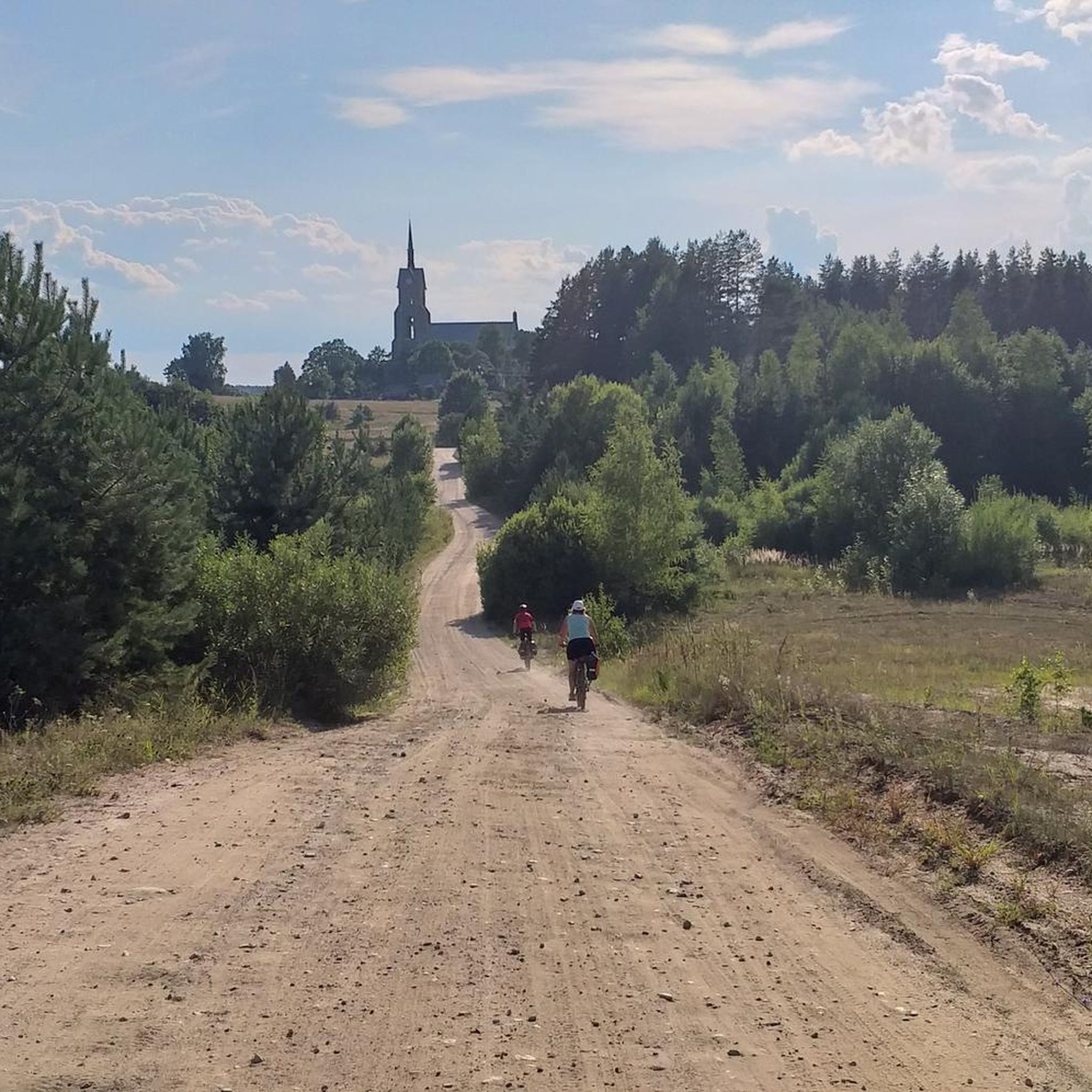
MTB Trails around Riebežeris / Robežas ezers
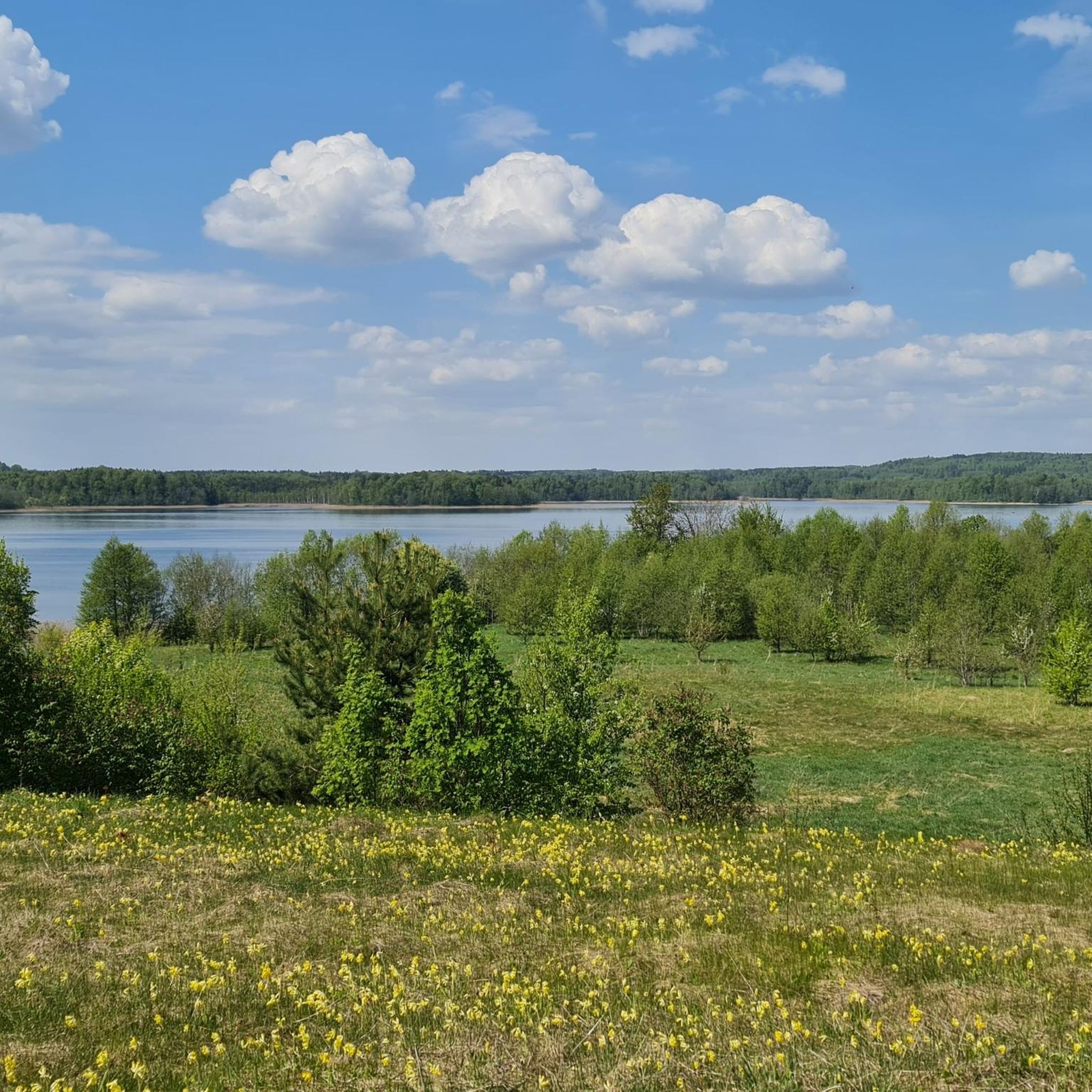
MTB Trails in Endenes Mežs
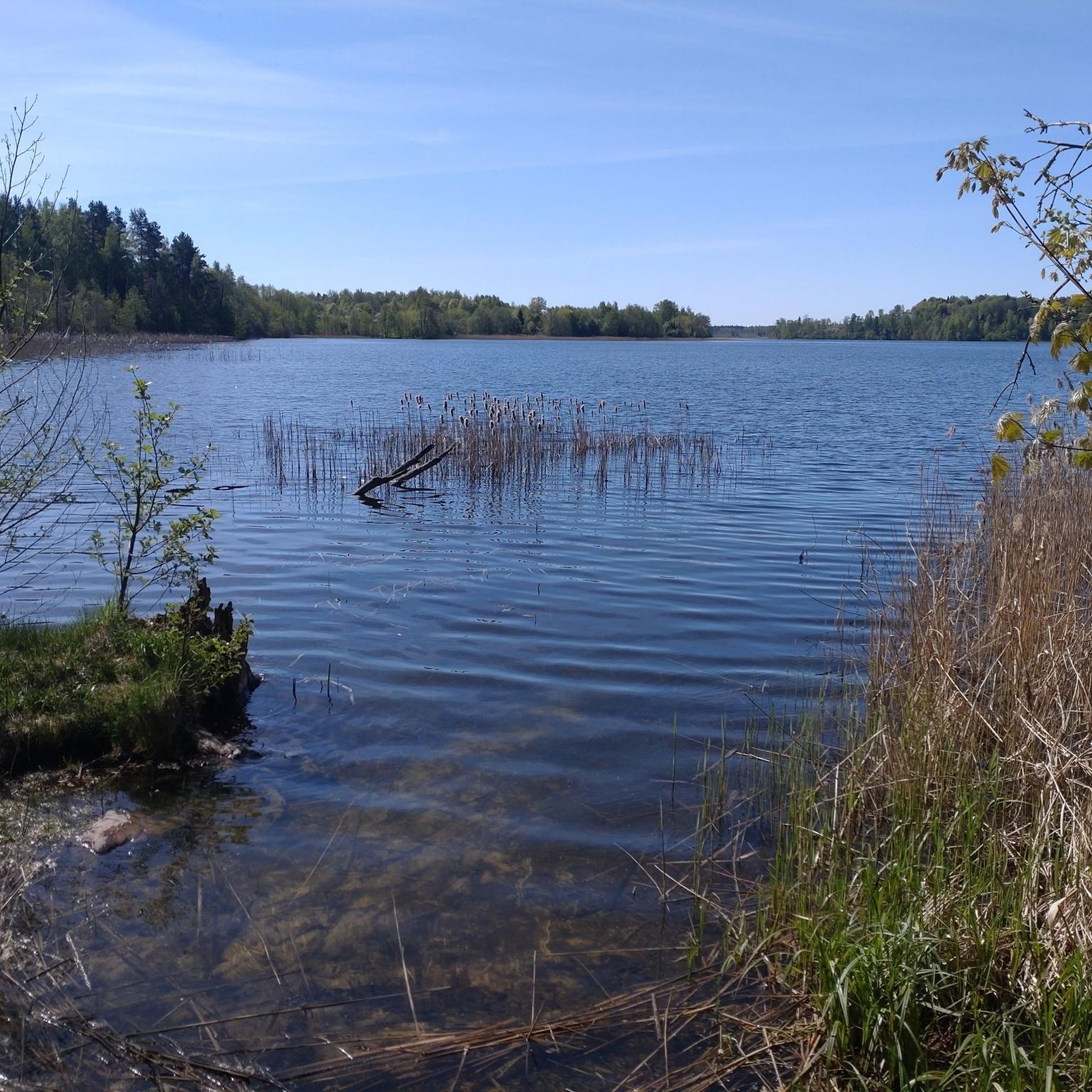
MTB Trails around Medumu ezers
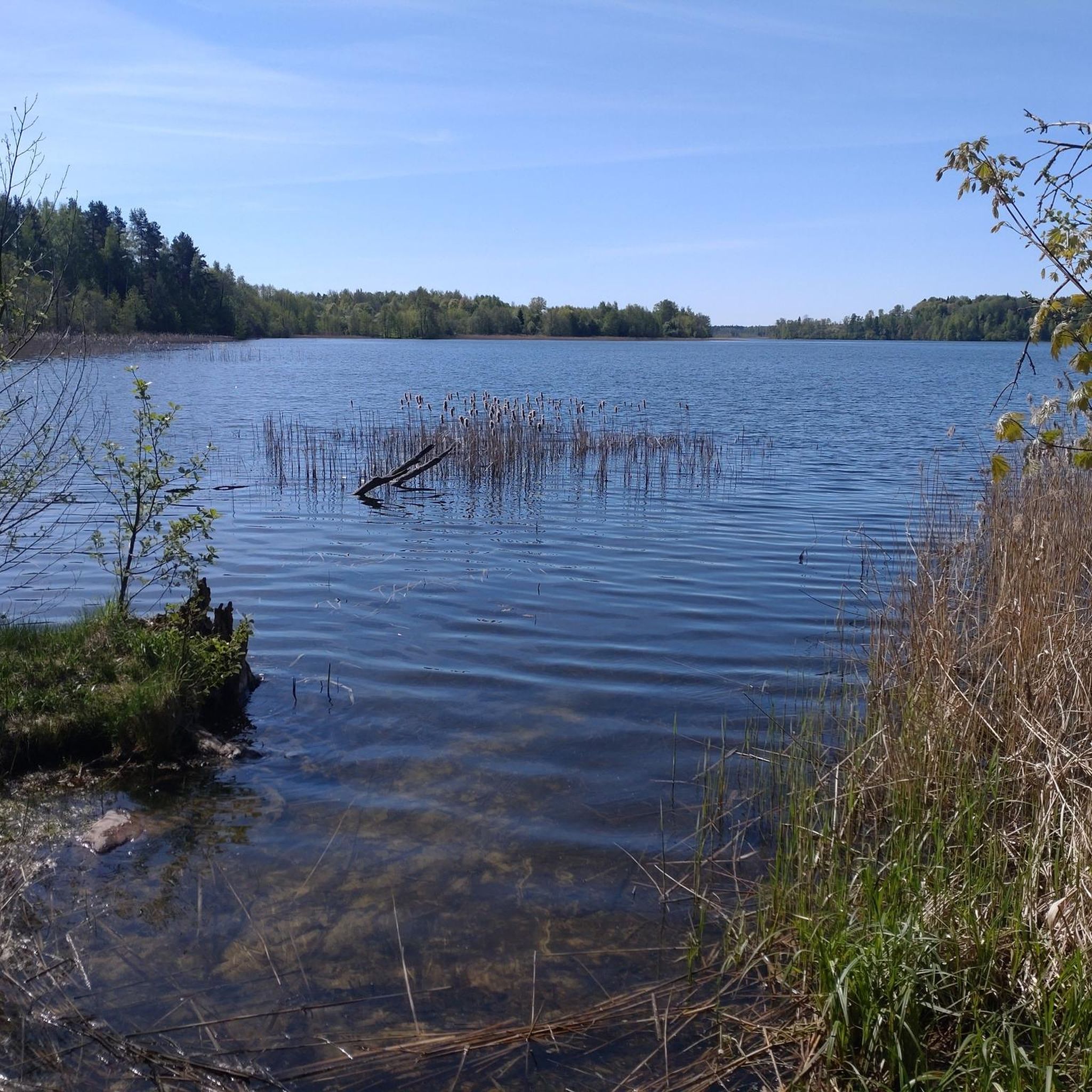
MTB Trails in Dabas Parks „Medumu Ezeraine”
Around the World in 80 Days
Amber, urban streets and boardwalks – a foray through Latvia
Cycling in Latgale
Hiking in Latgale
Running Trails in Latgale

Gravel biking in Latgale


Tips from the Community

The Lithuanian Independence Monument was built in 1930, during the activities of the Salakas Nationalist Union. The author of the monument is a professional sculptor. Max (Mordechai) Farbmann. The monument erected in 1930 (5.31 m high, 4.64 m wide) is characterized by the fact that it consists of a platform - foundation, a rectangular pedestal - plinth, on which a rectangular, upward-pointing obelisk is built. Near the obelisk are figures of a boy with a torch (height 222 cm, circumference about 80 cm) and a woman (141 cm high and 80 cm in diameter). The cast concrete pedestal of the monument has a step at the top and a rectangular niche in the southwest facade 48 cm long, 35 cm wide, 116 cm high. A granite slab with the inscription "IN THE NAME OF THAT LITHUANIAN UNITY, MAY IT BECOME A KING. / V. KUDIRKA" is embedded in the southwestern niche of the monument's facade.
0
0

The Lithuanian Independence Monument was built in 1930, during the activities of the Salakas Nationalists' Union. The author of the monument is a professional sculptor. Max (Mordechai) Farbmann. The construction of the monument was financed by the Salakas pharmacist Mačius. The construction work of the monument was carried out by: Petras Jasinavičius (received 200 Lt for the work) – Silvo. https://www.visitzarasai.lt/lt/lankytinos-vietos/paminklai-skulpturos-akmenys/nepriklausomybes-paminklas-salako-miestelje
0
0
The church of Salak has been known as a community since 1496. During that time, the wooden church buildings were destroyed by fires many times. The last wooden church served the parish for just 40 years. in 1905 June 15 after a fire broke out at night, part of the town was reduced to ashes up to the stream, including the church, all its property, archives, etc. The bells melted and fell. Pastor Ant was working at that time. Kryžanauskas. After consulting with the parishioners, he decided to build a church that would not be destroyed by fire or other calamities. The architect Morgulcas, who was invited from Riga, drew up the project. The pastor organized the collection and transportation of stones. The stones brought by the parishioners were broken into stone bricks 45 x 45 x 80 cm in size by hired stonemasons. And so on August 8, 1906. Bishop G. Cirtautas of Žemaitsa consecrated the foundations of the future church. in 1911 the construction of the church was completed and services began. It is a building of extraordinary construction courage.
0
0

The oldest and thickest common oak growing in Lithuania, one of the oldest oaks in Europe, a natural monument of Lithuania. The oak is about 1,500 years old, its diameter is 3.5 m, its height is 23 m, its girth at the ground is 13 m (it takes 8-9 men to girth the trunk).
2
0
Church in 1786-1787. built by Pranciskus Molis. In 1891, it was financed by John and Pranciškaus Prusokas. renovated, presented sacristy. The interwar church was repaired and reworked. Until 1920 service (without Latin) was held only by Poles, since 1940 - only in Lithuanian. The church is classicist, has features of folk architecture, wooden, long rectangular plan, with a three-walled apse and a sacristy attached to it. There is a turret on the ridge. single parent It has 3 altars. The churchyard fence is stone masonry. It has a wooden bell tower. Long-time parish priest Vytautas Antanas Šamšonas (1912-1961), appointed to Imbrada before the Second World War, raised the religious and national awareness of the parishioners. He was killed by the Soviet services or their henchmen and buried in the cemetery.
5
0
Those traveling along Gražutė's great bicycle route will see the country's highest stone church in Salak, Kiemionii hill, Alkakalni, also called Kunigokalni, 3 barrows, the Tiltiški water mill, the old Jewish and Tatar cemeteries, and the natural monument - the Salak pine tree.
2
0

The campsite extends along the entire eastern shore of the lake
1
0
Frequently Asked Questions
How many mountain bike trails are available in Latgale?
Latgale offers a selection of 7 mountain bike trails, catering to various skill levels. These include 2 easy routes, 3 moderate routes, and 2 difficult routes, providing diverse options for riders.
What kind of terrain can I expect when mountain biking in Latgale?
Latgale, known as the "Land of Blue Lakes," features diverse terrain. You can expect routes that weave along the shorelines of its numerous lakes, through extensive forests, and even incorporate unique bog trails. While not traditionally mountainous, the region's topography offers sufficient variation with some routes including noticeable elevation gains, particularly within areas like the Daugavas Loki Nature Park.
What is the best time of year for mountain biking in Latgale?
The best time for mountain biking in Latgale is generally during the warmer months, from late spring through early autumn (May to September). During this period, the weather is most favorable, and the trails are typically dry and accessible, allowing you to fully enjoy the region's lakes, forests, and natural beauty.
Are there mountain bike trails suitable for beginners or families in Latgale?
Yes, Latgale has several easy mountain bike trails perfect for beginners or families. For example, the Zilais kalns loop from Jaunie Stropi is an easy 3.7-mile (5.9 km) route with gentle gradients through woodlands. Another great option is the Ež. Zarasas – ež. Gružtas loop from Zarasai, an easy 10.3-mile (16.5 km) path that winds through forests and along lake edges.
Are there any challenging mountain bike routes for experienced riders in Latgale?
Experienced riders looking for a challenge will find options in Latgale. The region offers 2 difficult routes, such as the extensive Quarry – Sventasis Lake Beach loop from Zarasai, which covers over 60 miles (100 km) and features significant elevation changes, providing a demanding ride through varied landscapes.
What are some notable natural attractions to see while mountain biking in Latgale?
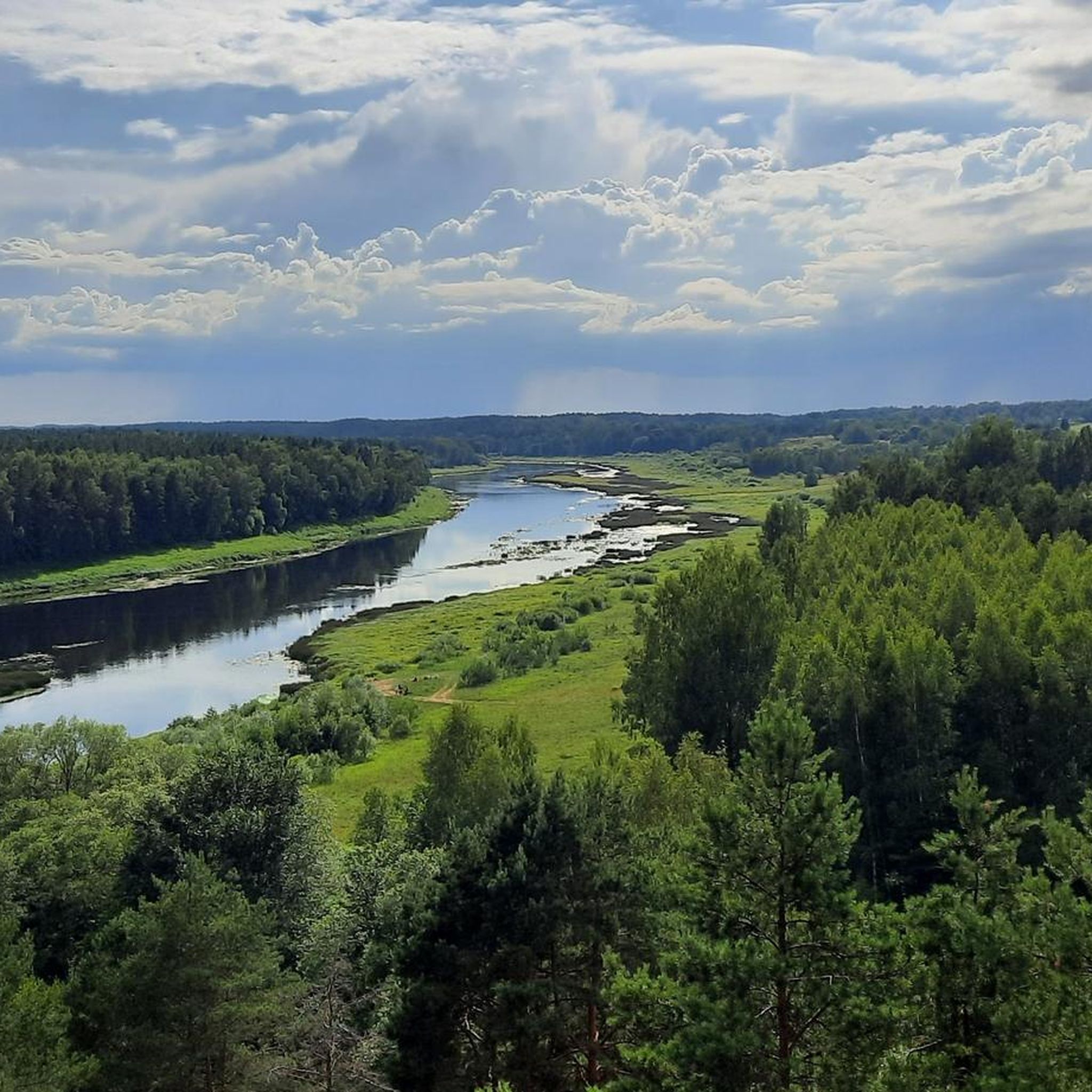
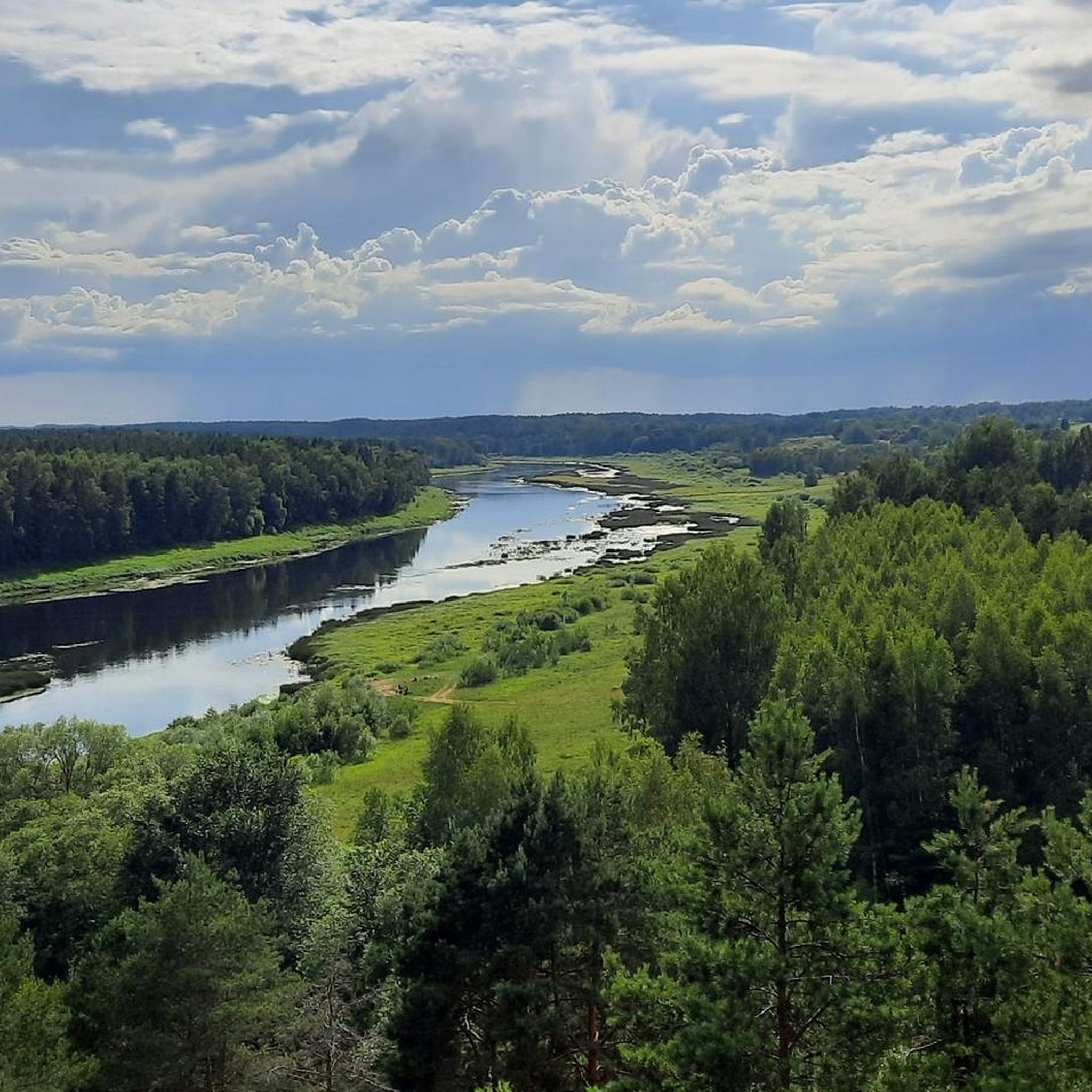
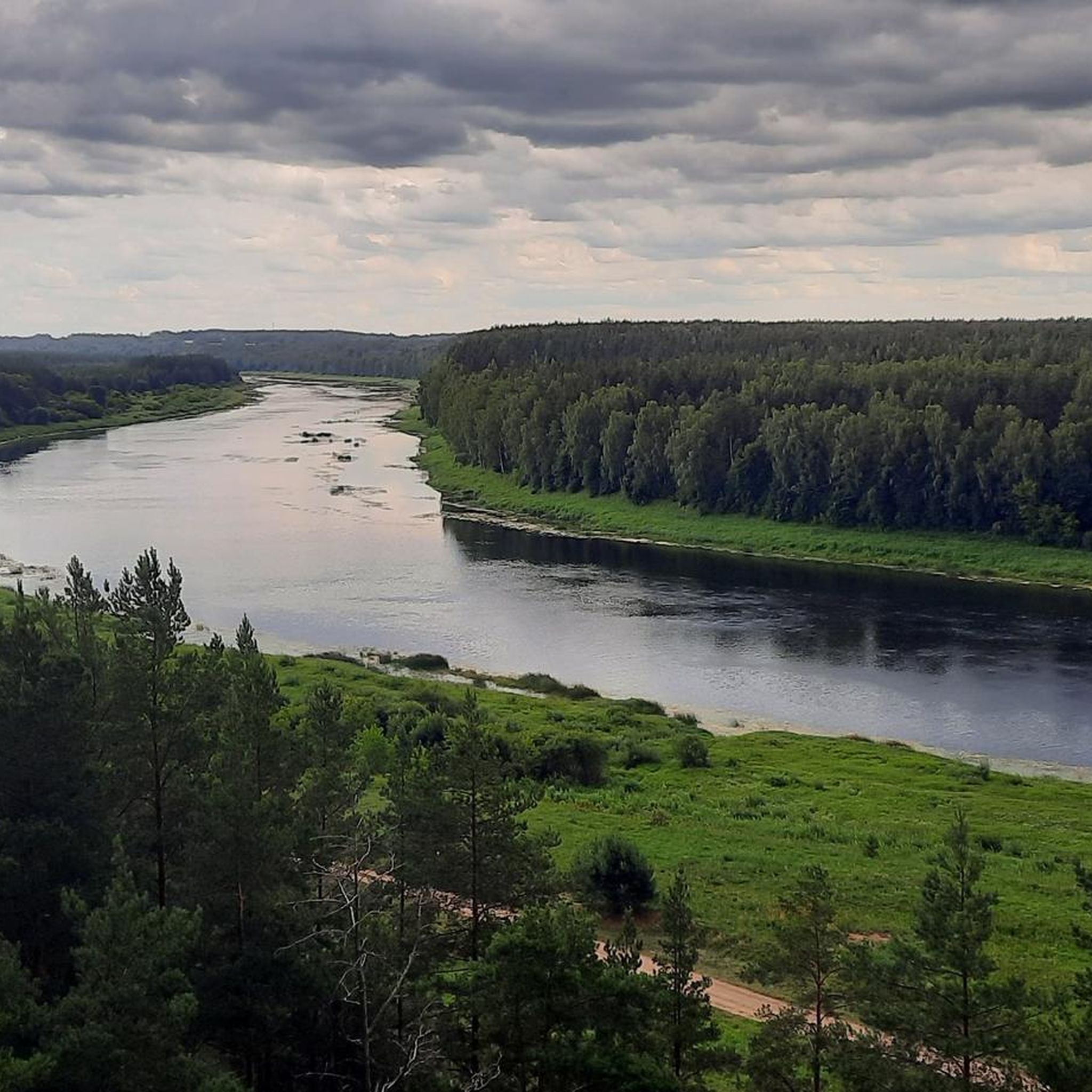
Latgale is rich in natural beauty. While mountain biking, you can explore the scenic Daugavas Loki Nature Park, where the Daugava River forms eight sweeping curves. The park is home to the Vasargelišķi tower, offering panoramic views of the river meanders. The region is also famous for its numerous lakes, including Lake Razna and Lake Dridzis, providing stunning backdrops for your rides. You might also encounter unique bog trails and extensive forested areas.
Are there mountain bike routes that form a loop in Latgale?
Yes, many mountain bike routes in Latgale are designed as loops, allowing you to start and end at the same point. Examples include the Zilais kalns loop from Jaunie Stropi, the Ež. Zarasas – ež. Gružtas loop from Zarasai, and the Zilais kalns loop from Jaunā Forštadte. These circular routes are convenient for exploration.
What do other mountain bikers say about their experience in Latgale?
The mountain bike trails in Latgale are highly rated by the komoot community, with an average score of 5.0 stars. Riders often praise the region's diverse landscapes, from serene lake shores to engaging forest paths, and the variety of routes suitable for different skill levels. The natural beauty and peaceful atmosphere are frequently highlighted.
Can I bring my dog on the mountain bike trails in Latgale?
While specific regulations for dogs on every trail can vary, generally, dogs are welcome on many outdoor trails in Latgale, especially in less populated forest and lake areas. It's always recommended to keep your dog on a leash and ensure they are well-behaved to respect wildlife and other trail users. Check local signage or park rules for specific restrictions in protected areas like Daugavas Loki Nature Park.
Are there any historical or cultural sights near the mountain bike trails in Latgale?
Yes, Latgale offers several historical and cultural sights that can be explored in conjunction with mountain biking. In Daugavpils, you can visit the Daugavpils Mark Rothko Art Centre or the Nicholas Gate (Daugavpils Fortress). The region also features various castles and manor houses, such as the Dinaburg Castle Ruins and Castle Model or the Kalkūne Manor Castle, providing interesting stops during your rides.
How long are the mountain bike trails in Latgale typically?
The mountain bike trails in Latgale vary significantly in length. You can find shorter routes like the Zilais kalns loop from Jaunie Stropi at 3.7 miles (5.9 km), which takes less than an hour. Longer routes, such as the Stelmužė Oak – Lygumai Boulder loop from Zarasai, extend to over 33 miles (54 km), offering full-day adventures. The longest route, the Quarry – Sventasis Lake Beach loop from Zarasai, is over 60 miles (100 km).
Are there specific cycling routes or paths in Latgale that are well-maintained?
Yes, Latgale has a commitment to cycling tourism, with routes like Latvia's Cycling Route 35, a 128-kilometer circular path within the Daugavas Loki Nature Park, which is known for being well-maintained. Many of the mountain bike trails also utilize established paths through forests and along lake edges, ensuring a good riding surface for various skill levels.
Most popular attractions in Latgale

Get inspired with the komoot mobile app


Didn’t find what you were looking for?
Check out more MTB trails throughout Latgale below and find the perfect route in your destination.
