The best road cycling routes in Latgale
15
riders
3
rides
Road cycling in Latgale offers diverse routes through a landscape shaped by post-glacial relief, featuring rolling hills and numerous lakes. The region, often called "the land of blue lakes," provides varied terrain for cyclists, from undulating plains to moderate hills. Extensive forests cover much of the area, contributing to scenic routes and a sense of natural immersion. This topography creates an engaging environment for road cyclists seeking varied elevations and panoramic vistas.
Best road cycling routes in Latgale
- The most…
Last updated: July 9, 2026
8
riders
44.4km
01:56
260m
260m
Easy road ride. Great for any fitness level. Mostly well-paved surfaces and easy to ride.
5
riders
24.4km
01:02
90m
90m
Easy road ride. Great for any fitness level. Mostly well-paved surfaces and easy to ride.

Sign up for free
2
riders
29.8km
01:38
170m
170m
Moderate road ride. Great for any fitness level. Some segments of this route may be unpaved and difficult to ride.
Our route recommendations are based on thousands of hikes, rides, and runs completed by other people on komoot.
Start today with a free account
Your next adventure awaits.
Login or Signup



Tips from the Community

Inside there is a very nice cafe and a shop with local products.
0
0


The fortress as a whole is very worth seeing, even if it would deserve better use to prevent it from being left to decay.
0
0

Seeing the frozen lake, I find it hard to imagine that we could swim there 😀
0
0

Extremely unusual building from the outside and creative and art activities for children/young people inside.
1
0

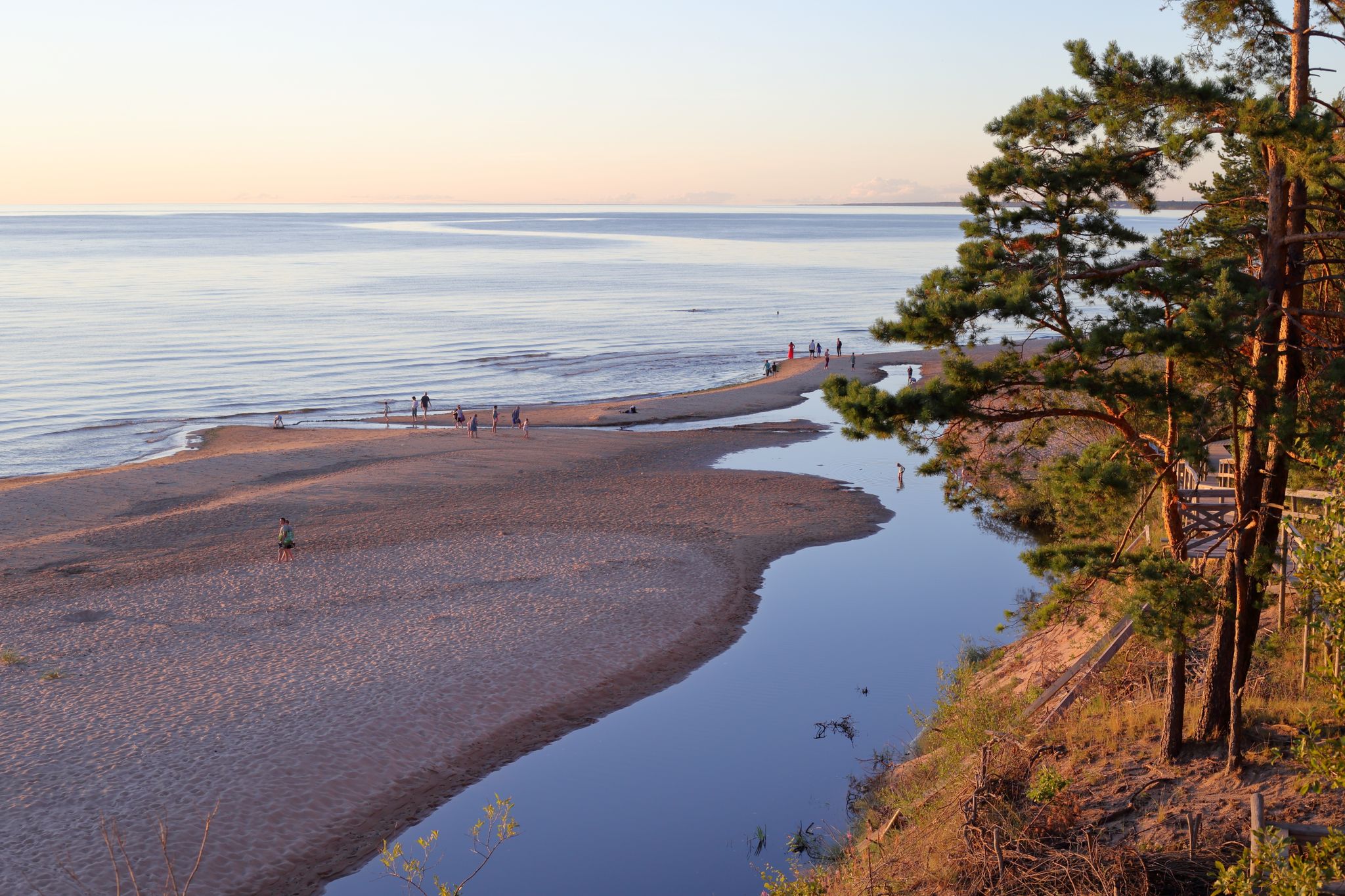
The area around Stropi Lake (Stropu ezers) is a very popular recreation area in Daugavpils. The highlight is the lake with its beaches. A floating lido with lanes for swimming and sun loungers has recently been added. All around there is a beach volleyball court, among other things. You can easily get to the lake by tram.
1
0

The Dinaburg fortress had four gates that were named in honour of Emperor Alexander I and his brothers – grand dukes. The Nicholas gate is exposed to the bridgehead; it welcomed travellers arriving at the fortress from Europe. The gate was built from 1824 to 1827 in Neo-Gothic style. The Nicholas gate (the gate is named after the future Emperor Nicholas I) is different from other gates of the fortress in the way that it has lateral chambers on both sides of the central passageway – in tsarist days they were used as guard and prisoner rooms. In the 1920s the old wood bridge leading from the 1st coast lunette to the gate over the moat was taken down. During the Soviet times the gate was bricked up from the moat side and used to store vegetables. Gate restoration took place from October 2012 to December 2013. Using anastylosis (installation of fallen genuine elements), the attic of the external façade of the gate and the roof structure were reconstructed; gate wings of the internal façade that have been miraculously preserved as well as internal premises were reconstructed; the foundation and underground gallery removing rain and ground waters from the fortress into the moat were fixed. On façades cast-iron ornaments were renewed: representation of the coat of arms of the Imperial Russia in the stylistics of the Alexander I era, double-sided halberds (battle-axes) and the gate name in the original writing. Gate rooms are now fitted with modern lighting enabling to use them as exhibition halls. Historical foundations are currently used to bear the reconstructed 55m long and 8 m wide wood bridge that can now be used to get into the fortress from Daugavas Street. The restoration of the 1st coast lunette with corps de garde (guardroom) and barrier gate covering the way to the Nicholas gate bridge was finished in October 2014. https://rm.coe.int/16806f5dfd
0
0
Frequently Asked Questions
What kind of terrain can I expect on road cycling routes in Latgale?
Latgale's road cycling routes feature a diverse post-glacial landscape with rolling hills, valleys, and numerous lakes. You'll encounter a mix of undulating plains and moderate hills, offering varied elevations and panoramic vistas. The region is also extensively forested, providing scenic routes immersed in nature.
Are there road cycling routes suitable for beginners in Latgale?
Yes, Latgale offers several road cycling routes suitable for beginners. For example, the Street Art Wall loop from Zarasai is an easy 44.5 km trail, and the Stropu Lake – Jaunbūve loop from Daugavpils is an easy 24.4 km path, both perfect for those new to road cycling or looking for a relaxed ride.
What natural features can I see along the road cycling routes in Latgale?
Latgale, known as the 'land of blue lakes,' offers stunning natural beauty. You can expect to see many of its 1,200 to 2,000 lakes, including the notable Stropu Lake and the area around Lake Rāznas. The region's hilly terrain and extensive forests also provide picturesque views and a sense of natural immersion.
Are there any historical or cultural landmarks near the cycling routes?
Yes, Latgale's landscape is dotted with interesting landmarks. You might encounter sites like the Jersika Hillfort or the Square of Eternal Glory. The region also features historical manors and castle ruins, such as Luznava Manor, which can add a cultural dimension to your ride.
What is the best time of year for road cycling in Latgale?
The best time for road cycling in Latgale is generally during the warmer months, from late spring to early autumn. This period offers pleasant temperatures and allows you to fully enjoy the region's 'blue lakes' and lush green forests. The Daugava's Bends Nature Park is particularly beautiful in autumn.
Are there any circular road cycling routes in Latgale?
Yes, many of the road cycling routes in Latgale are designed as loops, offering convenient circular journeys. Examples include the Street Art Wall loop from Zarasai, the Stropu Lake – Jaunbūve loop from Daugavpils, and the Brolišu ezers – Sokorņu ezers loop from Rēzekne 1.
How many road cycling routes are available in Latgale?
There are several road cycling routes available in Latgale, with komoot currently featuring 4 distinct routes in this guide. These routes vary in distance and difficulty, providing options for different preferences and fitness levels.
Are there any challenging road cycling routes for experienced riders?
While this guide features mostly easy to moderate routes, Latgale's varied topography, including the Latgale Uplands with its moraine hills and kames, offers potential for more challenging rides. The EuroVelo 11 route, which traverses Latgale, is known for its prominent hills in this section, providing a more engaging experience for experienced cyclists.
Can I find places to eat or stay overnight along the road cycling routes?
Latgale is a sparsely populated region, which contributes to its tranquil cycling experience. While specific cafes or accommodations are not detailed for every route, the larger towns like Daugavpils and Rēzekne, which serve as starting points for some routes, offer amenities. For more detailed information on services, you might consult local tourism resources like visitlatgale.com.
What are some unique natural attractions to look out for while cycling in Latgale?
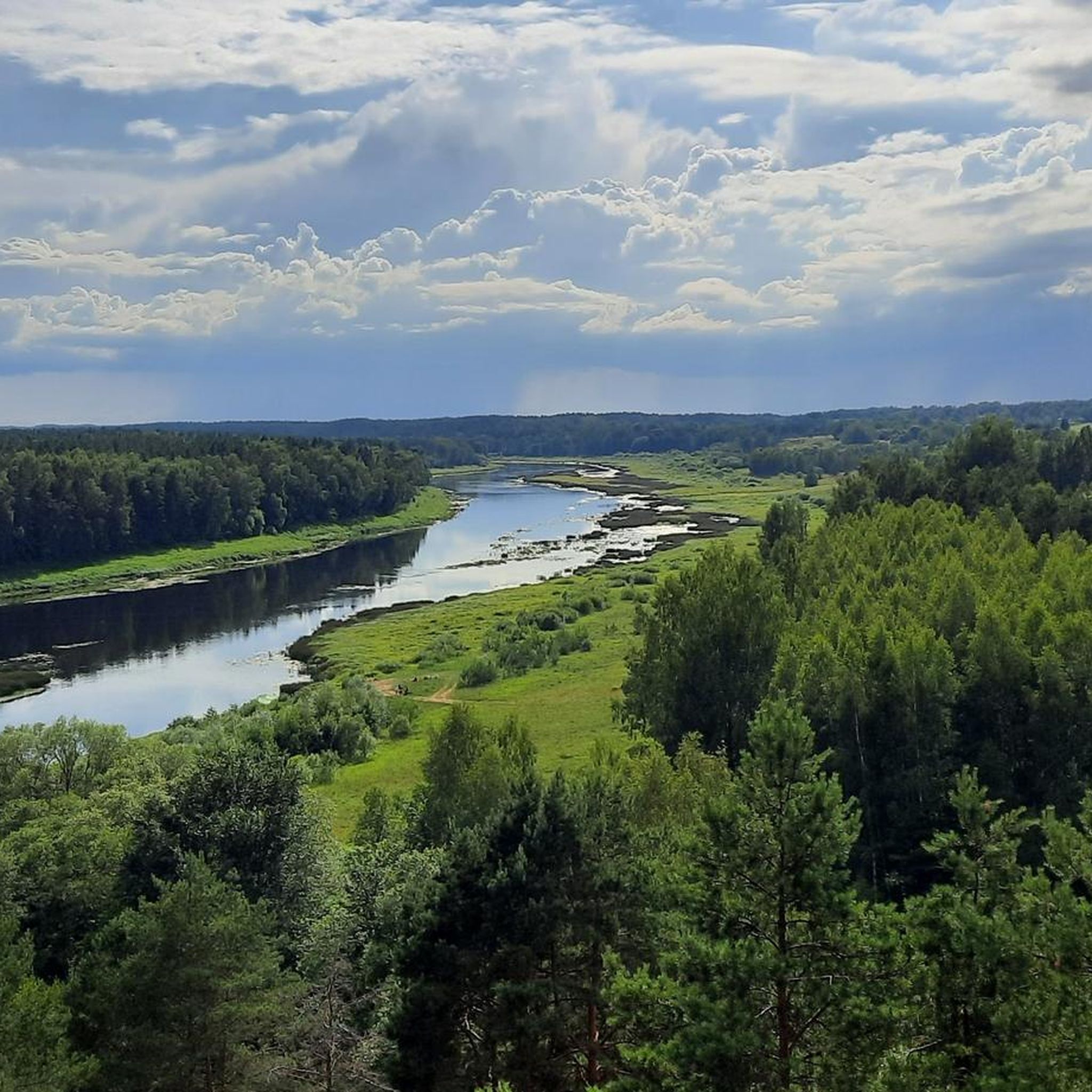
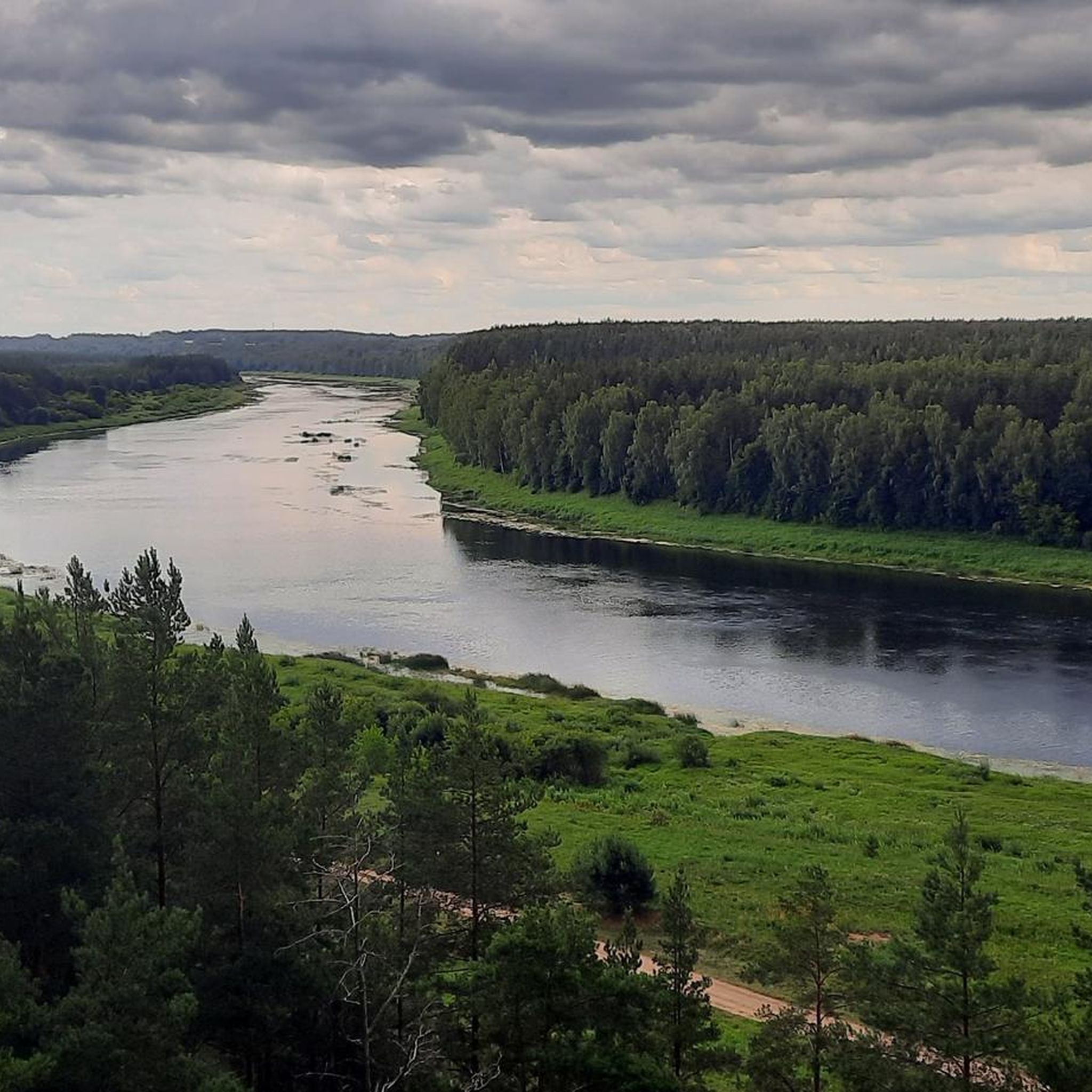
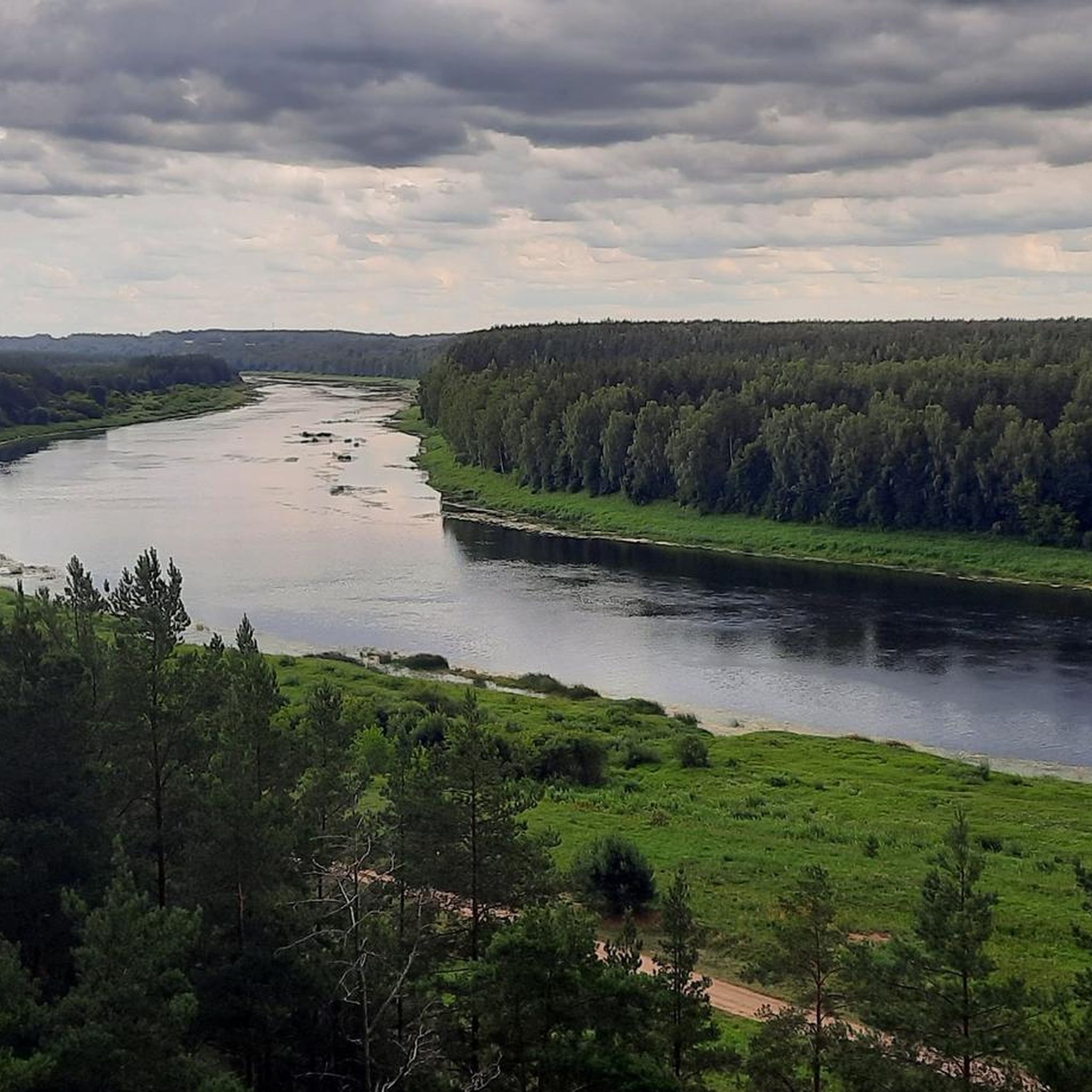
Beyond the numerous lakes, keep an eye out for unique natural attractions like the Nīcgale Boulder or the Plisūns secular stone. The Daugavas Loki (Daugava's Bends) Nature Park, with its distinctive river arches, also offers exceptionally beautiful scenery.
Is Latgale suitable for family road cycling trips?
Yes, Latgale can be suitable for family road cycling, especially on the easier, flatter sections and designated loops. The region's tranquil, sparsely populated nature makes for a safer and more enjoyable experience away from heavy traffic. Routes like the Stropu Lake – Jaunbūve loop from Daugavpils are relatively short and easy, making them good options for families.
Are there any specific road cycling routes that offer great viewpoints?
Many routes in Latgale offer scenic viewpoints due to the region's hilly terrain and abundance of lakes. The area around Lake Rāznas, often called the 'Latgalian Sea,' provides magnificent views, especially from Mākoņkalns hill. The Daugavas Loki Nature Park also features elevated spots like the Slutiski Scarp, offering panoramic views of the Daugava valley.
Most popular attractions in Latgale

Get inspired with the komoot mobile app


