Attractions and Places To See in Louisiana - Top 20
Best attractions and places to see in Louisiana showcase a blend of rich history, diverse cultures, and unique natural landscapes. The state features bustling city centers like New Orleans, alongside serene swamps and extensive national forests. From historic architecture to vast river basins, Louisiana offers a wide array of experiences for visitors exploring its distinct geography and cultural heritage.
Best attractions and places to see in Louisiana
- The most popular attractions is Big Lake City Park, a lake that is surrounded by art sculptures and provides a natural habitat for many birds. It offers a small bike path on a pier extending over the water.
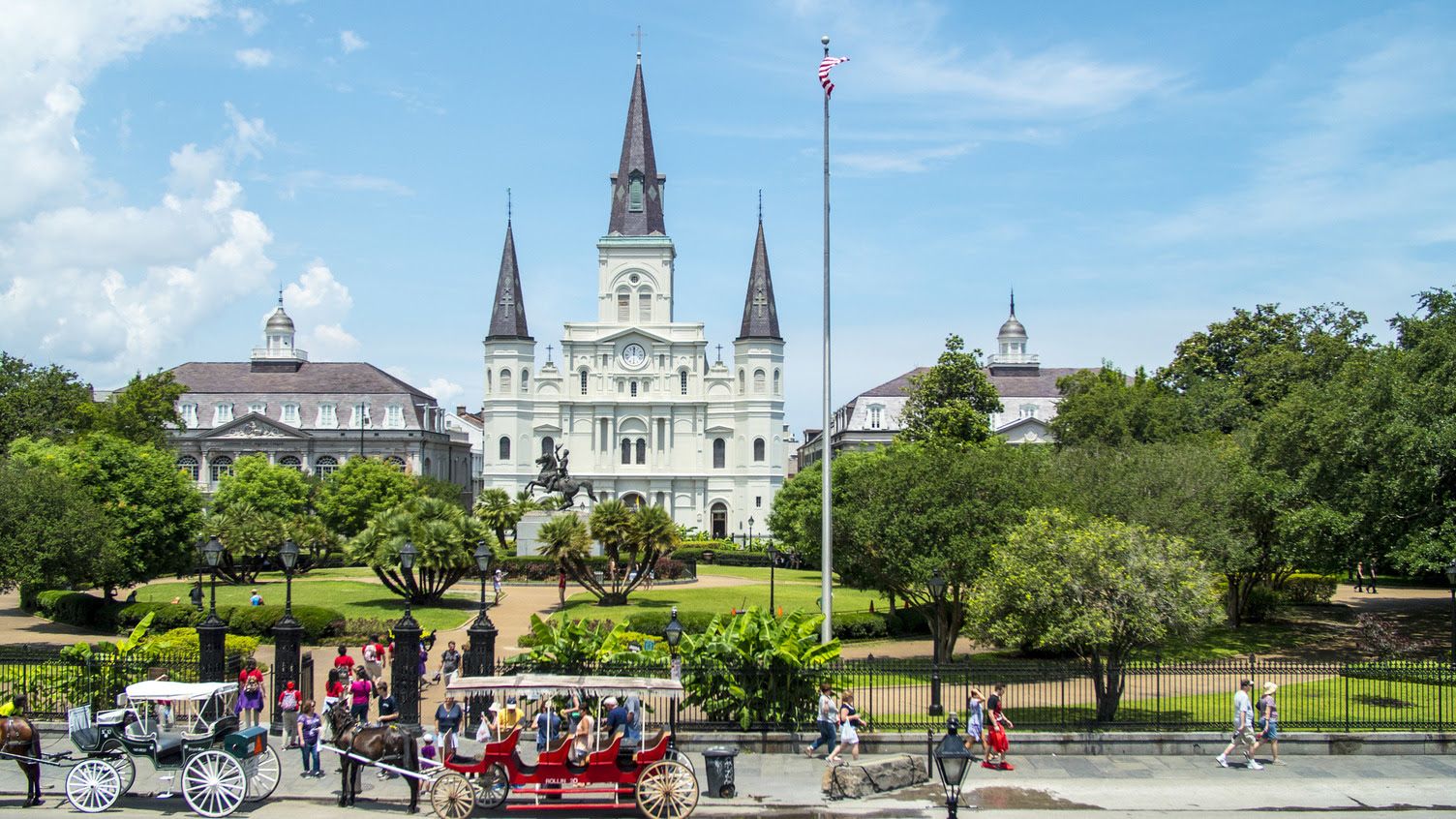
- Another must-see spot is Jackson Square, a historical site and viewpoint. Visitors can expect to see an imposing statue of Andrew Jackson, making it one of New Orleans' most recognizable landmarks.
- Visitors also love Steamboat Natchez on the Mississippi River, a man-made monument. It is special for offering relaxing experiences on the water, whether observing ships or taking part in a trip on the river.
- Louisiana is known for its historical sites, natural features, and cultural attractions. The state offers a variety of experiences, from exploring antebellum plantations to navigating vast river swamps and vibrant city centers.
- The attractions in Louisiana are appreciated by the komoot community, with 6 upvotes and 32 photos shared by visitors.
Last updated: October 9, 2026
Lafayette Cemetery No. 1
Highlight • Historical Site
Translated by Google •
Tip by

Steamboat Natchez
Highlight • Monument
Tip by

Sign up now to discover places like this
Get recommendations on the best single tracks, peaks, & plenty of other exciting outdoor places.
French Quarter Historic Architecture
Highlight • Historical Site
Translated by Google •
Tip by
St. Louis Cathedral
Highlight • Religious Site
Tip by

Jackson Square
Highlight • Historical Site
Translated by Google •
Tip by

Steamboat Natchez on the Mississippi River
Highlight • Structure
Translated by Google •
Tip by
Woldenberg Riverfront Park
Highlight • Structure
Translated by Google •
Tip by

St. Charles Avenue Streetcar
Highlight • Monument
Tip by
Oak Alley Plantation
Highlight • Historical Site
Translated by Google •
Tip by
Big Lake City Park
Highlight • Lake
Tip by

Sign up for free to discover even more attractions in Louisiana.
Already have an account?
Start today with a free account
Your next adventure awaits.
Popular around Louisiana

Tips from the Community

As the sun sets over the French Quarter, a striking image appears on the New Orleans skyline: the illuminated cross atop St. Louis Cathedral. Perched on the cathedral's central spire, this cross is subtly yet powerfully illuminated, creating a spiritual beacon in the nighttime cityscape. The cross is not only a religious symbol but also a visual reminder of the city's historical and cultural roots. Visible from Jackson Square and even from the riverfront, it contributes to the mystical atmosphere so characteristic of New Orleans.
2
0
Jackson Square is a historic square in the heart of the French Quarter of New Orleans, Louisiana. It is named after General Andrew Jackson, who played a key role in the Battle of New Orleans in 1815.
1
0

Oak Alley Plantation, an old sugar cane plantation located on the west bank of the Mississippi River in Louisiana, is known for its impressive avenue of ancient oak trees leading to the 19th-century mansion. Scenes from Interview with the Vampire, Hush… Hush, Sweet Charlotte, and The Long Hot Summer were filmed here. Beyoncé's Deja Vu was also filmed here. Today, the property is open to the public.
0
0
Lafayette Cemetery No. 1 is located in New Orleans' Garden District and was established in 1833. On a single block, there are approximately 1,100 family plots, many of which have been used for generations. The cemetery is known for its dense development, clearly structured pathways, and some of the elaborately designed gravesites. The site has been used as a filming location several times: scenes for Interview with the Vampire, Double Jeopardy, The Originals, and Dracula 2000, among others, were shot here.
0
0
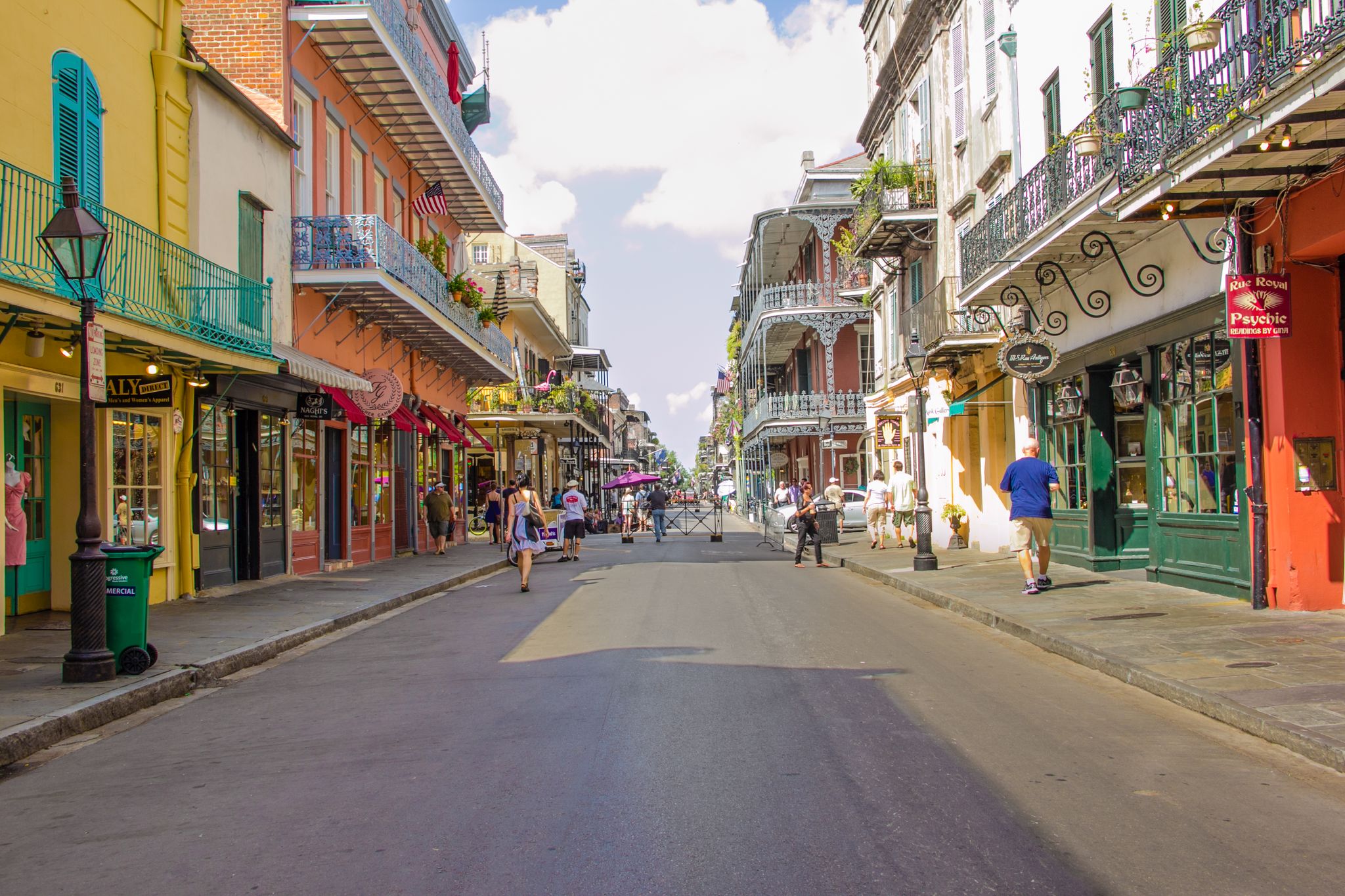
The French Quarter is the historic heart of New Orleans and is considered the city's oldest district. Its origins date back to 1718, when the first buildings were built around the central square. Today, colorful facades, wrought-iron balconies, and colonial architecture characterize the area. Many houses date back to the Spanish period. The district was designated a historic landmark in 1965 and is a tourist attraction with museums, music clubs, cafes, and vibrant street art.
0
0


Imposing statue right in the center of the city
3
0
Frequently Asked Questions
What are some unique historical attractions to visit in Louisiana?
Louisiana is rich in history. You can explore the iconic Jackson Square and the adjacent St. Louis Cathedral in the French Quarter, which are central to New Orleans' past. Beyond the city, consider visiting plantations like Oak Alley or Laura Plantation in Vacherie for a glimpse into antebellum history, or the Gothic-style Louisiana's Old State Capitol in Baton Rouge. Natchitoches, the state's oldest permanent settlement, also offers historic landmarks and the Fort St. Jean Baptiste State Historic Site.
Are there family-friendly attractions in Louisiana?
Yes, Louisiana offers many attractions suitable for families. In New Orleans, the Jackson Square area, including the St. Louis Cathedral and the French Market, is great for exploring. A ride on the St. Charles Avenue Streetcar offers a scenic way to see the city. For nature, Big Lake City Park is surrounded by art sculptures and is a natural habitat for birds. The National WWII Museum in New Orleans and the Sci-Port Discovery Center in Shreveport also provide engaging experiences for all ages.
What natural features can I explore in Louisiana?
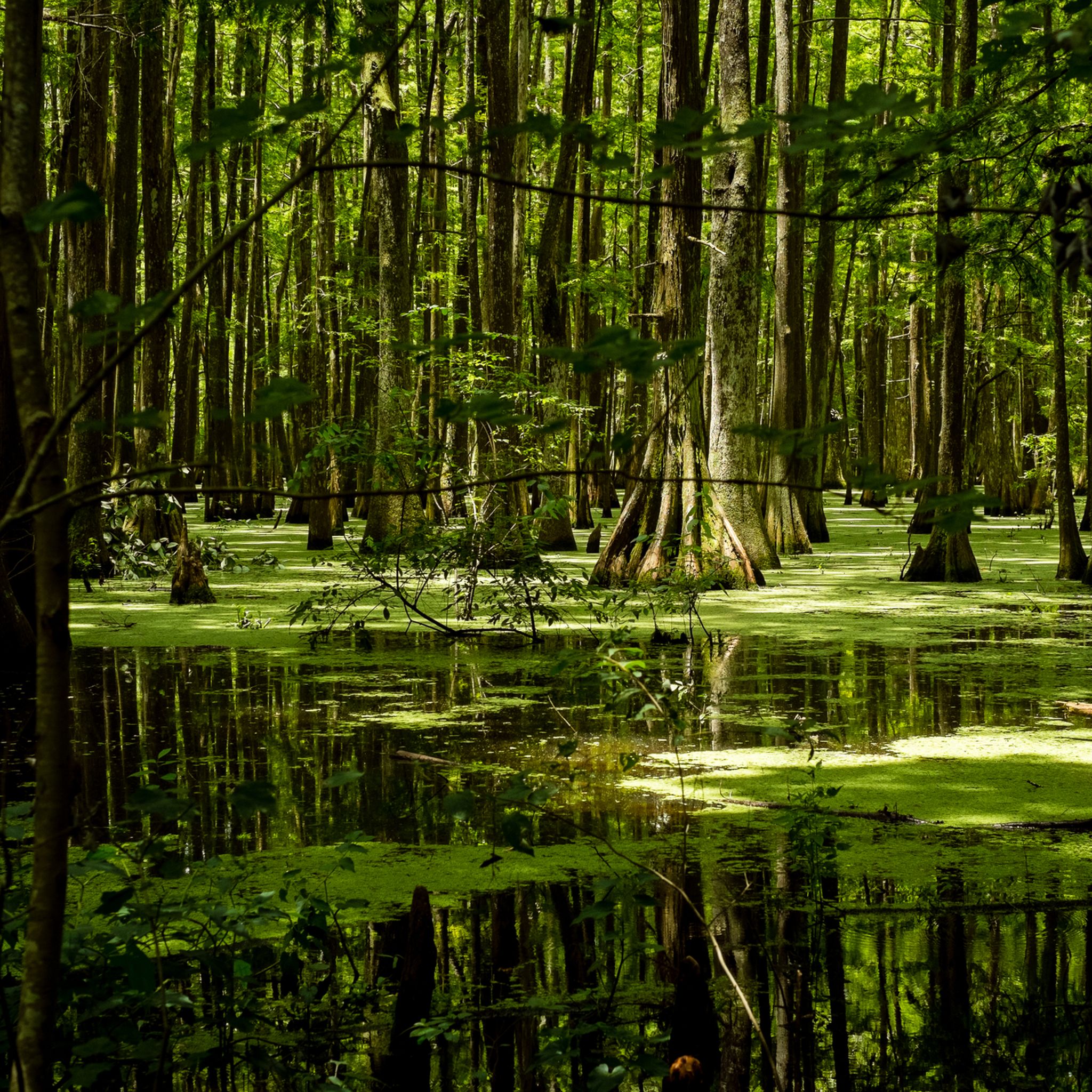
Louisiana boasts diverse natural landscapes. The Big Lake City Park offers a serene lake environment with a bike path. You can explore the vast Atchafalaya River Basin, the largest river swamp in the country, known for its wildlife and swamp tours. Kisatchie National Forest provides trails and lakes, while Jean Lafitte National Historical Park and Preserve offers boardwalks through wetlands to spot alligators and birds. The Creole Nature Trail is also excellent for wildlife viewing and scenic drives.
What outdoor activities can I do near Louisiana's attractions?
Many attractions are close to outdoor activity options. For running, you can find routes like the 'Woldenberg Riverfront Park – Jackson Square loop' or the 'Audubon Park loop'. Hiking opportunities include the 'Audubon Park Loop' and 'Cane Bayou Hiking Trail'. If you prefer cycling, consider the 'Mississippi River Levee Trail' or the 'Mississippi River and Lake Pontchartrain Loop'. You can find more details on these and other routes in the Running Trails in Louisiana, Hiking in Louisiana, and Road Cycling Routes in Louisiana guides.
What cultural sites are prominent in Louisiana?
Louisiana's culture is vibrant and diverse. The French Quarter Historic Architecture in New Orleans is a cultural hotspot, home to museums like The Cabildo and the New Orleans Jazz Museum. Lafayette is the heart of Cajun Country, with attractions like Acadian Village and Vermilionville showcasing traditional Cajun life. Natchitoches, the oldest permanent settlement, offers a charming riverfront and historic sites. The Louisiana State Museums across the state also preserve and present its rich heritage.
What is the best time of year to visit Louisiana attractions?
The best time to visit Louisiana attractions is generally during the cooler, drier months from October to May. The weather is more pleasant for exploring cities and outdoor sites. Summers (June to September) can be very hot and humid, with a higher chance of thunderstorms, though many indoor attractions are air-conditioned. If you plan to attend Mardi Gras, typically in February or March, be aware that New Orleans will be very crowded and accommodations should be booked well in advance.
Are there any wheelchair accessible attractions in Louisiana?
Yes, efforts have been made to ensure accessibility at various sites. The St. Charles Avenue Streetcar in New Orleans is noted for its accessibility. Many modern museums, such as The National WWII Museum, are designed to be wheelchair-friendly. It's always recommended to check specific attraction websites for detailed accessibility information before your visit.
Where can I experience Louisiana's unique culinary scene?
Louisiana's culinary scene is a major draw. The French Market in New Orleans is a fantastic place to sample local foods and enjoy live music. Lafayette, as the heart of Cajun Country, offers authentic Cajun and Creole cuisine. Natchitoches is famous for its meat pies. Many restaurants throughout the state, especially in New Orleans, offer classic dishes like gumbo, jambalaya, and po'boys.
What do visitors enjoy most about attractions in Louisiana?
Visitors frequently praise the unique atmosphere and historical depth of Louisiana's attractions. The vibrant energy of the French Quarter, the relaxing experience of a Steamboat Natchez on the Mississippi River cruise, and the imposing presence of Jackson Square are often highlighted. Many also appreciate the opportunity to explore the state's natural beauty, from serene lakes like Big Lake City Park to vast swamps, and the rich cultural experiences found in places like the French Market.
Are there opportunities for wildlife viewing in Louisiana?
Absolutely. Louisiana's diverse ecosystems provide excellent opportunities for wildlife viewing. The Atchafalaya River Basin is a critical habitat for over 65 species of reptiles and amphibians, and has the largest nesting concentration of bald eagles in the South. Jean Lafitte National Historical Park and Preserve offers boardwalks where you can spot alligators and various bird species. Avery Island, home to the Tabasco factory, also supports diverse flora and fauna. The Creole Nature Trail is another prime location for observing alligators and migratory birds.
What are some lesser-known or 'hidden gem' attractions in Louisiana?
While popular spots are fantastic, Louisiana also has hidden gems. Consider exploring the historic Lafayette Cemetery No. 1 for its unique above-ground tombs and historical significance. The St. Charles Avenue Streetcar offers a charming, authentic New Orleans experience often overlooked by those focused solely on the French Quarter. Outside of New Orleans, the extensive Kisatchie National Forest offers diverse ecosystems and trails away from the typical tourist routes, and Driskill Mountain provides a unique hiking experience to Louisiana's highest natural peak.
What kind of architecture can I expect to see in Louisiana?
Louisiana's architecture is a blend of its French, Spanish, and American influences. The French Quarter Historic Architecture in New Orleans is famous for its colorful facades, wrought-iron balconies, and colonial buildings. You'll also find grand Greek Revival mansions at plantations like Oak Alley, and the distinctive Gothic Revival style of Louisiana's Old State Capitol in Baton Rouge. The current Louisiana State Capitol building showcases striking Art Deco design.
Most popular routes in Louisiana
Most popular attractions in Louisiana

Get inspired with the komoot mobile app


Didn’t find what you were looking for?
Are you keen on exploring more awesome places nearby? Browse our guides:
Explore more
Still not found the Highlight you’re looking for? See guides of the top attractions in other regions:
