Top 20 Natural Monuments around Taura
Best natural monuments around Taura, a municipality in Saxony, Germany, offer diverse natural and geological features. The region is characterized by river valleys, forested areas, and elevated viewpoints. These sites provide opportunities to experience the local landscape and its unique formations. The natural attractions around Taura are primarily located within the Mittelsachsen district.
Best natural monuments around Taura
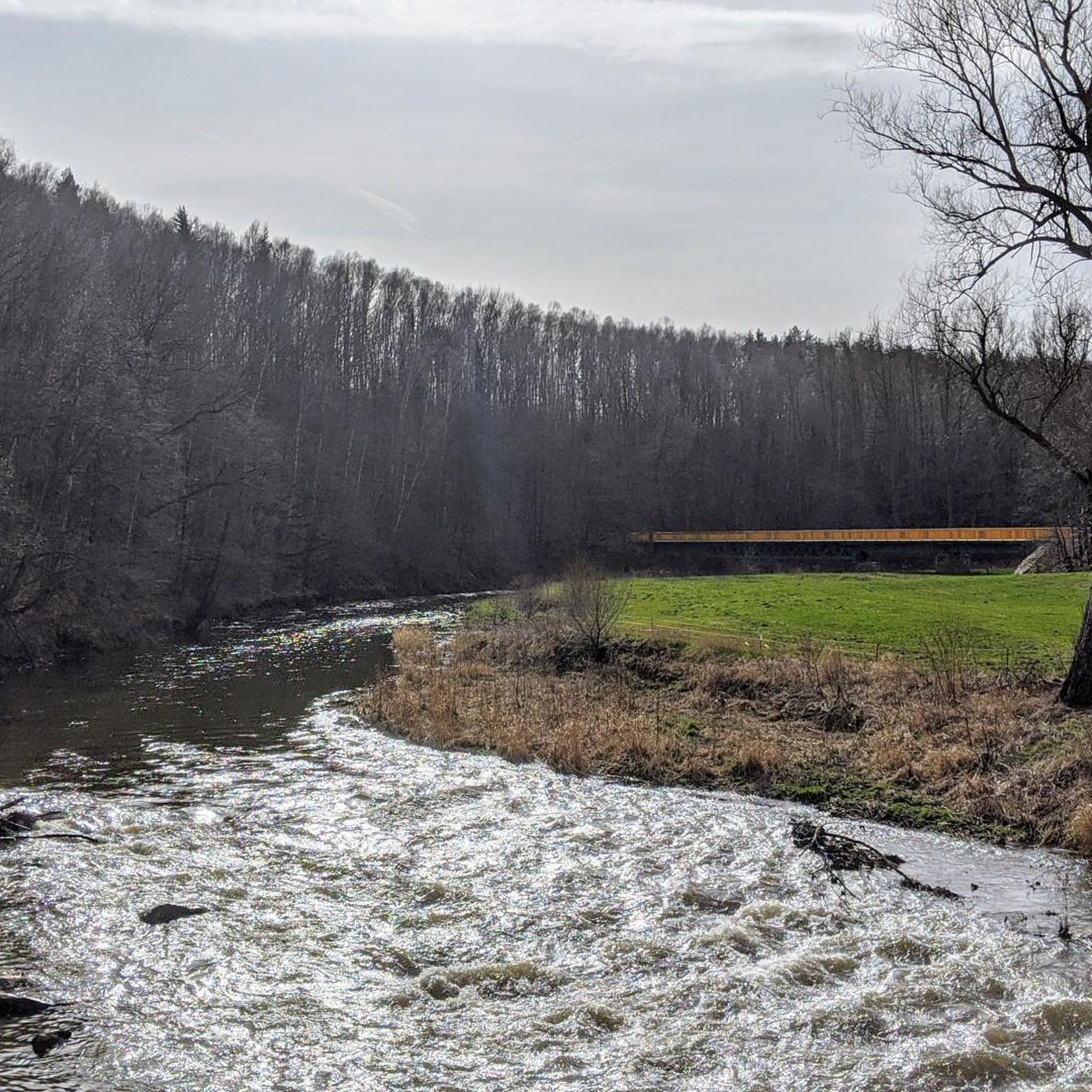
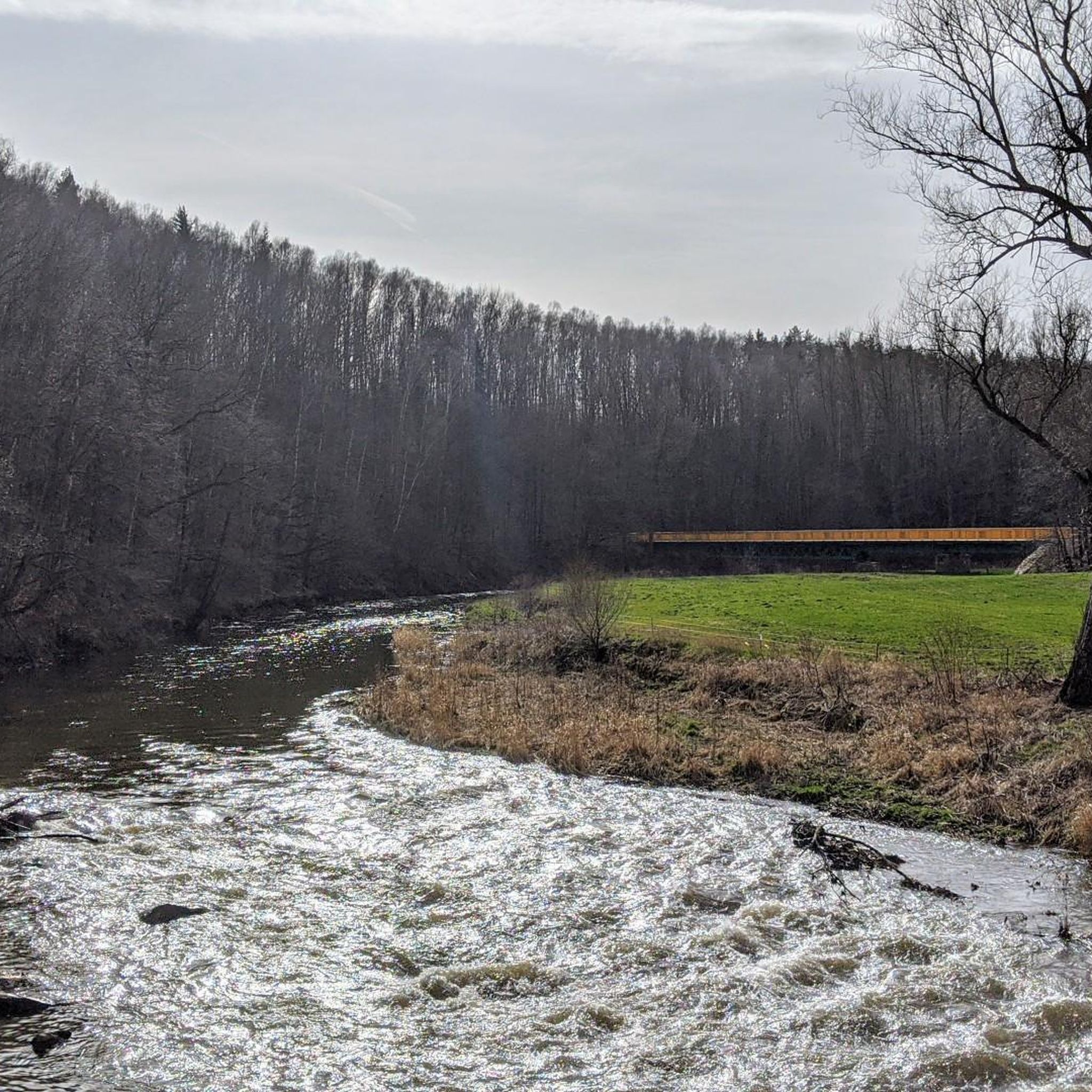
- The most popular natural monuments is Braunsdorf Weir, an other man-made structure that offers a resting place by the rushing water.…
Last updated: October 13, 2026
Maria Josepha Tower (Totenstein) Observation Tower
Highlight • Viewpoint
Translated by Google •
Tip by

Braunsdorf Weir
Highlight • Structure
The coffee racer is on tour again, Saturdays and Sundays from 11 a.m. to 5 p.m. at …
Translated by Google •
Tip by

Sign up now to discover places like this
Get recommendations on the best single tracks, peaks, & plenty of other exciting outdoor places.
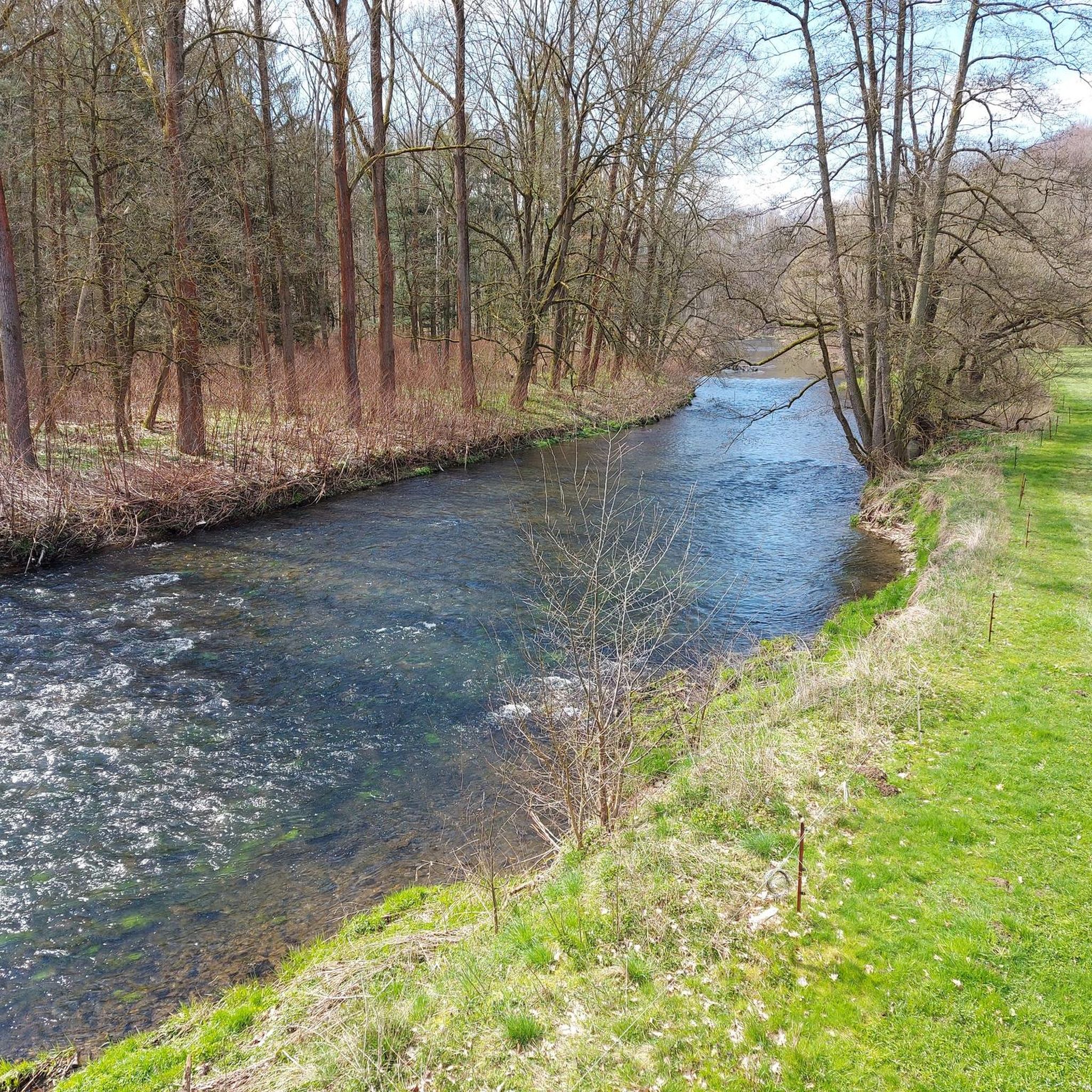
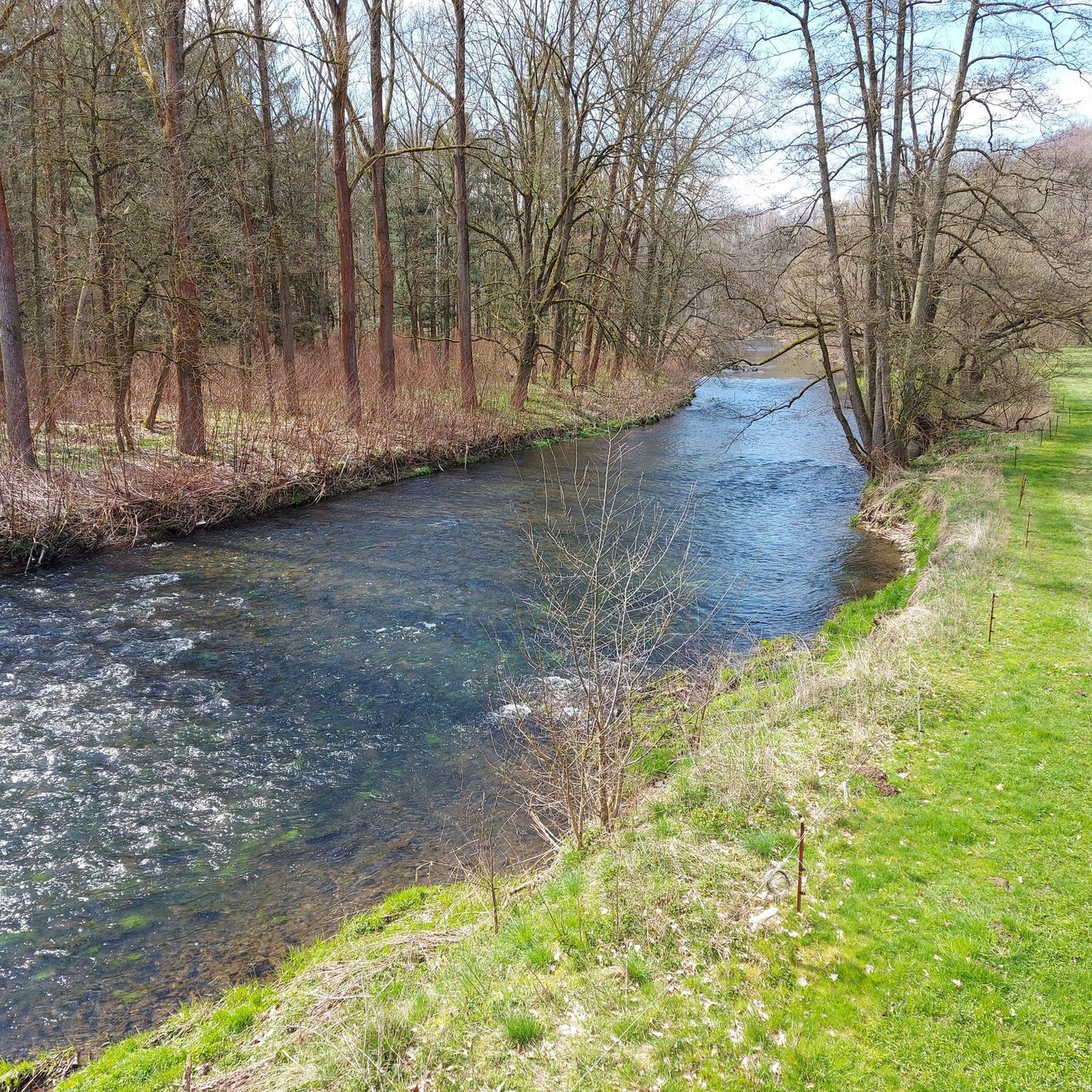
Giant's kettles in the Chemnitz Valley (Schweizertal)
Highlight (Segment) • Natural Monument
Translated by Google •
Tip by

Rose Garden
Highlight • Natural
Translated by Google •
Tip by

Claußnitz Quarry
Highlight • Lake
Translated by Google •
Tip by
Sign up for free to discover even more natural monuments around Taura.
Already have an account?
Start today with a free account
Your next adventure awaits.
Tips from the Community

In 1904/05, Otto Werner transformed the approximately 30-meter-wide strip of land adjacent to the small pond, which had been owned by Messrs. Salzer, Herfurth, and Krumbiegel, into a rose garden, and the area from Metzer Straße (today: Heinrich-Lorenz-Straße) to Händelstraße into a narrow promenade. https://www.sachses-ruh.de/wir-über-uns/stadtpark/
1
0

Very beautifully laid out rose garden. It is regularly maintained and when the roses are in season you can admire lots of roses in all sorts of colors. There are also benches which are great for a rest but it is best to always have a sun hat with you as everything there is in the blazing sunshine.
1
1

Nice destination, above Grüna.
8
1

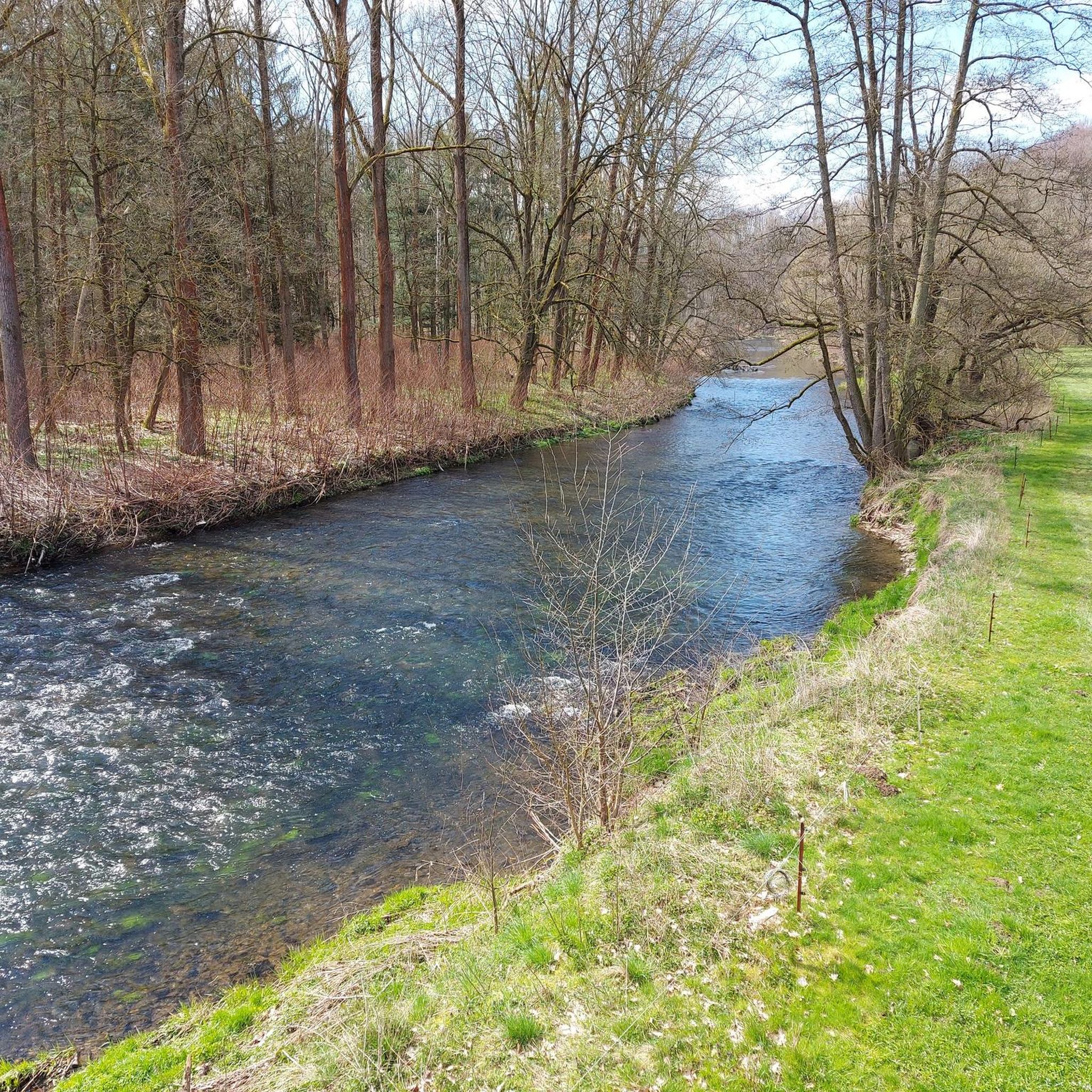
One of the most beautiful sections of the Chemnitz Valley along the cycle path leads into the Schweizerthal, past the Strudel pots in the Chemnitztal - Claußnitz municipality. Strudel pots in the Chemnitztal Stony works of art from the power of nature Extraordinary rock formations, the so-called “Strudeltöpfe”, immediately catch the eye on a trip through the Chemnitz Valley. They are unique for all of Germany. The strudel pots (also called giant pots) are a geological feature of the region and cannot be overlooked when taking a walk along the Chemnitz in the Schweizerthal. They are unique in the area. Something comparable can only be found in Scandinavia or Switzerland.
3
0

Our favorite section in the Chemnitz Valley, it's a shame it's so short...
4
0

Please have your camera ready.
5
1

Good rest stop for a rest. Located directly on the bike path.
4
0
Frequently Asked Questions
What kind of natural monuments can I expect to see around Taura?
The natural monuments around Taura, a municipality in Saxony, Germany, primarily feature river valleys, unique geological formations, and scenic viewpoints. You'll find a mix of natural and man-made structures integrated into the landscape, such as weirs and observation towers that offer views of the surrounding nature.
Are there family-friendly natural attractions in the Taura area?
Yes, several natural monuments around Taura are suitable for families. For instance, the Castle Pond, Chemnitz is described as a nice place for young and old. The Braunsdorf Weir offers a relaxing spot by the rushing water, and the Giant's kettles in the Chemnitz Valley (Schweizertal) provide trails along the river that are enjoyable for families.
What are some of the most popular natural monuments to visit near Taura?
Among the most popular natural monuments are the Braunsdorf Weir, known as a relaxing spot by the Zschopau river, and the Maria Josepha Tower (Totenstein) Observation Tower, which provides extensive views of the landscape. Visitors also highly appreciate the Giant's kettles in the Chemnitz Valley (Schweizertal) for its unique geological features.
Are there hiking opportunities near the natural monuments around Taura?
Absolutely! The region offers various hiking trails. For easy walks, you can explore routes like the 'Herrenhaide Nature Conservation Station – Herrenhaide Forest Sports Ground loop' or the 'Wettinhain Pond – Taurastein Tower loop'. More moderate hikes include the 'Auerswalde Suspension Bridge – Volksteich Pond loop'. You can find more details on these and other routes in the Hiking around Taura guide and the Easy hikes around Taura guide.
Can I find cycling routes that pass by natural monuments in Taura?
Yes, the area around Taura is great for cycling. The Giant's kettles in the Chemnitz Valley (Schweizertal), for example, is located along the Chemnitztal Cycle Path. You can discover various road cycling routes, such as the 'View of the Lulatsch Tower loop from Markersdorf-Taura' or the 'Chemnitz Bridge Göritzhain – St. Moritz Church Taura loop'. More cycling options are available in the Road Cycling Routes around Taura guide.
What unique geological features can be observed in Taura's natural monuments?
The Giant's kettles in the Chemnitz Valley (Schweizertal) are a prime example of unique geological formations in the region. Here, the Chemnitz river flows through an area with rapids and large boulders, creating a landscape reminiscent of a mountain stream. The area's river valleys and rock formations are characteristic of the Mittelsachsen district.
Are there any historical sites among the natural monuments?
Yes, some natural monuments also have historical significance. The Maria Josepha Tower (Totenstein) Observation Tower is considered a historical site in addition to being a viewpoint. Furthermore, the Castle Pond, Chemnitz was originally created in 1493 as a fish pond for a Benedictine monastery, making it a site with a rich history.
What do visitors particularly enjoy about the natural monuments around Taura?
Visitors often highlight the peaceful atmosphere and scenic beauty. Many enjoy the opportunity to relax by the water, such as at Braunsdorf Weir, or to take in expansive views from spots like the Maria Josepha Tower. The trails along the rivers, like those near the Giant's kettles, are also very popular for their natural charm.
Are any of the natural monuments accessible for people with wheelchairs?
The Castle Pond, Chemnitz is listed as wheelchair accessible, offering an opportunity for everyone to enjoy its natural beauty and historical context. For other locations, it's advisable to check specific accessibility details before visiting, as terrain can vary.
What is the best time of year to visit the natural monuments in Taura?
While specific recommendations vary, the region's river valleys and forested areas, such as the Zwickauer Mulde River Bend, are particularly beautiful in autumn when the trees display vibrant colors. Spring and summer also offer pleasant weather for hiking and cycling, allowing visitors to fully enjoy the outdoor attractions.
Are there any natural monuments that offer good viewpoints?
Yes, viewpoints are a prominent feature among Taura's natural monuments. The Maria Josepha Tower (Totenstein) Observation Tower is specifically designed for panoramic views. Other sites like the Braunsdorf Weir and the Zwickauer Mulde River Bend also offer scenic spots to take in the landscape.
Can I bring my dog to the natural monuments and trails around Taura?
Many outdoor areas in Germany, including natural monuments and hiking trails, are generally dog-friendly, provided dogs are kept on a leash and owners clean up after them. While specific rules for each monument are not detailed, the numerous trails and natural settings suggest good opportunities for dog walking. Always check local signage for any specific restrictions.
Most popular routes around Taura
Most popular attractions around Taura

Get inspired with the komoot mobile app


Explore more
Extend your search for the best caves by checking out these guides of the top ones around Taura:
