The best gravel rides around Gétigné
4.3
(37)
223
riders
58
rides
Gravel biking around Gétigné offers diverse landscapes shaped by the Sèvre Nantaise and Moine rivers, providing numerous riverside paths. The region is situated within the Nantes Vineyard, featuring scenic vineyard panoramas and wooded areas that offer varied terrain. This area provides a mix of farm tracks, forest trails, and dirt roads, suitable for gravel biking. The terrain includes varied elevations, catering to different cycling experiences.
Best gravel bike trails around Gétigné
- The most popular gravel bike trail is Château de…
Last updated: July 3, 2026
4.5
(4)
35
riders
47.1km
03:17
430m
430m
Moderate gravel ride. Good fitness required. Mostly paved surfaces. Suitable for all skill levels.
4.8
(9)
25
riders
44.8km
02:37
270m
270m
Moderate gravel ride. Good fitness required. Mostly paved surfaces. Suitable for all skill levels.

Sign up for free
5.0
(2)
13
riders
72.6km
04:49
600m
600m
Hard gravel ride. Very good fitness required. Mostly paved surfaces. Suitable for all skill levels.
3.7
(3)
14
riders
34.0km
02:17
270m
270m
Moderate gravel ride. Good fitness required. Mostly paved surfaces. Suitable for all skill levels.
10
riders
80.8km
05:06
490m
490m
Hard gravel ride. Very good fitness required. Mostly paved surfaces. Suitable for all skill levels.
Get access to more routes and recommendations from other explorers.
Sign up for free
Already have an account?
Our route recommendations are based on thousands of hikes, rides, and runs completed by other people on komoot.
Start today with a free account
Your next adventure awaits.
Login or Signup

Tips from the Community

The Hellfest is one of the largest extreme music festivals in Europe, held annually in Clisson, France, bringing together tens of thousands of metal, punk, and hard rock enthusiasts. Its site is distinguished by monumental, immersive, and spectacular decorations, transforming the location into a true ephemeral "metal city" with a unique atmosphere.
0
0

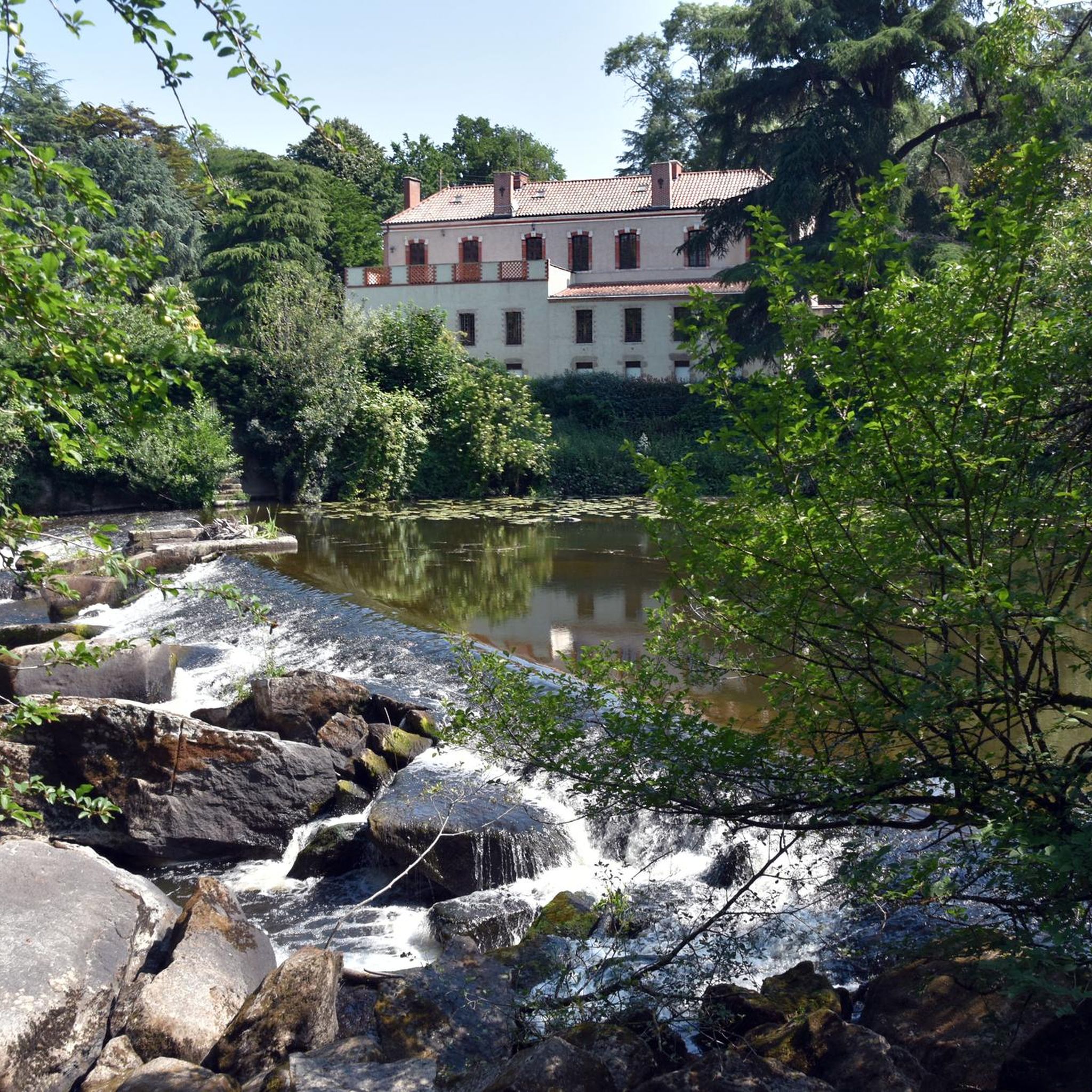
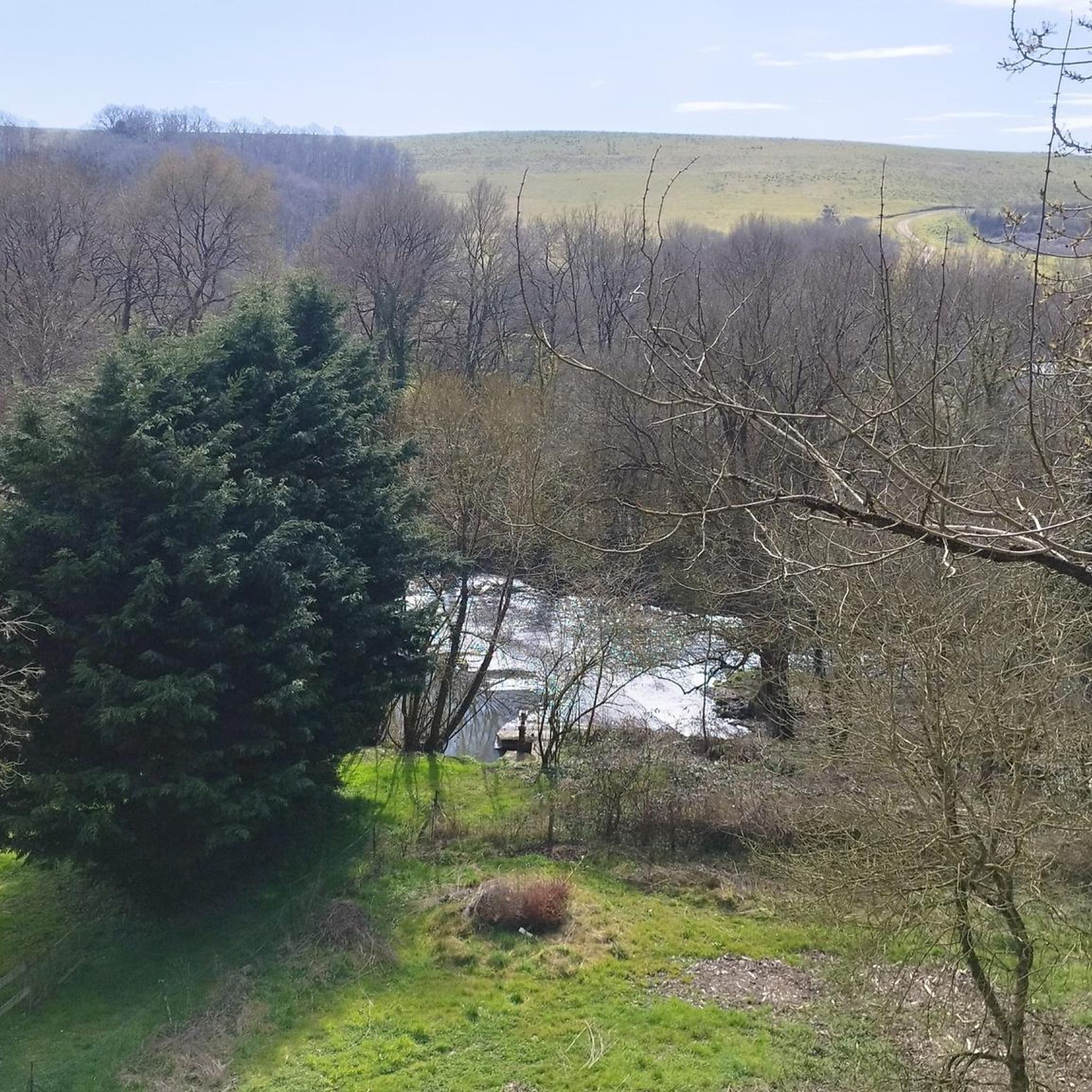
Owned by the Departmental Council, the Bois de Buis is easily accessible from the parking lot of the Moulin du Liveau site, located along the RD 113, near the Château de l'Oiselinière. This woodland was once the grounds of the Château de l'Oiselinière, which is situated on the slopes of the Sèvre River in Nantes. The site was left to nature for about fifty years, before being purchased by the Department in 2007. In 2014, the former park was restored to create structures that will allow visitors to better appreciate this natural setting, where some one hundred animal and plant species thrive. It features a scenic lookout overlooking the Sèvre River and offers panoramic views of the village of Gorges. Activities and guided tours are regularly organized for the public. This site is classified as a sensitive natural area. Surface area (in m²): 30,000 m² (3 ha) Play area: No Bowling court: No Pets allowed: Yes Bathrooms: Yes (near the Moulin du Liveau) Other: For more information, visit the Loire-Atlantique nature walks website.
0
0
Clisson Castle has quite a story to tell: first an impregnable fortress overlooking the Sèvre, then a ducal residence, and finally a romantic ruin. In the 12th century, the powerful lordship of Clisson built this stone castle with highly elaborate defensive architectural systems: arrow slits, gun ports, and slits. A strategic point protecting the border of the Duchy of Brittany in the 15th century, it was abandoned by its owners from the second half of the 17th century onward before being burned down by Republican troops in 1793. But, beyond its grand history, this castle also has a more historic significance! In 1807, François-Frédéric Lemot, creator of the Garenne Lemot estate (a picturesque landscape located on the other side of the river), was captivated by these ruins and purchased it to turn it into an ornamental factory. The château was declared a historic monument in 1924, before being acquired by the Loire-Atlantique department in 1962. Today, visitors can visit it, take a guided tour, or simply experience its history. A stop on the Journey through the Vineyard, it's a stopover during the wine tourism tour of Nantes' wine country, featuring natural sites, heritage features, characterful villages, and unique cellars.
1
0
The last remaining witness to the region's papermaking industry, the association "Pour les arts graphiques en Vallée de Clisson" (For Graphic Arts in the Clisson Valley) has been working with local authorities since 1998 to revive the 19th-century papermaking industry at Le Liveau in Gorges. The Moulin du Liveau is a superb example of the region's Italianate architecture. With the active support of local authorities, the mill, owned by the municipality of Gorges, was restored to its original purpose as a paper mill. This magnificent site on the Sèvre Nantaise River in the Clisson Valley opened to the public in spring 2015. MORE THAN A MUSEUM, IT'S A LIVING WORKSHOP The association "Pour les arts graphiques en Vallée de Clisson" offers activities centered around the history and manufacture of paper. Children and adults alike can discover the mechanisms of the paper mill, handcraft their own sheets of paper, and learn about printing. An informative journey through history, accompanied by the ever-present pleasure of playfully recreating the gestures of the past. Inside, a hammer mill powered by a paddle wheel driven by the Sèvre River evokes the preparation of paper pulp from rags. Visitors can also practice calligraphy, participate in writing workshops, take bookbinding courses, and enjoy many other activities.
1
0
The Liveau Paper Mill in Gorges in the Clisson Valley (Loire Atlantique, 44) offers guided tours, educational outings, group visits to the paper mill, papermaking workshops, events, and exhibitions. The mill welcomes you south of Nantes and also offers a shop with a wide selection of paper, stationery, and books. The Liveau Paper Mill is located in Loire-Atlantique, in Gorges on the banks of the Sèvre Nantaise. Two flour mills, one on the right bank, the other on the left bank, made up the Liveau hydraulic site, first mentioned in 1407. Until 1561, it was owned by the lords of Clisson. • 1826, transformation of the right bank mill into a paper mill, a more prosperous activity at that time, and construction of the drying rack (drying rack), marked in its architecture by the strong Italian influence prevalent at that time in the canton of Clisson. • 1827: Papermaking begins at the mill. It produces "large gray paper" or "envelope paper" (wrapping paper) sold to the sugar refineries of Nantes. • 1850: Papermaking ends. • 1851 to 1952: Milling resumes. • 2001: The municipality of Gorges acquires the abandoned mill. • 2004: The "Pour les arts graphiques en vallée de Clisson" association wins first prize from the Fondation du Patrimoine for its project to rehabilitate and promote the Moulin du Liveau, with the support of Gorges elected officials and the Clisson Valley community of municipalities. • 2006: The Fondation du Patrimoine approves the project and brings in financial partners. • 2008-2009: Airtight and watertight construction of the buildings (mill and dryer), half of which was financed by the Total Foundation. Additional funding was provided by the Fondation du Patrimoine, the Crédit Agricole Foundation, parliamentary funds, the Pays de Loire Regional Council, the Loire-Atlantique General Council, the Clisson Valley Community of Communes, the municipality of Gorges, and various private funds. . 2014: Rehabilitation work in preparation for an artisanal papermaking activity, for cultural and tourist purposes. • April 2015: The Liveau paper mill in Gorges welcomes its first visitors.
1
0
The unmissable annual event for extreme music in France. Founded in 2006 and based in the small town of Clisson for 13 years, Hellfest has established itself as one of the leading European festivals offering extreme music. A veritable marathon of hardcore, punk, grind, death metal, and trash, accessible just a few minutes from Nantes by train. More than 160 artists from all over the world perform on six stages for four days of fury! Every June, Clisson becomes the international center of metal culture, attracting more than 100,000 festival-goers to a dedicated venue. In 2014, the Hellfest Festival presented "its" town with a symbolic guitar over 10 meters high (the work of artist J.-F. Buisson), comfortably installed on the Looksor roundabout near the grounds, which welcome more than 100,000 festival-goers each year. Visible from the road, we can see the permanent installations emblematic of the metal aesthetic
0
0
The flower-filled hamlet of Pé de Sèvre, with its 17 exterior staircases, is a typical winegrowing village. The old stone houses are all built according to the same model: the ground floor is used for storing wine, and the upper floor is for living.
1
0

A large medieval castle. It features themed shows, including siege engine demonstrations.
2
0
Frequently Asked Questions
How many gravel bike trails are available around Gétigné?
Gétigné offers a wide selection of gravel biking routes, with nearly 70 trails to explore. These range from easy rides to more challenging options, ensuring there's something for every skill level.
What kind of terrain can I expect on gravel bike trails in Gétigné?
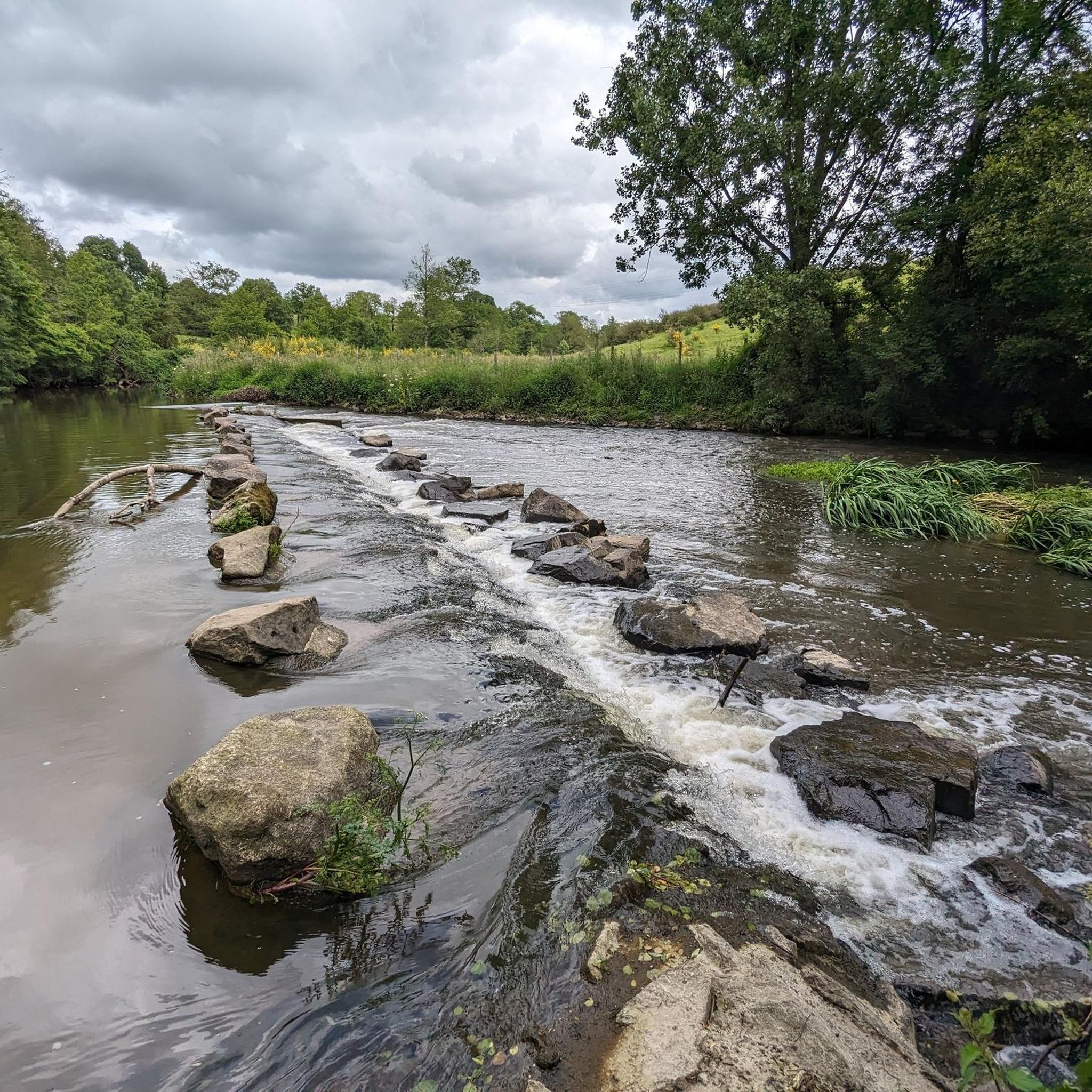
The terrain around Gétigné is quite varied, perfect for gravel biking. You'll encounter a mix of farm tracks, forest trails, and riverside paths, often featuring dirt roads and varied elevations. The region is characterized by riverine landscapes along the Sèvre Nantaise and Moine, as well as scenic vineyard panoramas and wooded areas.
What is the best time of year for gravel biking in Gétigné?
The best time for gravel biking in the Nantes Vineyard region, including Gétigné, is generally from spring through early autumn. During these months, the weather is pleasant, and the vineyards are either in bloom or vibrant with autumn colors, offering beautiful scenery for your rides.
Are there any family-friendly gravel biking routes in Gétigné?
Yes, Gétigné offers routes suitable for families. While many trails are moderate, there are easier options available. For example, the region's network includes routes with varied terrain that can be enjoyed by different skill levels, often along shaded riverbanks or through vineyards.
What natural features or landmarks can I see along the gravel trails?
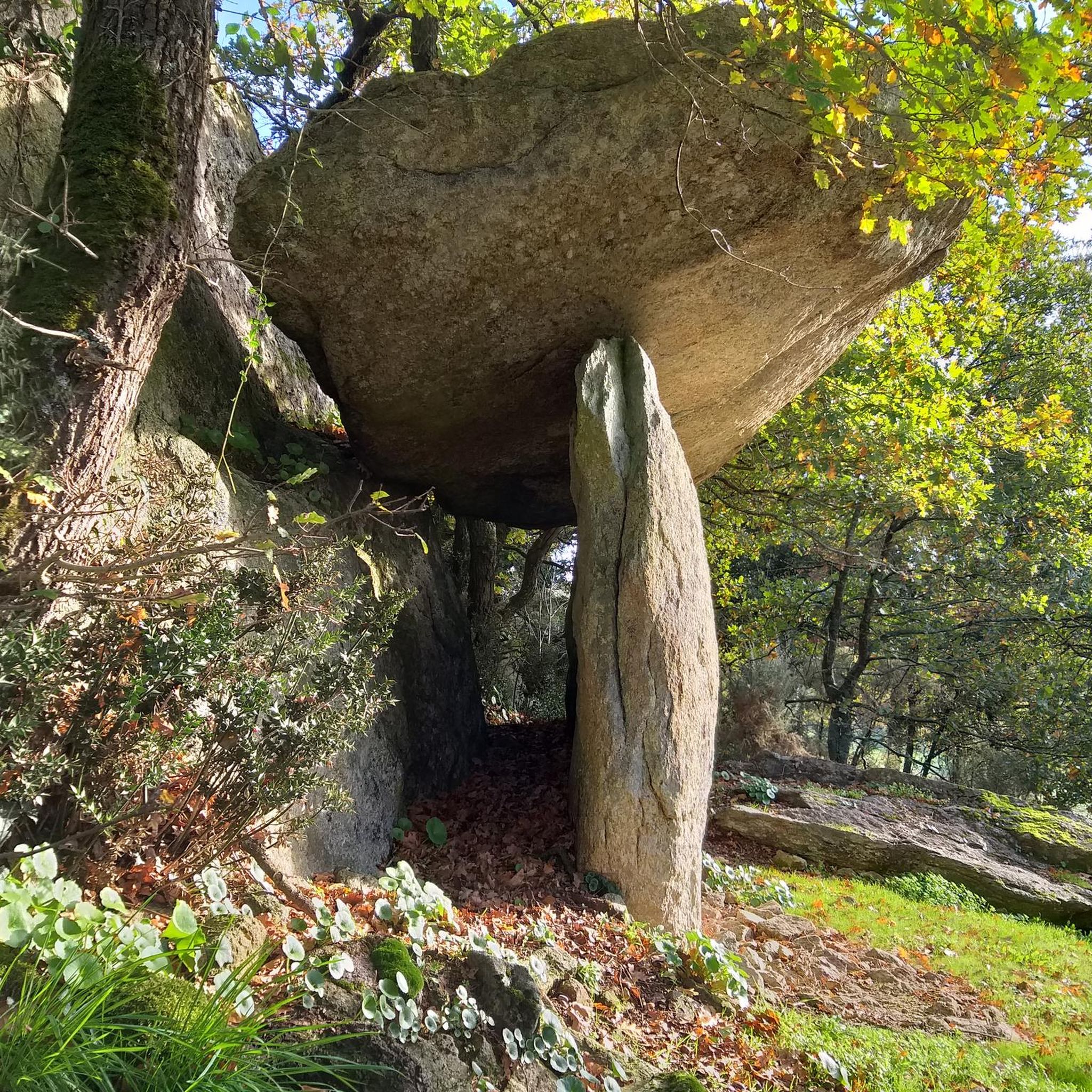
Gravel trails in Gétigné often follow the Sèvre Nantaise and Moine rivers, revealing picturesque views and historical mills. You can also explore natural spaces like the Garenne de la Moine. Notable landmarks include the impressive Château de Clisson and the unique The Arsenal bridge. For natural curiosities, look out for the Leaning Stone Pine of Rue de la Collégiale or the The bowl stone.
Are there any circular gravel biking routes in the area?
Yes, many of the gravel biking routes around Gétigné are designed as loops. For instance, the Château de Clisson – Valley Bridge loop from Clisson is a popular moderate route, and the Port Domino – Port of La Haie-Fouassière loop from Clisson offers river valleys and vineyard panoramas.
What do other gravel bikers enjoy most about Gétigné?
The gravel biking routes in Gétigné are highly rated by the komoot community, with an average score of 4.5 stars. Riders often praise the diverse landscapes, the scenic river valleys, and the charming vineyard panoramas. The mix of surfaces, from farm tracks to forest trails, also contributes to a varied and enjoyable experience.
Are there any challenging gravel routes for experienced riders?
While many routes are moderate, Gétigné does offer more challenging options for experienced gravel bikers. Out of the nearly 70 trails, 13 are classified as difficult, featuring more significant elevation changes and potentially more technical sections to test your skills.
Can I find routes that combine historical sites with natural beauty?
Absolutely. Many routes in Gétigné weave through areas rich in both history and natural beauty. For example, the Château de Clisson – Saint Fiacre Wall loop from Clisson takes you past historical elements while traversing river valleys. You'll often find historical mills along the rivers, adding a cultural dimension to the picturesque landscapes.
Are there specific routes that highlight the vineyards?
Yes, the region is part of the Nantes Vineyard, and many routes offer stunning vineyard panoramas. The The Rousselin mill – Valley Bridge loop from Clisson is one such route that takes you through this characteristic landscape, often interspersed with wooded areas.
What are the typical distances for gravel bike trails in Gétigné?
The gravel bike trails around Gétigné vary in distance. You can find shorter loops, but many popular moderate routes range from approximately 30 to 47 kilometers. For example, the Clisson – The Arsenal loop from Clisson is about 44.8 km, offering a substantial ride through varied terrain.
Most popular attractions around Gétigné

Get inspired with the komoot mobile app


Explore more
Browse the best Gravel rides in other regions.
