Organ Mountains-Desert Peaks National Monument
Organ Mountains-Desert Peaks National Monument
Attractions and Places To See in Organ Mountains-Desert Peaks National Monument - Top 14
Best attractions and places to see in Organ Mountains-Desert Peaks National Monument include a diverse landscape spanning nearly 500,000 acres across five distinct mountain ranges. This region protects significant natural beauty, from the dramatic granite spires of the Organ Mountains to unique volcanic features and desert ecosystems. The monument also holds rich historical and cultural significance, with numerous archaeological sites, ancient petroglyphs, and historic trails like the El Camino Real de Tierra Adentro. Visitors can explore a variety of terrains, offering insights into both natural history and human heritage in the Chihuahuan Desert.
Best attractions and places to see in Organ Mountains-Desert Peaks National Monument
- The most popular attractions is Fillmore Waterfall, a waterfall that is doable as a single day up and down, but requires an early start and a headlight. This iconic walk requires visitors to bring plenty of water.
- Another must-see spot is Slot canyon, a canyon where the stone walls on either side get higher as you hike further in. The path is narrow but generally 4-5 feet wide, offering an adventurous hiking experience.
- Visitors also love Pine Tree Trail upper, a trail that offers increasingly expansive views across the desert as you climb. A creek crossing at Sotol Creek is located near the high point of the climb.
- Organ Mountains-Desert Peaks National Monument is known for its canyons, waterfalls, and trails. The region offers a variety of attractions to see and explore, from natural monuments to scenic viewpoints.
- The attractions in Organ Mountains-Desert Peaks National Monument are appreciated by the komoot community. There are 8 upvotes and 7 photos shared by visitors, showcasing the appeal of these locations.
Last updated: April 23, 2026
Fillmore Waterfall
Highlight • Waterfall
Tip by

Slot canyon
Highlight (Segment) • Canyon
Tip by

Sign up now to discover places like this
Get recommendations on the best single tracks, peaks, & plenty of other exciting outdoor places.
Sign up for free
Pine Tree Trail upper
Highlight (Segment) • Trail
Tip by
Baylor Canyon
Highlight • Canyon
Tip by
Kilbourne Hole
Highlight • Volcano
Hunt's Hole, which is two miles south of here, is a smaller example of the same phenomenon.
Tip by
Sign up for free to discover even more attractions in Organ Mountains-Desert Peaks National Monument.
Sign up for free
Already have an account?
Start today with a free account
Your next adventure awaits.
Login or Signup
Popular around Organ Mountains-Desert Peaks National Monument
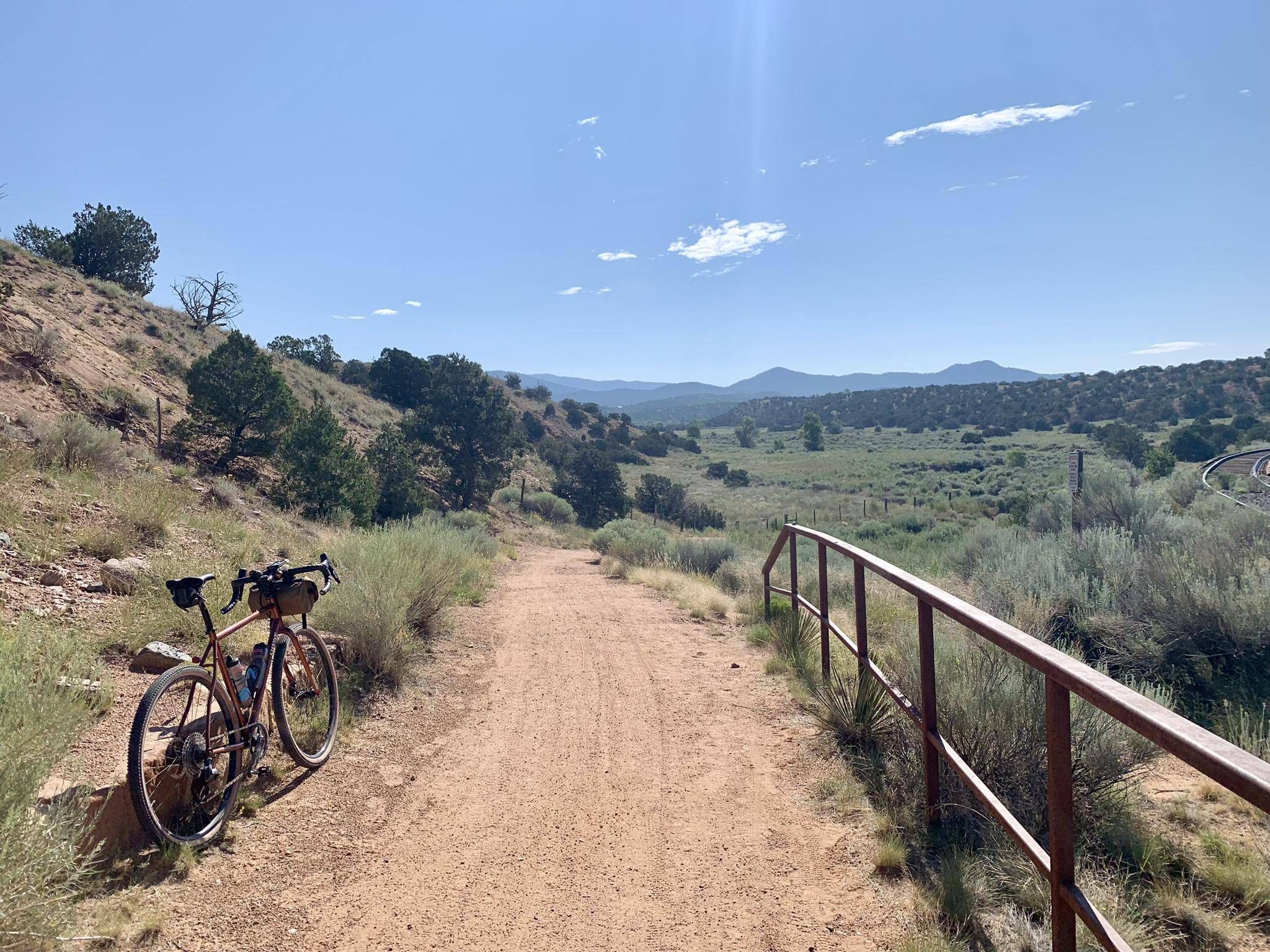
New Mexico Off-Road Runner
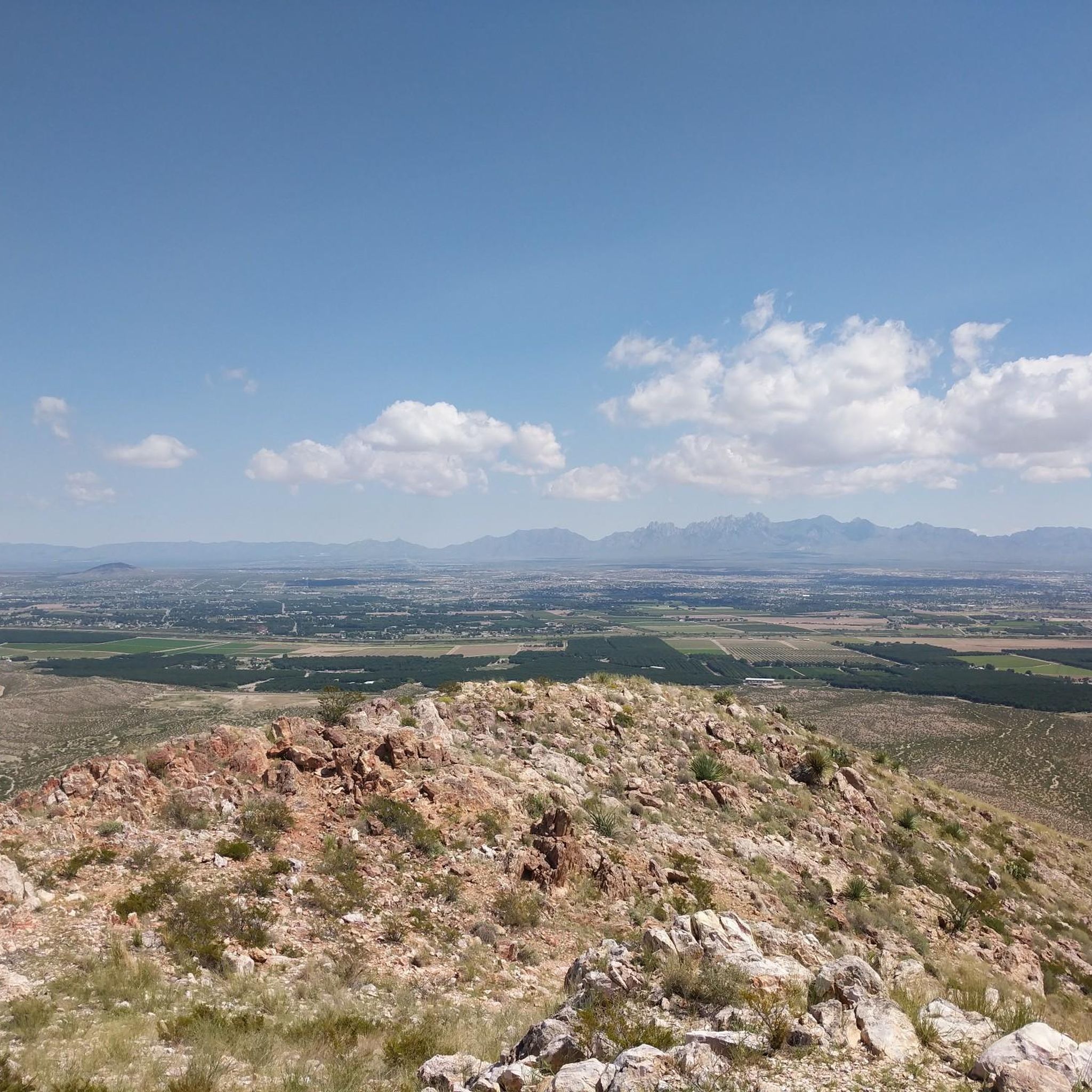
Hiking in Organ Mountains-Desert Peaks National Monument
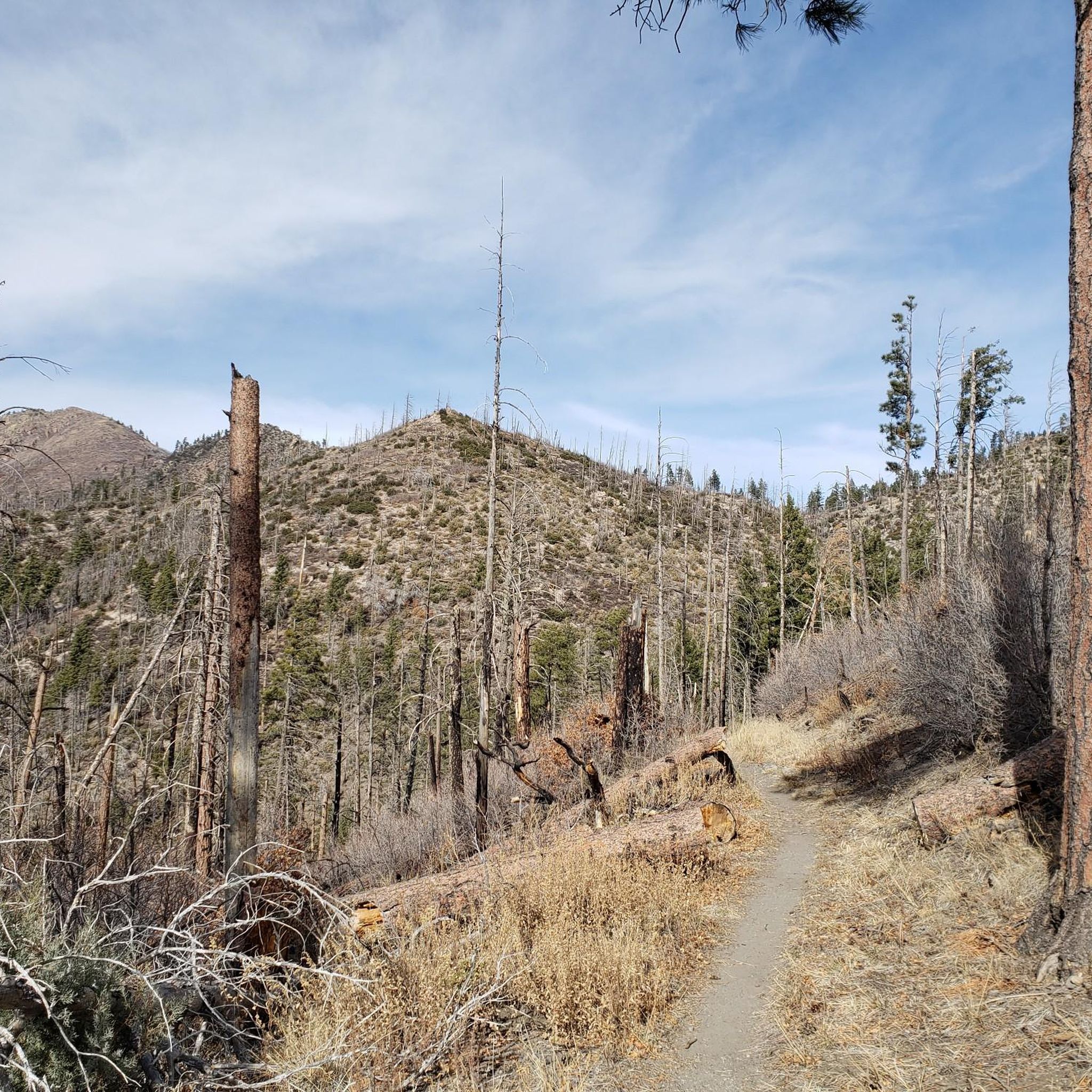
Running Trails in Organ Mountains-Desert Peaks National Monument

Road Cycling Routes in Organ Mountains-Desert Peaks National Monument
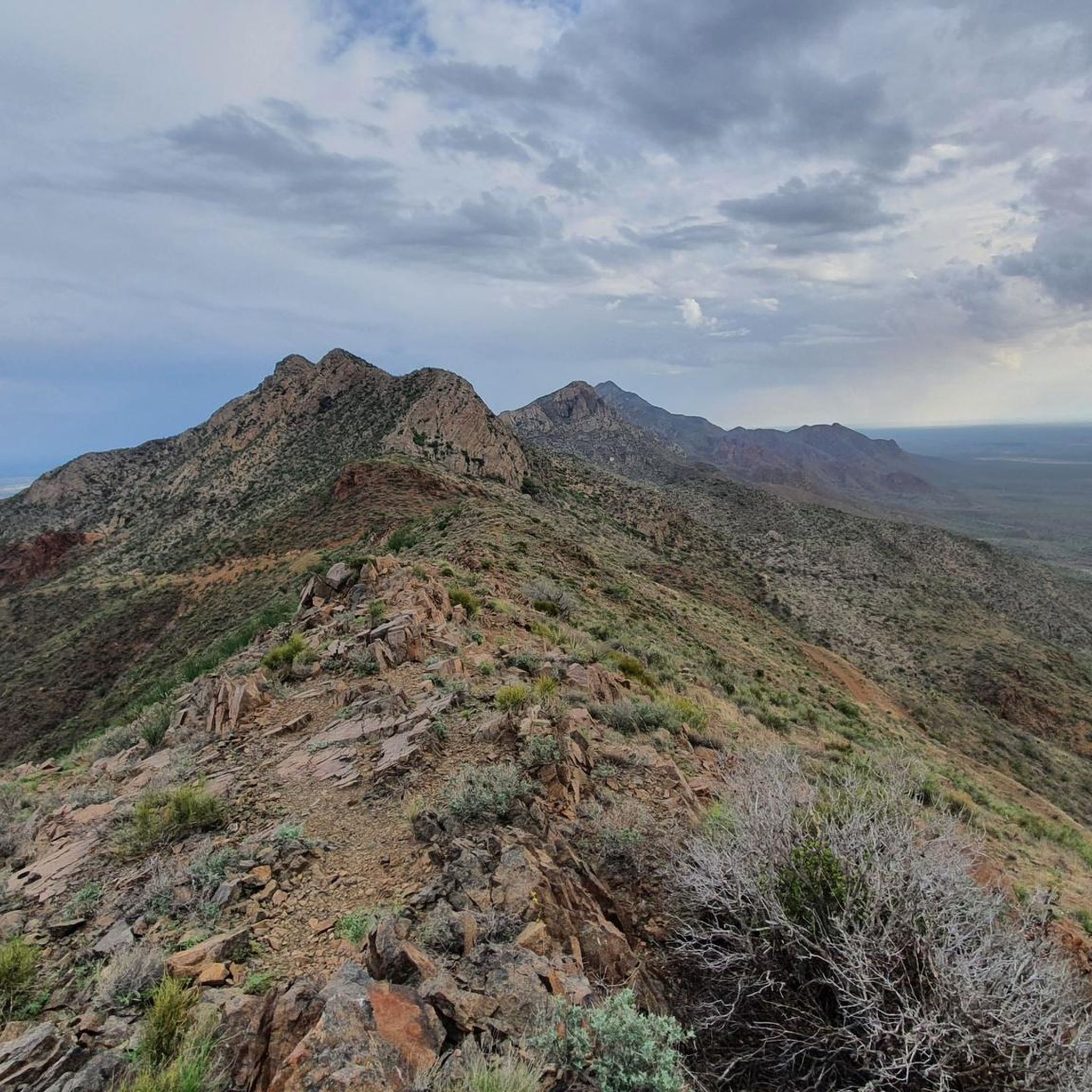
Cycling in Organ Mountains-Desert Peaks National Monument

MTB Trails in Organ Mountains-Desert Peaks National Monument
Other adventures in Organ Mountains-Desert Peaks National Monument

Tips from the Community

As you ascend the high desert the views start to open up around you. From here you are around halfway to the pass!
0
0
As you climb, the views out across the desert become increasingly expansive. There is a creek crossing at Sotol Creek near the high point of the climb.
0
0
Kilbourne Hole is a maar volcano, which is a volcanic crater created when groundwater and magma trigger an explosion of steam and gas to create a large, relatively shallow crater. Oftentimes these craters later become lakes. The crater is over a mile wide in all directions and many tens of thousands of years old, though its exact age is unknown. Hunt's Hole, which is two miles south of here, is a smaller example of the same phenomenon.
0
0
The stone walls on either side get higher and higher as you hike further into the slot canyon. The path is narrow but never difficult to squeeze through, most of it is at least 4-5 feet wide.
0
0


Doable as a single day up and down, but start early and pack a headlight.
2
0
Frequently Asked Questions
What unique natural features can I explore in Organ Mountains-Desert Peaks National Monument?
The monument offers a diverse landscape. You can visit the dramatic granite spires of the Organ Mountains, including the iconic Organ Needles. Explore the unique volcanic landscape of the Potrillo Mountains with cinder cones and lava flows, or discover the red-tinted Sierra de las Uvas known for its biodiversity and ancient cultural sites. Don't miss the adventurous Slot canyon, where stone walls rise as you hike deeper.
Are there any notable geological formations or volcanoes to see?
Yes, a prominent geological feature is Kilbourne Hole, a maar volcano over a mile wide, formed by explosive interactions between groundwater and magma. It was even used by American astronauts for lunar mission training. The Potrillo Mountains also feature a unique volcanic landscape with cinder cones and an inactive shield volcano called Aden Crater.
Where can I find dramatic mountain views and rock formations?
The Organ Mountains are renowned for their visually striking granite spires, such as the Organ Needles, which rise sharply to nearly 9,000 feet. For expansive desert views, hike the Pine Tree Trail upper, where vistas become increasingly broad as you climb. Baylor Canyon also offers opening views as you ascend the high desert.
What historical and cultural sites are preserved within the monument?
The monument is rich in history, featuring at least 243 known archaeological sites, some dating back millennia. You can find ancient petroglyphs in the Sierra de las Uvas Mountains and Broad Canyon. Historic trails like the El Camino Real de Tierra Adentro and over 22 miles of the Butterfield Stage Trail traverse the area. Other points of interest include Geronimo's Cave and Billy the Kid's Outlaw Rock, both famed hideouts.
Are there any waterfalls in the Organ Mountains-Desert Peaks National Monument?
Yes, the Fillmore Waterfall is a popular attraction. It's an iconic walk that can be done as a single day up and down, though it requires an early start and a headlight. Remember to bring plenty of water for this hike.
What are some popular hiking trails in the monument?
Popular hiking trails include the Dripping Springs Trail, Baylor Pass Trail, Pine Tree Trail, and the Sierra Vista Trail. For more options, you can explore various hiking routes in the area, including easy, moderate, and difficult trails. Find more details on specific routes like the Baylor Canyon Pass Trail or the Picacho Mountain trail on the Hiking in Organ Mountains-Desert Peaks National Monument guide.
Are there family-friendly activities or easy hikes available?
The Dripping Springs Natural Area offers over 4 miles of hiking trails, including the popular 1.5-mile Dripping Springs Trail, which is generally considered accessible for families and leads to the historic Van Patten Mountain Camp. For more easy hiking options, check out the Easy hikes in Organ Mountains-Desert Peaks National Monument guide, which includes routes like the Baylor Canyon Pass Trail and Picacho Mountain.
What is the best time of year to visit Organ Mountains-Desert Peaks National Monument?
The monument is generally best visited during the cooler months, from fall through spring (October to April), when temperatures are more moderate for hiking and outdoor activities. Summers can be extremely hot, making early morning or late afternoon visits preferable if you come during that season. Spring brings wildflowers, while fall offers pleasant weather and clear skies.
Can I bring my dog to the monument?
Many areas within the Organ Mountains-Desert Peaks National Monument are dog-friendly, especially on trails. However, it's always best to check specific regulations for each area or trail you plan to visit, as rules can vary. Always keep your dog on a leash and pack out any waste.
What kind of wildlife can I expect to see?
The monument is home to diverse wildlife adapted to the Chihuahuan Desert. You might spot various bird species, including raptors, roadrunners, and quail. Mammals such as mule deer, javelina, coyotes, and rabbits are common. Keep an eye out for reptiles like lizards and snakes, especially during warmer months. Wildlife viewing is often best during dawn and dusk.
Are there opportunities for rock climbing or mountain biking?
Yes, the monument offers opportunities for both rock climbing and mountain biking. The dramatic granite spires of the Organ Mountains provide challenging routes for climbers. Mountain biking is permitted on designated trails and roads throughout the monument. Always ensure you are on an authorized route and follow Leave No Trace principles.
What should I wear when hiking in the Organ Mountains-Desert Peaks National Monument?
Given the desert environment, it's crucial to wear appropriate clothing. Opt for lightweight, breathable layers that protect you from the sun. A wide-brimmed hat, sunglasses, and sunscreen are essential. Sturdy hiking boots are recommended for rocky and uneven terrain. Always carry plenty of water, especially on longer hikes, as desert conditions can lead to rapid dehydration.
Most popular routes in Organ Mountains-Desert Peaks National Monument

Get inspired with the komoot mobile app


Explore more
Still not found the Highlight you’re looking for? See guides of the top attractions in other regions:
