The best walks and hikes in Organ Mountains-Desert Peaks National Monument
4.7
(32)
396
hikers
40
hikes
Hiking in Organ Mountains-Desert Peaks National Monument offers diverse terrain across its 496,000 acres. The monument features the dramatic granite spires of the Organ Mountains, which transition from Chihuahuan Desert habitats to ponderosa pine forests at higher elevations. Other sections include the Desert Peaks, characterized by desert mountains rising steeply from flat plains, and the remote volcanic landscapes of the Potrillo Mountains with cinder cones and lava flows. The region protects a vast Chihuahuan Desert environment, providing varied exploration opportunities.
Best hiking trails in Organ Mountains-Desert Peaks National Monument
- The most popular hiking route is Pine Tree Trail — Organ Mountain - Desert Peaks National Monument, a 4.3 miles (6.9 km) trail that takes 2 hours 12 minutes to complete. This loop offers views and showcases changing vegetation from desert scrub to Alligator Junipers.
- Another top favourite among local hikers is Dripping Springs Trail — Dripping Springs Natural Area, an easy 3.1 miles (5.1 km) path. This trail leads to the historic Van Patten Mountain Camp through the western foothills of the Organ Mountains.
- Local hikers also love the Soledad Canyon loop — Organ Mountains, a 3.1 miles (5.0 km) trail leading through scenic canyon terrain, often completed in about 1 hour 30 minutes.
- Hiking in Organ Mountains-Desert Peaks National Monument is defined by rugged mountain peaks, sweeping desert vistas, and unique volcanic landscapes. The network offers options for easy, moderate, and difficult ability levels.
- The routes in Organ Mountains-Desert Peaks National Monument are highly rated by the komoot community with an average score of 4.8 stars from over 20 reviews. More than 260 hikers have used komoot to explore Organ Mountains-Desert Peaks National Monument's varied terrain.
Last updated: April 26, 2026
4
hikers
3.48km
01:05
220m
10m
Easy hike. Great for any fitness level. Easily-accessible paths. Suitable for all skill levels.
1
hikers
1.96km
00:44
200m
20m
Easy hike. Great for any fitness level. Easily-accessible paths. Suitable for all skill levels.

Sign up for free
1
hikers
2.36km
00:45
150m
30m
Easy hike. Great for any fitness level. Easily-accessible paths. Suitable for all skill levels.
1
hikers
11.5km
03:04
130m
110m
Moderate hike. Good fitness required. Easily-accessible paths. Suitable for all skill levels.
5.14km
01:38
220m
220m
Easy hike. Great for any fitness level. Easily-accessible paths. Suitable for all skill levels.
Get access to more routes and recommendations from other explorers.
Sign up for free
Already have an account?
Our route recommendations are based on thousands of hikes, rides, and runs completed by other people on komoot.
Start today with a free account
Your next adventure awaits.
Login or Signup
Popular around Organ Mountains-Desert Peaks National Monument
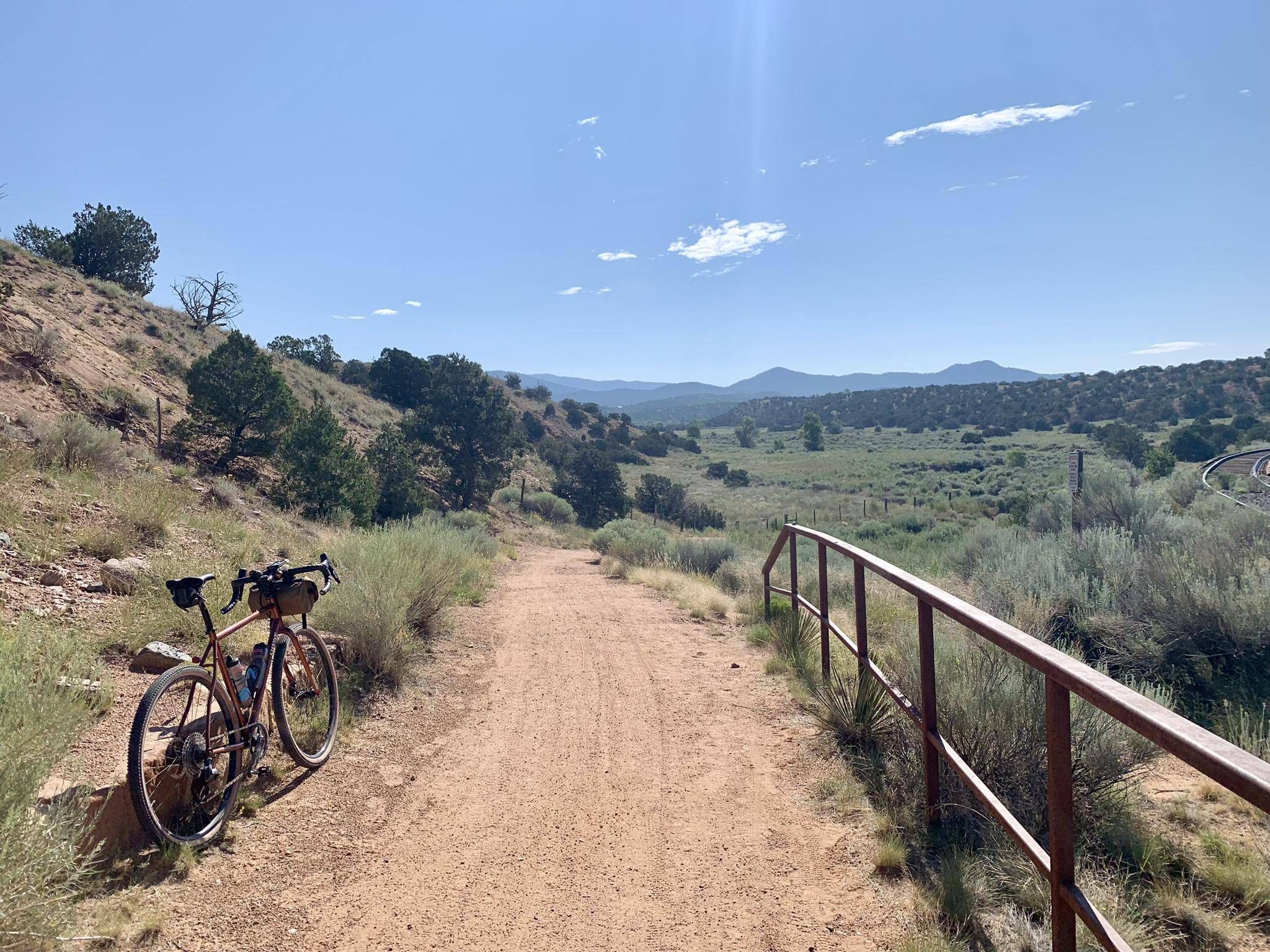
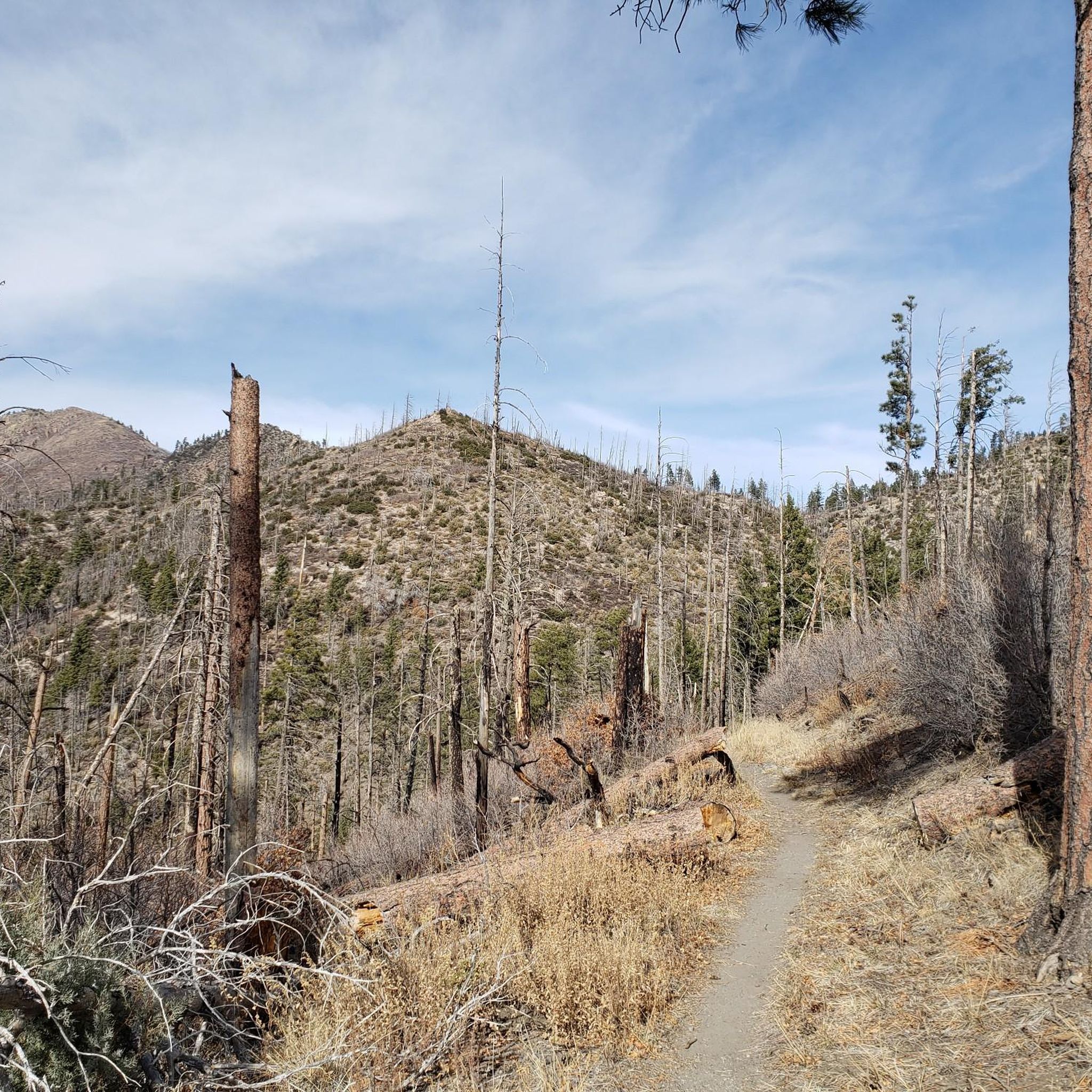

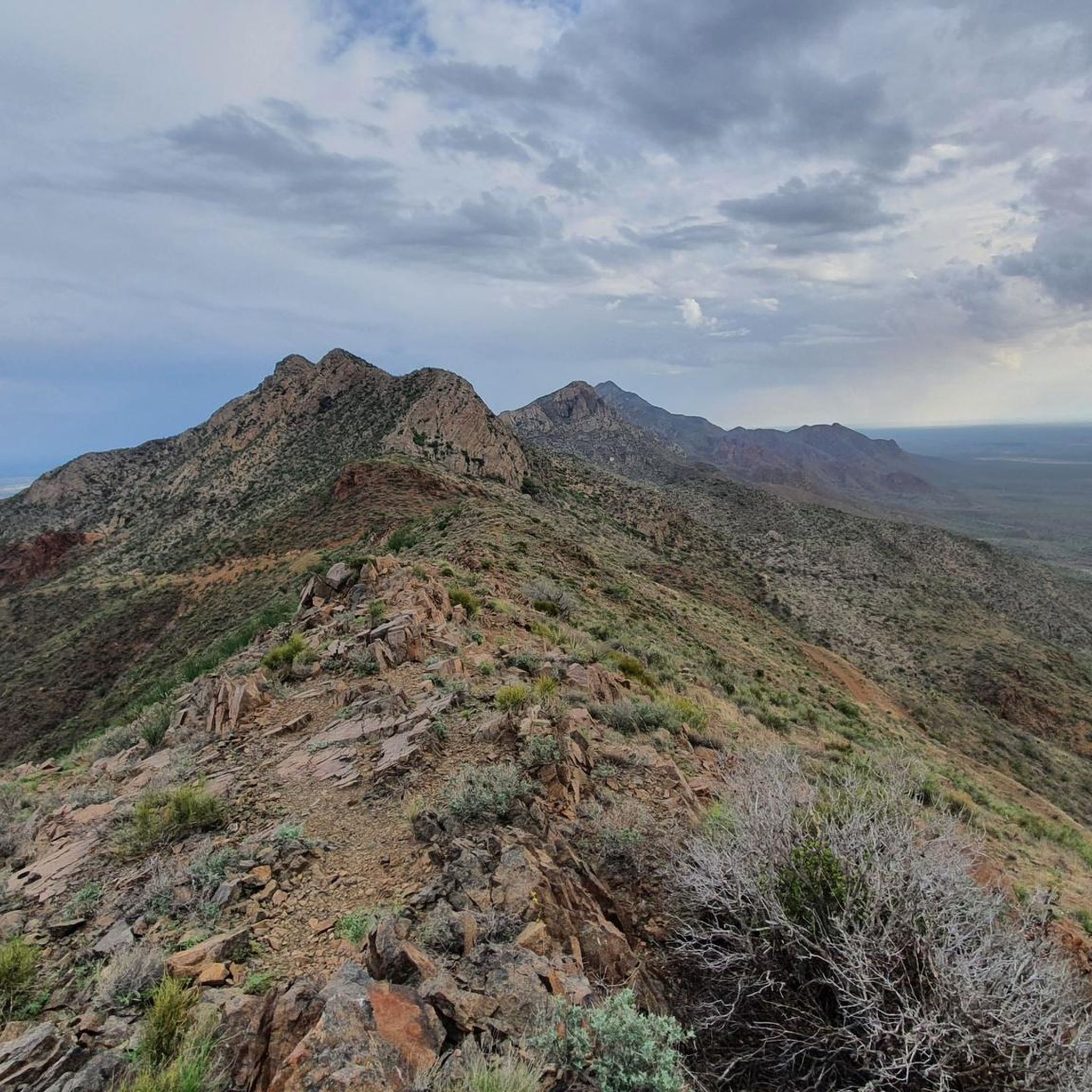

Other adventures in Organ Mountains-Desert Peaks National Monument

Tips from the Community

There is a day use fee for the Baylor Pass Trail ($3 as of 2024). You can camp at Aguirre Spring or park and hike from here. There is a little shaded picnic table at the trailhead with views out across the desert.
0
0
This is a great turn-around point if you are hiking the Baylor Pass Trail. You can also head up toward Baylor Peak to an overlook or the summit itself. The pass tends to be quite windy so hold onto your hats!
0
0

Frequently Asked Questions
How many hiking trails are available in Organ Mountains-Desert Peaks National Monument?
Organ Mountains-Desert Peaks National Monument offers a diverse network of over 25 hiking trails. These routes cater to various skill levels, with 14 easy, 10 moderate, and 3 difficult options to explore.
Are there easy trails suitable for beginners or families?
Yes, the monument features 14 easy trails perfect for beginners or families. A popular choice is the Dripping Springs Trail — Dripping Springs Natural Area, an easy 3.1-mile path leading to the historic Van Patten Mountain Camp. Another accessible option is the Soledad Canyon loop — Organ Mountains, offering scenic canyon terrain over 3.1 miles.
What are some challenging hikes for experienced trekkers?
For experienced hikers seeking a challenge, the monument offers 3 difficult routes. While specific difficult routes are not detailed here, the higher elevations of the Organ Mountains, with their dramatic granite spires, provide rugged terrain that will test your endurance.
Can I bring my dog on the trails?
Many trails within Organ Mountains-Desert Peaks National Monument are dog-friendly, but it's always best to check specific area regulations before heading out. Generally, dogs are welcome on leash, but be mindful of desert conditions, especially heat and potential wildlife.
Are there any circular hiking routes?
Yes, there are several circular hiking routes available. A notable loop is the Pine Tree Trail — Organ Mountain - Desert Peaks National Monument, a 4.3-mile loop offering spectacular views and showcasing changing vegetation from desert scrub to ponderosa pines. The Soledad Canyon loop — Organ Mountains is another popular circular option.
What natural features or landmarks can I see while hiking?
The monument is rich in natural features and landmarks. You can discover the Fillmore Waterfall, explore a fascinating Slot canyon, or marvel at the unique volcanic landscape of Kilbourne Hole. The dramatic granite spires of the Organ Mountains, including Sugarloaf Peak and The Needles, are also prominent features visible from many trails.
What is the best time of year to go hiking in the monument?
The best time to hike in Organ Mountains-Desert Peaks National Monument is typically during the cooler months, from fall through spring (October to April). Summers can be extremely hot, making early morning or late afternoon hikes more advisable if visiting during that season. Always check weather conditions before you go.
Is parking available at the trailheads?
Yes, parking is generally available at the main trailheads and natural areas within the monument, such as Dripping Springs Natural Area and Soledad Canyon Day Use Area. Some areas may have day-use fees. It's always a good idea to arrive early, especially on weekends, as parking can fill up.
Are there any specific permits required for hiking?
For general day hiking in most areas of Organ Mountains-Desert Peaks National Monument, specific permits are not typically required. However, certain developed areas like Dripping Springs Natural Area may have entrance fees. For specific activities or overnight stays in wilderness areas, it's advisable to check the official BLM website for any permit requirements: blm.gov.
What kind of wildlife might I encounter?
As part of the Chihuahuan Desert ecosystem, the monument is home to diverse wildlife. Hikers might spot various bird species, desert reptiles, and mammals such as mule deer, javelina, and even mountain lions, though sightings are rare. Always maintain a safe distance and never feed wildlife.
What do other hikers say about the trails in Organ Mountains-Desert Peaks National Monument?
The trails in Organ Mountains-Desert Peaks National Monument are highly rated by the komoot community, with an average score of 4.8 stars from over 20 reviews. Hikers often praise the dramatic mountain views, the unique desert flora, and the variety of terrain, from rocky spires to peaceful canyons.
Are there any unique geological features to explore?
Absolutely. Beyond the iconic Organ Mountains, the monument features the remote volcanic landscapes of the Potrillo Mountains, complete with cinder cones, craters, and extensive lava flows, some dating back 10,000 years. The Kilbourne Hole, a National Historic Landmark, is a prime example of these volcanic formations.
Can I find historical sites along the trails?
Yes, the monument is rich in history. You can explore over 22 miles of the historic Butterfield Stage Trail, discover sites like Billy the Kid's Outlaw Rock, and even Geronimo's Cave. The area also contains an estimated 5,000+ archaeological sites and over 243 known petroglyph sites, offering glimpses into ancient cultures.
Most popular routes in Organ Mountains-Desert Peaks National Monument
Most popular attractions in Organ Mountains-Desert Peaks National Monument

Get inspired with the komoot mobile app


Explore more
Browse the best Hikes in other regions.
