Organ Mountains-Desert Peaks National Monument
Organ Mountains-Desert Peaks National Monument
The best traffic-free bike rides in Organ Mountains-Desert Peaks National Monument
5.0
(1)
30
riders
1
ride
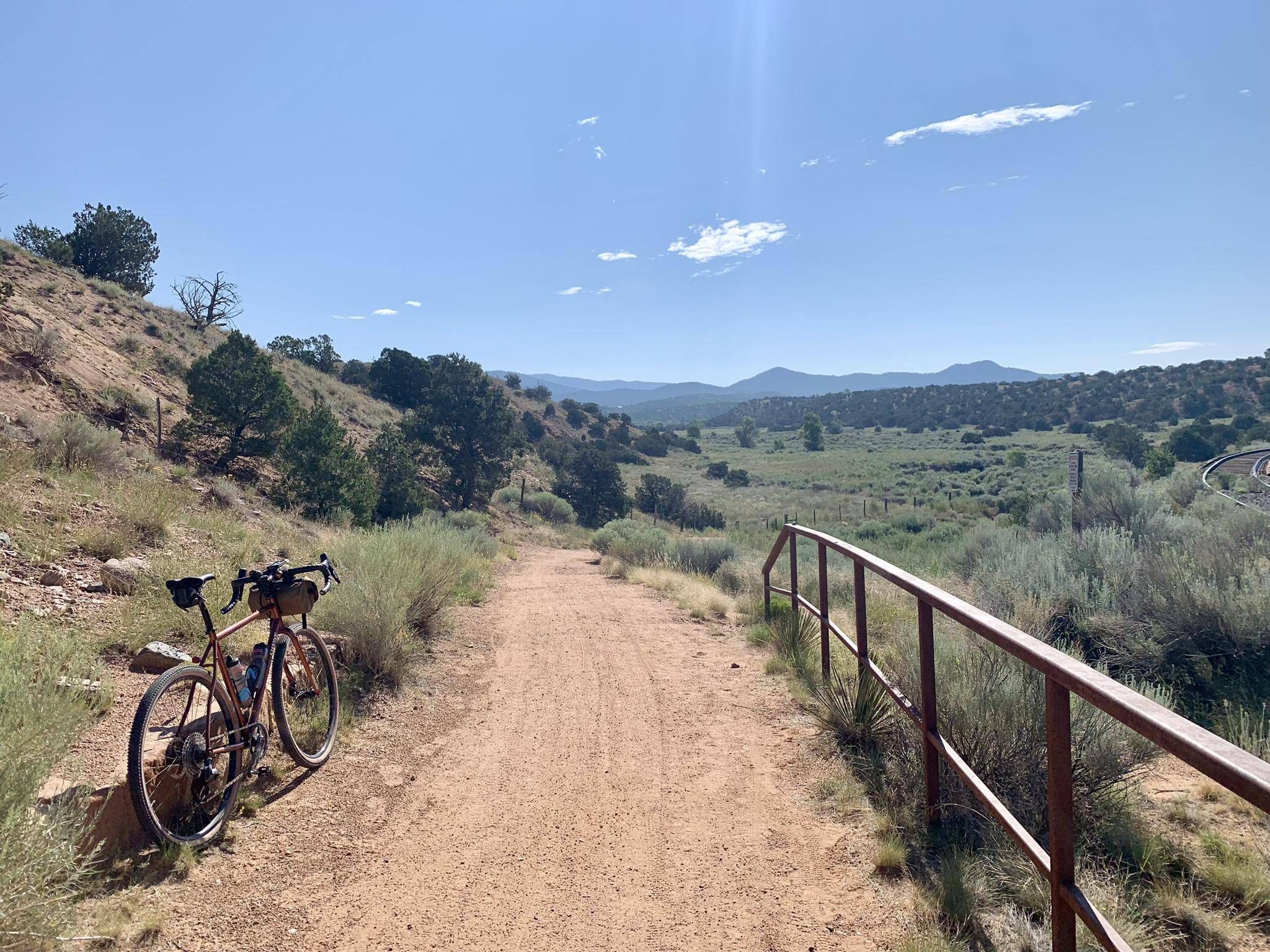
No traffic touring cycling routes in Organ Mountains-Desert Peaks National Monument traverse a diverse landscape within the Chihuahuan Desert. The region features the dramatic, angular Organ Mountains with rocky spires and narrow canyons, alongside the Desert Peaks and the unique volcanic terrain of the Potrillo Mountains. Touring cyclists can explore vast open spaces, dirt roads, and some singletrack trails that connect these varied natural units.
Best no traffic touring cycling routes in Organ Mountains-Desert Peaks National Monument
- The most popular…
Last updated: April 28, 2026
3
riders
21.9km
01:28
20m
20m
Easy bike ride. Great for any fitness level. Mostly paved surfaces. Suitable for all skill levels.
3
riders
33.8km
02:24
110m
110m
Hard bike ride. Good fitness required. You may need to push your bike for some segments of this route.

Sign up for free
2
riders
19.9km
01:35
170m
170m
Moderate bike ride. Good fitness required. Mostly paved surfaces. Suitable for all skill levels.
Our route recommendations are based on thousands of hikes, rides, and runs completed by other people on komoot.
Start today with a free account
Your next adventure awaits.
Login or Signup
Popular around Organ Mountains-Desert Peaks National Monument
Other adventures in Organ Mountains-Desert Peaks National Monument

Tips from the Community

The trackways have a truly spectacular array of fossils from plants and animals of the Paleozoic Era (the geologic era immediately before the Mesozoic Era, or the age of the dinosaurs). There are many trails to explore. Keep an eye out for leaf fossils (cordaites) and the tracks of Permian synapsids (proto-mammals).
0
0

Frequently Asked Questions
How many no-traffic touring cycling routes are available in Organ Mountains-Desert Peaks National Monument?
There are several dedicated no-traffic touring cycling routes within the Organ Mountains-Desert Peaks National Monument. These routes offer a unique way to experience the diverse landscapes without vehicle interference.
What is the best time of year for touring cycling in Organ Mountains-Desert Peaks National Monument?
The best time for touring cycling is typically during the spring and fall months. Temperatures are milder, making for more comfortable rides. Summer can be very hot, and winter can bring colder temperatures, especially at higher elevations in the Organ Mountains.
Are there any easy no-traffic touring cycling routes suitable for beginners?
Yes, there are options for beginners. For example, the The Bean cafe loop from Mesilla Valley Bosque State Park is an easy route, offering a gentle introduction to touring cycling in the area with minimal elevation gain.
What kind of landscapes can I expect to see on these routes?
The Monument offers a diverse range of landscapes. You'll encounter the dramatic, rocky spires of the Organ Mountains, vast expanses of the Chihuahuan Desert with its unique flora, and potentially volcanic features in the more remote Potrillo Mountains. Routes often follow dirt roads through the Rio Grande Valley, connecting these distinct areas.
Are there any interesting landmarks or attractions along the no-traffic cycling routes?
Yes, the region is rich in natural and historical attractions. While cycling, you might pass by areas with petroglyphs, or historical sites. Notable natural features include Fillmore Waterfall, Slot canyon, and the volcanic crater Kilbourne Hole. For more details, you can explore the Attractions in Organ Mountains-Desert Peaks National Monument guide.
What is the difficulty level of the no-traffic touring cycling routes?
The routes vary in difficulty. You can find easy options like The Bean cafe loop from Mesilla Valley Bosque State Park, moderate routes such as Shack – Seismic Laboratory loop from New Mexico State University, and more challenging rides like the Bike loop from Las Cruces, which features significant elevation changes.
Are there any circular no-traffic touring cycling routes?
Yes, many of the touring cycling routes in the Monument are designed as loops, allowing you to start and end at the same point. An example is the Shack – Seismic Laboratory loop from New Mexico State University, which provides a circular experience.
What amenities are available near the cycling routes, such as cafes or places to resupply?
Las Cruces serves as a central hub for resupply and amenities, being close to many parts of the Monument. You can find cafes and other services there. Some routes, like The Bean cafe loop from Mesilla Valley Bosque State Park, even incorporate stops at local establishments.
What do other touring cyclists enjoy most about cycling in Organ Mountains-Desert Peaks National Monument?
The area is highly rated by the komoot community, with an average score of 5.0 stars. Reviewers often praise the stunning desert scenery, the quiet and traffic-free nature of the routes, and the unique geological features that make for a memorable cycling experience.
Are there specific parking areas or trailheads for these no-traffic cycling routes?
Yes, many routes have designated parking areas or start points. For instance, the The Bean cafe loop starts from Mesilla Valley Bosque State Park, which typically offers parking facilities. Similarly, the Shack – Seismic Laboratory loop begins near New Mexico State University, providing accessible starting points.
What should I bring for a touring cycling trip in the Monument?
Given the desert environment, it's crucial to bring plenty of water, sun protection (sunscreen, hat, sunglasses), and appropriate layers for varying temperatures. A repair kit for your bike, snacks, and a map or GPS device are also highly recommended, especially on longer or more remote routes.
Most popular routes in Organ Mountains-Desert Peaks National Monument
Most popular attractions in Organ Mountains-Desert Peaks National Monument

Get inspired with the komoot mobile app


Explore more
Browse the best Cycling routes in other regions.
