Attractions and Places To See in Rouge National Park - Top 9
Best attractions and places to see in Rouge National Park, Canada's first and only national urban park, encompasses 79 square kilometers within the Greater Toronto Area. This park features a diverse landscape of natural, cultural, and agricultural areas. It is recognized for its significant biodiversity, including Carolinian forests and extensive wetlands. The park protects important Indigenous heritage sites and some of Canada's most fertile farmland.
Best attractions and places to see in Rouge National Park
- The most popular attraction is Mast Trailhead, Rouge National Urban Park, a trail that leads through Carolinian forests, an ecosystem known for its outstanding biodiversity. This area is part of the 79 square kilometer Rouge National Urban Park.
- Another must-see spot is Vista Trail Observation Deck – Rouge National Urban Park, a viewpoint offering panoramic views of Little Rouge Creek and Beare Hill. Visitors can expect views of the valley and a former landfill transformed into a green recreational park.
- Visitors also love On the Mast Trail, a trail that provides access to the Rouge National Urban Park. This trail offers an escape from the city into a natural environment.
- Rouge National Park is known for its extensive trail network, diverse natural habitats, and cultural sites. The park offers a variety of attractions to see and explore, including rivers, viewpoints, and historical locations.
- The attractions in Rouge National Park are appreciated by the komoot community, with 16 upvotes and 16 photos shared across 8 highlights.
Last updated: October 9, 2026
Pedestrian Bridge over Rouge River
Highlight • Bridge
Tip by

Mast Trail, Rouge National Urban Park
Highlight (Segment) • Trail
parks.canada.ca/pn-np/on/rouge/culture/histoire-history/autre-other
Translated by Google •
Tip by

Sign up now to discover places like this
Get recommendations on the best single tracks, peaks, & plenty of other exciting outdoor places.
Mast Trailhead, Rouge National Urban Park
Highlight • Trail
parks.canada.ca/pn-np/on/rouge
Translated by Google •
Tip by
Major Mackenzie Parking Lot & Road Crossing
Highlight • Lake
Tip by

Rouge River
Highlight • River
newworld.ca/en/the-rouge-river
Translated by Google •
Tip by
Sign up for free to discover even more attractions in Rouge National Park.
Already have an account?
Start today with a free account
Your next adventure awaits.
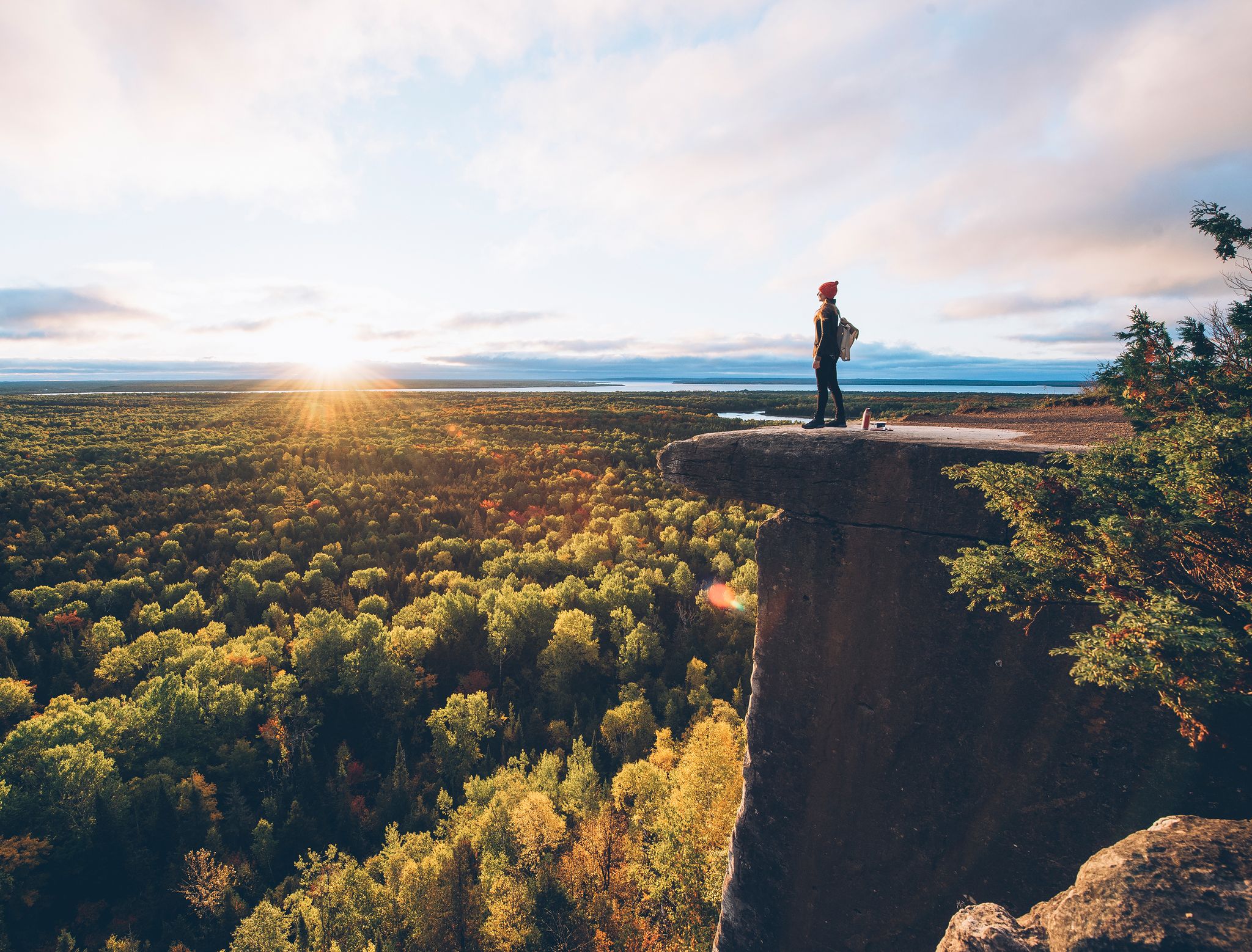
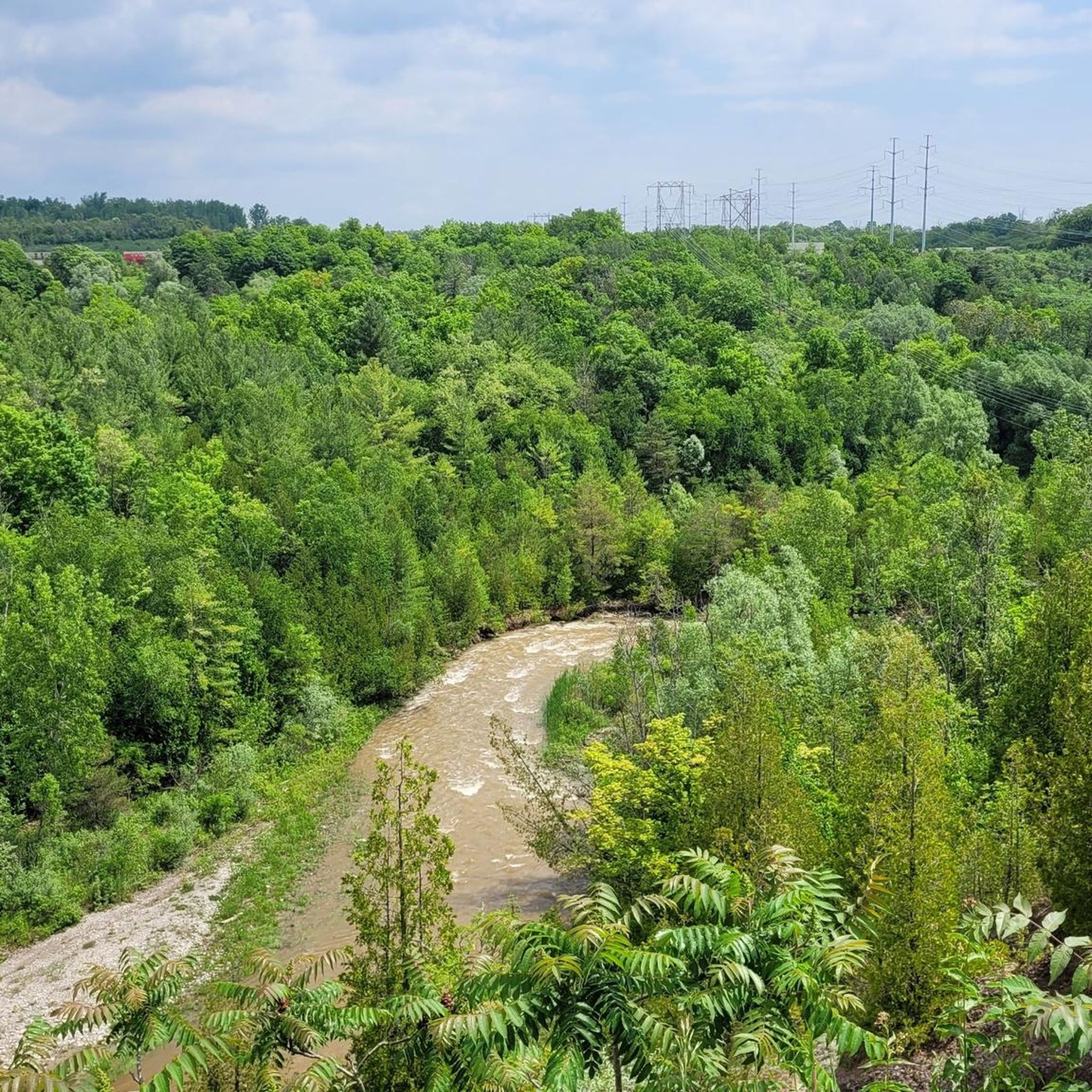
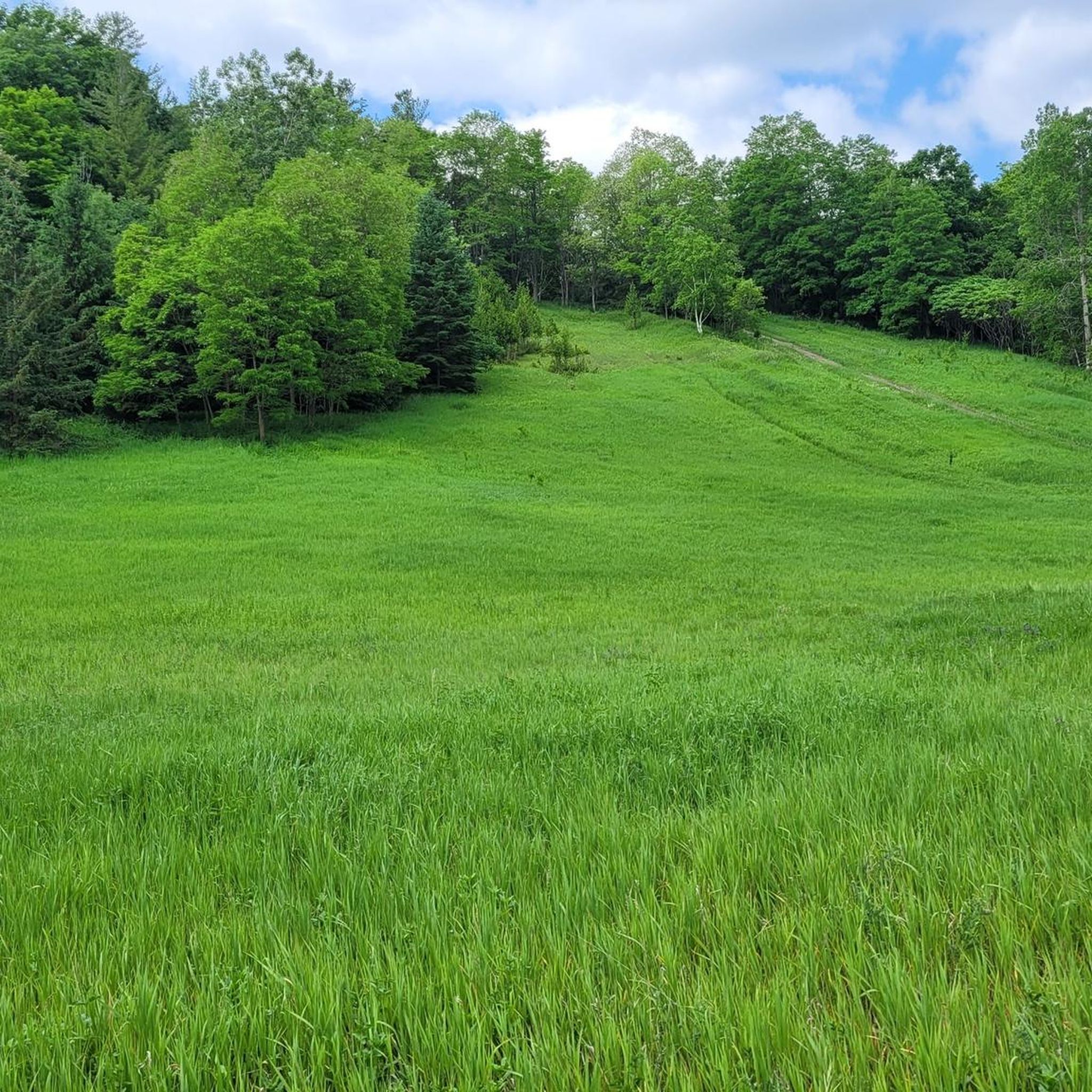
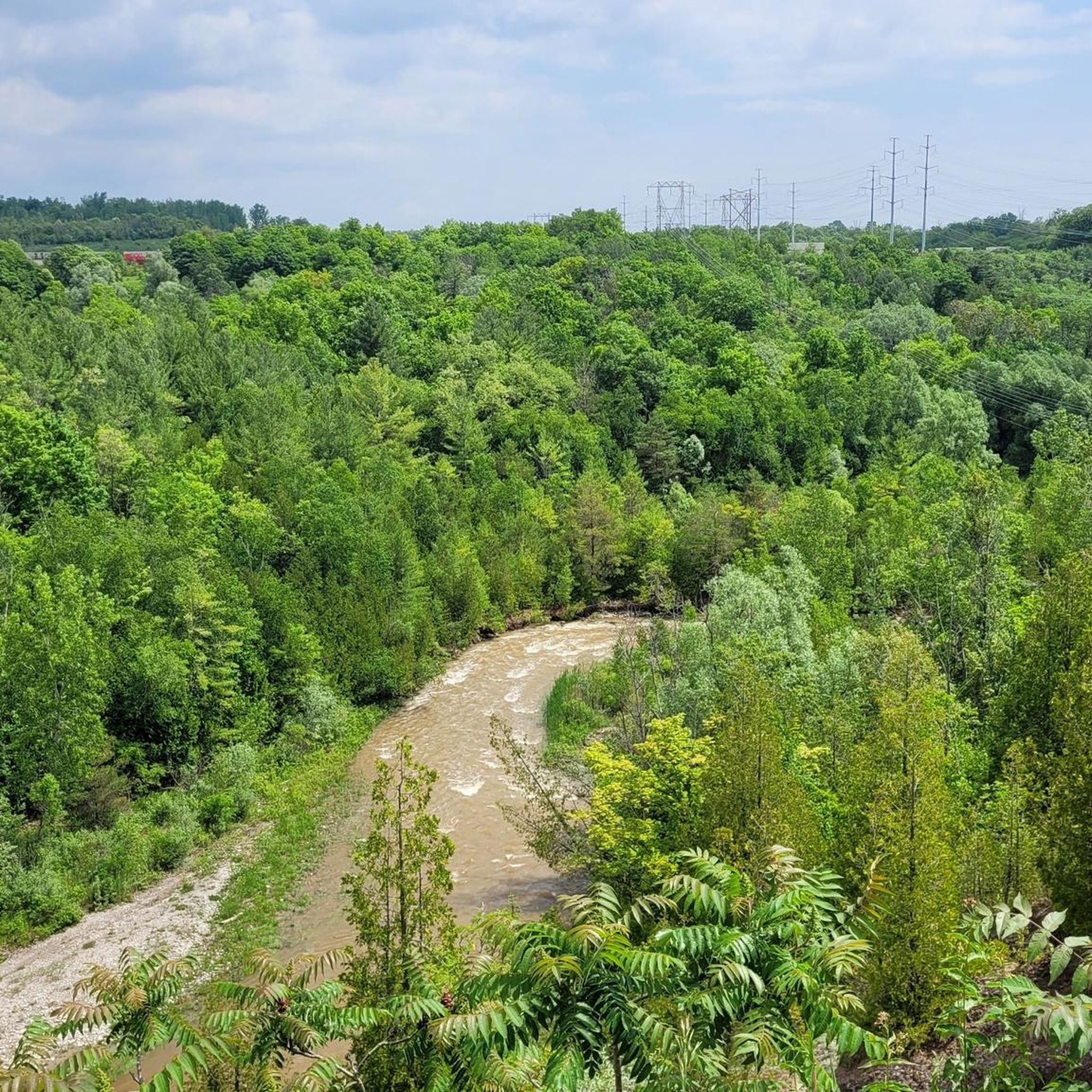

Other adventures in Rouge National Park

Tips from the Community

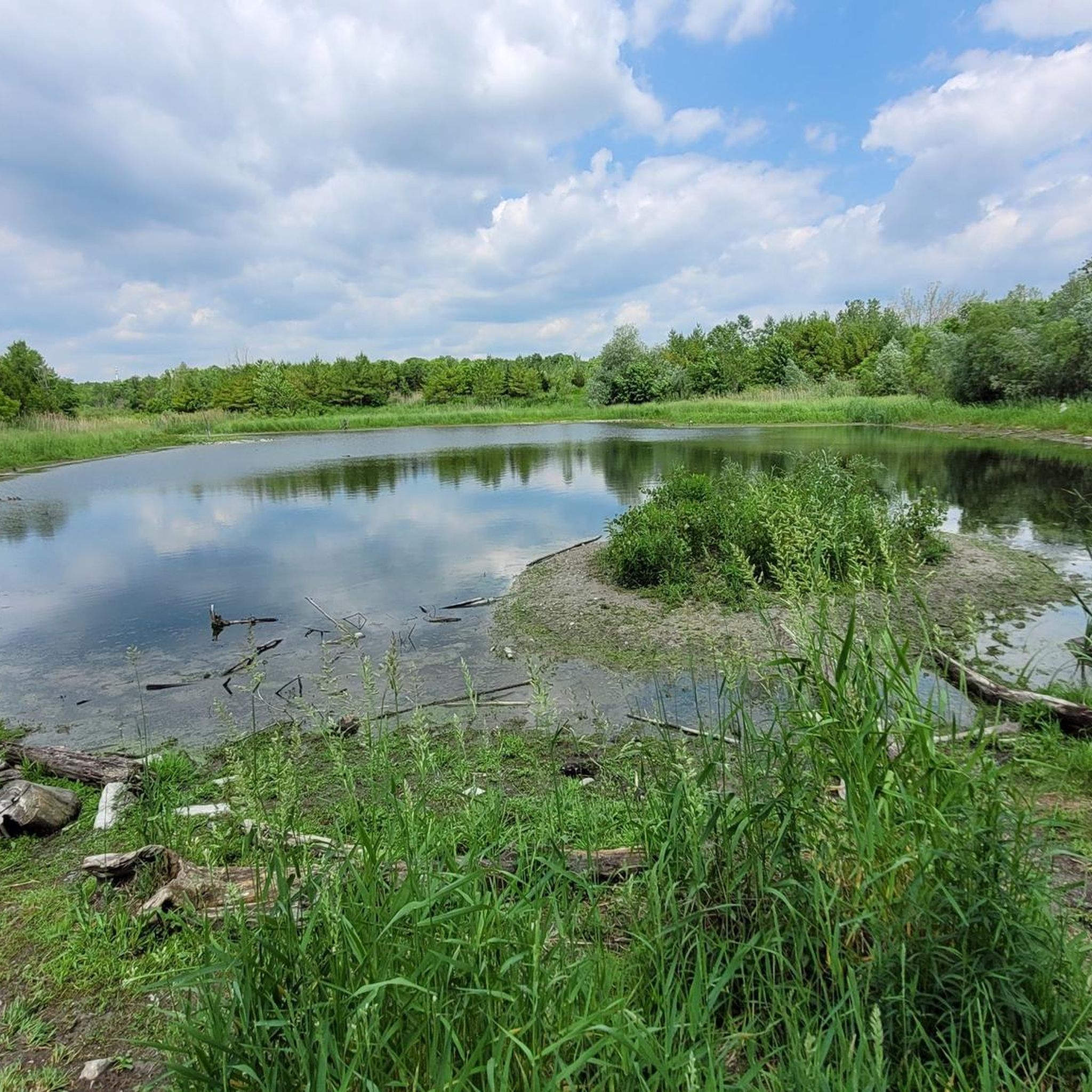
The Major Mackenzie Parking Lot and Road Crossing is a well-maintained parking area and access to the Rouge National Urban Park Trail. The parking lot is paved and has a safe pedestrian crossing with its own designated stop light for crossings. Just a few metres north from the Major Mackenzie Parking Lot and Road Crossing is a small scenic pond. The Rouge National Park Trail skirts the pond with a well-maintained wooden boardwalk.
1
0

Access to Rouge Beach and the pedestrian bridge over the Rouge River on the Great Lakes Waterfront Trail will be closed from late fall 2025 until approximately spring 2027. As part of the Rouge Beach Improvements Project, the wetland within Rouge National Urban Park between Highway 401 and Lake Ontario will be enhanced, including the restoration of the Rouge marshland and the creation of a hiking trail connecting the southern portion of the wetland to the well-established portion north of Highway 401, the Mast Trail. Detour recommendations for the Waterfront Trail are posted on information signs and the Parks Canada website. https://www.pickering.ca/parks-recreation-culture/waterfront/#NoticeofRougeBeachandGreatLakesWaterfrontTrailClosure https://parks.canada.ca/pn-np/on/rouge/securite-safety/bulletins/60b30b1b-ad37-4883-9eb7-4ee3bed86804 (Visited June 15, 2026)
0
0


The mast trail not only offers its visitors a scenic hike but also provides them with an opportunity to test their endurance through its demanding terrain. It winds through picturesque valleys offering hikers remarkable vistas with constant adjustment to the steep ascents, all the while being surrounded by the serene beauty. On this epic journey, however, hikers may encounter unwanted company, which will constantly remind them who the real dwellers of this land are. So, wearing a long-sleeved shirt and long pants is recommended to protect oneself from these feisty little forest dwellers
0
0
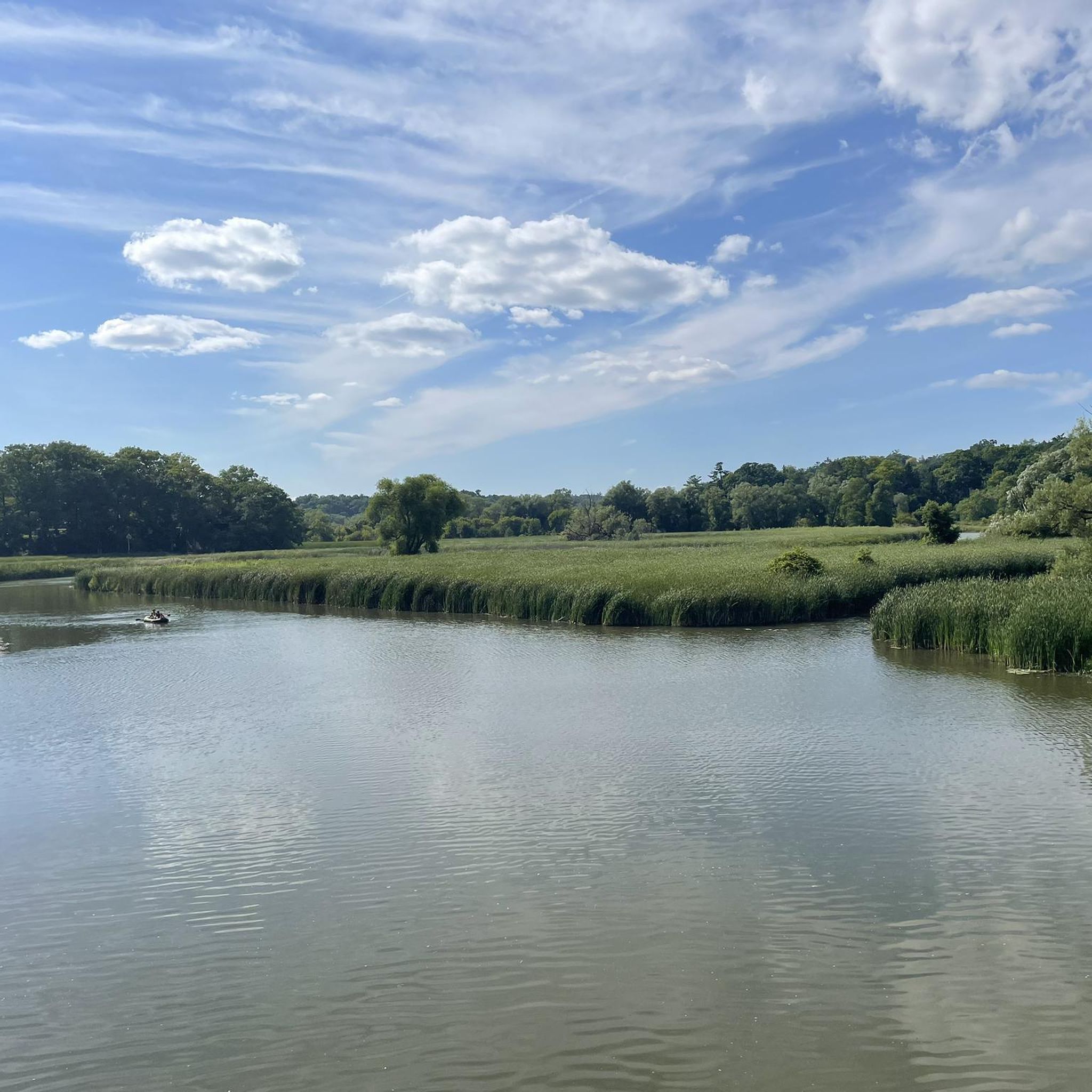
The valley of the Rouge River runs east of Toronto as a green tongue from north to south where the river empties into Lake Ontario. In 2015, the valley was declared a 'Rouge National Urban Park' covering an area of 79 square kilometers. The 'Carolinian Forest' describes a living zone in eastern North America, which is primarily characterized by the predominance of deciduous forests. Rouge National Urban Park is located in a transition zone on the north-eastern boundary of this habitat and is characterized as an area of outstanding biodiversity. https://parks.canada.ca/pn-np/on/rouge
2
0
The valley of the Rouge River runs east of Toronto as a green tongue from north to south, where the river flows into Lake Ontario. In 2015, the valley was declared the "Rouge National Urban Park" with an area of 79 square kilometers. https://newworld.ca/en/the-rouge-river/
2
0
The 'Mast Trail' is reminiscent of a forest path that was used in the 19th century to transport large trees. Large pines were felled for ship masts and carried along this forest trail to Little Rouge Creek where the logs were washed downriver to Lake Ontario and eventually shipped to shipyards in Europe. https://parks.canada.ca/pn-np/on/rouge/culture/histoire-history/autre-other
2
0

Frequently Asked Questions
What are some of the most popular trails in Rouge National Park?
Among the most popular trails are the Mast Trailhead, which guides you through unique Carolinian forests, and On the Mast Trail, offering an escape into nature. Additionally, the Beare Hill Park Trails are well-liked for their restored meadows, young forests, and views over Lake Ontario.
Are there any viewpoints with panoramic scenery in Rouge National Park?
Yes, the Vista Trail Observation Deck offers spectacular panoramic views of Little Rouge Creek and the surrounding valley, including Beare Hill, a former landfill transformed into a green recreational park. You can also find wide views over Lake Ontario and the eastern Toronto skyline from the higher ridges of Beare Hill Park Trails.
What natural features can I explore in Rouge National Park?
Rouge National Urban Park is rich in diverse natural features. You can explore extensive Carolinian forests, which are home to rare tree species and outstanding biodiversity. The Rouge River and its marshlands are central to the park, offering opportunities for water activities and wildlife viewing. The park also features wetlands, meadows, and agricultural fields, supporting a wide array of wildlife.
Are there family-friendly activities or trails in Rouge National Park?
Yes, many areas within Rouge National Park are family-friendly. Trails like the Mast Trailhead and Vista Trail Observation Deck are suitable for families. The park also offers guided walks and Learn-to Camp programs, providing engaging experiences for all ages. The Orchard Trail, for instance, is ideal for a leisurely stroll through apple orchards and wildflower meadows.
What historical or cultural sites can I visit in the park?
Rouge National Urban Park has a rich cultural heritage. You can visit the Bead Hill (Gandatsekiagon) National Historic Site, which preserves a well-preserved 17th-century Seneca village. The park also protects historic farms and agricultural lands, showcasing some of the last remaining working farms in the Greater Toronto Area, and recognizes significant Indigenous connections to the Rouge Valley.
What is the best time of year to visit Rouge National Park?
The park offers unique experiences year-round. Spring brings blooming wildflowers and active wildlife, while summer is ideal for hiking, swimming at Rouge Beach, and water activities on the Rouge River. Autumn showcases vibrant fall foliage, and winter allows for snowshoeing on trails like the Orchard Trail. Each season provides different opportunities to enjoy the park's natural beauty.
What outdoor activities can I do near these attractions?
Beyond exploring the attractions, Rouge National Park offers a variety of outdoor activities. You can find numerous hiking trails, including easy options like the Mast Trail. For cyclists, there are many routes for cycling and road cycling, with options ranging from easy to moderate difficulty. Canoeing, kayaking, and stand-up paddleboarding are also popular on the Rouge River.
Are there opportunities for wildlife spotting in Rouge National Park?
Absolutely. Rouge National Urban Park is one of Canada's most biologically diverse areas, making it excellent for wildlife spotting. It is home to 247 bird species, 73 fish species, 44 mammal species, and 27 reptile and amphibian species. The Beare Wetlands are particularly good for birdwatching, and you might spot frogs and turtles there. The Rouge River Valley is also a sanctuary for diverse birdlife.
How can I access Rouge National Park using public transport?
Rouge National Urban Park is accessible via public transit. Specific routes and stops vary depending on your starting point and desired park entrance. It's recommended to check the official park website or local transit authority for the most up-to-date information on bus routes and connections to trailheads and visitor centers within the park.
Are there any dog-friendly trails in Rouge National Park?
Many trails within Rouge National Park are dog-friendly, provided dogs are kept on a leash. It's always a good idea to check specific trail regulations before your visit, as some sensitive ecological areas or wildlife habitats might have restrictions. Always remember to clean up after your pet to help maintain the park's natural environment.
What makes the Carolinian forests in Rouge National Park special?
The Carolinian forests in Rouge National Park are special because they represent the northern edge of this unique ecosystem in eastern North America. They are characterized by a predominance of deciduous trees and host an outstanding level of biodiversity, including rare tree species. These forests contribute significantly to the park's status as one of Canada's most biologically diverse areas.
Can I go swimming or relax at a beach in Rouge National Park?
Yes, Rouge Beach, located at the mouth of the Rouge River on Lake Ontario, provides opportunities for relaxation and swimming. It's a great spot to enjoy the waterfront within the park, offering a different experience from the forest trails and viewpoints.
Most popular routes in Rouge National Park

Get inspired with the komoot mobile app


Explore more
Still not found the Highlight you’re looking for? See guides of the top attractions in other regions:
