The best family-friendly hikes and walks in Rouge National Park
4.7
(88)
929
hikers
11
hikes
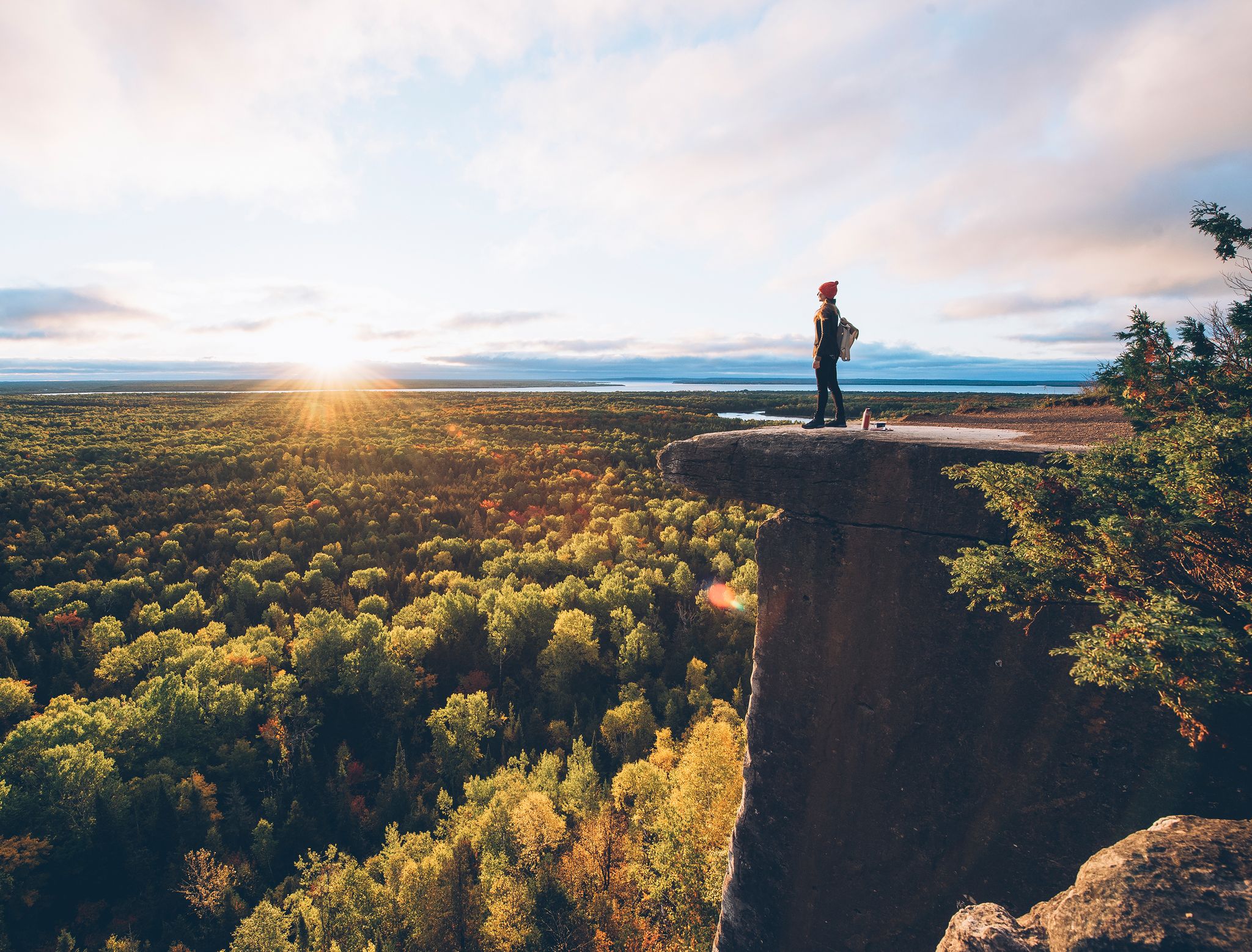
Family friendly hiking trails in Rouge National Park are found within Canada's largest urban national park, spanning 79 square kilometers in the Greater Toronto Area. The park's landscape features a diverse mix of forests, meadows, wetlands, and agricultural fields, shaped by the Rouge River and its tributaries. Hikers can explore rolling hills and valleys, with elevations generally under 200 meters, offering accessible terrain for various activity levels.
Best family friendly hiking trails in Rouge National Park
- The most popular family…
Last updated: October 12, 2026
3
hikers
2.83km
00:46
40m
40m
Easy hike. Great for any fitness level. Easily-accessible paths. Suitable for all skill levels.
6
hikers
7.67km
01:59
50m
50m
Easy hike. Great for any fitness level. Easily-accessible paths. Suitable for all skill levels.

3
hikers
15.9km
04:07
90m
90m
Moderate hike. Good fitness required. Easily-accessible paths. Suitable for all skill levels.
3
hikers
10.9km
02:48
40m
40m
Moderate hike. Good fitness required. Easily-accessible paths. Suitable for all skill levels.
4.8
(6)
47
hikers
8.58km
02:19
110m
110m
Moderate hike. Good fitness required. Easily-accessible paths. Suitable for all skill levels.
Get access to more routes and recommendations from other explorers.
Already have an account?
Our route recommendations are based on thousands of hikes, rides, and runs completed by other people on komoot.
Start today with a free account
Your next adventure awaits.
Popular around Rouge National Park
Other adventures in Rouge National Park

Tips from the Community

The entirety of the Rouge National Park Trail spans just over 70 kilometres, and the Major MacKenzie Section is 6.8 kilometres, stretching from 16th Avenue to Major MacKenzie Drive East, both locations having a parking area and trailhead. The other sections include Northeast Trail, Central Trail, Monarch Trail and the Harvest Trail. This section is flat with wide open views of forests, farm land, and small waterways. The trail is made of gravel and has little shade, so come prepared with sun protection.
0
0
The Major Mackenzie Parking Lot and Road Crossing is a well-maintained parking area and access to the Rouge National Urban Park Trail. The parking lot is paved and has a safe pedestrian crossing with its own designated stop light for crossings. Just a few metres north from the Major Mackenzie Parking Lot and Road Crossing is a small scenic pond. The Rouge National Park Trail skirts the pond with a well-maintained wooden boardwalk.
1
0
This wooden pedestrian and cycle bridge spans an offshoot of Little Rouge Creek. It is a great bridge to spot some wildlife while crossing.
0
0

In the years 2018-2023, the area south of Frenchman's Bay on the shore of Lake Ontario was converted into an environmentally sensitive area, after it had been damaged by uncontrolled use in the preceding years. The owner, the Toronto and Region Conservation Authority, and the operator, the City of Pickering, wanted to create a balance between recreational use and the environment. https://www.pickering.ca/parks-recreation-culture/waterfront/rotary-frenchmans-bay-west-park/ https://www.mbtw.com/design-portfolio/rotary-frenchmans-bay-west-park-pickering-ontario (Visit on June 15, 2026)
0
0
The Beachpoint Promenade Trail runs along the shore of Lake Ontario from West Shore Boulevard to Frenchman’s Bay West Lighthouse. The walk passes wetlands, with partial views of Frenchman’s Bay, and a sandy beach with swimming opportunities on the lakefront. Parking along the promenade is subject to a fee from May 1st to October 1st / daily from 9 AM to 10 PM). (Visit on June 15, 2026)
0
0
Petticoat Creek Conservation Park is a 70-hectare park above the bluffs of Lake Ontario in Pickering. The park was opened in the 1970s and is owned and operated by the Toronto and Region Conservation Authority (TRCA). The Petticoat Creek area has a long Indigenous history, with former settlements of Huron and Irokes peoples and likely a different name in the past. The name "Petticoat" comes from Petite Côte, a term used by French settlers in the 17th century to describe the irregularities of the creek's bank at its mouth. https://trca.ca/parks/petticoat-creek-conservation-area (Visited on June 15, 2026)
0
0

This trailhead is located in the small community of Altona and provides access to the northern and southern sections of the Rouge National Urban Park Trail. From here, you can head east a few steps along Uxbridge-Pickering Townline Road to connect with the trail north toward Glasgow or head south to Black Walnut Day Use Area.
0
0
Rouge National Urban Park Trail is an easy, beautiful multi-use route through one of Canada’s most diverse protected landscapes, connecting forests, wetlands, meadows, and working farmland. It’s a well-maintained path with a few boardwalks that cross creeks and pass restored natural areas, with excellent opportunities to spot birds, turtles, and other wildlife. It’s a great way to experience the unique mix of nature and active farmland that makes Rouge National Urban Park unlike any other national park.
0
0
Frequently Asked Questions
How many family-friendly hiking trails are available in Rouge National Park?
Rouge National Park offers a wide variety of trails suitable for families. Our guide features over 35 family-friendly hiking routes, ranging from easy strolls to more moderate adventures, ensuring there's something for every age and ability.
What are some easy, short trails suitable for families with young children?
For an easy and engaging experience, consider the Mast Trail. It's a classic Rouge Valley hike that takes you through beautiful Carolinian forests. Another great option is the Beare Hill Park loop, which winds through restored meadows and offers lovely views.
Are there any trails with scenic viewpoints or interesting natural features?
Absolutely! The park is rich in natural beauty. The Vista Trail Observation Deck offers panoramic views of the Rouge Valley, including the Rouge River and Little Rouge Creek. You can also explore the unique Carolinian forests along the Mast Trail, which is known for its diverse ecosystems.
What is the best time of year to visit Rouge National Park for family hiking?
Rouge National Park is wonderful to visit year-round. Spring brings blooming wildflowers, summer offers lush greenery, and autumn showcases spectacular fall colours. Even in winter, the park is open for activities like snowshoeing. Always check local weather conditions before heading out.
Are dogs allowed on the family-friendly trails in Rouge National Park?
Yes, dogs are generally welcome in Rouge National Park, but they must be kept on a leash at all times to protect wildlife and ensure the safety and enjoyment of all visitors. Please remember to clean up after your pet.
Are there any circular routes that are good for families?
Many trails in Rouge National Park are designed as loops, perfect for family outings. The Beare Hill Park loop is a great example, offering a complete experience without retracing your steps. Another option is the Rouge River – On the Mast Trail loop from Orchard Trail, which provides a pleasant circular walk.
What kind of wildlife can we expect to see while hiking with family?
Rouge National Urban Park is incredibly biodiverse, home to over 1,700 species of plants and animals. You might spot deer, coyotes, and a wide variety of bird species. The Monarch Trail, though longer, is particularly known for year-round wildlife sightings. The Rouge Marsh is also a crucial habitat for many species.
Is parking available at the trailheads for family hikes?
Yes, Rouge National Park has several designated parking areas near popular trailheads. It's advisable to arrive early, especially on weekends and holidays, as parking lots can fill up quickly. Check the park's official website for specific parking lot locations and any potential fees.
Can we reach the family-friendly trails using public transport?
Rouge National Urban Park is accessible by public transport, making it convenient for families without a car. Various TTC (Toronto Transit Commission) and YRT (York Region Transit) routes serve different access points to the park. Plan your trip using their respective websites for the most up-to-date information.
What do other hikers enjoy most about the family-friendly trails in Rouge National Park?
The komoot community highly rates the family-friendly trails in Rouge National Park, with an average score of 4.7 stars. Reviewers often praise the park's diverse landscapes, the well-maintained paths, and the opportunity to experience significant natural beauty so close to an urban area. Many highlight the peaceful atmosphere and the chance to spot wildlife as key attractions.
Are there any historical or cultural points of interest along the trails?
Yes, Rouge National Urban Park has a rich history. The Orchard Trail, for instance, showcases remnants of early European settlement, including old orchards and residences. The park also uniquely protects tracts of Class 1 farmland, highlighting a history of farming that spans thousands of years, including Indigenous and European settlement.
Most popular routes in Rouge National Park
Most popular attractions in Rouge National Park

Get inspired with the komoot mobile app


Explore more
Browse the best Hikes in other regions.
