Prairies Inondables Du Val De Saône
Prairies Inondables Du Val De Saône
The best road cycling routes in Prairies Inondables Du Val De Saône
4.5
(342)
9,046
riders
931
rides
Road cycling routes in Prairies Inondables Du Val De Saône traverse a vast floodplain wetland, characterized by the Saône River's expansive alluvial plain. This region features predominantly flat topography with low altitude and minimal gradients, making it accessible for various cycling abilities. The landscape is a mosaic of wet meadows, alluvial forests, old river branches, islands, and ponds, shaped by the slow-moving Saône River.
Best road cycling routes in Prairies Inondables Du Val De Saône
- The most popular road cycling…
Last updated: October 21, 2026
5.0
(2)
50
riders
Moderate road ride. Great for any fitness level. Some segments of this route may be unpaved and difficult to ride.
8
riders
18.4km
00:58
30m
30m
Easy road ride. Great for any fitness level. Mostly well-paved surfaces and easy to ride.

4.0
(2)
205
riders
98.0km
04:53
1,370m
1,370m
Hard road ride. Very good fitness required. Mostly well-paved surfaces and easy to ride.
14
riders
37.6km
01:54
360m
370m
Moderate road ride. Good fitness required. Some segments of this route may be unpaved and difficult to ride.
14
riders
44.0km
02:02
390m
390m
Moderate road ride. Good fitness required. Mostly well-paved surfaces and easy to ride.
Get access to more routes and recommendations from other explorers.
Already have an account?
Our route recommendations are based on thousands of hikes, rides, and runs completed by other people on komoot.
Start today with a free account
Your next adventure awaits.

Tips from the Community

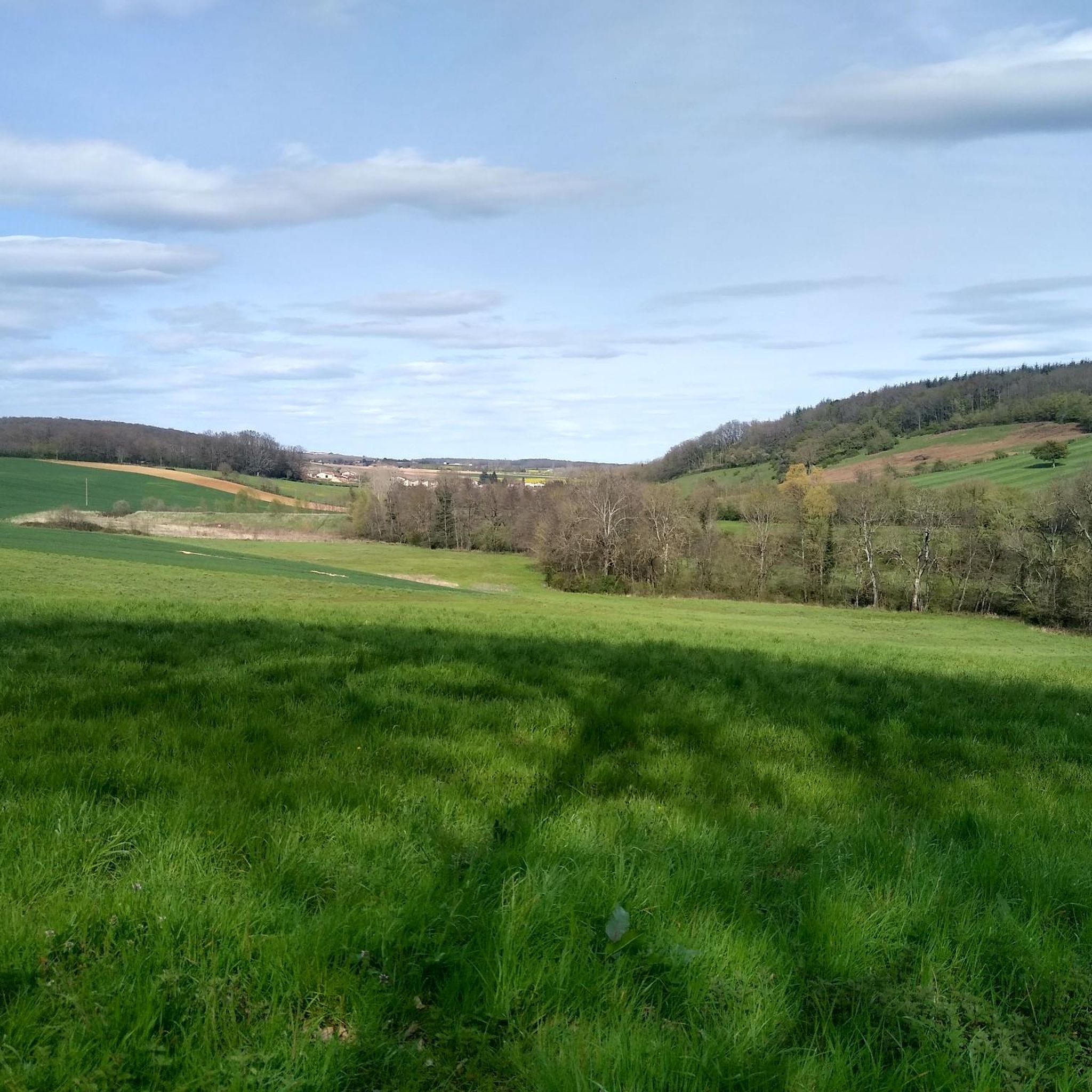
The Col de Beaufer is located in the Monts du Mâconnais, west of Tournus in the Saône-et-Loire department. With a height of only 303 meters, it is more of a gentle transition between the hills of the Tournugeois than a distinct mountain pass. The surrounding area is characterized by forests, meadows, and the typical wine landscapes of southern Burgundy. The pass is the starting point for several hiking and mountain biking trails, which lead through Plottes and the surrounding hills, among other places. The area "Le Cra et Col de Beaufer" is also designated as an ecologically valuable nature zone and covers around 982 hectares.
0
0

The Roman Catholic Church of St-Gervais-St-Protais in the municipality of Ozenay is an outstanding example of regional medieval architecture. A first church building on this site was already mentioned in documents around the year 950. The current building was largely built in the 12th century in two construction phases by the canons of Chalon. The transept, the choir, and the last bay of the nave (Nef) are the oldest parts and date from the mid-12th century. The first three bays of the nave were added towards the end of the 12th century.
1
0
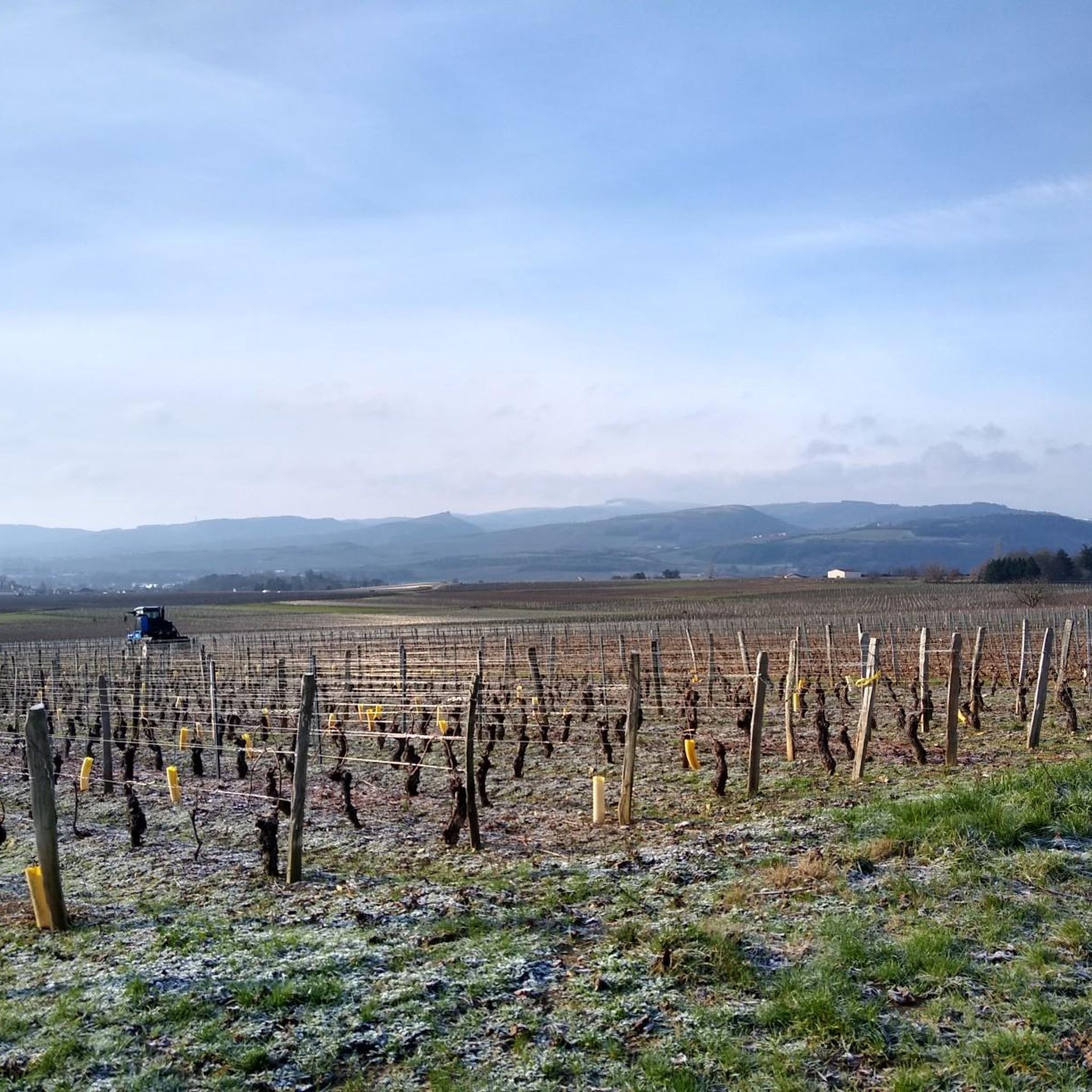
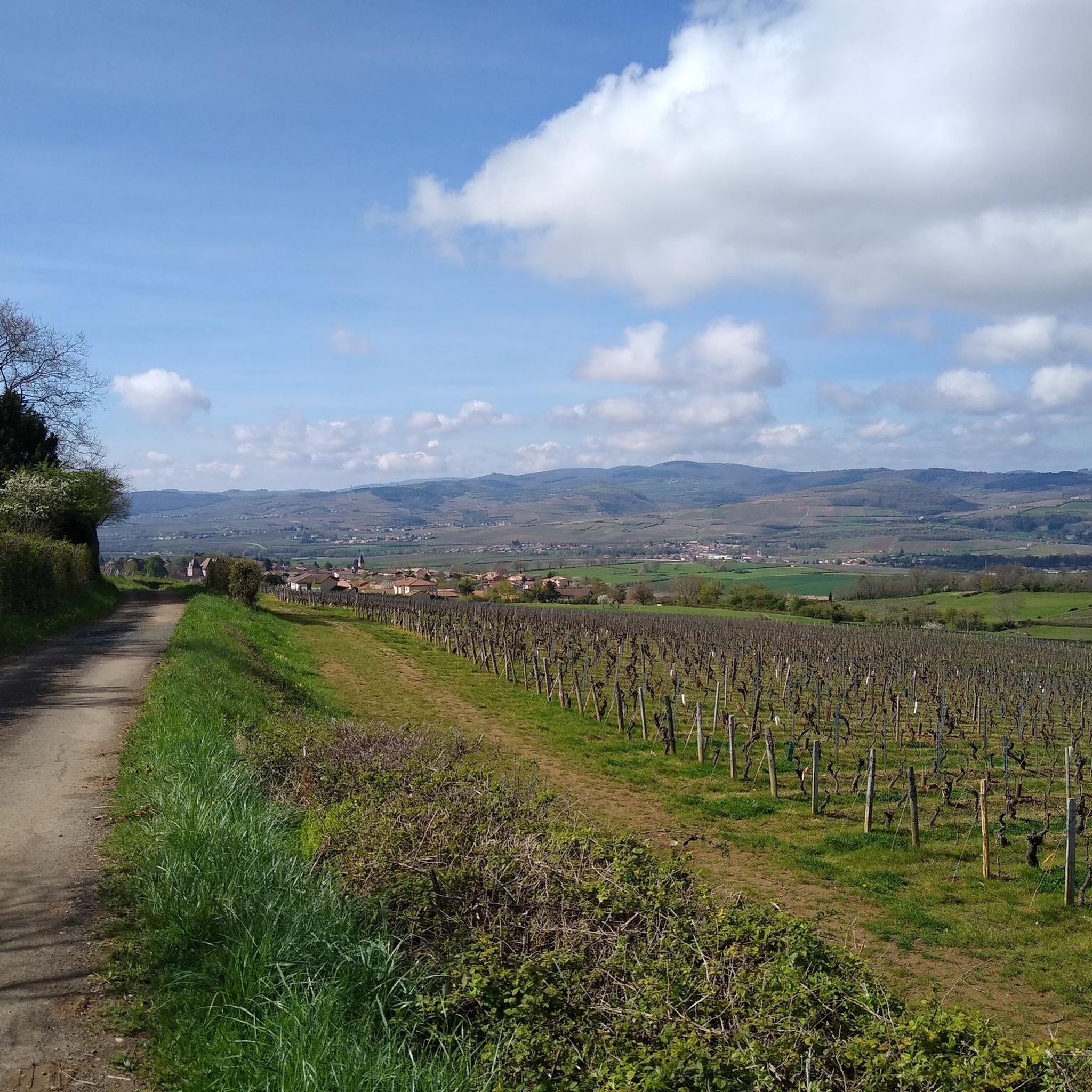
In this small town with its surrounding endless vineyards, everyone seems to live from viticulture.
1
0
The Église Saint-Jean-Baptiste de Burgy (Church of St. John the Baptist), a small, charming village church, is a typical Romanesque building from the 11th to 12th century. It is known for its stocky, solid construction. It has a massive square bell tower and a roof covered with traditional limestone slabs (laves). Inside, the church has a single nave. Due to its historical significance, it was officially protected as a French historical monument (Monument Historique) in 1979.
2
0
The Saint-Martin church in Chapaize is a beautiful, old church. Its huge, 35-meter-high tower can be seen from afar. The church was built almost 1000 years ago in the Romanesque style, it has thick stone walls and round arches.
4
0
The Romanesque church originally dates from the 11th to 12th centuries. It is a classic example of the early Romanesque art of the Haut-Mâconnais region. The nave, the choir, and the distinctive square bell tower are entirely preserved in this style. Over the centuries (in the Gothic period as well as in the 19th century) there were minor architectural changes. Monument protection: The building has been classified as an official French cultural monument (Monument historique) since 1979.
1
0
The caves were already used by humans and animals around 250,000 years ago. It is mainly known for the huge number of found bones of cave bears and cave lions. Visitors can explore a prehistoric cave full of bone finds as well as a second cave with an impressive underground river. Right on site, there is an archaeological museum that displays the finds.
1
0
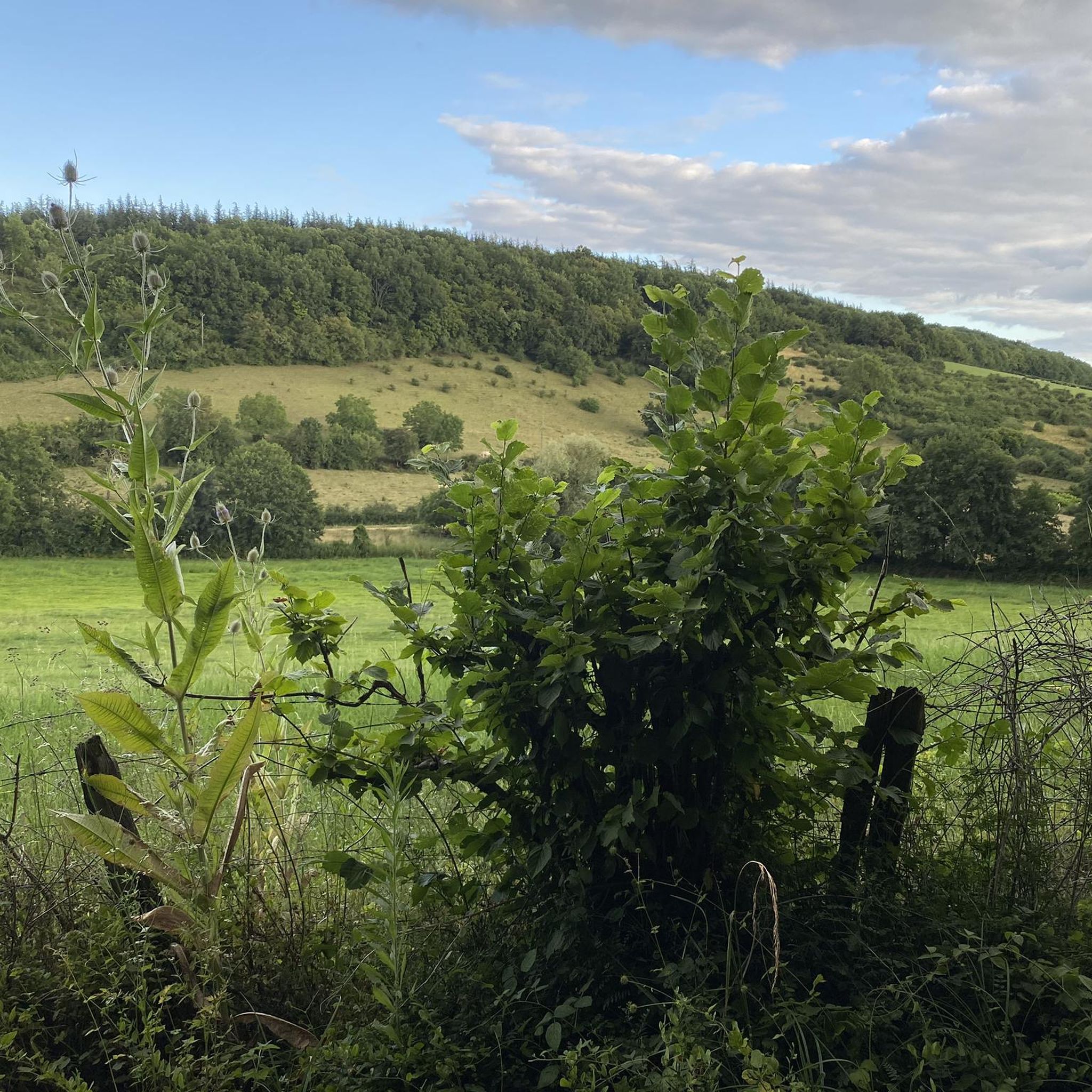
The tour leads through a picturesque, typically Burgundian landscape of rolling fields, dense forests, and vineyards. It connects the small, historic communities of Bray, Cortambert, and Blanot. In the listed historic village of Blanot, you will find, among other things, the famous Grottes de Blanot (a cave that reaches over 80 meters deep into the earth) as well as a historic Romanesque church. www.burgund-touri... +1
1
0
Frequently Asked Questions
How many road cycling routes are available in Prairies Inondables Du Val De Saône?
There are over 900 road cycling routes in Prairies Inondables Du Val De Saône. This extensive network offers a wide variety of options for cyclists of all abilities, from easy, flat rides to more challenging routes with significant elevation changes.
Are there road cycling routes suitable for beginners or families in Prairies Inondables Du Val De Saône?
Yes, the region is exceptionally well-suited for beginners and families due to its predominantly flat topography. The Saint-Laurent Bridge – Berges de la Saône loop from Senozan is a moderate option, but many routes along the Saône River, including sections of the dedicated "Voie Bleue," offer easy, low-gradient cycling on paths with very little traffic. There are over 160 easy routes available.
What kind of challenge can advanced road cyclists expect in Prairies Inondables Du Val De Saône?
While much of the region is flat, advanced road cyclists can find challenging routes that incorporate significant elevation gain. For example, the Bois Clair tunnel – Pierreclos Church loop from Senozan is a difficult 96.1 km route with over 900 meters of elevation gain. Another demanding option is the Church of Burgy – Croix de Montmain Pass loop from Senozan, covering 67.5 km with nearly 1000 meters of ascent.
What is the best time of year for road cycling in Prairies Inondables Du Val De Saône?
The Prairies Inondables Du Val De Saône are beautiful for road cycling from spring through autumn. Spring offers vibrant green meadows and blooming flora, while summer provides warm weather ideal for longer rides. Autumn brings picturesque colors to the alluvial forests. Due to the potential for flooding, especially in late autumn and winter, it's advisable to check local conditions before planning a trip during these seasons.
What are the main natural features and landscapes I will encounter while cycling?
Road cycling routes in Prairies Inondables Du Val De Saône offer a unique landscape defined by the slow-moving Saône River and its floodplain. You'll cycle through vast wet meadows, alongside alluvial forests, past old river arms known as "lônes," and by various ponds. This mosaic of environments, including islands within the river, provides tranquil views and a rich natural setting, recognized as a Natura 2000 site for its biodiversity.
Are there any dedicated cycling paths like the Voie Bleue in the region?
Yes, the "Voie Bleue" is a significant dedicated cycling route that runs along the Saône River through the region. It forms part of the larger V50 route, connecting Luxembourg to Lyon, and offers an accessible, flat, and scenic environment for cyclists. Many local routes incorporate sections of this well-maintained path, providing a safe and enjoyable cycling experience.
Can I spot wildlife while road cycling in Prairies Inondables Du Val De Saône?
Absolutely. The Prairies Inondables Du Val De Saône is a biodiversity hotspot. While cycling, you might observe a variety of birds such as the Corn Crake, Eurasian Curlew, Black-tailed Godwits, and Savi's Warblers. The region is also home to European Beavers and diverse insect life. Early mornings or late afternoons are often the best times for wildlife spotting.
Are there circular road cycling routes available?
Yes, many of the road cycling routes in Prairies Inondables Du Val De Saône are designed as loops, allowing you to start and end your ride at the same point. Examples include the Pistole Pass – Mount Saint-Romain loop from Senozan and the Notre-Dame Church – Pistole Pass loop from Senozan. These circular routes make planning your ride and parking more convenient.
What do other road cyclists enjoy most about cycling in Prairies Inondables Du Val De Saône?
The region is highly rated by the komoot community, with an average score of 4.5 stars from over 270 reviews. Cyclists often praise the exceptionally flat terrain, making it accessible for all levels, the scenic rides through wet meadows and along the Saône River, and the peaceful, low-traffic roads. The rich biodiversity and well-maintained routes are also frequently highlighted.
Is parking available near the road cycling routes?
Yes, parking is generally available in the communes and villages throughout the Prairies Inondables Du Val De Saône, especially near popular starting points for cycling routes. Many routes, being loops, allow for convenient parking at the start/end point. It's always a good idea to check specific route details on komoot for recommended parking locations.
Are there any specific points of interest or natural sites to explore off the bike?
Beyond cycling, the region offers several natural sites to explore. You can visit interpretive trails such as the peat bog of Les Oignons in Boz or the sand dunes of Les Charmes in Sermoyer. These areas provide insights into the unique ecological heritage of the Prairies Inondables Du Val De Saône. For more information on the region's natural heritage, you can visit Tourisme Val de Saône.
Most popular routes in Prairies Inondables Du Val De Saône

Get inspired with the komoot mobile app


Explore more
Browse the best Road cycling routes in other regions.
