The best walks and hikes in Prairies Inondables Du Val De Saône
4.5
(836)
6,164
hikers
393
hikes
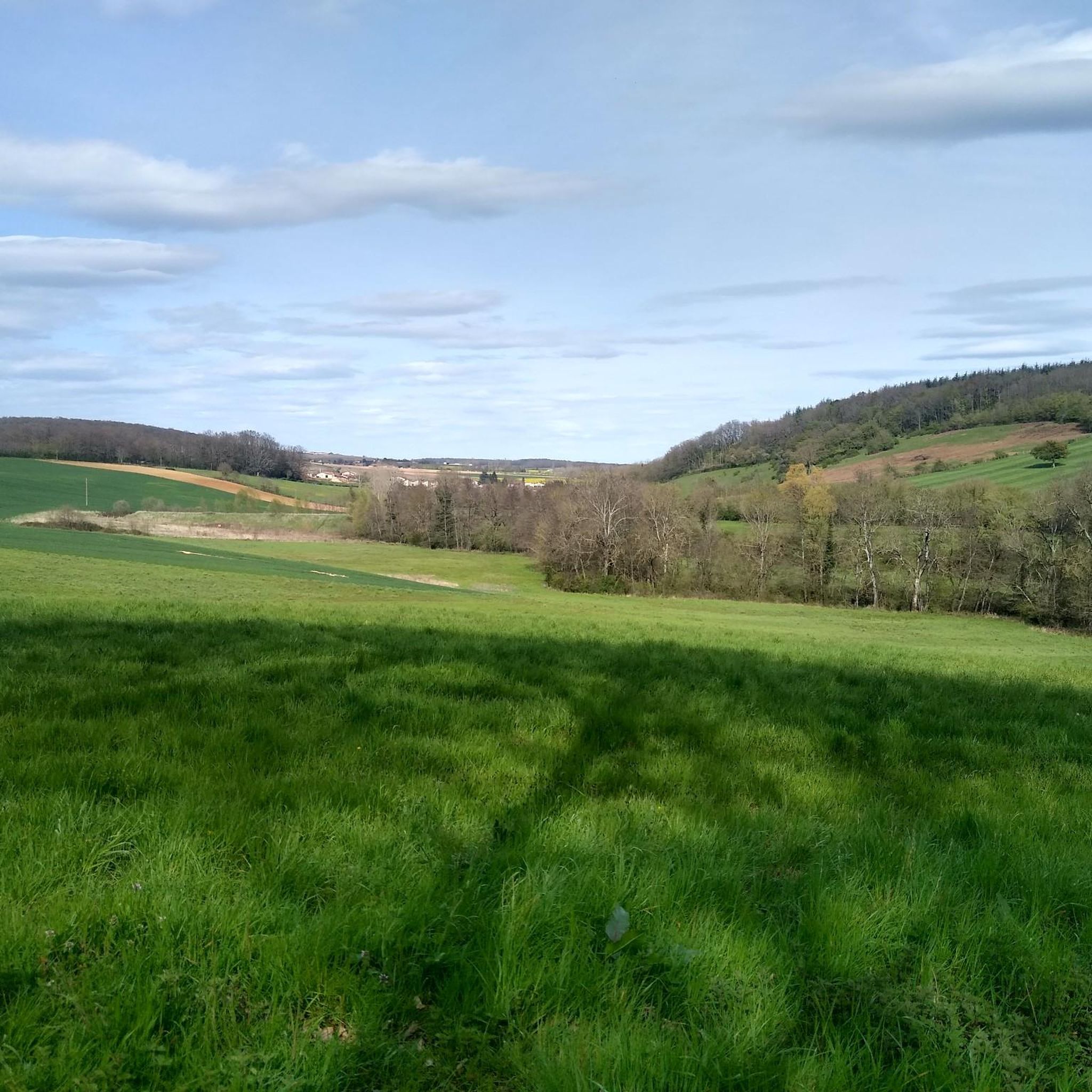
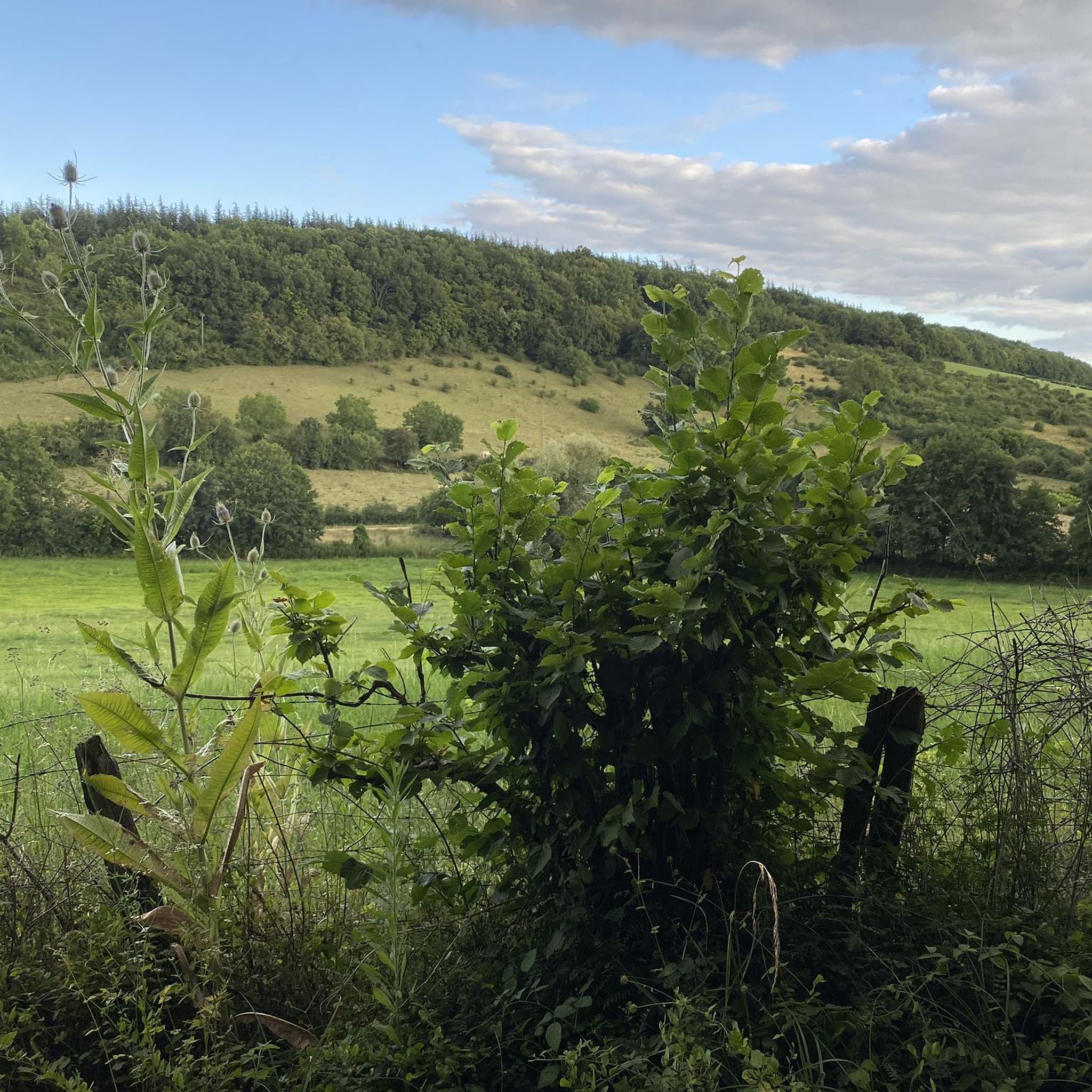
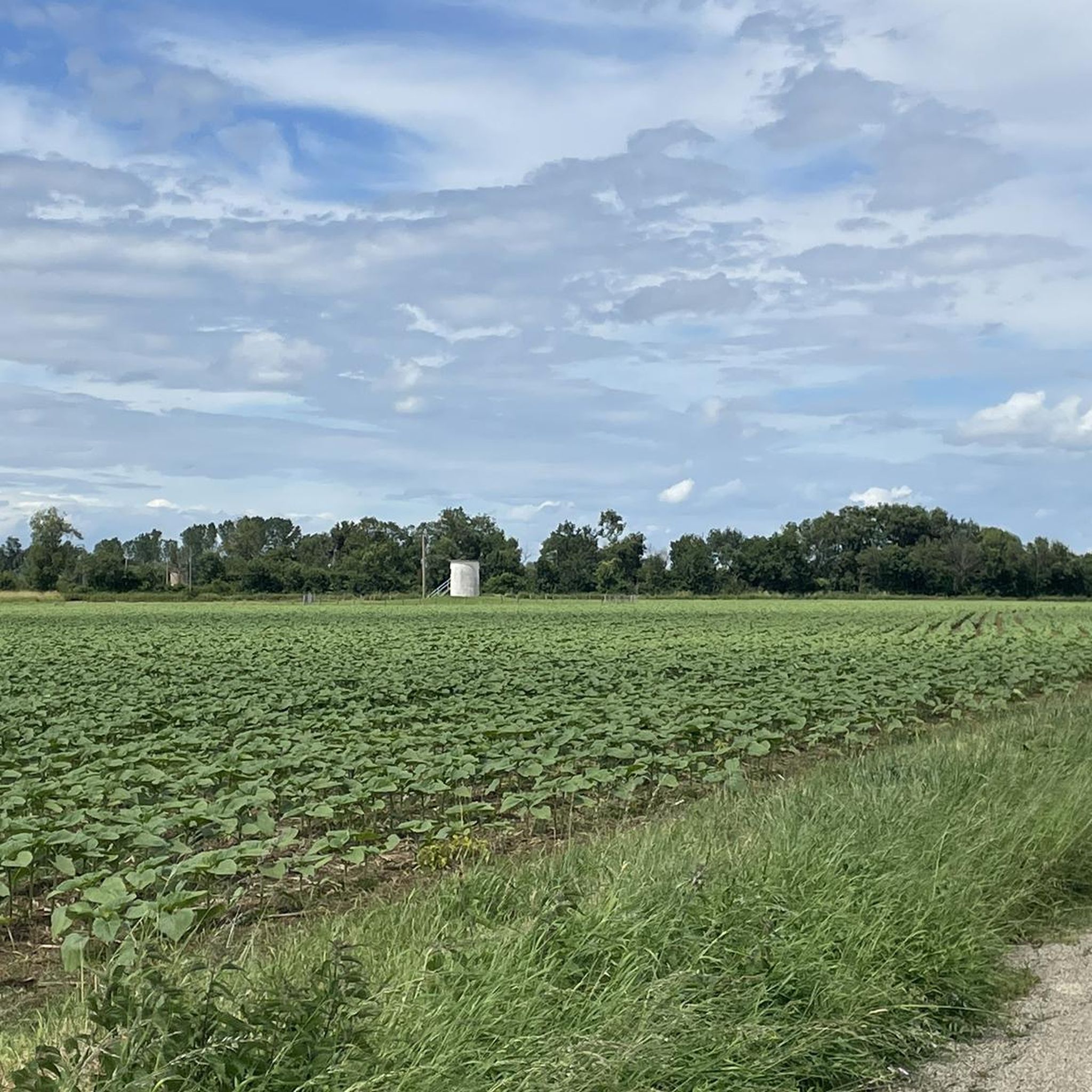
Hiking in Prairies Inondables Du Val De Saône features a unique wetland ecosystem shaped by the Saône river. The terrain is characterized by vast flooded wet meadows, alluvial woodlands, and a mosaic of islands and old river branches. The landscape is generally low-lying, with gentle slopes, and includes forest massifs. This protected natural area is recognized for its ecological importance and rich biodiversity.
Best hiking trails in Prairies Inondables Du Val De Saône
- The most popular hiking route is Fleurville…
Last updated: July 11, 2026
3.7
(7)
38
hikers
10.3km
02:36
20m
20m
Moderate hike. Good fitness required. Easily-accessible paths. Suitable for all skill levels.
4.0
(1)
20
hikers
8.47km
02:08
10m
10m
Moderate hike. Good fitness required. Easily-accessible paths. Suitable for all skill levels.

Sign up for free
3.3
(8)
46
hikers
3.86km
00:59
10m
10m
Easy hike. Great for any fitness level. Easily-accessible paths. Suitable for all skill levels.
4.5
(2)
14
hikers
2.84km
00:45
20m
20m
Easy hike. Great for any fitness level. Easily-accessible paths. Suitable for all skill levels.
4.8
(8)
68
hikers
4.84km
01:16
40m
40m
Easy hike. Great for any fitness level. Easily-accessible paths. Suitable for all skill levels.
Get access to more routes and recommendations from other explorers.
Sign up for free
Already have an account?
Our route recommendations are based on thousands of hikes, rides, and runs completed by other people on komoot.
Start today with a free account
Your next adventure awaits.
Login or Signup
Popular around Prairies Inondables Du Val De Saône

Tips from the Community

The Saint-Laurent Bridge (Pont Saint-Laurent) is a historic stone bridge spanning the Saône river. It connects the town of Mâcon in the Saône-et-Loire department with the municipality of Saint-Laurent-sur-Saône in the Ain department. Initial wooden structures were already built by the Romans. The current stone bridge dates back to the 11th century in its core and is considered the oldest bridge over the Saône. The structure consists of twelve stone arches. On one of the piers, there is a statue of Saint Nicholas, the patron saint of boatmen. It is one of the few historic structures in the region that survived the bombings of World War II unscathed.
0
0
Among anglers, the Saône near Mâcon enjoys a legendary reputation. The river is known for its gigantic European catfish (Waller). In this area, capital fish regularly get caught, which are well over 2 meters long and weigh over 100 kilograms.
0
0
The Maison de Bois (Wooden House) is located at Place aux Herbes in the center of Mâcon. It is the oldest and most famous residential building in the city. It was built between 1490 and 1510. The ground floor is made of masonry, while the three floors above are built entirely of wood. The wooden structure is famous for its countless, partly grotesque and suggestive carvings. Mythical creatures, monkey masks, and naked and winged figures can be seen. Today, a popular bar-restaurant is located on the ground floor.
1
0
The Berges de la Saône (the riverbank promenade of the Saône River) is a modernized riverbank section in the Burgundy region of France, near the road du Pont Vert. This paved riverside path is a popular section of the well-known La Voie Bleue cycle route (Moselle-Saône cycle route) and serves as a recreational and event area for both pedestrians and cyclists.
1
0

Beautiful bridge to photograph. There are also large letters that say MACON, which is also fun to take a picture with.
1
0

Nice place as a starting point for a visit to the place
0
0


Nice shopping mile with lots of pretty clothing stores👗👚👖🫣…
1
0
Frequently Asked Questions
How many hiking trails are available in Prairies Inondables Du Val De Saône?
There are over 360 hiking routes recorded in Prairies Inondables Du Val De Saône on komoot, offering a wide range of options for exploration. These include 146 easy, 197 moderate, and 24 difficult trails, catering to various fitness levels.
What kind of terrain can I expect when hiking in Prairies Inondables Du Val De Saône?
The terrain is predominantly low-lying and shaped by the Saône river, featuring vast flooded prairies, alluvial forests, and a mosaic of islands and old river branches known as "lônes." You'll also encounter bocage landscapes with hedgerows, and surprisingly, unique features like sandy dunes and peaty heathlands. Trails are generally well-maintained, but given the nature of the region, some areas can be damp or muddy, especially after rain or during flood periods.
Are there any unique natural features or landmarks to discover along the trails?
Yes, the region is rich in unique natural features. You can explore the extensive flooded prairies, which are naturally fertilized by the Saône's inundations, supporting diverse plant life. Look out for alluvial forests, particularly on islands like Île de Montmerle, and the distinctive "lônes." For something truly unusual, seek out the "sandy dunes of Les Charmes" in Sermoyer or the "peaty heathland of Les Oignons" in Boz, which are rare wetland environments.
What kind of wildlife can I expect to see while hiking?
The Prairies Inondables Du Val De Saône are a biodiversity hotspot, especially for birdwatching. You might spot important populations of the Corn Crake and Eurasian Curlew, along with Black-tailed Godwits, Savi's Warblers, Skylarks, and Stonechats. Heron colonies, including the Black-crowned Night-Heron, can be found on islands like Île de la Motte. The diverse plant life, including nationally protected species like Gratiola officinalis, also adds to the natural spectacle.
Are there family-friendly hiking options in the area?
Yes, many trails are suitable for families, particularly the numerous easy and moderate routes. For example, the Fleurville lock loop from Fleurville is an easy 5.9 km (3.7 miles) hike with minimal elevation, perfect for a leisurely family outing. The generally flat terrain and natural beauty make it an enjoyable experience for all ages.
Can I bring my dog on the hiking trails?
While many trails in natural areas are dog-friendly, it's always best to keep dogs on a leash to protect the sensitive wildlife, especially ground-nesting birds like the Corn Crake and Eurasian Curlew, and to respect local regulations. Given the rich biodiversity, maintaining control of your pet is crucial.
Are there circular hiking routes available?
Yes, many of the routes in Prairies Inondables Du Val De Saône are circular, allowing you to start and end at the same point. A popular moderate option is the Fleurville Lock – Port of Pont-de-Vaux loop from Fleurville, which is 8.5 km (5.3 miles) long and takes about 2 hours and 7 minutes to complete, offering scenic views along the Saône valley.
What is the best time of year to hike in Prairies Inondables Du Val De Saône?
The best time to hike is generally from spring to early autumn. Spring offers vibrant flora and active birdlife, while summer provides warmer weather for longer excursions. However, be mindful that the prairies are naturally flooded, so conditions can vary. Always check local weather and trail conditions, especially after heavy rainfall, as some areas might be wet or muddy.
Is public transport available to reach the trailheads?
Information on specific public transport links directly to trailheads is not readily available. It is advisable to check local bus services or regional train connections to nearby towns like Fleurville or Pont-de-Vaux, and then plan for a short taxi ride or walk to the starting points of the trails.
Is parking available for hikers?
While specific parking areas for each trailhead are not detailed, towns and villages within the region, such as Fleurville and Pont-de-Vaux, typically offer public parking facilities. It's recommended to park in designated areas and respect local signage.
Are there any permits required for hiking in Prairies Inondables Du Val De Saône?
No specific hiking permits are generally required for accessing the public trails in Prairies Inondables Du Val De Saône. However, as a protected natural site (ZNIEFF and Natura 2000), visitors are encouraged to stay on marked paths, respect the environment, and avoid disturbing wildlife.
What do other hikers enjoy most about the trails here?
The trails in Prairies Inondables Du Val De Saône are highly rated by the komoot community, with an average score of 4.5 stars from over 700 reviews. Hikers often praise the unique wetland ecosystem, the tranquility, and the opportunity to observe diverse flora and fauna. The well-maintained paths and the gentle, flat terrain are also frequently highlighted as enjoyable aspects.
What should I wear or bring for a hike in this region?
Given the nature of the flooded prairies and potential for damp conditions, waterproof or water-resistant footwear is highly recommended. Layered clothing is advisable to adapt to changing weather. Don't forget binoculars for birdwatching, and bring enough water and snacks, as amenities might be sparse directly on the trails. Sun protection is also important during sunny periods.
Are there opportunities for longer, multi-day hikes?
While many routes are designed for day trips, the extensive network of trails and the connection to the "Voie Bleue" (Blue Way) along the Saône river offer potential for combining shorter routes into longer excursions. You could plan a multi-day trip by linking several trails and utilizing accommodation in nearby towns. For example, the Port of Pont-de-Vaux – Fleurville lock loop from Fleurville is a moderate 11.9 km (7.4 miles) trail that could be part of a longer itinerary.
Most popular routes in Prairies Inondables Du Val De Saône

Get inspired with the komoot mobile app


Explore more
Browse the best Hikes in other regions.
