Attractions and Places To See in Lüchower Landgrabenniederung - Top 5
Best attractions and places to see in Lüchower Landgrabenniederung include a diverse range of natural and historical sites within this partially drained lowland area. The region is characterized by wetlands, natural forests, and diverse habitats, much of which is protected as a nature reserve. It also holds significant historical importance, particularly related to the former inner-German border. Visitors can explore remnants of the past alongside varied natural landscapes.
Best attractions and places to see in Lüchower Landgrabenniederung
- The most popular…
Last updated: August 29, 2026
Former Inner German Border – Green Belt
Highlight • Historical Site
Many of the border posts to the former GDR, with the information boards, show the technical details …
Translated by Google •
Tip by

DDR Border Post 368
Highlight • Historical Site
Translated by Google •
Tip by

Sign up now to discover places like this
Get recommendations on the best single tracks, peaks, & plenty of other exciting outdoor places.
Sign up for free
Deserted village of Jahrsau
Highlight • Historical Site
Translated by Google •
Tip by

German Border Marker at Grünenberg
Highlight • Monument
Translated by Google •
Tip by

Resting Bench at Border Post 363 – Green Belt Germany
Highlight • Rest Area
Showing Translation
Tip by

Start today with a free account
Your next adventure awaits.
Login or Signup
Tips from the Community

These columns stand a few meters in front of the former GDR - FRG state border (Inner German border). On the side facing west, a cast aluminum plaque was attached, with the state coat of arms of the GDR and the state name. It is clearly visible from the Kolonnenweg (patrol path).
0
0

Wendland/Altmark region: a very beautiful region for cycling, German/German history, structural development.
0
0

Here you are at the top of the so-called Jahrsauer Sack. So named because the GDR area protruded into Lower Saxony in the form of a sack.
1
0

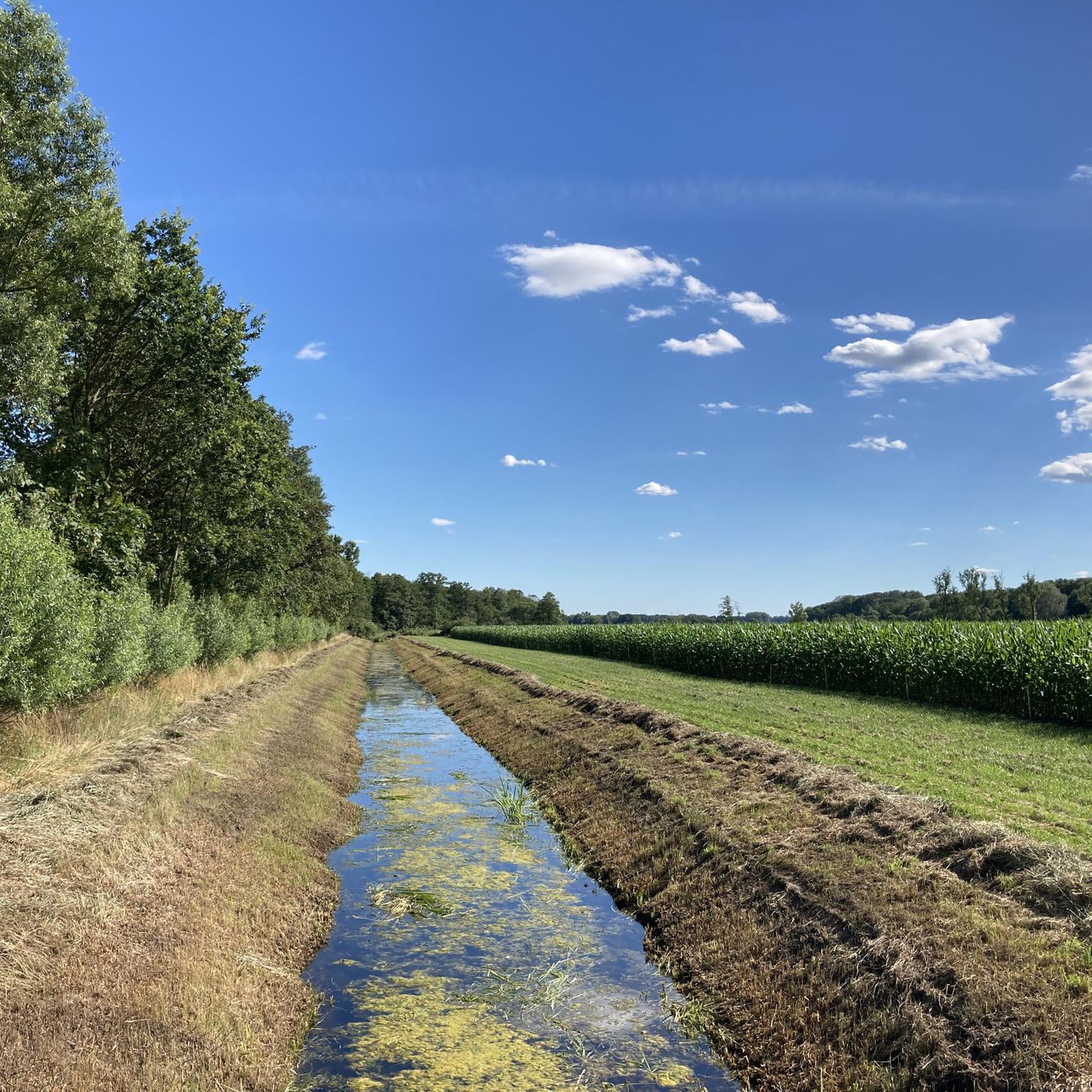
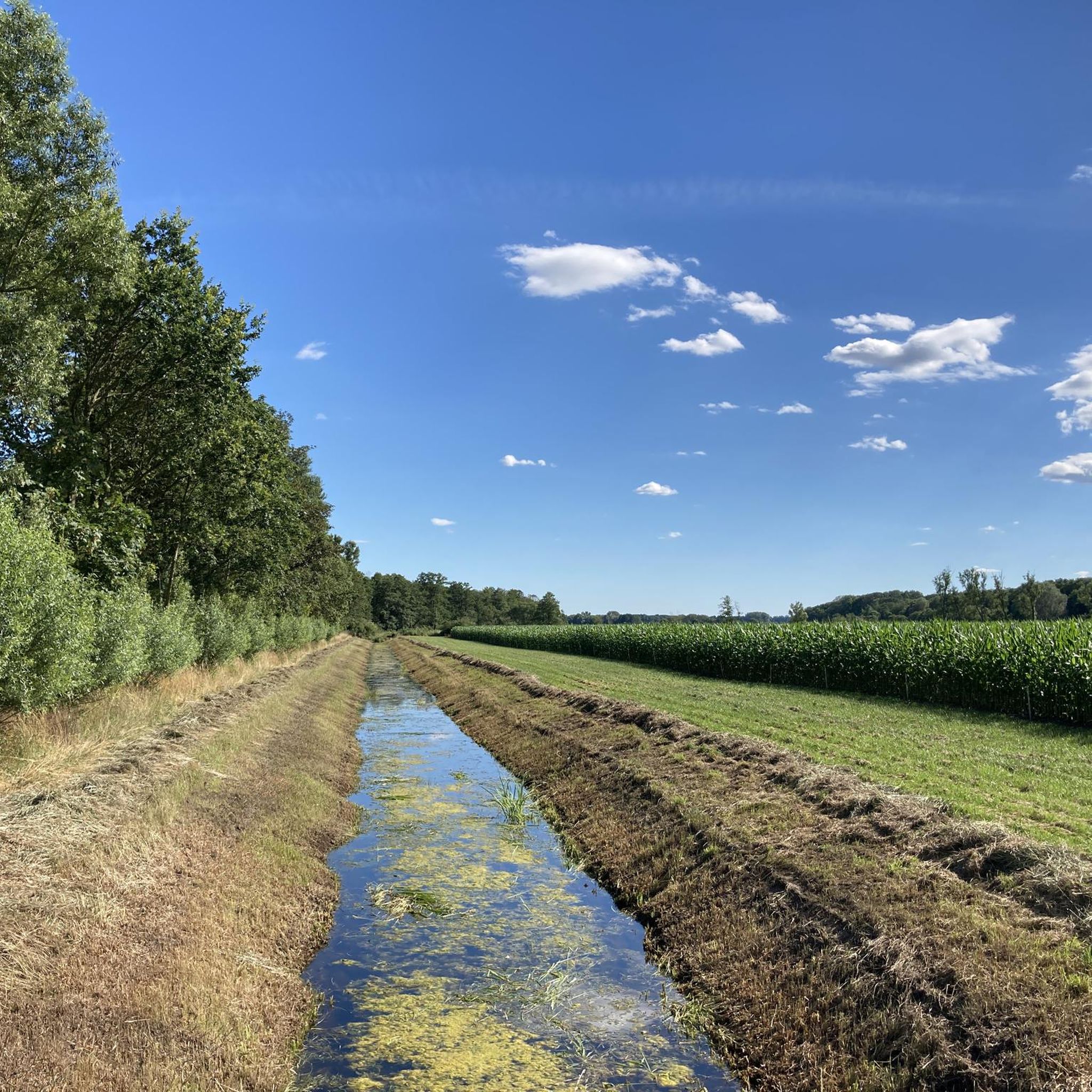
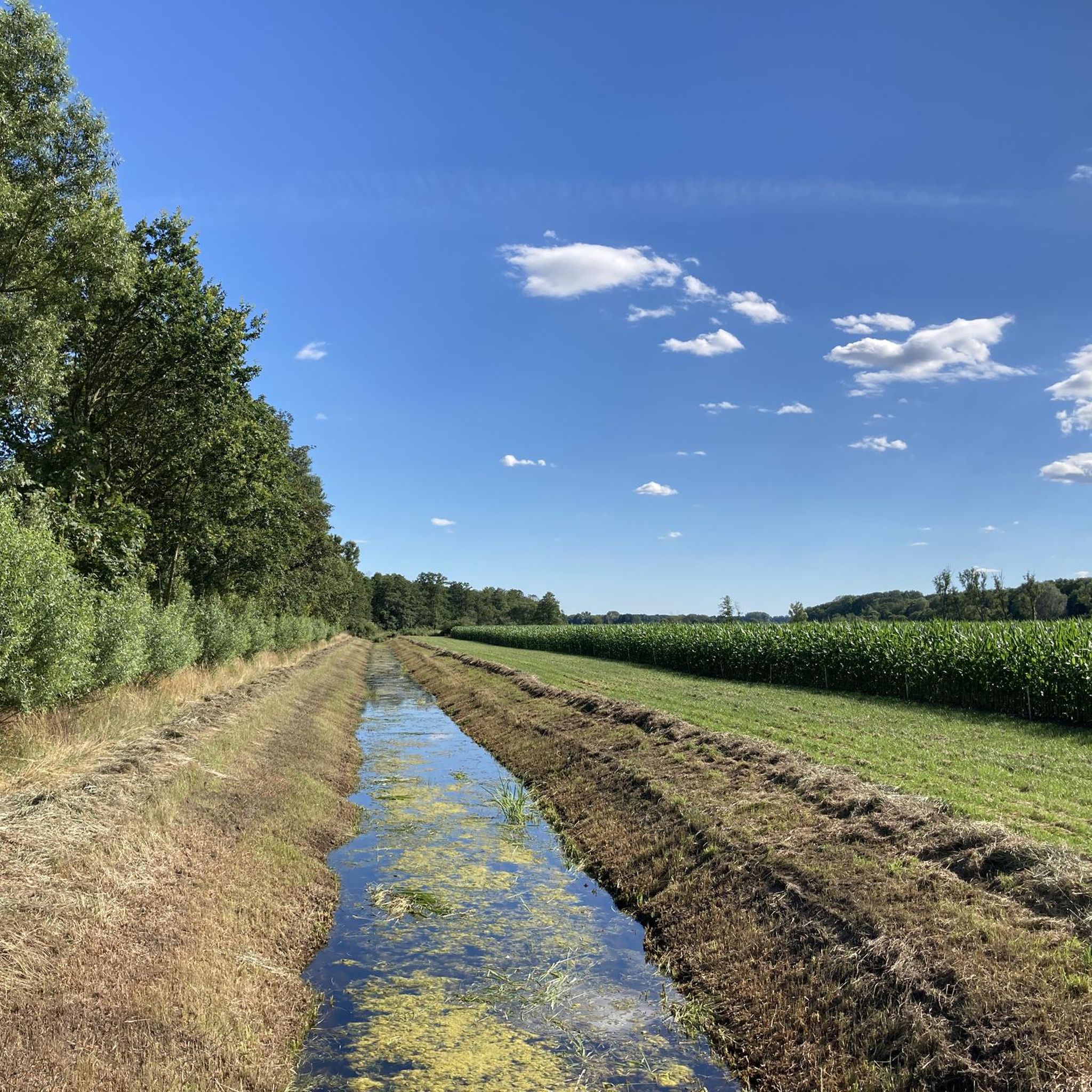
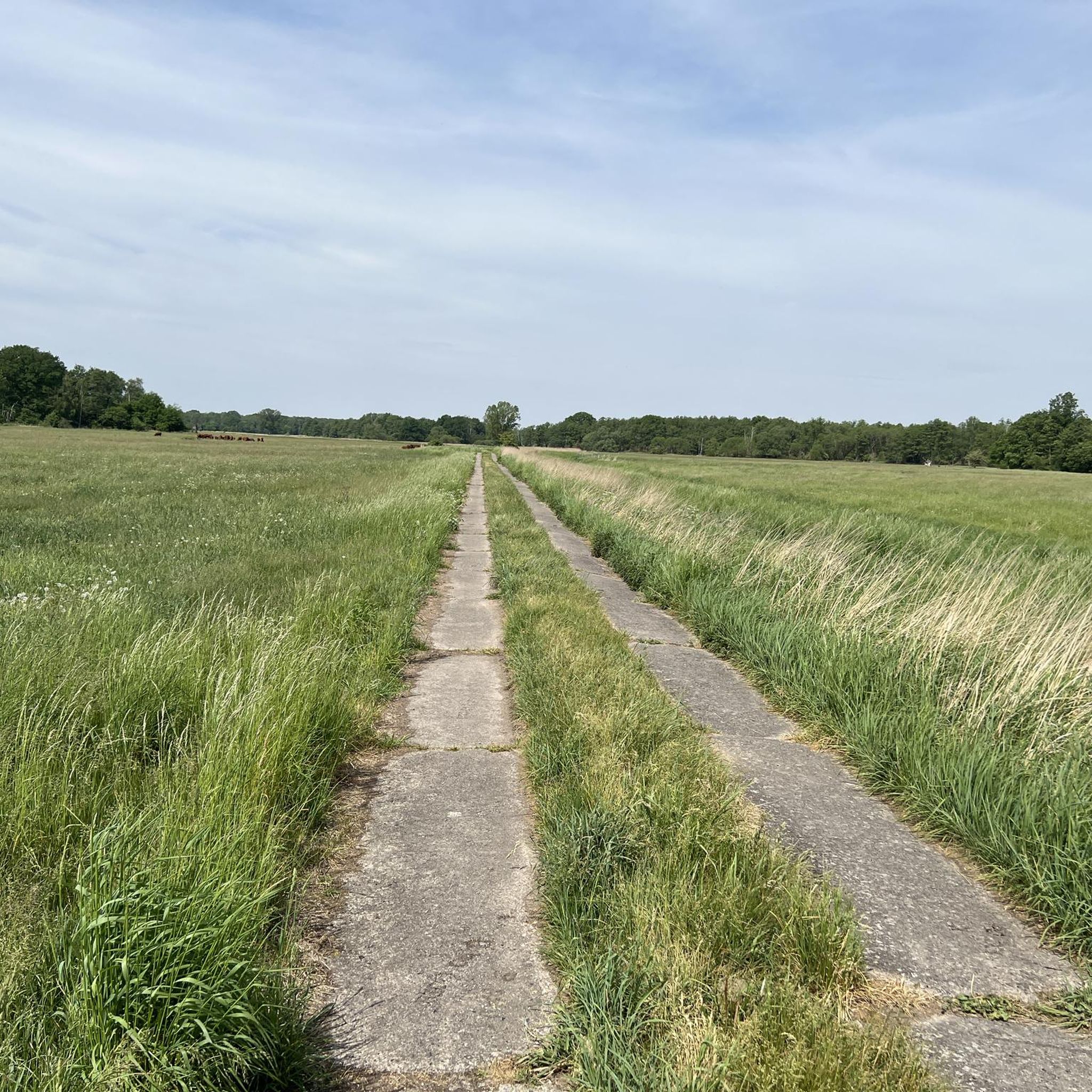
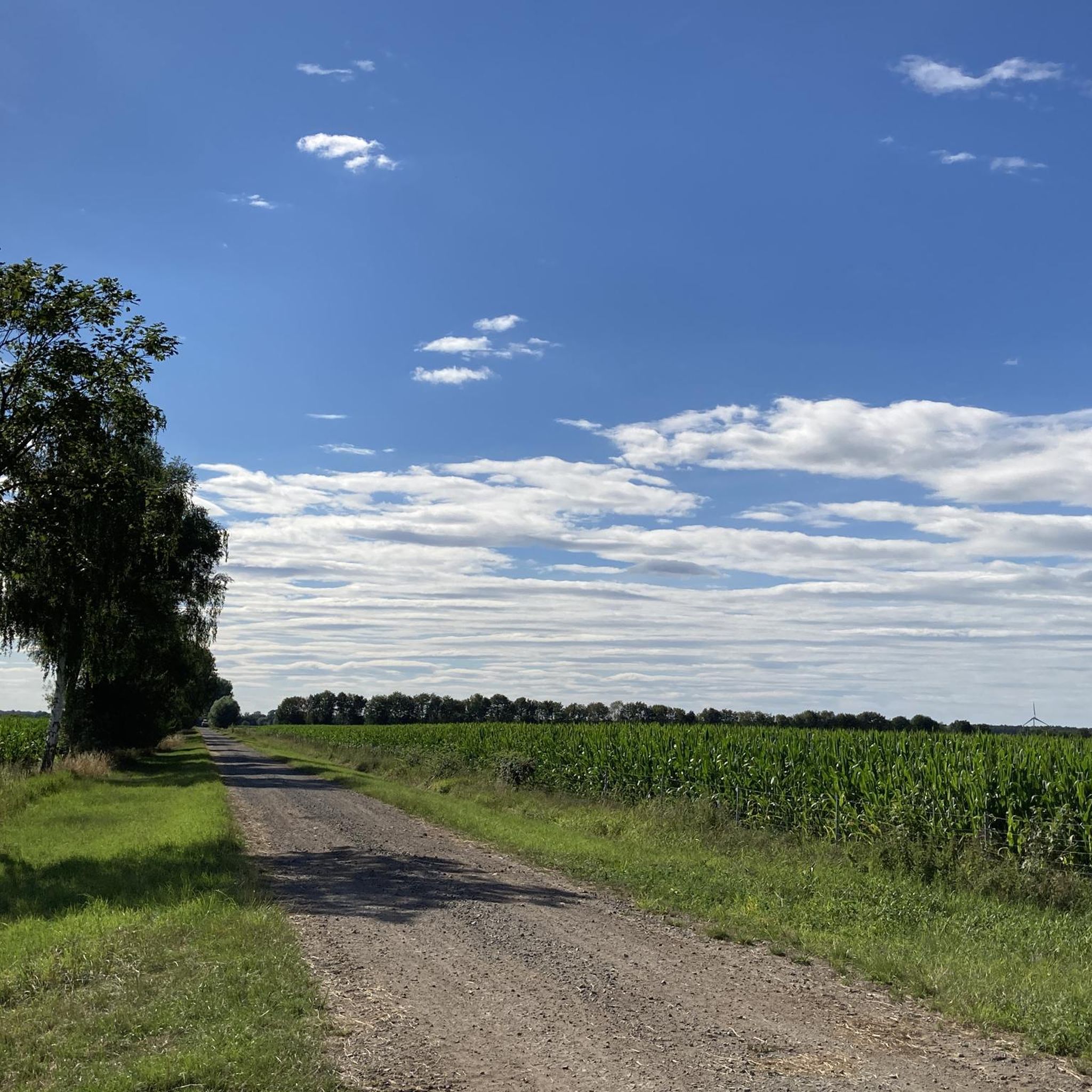
A quiet and pretty area on the Green Belt, the former border between West Germany and East Germany (nowadays Lower Saxony and Saxony-Anhalt meet here). The former GDR patrol roads are a bit bumpy to ride by bike, as they mostly consist of perforated concrete slabs. In places, however, there are also paths that lead alongside the perforated plates.
1
0

Along the green belt, you will encounter a piece of German history here. Many of the border posts to the former GDR, with the information boards, show the technical details of the border security at the time. Here in this "so-called no man's land" nature is in charge today.
2
0

Again and again at the Green Belt you will find these border posts of the former GDR. Here is also the information board attached with the technical details of the former border guards. Already violent!
1
1
Frequently Asked Questions
What historical sites can I explore in Lüchower Landgrabenniederung?
The region is rich in history, particularly related to the former inner-German border. You can visit the Former Inner German Border – Green Belt, where remnants of the border and information boards detail past security. Another significant site is DDR Border Post 368, offering a tangible link to the period of German division. You can also find the Deserted village of Jahrsau and the German Border Marker at Grünenberg.
What natural features characterize the Lüchower Landgrabenniederung?
The Lüchower Landgrabenniederung is a diverse natural landscape, much of which is protected as a 530-hectare nature reserve. It features natural forests, primarily on wet ground, including birch-oak and oak-hornbeam forests. The landscape is also shaped by lowland moors, wet and damp grasslands, swamps, and reed beds, along with small bodies of water and inland salt marshes.
Can I see remnants of the former inner-German border?
Yes, the region is an excellent place to explore the history of the inner-German border. The Former Inner German Border – Green Belt allows visitors to see various border posts and information boards that explain the technical aspects of past border security. You can also find specific markers like DDR Border Post 368 and the German Border Marker at Grünenberg.
What is the 'Jahrsauer Sack'?
The 'Jahrsauer Sack' refers to an area within the Lüchower Landgrabenniederung where East German territory historically extended into Lower Saxony in a distinctive, sack-like shape. The Deserted village of Jahrsau is located at the top of this historically significant area.
Are there opportunities for cycling in the Lüchower Landgrabenniederung?
Yes, cycling is a popular activity, especially along the former East German patrol paths, which are now part of the Green Belt. While some sections may be bumpy due to perforated concrete slabs, they offer a unique way to experience the history and natural beauty. You can find various cycling routes in the area, such as the 'Nemitzer Heath – Kriwitz Rundling Village loop' or the 'St. Jacobi Chapel Lübbow – Woltersdorf Field Church loop'. For more options, explore the Cycling in Lüchower Landgrabenniederung guide.
What kind of wildlife can I expect to see in the nature reserve?
The varied habitats of the Lüchower Landgrabenniederung nature reserve provide a crucial sanctuary for numerous endangered and protected species. These include a rich diversity of breeding birds, dragonflies, amphibians, fish, and mammals, making it an excellent spot for nature observation.
Are there hiking trails available near the attractions?
Absolutely. The region offers several hiking opportunities that combine natural beauty with historical insights. Trails like the 'Jeebel Border Tower – Abandoned Village of Jahrsau loop' and the 'Abandoned Village of Jahrsau – DDR Border Post 368 loop' allow you to explore the landscape and historical sites. For a comprehensive list of routes, check out the Hiking in Lüchower Landgrabenniederung guide.
What do visitors enjoy most about the Lüchower Landgrabenniederung?
Visitors particularly appreciate the unique combination of natural beauty and profound historical significance. Many find the experience of cycling or walking along the former Green Belt, encountering border posts and information boards, to be very impactful. The tranquility of the natural forests and wetlands, now reclaiming the former 'no man's land,' is also highly valued.
Is the Lüchower Landgrabenniederung suitable for families?
Yes, several sites are considered family-friendly. For instance, DDR Border Post 368 and the German Border Marker at Grünenberg are accessible and offer educational insights into history. The various cycling and hiking paths, especially easier routes, also provide opportunities for family outings in nature.
What is the best time of year to visit the Lüchower Landgrabenniederung?
The Lüchower Landgrabenniederung offers different experiences throughout the year. Spring and autumn are ideal for hiking and cycling, with pleasant temperatures and beautiful foliage or blooming wetlands. Birdwatching is particularly rewarding during migration seasons. Summer is also suitable for outdoor activities, while winter can offer a serene, quiet landscape, though some paths might be less accessible due to wet conditions.
Are there any specific viewpoints or resting spots in the area?
Yes, you can find places to pause and reflect. For example, the Resting Bench at Border Post 363 – Green Belt Germany offers a spot to take in the surroundings and contemplate the historical significance of the former border.
Can I find MTB trails in the Lüchower Landgrabenniederung?
While the region is known for its historical cycling paths, there are also options for mountain biking. You can explore various routes, including those that traverse the diverse terrain of the area. For detailed MTB trails, refer to the MTB Trails in Lüchower Landgrabenniederung guide.
Most popular routes in Lüchower Landgrabenniederung

Get inspired with the komoot mobile app


Explore more
Still not found the Highlight you’re looking for? See guides of the top attractions in other regions:
