Top 20 Castles around Rückersdorfer Forst
Best castles around Rückersdorfer Forst are situated in the broader Franconian region, offering historical insights and architectural features. While Rückersdorfer Forst itself is an unincorporated forest area in Middle Franconia, Bavaria, several notable castles are accessible in the vicinity. These sites provide a connection to the area's medieval past and often feature picturesque surroundings. The region's diverse landscape combines natural forest areas with historical landmarks.
Best castles around Rückersdorfer Forst
- The most popular castles is Rothenberg Fortress, a historical…
Last updated: July 6, 2026
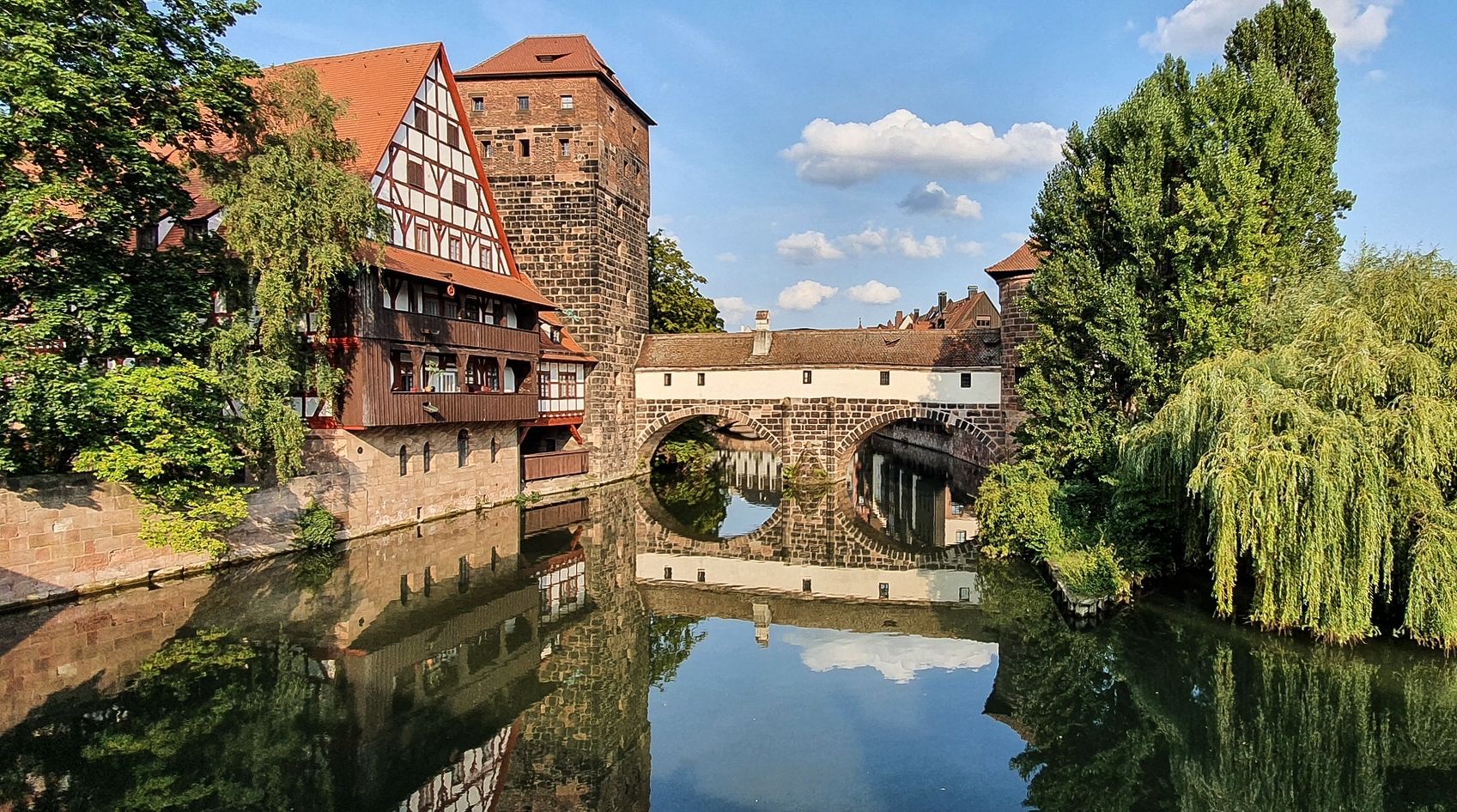
View of Wenzel Castle (Lauf Castle)
Highlight • Castle
Translated by Google •
Tip by

Rothenberg Fortress
Highlight • Historical Site
Guided tours are only available during the summer …
Translated by Google •
Tip by

Sign up now to discover places like this
Get recommendations on the best single tracks, peaks, & plenty of other exciting outdoor places.
Sign up for free
Ruins of Oberbürg Castle
Highlight • Castle
Translated by Google •
Tip by

Wenceslas Castle, Lauf an der Pegnitz
Highlight • Castle
Translated by Google •
Tip by

Hallerschlösschen Nuschelberg
Highlight • Restaurant
Translated by Google •
Tip by

Sign up for free to discover even more castles around Rückersdorfer Forst.
Sign up for free
Already have an account?
Start today with a free account
Your next adventure awaits.
Login or Signup
Popular around Rückersdorfer Forst
Countryside rides — exploring Nuremberg, Erlangen & Fürth
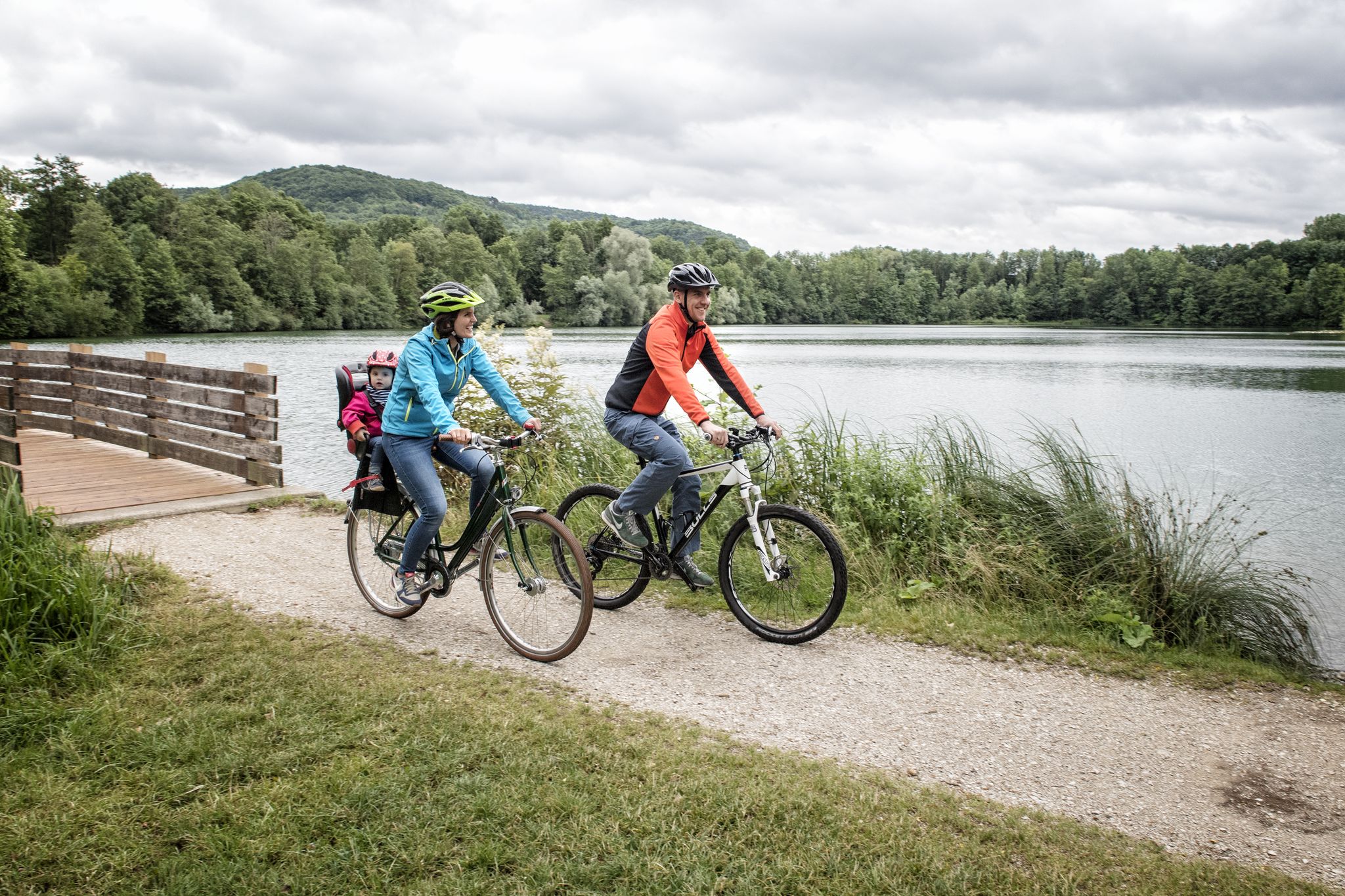
Incredible cycling in the Nuremberg region
Cycling around Rückersdorfer Forst
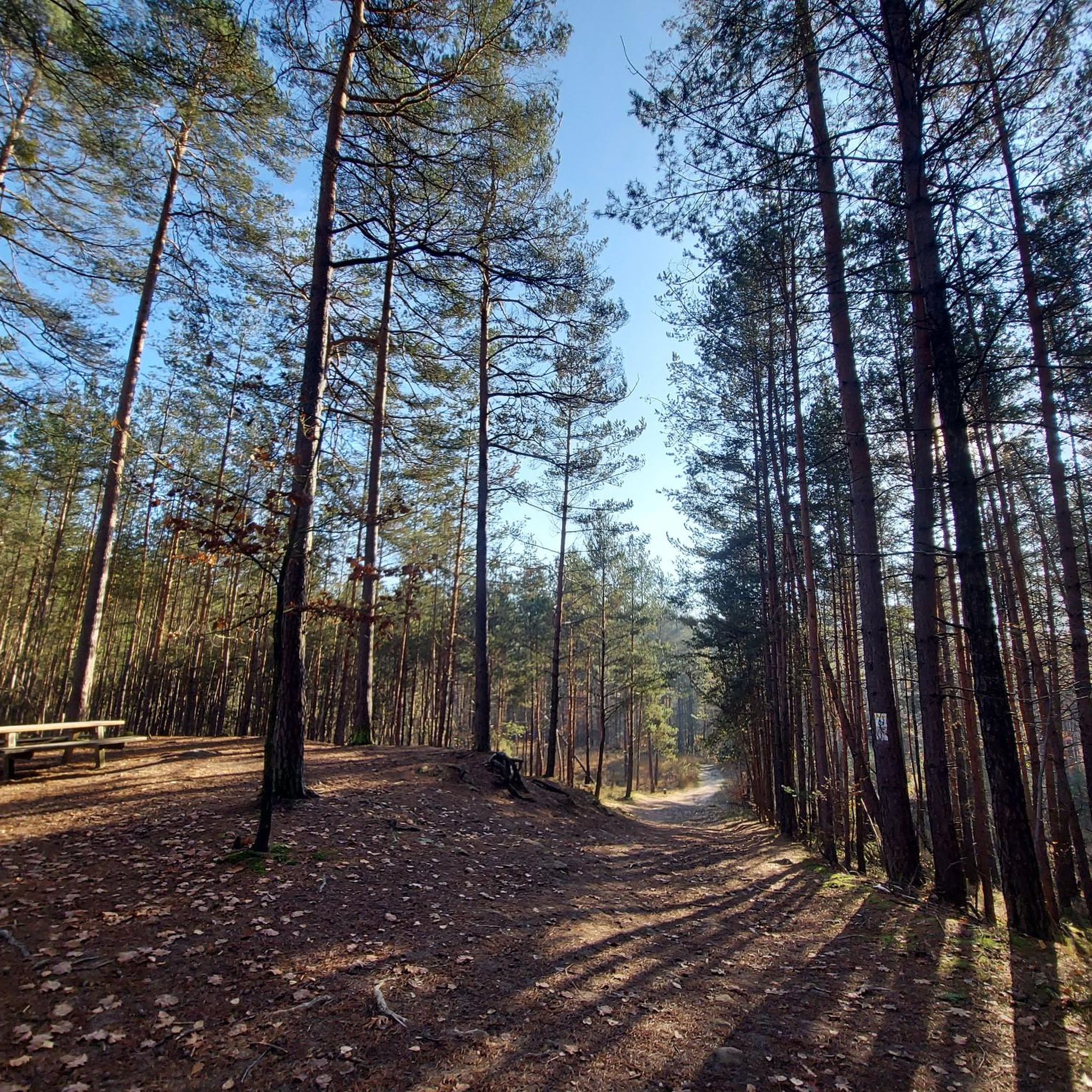
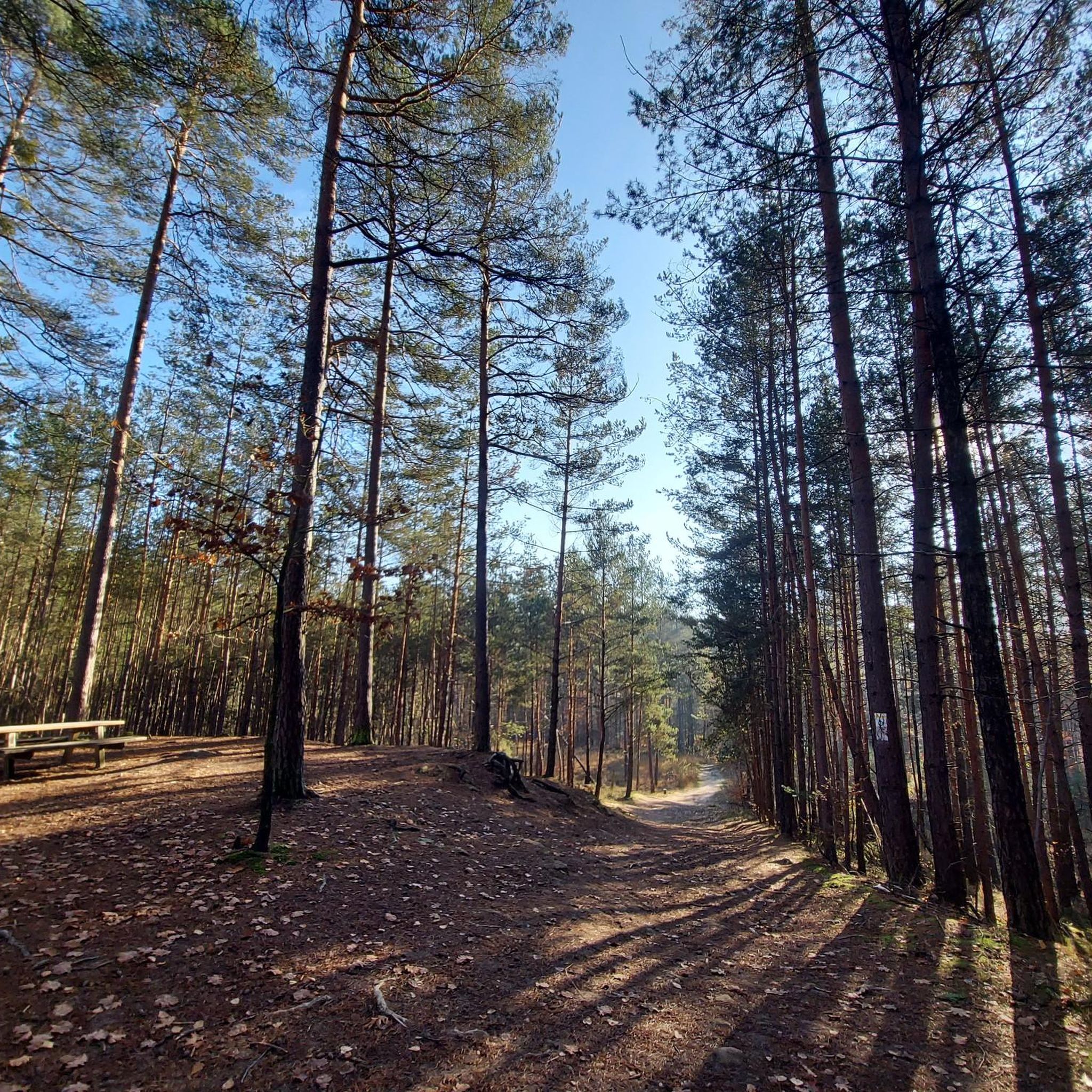
Hiking around Rückersdorfer Forst
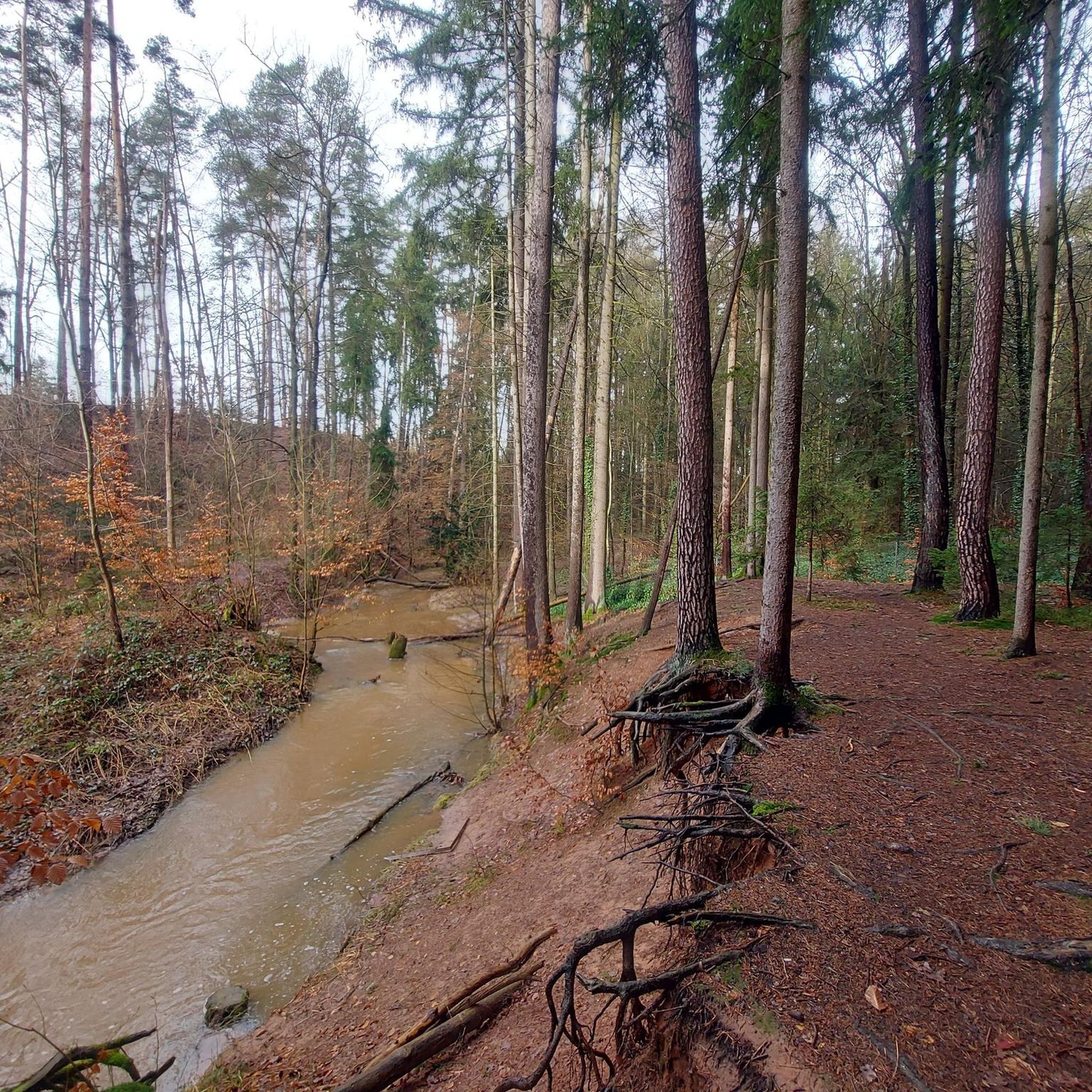
Running Trails around Rückersdorfer Forst
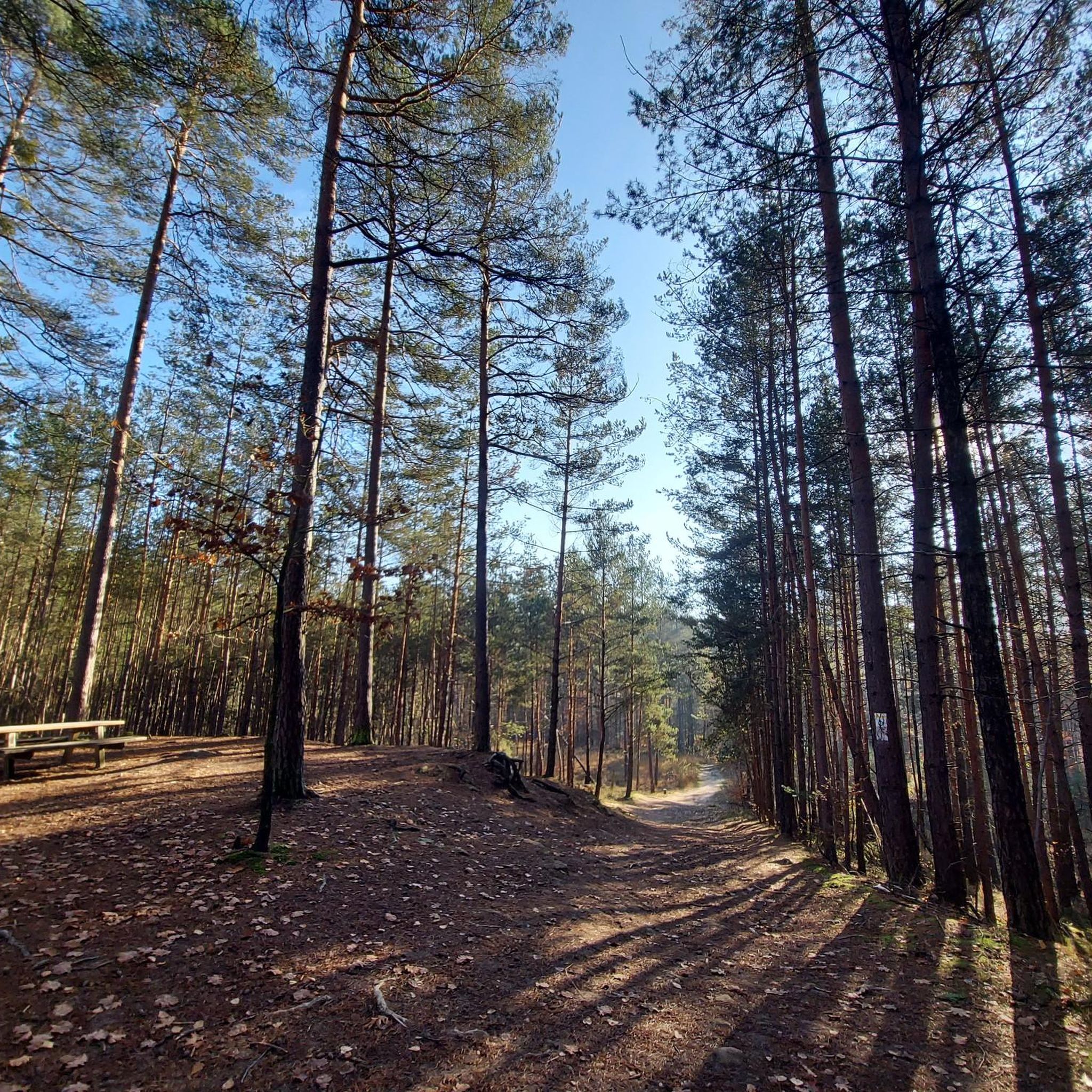
MTB Trails around Rückersdorfer Forst
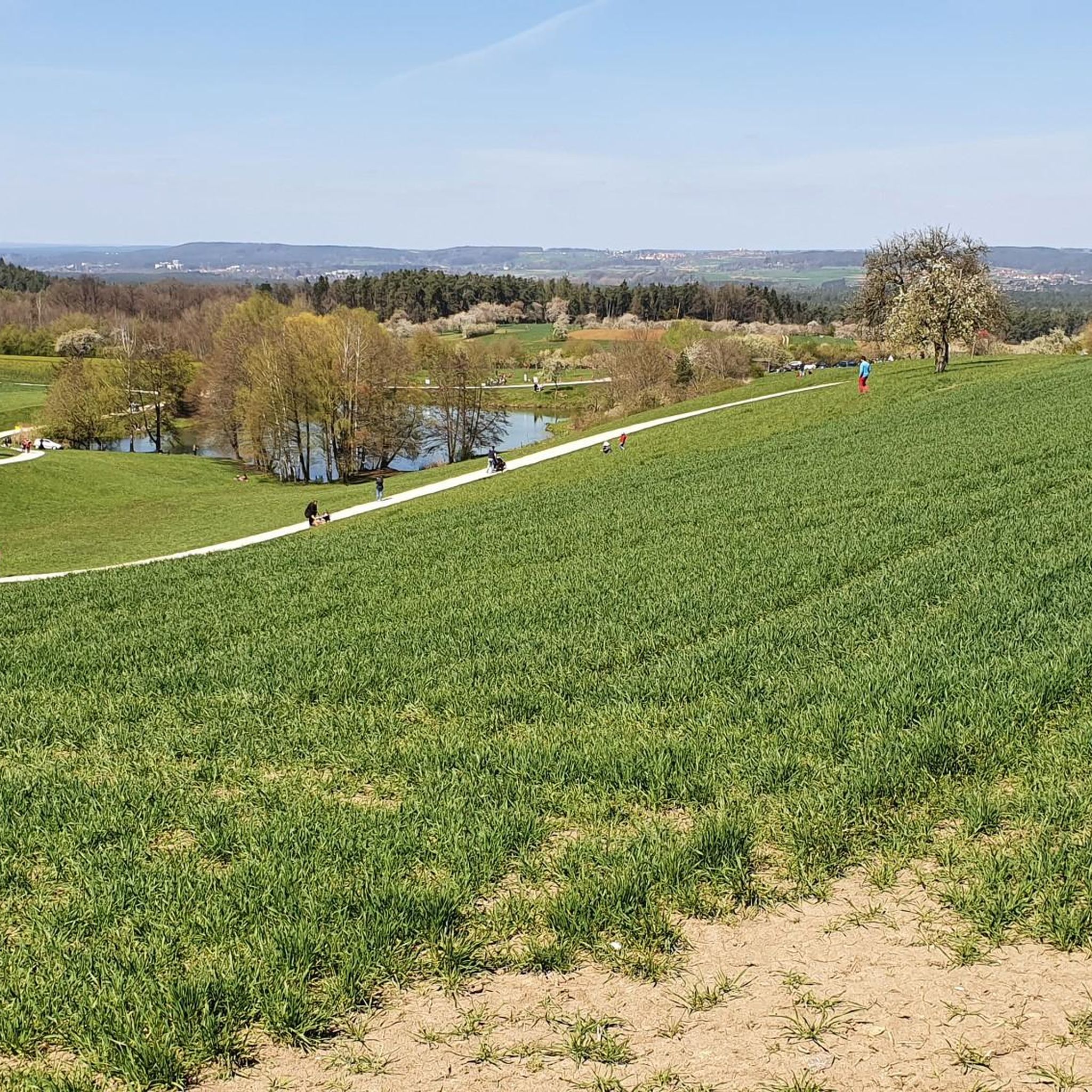
Road Cycling Routes around Rückersdorfer Forst
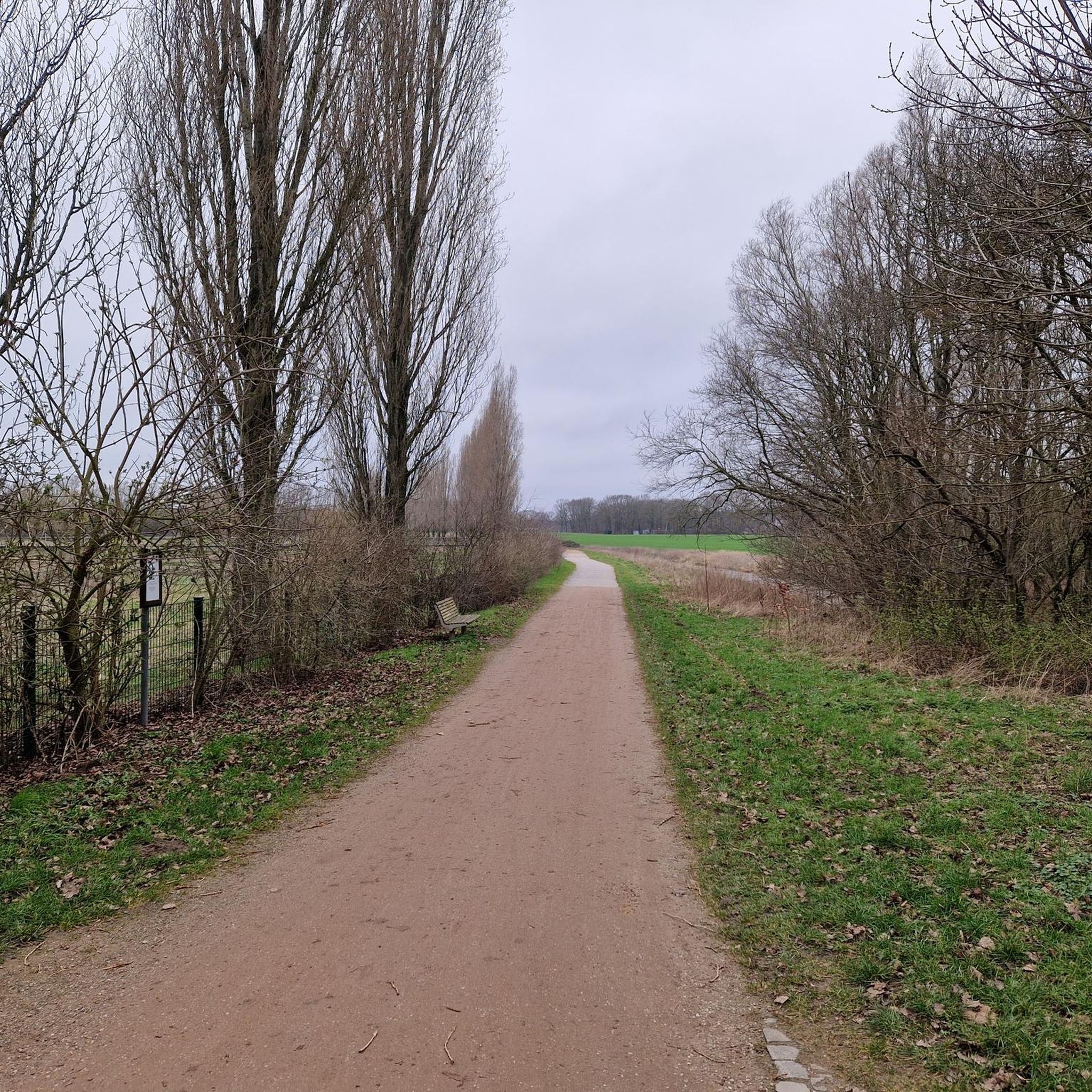
Gravel biking around Rückersdorfer Forst
Other adventures around Rückersdorfer Forst


Tips from the Community

The castle was built between 1356 and 1360 by Emperor Charles IV. It was strategically located on the "Golden Road", the important trade route between Nuremberg and Prague. Charles IV used it as a stopover castle and residence to consolidate his claims to power in the region. Today, it houses an external campus of the Nuremberg Academy of Fine Arts.
9
0

From the Pegnitz Bridge there is a wonderful view of the Laufer Wenzelsburg Castle.
4
0

The castle was built in 1534 by the patrician Sebastian Cammerer. In 1815 Johann Kielkalt from Nuremberg bought it and set it up as a restaurant. It is right at the entrance to the town and cannot be missed. https://hallerschloesschen.de/
5
0

The Wenzelburg (also: Burg Lauf or Laufer Kaiserburg) is a former imperial residence on an island in the Pegnitz in the Franconian town of Lauf an der Pegnitz in the district of Nürnberger Land.
2
0
The castle on the southern edge of the city was built as a compact complex on the comparatively small river island and had to make do with the limited area through clever use of space. As a Bohemian state castle, it fulfilled two functions: it provided the Bohemian king with secure accommodation and it met the ruler's need for representation on the western edge of his New Bohemian territory in front of the gates of Nuremberg. Despite the cramped conditions on the island, the facility was well equipped for these tasks: the defiant keep rises towards the river crossing with a wall thickness of more than 3.50 m. Its original height is likely to have towered over the other components by at least one floor. The main entrance was secured by the gate tower, also known as the "Wenceslas Tower", with a drawbridge and portcullis, flanked on both sides by walls and battlements. This was followed by the double-winged Palas in the north-east corner, which may have had a defensive level on its second floor, which, however, can only be traced back to the Nuremberg owners in the 16th century. https://www.lauf.de/index.php?id=866
15
0

Warm meals are served there at weekends.
4
0
An old moated castle which was destroyed in 1943, unfortunately very smeared but was a great building
7
0
A castle ruin, destroyed in 1943 Unfortunately very smeared, it must have been an impressive building
7
0
Frequently Asked Questions
What types of castles can I expect to find near Rückersdorfer Forst?
The region around Rückersdorfer Forst, particularly in broader Franconia, offers a diverse range of castles. You'll find everything from well-preserved medieval fortresses like Rothenberg Fortress and Rabenstein Castle, to aristocratic castles like Rabeneck, Baroque summer residences such as Fantaisie Castle, and historical ruins like the Ruins of Oberbürg Castle. Each offers unique architectural styles and historical significance.
Are there any castles that offer guided tours or special experiences?
Yes, several castles provide engaging experiences. Rothenberg Fortress offers guided tours during summer months, providing insights into its impressive casemates and thick walls. Rabenstein Castle also provides guided tours of the castle and Sophie's Cave, along with falconry flight shows. Rabeneck Castle is known for its active falconry center, offering bird of prey demonstrations.
Which castles are particularly family-friendly?
Many castles in the area welcome families. View of Wenzel Castle (Lauf Castle), Ruins of Oberbürg Castle, and Schwaig Castle are all categorized as family-friendly. Rabenstein Castle, with its falconry and Sophie's Cave, and Fantaisie Castle, with its extensive park, also offer attractions suitable for all ages.
What are the best times of year to visit the castles?
The warmer months, from spring to early autumn, are generally ideal for visiting the castles, as the weather is pleasant for exploring castle grounds and surrounding nature. Fantaisie Castle's park is particularly enjoyable during these seasons. Some attractions, like the guided tours at Rothenberg Fortress, are only available during the summer. Winter visits can offer a unique, quieter atmosphere, but some facilities or tours might be limited.
Are there castles with impressive panoramic views?
Absolutely. Rothenberg Fortress, situated at about 580 meters altitude, offers great views of the surrounding area. Zwernitz Castle provides a magnificent panoramic view of the Franconian Switzerland Natural Park from its Romanesque keep. The Steinerner Beutel Tower in Waischenfeld also offers unique views over the town and the scenic Franconian countryside.
What outdoor activities can I combine with a castle visit?
The region offers excellent opportunities to combine castle visits with outdoor activities. You can find numerous hiking trails, such as those around Rabenstein Castle, which is located within the Franconian Switzerland-Veldenstein Forest Nature Park. For more structured routes, explore the hiking routes around Rückersdorfer Forst. There are also road cycling and gravel biking routes that pass by or near several castles, like the one near Schwaig Castle.
Where can I find food or refreshments near the castles?
Many castles have dining options or are located near towns with amenities. Rabenstein Castle features a rustic tavern, the "Gutsschenke," with a beer garden. Hallerschlösschen Nuschelberg, a former castle, now operates as a highly recommended restaurant offering delicious Franconian food. Towns like Lauf an der Pegnitz, near View of Wenzel Castle, also provide various cafes and restaurants.
Are there any castles known for their natural surroundings or parks?
Fantaisie Castle is renowned for its extensive parkland, which blends Rococo, sensitivity, and historicism styles, featuring water elements, sculptures, and structured zones. Rabenstein Castle is set within a 64-hectare natural paradise that includes Sophie's Cave and numerous hiking trails, offering a beautiful natural backdrop to the historical site.
What is the history behind some of the castles in the region?
The castles boast rich histories. Rothenberg Fortress was built by the Bavarian Elector between 1729 and 1750. Rabenstein Castle dates back to the late 12th century, while Rabeneck Castle was founded around 1250. Schwaig Castle emerged from a Zeidler estate and has seen various owners, including Nuremberg burgraves and patrician families. The Ruins of Oberbürg Castle, once a magnificent mansion, was destroyed in an air raid in 1943.
Can I visit castles with my dog?
While specific rules vary by castle, many castle grounds and outdoor areas in the region are dog-friendly, especially if dogs are kept on a leash. However, access to interior castle rooms, museums, or sensitive natural areas like Sophie's Cave at Rabenstein might be restricted for dogs. It's always best to check the specific castle's regulations before your visit.
Are there any castle ruins to explore?
Yes, the region offers fascinating castle ruins. The Ruins of Oberbürg Castle in the Pegnitztal Ost recreation area provides station boards detailing its history. The Steinerner Beutel Tower is a prominent remnant of the former Waischenfeld Castle, offering a tangible connection to the area's medieval past, even if interior access is limited.
Which castles house museums or exhibitions?
Zwernitz Castle features an exhibition detailing its history, inhabitants, and its role as a backdrop for the Sanspareil Rock Garden, including a permanent exhibition on "Hunting in the time of the margraves." Fantaisie Castle houses Germany's first garden art museum, showcasing the history of garden design from the 17th to 19th centuries.
How can I reach these castles, and are there parking options?
Most castles are accessible by car, and many provide dedicated parking areas, though some may require a short walk from the parking to the castle entrance. For example, the walk to Rabeneck Castle offers scenic views. Public transport options vary; while some castles might be reachable via local buses, having a car often provides more flexibility for exploring the broader region's castles.
Most popular routes around Rückersdorfer Forst
Most popular attractions around Rückersdorfer Forst

Get inspired with the komoot mobile app


Explore more
Looking for the best castles somewhere else? Discover other guides around Rückersdorfer Forst:
