Top 20 Castles around Wiggensbach
Castles near Wiggensbach offer a journey through the historical Oberallgäu region of Bavaria. The area is characterized by its diverse landscape, featuring both well-preserved castle ruins and sites of vanished medieval fortifications. These historical landmarks are often situated on elevated positions, providing panoramic views of the surrounding Allgäu landscape. Exploring these sites connects visitors with centuries of regional history and offers opportunities for outdoor activities.
Best castles around Wiggensbach
- The most popular castles is Sulzberg Castle Ruins, a castle…
Last updated: October 10, 2026
Neutrauchburg Castle
Highlight • Castle
Translated by Google •
Tip by

Neu-Kalden Ruins
Highlight • Castle
Translated by Google •
Tip by

Sign up now to discover places like this
Get recommendations on the best single tracks, peaks, & plenty of other exciting outdoor places.
Alt-Trauchburg Castle Ruins
Highlight • Castle
Translated by Google •
Tip by

Rimpach Castle
Highlight • Castle
Translated by Google •
Tip by

Isny Castle
Highlight • Castle
Translated by Google •
Tip by

Sign up for free to discover even more castles around Wiggensbach.
Already have an account?
Start today with a free account
Your next adventure awaits.
Popular around Wiggensbach
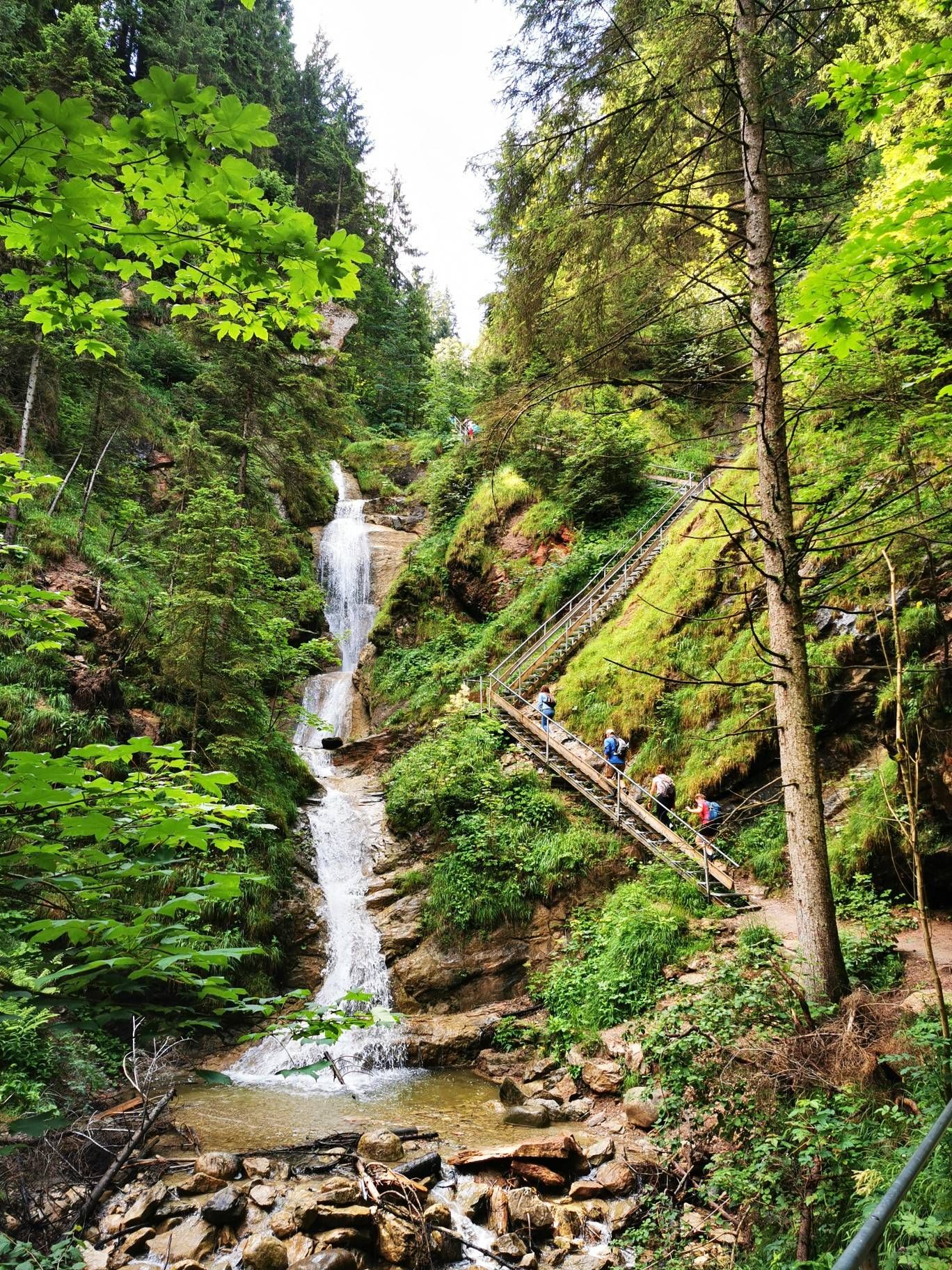
Discover Alpine lakes on the Watercourse Route – Allgäu hiking trilogy
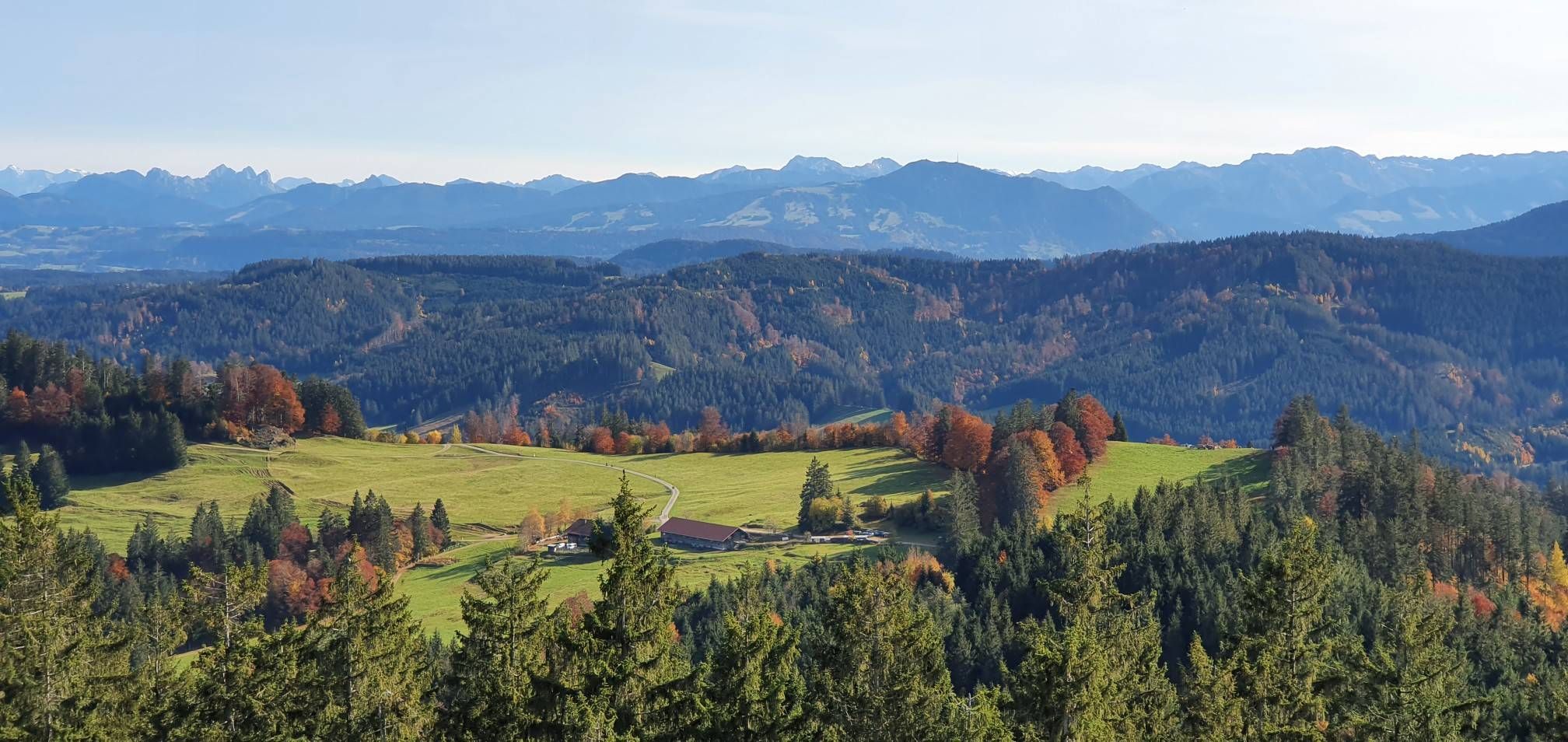
Alpine foothills on the Meadow Walkers’ Route – Allgäu hiking trilogy
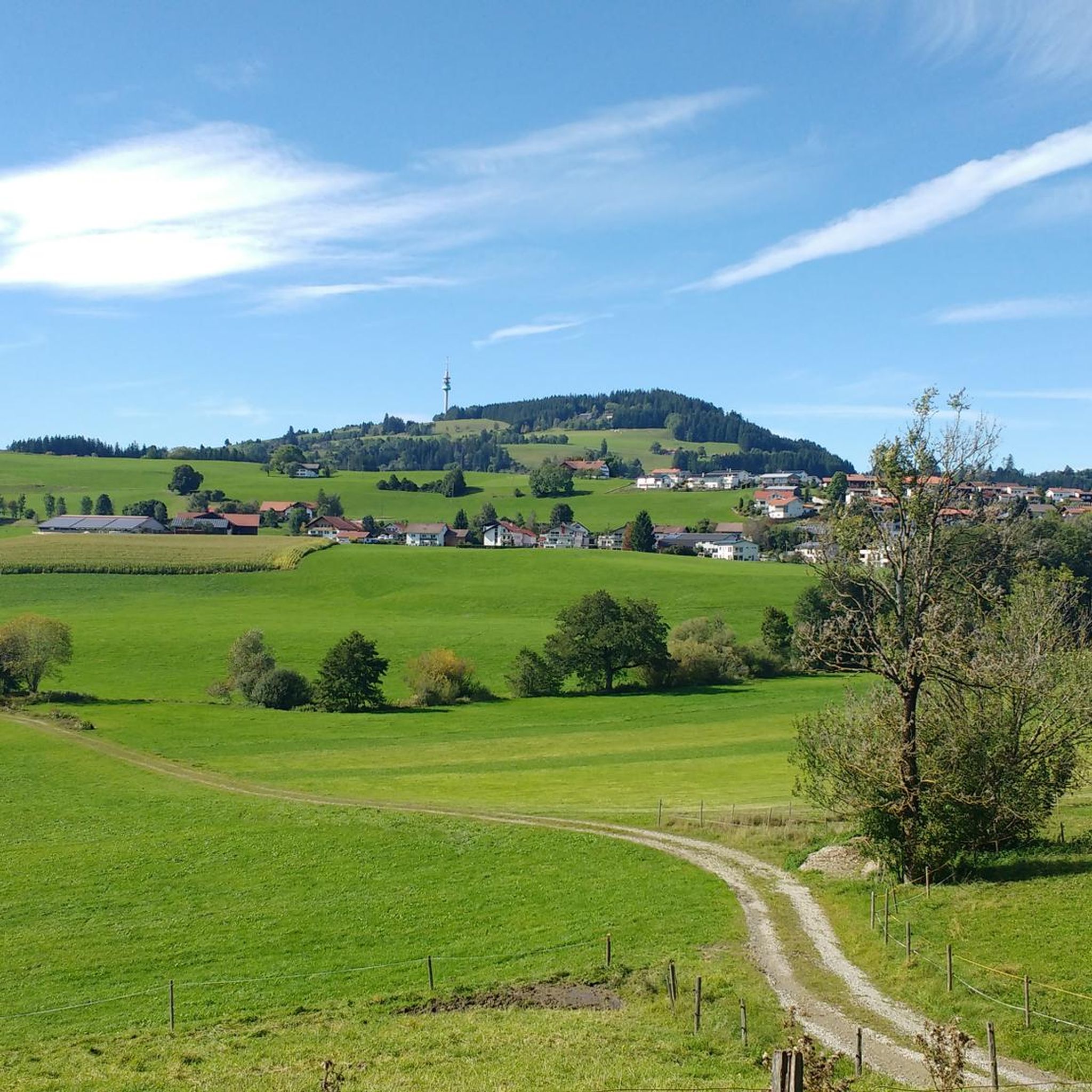
Hiking around Wiggensbach
Cycling around Wiggensbach
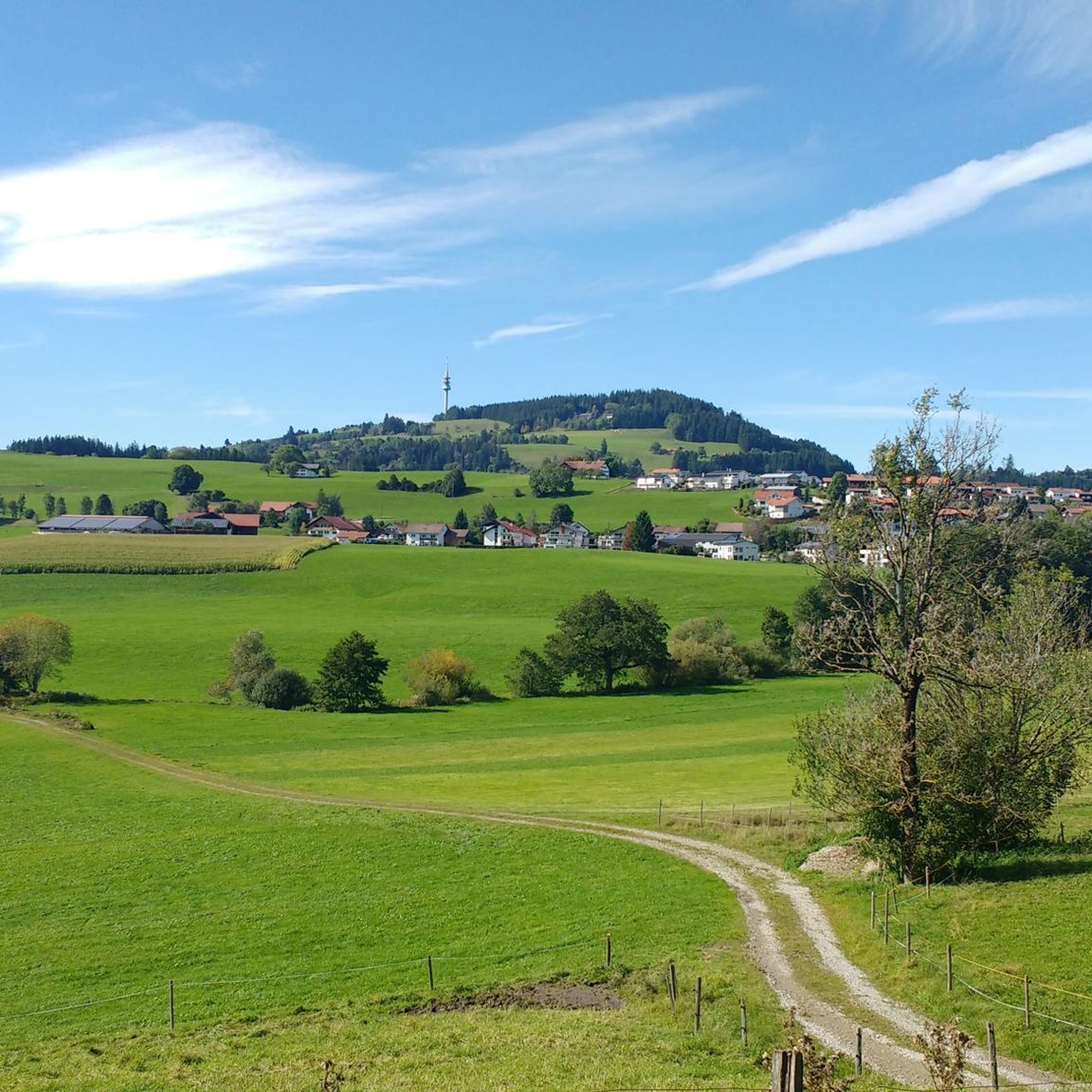
Road Cycling Routes around Wiggensbach
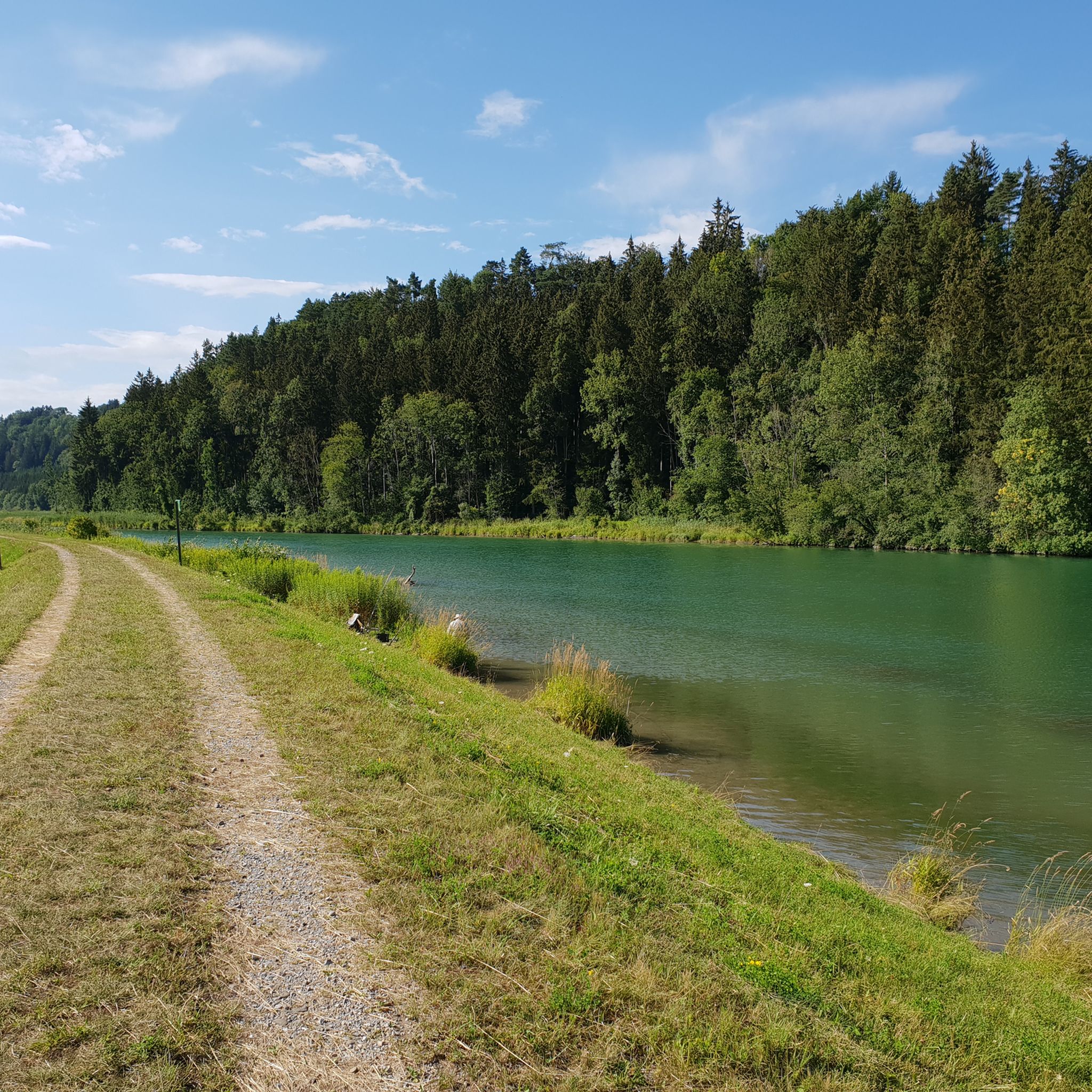
MTB Trails around Wiggensbach
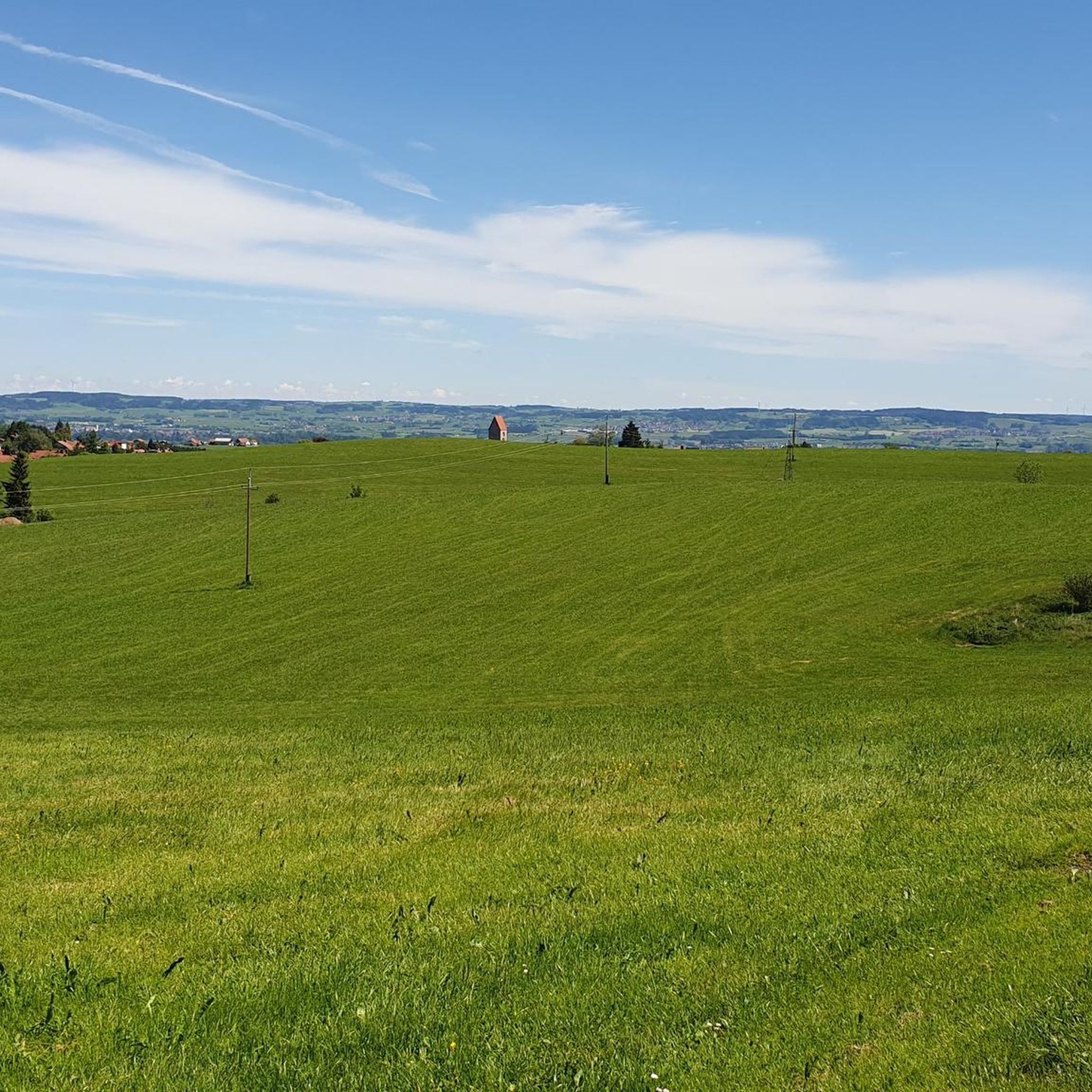
Running Trails around Wiggensbach
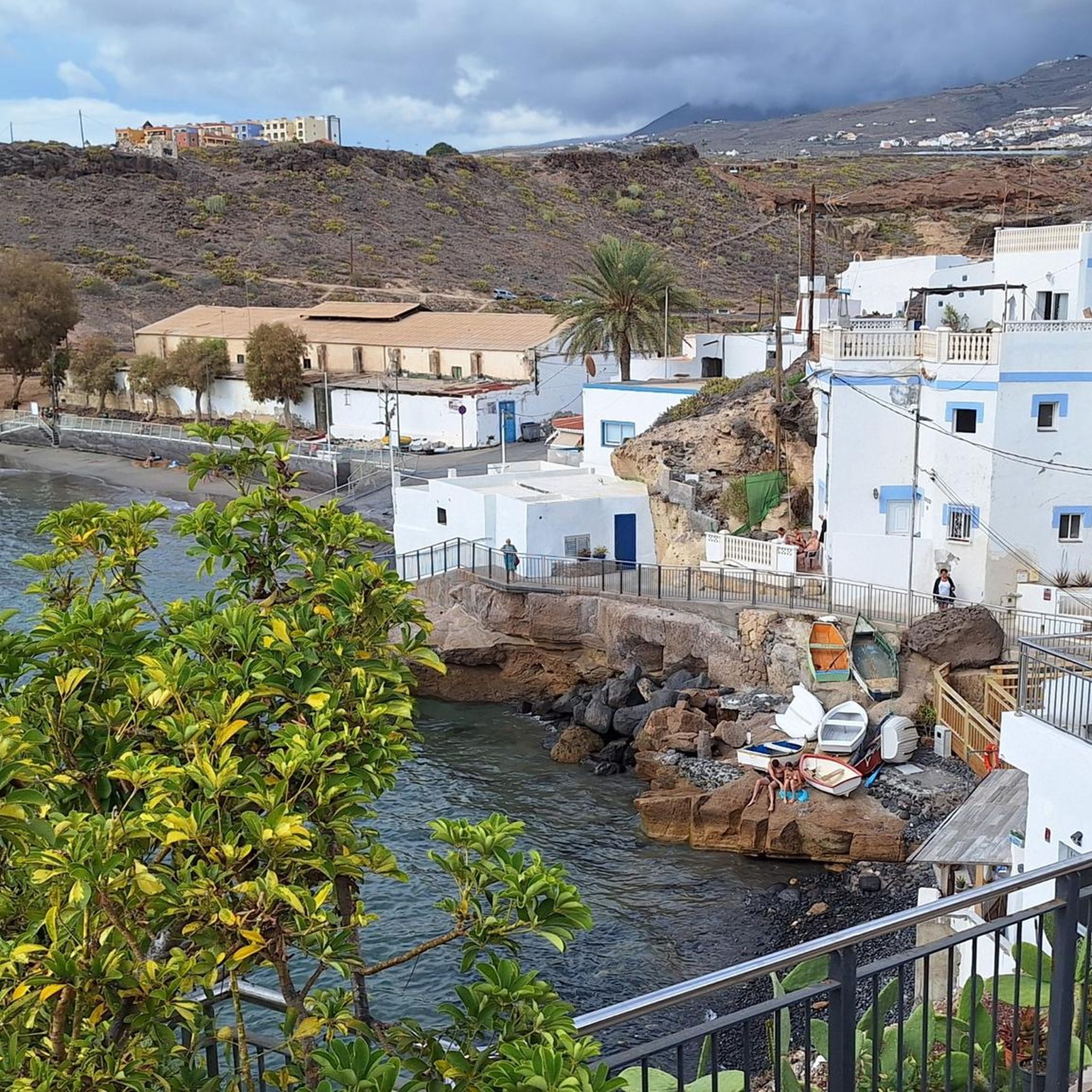
Gravel biking around Wiggensbach
Mountain Hikes around Wiggensbach

Tips from the Community

The Monastery of St. George (patrons: St. George and St. James the Elder; since 1806 Isny Castle) is a former Benedictine abbey founded in 1096 in Isny im Allgäu, in the Diocese of Constance, and existed as a small imperial abbey from 1782 until secularization.
2
0

Ruins of a former castle with explanatory panels
2
0

It's a shame that you can only visit the chapel and only during the service. The rest of the beautiful castle is not open to the public.
2
0

Information and opening hours at https://schloss-isny.de/
0
0

Since its secularization in the early 19th century, the Benedictine monastery, dating from 1096, has been referred to as a "castle." In the 17th century, the monastery was rebuilt in the Baroque style after the great town fire of 1631. The castle complex was acquired by citizens of the town of Isny from the municipality in 1996. Today, its continued existence is ensured by the non-profit foundation "Friedrich Hechelmann and Isny Castle Art and Culture Foundation." The castle's Baroque building ensemble houses the Kunsthalle (Art Gallery), featuring works by Isny artist Friedrich Hechelmann, as well as the Municipal Gallery in the castle. With innovative exhibition concepts, it provides exciting contrasts to the castle's former coachman's house. Also worth seeing are the refectory, the former reception and dining hall of the abbots, and the restored abbot's house. Source: https://isny-schloss.de/schloss-isny/
2
0

Unfortunately not open to visitors. Gate closed.
2
0

Castle, Isny The Benedictine monastery was founded in 1096. After the town fire of 1631, it was rebuilt in the Baroque style. With secularization, the monastery became the property of the Count of Quadt-Wykradt, who used the stately complex as a castle. Text / Source: Isny Marketing GmbH, Marktplatz 2, 88316 Isny im Allgäu www.isny.de
12
1

From the Wednesday after the first Advent until the second Sunday of Advent, the Castle Christmas celebration takes place in the afternoon/evening in the castle courtyard. The daily highlight is the Angel Flying, which always takes place after dark.
3
0
Frequently Asked Questions
What types of historical sites and castles can I explore around Wiggensbach?
The Wiggensbach area offers a diverse range of historical sites, primarily featuring medieval castle ruins and the remnants of vanished fortifications. You'll find sites like the well-maintained Sulzberg Castle Ruins, which can be visited when the flag is raised, and the picturesque Neu-Kalden Ruins with its fantastic views of the Iller river. Other notable ruins include Alt-Trauchburg Castle Ruins, nestled in a forest, and the historically significant Burgruine Wagegg, once a pleasure palace. While some are just 'burgstalls' marking former castles, others like Neutrauchburg Castle and Rimpach Castle offer more preserved structures or have been repurposed.
Are there any castles with significant historical importance in the immediate vicinity of Wiggensbach?
Yes, Burgruine Wagegg, located near Haldenwang-Wagegg, is a significant historical site close to Wiggensbach. It was originally mentioned around 1170 and served as a favorite castle for the Prince-Abbots of Kempten. Although largely demolished after secularization, you can still explore its remnants, including a gate and parts of the walls, offering a glimpse into medieval and baroque architecture. For more historical context, you can visit the Wikipedia page for Burg Wagegg.
Which castles offer the best panoramic views of the Allgäu landscape?
Many of the castles and ruins in the region are strategically located on elevated positions, providing excellent views. The Neu-Kalden Ruins are particularly noted for their fantastic view of the Iller river. Similarly, the Sulzberg Castle Ruins offer beautiful views of the surrounding area from its well-maintained site.
Are there family-friendly castles or ruins to visit around Wiggensbach?
Yes, several castle sites around Wiggensbach are considered family-friendly. The Sulzberg Castle Ruins are a great experience for all ages, especially when the flag is raised and the ruins can be visited inside. Neu-Kalden Ruins and Alt-Trauchburg Castle Ruins are also suitable for families, often integrated into pleasant walks.
What outdoor activities can I combine with a castle visit near Wiggensbach?
The areas around these castles are ideal for outdoor enthusiasts. Many ruins are integrated into hiking and cycling trails. You can find numerous options for hiking, mountain biking, and even mountaineering. For example, explore routes like 'View from Blender – Blender Summit Cross loop from Wiggensbach' for hiking, or 'Eschacher Pond – View of the Eschacher Weiher loop from Wiggensbach' for mountain biking. You can find more details on these activities in the Hiking around Wiggensbach guide, MTB Trails around Wiggensbach guide, and Mountain Hikes around Wiggensbach guide.
What is the best time of year to visit the castles and ruins in the Wiggensbach region?
The spring, summer, and autumn months are generally the best time to visit. From May onwards, some ruins like Sulzberg Castle Ruins become fully accessible for interior visits. The warmer months also make it more pleasant to enjoy the surrounding hiking trails and scenic views. Guided tours for sites like Burg Wildenburg are typically available between April and October.
Are there any lesser-known or unique castle sites worth visiting near Wiggensbach?
Beyond the more prominent ruins, you might consider visiting the site of Schlossbühl in Wiggensbach-Waldegg, which marks a vanished castle with a memorial stone, offering a glimpse into ancient fortifications. Castle Suseck and Burg Wildenburg are also medieval castle ruins destroyed during the Peasants' War, providing a deeper connection to the region's turbulent past. These sites offer a quieter, more reflective experience.
What kind of facilities or amenities can I expect near these castle sites?
Some castle sites offer amenities. For instance, Alt-Trauchburg Castle Ruins features a 'Waldschenke' (forest tavern), providing a cozy stop. Neutrauchburg Castle has been converted into a hotel and restaurant, offering dining and accommodation. For other ruins, you might find cafes or pubs in nearby villages, making them good starting or ending points for your exploration.
Is it possible to visit Neuschwanstein Castle from Wiggensbach?
While not directly in Wiggensbach, the world-renowned Neuschwanstein Castle is approximately 44 km away and is a popular day trip. This 19th-century fairytale palace, built by King Ludwig II, is famous for its stunning architecture and dramatic setting. It's part of the UNESCO World Heritage Site 'The Palaces of King Ludwig II of Bavaria' and offers a different experience compared to the local ruins.
What do visitors enjoy most about the castles and ruins around Wiggensbach?
Visitors frequently appreciate the blend of historical insight and scenic beauty. Many enjoy the panoramic views from elevated ruins like Neu-Kalden Ruins and the opportunity to connect with centuries of Bavarian history. The integration of these sites into hiking and cycling trails also makes them popular for outdoor enthusiasts, allowing for active exploration of the Allgäu landscape.
Are there any castles that have been repurposed or are still in use?
Yes, Neutrauchburg Castle, originally an official building for the county, has been extensively restored and converted into a hotel and restaurant. Similarly, Rimpach Castle, owned by the von Waldburg-Zeil family, consists of a former prince-bishop's hunting lodge with a hall of mirrors, an inn, and a castle chapel, showcasing continued use and preservation.
Most popular routes around Wiggensbach
Most popular attractions around Wiggensbach

Get inspired with the komoot mobile app


Explore more
Looking for the best castles somewhere else? Discover other guides around Wiggensbach:
