The best road cycling routes around Edstone
4.7
(64)
2,519
riders
149
rides
Road cycling around Edstone features a landscape characterized by rolling hills, open countryside, and scattered villages. The region offers varied terrain, from gentle ascents to more challenging climbs, with routes often providing views towards the North York Moors. Road cyclists can expect a mix of rural roads connecting small communities and offering expansive vistas. The area's topography supports diverse road cycling experiences.
Best road cycling routes around Edstone
- The most popular road cycling route is Cliff Hill Trig Point –…
Last updated: October 12, 2026
14
riders
34.6km
01:24
170m
170m
Easy road ride. Great for any fitness level. Mostly well-paved surfaces and easy to ride.
7
riders
36.3km
01:33
160m
160m
Easy road ride. Great for any fitness level. Mostly well-paved surfaces and easy to ride.

9
riders
Moderate road ride. Good fitness required. Mostly well-paved surfaces and easy to ride.
7
riders
40.5km
01:49
320m
320m
Moderate road ride. Good fitness required. Mostly well-paved surfaces and easy to ride.
4
riders
60.9km
02:44
250m
250m
Moderate road ride. Good fitness required. Mostly well-paved surfaces and easy to ride.
Get access to more routes and recommendations from other explorers.
Already have an account?
Our route recommendations are based on thousands of hikes, rides, and runs completed by other people on komoot.
Start today with a free account
Your next adventure awaits.

Tips from the Community

Fantastic Norman church - early 12th century, with wonderful Norman doorway.
0
0

Welcome to Yorkshire, the region’s official tourism site, prominently refers to Thornton-le-Dale as the “Jewel of the Moors”, highlighting its scenic village pond, thatched cottages, and meandering beck. The name “Thornton” likely comes from the Angles who settled Yorkshire around AD 500–540, meaning “farmstead among thorn bushes”.
0
0
Apparently regarded by the Victorians as "ill-planned and untidy", but now quite possibly one the most picturesque Moors villages, Hutton-le-Hole is a very popular starting point for hikes. Fairly sizeable car park just on the eastern side of the village off the road to Lastingham. Lots more info available at https://en.wikipedia.org/wiki/Hutton-le-Hole, https://www.yorkshire.com/hutton-le-hole/?srsltid=AfmBOoqlQxZoMrKrxFTMhz3S7ZTijB3NKHNKMKO3WYru-vDGGmjNYk2Q, https://www.northyorkmoors.org.uk/places-to-go/hutton-le-hole-lastingham-appleton-le-moors
0
0

The most important carvings are in the porch and so are easily accessible. They show great workmanship.
0
0

Brace yourselves for an 11% climb. In places it’s 18%, so prep the small gears and get churning. Great way to finish this loop if you’ve parked in Gillamoor.
0
0

Hutton Le Hole is a nice village to pass through, all the stone buildings are good to look at and they all seem to compliment each other. This is a nice tourist area which seems to present a calm atmosphere
0
0
The road to the west side of Pickering is decent to ride on, it is a main through road with wagons and all kinds driving through, but I never felt unsafe riding here
0
0
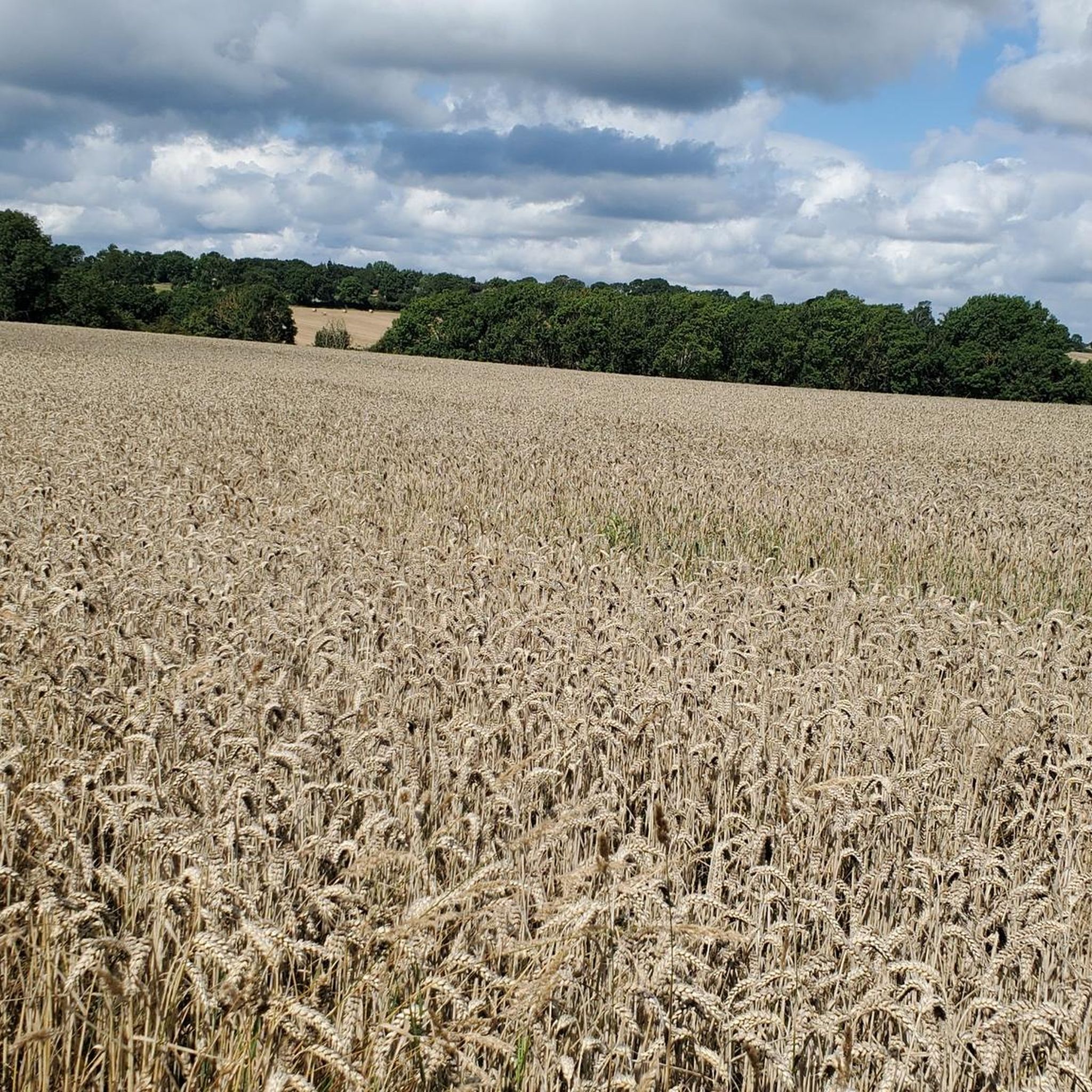
Good views in this area of a landscape which is up and down and kind of like all over the place. It does make you stop and appreciate it though
0
0
Frequently Asked Questions
How many road cycling routes are available around Edstone?
There are over 150 road cycling routes around Edstone, offering a wide range of options for different skill levels. This includes 43 easy routes, 93 moderate routes, and 23 difficult routes, ensuring there's something for every cyclist.
Are there any easy road cycling routes suitable for beginners or families in Edstone?
Yes, Edstone offers several easy road cycling routes perfect for beginners or families. An excellent option is the Cliff Hill Trig Point – View of Slingsby Castle loop from Kirkbymoorside, which is 21.6 miles (34.8 km) long with gentle climbs and views of historic landmarks. Another easy route is the Grapes Inn – Barugh Bridge loop from Kirkbymoorside, covering 22.5 miles (36.3 km) through rolling countryside.
What kind of elevation can I expect on road cycling routes in Edstone?
Edstone's road cycling routes feature varied terrain, from gentle ascents to more challenging climbs. For instance, the Hutton-le-Hole village – Blakey Bank Summit loop from Kirkbymoorside is a difficult 55.1-mile (88.6 km) path that includes significant elevation changes, with over 1350 meters of ascent. Even moderate routes like the View of the North York Moors – Hutton-le-Hole village loop from Kirkbymoorside offer over 350 meters of climbing.
What are some notable landmarks or scenic viewpoints along the road cycling routes in Edstone?
Road cycling routes around Edstone often provide views towards the North York Moors and pass by interesting landmarks. You might encounter sights like Ana Cross, a historic monument, or enjoy the View of Fryton and the Vale of Pickering. The Cliff Hill Trig Point – View of Slingsby Castle loop specifically highlights views of historic castles.
Are there any challenging or advanced road cycling routes in the Edstone area?
Yes, for experienced cyclists seeking a challenge, Edstone offers several difficult routes. The Hutton-le-Hole village – Blakey Bank Summit loop from Kirkbymoorside is a prime example, spanning 55.1 miles (88.6 km) with over 1350 meters of elevation gain, traversing rural landscapes and a notable summit.
What do other road cyclists think about the routes in Edstone?
The road cycling routes in Edstone are highly regarded by the komoot community, holding an average rating of 4.8 stars from over 50 reviews. Cyclists often praise the varied terrain, picturesque villages, and open countryside views that define the area's cycling experience.
Are there any circular road cycling routes around Edstone?
Many of the road cycling routes in Edstone are designed as loops, allowing you to start and finish in the same location. Examples include the Cliff Hill Trig Point – View of Slingsby Castle loop and the Grapes Inn – Barugh Bridge loop, both starting from Kirkbymoorside.
What is the best time of year for road cycling in Edstone?
The region's rolling hills and open countryside are generally best enjoyed during the warmer, drier months, typically from spring through early autumn. This period offers more predictable weather and better road conditions for exploring the diverse terrain.
Are there opportunities for cafe stops or pubs along the road cycling routes?
While specific cafe stops are not detailed in route descriptions, the routes often connect small communities and pass through picturesque villages like Hutton-le-Hole. These villages are likely to offer local pubs or cafes where cyclists can refuel and take a break.
What kind of scenery can I expect while road cycling around Edstone?
Road cycling around Edstone is characterized by rolling hills, expansive open countryside, and charming scattered villages. You can expect picturesque views, often including glimpses towards the North York Moors, and a mix of rural roads connecting small communities.
Are there any historical sites or attractions near the road cycling routes?
Yes, the Edstone area is rich in historical sites. Cyclists might pass near Helmsley Castle or Duncombe Park Mansion. The Low Cross Standing Stone – Barugh Bridge loop from Kirkbymoorside also offers a chance to see historical markers.
Most popular attractions around Edstone

Get inspired with the komoot mobile app


Explore more
Browse the best Road cycling routes in other regions.
