Top 5 Castles around Frantschach-Sankt Gertraud
Best castles around Frantschach-Sankt Gertraud are situated in a region known for its natural landscapes and industrial heritage. The area features a Late Gothic parish church and is part of the broader Lavanttal. While Frantschach-Sankt Gertraud itself offers natural beauty, the surrounding districts provide access to historical fortifications. This area serves as a starting point for exploring both natural and historical sites.
Best castles around Frantschach-Sankt Gertraud
- The most popular castles is Thürn Castle, a castle that is an…
Last updated: July 1, 2026
Thürn Castle
Highlight • Castle
Translated by Google •
Tip by

Gomarn Castle Ruins
Highlight • Castle
Translated by Google •
Tip by

Sign up now to discover places like this
Get recommendations on the best single tracks, peaks, & plenty of other exciting outdoor places.
Sign up for free
Hartneidstein Castle Ruins
Highlight • Castle
Translated by Google •
Tip by
Weißenau Castle
Highlight • Castle
Translated by Google •
Tip by
Bayerhofen Castle
Highlight • Castle
The original purpose of the castle was to secure …
Showing Translation
Tip by

Start today with a free account
Your next adventure awaits.
Login or Signup
Popular around Frantschach-Sankt Gertraud
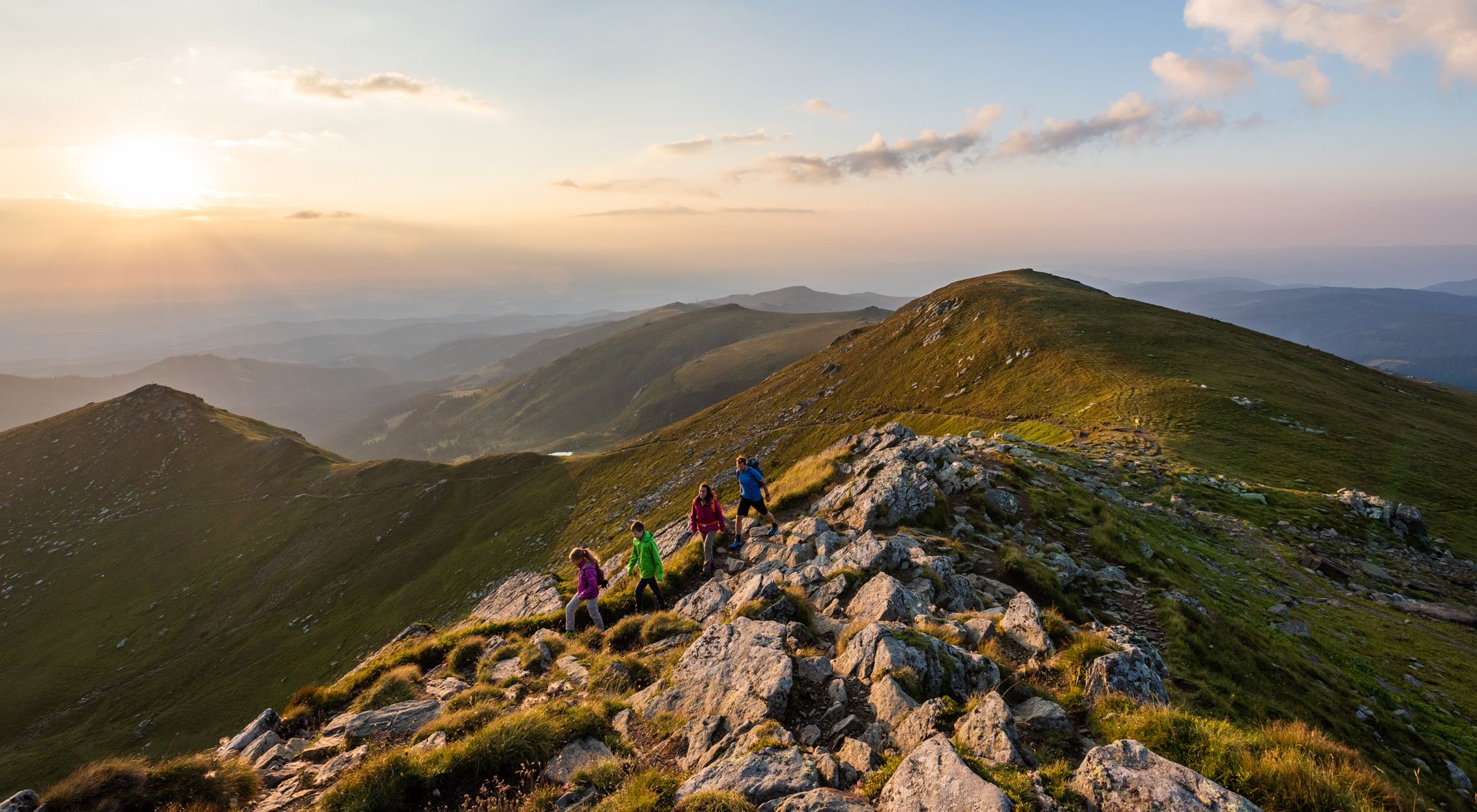
9 days of relaxation and wonder in Austria – Lavant Valley Trail
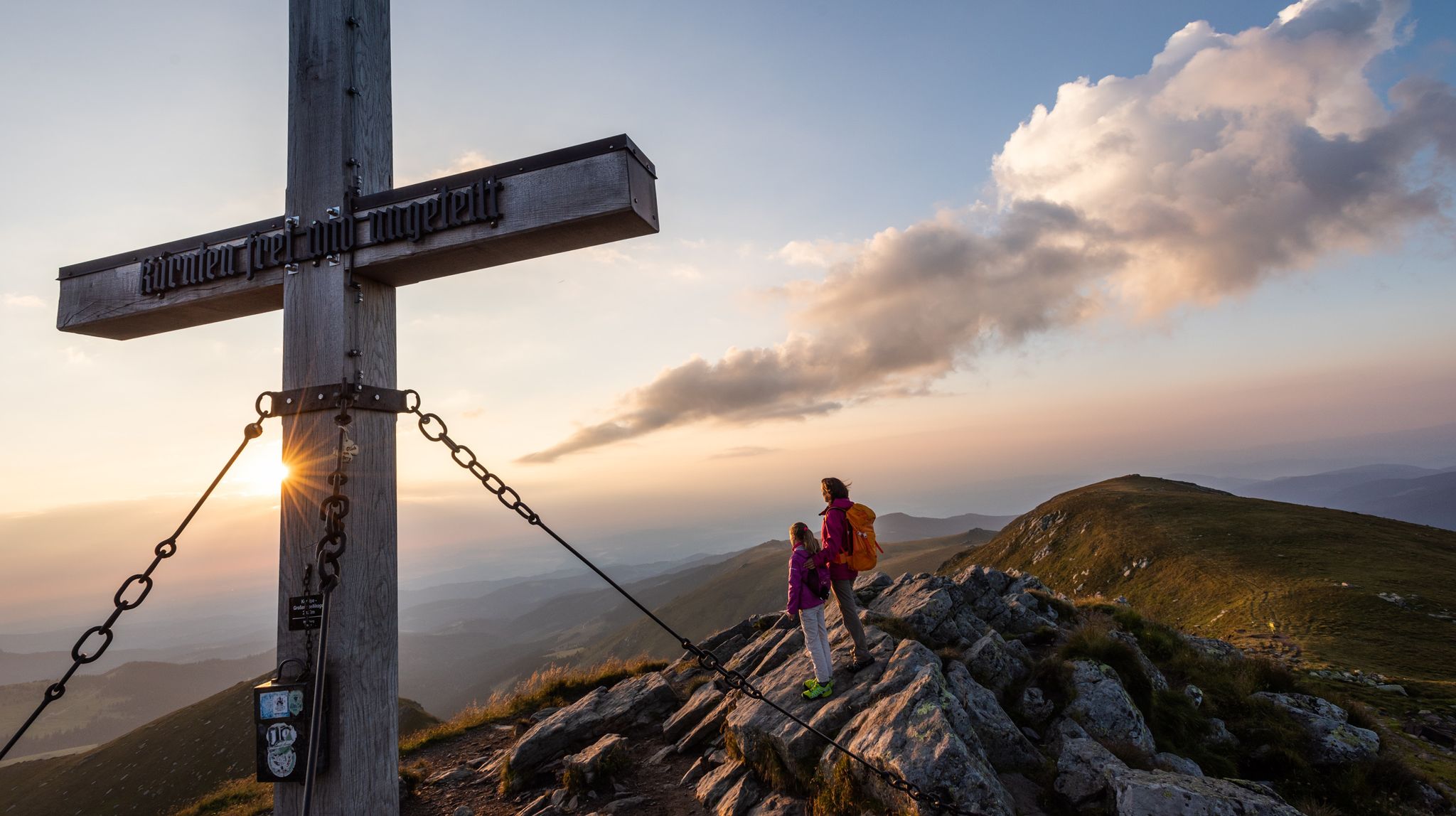
Gentle peaks with a guaranteed view —Welcome to the Lavanttal
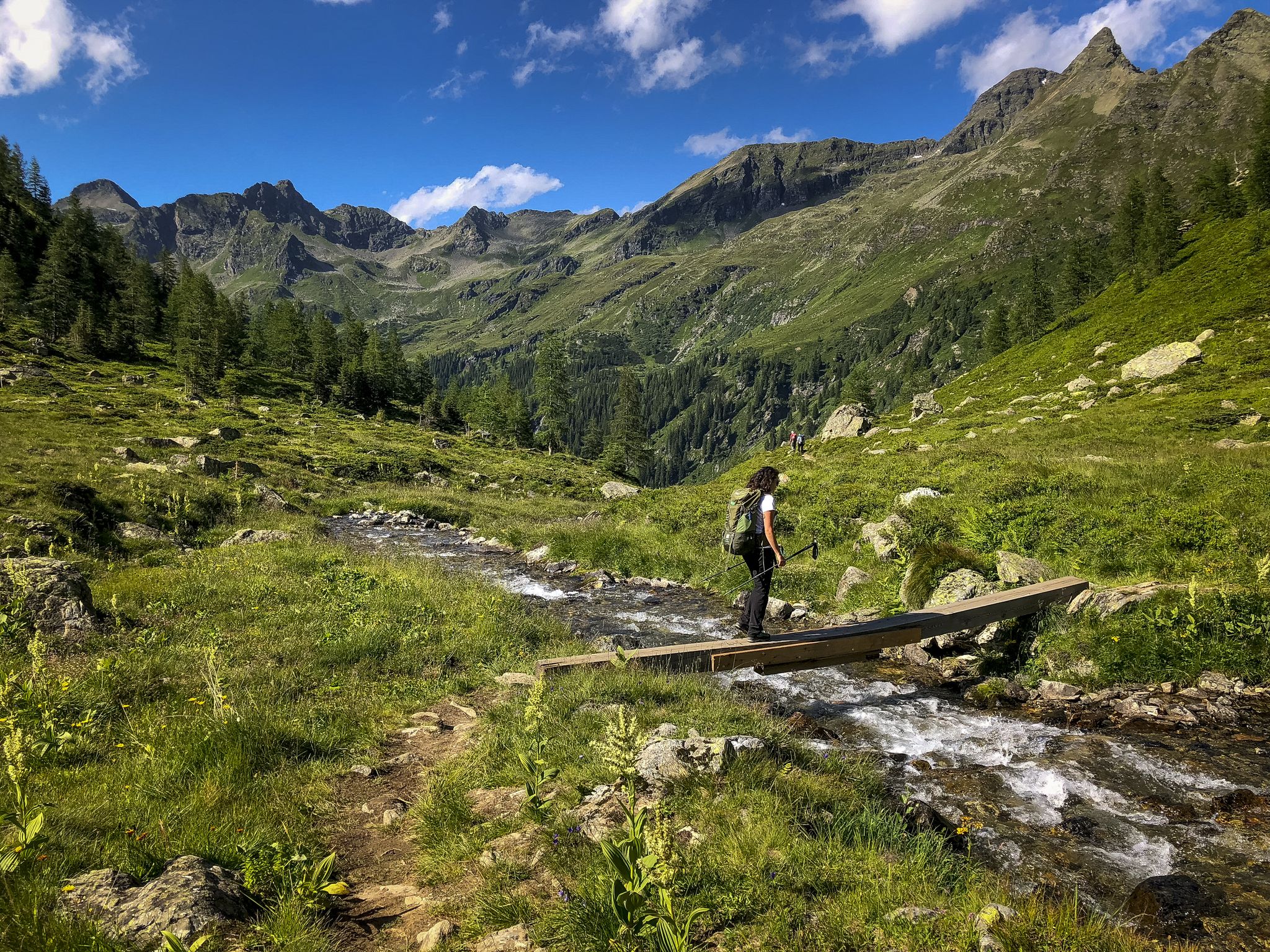
Discover Styria in Austria – Hiking the 'From Glacier to Wine' southern route
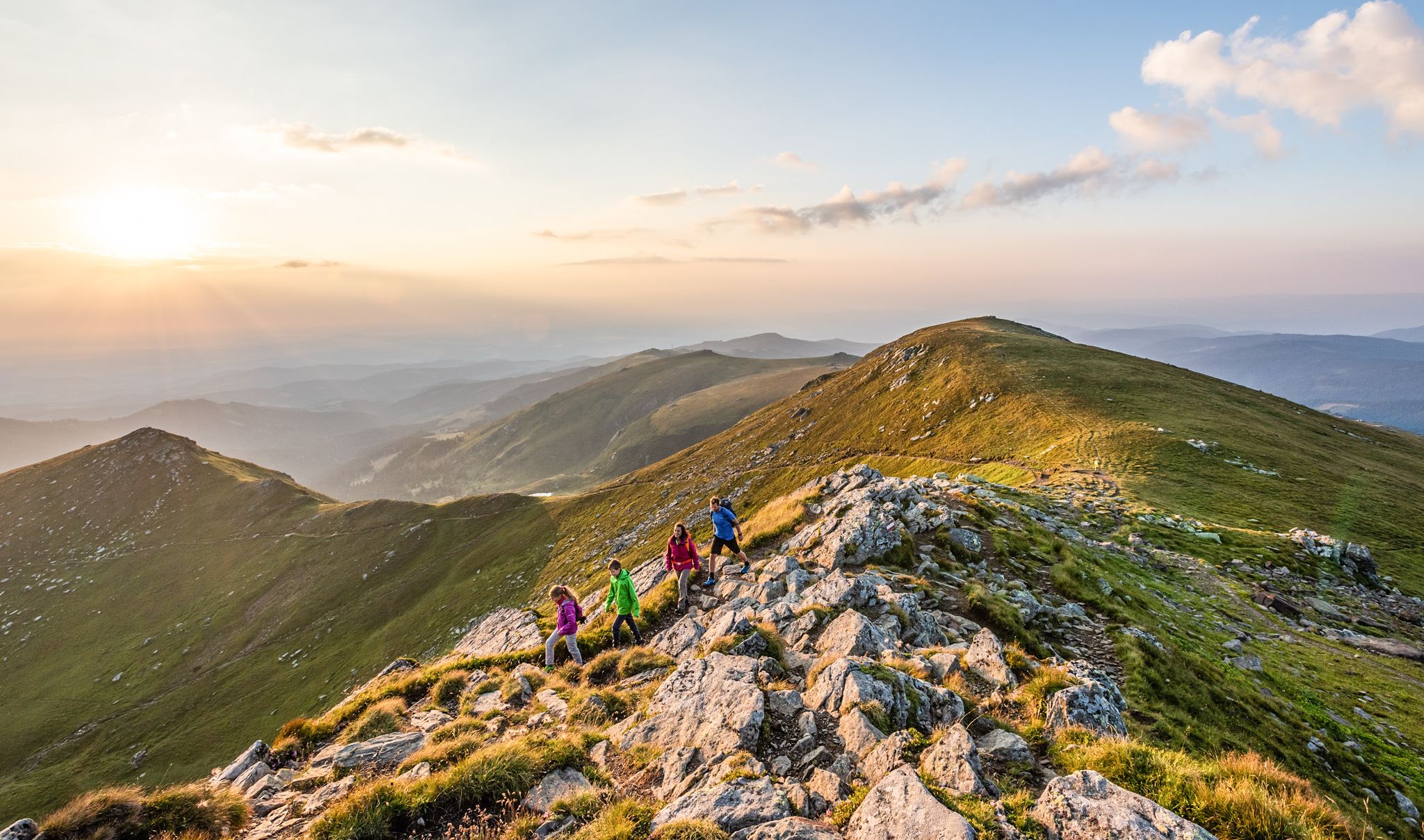
The Lavanttal — hiking on the sunny side of Carinthia
Hiking around Frantschach-Sankt Gertraud
Road Cycling Routes around Frantschach-Sankt Gertraud
Running Trails around Frantschach-Sankt Gertraud
Cycling around Frantschach-Sankt Gertraud
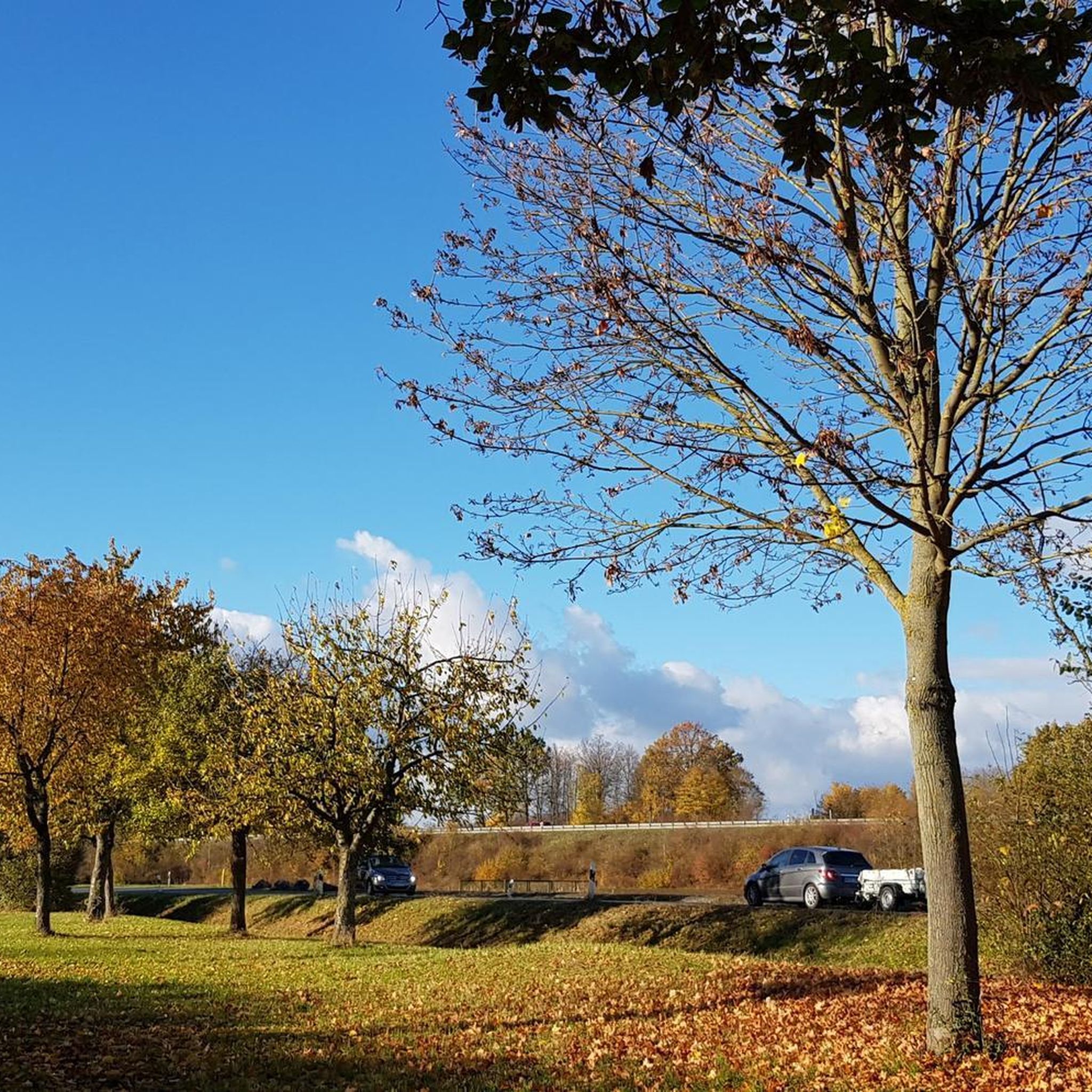
Mountain Hikes around Frantschach-Sankt Gertraud
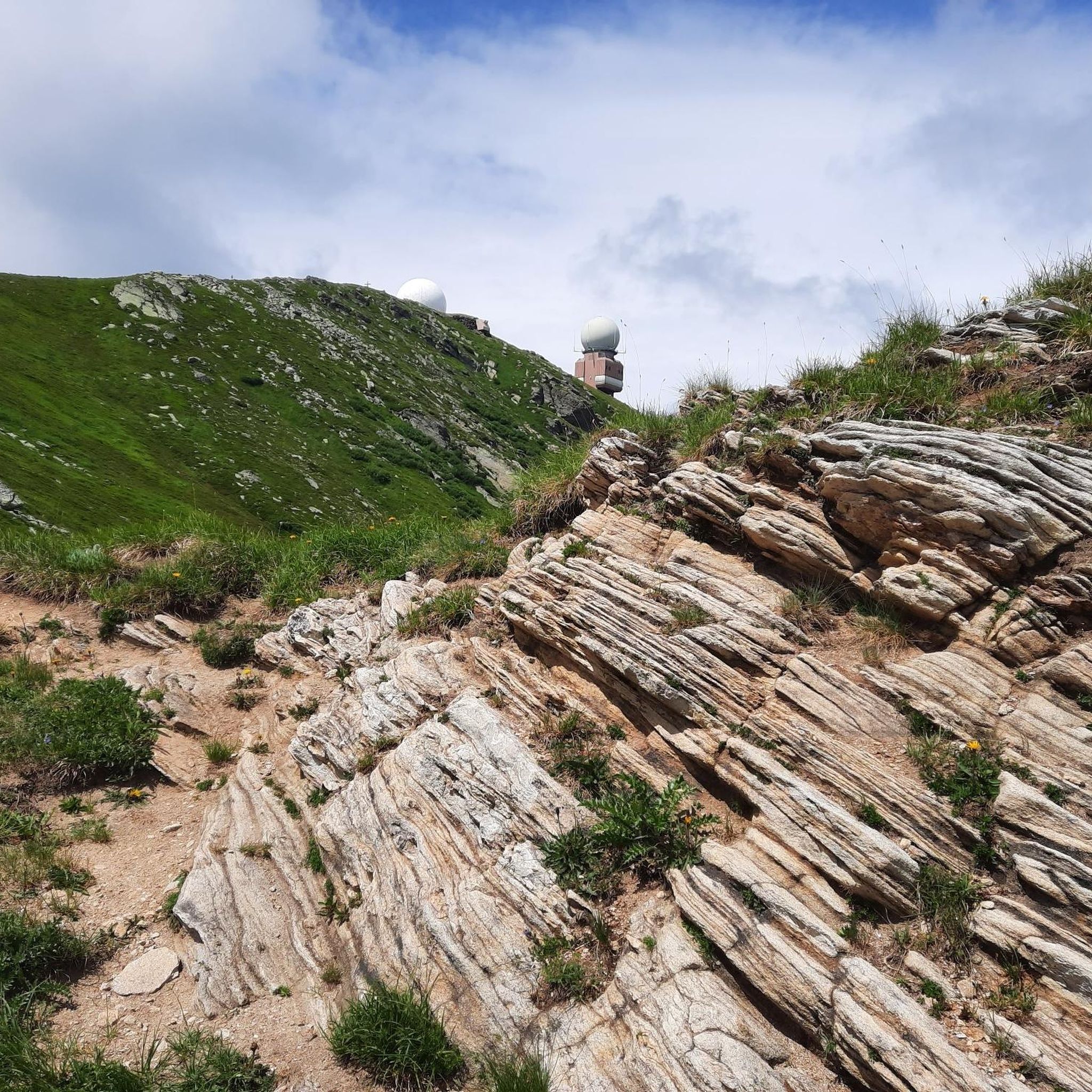
MTB Trails around Frantschach-Sankt Gertraud
Other adventures around Frantschach-Sankt Gertraud


Tips from the Community

Schloss Bayerhofen was first mentioned in a document in 1239, but it may have originated as early as the 9th century. The original purpose of the castle was to secure the bridge over the Lavant. It received its current appearance in 1566 under Mathias Freydl. During the Counter-Reformation, it was a stronghold of the Lutherans. In 1777 it partially burned down, and in 1803 it was in a "neglected state", as the chronicles say. The castle is a large, irregular 2-3 story complex from the 2nd half of the 16th century, surrounding an inner courtyard. The three-story west wing is originally Gothic, with three gables on the facade and three parallel hipped roofs. The courtyard facade consists of three-sided, two-story arcades from 1560/1565. The ground floor features massive columns, while the upper floor has delicate columns, twice as many in number. A street-facing wall connects the castle to a 16th-century outbuilding to the north. The castle was restored in 1996/97 in the color scheme of its construction period. Currently, Schloss Bayerhofen is considered a sensitive area, as it is located in the middle of Wolfsberg and is the oldest building in the city. A hotel and a gastronomy business are planned to be housed in the castle, which is partially a listed building.
0
0

Nice castle with a beautiful view and resting place on the way.
0
0

Can be reached by a few steps on a well-developed serpentine path from the spa Optimamed.
3
0

Once the Lavant Valley was owned by the diocese of Bamberg. In order to protect the valuable possessions against intruders around 1300 the castle Gomarn was established. Over the centuries, it was further expanded until it burned down completely in the late 18th century in a fire. The remaining remains of the wall still give you a good idea of the magnificent fortress construction.
3
0

The castle is located on the sloping steps of a former vineyard. The castle is an irregular medieval complex with a 14th-century tower, which was significantly altered in the 16th, 18th and 20th centuries. Documented the plant is first mentioned in 1243 as the possession of the Wülfling of the Thurn. 1480 belonged to the castle Wolfgang Fuchs and after him, 1520, Sebastian von Reisberg. 1545 went the estate and Veith von Eibiswald, under whose son Amelreich, the construction of 1580-1590 was extended. In 1675 it was bought by Archbishop Gandolf of Salzburg, who left the castle in 1679 to the cathedral of St. Andrä. Between 1859 and 1916 it was owned by the Jesuit order. After several changes of ownership, it was finally acquired by the Hollinger family. On the south side, two pillars border the dominating, two-storey Palas. On its eastern side, there is a bay window resting on gothic figurative Kragsteinen with the coat of arms of the Reisberg. To the east of this, there is a tower whose tent roof is crowned by an onion turret. The round tower in the northeast is the former keep. To the west, next to a tower-like rotunda, is the former drawbridge gate.
2
0
The castle was built around the year 1300 by Hartneid von Weissenegg. She remained until 1331 in the possession of the Weissenegger, then she came to the Lords of Walsee and after their extinction in 1363 to the Counts of Cilli. In the year 1425 the diocese Bamberg acquired the castles and district courts Hartneidstein and Weissenegg of Hermann II. Of Cilli in exchange for the feasts Hohenmauthen with Muta. Hartneidstein remained the seat of a regional court, which was henceforth responsible for the lower Lavanttal. In 1469 Harttensite was invaded by Turks and burnt down, but immediately rebuilt. When the court seat was moved to Wolfsberg at the end of the 17th century, the complex was already in decline, accelerated by the loss of significance in the 18th century.
1
0
The castle is a zweigeschoßiger, a courtyard with three wings enclosing construction, the core of the 16./17. Century comes. The east tower is crenellated. The facade is designed in the style of English Tudor Gothic. In the ballroom of the southwest wing is located on the ceiling and fireplace baroque stucco. The coat of arms of the Bishop of Stadion is attached to the mantelpiece.
1
0
Frequently Asked Questions
What types of castles can I explore around Frantschach-Sankt Gertraud?
The region offers a diverse range of historical structures, from well-preserved castles to significant ruins. You can find irregular medieval complexes like Thürn Castle, castle ruins such as Gomarn Castle Ruins, and castles with unique architectural styles like Weißenau Castle.
Are there any particularly historically significant castles in the broader region?
Yes, the broader region boasts several historically significant castles. Schloss Wolfsberg, originally dating back to 1178, was extensively renovated in the neo-Gothic Tudor style in the mid-19th century and played a role in the Henckel von Donnersmarck dynasty's history. Schloss Limberg, first documented in 1244, was crucial for safeguarding the passage to Carinthia and has a long history of changing owners and architectural modifications.
Which castles are family-friendly to visit?
Both Gomarn Castle Ruins and Weißenau Castle are considered family-friendly. Gomarn Castle Ruins are accessible via a well-developed serpentine path, offering an engaging historical experience for all ages. Weißenau Castle provides a beautiful view and a pleasant resting spot.
Can I take a guided tour of the castles?
For Schloss Wolfsberg, guided tours are possible with prior notification or during exhibitions, typically held in July and August. At Schloss Limberg, guided tours are available by appointment. For other castles and ruins, it's best to check locally or with the respective property management for tour availability.
What outdoor activities can I do near these castles?
The area around Frantschach-Sankt Gertraud offers various outdoor activities. You can find numerous mountain hikes, MTB trails, and road cycling routes. Many of these routes pass by or are close to historical sites and offer scenic views.
Are there any castle ruins worth visiting for their historical context?
Absolutely. Gomarn Castle Ruins, established around 1300 to protect the Lavant Valley, still show impressive remaining wall sections. Hartneidstein Castle Ruins, built around 1300, has a rich history of changing ownerships and was even burnt down by Turks in 1469 before being rebuilt.
What is the best time to visit the castles in the region?
The castles can be visited year-round, but the warmer months, particularly late spring to early autumn (May to October), offer the most pleasant weather for exploring the grounds and enjoying scenic views. During July and August, Schloss Wolfsberg often hosts exhibitions, which might be a good time to visit if you're interested in cultural events. Autumn is particularly beautiful for visiting Schloss Limberg due to the surrounding mixed forests.
Are there any castles with unique architectural styles?
Yes, Schloss Wolfsberg stands out with its distinct English Tudor style, a result of extensive 19th-century renovations. Similarly, Weißenau Castle features a facade designed in the style of English Tudor Gothic, giving it a unique appearance in the region.
Where can I find good viewpoints near the castles?
Many castles offer excellent viewpoints. From the terrace of Schloss Wolfsberg, you can enjoy breathtaking views. Weißenau Castle is also noted for its beautiful views. Schloss Limberg, situated on a small hill, provides fantastic views over southwestern Styria.
What are the parking options at the castles?
Specific parking details vary by castle. For Schloss Wolfsberg, parking is generally available on-site or nearby. For Schloss Limberg, there is usually parking available for visitors. For other castles and ruins, especially those in more remote locations like Gomarn Castle Ruins, parking might be available at the base of the approach path or in nearby villages. It's advisable to check local signage upon arrival.
Are there any cafes or restaurants near the castles?
Yes, Schloss Wolfsberg has a restaurant available year-round. For other castles, especially ruins, you might find cafes or restaurants in the nearest towns or villages. For example, the town of Wolfsberg offers various dining options close to Schloss Wolfsberg. It's recommended to check local listings for options near your chosen castle.
What makes Thürn Castle interesting to visit?
Thürn Castle is an irregular medieval complex with a 14th-century tower, documented since 1243. It has undergone significant alterations over centuries, reflecting various architectural styles from the 16th, 18th, and 20th centuries. Its history includes ownership by noble families, the Archbishop of Salzburg, and even the Jesuit order, making it a site rich in historical layers.
Most popular routes around Frantschach-Sankt Gertraud
Most popular attractions around Frantschach-Sankt Gertraud

Get inspired with the komoot mobile app


Explore more
Looking for the best castles somewhere else? Discover other guides around Frantschach-Sankt Gertraud:
