Top 20 Lakes around Madison
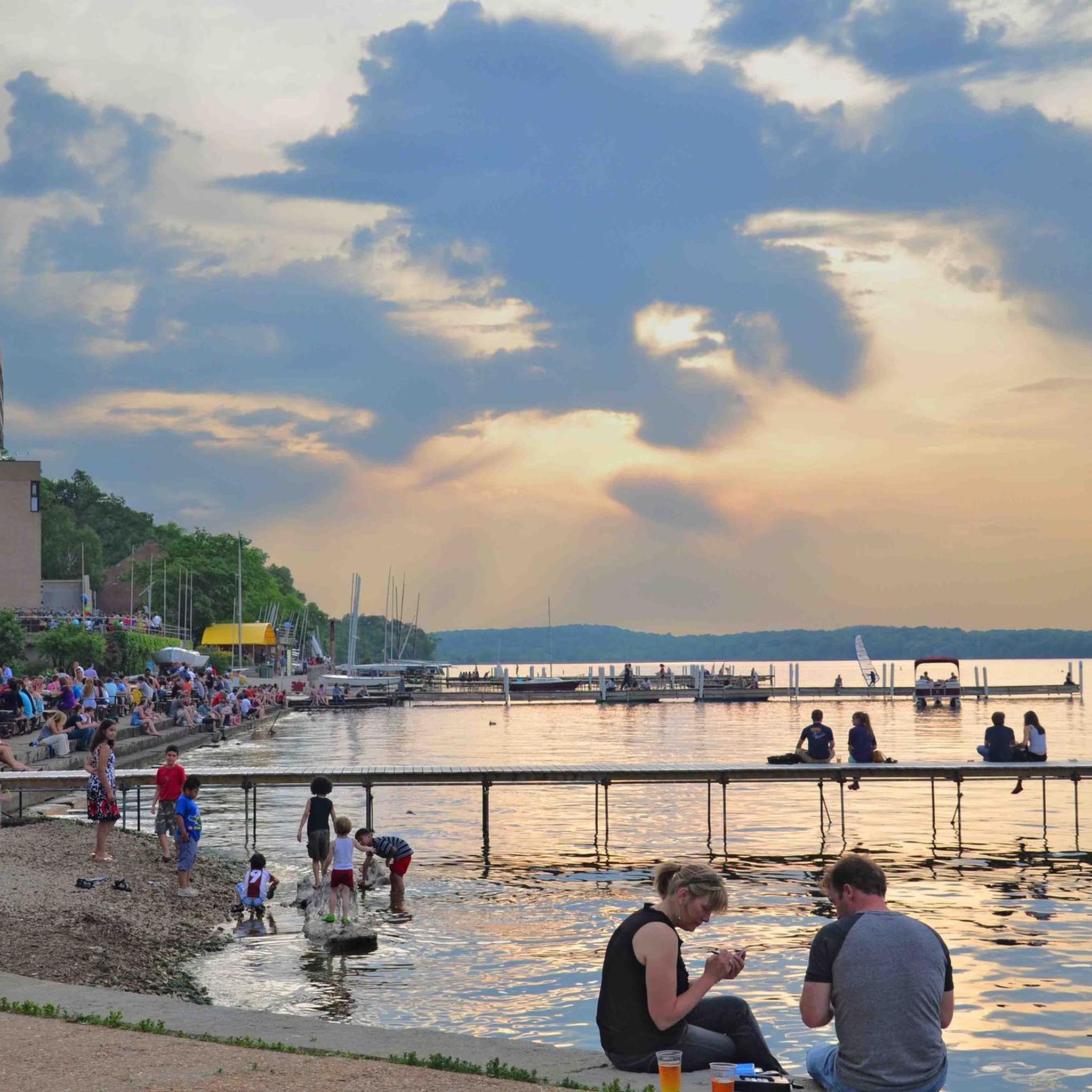
Lakes around Madison, Wisconsin, are a prominent feature of the region, with the city situated on an isthmus between Lake Mendota and Lake Monona. The area is characterized by a chain of five lakes, including Lake Mendota, Lake Monona, Lake Waubesa, Lake Wingra, and Lake Kegonsa. These lakes provide diverse natural landscapes and recreational opportunities. The region's geography makes the lakes central to its identity and outdoor activities.
Best lakes around Madison
- The most popular lakes is University of Wisconsin–Madison…
Last updated: August 22, 2026
University of Wisconsin–Madison Arboretum
Highlight • Forest
The grounds are open from 4am until 10pm daily.
Tip by

Lake Wingra
Highlight • Lake
Tip by

Sign up now to discover places like this
Get recommendations on the best single tracks, peaks, & plenty of other exciting outdoor places.
Sign up for free
Capital City State Trail at Monona Terrace
Highlight (Segment) • Cycleway
Tip by

Lake Mendota
Highlight • Lake
Tip by
Picnic Point Mound Group
Highlight • Historical Site
Tip by

Sign up for free to discover even more lakes around Madison.
Sign up for free
Already have an account?
Start today with a free account
Your next adventure awaits.
Login or Signup

Other adventures around Madison

Tips from the Community

There are four “extant” (still visible) mound groups you can visit on the main campus, all but one of them located within the boundaries of the Lakeshore Nature Preserve. Recently these mound groups were surveyed and entered in a special burial sites catalog maintained by the Wisconsin Historical Society. The label associated with each location includes a number used in the state Archaeological Site Inventory (ASI) maintained by the Wisconsin Historical Society. The site surveys establish a 25-foot preservation buffer around the mounds.
0
0
Picnic Point Mound Group (DA121) The sixth extant mound is a large hemispherical form visible on your right just before you reach The Narrows (where the main trail dips near the beach).
0
0

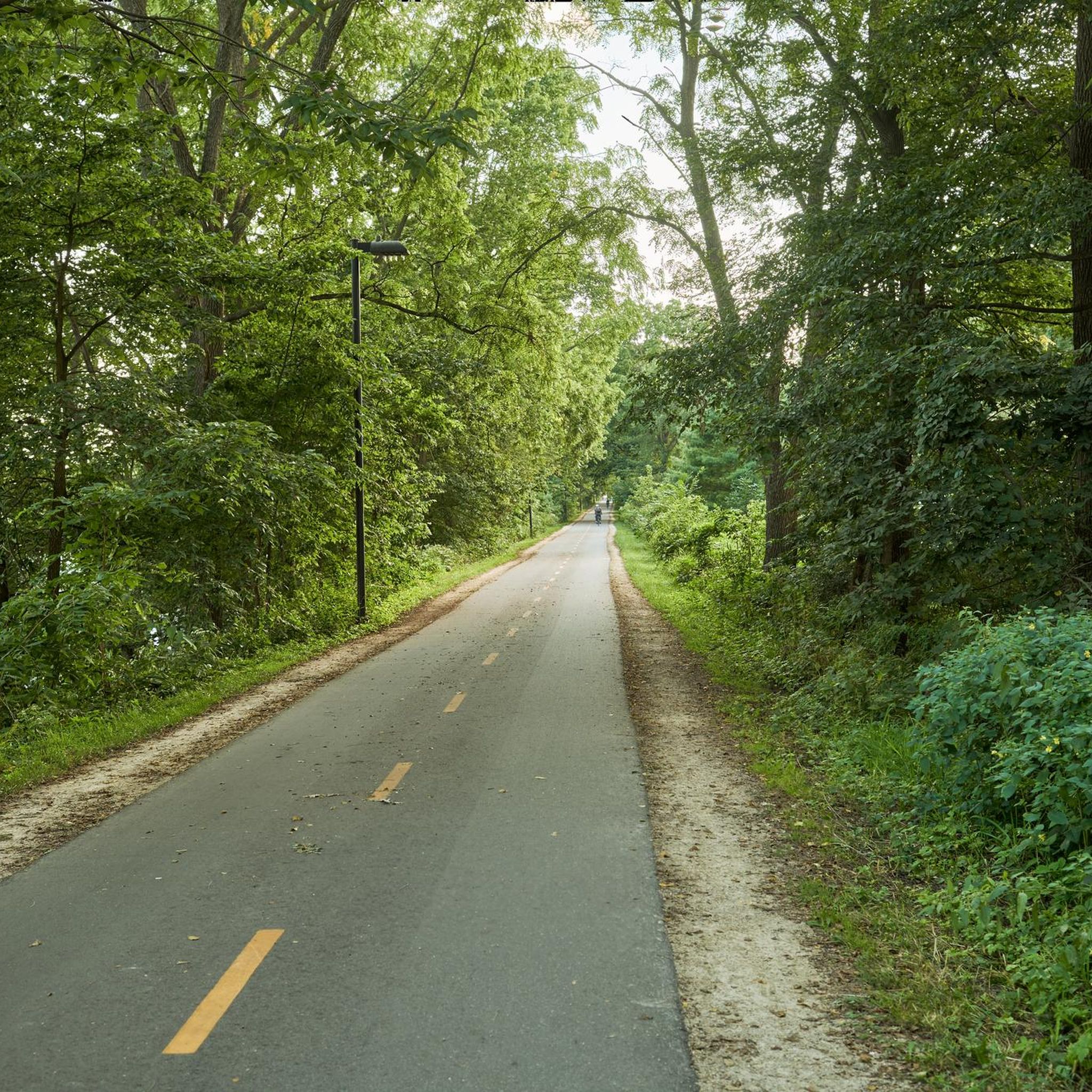
The Capital City State Trail is a 17-mile paved multi-use path open year-round. A state trail pass is required to bike the nine-mile portion of the trail that passes through the Capital Springs E-way south of Madison between Verona Road and Nob Hill near Industrial Drive, but the remainder is free to access.
0
0

The University of Wisconsin–Madison Arboretum is a research and ecological protection site in Madison. It has several miles of trails and quiet roads that weave through the beautiful wood land. The centerpiece of the area is Lake Wingra.
0
0
Nice view of Lake Wingra as you are running along Arboretum Drive. There are other great views as you pass through University of Wisconsin Arboretum.
0
0

very beautiful at the lake shore near Monona Terrace
0
0

Around 2,000 years ago, local inhabitants initiated the burial of their dead in the sacred mounds that scatter across the Point. At one time, Picnic Point boasted seven mounds, but relic hunters destroyed one mound before 1912. Today, the Preserve harbors numerous burial mounds and other ancient archaeological sites, reflecting the rich history and cultural significance of the area.
1
0

Lake Wingra is a spring-fed lake surrounded by multi-use paths and trail networks, with the Lake Wingra Recreation Loop being one of the more popular routes. It's a fishable lake with Musky, Panfish, Largemouth Bass, Northern Pike, and Walleye.
1
0
Frequently Asked Questions
What unique natural features can I explore around Madison's lakes?
Madison's lakes offer diverse natural landscapes. You can visit the University of Wisconsin–Madison Arboretum, which features 17 miles of trails through woodlands, savannas, prairies, and wetlands, with Lake Wingra as its centerpiece. Lake Mendota is known for its extensive limnological research and its scenic Picnic Point, offering stunning views. Lake Kegonsa State Park provides a variety of natural habitats, including prairie, forest, and marsh.
Are there family-friendly activities available at Madison's lakes?
Yes, many lakes around Madison are family-friendly. Lake Wingra, for instance, offers kayak, canoe, and stand-up paddleboard rentals, and borders Henry Vilas Park and Zoo. Lake Mendota is also considered family-friendly, with recreational activities like boating and relaxing on its sandy shores. Lake Kegonsa State Park provides opportunities for swimming, fishing, and boating, making it a great family retreat.
What kind of water sports can I do on Madison's lakes?
Madison's lakes are perfect for various water sports. Lake Mendota and Lake Monona are popular for boating, kayaking, canoeing, and stand-up paddleboarding, with rentals often available. Lake Wingra specifically offers sailing, windsurfing lessons, and even Madison Log Rolling classes. Lake Monona is known for being calmer, making it suitable for a wider array of water activities.
Where can I find hiking and cycling trails near Madison's lakes?
The region boasts numerous trails. The University of Wisconsin–Madison Arboretum has 17 miles of trails. The Lake Monona loop trail is approximately 13 miles and highly recommended for running, biking, or walking. The Capital City State Trail at Monona Terrace is a 17-mile paved multi-use path offering scenic views along the lake. For more options, you can explore easy hikes around Madison or road cycling routes around Madison.
Which lake is best for a quieter, less crowded experience?
For a quieter experience, Lake Waubesa and Lake Kegonsa are excellent choices. Lake Waubesa is considered a 'hidden gem,' ideal for fishing, birdwatching, or a peaceful day by the water, surrounded by wetlands and nature reserves. Lake Kegonsa, the southernmost of the five lakes, is less populated and crowded, offering a perfect retreat from stress and noise, especially within Lake Kegonsa State Park.
Are there any historical or cultural sites near the lakes?
Yes, the Picnic Point Mound Group on Lake Mendota is a significant historical site. It features ancient burial mounds and other archaeological sites, reflecting the rich history and cultural significance of the area, with some mounds dating back around 2,000 years.
What are the best lakes for fishing in the Madison area?
Madison's lakes are renowned for fishing. Lake Mendota is an excellent spot known for walleye, northern pike, and big smallmouth bass. Lake Wingra is a fishable lake with various species including Musky, Panfish, Largemouth Bass, Northern Pike, and Walleye. Lake Kegonsa, whose name means 'Lake of Many Fishes' in Ho-Chunk, also offers great fishing opportunities.
Can I find lakeside dining or accommodation options near Madison's lakes?
Yes, Lake Monona, being in the heart of Madison, has the Madison Museum of Contemporary Art nearby, which features a rooftop restaurant with stunning views. While specific accommodation details are not provided, the central location of Lake Monona and Lake Mendota within Madison means there are various dining and lodging options available in the city with lakeside views or easy access.
What is the best time of year to visit Madison's lakes?
The lakes offer activities year-round. From early spring to late fall, the lakes are popular for water sports, hiking, and cycling. The warmer months are ideal for swimming and boating. Even in winter, there are activities like ice fishing on Lake Monona. The specific 'best' time depends on your preferred activities, but generally, late spring through early fall provides the widest range of outdoor options.
Which lake is known for scientific research?
Lake Mendota is often referred to as 'the most studied lake in the world' due to extensive limnological research conducted by the UW-Madison Center for Limnology. A remote sensor buoy, 'David Buoy,' collects data from the lake for much of the year, highlighting its scientific importance.
Are there dog-friendly areas around Madison's lakes?
Lake Wingra is listed as dog-friendly within its highlight categories, suggesting that dogs are welcome in certain areas or on its trails. It's always recommended to check specific park or trail regulations for leash requirements and designated dog-friendly zones before visiting.
What cycling opportunities are available around the lakes?
Cycling is very popular around Madison's lakes. Lake Monona's well-developed shores provide excellent trails for biking, including its 13-mile loop. The Capital City State Trail at Monona Terrace is a paved multi-use path perfect for cycling. Lake Waubesa also features trails that are great for cyclists. You can find more detailed routes in the road cycling guide and gravel biking guide for Madison.
Most popular routes around Madison
Most popular attractions around Madison

Get inspired with the komoot mobile app


Explore more
Still not found your perfect lake around Madison? Check out the guides of these regions to see even more beautiful places.
