Attractions and Places To See around Tulsa - Top 17
Best attractions and places to see around Tulsa, Oklahoma, blend its history, culture, and natural environment. The city is situated along the Arkansas River, offering both urban and natural exploration opportunities. Downtown Tulsa features significant Art Deco architecture, reflecting its past as an oil boom city. Visitors can explore diverse sites ranging from historical landmarks to extensive public parks and cultural institutions.
Best attractions and places to see around Tulsa
- The most popular attractions is The Gathering Place, a…
Last updated: October 18, 2026
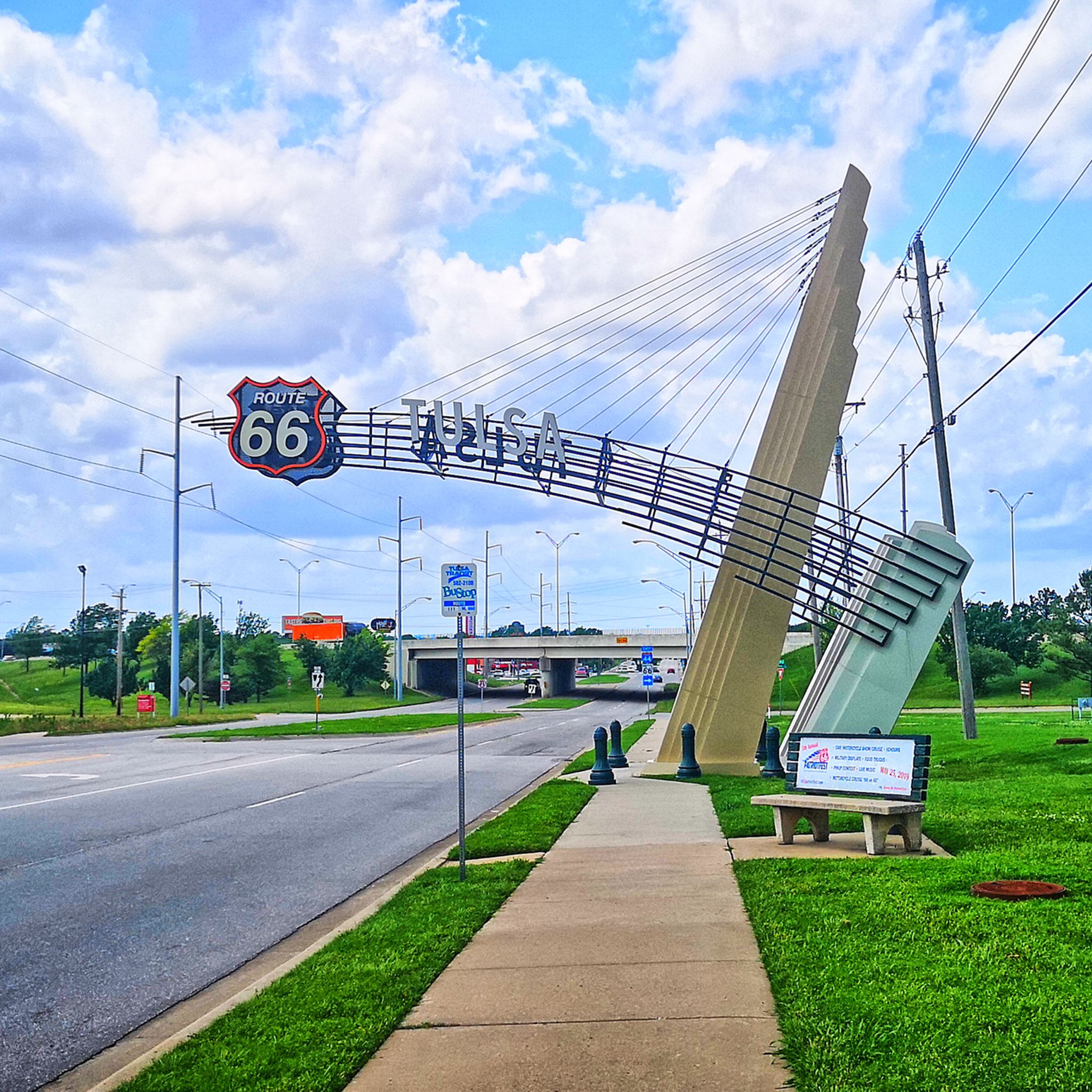
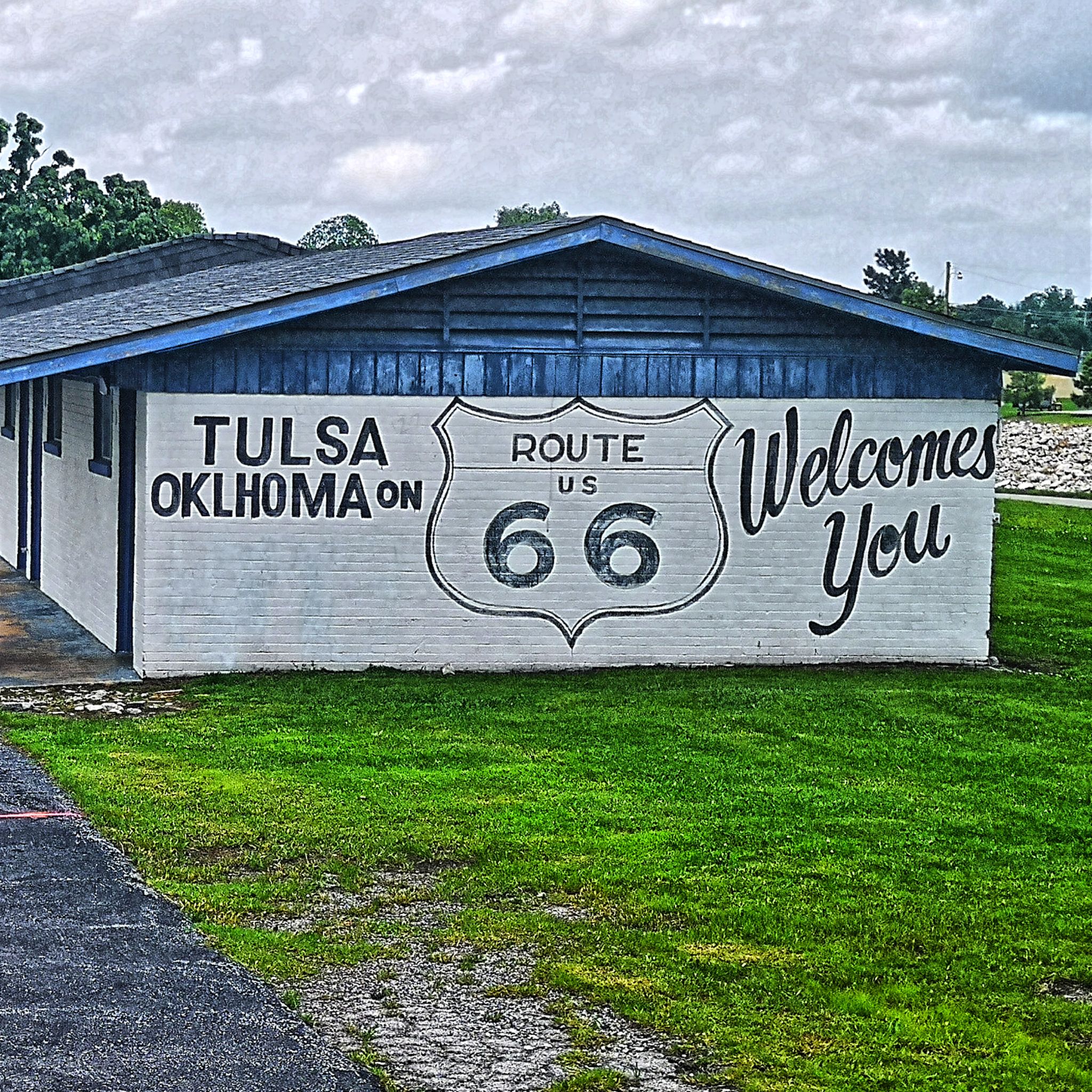
Route 66 in Downtown Tulsa
Highlight • Historical Site
Translated by Google •
Tip by

Arkansas River
Highlight • River
Tip by

Sign up now to discover places like this
Get recommendations on the best single tracks, peaks, & plenty of other exciting outdoor places.
The Gathering Place
Highlight • Rest Area
Tip by

View of the Arkansas River
Highlight • Viewpoint
Tip by

Frisco 4500 Meteor Locomotive at Route 66 Historical Village
Highlight • Monument
When the Meteor was converted to diesel locomotives, …
Translated by Google •
Tip by
Sign up for free to discover even more attractions around Tulsa.
Already have an account?
Start today with a free account
Your next adventure awaits.
Tips from the Community

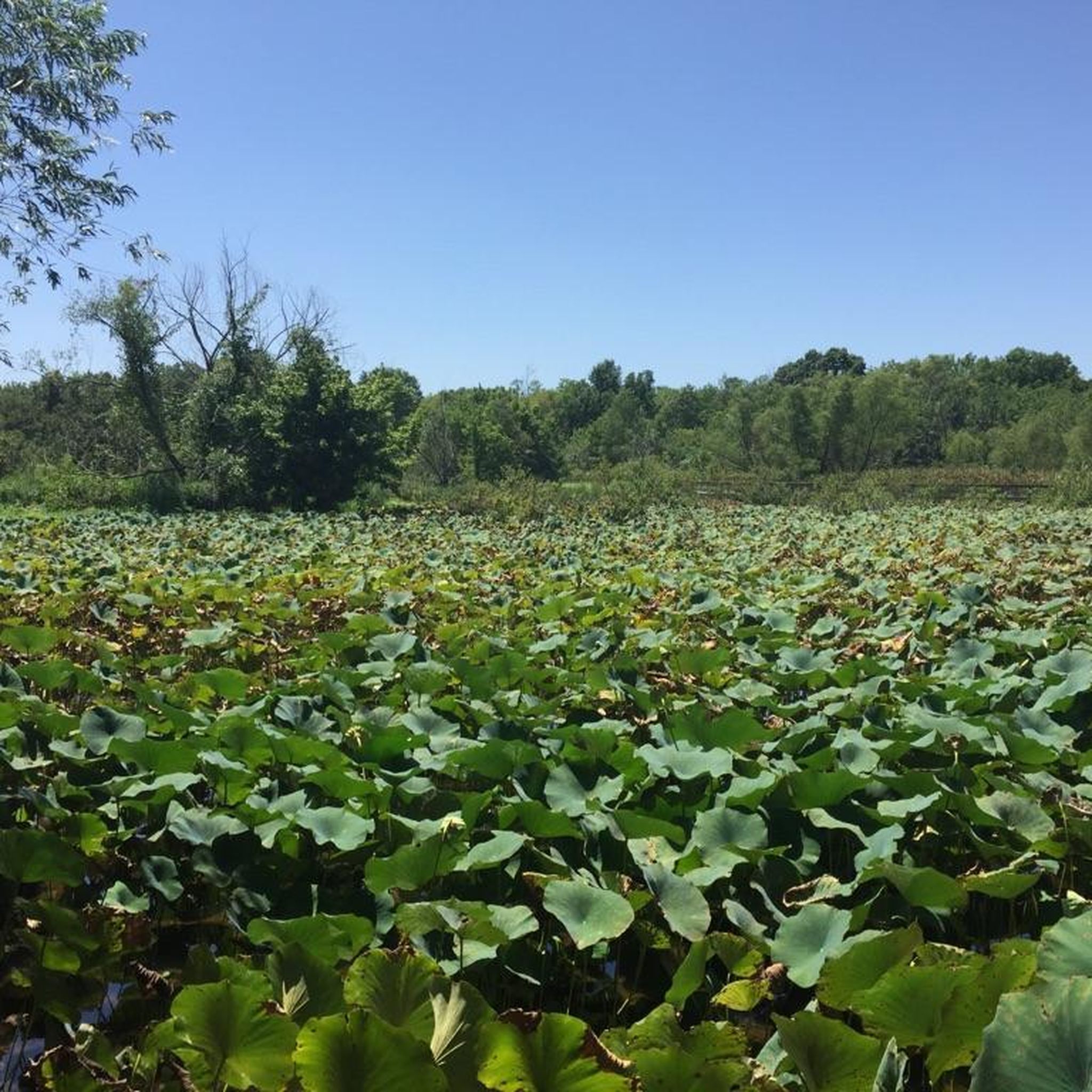
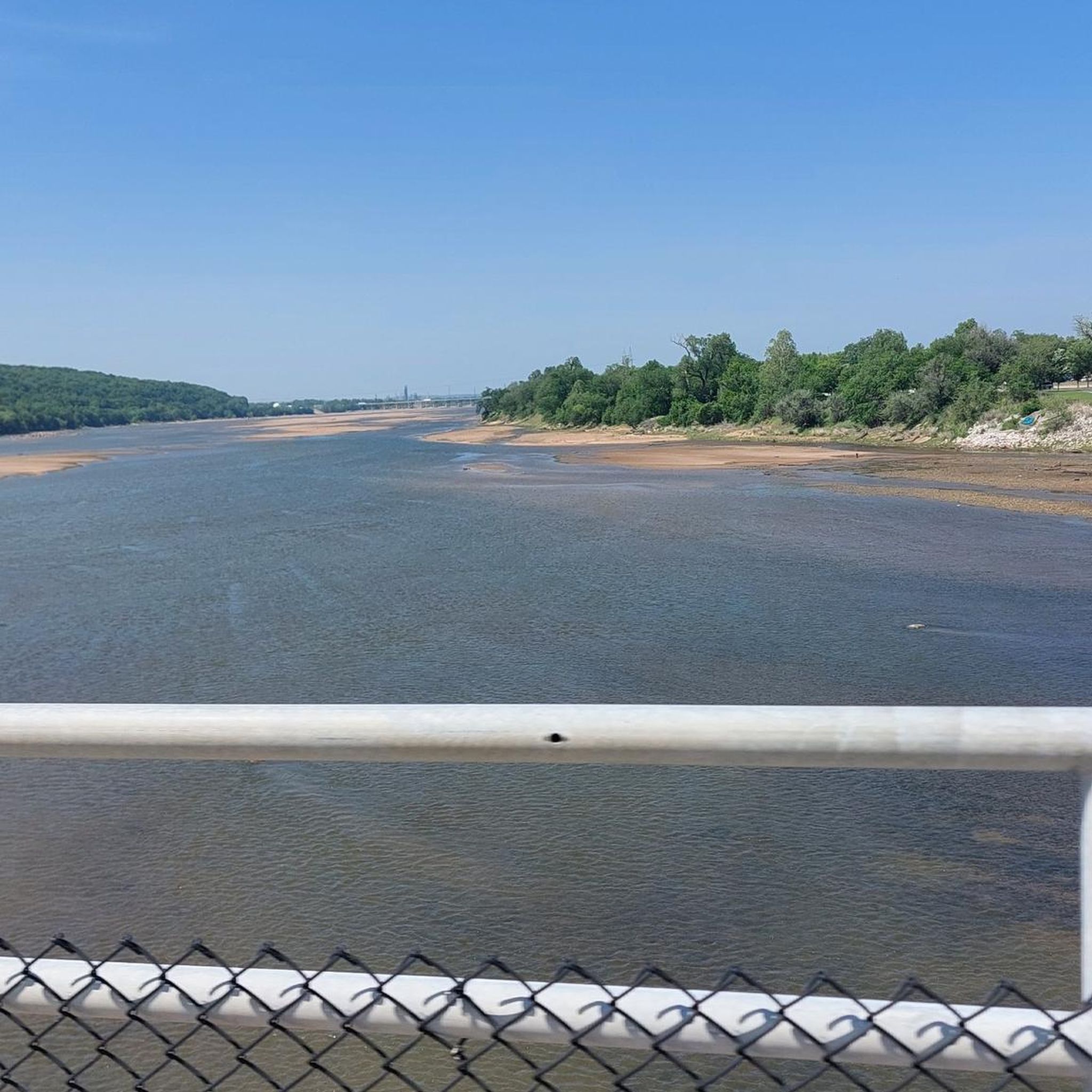
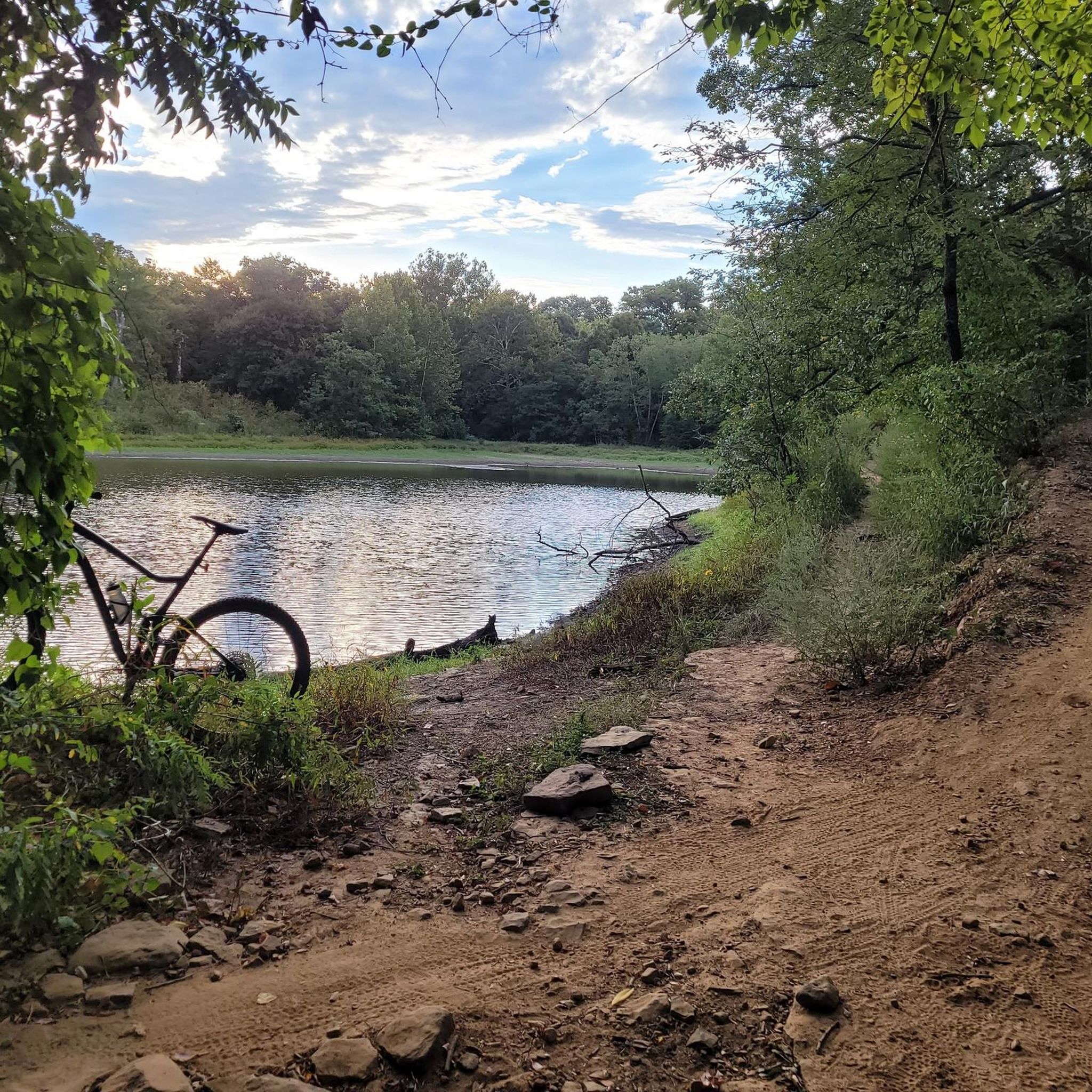
The Arkansas River winds its way through the heart of Oklahoma, offering a stunning backdrop to the vibrant city of Tulsa and its natural gem, Turkey Mountain. This stretch of the river is more than just a body of water – it's a place brimming with history, recreation, and breathtaking natural beauty.
0
0

Popular riverfront park with a variety of attractions for all ages. These include the Chapman Adventure Playground, the Williams Lodge, and ONEOK boathouse.
0
0

You can see the Arkansas river very well. It is a tributary of the Mississipi river starting in Colorado. In Tulsa, the river is deep and wide enough for boats, unlike its source in Colorado which quickly turns into a rushing torrent.
0
0

The Meteor was a named passenger train operated by the St. Louis-San Francisco Railway (also known as the SLSF or "The Frisco"). When the Meteor was converted to diesel locomotives, No. 4500 was repainted in Frisco's standard black with gold stripes and lettering. Cosmetically restored #4500, back in her Meteor livery, is now in the Route 66 Historical Village at 3770 Southwest Blvd. in Tulsa, Oklahoma. Meteor #4501, also in the Meteor livery, is housed at the American Railroad Museum in Frisco, Texas. The streamlined, diesel-equipped Meteor began westbound service on May 14, 1948. On May 15, his first eastbound train departed from Oklahoma City. At the end of its maiden voyage, the President of the Frisco gave an interview in his attached private railcar. The train pointed to a glass filled almost to the brim with water. "Not a drop has been spilled between St. Louis and Tulsa," he said proudly.
0
0
Tulsa, Oklahoma, in the middle of Indian Territory, was first settled by Native Americans in 1836 when they were forced to settle down the infamous Trail of Tears. The Creek, Seminole, Cherokee, Quapaw, Seneca, Shawnee, and other tribes were forced to relinquish their lands east of the Mississippi after the passage of the Indian Removal Act in 1830. By 1920, Tulsa was home to almost 100,000 people and 400 different oil companies. The booming city had two daily newspapers, four telegraph companies, more than 10,000 telephones, seven banks, 200 lawyers and more than 150 doctors, among numerous other businesses. Although the 1920s looked very promising for the burgeoning city, one of the most gruesome and devastating race riots in US history would soon ensue. If you're driving through Tulsa on the Mother Road, there are still many sights to see along the old route. Old motels line the streets of 10th, 11th and Southwest Boulevard. Downtown is full of Art Deco buildings, including the Warehouse Market at 925 South Elgin Avenue. The camp market was built in 1929. Colorful terracotta tiles attract people to the farmers' market. The Depression closed it but later reopened as Club Lido during the Big Band era. It served as a grocery store from 1938 until it was abandoned and boarded up in the late 1970s. In the mid-1990s, the property was sold and was slated for demolition until the Tulsa Preservation Commission stepped in and saved the original building's face and tower. Be sure to check out the Art Deco 11th Street Bridge and the magnificent new East Meets West statue nearby. In the city center, numerous Art Deco buildings date from the 1920s to 1930s. The first oil well in Tulsa County is behind Ollies' Restaurant at 4070 Southwest Boulevard. You can also see a variety of museums and dozens of other icons and attractions as you drive the Mother Street through this beautiful city.
0
0
Frequently Asked Questions
What are some family-friendly attractions in Tulsa?
Tulsa offers several excellent family-friendly attractions. The Gathering Place is a world-class public park with extensive playgrounds, gardens, and trails. You can also visit the Tulsa Zoo within Mohawk Park, or explore the interactive exhibits at the Tulsa Air and Space Museum & Planetarium. The Route 66 Historical Village, featuring the Frisco 4500 Meteor Locomotive, is another fun stop for all ages.
Where can I experience Tulsa's history and culture?
Tulsa is rich in history and culture. Explore the iconic Route 66 in Downtown Tulsa, known for its Art Deco architecture and classic landmarks. Visit the Philbrook Museum of Art, housed in a 1920s Italianate villa, or the Gilcrease Museum for American art and history. The Woody Guthrie Center and Bob Dylan Center celebrate music legends, while the Greenwood Cultural Center and Greenwood Rising offer vital insights into the 1921 Tulsa Race Massacre and Black Wall Street.
Are there natural areas or parks to explore in Tulsa?
Yes, Tulsa boasts several natural escapes. The Turkey Mountain Urban Wilderness Area offers rugged trails for hiking, mountain biking, and horseback riding with views of the skyline. Oxley Nature Center, within Mohawk Park, is perfect for birdwatching and features diverse landscapes. The Tulsa Botanic Garden provides 170 acres of curated beauty, and Keystone State Park offers woodlands and trails west of downtown.
What kind of outdoor activities can I do near Tulsa's attractions?
Near Tulsa's attractions, you can enjoy a variety of outdoor activities. The Arkansas River features over 26 miles of asphalt trails on both banks, ideal for jogging, walking, bicycling, and rollerblading. For more specific routes, you can find numerous options for running, cycling, and road cycling around the city, many of which pass by popular spots like The Gathering Place and the Arkansas River.
Where can I see Art Deco architecture in Tulsa?
Downtown Tulsa is renowned for its stunning Art Deco architecture, a legacy of its oil boom era. Key examples include the Boston Avenue United Methodist Church, a National Historic Landmark, and the Philcade Building. Many buildings along Route 66 in Downtown Tulsa also showcase this distinctive style, including the Warehouse Market and the 11th Street Bridge.
Are there any unique landmarks or points of interest in Tulsa?
Beyond its historical buildings, Tulsa has several unique landmarks. The Golden Driller, a towering 76-foot statue, symbolizes Oklahoma's petroleum industry. The Center of the Universe is an intriguing acoustic anomaly downtown. The Outsiders House Museum preserves the house where the 1983 film 'The Outsiders' was shot. Oral Roberts University also features unique architecture, including the iconic 'Praying Hands' sculpture.
What are the best places for walking or jogging in Tulsa?
For walking or jogging, the trails along the Arkansas River are highly recommended, offering over 26 miles of paved paths. The Gathering Place also has numerous trails and pathways within its expansive grounds. For a more rugged experience, Turkey Mountain Urban Wilderness Area provides extensive wooded trails.
What is the Tulsa Arts District known for?
The Tulsa Arts District is a vibrant neighborhood filled with galleries, studios, and public art installations. It's also home to performance venues like the Tulsa Performing Arts Center and the historic Cain's Ballroom. You'll find a lively atmosphere with various events, concerts, and green spaces like Guthrie Green, making it a cultural hub.
Are there any places to shop or dine in Tulsa?
Tulsa offers diverse shopping and dining experiences. The Blue Dome Entertainment District spans nine blocks with trendy eateries, local pubs, and indie boutiques. Utica Square is an upscale shopping and dining destination. For a unique local experience, visit Mother Road Market, a popular food hall and local shopping hub located on Route 66.
What is the significance of the Arkansas River in Tulsa?
The Arkansas River is a significant natural feature in Tulsa. It's a tributary of the Mississippi River, and as it flows through the city, it becomes deep and wide enough for boating. The riverbanks are lined with over 26 miles of asphalt trails, making it a popular spot for recreation and offering scenic views.
What is the best time to visit Tulsa for outdoor activities?
The best time to visit Tulsa for outdoor activities is generally during the spring (April-May) and fall (September-October). During these seasons, the weather is mild and pleasant, ideal for exploring parks, trails, and outdoor attractions like The Gathering Place or hiking in Turkey Mountain Urban Wilderness Area. Summers can be hot and humid, while winters are generally mild but can have occasional cold snaps.
Most popular routes around Tulsa

Get inspired with the komoot mobile app


Explore more
Still not found the Highlight you’re looking for? See guides of the top attractions in other regions:
