Attractions and Places To See in Abruzzo - Top 20
Best attractions and places to see in Abruzzo span from the Apennine Mountains to the Adriatic Sea, offering diverse landscapes. This central Italian region features a rich tapestry of ancient towns, historical treasures, and extensive natural parks. It is known for its varied geography, encompassing high mountain peaks, vast plateaus, and a unique coastline. Abruzzo provides numerous opportunities for exploring both cultural sites and natural environments.
Best attractions and places to see in Abruzzo
- The most popular attractions is Rocca Calascio Castle, a castle known for being one of the highest castles in Europe. This medieval fortress offers panoramic views of the surrounding mountains and countryside.
- Another must-see spot is Duca degli Abruzzi Hut, a hut located at 2388 meters in the Gran Sasso and Monti della Laga National Park. Visitors can find refreshment and stay overnight, enjoying views of the valley.
- Visitors also love Via Verde dei Trabocchi, a cycle way that runs directly by the sea. This path offers scenic views along the coast, passing by traditional wooden fishing structures.
- Abruzzo is known for its historical castles, extensive national parks, and unique coastal paths. The region offers a variety of attractions to see and explore, from mountain summits to Adriatic beaches.
- The attractions in Abruzzo are appreciated by the komoot community, with more than 260 upvotes and over 230 photos shared.
Last updated: October 9, 2026
Corno Grande Western Summit
Highlight • Summit
You can hike it as a loop, following the 'direttissima' sign going up, and the main trail coming down. Also helps to avoid the weekend crowds in the morning ;-) Campo Imperatore is the starting point komoot.de/tour/3906922
Tip by

Campo Imperatore
Highlight • Natural Monument
Showing Translation
Tip by

Sign up now to discover places like this
Get recommendations on the best single tracks, peaks, & plenty of other exciting outdoor places.
Trabocco Punta Cavalluccio
Highlight • Restaurant
Translated by Google •
Tip by

Duca degli Abruzzi Hut
Highlight • Mountain Hut
Historical fact: just below the mountain hut lies the Hotel Campo Imperatore, where Benito Mussolini was held captive in 1943. From this area, he looked out over the endless peaks of the Apennines until he was freed by a glider during the spectacular German rescue operation, Operation Oak. This combination of impressive nature, mountaineering history, and a remarkable chapter from World War II makes a visit to Rifugio Duca degli Abruzzi extra memorable.
Showing Translation
Tip by
Via Verde dei Trabocchi
Highlight (Segment) • Cycleway
Translated by Google •
Tip by

Abruzzo Astronomical Observatory
Highlight • Monument
Historical tidbit: one of the observatory's most important telescopes has a remarkable history. The AZT-24 infrared telescope was originally intended as a gift from Adolf Hitler to Benito Mussolini during World War II and was known as the "Mussolini telescope." However, due to the fall of the fascist regime, the telescope was never delivered. After the war, the instrument was taken by the Soviet Union to the Pulkovo Observatory. It wasn't until after the end of the Cold War that the telescope returned to Italy, where it finally found a permanent home on Campo Imperatore in 1997.
The observatory also played an important role in modern astronomy. Between 2001 and 2004, during the CINEOS project, scientists discovered more than 1,500 new asteroids, including several so-called Near-Earth Objects that approach Earth's orbit. Thus, Campo Imperatore is not only one of the most beautiful places to stargaze but also a location that makes a significant contribution to the research of our solar system and the monitoring of potential space risks.
Showing Translation
Tip by
Our Lady of Pity
Highlight • Religious Site
Translated by Google •
Tip by

Rocca Calascio Castle
Highlight • Castle
Translated by Google •
Tip by

Ponte del Mare
Highlight • Bridge
Translated by Google •
Tip by

Trabocco Spezzacatene
Highlight • Structure
Trabocco Spezzacatene (literally: Chain Breaker) is an absolute must-stop during your bike tour along the Via Verde!
This historic construction owes its rugged name to the brutal storms and gigantic waves that have been defying the wooden poles here for decades.
Located in the municipality of Fossacesia, right next to Trabocco Punta Torre, this is one of the most authentic and photogenic trabocchi on the entire coastline. Unlike the large restaurants nearby, Spezzacatene is truly dedicated to culture, fishing heritage, and the legendary Verì family of builders.
Why stop here?
📸 Perfect photo spot: From the bike path and the adjacent pebble beach, you have a wonderful view of the impressive wooden fishing arms (antennas).
📜 Living history: A beautiful example of how these 'giant wooden spiders' were once used for coastal fishing.
🌊 Wonderful resting place: Ideal for parking your bike for a moment, listening to the surf, and enjoying the maritime atmosphere.
Showing Translation
Tip by
Sign up for free to discover even more attractions in Abruzzo.
Already have an account?
Start today with a free account
Your next adventure awaits.
Popular around Abruzzo
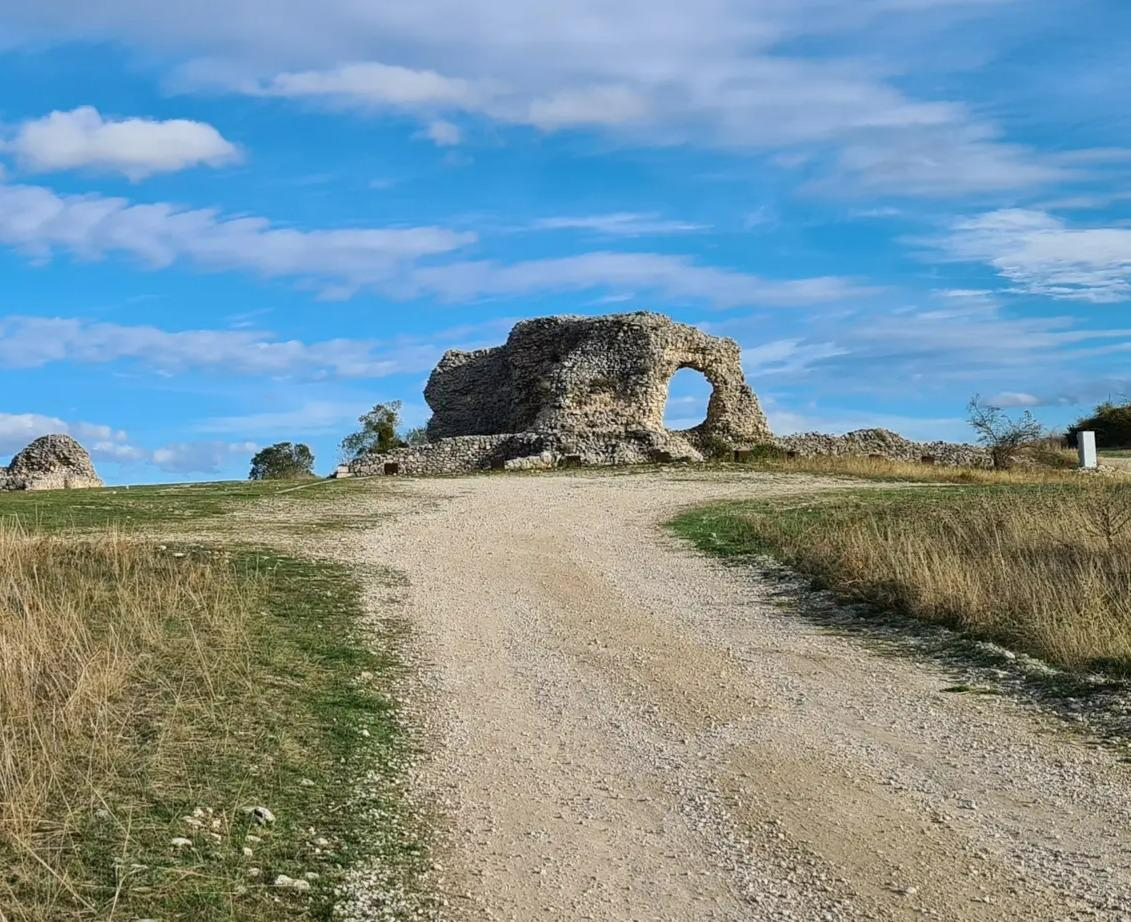
Tratturo Magno – On the roads of transhumance
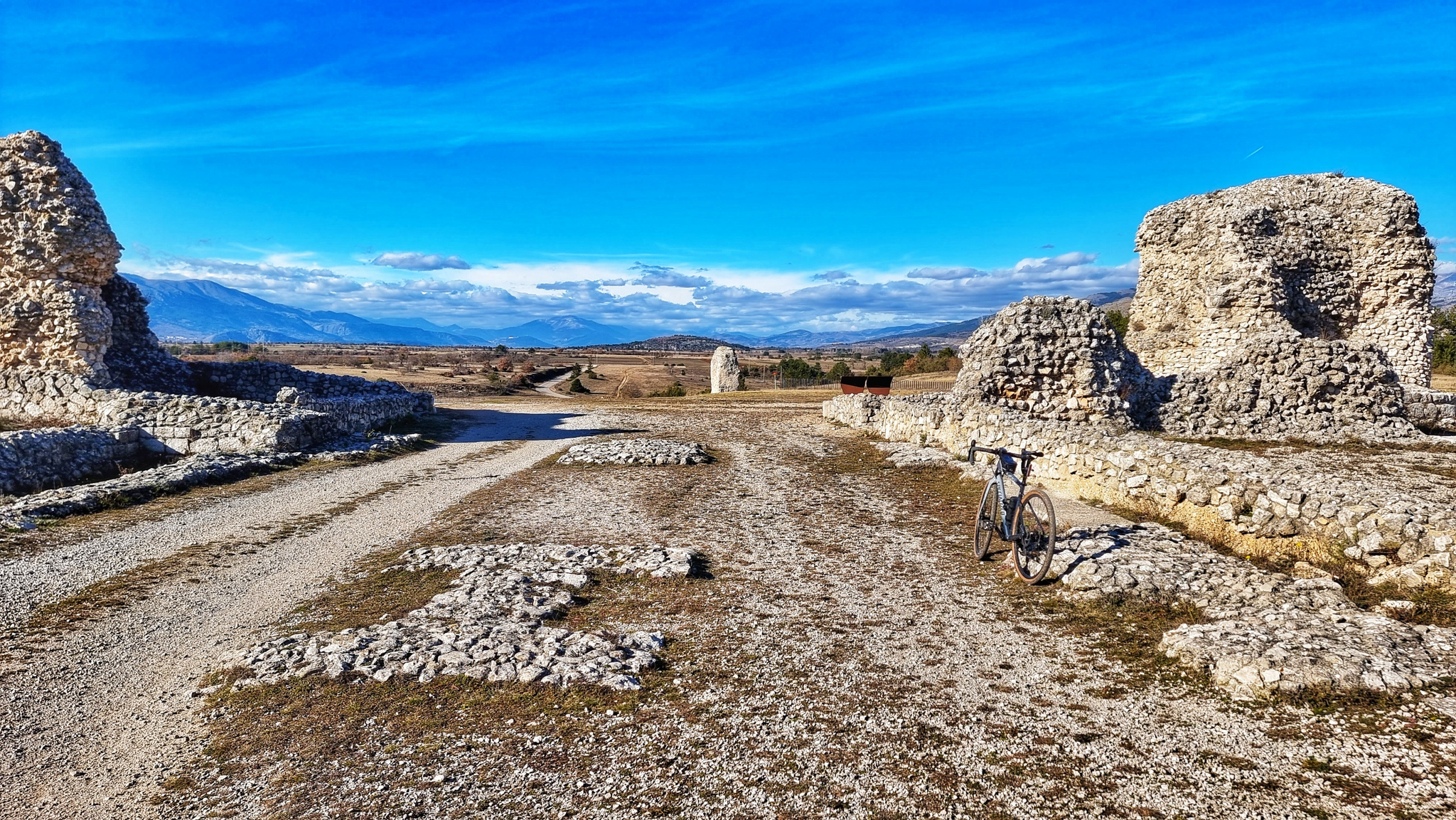
The Tratturo Magno – From the Apennines to the TavoIiere, 300 kilometers
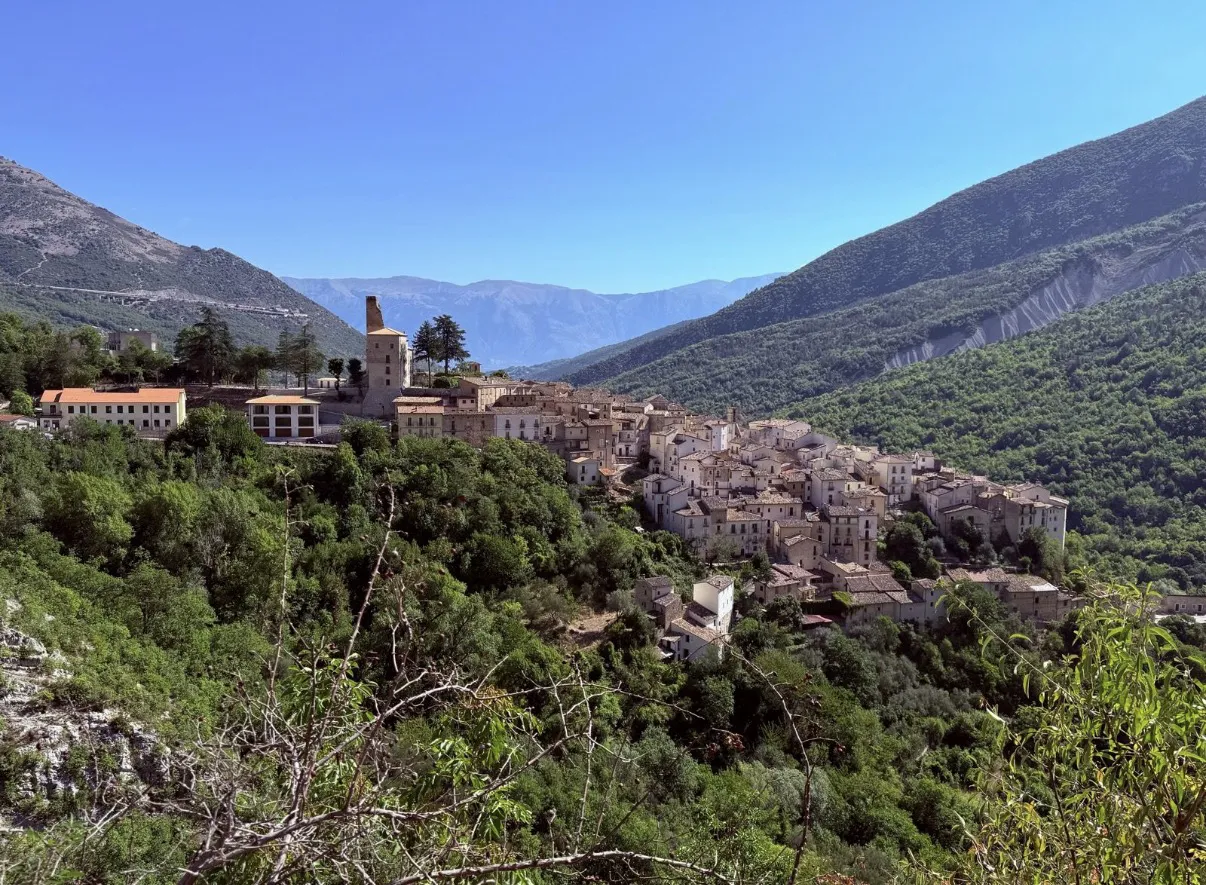
Cycling in Abruzzo – among villages, history and nature
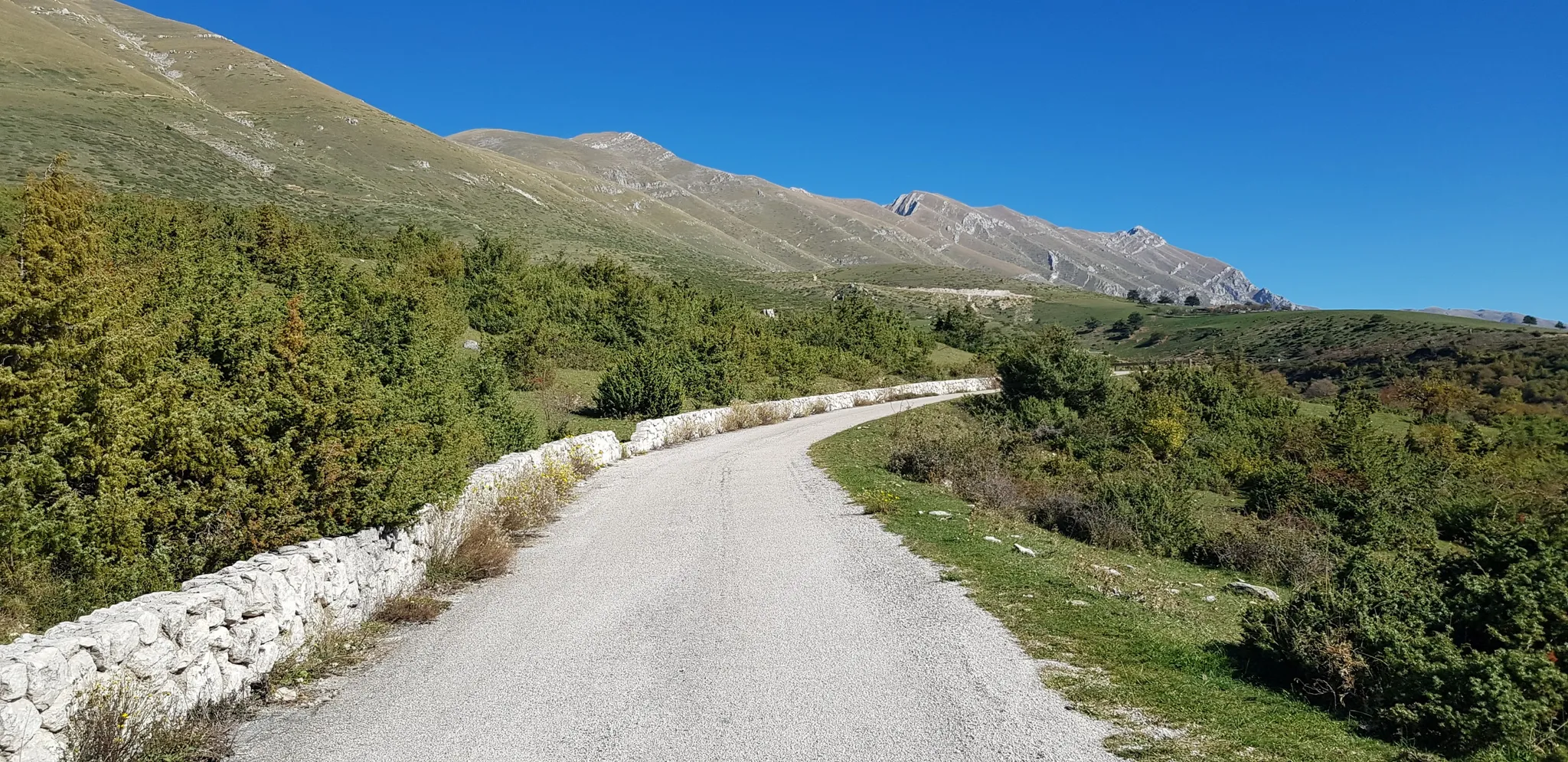
The Apennine Cycleway (Part 2) - From Umbria to Calabria
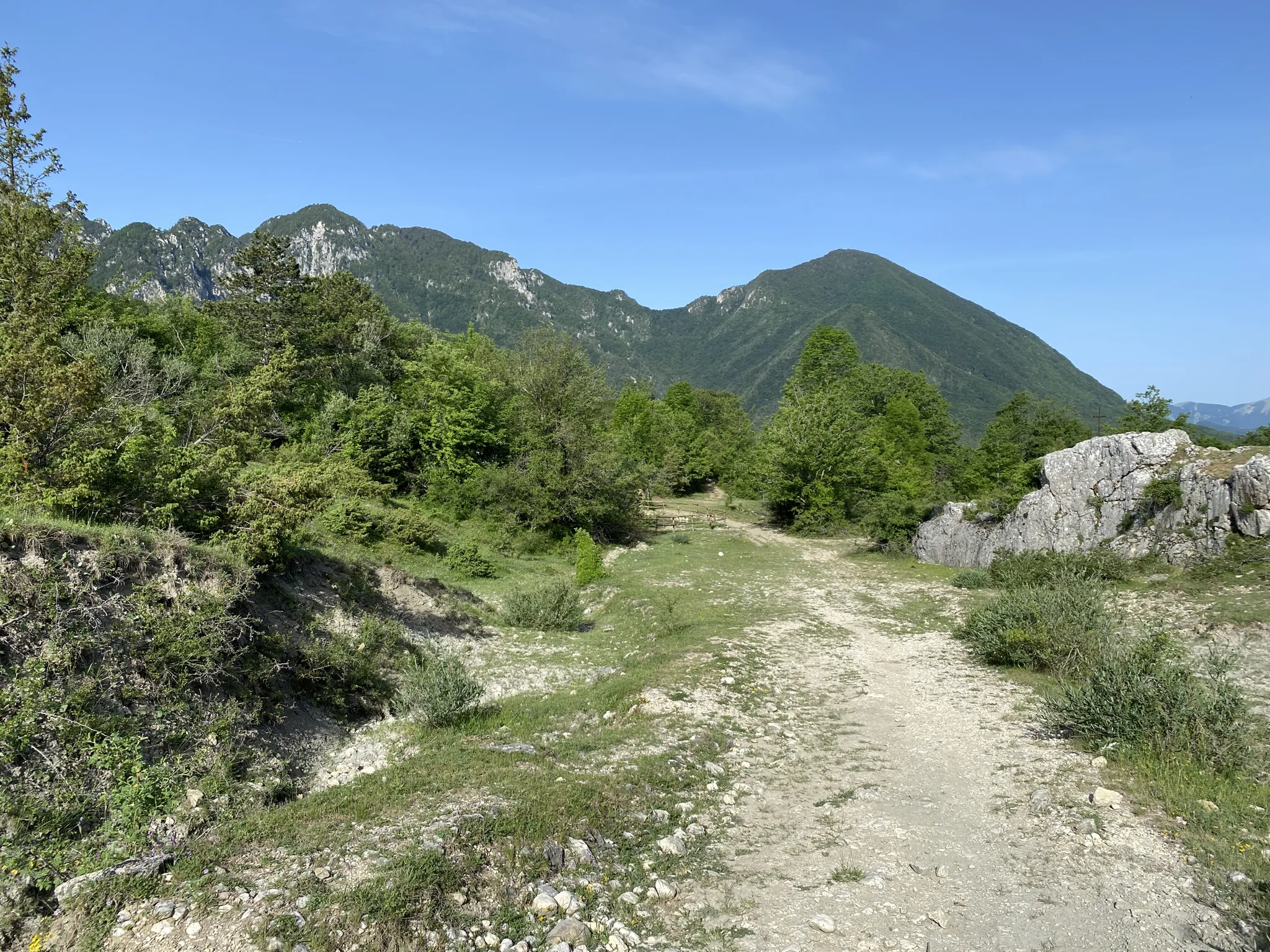
Hike along shepherds tracks in Italy – Via del Tratturo
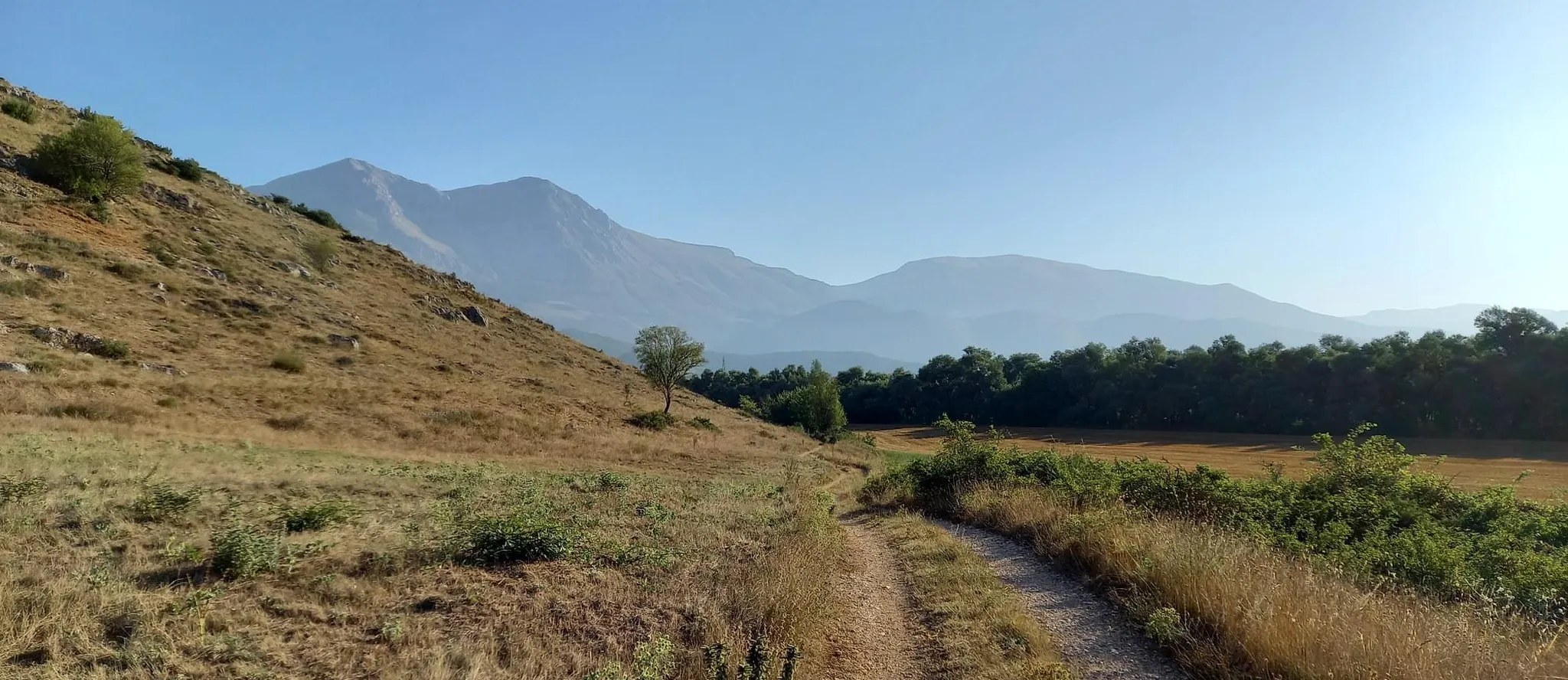
Hike from Rome to the Adriatic Sea – Way of St. Thomas
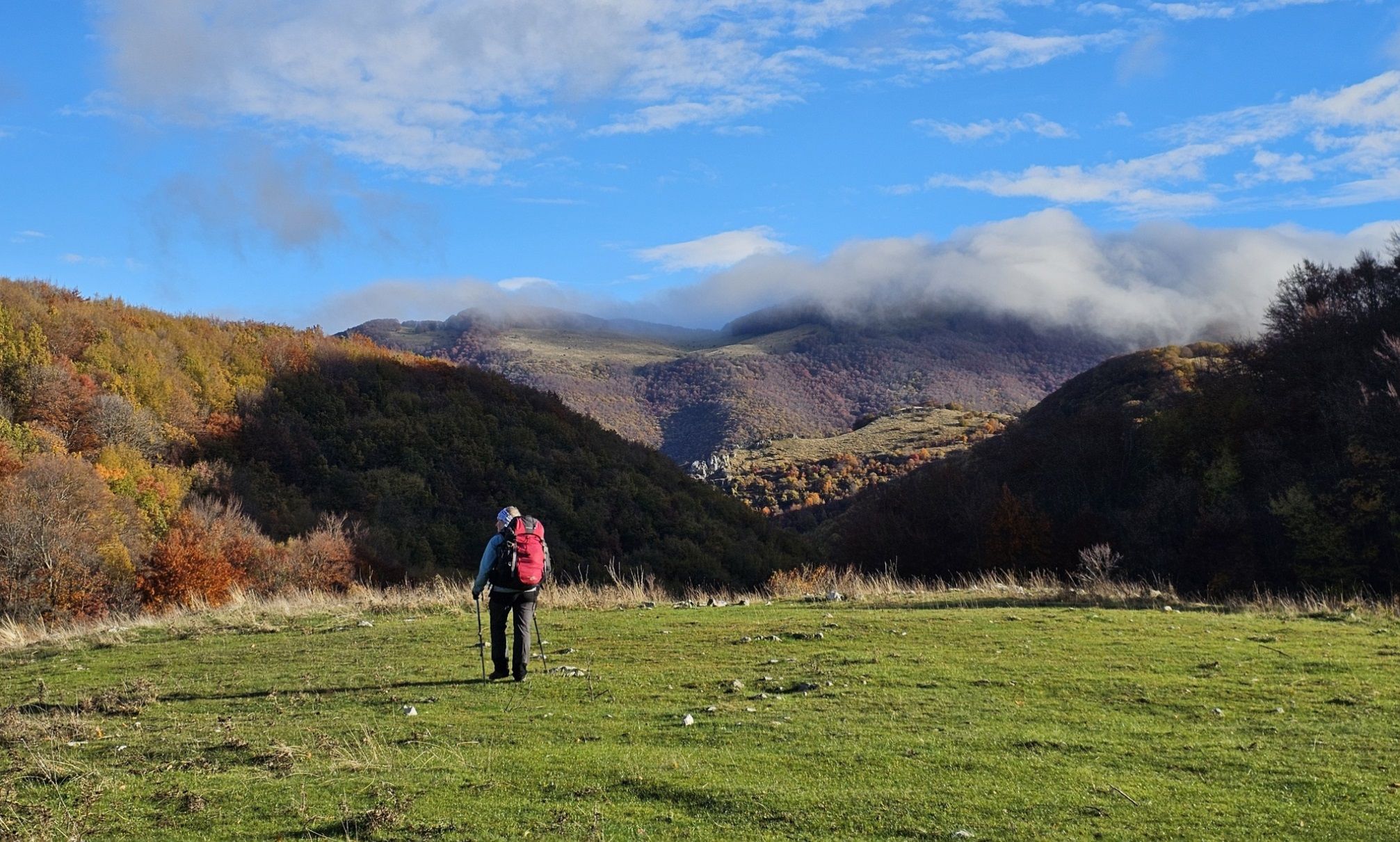
A colourful journey – hike in the Simbruini Mountains
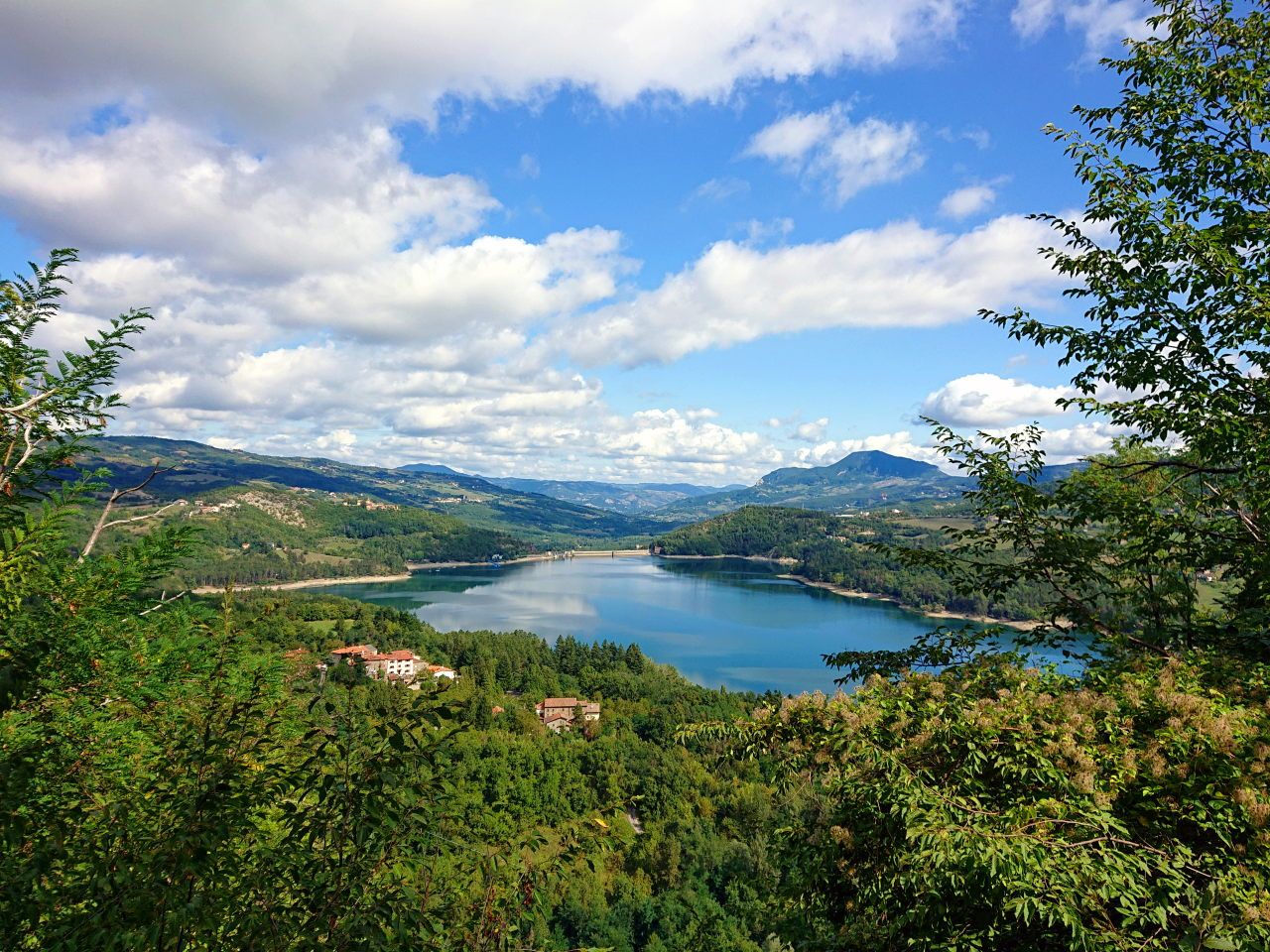
Interiora - A Journey into the Remote Areas of Italy
Natural Park Walk – part 4 from Accumoli to L'Aquila
Trieste to Santa Maria di Leuca – the Adriatic Cycle Route
Other adventures in Abruzzo


Tips from the Community

Suitable for Gravel or MTB, less so for road bikes on the dirt sections
0
0

It is more beautiful to see punta derci in spring with the flowering the landscape is more colorful
0
0

The night sky from up there enchants and calms the soul.
1
0

Trabocco Spezzacatene – The 'Chain Breaker' of the Via Verde Trabocco Spezzacatene (literally: Chain Breaker) is an absolute must-stop during your bike tour along the Via Verde! This historic construction owes its rugged name to the brutal storms and gigantic waves that have been defying the wooden poles here for decades. Located in the municipality of Fossacesia, right next to Trabocco Punta Torre, this is one of the most authentic and photogenic trabocchi on the entire coastline. Unlike the large restaurants nearby, Spezzacatene is truly dedicated to culture, fishing heritage, and the legendary Verì family of builders. Why stop here? 📸 Perfect photo spot: From the bike path and the adjacent pebble beach, you have a wonderful view of the impressive wooden fishing arms (antennas). 📜 Living history: A beautiful example of how these 'giant wooden spiders' were once used for coastal fishing. 🌊 Wonderful resting place: Ideal for parking your bike for a moment, listening to the surf, and enjoying the maritime atmosphere.
4
0
The Funivia del Gran Sasso d'Italia (the cable car to Campo Imperatore) was originally opened in 1934 and was recently reopened on June 15, 2026, after a period of significant maintenance. The cable car connects the valley station in Fonte Cerreto (Assergi, at 1,117 meters) with the Campo Imperatore plateau (at 2,130 meters). The cable car to Campo Imperatore has a rich history. The first installation was built in 1934 during the reign of Benito Mussolini and was considered a technical masterpiece and one of the longest cable cars in the world at the time. It also played a role in the spectacular liberation of Mussolini during World War II. The original cabins remained in use until 1985. After a complete modernization, the current cable car was put into operation in 1988. With two cabins for 100 passengers each, it covers a distance of over 3 kilometers and an altitude difference of 1,013 meters in just seven minutes. Following extensive safety works, including the replacement of the support cables, the cable car has been fully operational again since June 2026. Opening hours: During the summer season (until the end of August 2026), the cable car to Campo Imperatore is open daily from 07:30 to 19:30. The cabins depart every 30 minutes. Please note that in case of strong winds or other extreme weather conditions, the cable car may be temporarily taken out of service to ensure the safety of travelers.
6
1
Campo Imperatore is one of Italy's most impressive natural areas. This vast, treeless high plain at an altitude of approximately 2,000 meters is not called 'Little Tibet' for nothing. Surrounded by the rugged peaks of the Gran Sasso massif, it offers a spectacular setting for hikers of all levels. From relaxed walks across the rolling plateau between grazing sheep and horses to challenging climbs of Monte Aquila, the Rifugio Duca degli Abruzzi, or even Corno Grande (2,912 m), the highest peak in the Apennines. Thanks to accessibility by car or cable car, you can start your hike right in the middle of the high mountains, with breathtaking panoramas along the way and a landscape that has served as a backdrop for countless films.
8
1
The Abruzzo Astronomical Observatory on Campo Imperatore, officially the Stazione Osservativa di Campo Imperatore, is one of Italy's most special observatories, located at an altitude of 2,150 meters. Since its opening in 1965, astronomers here have benefited from exceptionally clear nights. Thanks to a natural phenomenon, thermal inversion, clouds and artificial light often remain trapped in the valleys, making the night sky above the plateau remarkably dark and clear. Historical tidbit: one of the observatory's most important telescopes has a remarkable history. The AZT-24 infrared telescope was originally intended as a gift from Adolf Hitler to Benito Mussolini during World War II and was known as the "Mussolini telescope." However, due to the fall of the fascist regime, the telescope was never delivered. After the war, the instrument was taken by the Soviet Union to the Pulkovo Observatory. It wasn't until after the end of the Cold War that the telescope returned to Italy, where it finally found a permanent home on Campo Imperatore in 1997. The observatory also played an important role in modern astronomy. Between 2001 and 2004, during the CINEOS project, scientists discovered more than 1,500 new asteroids, including several so-called Near-Earth Objects that approach Earth's orbit. Thus, Campo Imperatore is not only one of the most beautiful places to stargaze but also a location that makes a significant contribution to the research of our solar system and the monitoring of potential space risks.
6
0
OPENING HOURS, always useful to know before you go up! Rifugio Duca degli Abruzzi is open daily for the summer season. The opening hours and seasons are arranged as follows: summer season (continuously open) Period: From June 15 to the end of September, the mountain hut is open non-stop every day. Daytime (kitchen/bar): You can usually go there from approx. 08:30 to 17:00 for drinks, snacks, and lunch. Overnight stay: If you have booked an overnight stay in advance, you can join for dinner in the evening. Autumn, Winter & Spring (limited opening) Period: from October to May. Days: The hut is then in principle only open on weekends (Friday evening to Sunday afternoon), provided the weather and snow conditions allow it safely. Closure: the hut often closes completely in the month of November due to the start of the heavy winter snowfall. Important to know: because the mountain hut is located at an altitude of almost 2400 meters, the opening hours are always dependent on the weather. In case of heavy storms, dense fog, or sudden snowfall, the hut may remain unexpectedly closed. Do you want to be sure whether the manager is present or do you want to book a place to sleep? Check the current status via the official CAI Booking Platform or contact the managers directly via +39 388 186 7703.
7
0
Frequently Asked Questions
What are the best hiking opportunities in Abruzzo's national parks?
Abruzzo is home to several extensive national parks offering diverse hiking experiences. The Gran Sasso e Monti della Laga National Park features the highest peak of the Apennines, Corno Grande, and the vast Campo Imperatore plateau, often called 'Little Tibet'. The Majella National Park, a UNESCO Global Geopark, offers ancient trails and diverse landscapes. For specific routes, you can explore guides like Hiking in Abruzzo or Mountain Hikes in Abruzzo, which include challenging ascents like Corno Grande from Campo Imperatore.
Which historical castles are a must-see in Abruzzo?
Abruzzo boasts several impressive historical castles. The most popular is Rocca Calascio Castle, a 10th-century fortress perched high in the Apennine mountains, offering spectacular panoramic views. Other notable castles include the dramatically situated Castello di Roccascalegna, the well-preserved Castello Caldora in Pacentro, and the Forte Spagnolo in L'Aquila.
Are there any notable waterfall hikes in Abruzzo?
Yes, Abruzzo offers beautiful waterfall hikes. One popular option is the Camosciara and Nymphs' Waterfall Trail within the Abruzzo, Lazio and Molise National Park. You can find more details and routes in the Waterfall hikes in Abruzzo guide, which also lists trails like the San Giovanni Waterfall loop near the Majella Mountains.
Where can I experience unique coastal walks or cycling in Abruzzo?
The Via Verde dei Trabocchi is a unique coastal path perfect for cycling and walking. It runs along the old railway line, offering spectacular sea views and passing by traditional wooden fishing structures called 'trabocchi'. Another excellent option is the Punta Aderci Nature Reserve Trail, the first coastal protected area in Abruzzo, known for its pristine beaches and diverse marine flora and fauna.
What kind of wildlife can I spot in Abruzzo's natural parks?
Abruzzo's national parks are critical habitats for diverse fauna. In the Abruzzo, Lazio and Molise National Park, you might spot the Marsican brown bear (its symbol), Apennine wolf, chamois, and golden eagle. The Gran Sasso e Monti della Laga National Park is also home to the Apennine chamois, Italian wolf, and golden eagle, especially in areas like Campo Imperatore.
Which towns offer a rich historical and cultural experience?
Several towns in Abruzzo are rich in history and culture. L'Aquila, the capital, features sites like the Basilica of San Bernardino and Santa Maria di Collemaggio. Sulmona is famous as the birthplace of Ovid and for its traditional 'confetti'. Chieti, one of Italy's oldest cities, has a historic center and the National Archaeological Museum. Santo Stefano di Sessanio and Pacentro are medieval hilltop towns known for their well-preserved historic centers.
Are there any family-friendly attractions in Abruzzo?
Yes, Abruzzo offers several family-friendly attractions. The Via Verde dei Trabocchi is excellent for family cycling or walks along the coast. The Ponte del Mare in Pescara is a pedestrian and bike bridge offering great views. Many beaches along the Costa dei Trabocchi are suitable for families. Exploring picturesque villages like Scanno, with its heart-shaped lake, or visiting the Stiffe Caves can also be enjoyable for all ages.
What are some significant religious or architectural sites to visit?
Abruzzo has a rich religious and architectural heritage. The Abbey of San Clemente a Casauria is a masterpiece of medieval Romanesque architecture. The Bominaco Oratories are renowned for their 13th-century frescoes, often called the 'Sistine Chapel of Abruzzo'. The Eremo di San Bartolomeo in Legio is a breathtaking hermitage carved into steep cliffs. Near Rocca Calascio, the church of Our Lady of Pity is a beautiful building in an impressive landscape.
Are there any high-altitude mountain huts for hikers in Abruzzo?
Yes, for those exploring the high mountains, the Duca degli Abruzzi Hut is a notable option. Located at 2388 meters in the heart of the Gran Sasso and Monti della Laga National Park, it offers refreshment and overnight stays, providing stunning views of the valley and surrounding peaks. It's accessible via an easy walk from Campo Imperatore.
What are some unique natural features or landscapes to explore?
Beyond the national parks, Abruzzo offers unique natural features. Campo Imperatore, within the Gran Sasso massif, is a vast plateau with stunning, almost unreal landscapes. Lago di Scanno is famous for its distinctive heart shape. The Gole del Sagittario are picturesque gorges offering dramatic scenery. The Stiffe Caves provide an impressive underground world to explore, and the Costa dei Trabocchi features traditional wooden fishing machines built over the sea.
What is the best time to visit Abruzzo for outdoor activities?
The best time to visit Abruzzo for outdoor activities largely depends on your interests. For hiking in the mountains and exploring national parks like Gran Sasso and Majella, late spring (May-June) and early autumn (September-October) offer pleasant temperatures and fewer crowds. Summer (July-August) is ideal for high-altitude trekking and enjoying the beaches. Winter (December-March) is perfect for skiing and other snow sports in the mountain resorts.
Are there any attractions in Abruzzo that are wheelchair accessible?
While much of Abruzzo's rugged terrain and historic sites present accessibility challenges, some attractions offer better access. The Ponte del Mare in Pescara is a modern cable-stayed bridge that is wheelchair accessible, offering panoramic views. Parts of the Via Verde dei Trabocchi coastal cycle path may also be accessible, particularly flatter sections near towns. It's always advisable to check specific site conditions beforehand.
Most popular routes in Abruzzo
Most popular attractions in Abruzzo

Get inspired with the komoot mobile app


Didn’t find what you were looking for?
Are you keen on exploring more awesome places nearby? Browse our guides:
Explore more
Still not found the Highlight you’re looking for? See guides of the top attractions in other regions:
