Top 20 Castles in the Franconian Forest
Castles in the Franconian Forest offer insights into the region's rich history and diverse architectural styles. This area in Bavaria, Germany, features a landscape characterized by hills, forests, and river valleys. The castles here served as residences, fortresses, and administrative centers, reflecting centuries of Franconian heritage. Visitors can explore various historical periods through these structures, which are often situated in scenic locations.
Best castles in the Franconian Forest
- The most popular castles is Mitwitz moated castle, a castle that…
Last updated: July 6, 2026
Mitwitz moated castle
Highlight • Castle
Translated by Google •
Tip by

⚔️ Festung Rosenberg
Highlight • Castle
Translated by Google •
Tip by

Sign up now to discover places like this
Get recommendations on the best single tracks, peaks, & plenty of other exciting outdoor places.
Sign up for free
🏛️ Nordeck Castle Ruins
Highlight • Castle
Translated by Google •
Tip by

Lauenstein Castle
Highlight • Castle
Translated by Google •
Tip by

Lichtenberg Castle Ruins
Highlight • Castle
Translated by Google •
Tip by

🏛️ Ruine Heilingskirche
Highlight • Religious Site
Translated by Google •
Tip by
Schloßberg Nordhalben Summit and Mushroom Sculpture
Highlight • Summit
Translated by Google •
Tip by

🏛️ Heunischenburg
Highlight • Castle
The Urnfield-time Heunischenburg is due to the archaeological research of the years 1983 to 1987 as the oldest …
Translated by Google •
Tip by

Schauenstein Castle
Highlight • Castle
Translated by Google •
Tip by

Haig Castle
Highlight • Castle
Translated by Google •
Tip by

Sign up for free to discover even more castles in the Franconian Forest.
Sign up for free
Already have an account?
Start today with a free account
Your next adventure awaits.
Login or Signup
Popular around Franconian Forest
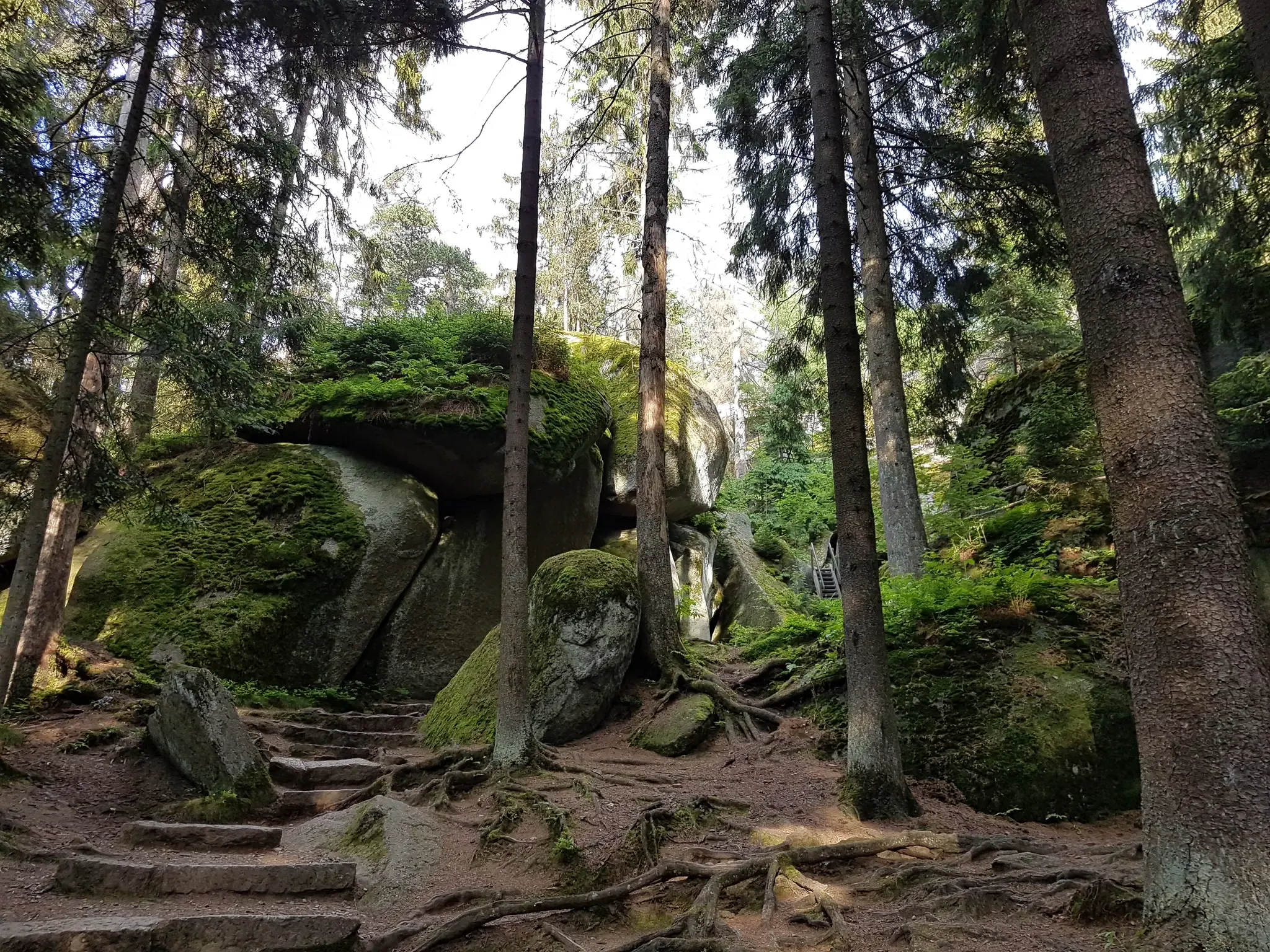
Nature, the outdoors and adventure – hiking through the VGN's nature parks
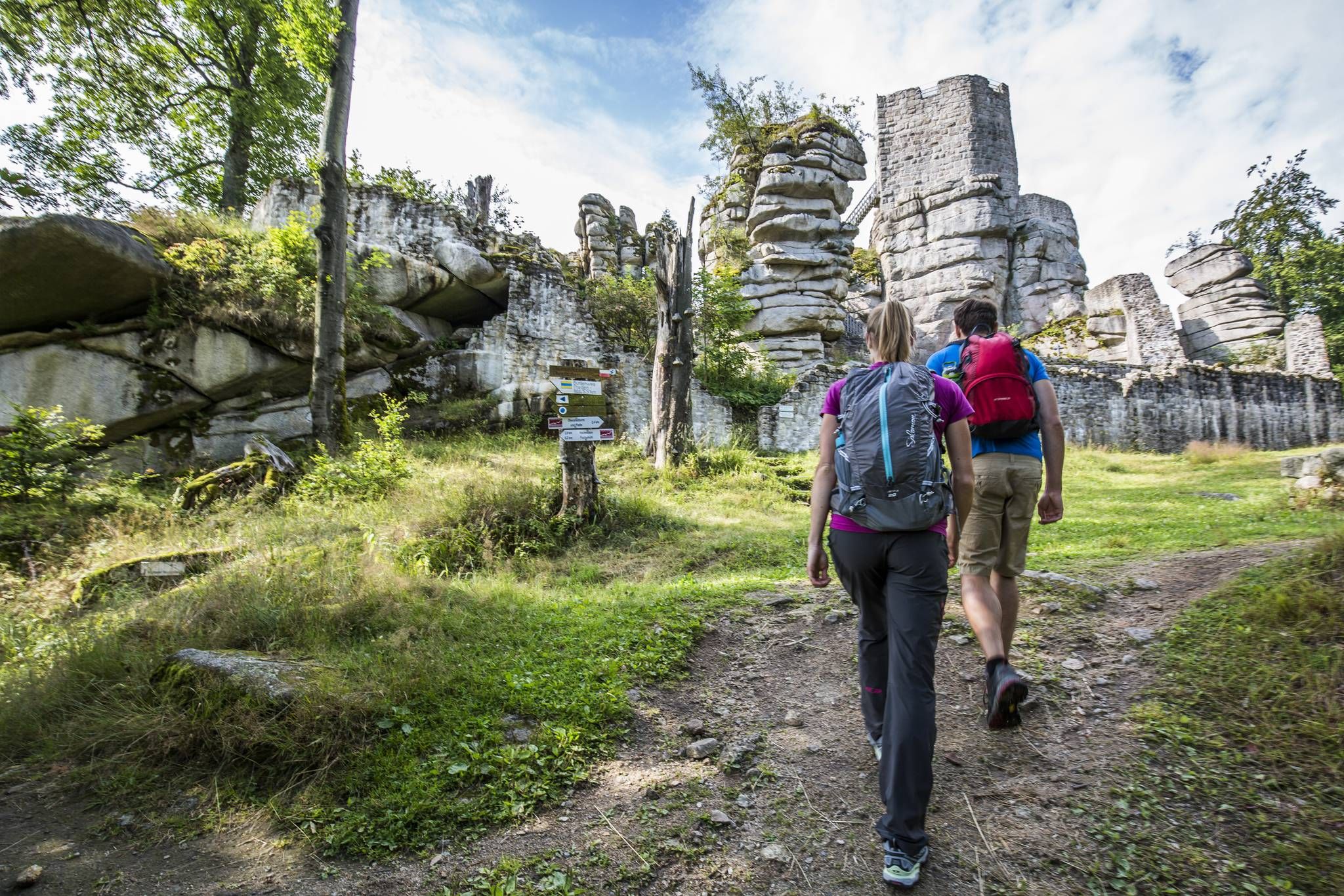
Thousands of kilometres of hiking fun – long-distance hiking trails in Bavaria
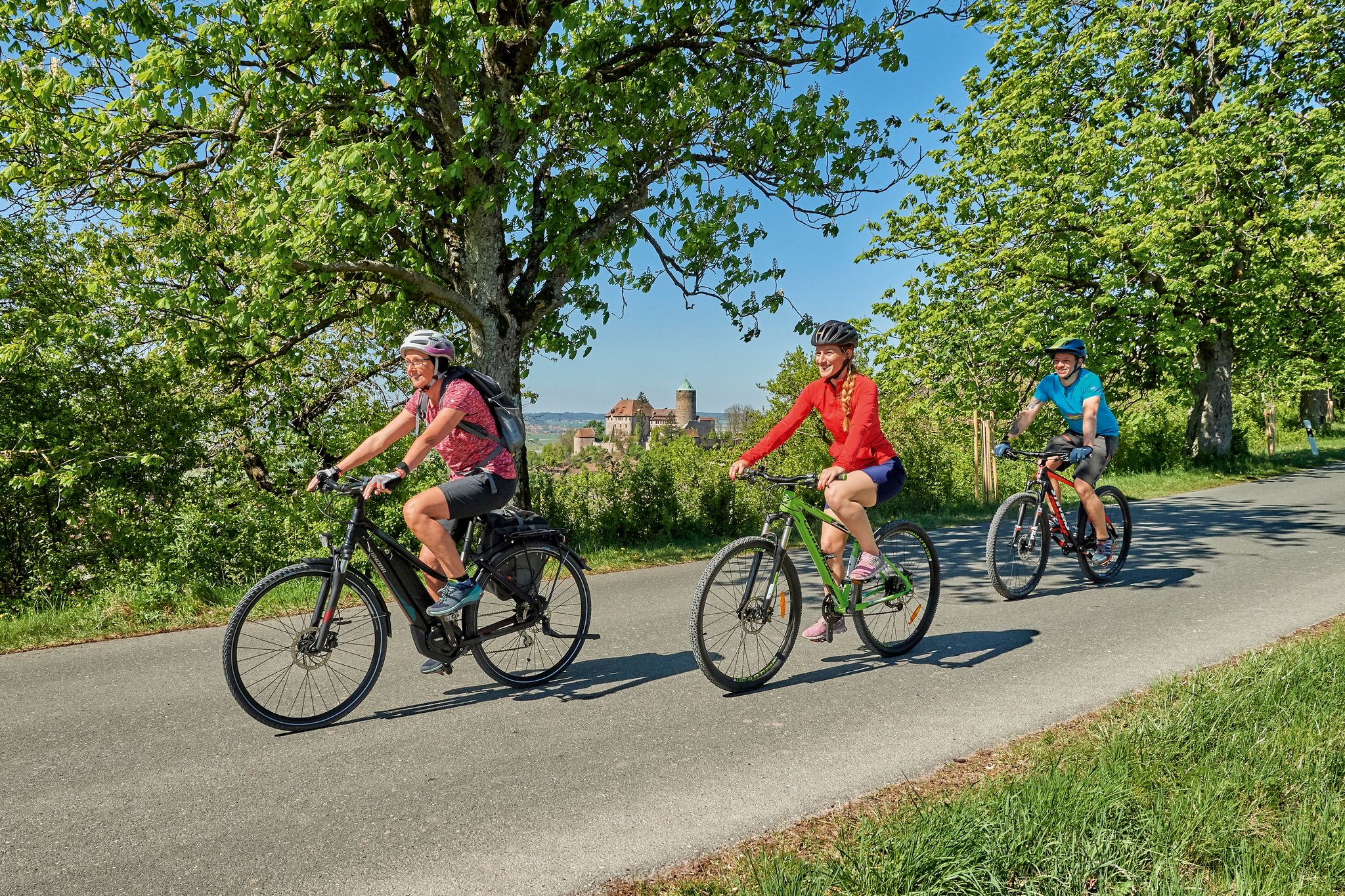
Sustainable cycling holidays — e-bike Tours through Franconia
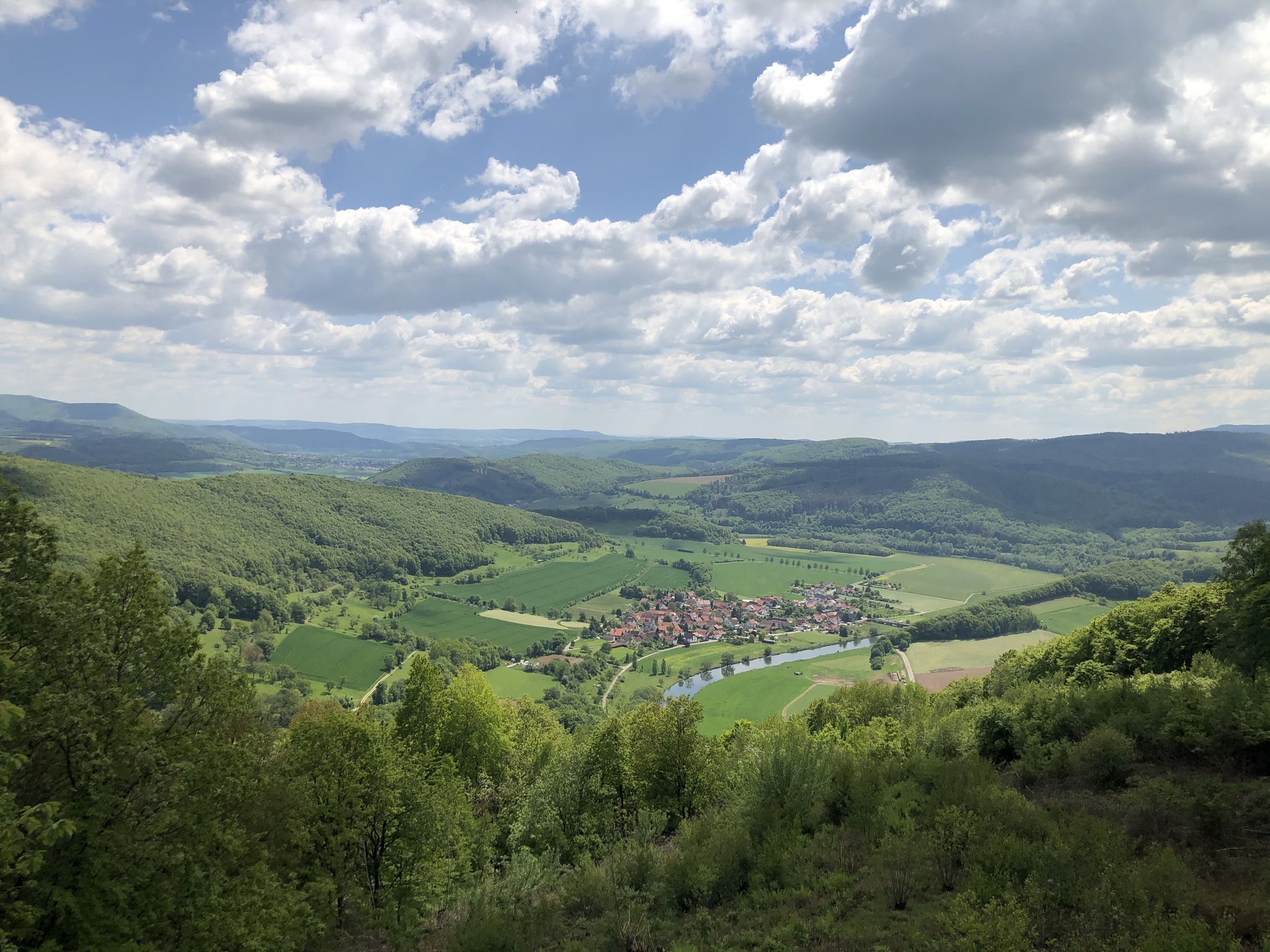
Wonderful Green Band
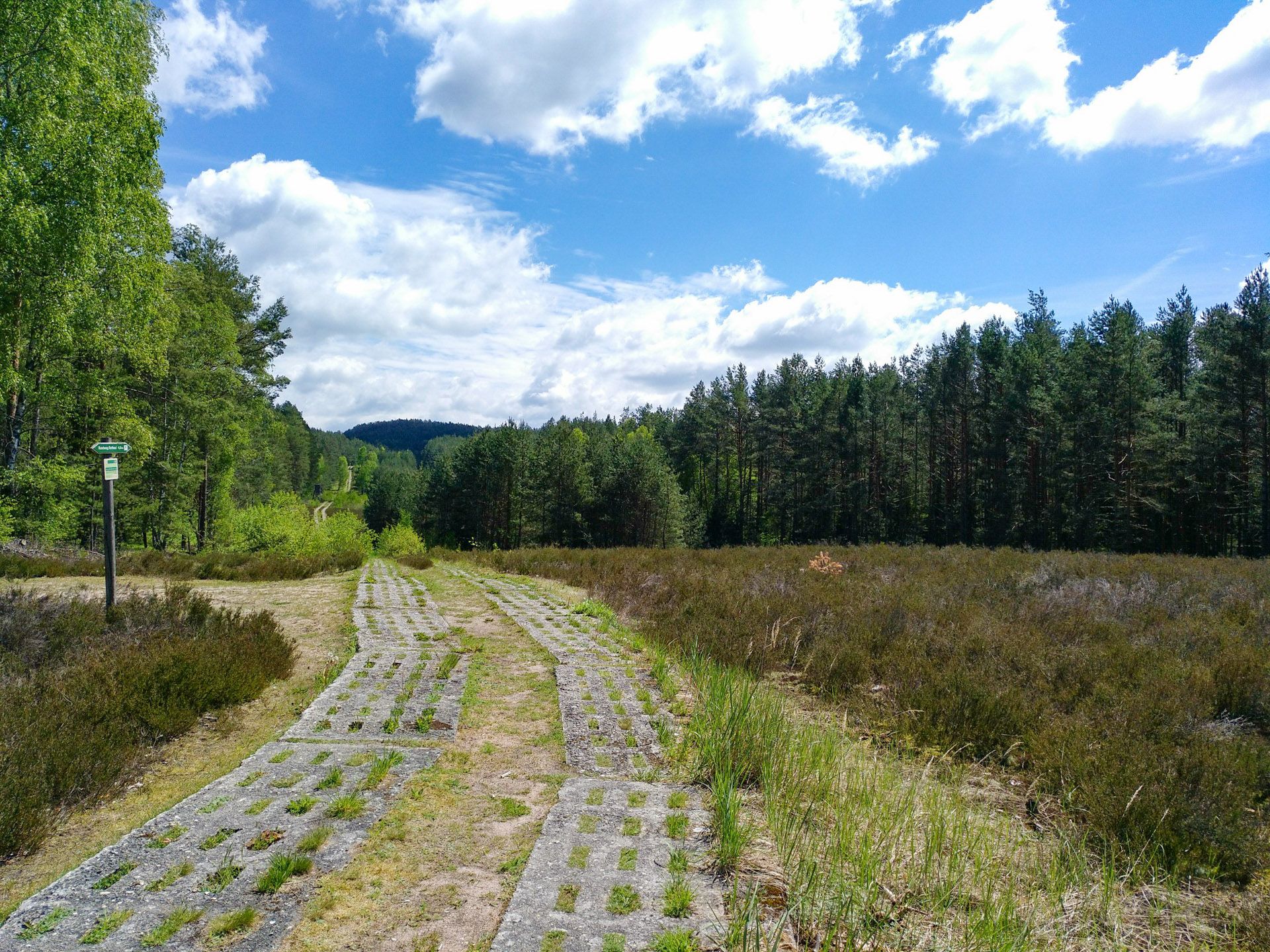
Discover the Green Belt in Germany’s Thuringian Slate Mountains with BUND
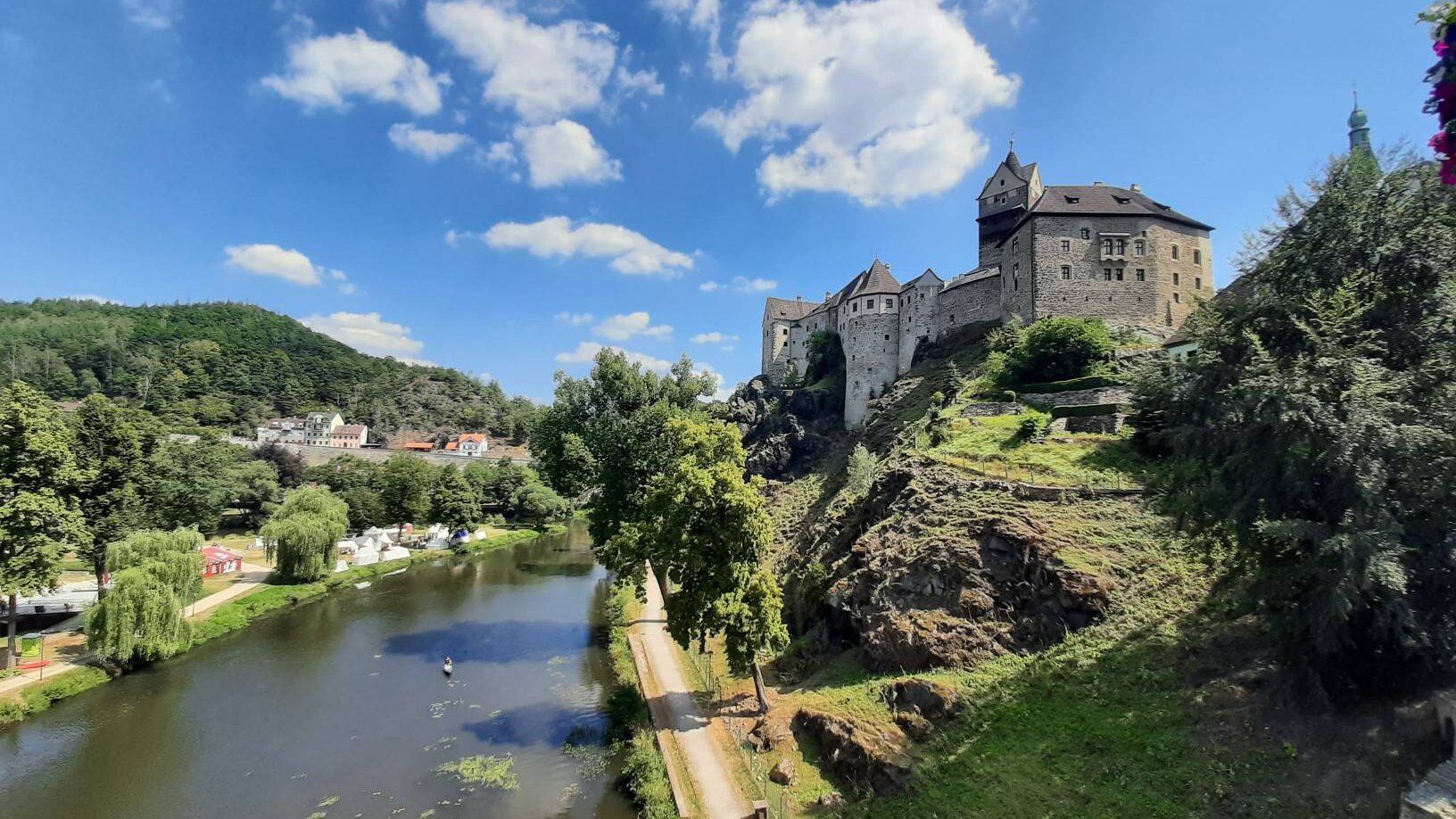
Through the heart of Europe – riding the Euregio Egrensis
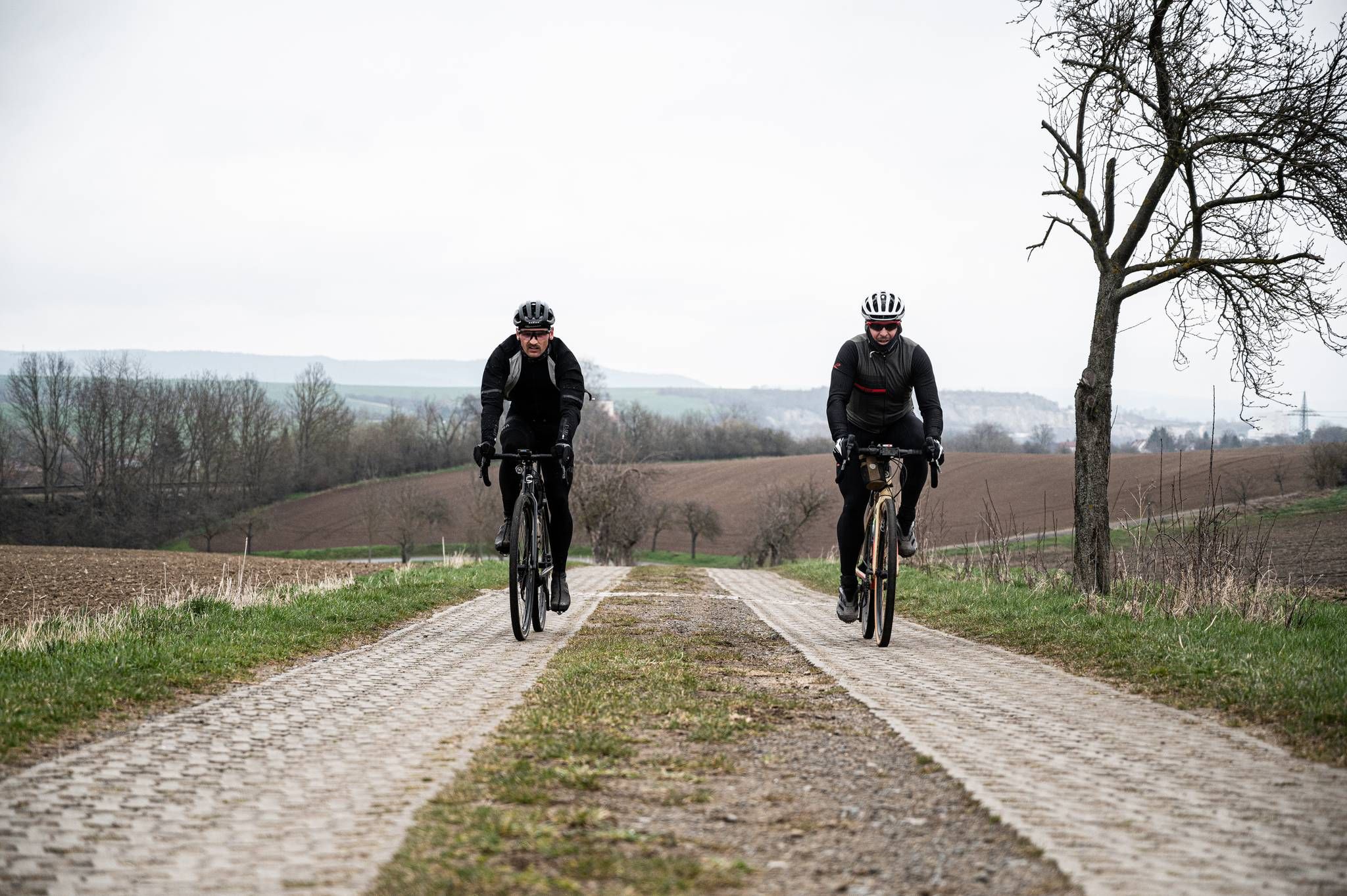
Cycling across Germany – my journey to the southernmost point of Germany
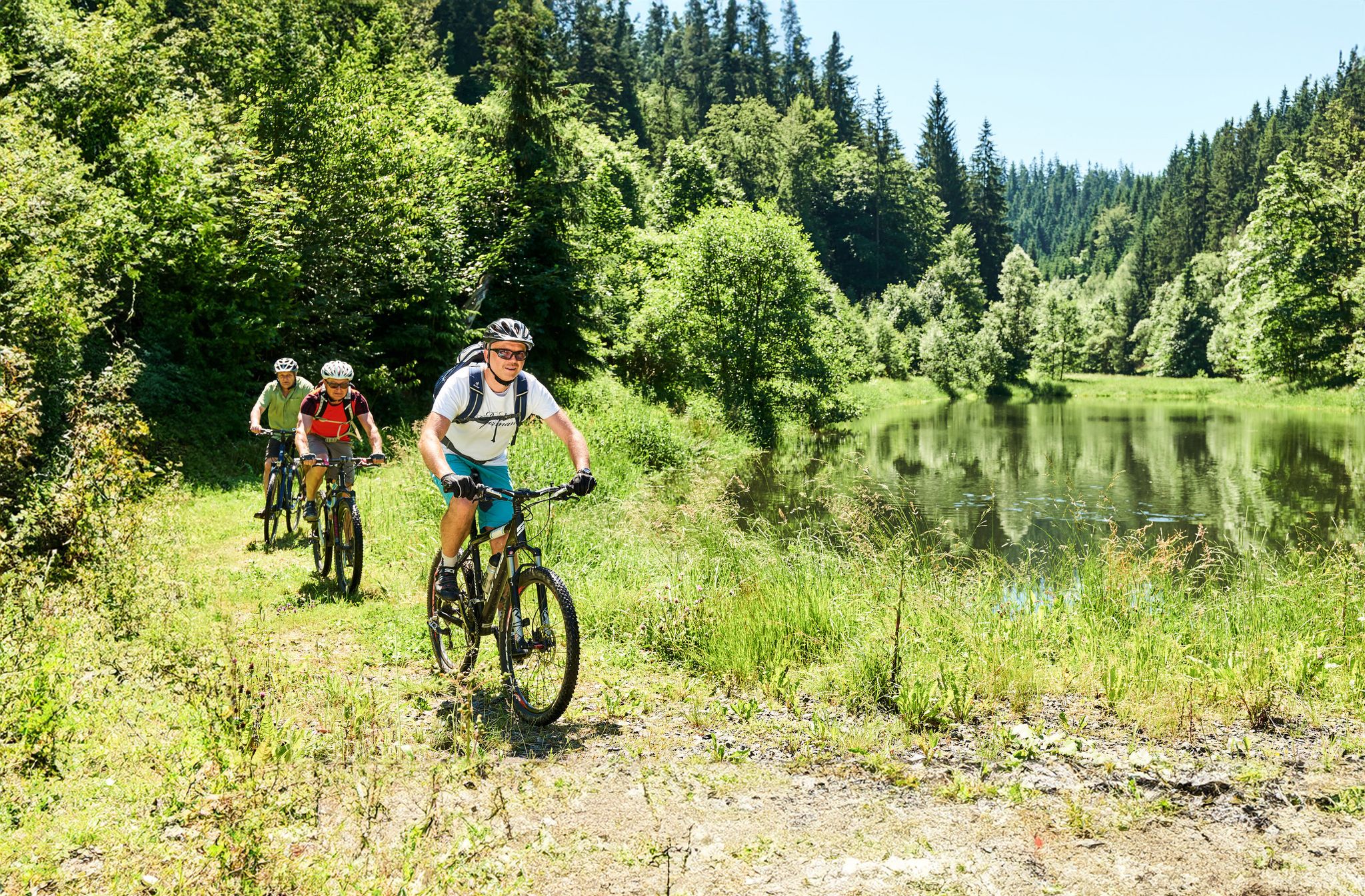
Magical woodland & trails – cycling in Germany’s Franconian Forest
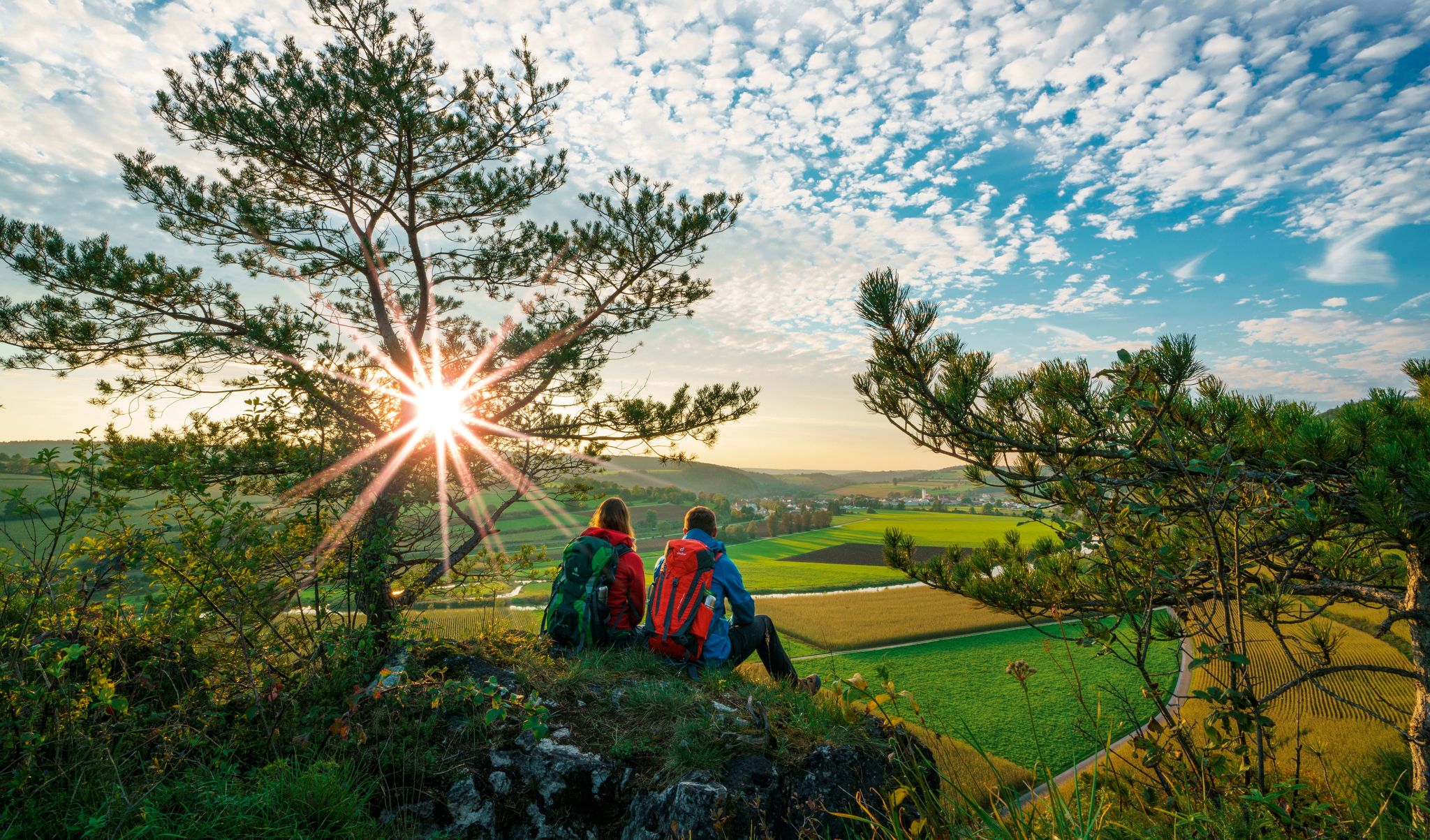
The Franconian Trail – A Diverse Hiking Dream Across 24 Stages
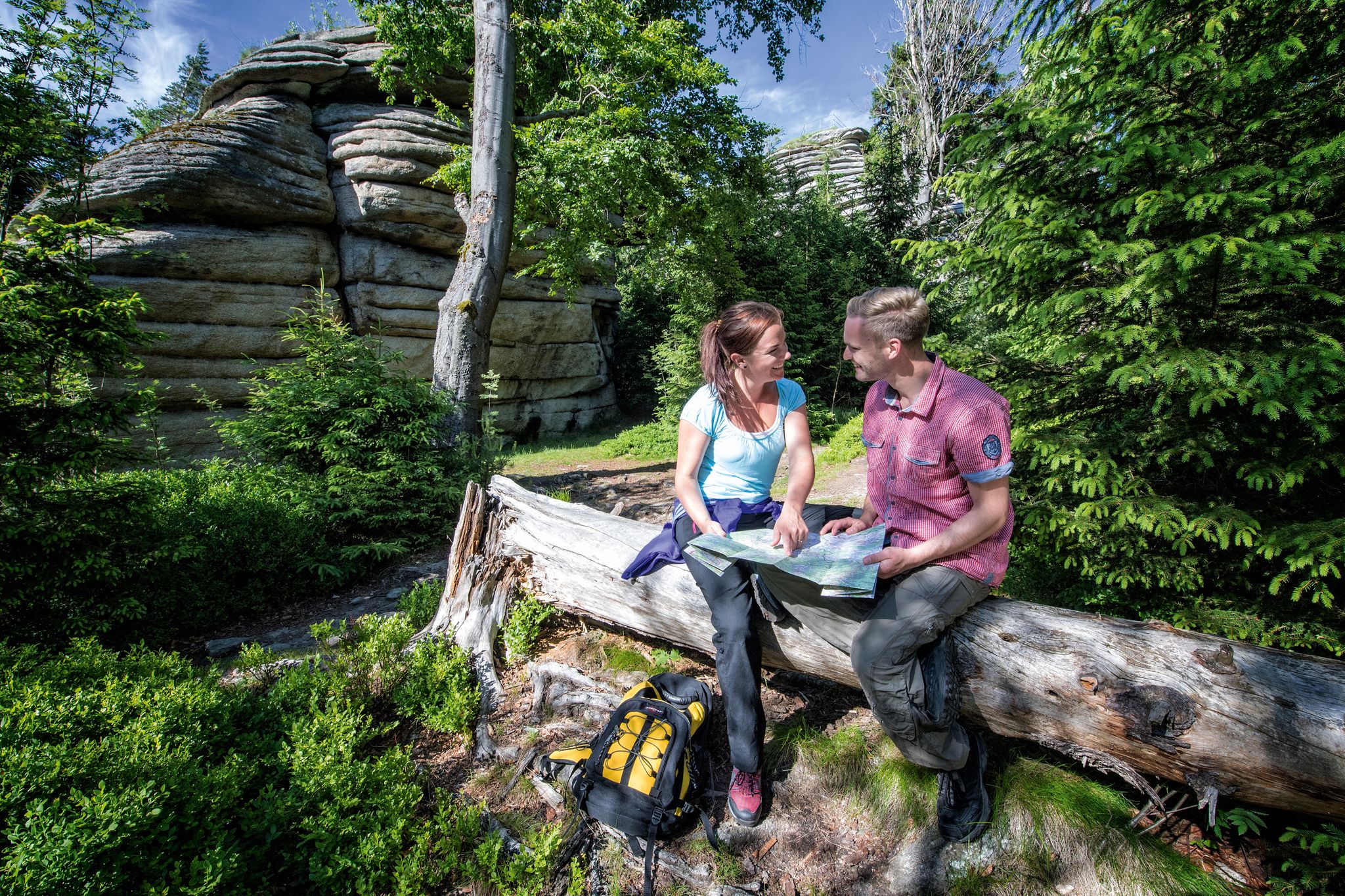
The Franconian Mountain Trail – 21 Stages of Magical Summit Bliss
Other adventures in the Franconian Forest


Tips from the Community

Haig Castle, also known as Haiger Castle or Haig Manor, is located in the Haig district of Stockheim in the Upper Franconian district of Kronach. It is considered an art-historical gem of the region, as it has a direct connection to one of the most renowned Baroque architects. For a long time, the authorship of the castle's design remained unclear. It wasn't until the 1980s that a plan was discovered in the archives of Mitwitz Water Castle, definitively proving that Balthasar Neumann, the famous architect of the Würzburg Residence and the Basilica of the Fourteen Holy Helpers, was the creator of the design. The foundation stone was laid in 1731, and the building's completion is dated to around 1733. Johann Veit Freiherr von Würtzburg, an influential cathedral dean, commissioned the construction after the original manor house was destroyed in the Thirty Years' War.
0
0

Viewpoint on the Schlossberg with a mushroom as a seat with weather protection
1
1

This hilltop castle, originally part of the Orlagau region, was built over a thousand years ago in the midst of a clearing on the upper reaches of the Saale River and its tributary, the Loquitz. It was first mentioned in a document from 1222. Via the Counts of Orlamünde (1250) and the Knights of Ghüna (1506), the castle finally passed to the Margraves of Brandenburg-Kulmbach and Bayreuth in 1622, falling to Prussia in 1791 and Bavaria in 1803. In 1896, the castle romanticist Dr. Erhard Messmer from Halle an der Saale acquired the completely neglected castle complex, had it renovated, and refurbished. Katharina von Orlamünde was born at Lauenstein Castle in the 14th century. She is said to haunt the castle to this day as the restless ghost known as the "White Lady."
16
0
After the castle romanticist Dr. Ehrhard Messmer from Halle an der Saale purchased the dilapidated Lauenstein Castle in 1896, he had the building renovated in the historicist style. This included the restoration of the bridge over the moat leading up to the historic castle gate.
13
0

quite overgrown in summer
0
1

You have to enjoy this view.
4
0
Water castle in Mitwitz. Well-kept outdoor areas and many events characterize this place.
6
0

Beautiful place, worth it
0
0
Frequently Asked Questions
What are some of the most historically significant castles in the Franconian Forest?
The Franconian Forest is rich in history. Rosenberg Fortress in Kronach is particularly notable as it was never captured by force throughout its long history. Lauenstein Castle, with origins dating back to the 12th century, offers a deep dive into medieval times. Plassenburg, towering above Kulmbach, was a significant residence for the Hohenzollern dynasty and was meticulously rebuilt into a Renaissance masterpiece after its destruction in 1554.
Do any castles in the Franconian Forest have museums or art collections?
Yes, several castles house impressive collections. Lauenstein Castle features a museum with over 20 showrooms displaying locks, keys, lighting fixtures, furniture, weapons, and armor. Rosenberg Fortress hosts the Franconian Gallery, a branch of the Bavarian National Museum, showcasing Franconian art from the 13th to 16th centuries. Plassenburg in Kulmbach is home to four museums, including one on the Hohenzollern family, the Frederic the Great army museum, and the German Pewter Figure Museum.
Are there family-friendly castles to visit in the Franconian Forest?
Many castles in the Franconian Forest are suitable for families. Mitwitz moated castle, Rosenberg Fortress, and Lauenstein Castle are all categorized as family-friendly. Rosenberg Fortress offers casemate tours, which can be exciting for children, and Lauenstein Castle is considered a 'fairytale castle' by visitors. The grounds of these castles often provide space for exploration and learning.
What outdoor activities can I do near the castles in the Franconian Forest?
The Franconian Forest offers numerous outdoor activities near its castles. You can find many hiking and cycling routes. For instance, there are easy hikes, such as the 'Lauenstein Castle – View of Lauenstein Castle loop'. If you're interested in cycling, consider the 'Burgen- und Schlösser-Tour' which is part of the cycling routes in the Franconian Forest. Mountain biking enthusiasts can explore MTB trails like 'Von der Klamm auf den Berg im Steinachtal'.
Which castles offer scenic viewpoints of the Franconian Forest?
Several castles provide excellent views of the surrounding landscape. Rosenberg Fortress, perched on a 378-meter-high hill, offers breathtaking views of the historic half-timbered town of Kronach and the confluence of the Kronach, Haßlach, and Rodach rivers. Lauenstein Castle, a hilltop castle, also provides picturesque vistas. Even ruins like Nordeck Castle Ruins and Heilingskirche Ruins are noted for their scenic locations.
What is the best time of year to visit the castles in the Franconian Forest?
The castles in the Franconian Forest can be visited year-round, each season offering a unique experience. Spring and autumn provide pleasant temperatures for exploring the castle grounds and nearby hiking trails, with vibrant foliage in autumn. Summer allows for longer opening hours and cultural events, such as those held at Mitwitz moated castle. In winter, the frozen moats of Mitwitz Castle are even used for ice skating, offering a magical atmosphere.
Are there any castles in the Franconian Forest that offer unique experiences like accommodation or cultural events?
Yes, some castles provide distinctive experiences. Lauenstein Castle offers accommodation in its outer bailey, allowing visitors to immerse themselves in its historical ambiance. Mitwitz moated castle regularly hosts various cultural events, including concerts, and is also home to the Ecological Education Center and a Beekeeping School.
Can I explore the defensive structures of the fortresses in the region?
Absolutely. Rosenberg Fortress is an excellent example, known for its robust defenses and blend of architectural styles from medieval keeps to impressive 15th and 16th-century wall structures. You can take casemate tours to explore its underground passages, offering a fascinating insight into military architecture.
Which castles showcase unique architectural styles in the Franconian Forest?
The castles in the Franconian Forest display a range of architectural styles. Plassenburg in Kulmbach is a prime example of German Renaissance architecture, particularly its 'Schöne Hof' with over 120 relief busts. Mitwitz moated castle, with its Renaissance appearance from renovations in the late 16th century, is notable for preserving original baroque wall coverings. Lauenstein Castle features the 'Thünabau,' a significant example of Central German Renaissance architecture.
Are there any lesser-known or ruined castles worth visiting for their historical context?
Beyond the major fortresses, the region also has intriguing ruins that offer a glimpse into the past. The Nordeck Castle Ruins are picturesquely situated in the Steinachtal. The Heilingskirche Ruins, though a former pilgrimage church, are a unique relic from the 15th century, with only the western gable front standing impressively on the hill today.
What kind of natural surroundings can I expect around the castles?
The castles are often nestled within the Franconian Forest's characteristic landscape of hills, dense forests, and river valleys. For example, Mitwitz moated castle is surrounded by water, while Rosenberg Fortress is set within a fortification park that includes nature trails. Many castles are integrated into scenic hiking and cycling routes, allowing visitors to enjoy both history and nature.
Most popular routes in the Franconian Forest
Most popular attractions in the Franconian Forest

Get inspired with the komoot mobile app


Explore more
Looking for the best castles somewhere else? Discover other guides in the Franconian Forest:
