Attractions and Places To See in the Franconian Forest - Top 20
Best attractions and places to see in the Franconian Forest include a diverse range of natural features and historical sites. This low-mountain range in Northern Bavaria, Germany, is characterized by dense forests, rolling hills, and picturesque valleys. The region offers opportunities for outdoor activities such as hiking and cycling, alongside cultural experiences in towns like Kronach and Kulmbach. It is known for its expansive natural landscapes and well-preserved historical landmarks.
Best attractions and places to see in the Franconian Forest
- The most popular attractions is Prinz-Luitpold Tower on Döbraberg, a viewpoint that offers panoramic views over the Franconian Forest, Fichtel Mountains, and Thuringian Forest. This 18-meter high tower is located on the Döbraberg, the highest point in the Franconian Forest.
- Another must-see spot is Steinach Gorge, a gorge known for its unique rock formations and special climate. Visitors can expect a wild and romantic natural monument that supports endangered fish and bird species.
- Visitors also love Jungfernsteg — Covered wooden bridge over the Selbitz, a covered wooden bridge. It connects valley paths and is part of the scenic Höllental area.
- Franconian Forest is known for its natural features like gorges and valleys, historical sites such as castles and fortified churches, and extensive hiking and cycling trails. The region offers a variety of attractions to see and explore, from natural monuments to cultural landmarks.
- The attractions in the Franconian Forest are appreciated by the komoot community. With more than 2100 upvotes and 930 photos, there is much to explore.
Last updated: August 16, 2026
Jungfernsteg — Covered wooden bridge over the Selbitz
Highlight • Bridge
Source and more information:
frankenwald-tourismus.de/de/poi/detail/595260c3975aaf0aba5a1fab
Translated by Google •
Tip by

👹 Höllental (Hell Valley)
Highlight (Segment) • Bridge
Source and further information
frankenwald-tourismus.de/de/poi/detail/595260c3975aaf0aba5a1fab
Translated by Google •
Tip by
Sign up now to discover places like this
Get recommendations on the best single tracks, peaks, & plenty of other exciting outdoor places.
Sign up for free
Prinz-Luitpold Tower on Döbraberg
Highlight • Viewpoint
Translated by Google •
Tip by

Teufelssteg — Across the Selbitz
Highlight (Segment) • Bridge
Translated by Google •
Tip by

Steinach Gorge
Highlight • Gorge
By the way, the shortest access directly to the gorge is possible from the Steinachtal south of Wildenstein.
Translated by Google •
Tip by

Selbitz Viaduct (Höllental Railway)
Highlight • Bridge
Translated by Google •
Tip by
Röhrensteig Trail
Highlight (Segment) • Trail
Translated by Google •
Tip by

Rock Path Höllental
Highlight (Segment) • Trail
A good alternative to the valley path.
Translated by Google •
Tip by
König David Viewpoint
Highlight • Viewpoint
Translated by Google •
Tip by
Columned arcade with drinking hall
Highlight • Monument
In the west pavilion of the promenade, you'll find the drinking hall, where you can sample the healing water. The tourist information office is located in the east pavilion.
Translated by Google •
Tip by
Sign up for free to discover even more attractions in the Franconian Forest.
Sign up for free
Already have an account?
Start today with a free account
Your next adventure awaits.
Login or Signup
Popular around Franconian Forest
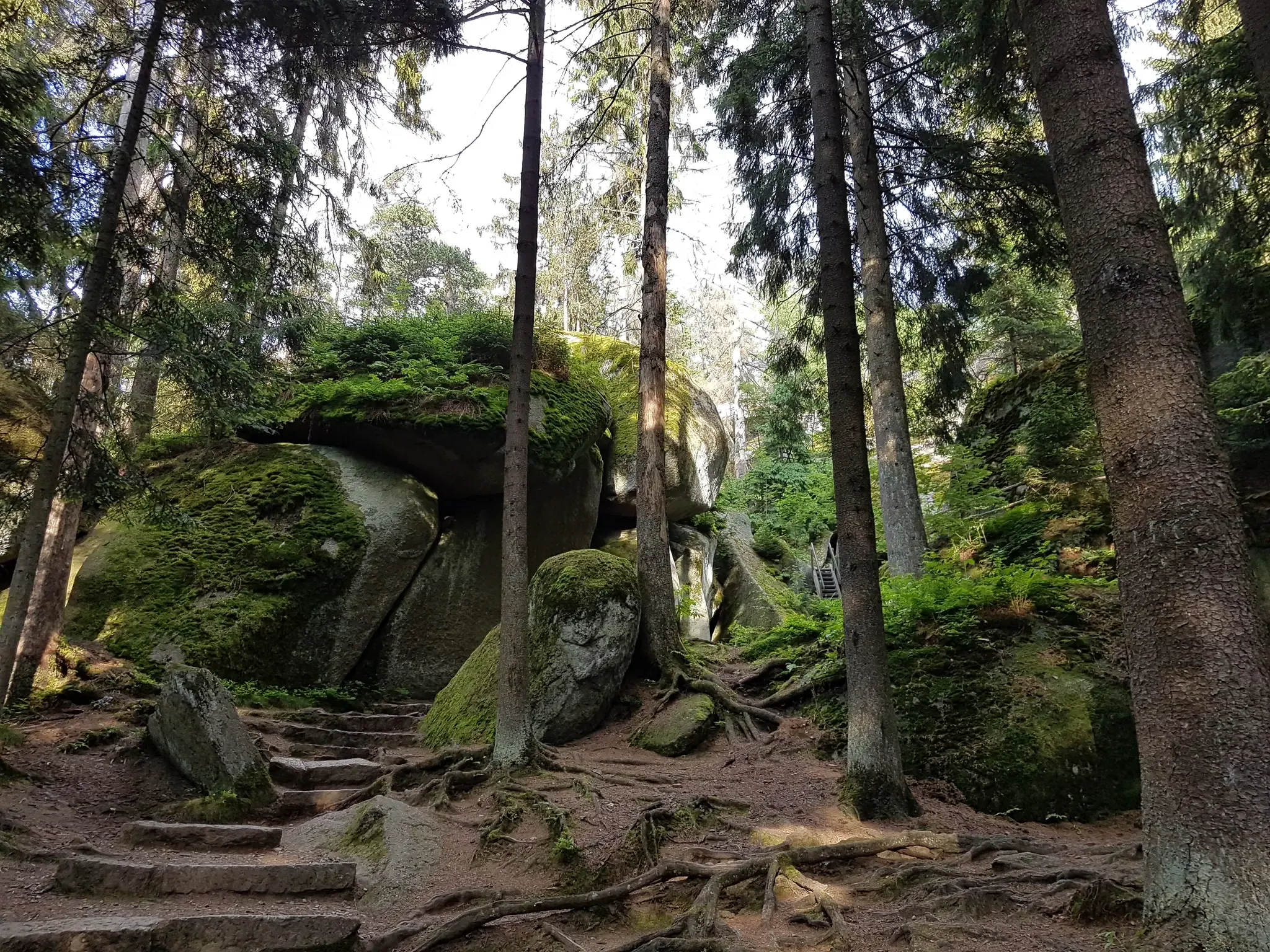
Nature, the outdoors and adventure – hiking through the VGN's nature parks
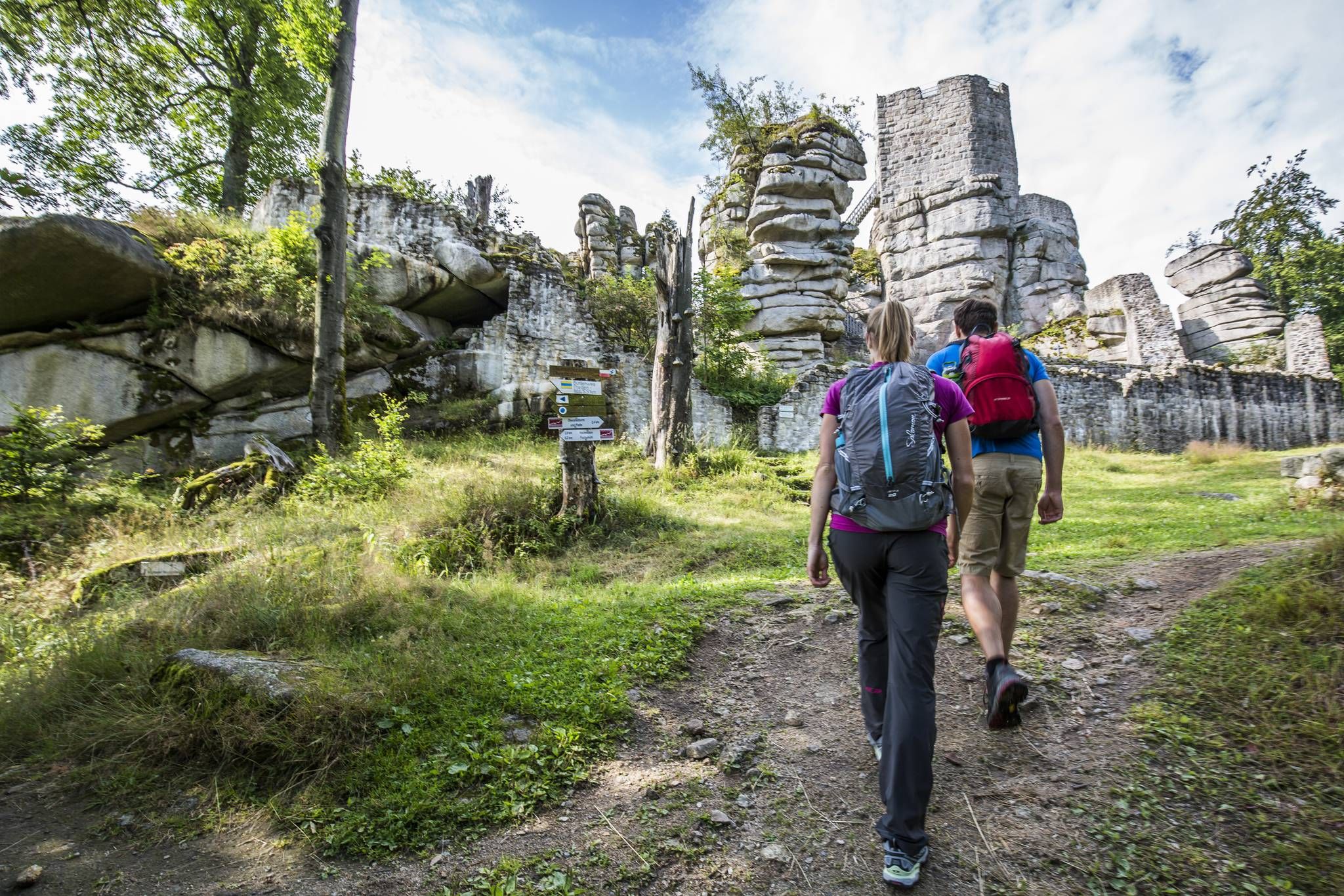
Thousands of kilometres of hiking fun – long-distance hiking trails in Bavaria
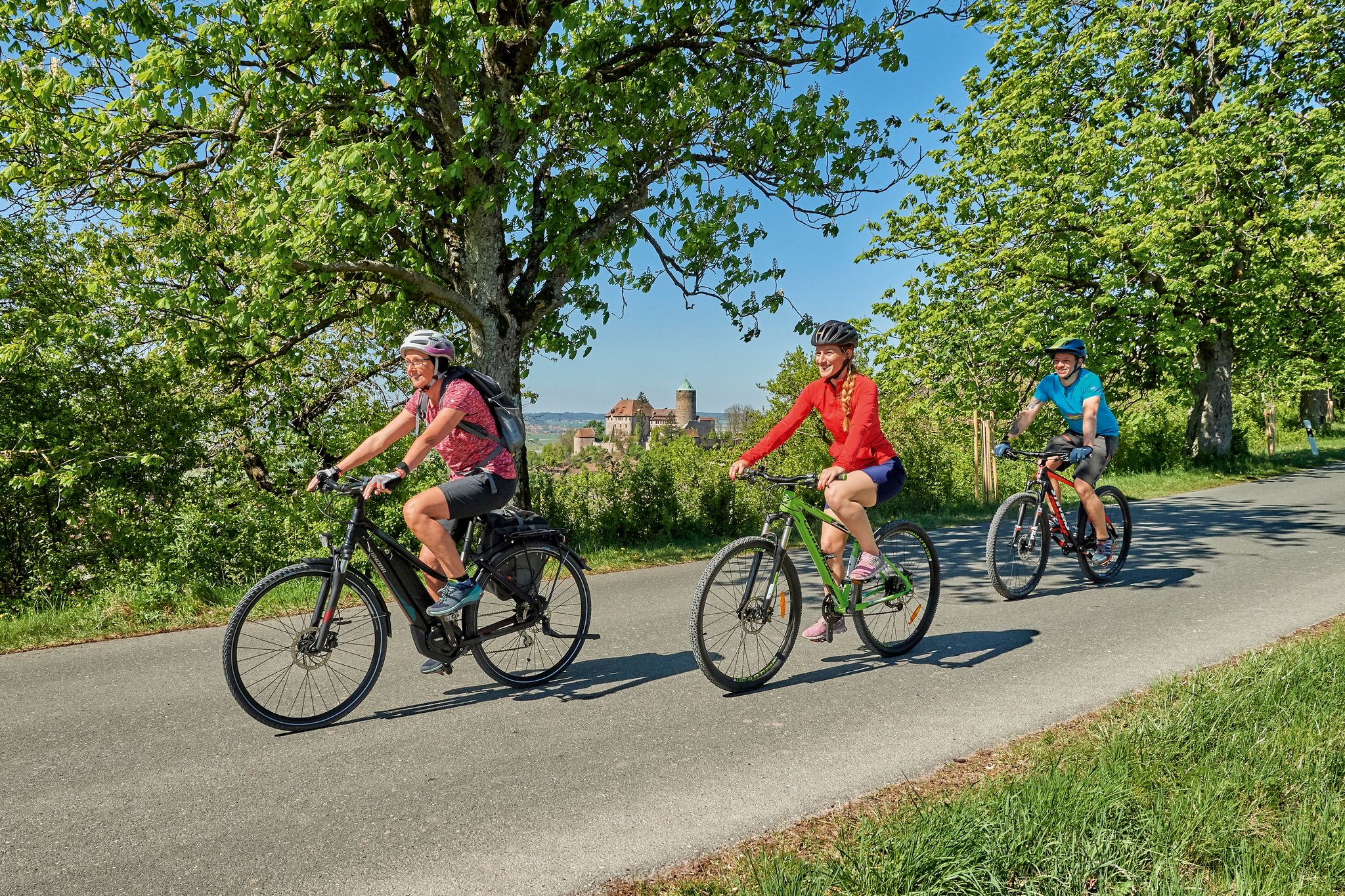
Sustainable cycling holidays — e-bike Tours through Franconia
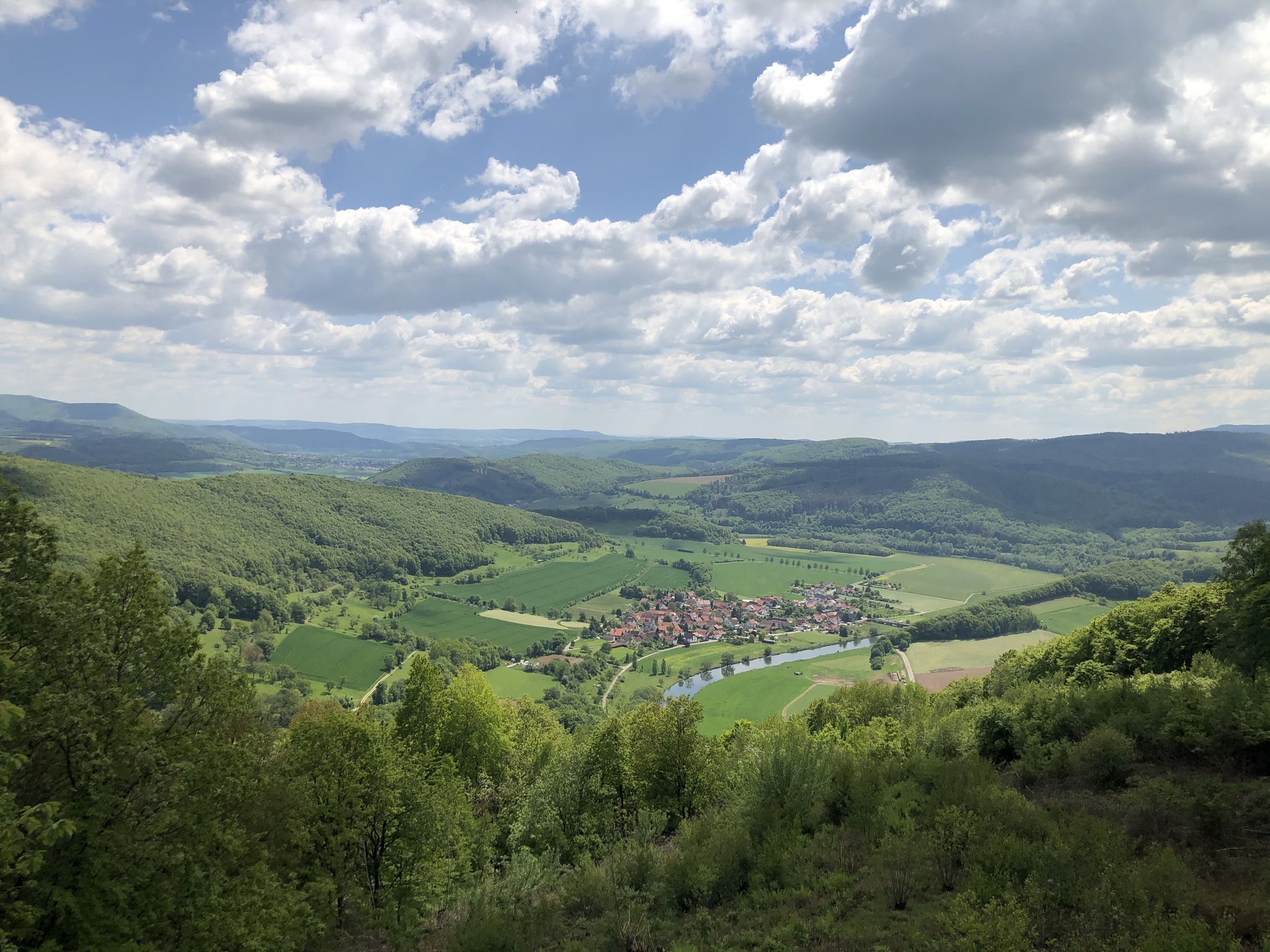
Wonderful Green Band
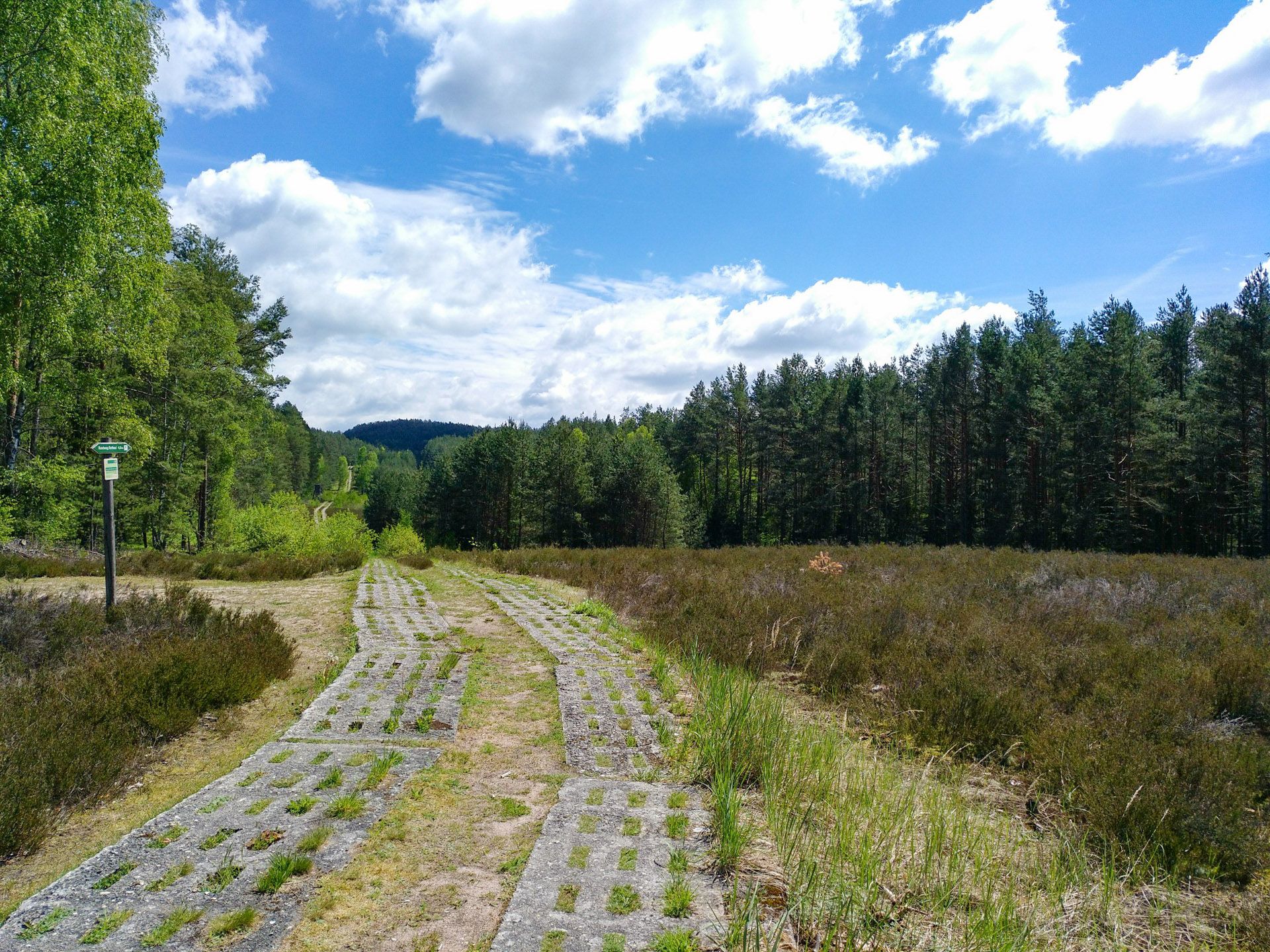
Discover the Green Belt in Germany’s Thuringian Slate Mountains with BUND
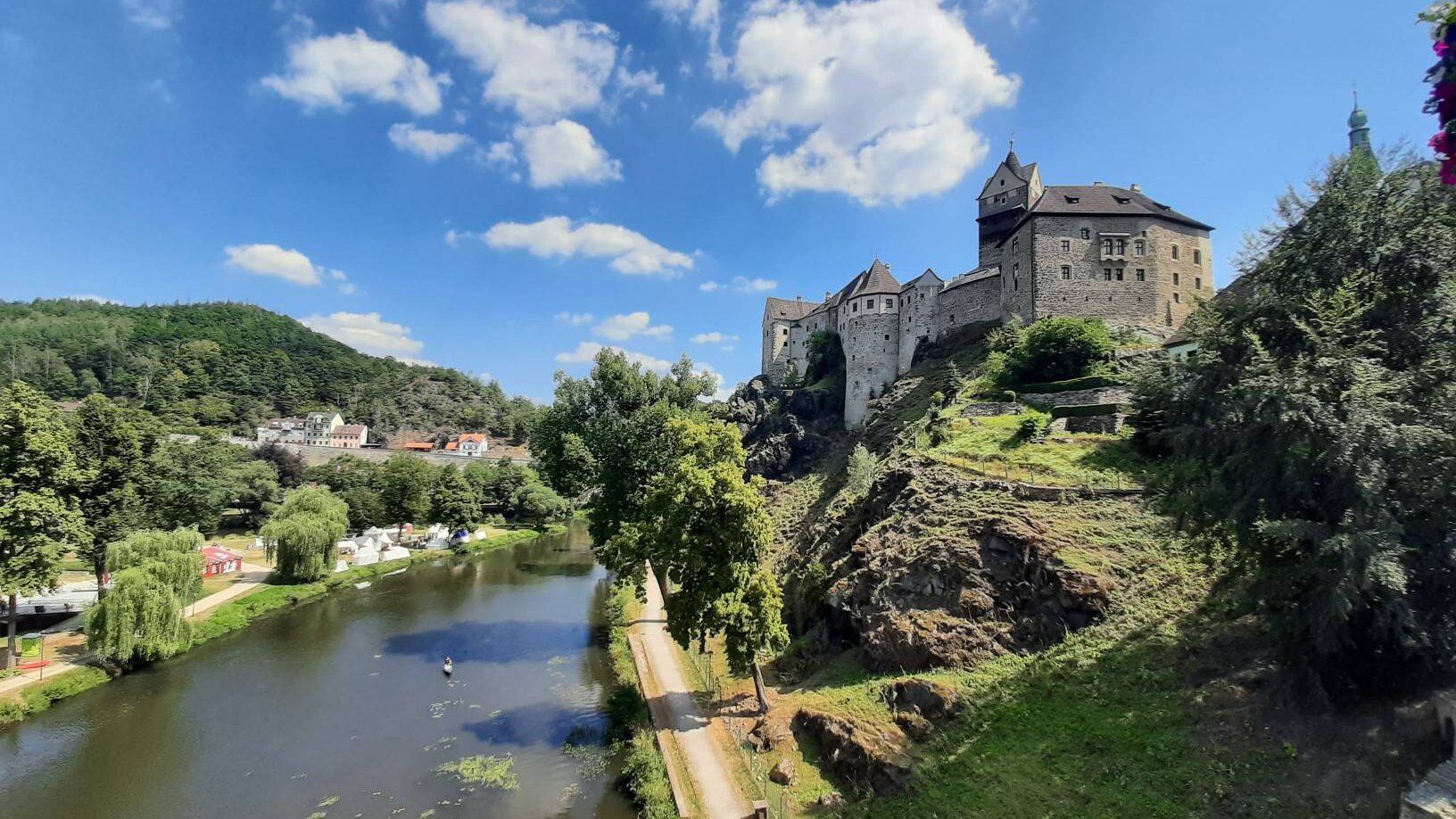
Through the heart of Europe – riding the Euregio Egrensis
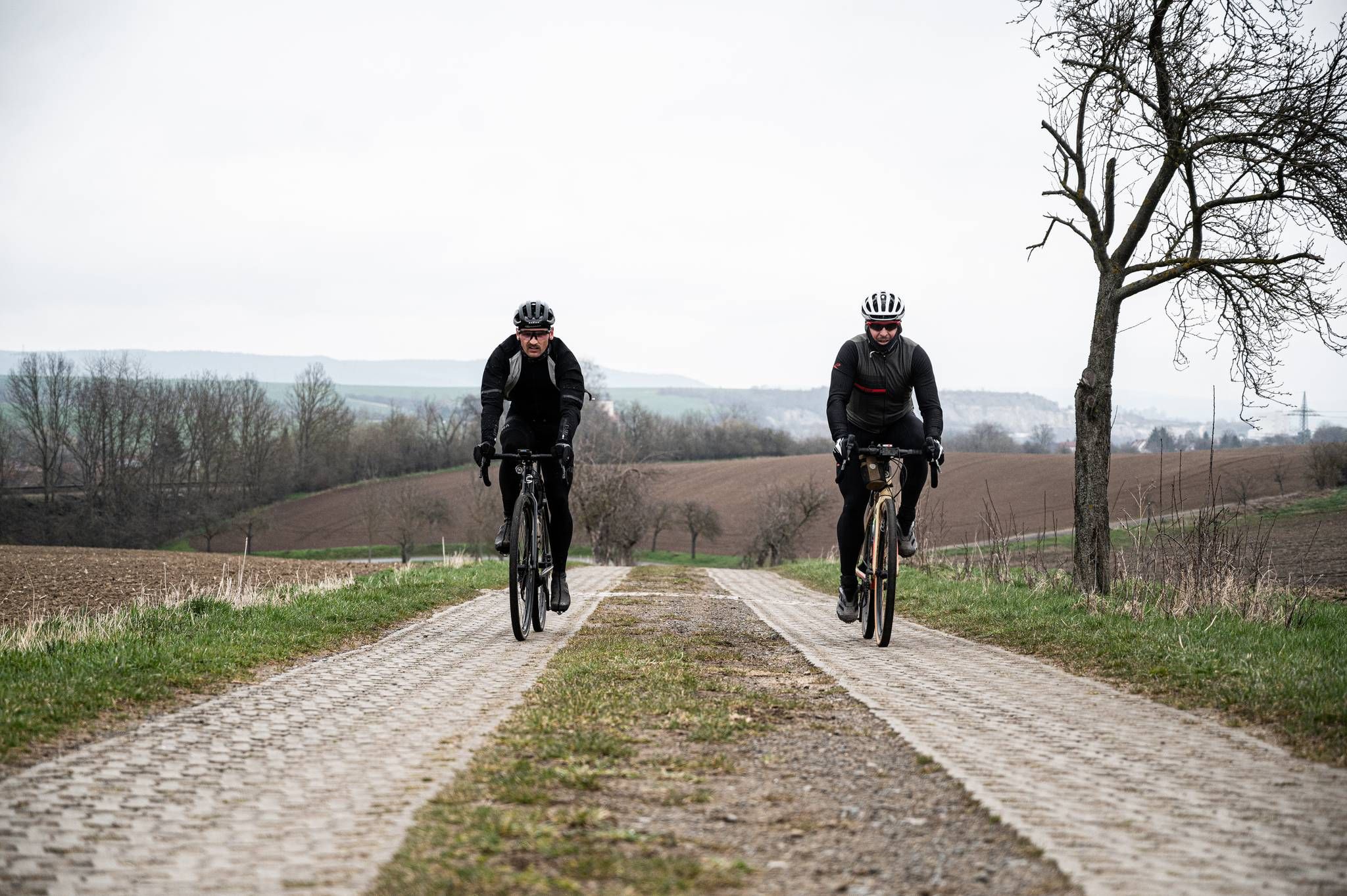
Cycling across Germany – my journey to the southernmost point of Germany
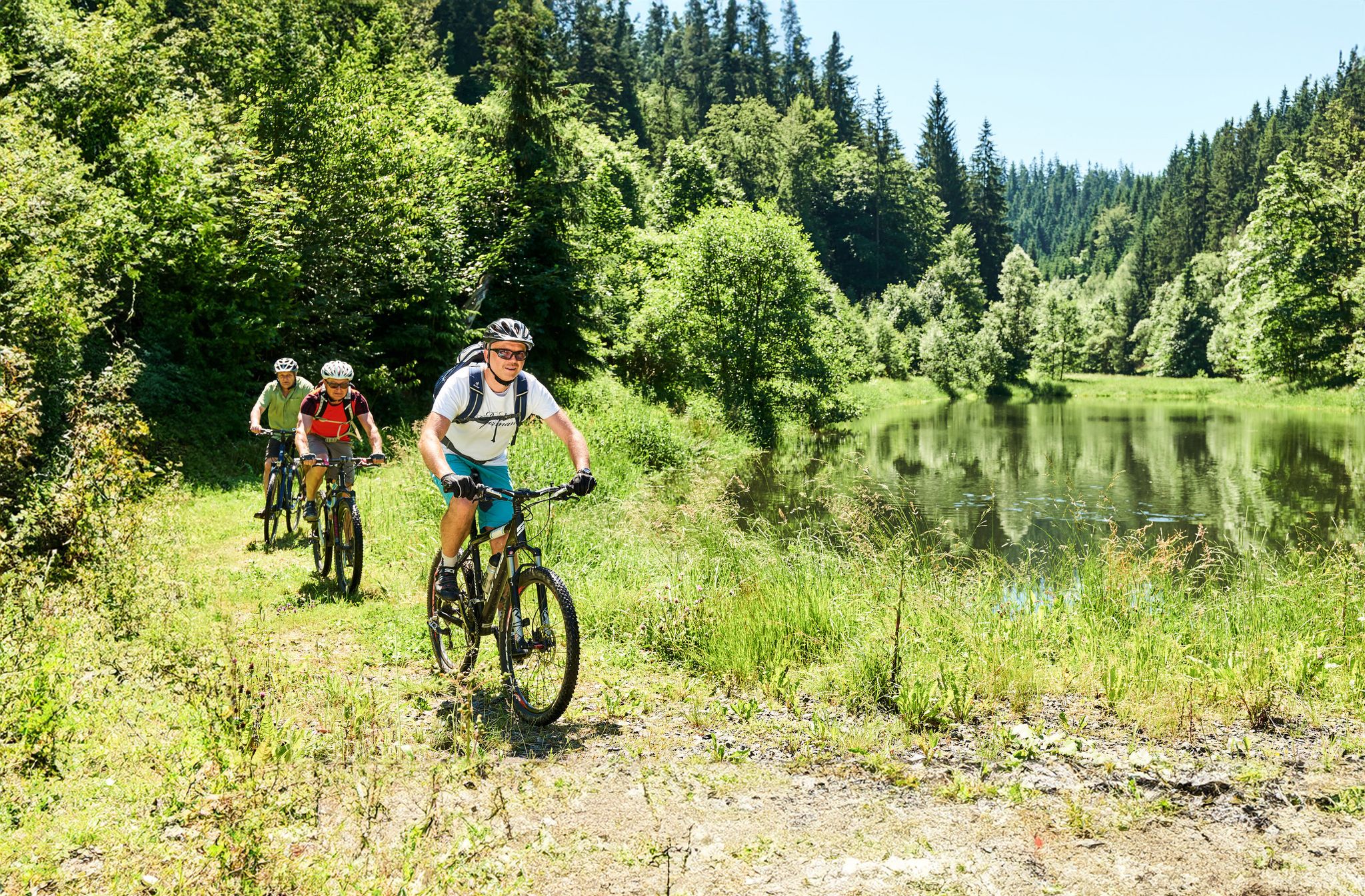
Magical woodland & trails – cycling in Germany’s Franconian Forest
The Franconian Trail – A Diverse Hiking Dream Across 24 Stages
The Franconian Mountain Trail – 21 Stages of Magical Summit Bliss
Other adventures in the Franconian Forest


Tips from the Community

The arched bridge of the Höllentalbahn, which ran between Triptis and Marxgrün, was in use from 1895 to 1945. After that, the railway line leading to Thuringia was discontinued. The Selbitz Viaduct is now a lost place.
12
0
A remarkable wooden bridge over the Selbitz River and a very popular photo subject in the Höllental Valley. According to legend, the Prince of Hell was once seen on the Devil's Bridge.
12
0
Hikers walk on the pipes that carry water to the power plant. On the trail along the right bank of the Selbitz River, you walk on 1.60-meter-high pipes, which carry water for 1,855 meters from the weir to the water tower and from there to the power plant. Sometimes the surface of the pipes peeks through.
10
0
The semi-open, columned promenade, with its large arcades, has adorned the spa park since 1910. As early as the 19th century, a wooden promenade stood here, serving as a shelter for strolling. In the west pavilion of the promenade, you'll find the drinking hall, where you can sample the healing water. The tourist information office is located in the east pavilion.
16
0

A wooden bridge over the Sebnitz, partly with different roofs, a truly magnificent construction.
12
0
A very impressive wooden bridge over the Sebnitz in the Höllental, it is an angled bridge
12
1
A very impressive wooden bridge over the Sebnitz in the Höllental.
11
0

Very nice path, especially in autumn.
5
0
Frequently Asked Questions
What are some unique natural features to explore in the Franconian Forest?
The Franconian Forest is rich in natural beauty. You can explore the wild and romantic Steinach Gorge, known for its unique rock formations and special climate. Another significant natural feature is the Höllental Nature Reserve, which includes the picturesque Selbitz River and the historic Selbitz Viaduct. The region is also characterized by expansive forests and deeply carved valleys.
What historical landmarks can I visit in the Franconian Forest?
The Franconian Forest offers several historical landmarks. Kronach is notable for its framework houses and Fortress Rosenberg. Kulmbach, known as the 'Secret Beer Capital of Bavaria,' features a Brewery Museum. You can also find the Flößermuseum (Rafting Museum) in Marktrodach, showcasing the region's timber rafting tradition. Additionally, the area is home to medieval castles like Burg Lauenstein and well-preserved fortified churches, such as the one in Steinbach am Wald.
Where can I find the best panoramic views in the Franconian Forest?
For breathtaking panoramic views, head to the Prinz-Luitpold Tower on Döbraberg. Located on the highest point of the Franconian Forest, this 18-meter high tower offers extensive vistas over the Franconian Forest, Fichtel Mountains, and Thuringian Forest. Another excellent spot is the König David Viewpoint, which provides a beautiful perspective of the Höllental and the surrounding landscape.
Are there family-friendly activities or attractions in the Franconian Forest?
Yes, the Franconian Forest has several family-friendly attractions. The Jungfernsteg — Covered wooden bridge over the Selbitz and the Teufelssteg — Across the Selbitz in the Höllental are popular for their scenic beauty and local legends, making for an engaging walk. The Selbitz Viaduct (Höllental Railway) is another interesting historical site suitable for families. Many trails, including parts of the Steinach Gorge, are also suitable for family outings.
What kind of outdoor activities can I do near the attractions in the Franconian Forest?
The Franconian Forest is a 'Mecca' for active travelers. You can enjoy extensive hiking and cycling on a dense network of trails. For gravel biking, explore routes like the 'Grümpeltal Valley – Ködel Reservoir loop from Friesen' or 'Höllental along the Selbitz – View of Hirschsprung Rock loop from Bad Steben'. If you prefer mountain hikes, consider routes such as 'Rock Path Höllental – Höllental along the Selbitz loop from Blankenstein (Saale)'. For running, the 'Bad Steben Spa Park loop from Bad Steben' is an easy option. You can find more details on these and other routes in the Gravel biking in the Franconian Forest, Mountain Hikes in the Franconian Forest, and Running Trails in the Franconian Forest guides.
Are there any trails or paths in the Franconian Forest that are wheelchair accessible?
While many trails in the Franconian Forest traverse rugged terrain, some areas offer more accessible options. The Höllental (Hell Valley) is noted as having wheelchair accessible sections, allowing visitors to experience its natural beauty. It's always recommended to check specific trail conditions for the most up-to-date accessibility information.
What are some popular hiking trails in the Franconian Forest?
The Franconian Forest boasts a wide array of hiking trails. The 242-kilometer long Frankenwaldsteig is a prominent long-distance circular hiking trail. Shorter, popular options include the Röhrensteig Trail and the Rock Path Höllental, both offering scenic views and forest immersion. Many trails converge at the Döbraberg, including the Frankenweg and various 'Frankenwald Steigla' routes.
What is the best time of year to visit the Franconian Forest?
The Franconian Forest offers attractions year-round. In warmer months, it's ideal for hiking, cycling, and enjoying the lush forests and valleys. The region transforms into a snowy wonderland in winter, providing opportunities for skiing, snowboarding, and other winter sports. The Prinz-Luitpold Tower, for example, is typically opened by May 1st each year after being closed in winter.
What cultural traditions or handicrafts are unique to the Franconian Forest?
The close connection between the people and the forest has fostered unique traditions and handicrafts. You can find hand weaving in the upper Franconian Forest and discover glass and porcelain production in the Rennsteig region. These crafts reflect the historical and cultural identity of the area.
Are there any wellness or relaxation opportunities in the Franconian Forest?
Yes, for relaxation and wellness, you can visit Bad Steben. This Bavarian State Spa offers opportunities to unwind and rejuvenate amidst the natural beauty of the Franconian Forest. It's a great place to complement active outdoor adventures with some peaceful downtime.
What are some lesser-known but interesting places in the Franconian Forest?
Beyond the main highlights, the Franconian Forest holds several charming spots. The town of Stadtsteinach, nestled along the Steinach Gorge, has a historic city center and a Local History Museum. The region is also home to some of Germany's oldest pilgrimage sites, including a 12th-century church in Marktleugast and the ruins of the Heilingskirche in Wirsberg, offering a glimpse into ancient spiritual heritage.
Most popular routes in the Franconian Forest
Most popular attractions in the Franconian Forest

Get inspired with the komoot mobile app


Explore more
Still not found the Highlight you’re looking for? See guides of the top attractions in other regions:
