Top 20 Castles in the Ötztaler Alpen
Best castles in the Ötztaler Alpen are situated within the region's diverse terrain, from the Inn Valley to the surrounding historical areas. This landscape features significant historical buildings and ruins, including medieval fortifications and ancient administrative centers. The area's strategic location has led to the development of various historical sites that reflect its past.
Best castles in the Ötztaler Alpen
- The most popular castles is Altfinstermünz Fortress and Bridge, a castle that served as an old customs station and…
Last updated: July 6, 2026
View of Schloss Tirol, Brunnenburg and vineyards from Dorf Tirol
Highlight • Viewpoint
to the Brunnenburg.
Welcome to Tirol Castle, the residential castle of the Counts of Tyrol. The castle gave the state of …
Translated by Google •
Tip by

View of Tirolo Castle
Highlight • Viewpoint
Translated by Google •
Tip by

Sign up now to discover places like this
Get recommendations on the best single tracks, peaks, & plenty of other exciting outdoor places.
Sign up for free
Brunnenburg Castle
Highlight • Castle
Translated by Google •
Tip by
The Passer in the Passeier Valley
Highlight • River
The 19 km long Passeier Valley cycle path leads from the spa town of Merano to St. …
Translated by Google •
Tip by

Tyrol Castle (Schloss Tirol)
Highlight • Castle
Translated by Google •
Tip by

Historic Old Town Glurns / Glorenza
Highlight • Historical Site
Translated by Google •
Tip by

View of Kastelbell Castle
Highlight • Castle
Translated by Google •
Tip by

Altfinstermünz Fortress and Bridge
Highlight • Castle
Translated by Google •
Tip by

View from the Pulverturm over Merano
Highlight • Viewpoint
Translated by Google •
Tip by

Altfinstermünz Customs Station and Covered Bridge
Highlight • Historical Site
Translated by Google •
Tip by

Sign up for free to discover even more castles in the Ötztaler Alpen.
Sign up for free
Already have an account?
Start today with a free account
Your next adventure awaits.
Login or Signup
Popular around Ötztaler Alpen
#Winterlove — 14 tips for your winter adventure in Austria
Starkenberg Panorama Trail – Lakes, gorges and noble paths
L1 from Garmisch to Brescia – Far from the classic Alpine crossings
Graun to Riva del Garda — Gravelling across the Alps
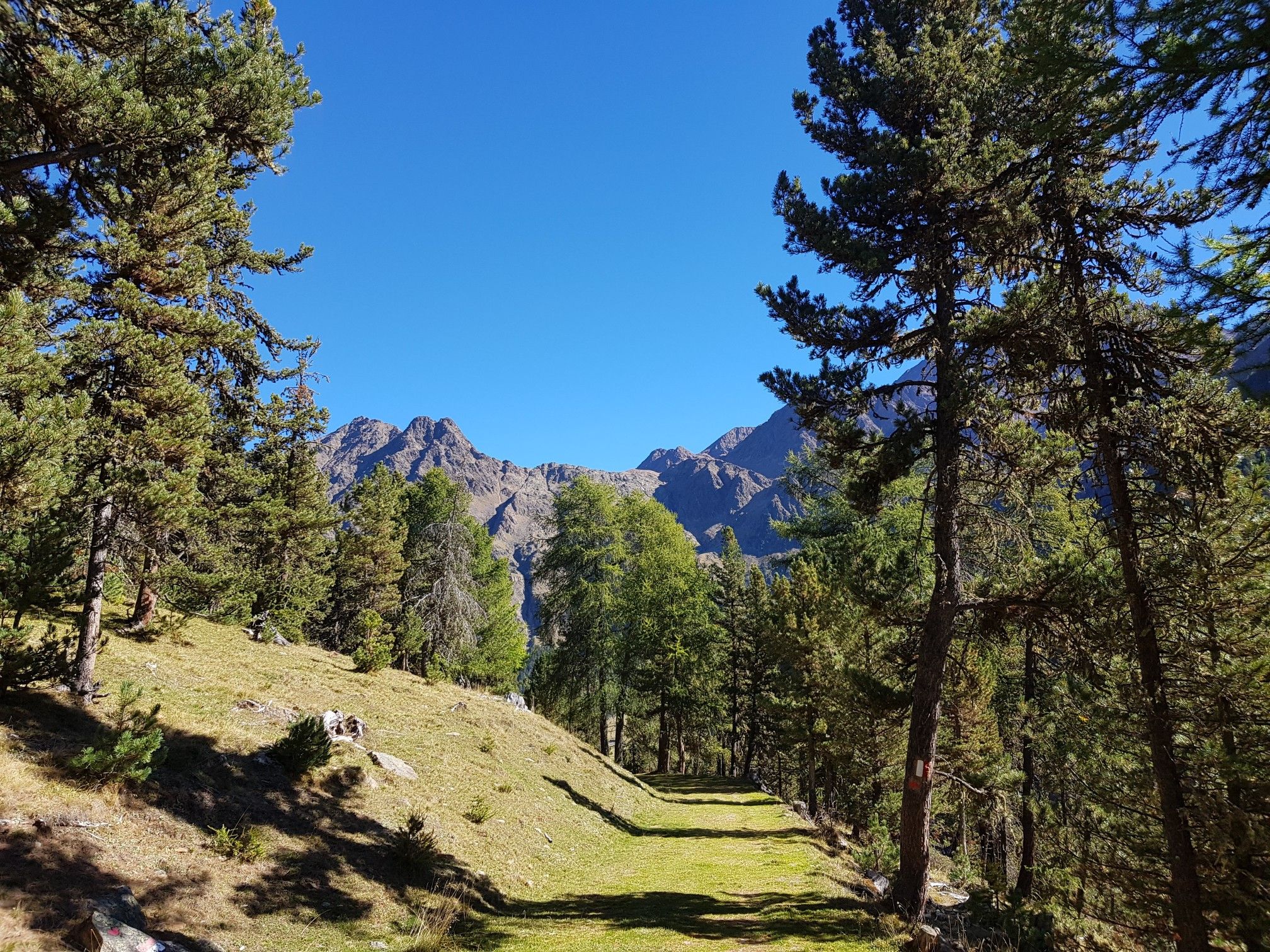
Vinschger Höhenweg – hiking South Tyrol's Sonnenberg mountain
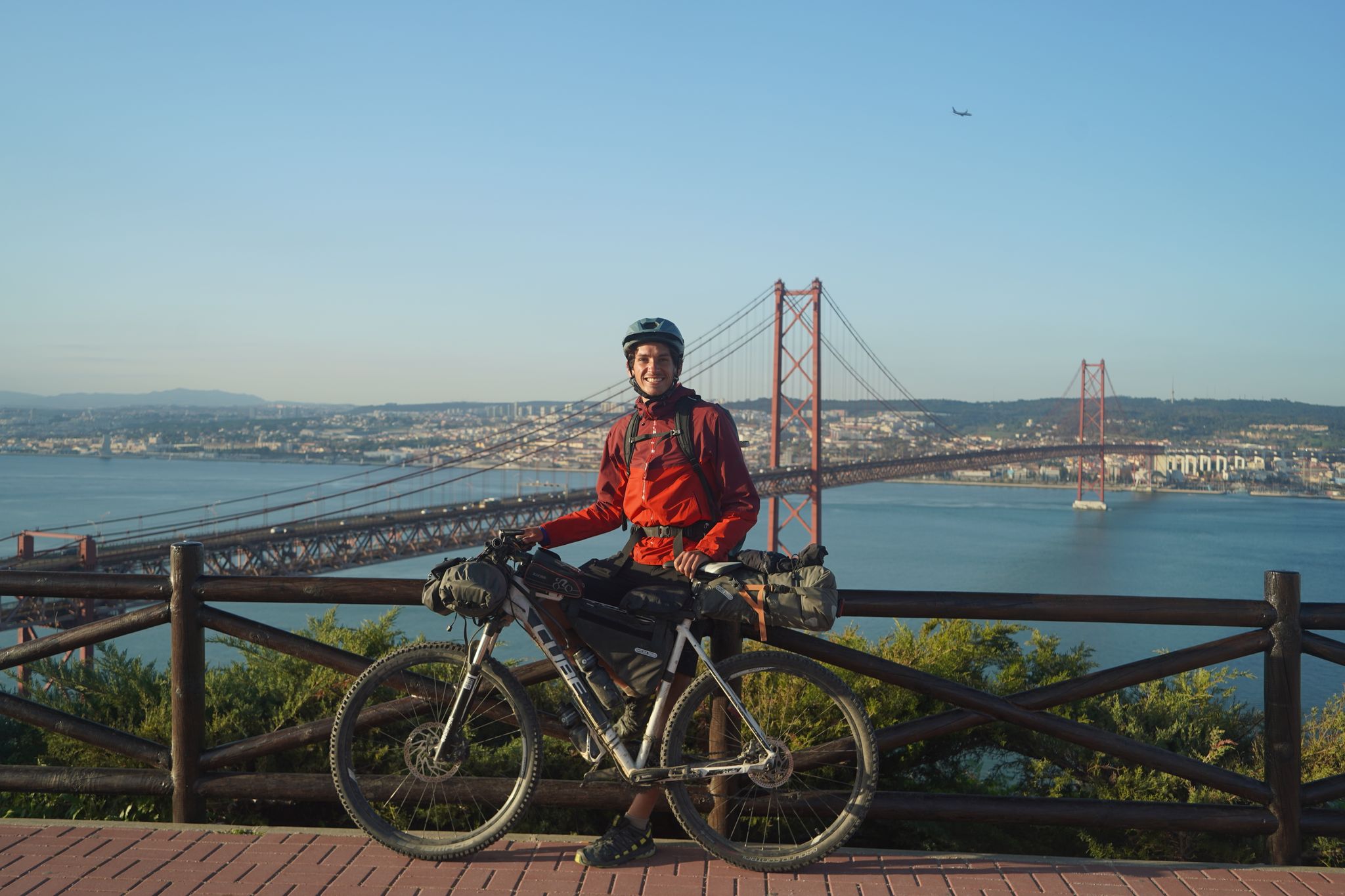
Road to Lisbon – bikepacking the Alps, Pyrenees and Picos de Europa
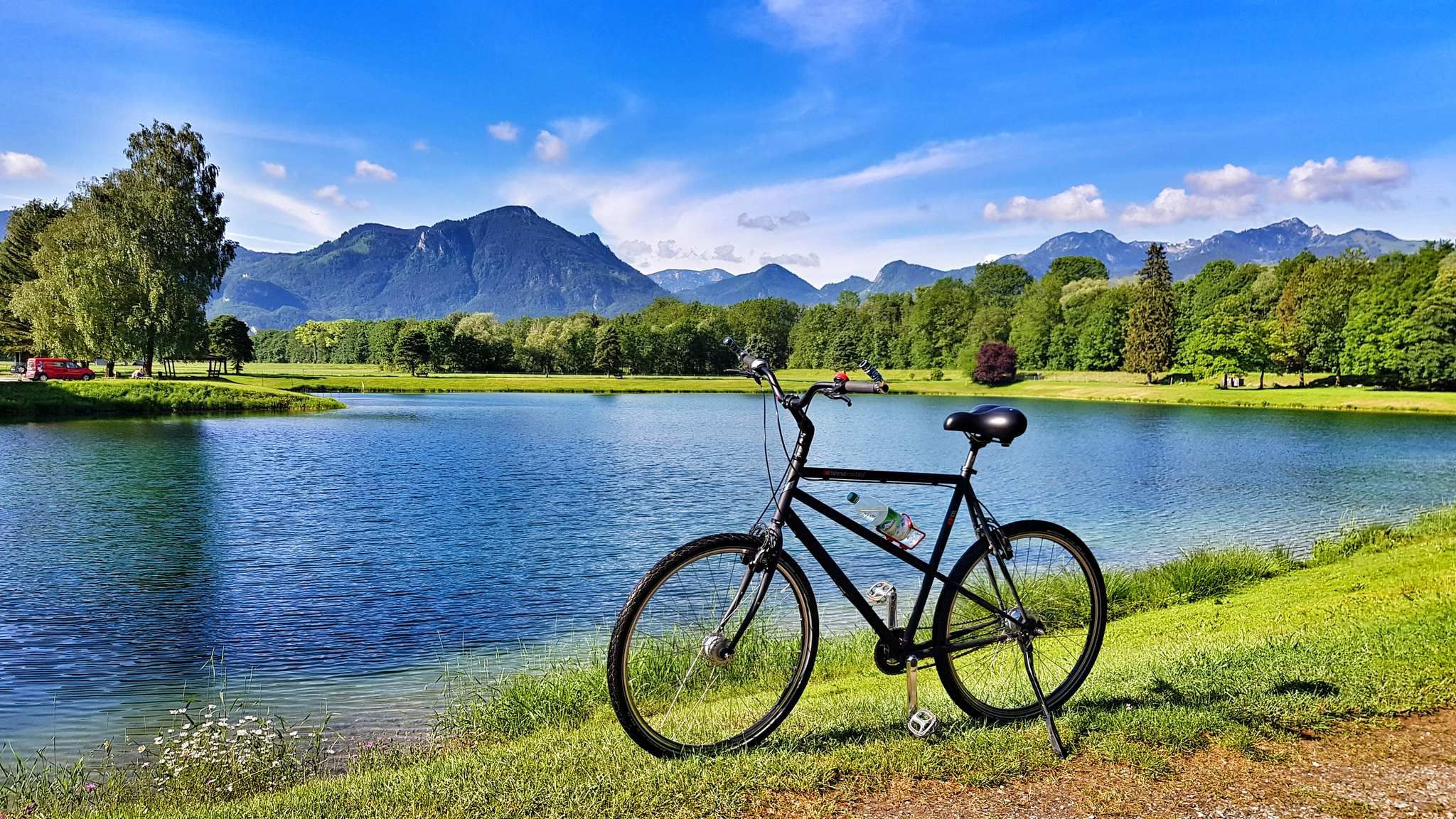
The Inn Cycle Path – From a babbling brook to a mighty river
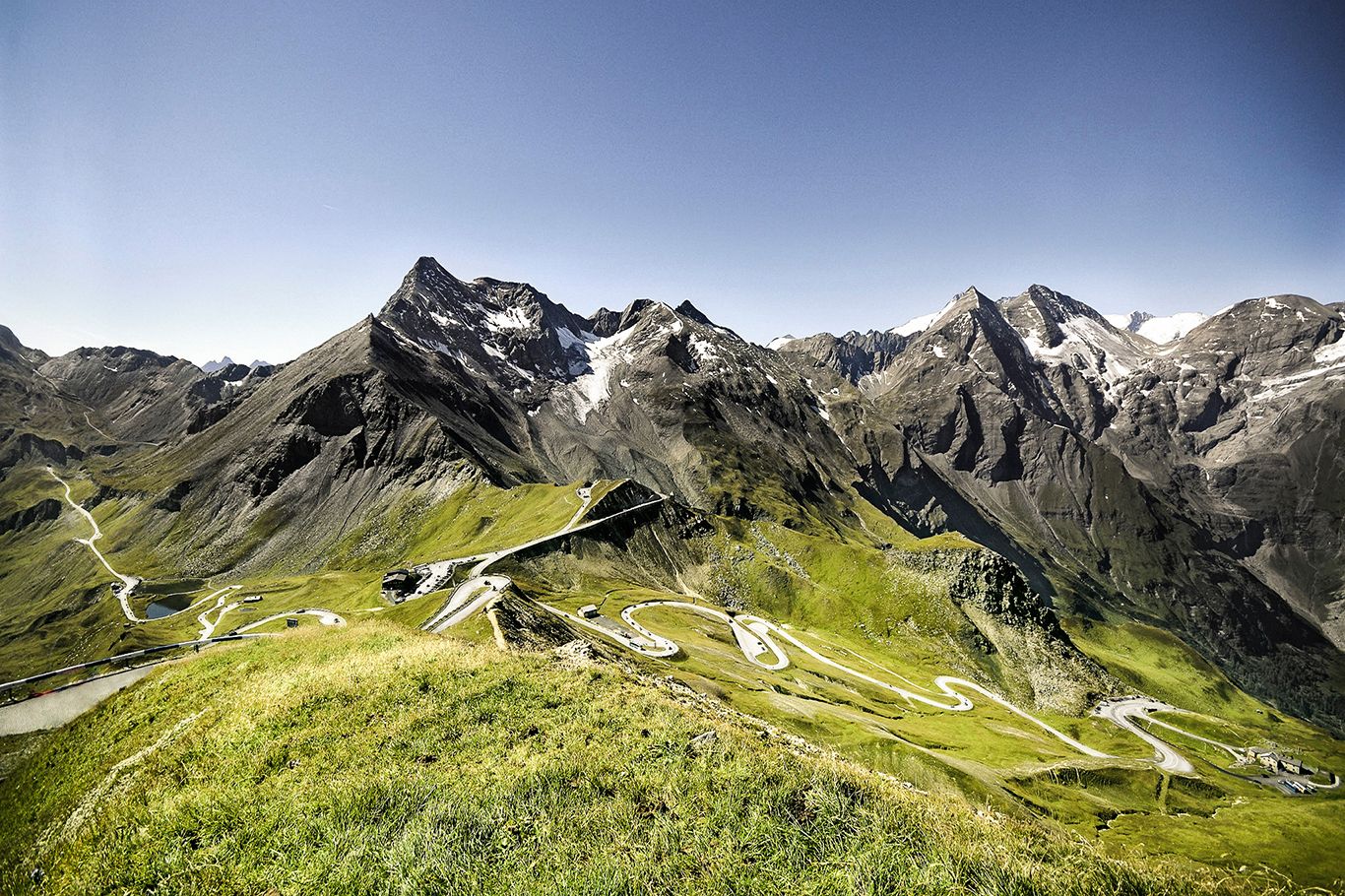
Three Peaks Bike Race — Vienna to Nice
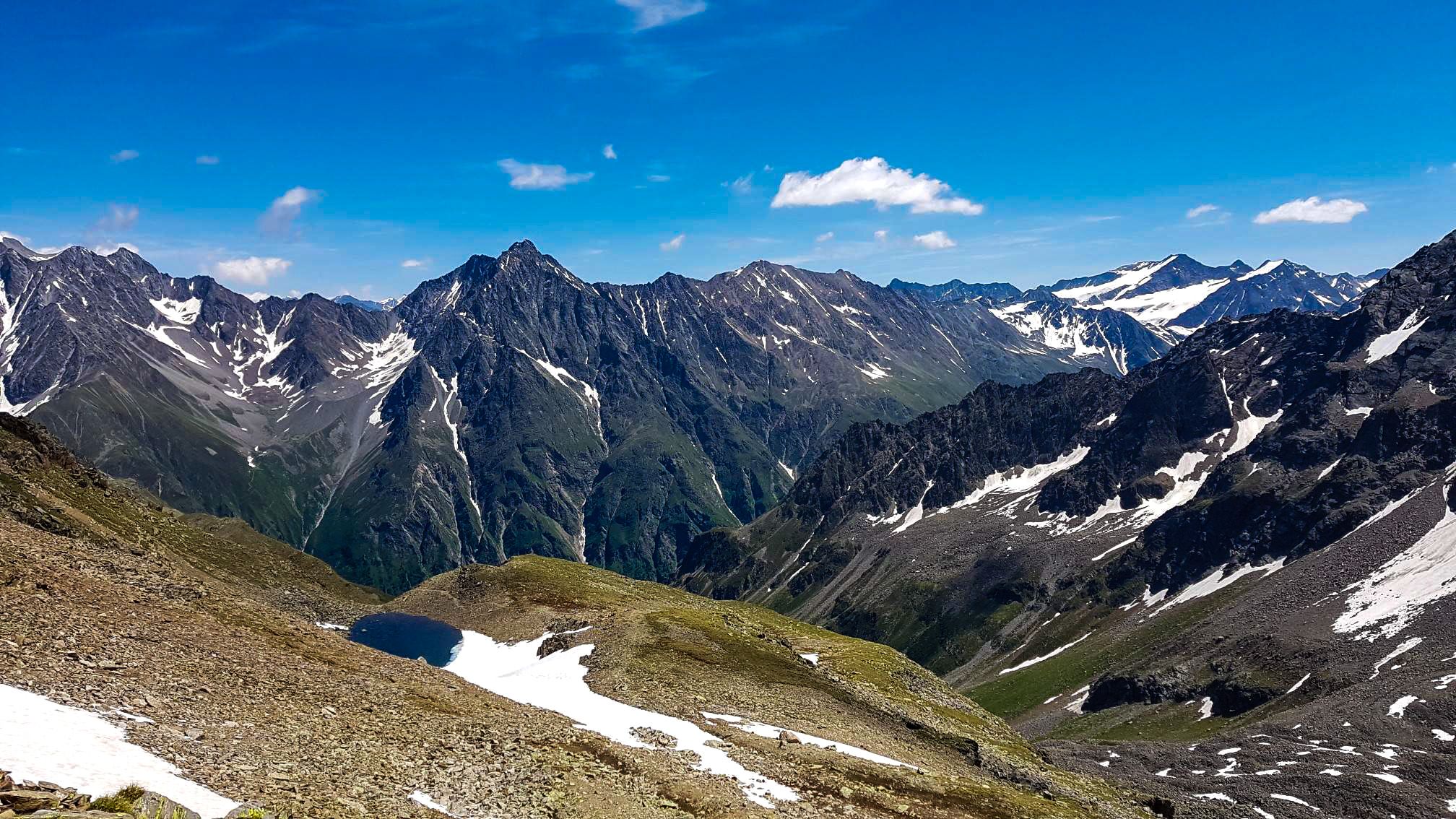
Kaunergrat circular hike in Austria – a dream for experienced mountaineers
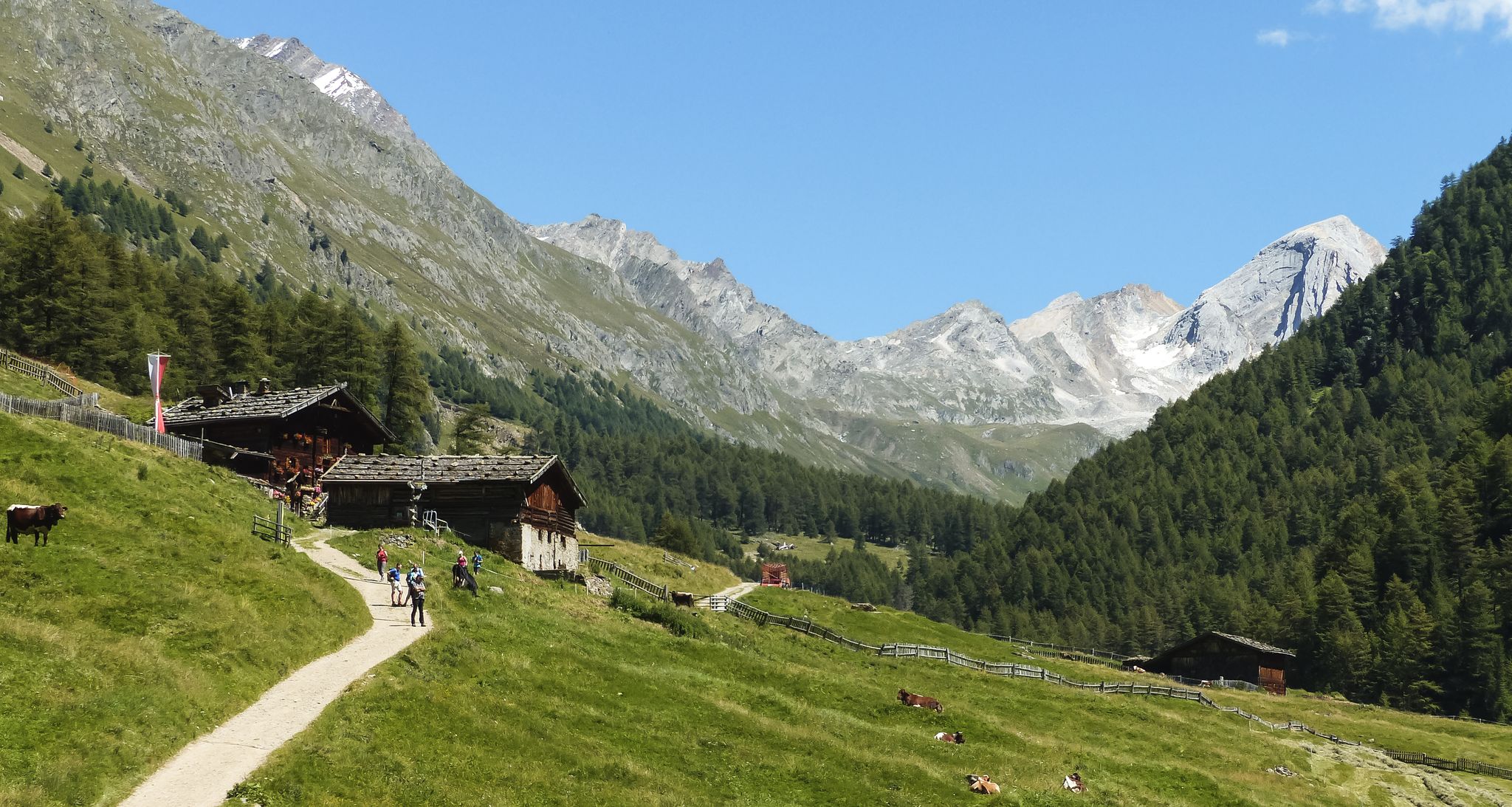
Meraner Höhenweg — in 8 stages through sunny South Tyrol
Other adventures in the Ötztaler Alpen


Tips from the Community

Glurns, the smallest town in South Tyrol, impresses with its completely preserved city walls and medieval flair. Winding alleys, arcades, and defensive towers create the town's historic charm and invite exploration.
3
3

Old history still well preserved, there was a time when people didn't like coming here.
15
2
One of the many castles in the Vinschgau.
10
0

An old customs post in the Finstermünz Gorge
7
0

great bike path, sometimes forgiving cyclists in oncoming traffic
5
1

In 1903 he sold the castle to the entrepreneur Karl Schwickert from Pforzheim, who had it rebuilt. After his death in 1927, the castle fell into disrepair again until the de Rachewiltz family took up residence there and over time turned the castle into a center for cultural encounters. The American poet Ezra Pound completed his life's work, the Cantos, here from 1958 to 1962. Source: https://www.brunnenburg.net/de/willkommen-auf-der-brunnenburg/sagengeschichte/
13
0
The Brunneburg was built in 1250 by Wilhelm Tarant on a glacial rubble cone below Tyrol Castle. In 1356 the princely administrator of the Bishopric of Trent, Heinrich von Bopfingen, acquired it; he was pastor of Tyrol, envoy of Ludwig of Brandenburg and until 1359 also governor of Tyrol. In 1421 it was acquired by Ulrich Putsch, chaplain of Duke Frederick with his empty pockets, who later became a patron of art and science as Bishop of Brixen. In 1457 the castle came into the possession of Hans Kripp. It belonged to this Hall family for three and a half centuries. In 1705, Gregor Hofer built a house with a barn and gate at the foot of the castle rock using the “high wall tips” that still existed from the ruins. In 1884 the Brunnenburggut came into the hands of the mayor of Dorf Tirol, Michael Sonnenburger. Source:https://www.brunnenburg.net/de/willkommen-auf-der-brunnenburg/sagengeschichte/
13
0
Here you can see the Tyrol Castle as well to the Brunnenburg. Welcome to Tirol Castle, the residential castle of the Counts of Tyrol. The castle gave the state of Tyrol its name. Aspects of the country's history and rulership are combined here in a clear way. From the outer bailey of Tyrol Castle you have an impressive view of the Etsch Valley and the Vinschgau. Here you will feel like you have been transported back to a distant time when the Counts of Tyrol were the masters of this area. Source: https://www.schlosstirol.it/
15
0
Frequently Asked Questions
What are some historically significant castles or fortifications in the Ötztaler Alpen region?
The region features several historically significant sites. Altfinstermünz Fortress and Bridge served as an old customs station and border fortification. While not directly in the high alpine terrain, Burg St. Petersberg near Silz was a crucial administrative center for centuries, and Michelsburg in South Tyrol's Puster Valley is one of the oldest castles in the wider historical region of Tyrol.
Are there any family-friendly historical sites or castles to visit in the Ötztaler Alpen?
Yes, several sites are suitable for families. The Brunnenburg Castle is listed as family-friendly and offers cultural encounters and panoramic views. Additionally, the Ötzi Village in Umhausen, while not a traditional castle, is an archaeological open-air park designed for an immersive and interactive family experience, showcasing Stone Age life with reconstructed huts, activities, and ancient animal breeds.
What kind of views can I expect from castles or viewpoints in the area?
Many castles and viewpoints offer stunning panoramic vistas. For instance, the View of Tirolo Castle provides excellent panoramic views of the Meraner valley and Tyrol Castle. Similarly, View of Schloss Tirol, Brunnenburg and vineyards from Dorf Tirol offers impressive views of the Etsch Valley and Vinschgau.
Can I visit the interior of all castles in the Ötztaler Alpen region?
No, not all castles are fully accessible to the public. For example, Burg St. Petersberg, while its outer areas are accessible via an easily walkable path, serves as a monastery, and its interior is not open to visitors. Michelsburg is a ruin and privately owned. However, castles like Tyrol Castle (Schloss Tirol) and Altfinstermünz Fortress and Bridge offer more extensive visitor access and tours.
What outdoor activities can I do near these historical sites?
The Ötztaler Alpen region offers a variety of outdoor activities. You can find numerous MTB Trails, including routes like the 'Via Claudia Augusta from Landeck to Lago di Resa'. For those who prefer gravel biking, there are many Gravel biking routes, such as the 'Gravelbike-Tour durch das Ultental zur Spitzner Alm'. If you're looking for a more relaxed pace, there are also easy hikes like the 'Haidersee Loop Trail' or the 'Tyrol Culture Trail' near some of the castles.
Are there any specific historical towns or settlements with castle connections?
Yes, Historic Old Town Glurns / Glorenza is a notable historical site that combines elements of a settlement and historical fortifications. The village of Nauders also has historical significance and is listed as a settlement with castle connections.
What is the best time of year to visit castles in the Ötztaler Alpen?
The best time to visit is generally from spring to autumn (May to October) when the weather is mild, and most sites are open. For example, the Altfinstermünz Customs Station and Covered Bridge can be visited from May to October. Winter visits are possible for some sites, but access might be limited, and some attractions may be closed.
What are some unique historical sites beyond traditional castles in the region?
Beyond traditional castles, the Ötzi Village in Umhausen offers a unique historical experience. It's an archaeological open-air park dedicated to showcasing life in the Neolithic period, providing insights into how people lived around the time of Ötzi, the Iceman. It features reconstructed huts and interactive activities.
Are there any castles that are particularly well-preserved or restored?
Tyrol Castle (Schloss Tirol), the ancestral seat of the Counts of Tyrol, is a well-preserved and restored castle that now houses a museum. Brunnenburg Castle has also been restored and serves as a center for cultural encounters.
What should I wear when visiting castles in the Ötztaler Alpen?
Given the mountainous terrain and potential for walking, comfortable walking shoes are highly recommended. Layers of clothing are advisable as weather conditions can change, especially if you plan to explore outdoor areas or viewpoints. For sites with limited indoor access, be prepared for outdoor temperatures.
Are there any castles or historical sites that offer a good view of the surrounding landscape?
Absolutely. Many sites are chosen for their strategic locations offering commanding views. The View from the Pulverturm over Merano provides an excellent panorama. Similarly, View of Kastelbell Castle offers scenic views, often enjoyed by cyclists on nearby routes.
What makes Altfinstermünz Fortress and Bridge a significant site?
Altfinstermünz Fortress and Bridge is significant as an old customs station and border fortification dating back to 1263. Its impressive buildings and the bridge over the Inn River are notable, situated in the Finstermünz Gorge. It played a crucial role along the historic Via Claudia Augusta.
Most popular routes in the Ötztaler Alpen
Most popular attractions in the Ötztaler Alpen

Get inspired with the komoot mobile app


Explore more
Looking for the best castles somewhere else? Discover other guides in the Ötztaler Alpen:
