Attractions and Places To See around Mount Rainier - Top 20
Attractions and places to see around Mount Rainier encompass a diverse landscape centered on an active stratovolcano. This iconic peak, standing at 14,410 feet, is the most glaciated in the contiguous U.S., feeding 5 major rivers. The park is recognized as a National Historic Landmark District for its preserved planning from the late 1920s, including historic developed areas and backcountry structures. Visitors can explore subalpine wildflower meadows, ancient forests, and numerous natural features shaped by the mountain's volcanic activity.
Best…
Last updated: October 10, 2026
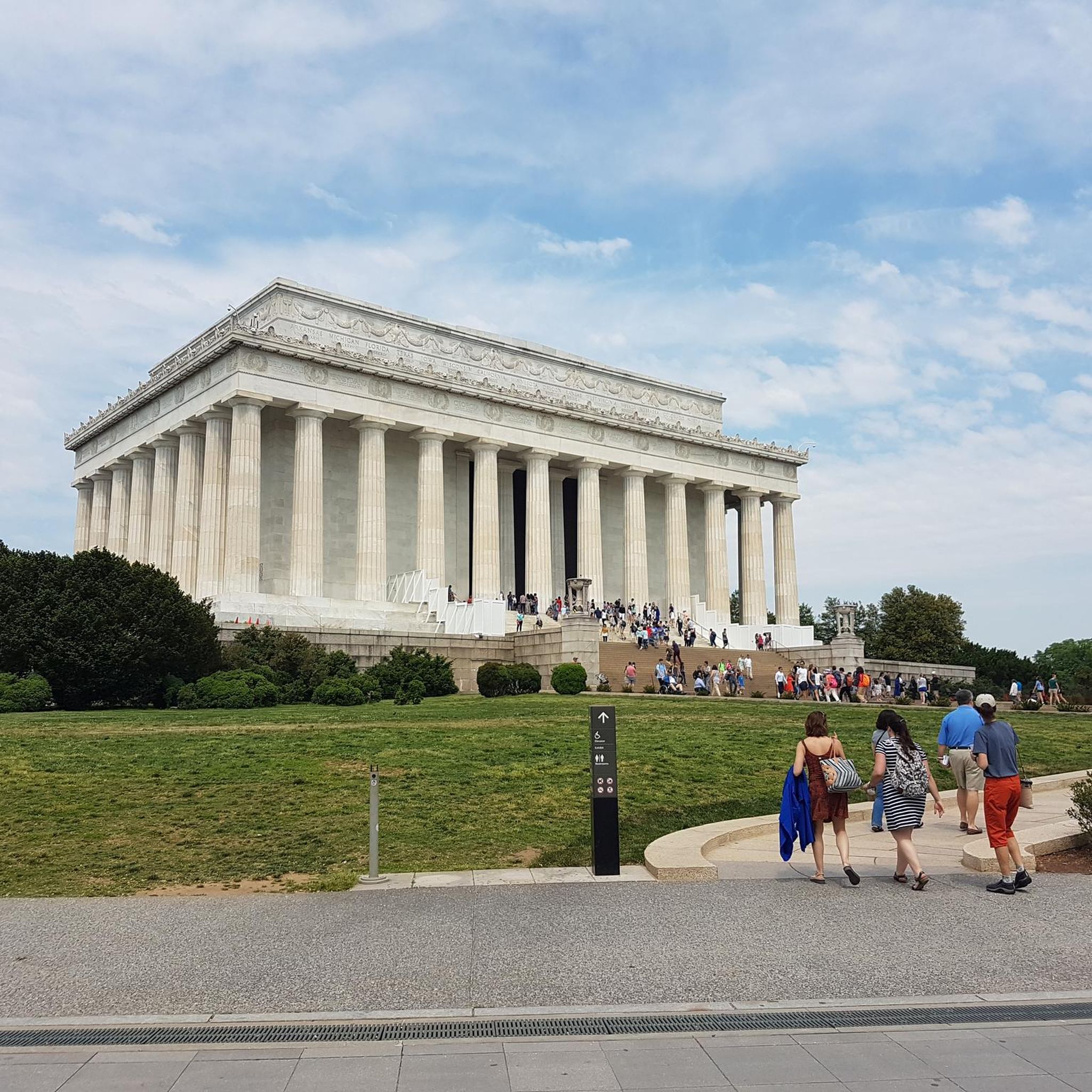
Lincoln Memorial
Highlight • Monument
Tip by

World War II Memorial
Highlight • Monument
Tip by
Sign up now to discover places like this
Get recommendations on the best single tracks, peaks, & plenty of other exciting outdoor places.
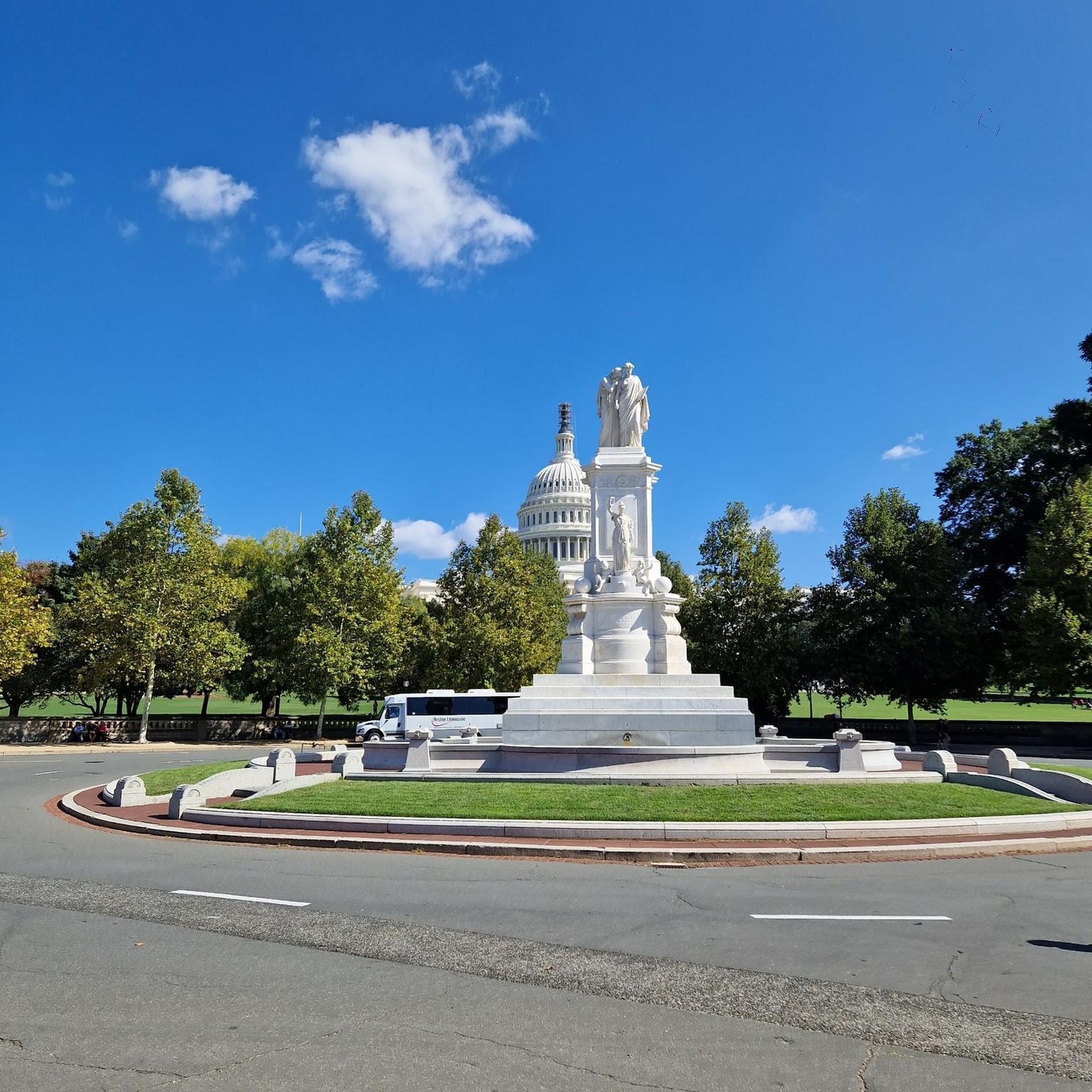
Washington Monument
Highlight • Monument
Tip by

White House
Highlight • Monument
On the south side you can still see the seat of government quite well from a distance.
Translated by Google •
Tip by

Capitol Reflecting Pool
Highlight • Lake
Translated by Google •
Tip by

Sign up for free to discover even more attractions around Mount Rainier.
Already have an account?
Start today with a free account
Your next adventure awaits.


Tips from the Community


The White House is the home and office of the President of the United States. It is one of the top visited attractions in Washington DC, so it may be busy if you pass by during peak visiting hours.
1
0
It is essential for Germans to watch this. The Americans can celebrate their efforts in WW2
1
0


The World War II Memorial honors the service of 16 million members of the Armed Forces of the United States of America, the support of countless millions on the home front, and the ultimate sacrifice of 405,399 Americans. On May 29, 2004, a four-day “grand reunion” of veterans on the National Mall culminated in the dedication of this tribute to the legacy of “The Greatest Generation.” Twenty-four bronze bas-relief panels flank the ceremonial entrance. To many, these panels stir memories as they tell the story of America's experience in the war. Granite columns representing each U.S. state and territory at the time of World War II ring an impressive pool with water shooting high into the air. Quotes, references to theaters, campaigns, and battles, and two massive victory pavilions chronicle the efforts Americans undertook to win the war. A wall of 4,048 gold stars reminds all of the supreme sacrifice made by over 400,000 Americans to make that victory possible. https://www.nps.gov/wwii/index.htm
3
0
The Washington Monument, designed by Robert Mills and eventually completed by Thomas Casey and the U.S. Army Corps of Engineers, honors and memorializes George Washington at the center of the nation's capital. The structure was completed in two phases of construction, one private (1848-1854) and one public (1876-1884). Built in the shape of an Egyptian obelisk, evoking the timelessness of ancient civilizations, the Washington Monument embodies the awe, respect, and gratitude the nation felt for its most essential Founding Father. When completed, the Washington Monument was the tallest building in the world at 555 feet, 5-1/8 inches. https://www.nps.gov/wamo/learn/historyculture/index.htm
3
0
President George Washington signed an Act of Congress in December of 1790 declaring that the federal government would reside in a district "not exceeding ten miles square…on the river Potomac." President Washington, together with city planner Pierre L'Enfant, chose the site for the new residence, which is now 1600 Pennsylvania Avenue. As preparations began for the new federal city, a competition was held to find a builder of the "President's House." Nine proposals were submitted, and Irish-born architect James Hoban won a gold medal for his practical and handsome design. Construction began when the first cornerstone was laid in October of 1792. Although President Washington oversaw the construction of the house, he never lived in it. It was not until 1800, when the White House was nearly completed, that its first residents, President John Adams and his wife, Abigail, moved in. Since that time, each President has made his own changes and additions. The White House is, after all, the President's private home. It is also the only private residence of a head of state that is open to the public, free of charge. https://www.whitehouse.gov/about-the-white-house/the-grounds/the-white-house/
3
0

The largest obelisk in the world was built from white marble in honor of the first American president, George Washington.
4
0
Frequently Asked Questions
What are the most popular areas to visit within Mount Rainier National Park?
Some of the most popular areas include Paradise Historic District, renowned for its wildflower meadows and as a starting point for hikes; Sunrise Historic District, the highest point accessible by car offering spectacular views; and Longmire Historic District, which features a museum and historic buildings. Each area provides unique experiences and access to the park's natural beauty.
Where can I find the best views of Mount Rainier?
For breathtaking views, visit Sunrise Historic District, which offers panoramic vistas, especially at dawn. Reflection Lakes provides iconic views of Mount Rainier perfectly mirrored in the water on clear days. Other excellent viewpoints include Ricksecker Point and Panorama Point Overlook, accessible via an alpine trail.
Are there any historic sites or cultural landmarks in Mount Rainier National Park?
Yes, Mount Rainier National Park is a National Historic Landmark District. Notable historic sites include the Longmire Historic District with its original 1916 park headquarters and museum, the Paradise Historic District home to the historic Paradise Inn, and the Sunrise Historic District. You can also find historic fire lookouts like Mount Fremont Fire Lookout and Tolmie Peak Fire Lookout, built by the Civilian Conservation Corps.
What natural features should I look out for in the park?
The park is centered around Mount Rainier itself, an active stratovolcano with 25 named glaciers, making it the most glaciated peak in the contiguous U.S. You'll also find stunning subalpine wildflower meadows, particularly vibrant in areas like Paradise, and ancient old-growth forests in regions such as Ohanapecosh and Carbon River.
Which waterfalls are easily accessible in Mount Rainier National Park?
Several beautiful waterfalls are easily accessible. Narada Falls is the largest waterfall accessible by car, offering accessible viewpoints. Christine Falls is known for its picturesque cascades beneath a historic stone bridge, and Myrtle Falls is a very popular spot with a bridge providing great views.
What is the best time of year to visit Mount Rainier National Park?
The best time to visit largely depends on your interests. Late spring and early summer (typically July and August) are ideal for experiencing vibrant wildflower meadows and powerful waterfalls fed by snowmelt. For snow activities or a quieter experience, winter offers unique beauty, though many roads and facilities may be closed.
Are there opportunities for hiking or outdoor activities near the attractions?
Yes, the park offers numerous hiking opportunities. The Skyline Trail in Paradise is famous for wildflowers and glacier views. The Wonderland Trail is a challenging 93-mile loop around the mountain. Trails also lead to historic fire lookouts like Tolmie Peak and Mount Fremont, offering panoramic vistas. For more hiking options, explore the Hiking around Mount Rainier guide.
What can families with children do in Mount Rainier National Park?
Families can enjoy easy walks through wildflower meadows in Paradise, visit the Longmire Museum to learn about the park's history and geology, and explore accessible waterfalls like Narada Falls and Myrtle Falls. Many viewpoints, such as Reflection Lakes, are also easily accessible and offer memorable photo opportunities.
Where can I learn more about the geology and history of Mount Rainier?
The Longmire Museum, one of the oldest in the National Park System, provides excellent exhibits on geology, wildlife, and the park's exploration and settlement history. You can also find information at the Jackson Memorial Visitor Center at Paradise. For more detailed historical context, the park is recognized as a National Historic Landmark District for its preserved planning from the late 1920s.
What are the unique forest zones found in Mount Rainier National Park?
Mount Rainier National Park features distinct forest zones based on elevation. These include lowland forests with species like Douglas fir, intermediate forests, and sub-alpine forests characterized by trees such as subalpine fir. The Ohanapecosh Area and Carbon River region are particularly known for their ancient old-growth forests and temperate rainforests, respectively.
What is Camp Muir and its significance?
Camp Muir is a significant historic district located at over 10,000 feet on the southeast slope of Mount Rainier. It serves as a crucial base camp for climbers attempting to summit the mountain and is named after the renowned naturalist John Muir. It offers a glimpse into the challenging world of mountaineering.
Are there any scenic drives in the Mount Rainier area?
Yes, the Mather Memorial Parkway is an All-American Road that offers incredible scenic drives with switchbacks and breathtaking views of the surrounding landscape. Additionally, the roads leading to areas like Paradise and Sunrise provide stunning vistas and access to various attractions and trailheads.
Most popular attractions around Mount Rainier

Get inspired with the komoot mobile app


Explore more
Still not found the Highlight you’re looking for? See guides of the top attractions in other regions:
