The best walks and hikes around Seathwaite Tarn
4.5
(4947)
46,233
hikers
555
hikes
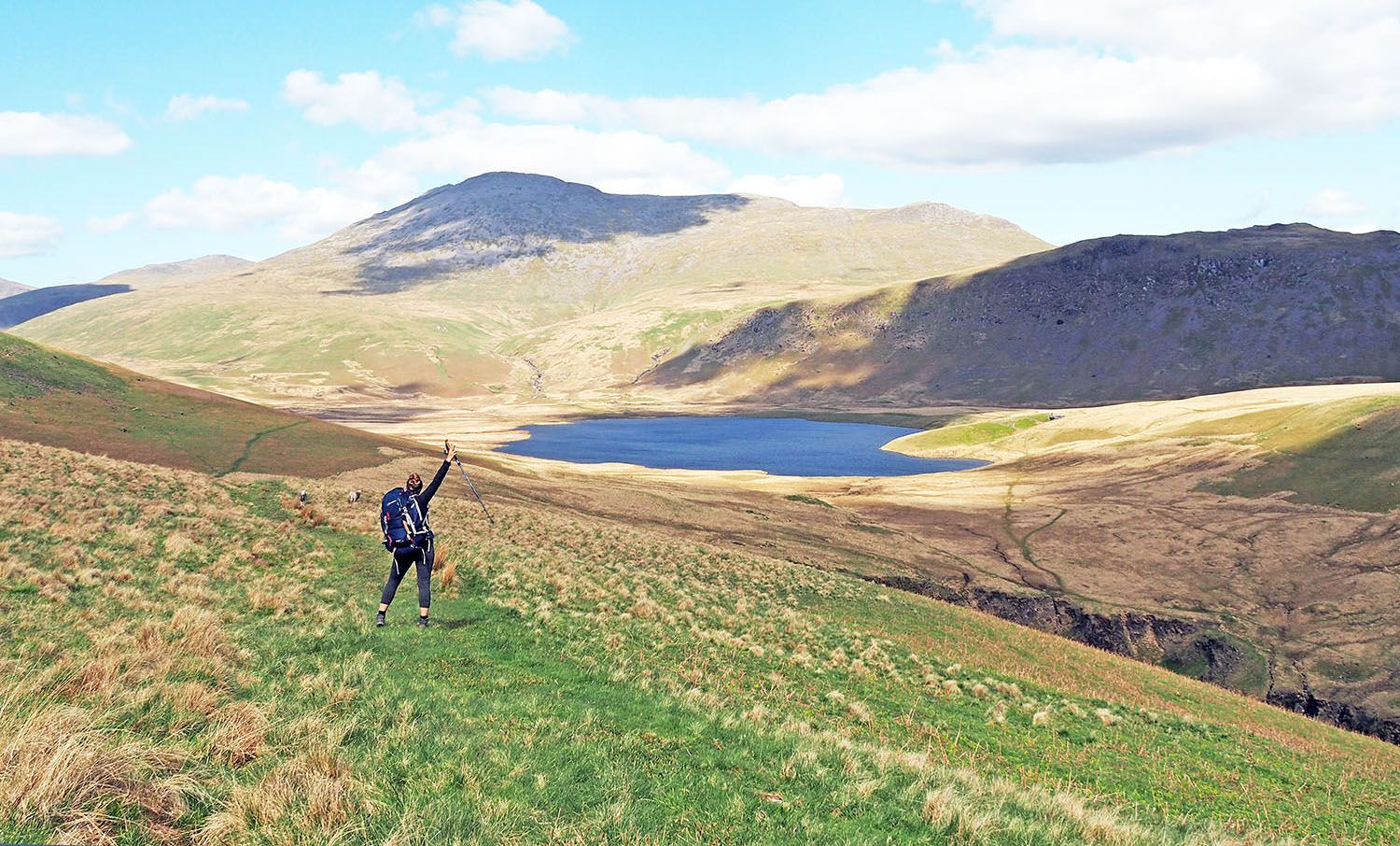
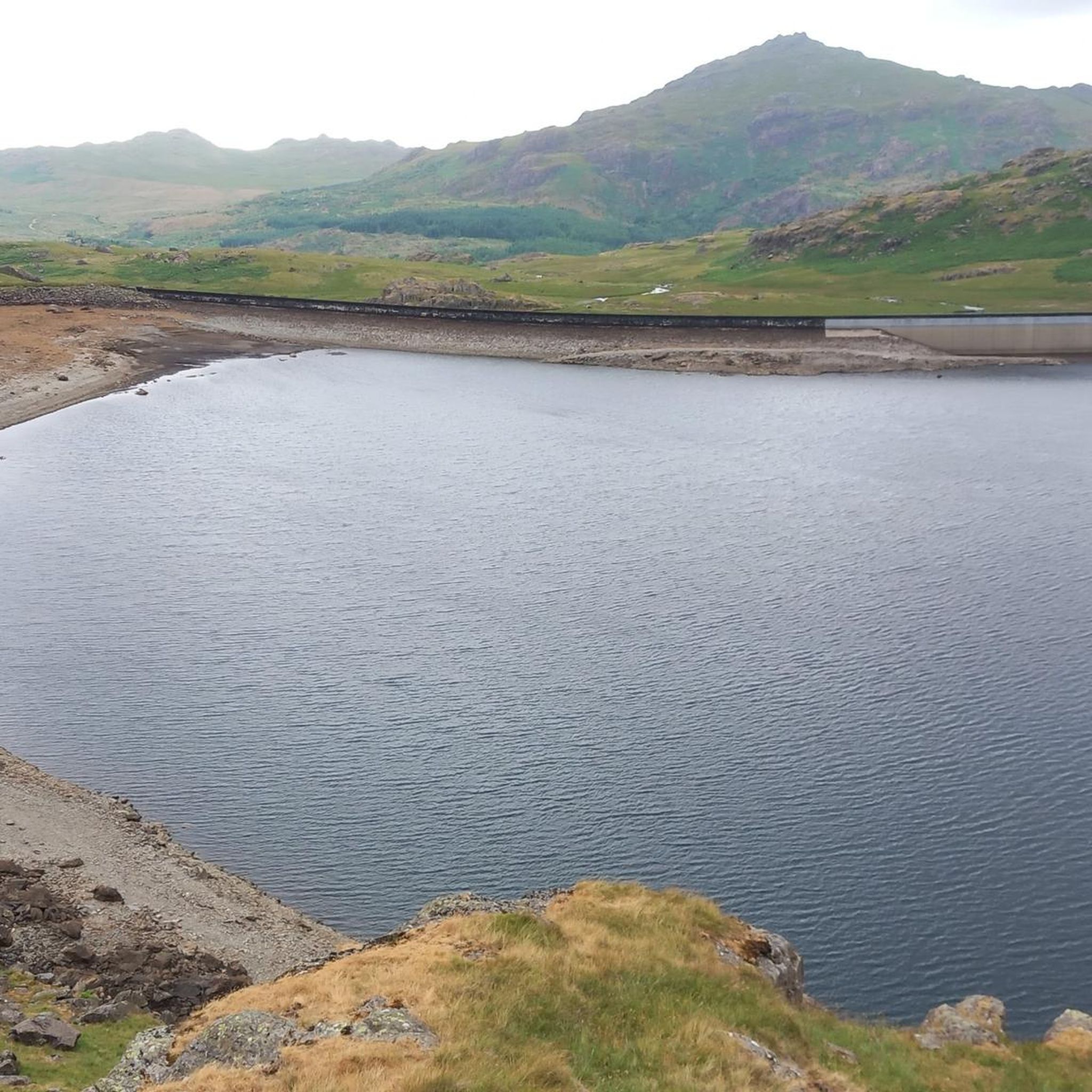
Hiking around Seathwaite Tarn offers access to the rugged landscapes of the Furness Fells in the English Lake District. The region is characterized by mountainous surroundings, including Grey Friar, Brim Fell, and Harter Fell, which provide a dramatic backdrop for outdoor activities. Seathwaite Tarn itself is an enlarged natural tarn, serving as a reservoir, with numerous gills, waterfalls, and the scenic Duddon Valley contributing to the diverse terrain. This area provides a network of trails through varied environments, from high fells to wooded valleys.
Best hiking trails around Seathwaite Tarn
- The most popular hiking route is View of Levers Water – Levers Water loop from Loft Rigg How, an 18.6 miles (30.0 km) trail that takes about 10 hours 20 minutes to complete. This difficult route features significant elevation gain through the fells.
- Another top favourite among local hikers is Walna Scar Road – Newfield Inn loop from Dunnerdale-with-Seathwaite, a moderate 5.3 miles (8.6 km) path. This trail follows a historic route, offering classic Lakeland terrain.
- Local hikers also love the Hardknott Roman Fort – Harter Fell Summit (Eskdale) loop from Harter Fell, an 8.2 miles (13.3 km) trail leading through mountainous terrain, often completed in about 4 hours 59 minutes.
- Hiking around Seathwaite Tarn is defined by mountainous fells, serene tarns, and wooded valleys. The extensive network of trails offers options for various ability levels, from easy paths to challenging, strenuous routes.
- The routes in Seathwaite Tarn are highly rated by the komoot community with an average score of 4.5 stars from more than 4,400 reviews. More than 43,000 hikers have used komoot to explore Seathwaite Tarn's varied terrain.
Last updated: June 25, 2026
4.5
(6)
33
hikers
30.0km
10:21
1,490m
1,490m
Hard hike. Very good fitness required. Mostly accessible paths. Sure-footedness required.
5.0
(1)
14
hikers
12.8km
04:53
820m
820m
Moderate hike. Good fitness required. Mostly accessible paths. Sure-footedness required.

Sign up for free
5.0
(2)
13
hikers
Easy hike. Great for any fitness level. Easily-accessible paths. Suitable for all skill levels.
4.7
(3)
22
hikers
Hard hike. Very good fitness required. Easily-accessible paths. Suitable for all skill levels.
4.5
(2)
12
hikers
Moderate hike. Good fitness required. Mostly accessible paths. Sure-footedness required.
Get access to more routes and recommendations from other explorers.
Sign up for free
Already have an account?
Our route recommendations are based on thousands of hikes, rides, and runs completed by other people on komoot.
Start today with a free account
Your next adventure awaits.
Login or Signup
Popular around Seathwaite Tarn

Other adventures around Seathwaite Tarn

Tips from the Community

Around 1590, the Company of Mines Royal began extracting copper from the Coniston copper veins. The first work was carried out entirely by hand. With brute force, the rock face was broken and tunnels were excavated very slowly. Only enough rock was removed to allow one person to pass through the tunnel, and these access tunnels are called 'coffin levels' because of their characteristic coffin shape. Excavating a 17th-century tunnel like Cobbler's Level could still take three years. The Elizabethan Company of Mines Royal was led by German experts from the Tyrol and Bavaria. Their mines penetrated more than 55 metres into the earth. Work continued after the English Civil War, but perhaps not to a great extent. At the end of the 17th century, gunpowder was introduced, which changed everything. Work went much faster and mines could go much deeper than before, up to more than 90 metres below the surface. The charges were placed in a hole drilled into the rock using 'jumpers', iron rods made on site. You can still see hand-drilled shot holes. Gunpowder was replaced by dynamite in 1877 and jumpers by compressed air drills in 1883. (Lake district national park)
5
0
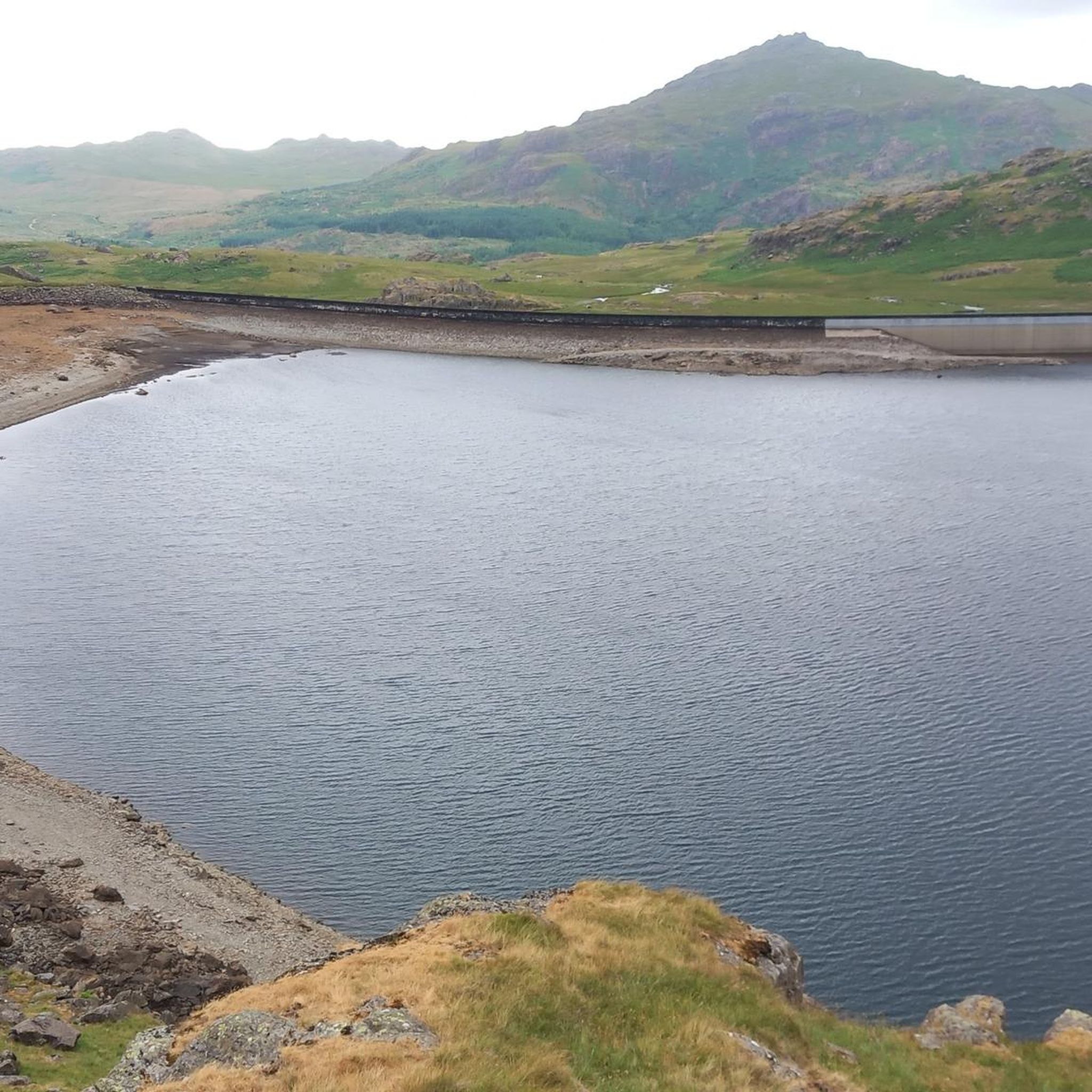
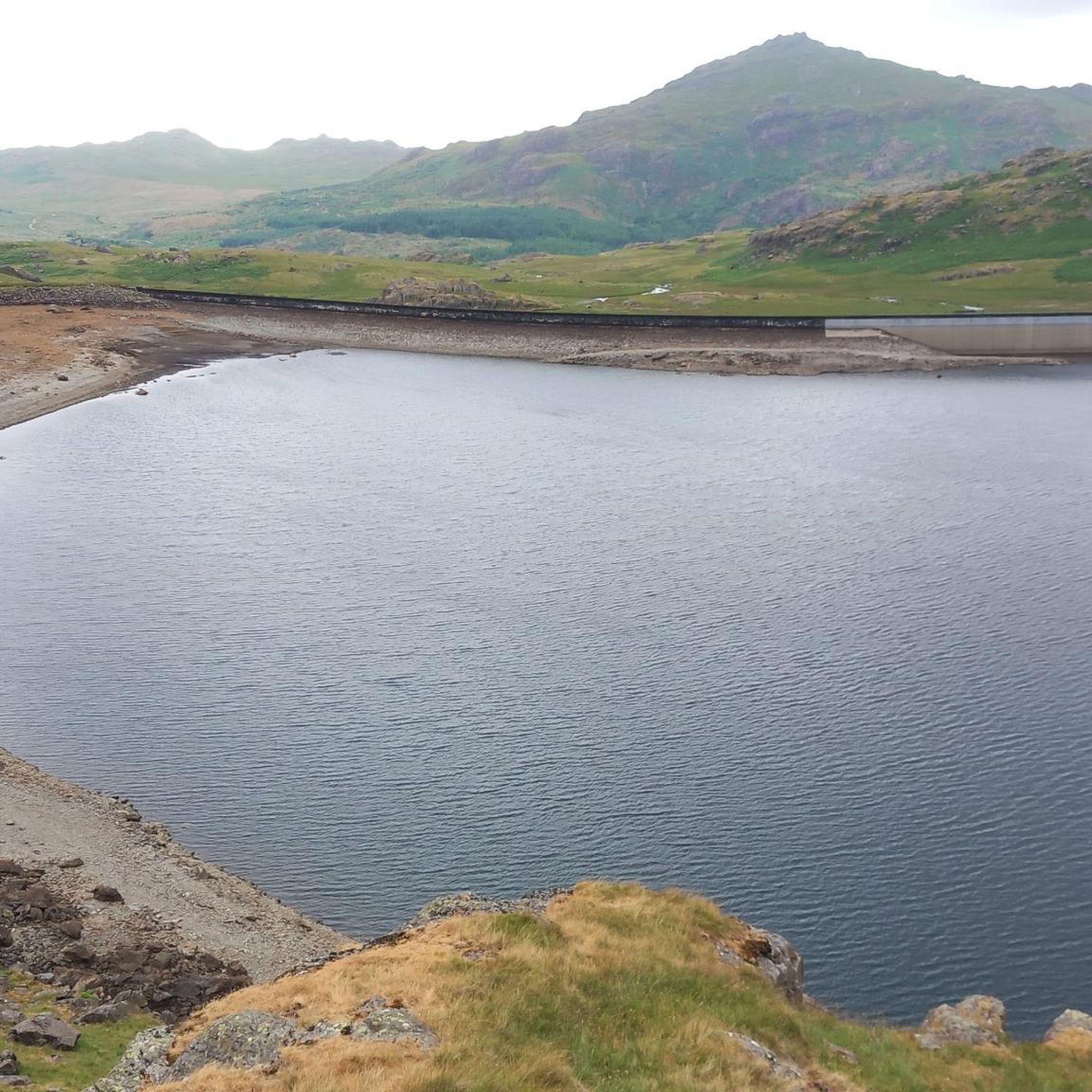
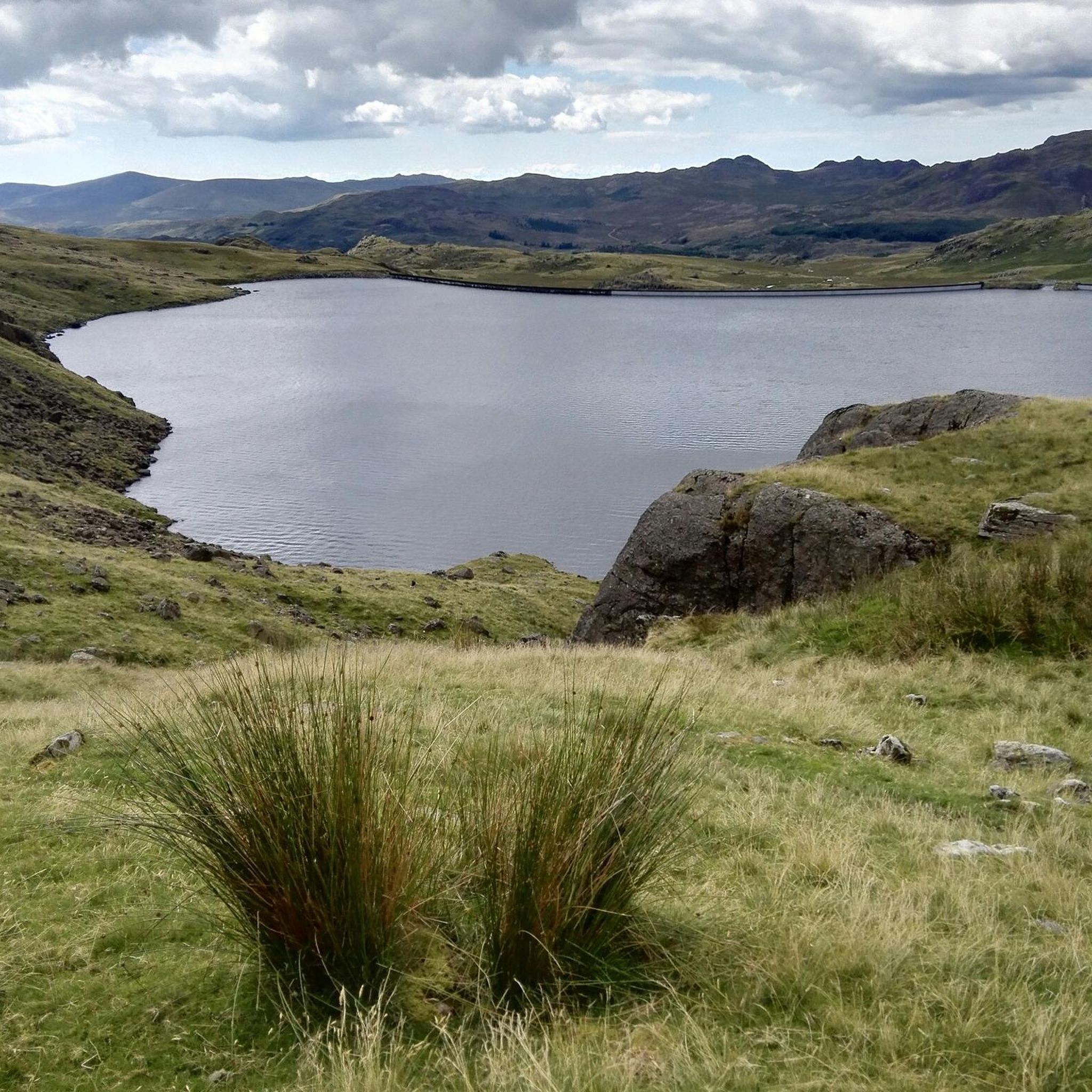
Levers Water is a small lake. It lies at the start of Coppermines Valley, above the village of Coniston. To the southwest of it lies Raven Tor, an outlier of Brim Fell, and to the northwest lie Little How Crags and Great How Crags, on the east side of the north-south ridge leading to Swirl How. A dam, built in 1717, enlarged the existing tarn to supply water to the mines and the village below. (Wikipedia)
5
0
During the descent, you get a good view of Levers Water, a beautiful mountain lake.
6
0

Walna Scar is one of Wainwright's outlying fells and a Nuttall. At 621 metres, it is only slightly higher than the pass from Walna Scar Road. There is a small cairn on the summit, and you have super nice views of White Maiden dead south of you, which is another Nuttall.
0
0

A little glimpse into the history of the area, worth a quick peep.
0
0

A super cool historical spot to visit. Once you get up there, you really understand why the Romans built their camp on this site. The views across the valley to the sea are incredible, and the full 360° panorama is stunning, taking in most of the tallest moutains in Cumbria. The ruins, though not heavily intact, still give a clear sense of the camp’s layout and how different sections may have been used. More than anything, standing there makes it easy to see why and how the Romans chose this location—a fascinating stop along the way.
0
0

Newly extended this is a great place to eat right on the lake shore
0
0

Frequently Asked Questions
How many hiking trails are available around Seathwaite Tarn?
There are over 550 hiking trails around Seathwaite Tarn. These include a wide range of difficulties, with more than 170 easy routes, over 280 moderate paths, and more than 100 challenging trails for experienced hikers.
Are there family-friendly hiking options near Seathwaite Tarn?
Yes, the area offers several easy routes suitable for families. For instance, the Turner Hall Campsite – Duddon River Stone Bridge loop from Dunnerdale-with-Seathwaite is an easy 6.5 km path that takes just over an hour and 45 minutes to complete, offering a gentle introduction to the Duddon Valley's beauty.
Can I bring my dog on the hiking trails around Seathwaite Tarn?
Many trails around Seathwaite Tarn are dog-friendly, allowing you to explore the stunning landscapes with your canine companion. However, always be mindful of livestock, especially during lambing season, and keep dogs on a lead where necessary. Remember to check specific route details for any restrictions.
Are there any circular walks available in the Seathwaite Tarn area?
Yes, many routes around Seathwaite Tarn are designed as circular walks, allowing you to start and end at the same point. An example is the Walna Scar Road – Newfield Inn loop from Dunnerdale-with-Seathwaite, a moderate 8.6 km path that offers classic Lakeland terrain.
What kind of terrain can I expect on hikes around Seathwaite Tarn?
The terrain around Seathwaite Tarn is diverse, ranging from rugged mountainous fells to serene valleys with woodlands, heather, and bracken. You'll encounter rocky climbs, fast descents, and paths alongside gills and streams. Some routes, like the Hardknott Roman Fort – Harter Fell Summit (Eskdale) loop from Harter Fell, lead through challenging mountainous landscapes.
Are there any waterfalls or notable waterways to see?
Absolutely. Beyond Seathwaite Tarn itself, the area is rich with diverse waterways. You'll find numerous gills (narrow mountain streams) and waterfalls throughout the fells. The River Duddon, flowing through its celebrated valley, also features lively streams and tumbling waterfalls, adding to the scenic beauty of the region.
What historical sites can be explored while hiking?
The area around Seathwaite Tarn has historical significance. You can find the remains of the Seathwaite Tarn Mine, which was worked for copper in the mid-19th century. Additionally, Bronze Age ring cairns discovered in 2003 add an archaeological dimension to the landscape, offering glimpses into ancient history.
How can I get to Seathwaite Tarn using public transport?
Public transport options to the remote village of Seathwaite and the Duddon Valley are limited. It's advisable to research local bus routes to the Lake District and Duddon Valley in advance, as services may be infrequent. The nearest train stations would require further bus or taxi connections.
Is there parking available for hikers near Seathwaite Tarn?
Yes, parking is available in and around the Seathwaite area, often near common starting points for trails. However, due to the area's popularity, especially during peak seasons, parking spaces can fill up quickly. Arriving early is recommended, particularly for longer routes such as the Walna Scar Summit – Walna Scar Car Park loop from Dunnerdale-with-Seathwaite.
What is the best time of year to visit Seathwaite Tarn for hiking?
The best time to visit for hiking is generally from late spring to early autumn (May to October) when the weather is milder and daylight hours are longer. However, the Lake District weather can be unpredictable, so always be prepared for changing conditions, even in summer. Winter hiking is possible but requires appropriate gear and experience due to snow and ice.
Are there any pubs or cafes near the hiking trails?
While Seathwaite Tarn itself is quite remote, the surrounding Duddon Valley and nearby villages offer some amenities. You may find pubs or small cafes in places like Dunnerdale-with-Seathwaite or other accessible villages, providing refreshments after your hike. It's always a good idea to check opening times in advance.
What do other hikers enjoy most about hiking in Seathwaite Tarn?
The area is highly rated by the komoot community, with an average score of 4.5 stars from over 4,400 reviews. Hikers often praise the dramatic mountainous scenery, the peaceful and tranquil atmosphere, and the extensive network of trails that cater to various abilities. Many appreciate the opportunity for solitude amidst grand natural beauty.
Can I go wild camping near Seathwaite Tarn?
The secluded nature of the Seathwaite Tarn area makes it suitable for wild camping, offering a unique opportunity to experience the Lake District's wilderness overnight. However, wild camping in the Lake District is generally tolerated if done responsibly, following the 'leave no trace' principles, and away from roads, dwellings, and enclosed land. Always seek permission from landowners where possible.
Most popular routes around Seathwaite Tarn

Get inspired with the komoot mobile app


Explore more
Browse the best Hikes in other regions.
