The best cycling routes around Muldestausee
4.5
(7104)
25,293
riders
605
rides
Touring cycling around Muldestausee features a landscape transformed from former lignite mining areas into a region of lakes and forests. The area is characterized by the Muldestausee reservoir, the third-largest body of water in Saxony-Anhalt, and its location within the Dübener Heide Nature Park. Routes often follow the Mulde River, offering views of floodplains and diverse biotopes. The terrain is generally flat to gently rolling, suitable for various cycling abilities.
Best touring cycling routes around Muldestausee
- The most popular touring cycling route is Great Goitzsche Lake – Großer Goitzschesee Gauge Tower loop from Schlaitz, a 14.0 miles (22.5 km) trail that takes 1 hour 33 minutes to complete. This route navigates the transformed landscape around the lake, offering views of the Gauge Tower.
- Another top favourite among local touring cyclists is Großer Goitzschesee Gauge Tower – Bitterfeld Arch loop from Pouch, an easy 11.3 miles (18.1 km) path. This route features views of the Großer Goitzschesee and the distinctive Bitterfeld Arch.
- Local touring cyclists also love the View of Gröberner Lake – Lake Gröbern loop from Schlaitz, a 18.9 miles (30.4 km) trail leading through the lake district, often completed in about 1 hour 48 minutes.
- Touring cycling around Muldestausee is defined by large reservoirs, reforested former mining areas, and the Mulde River floodplains. The network offers options for different ability levels, from easy lakeside loops to more challenging routes.
- The routes in Muldestausee are highly rated by the komoot community with an average score of 4.5 stars from over 6000 reviews. More than 25000 touring cyclists have used komoot to explore Muldestausee's varied terrain.
Last updated: June 29, 2026
4.3
(140)
475
riders
23.2km
01:36
100m
100m
Hard bike ride. Great for any fitness level. You may need to push your bike for some segments of this route.
4.8
(170)
370
riders
Easy bike ride. Great for any fitness level. Mostly paved surfaces. Suitable for all skill levels.

Sign up for free
4.5
(10)
60
riders
Hard bike ride. Great for any fitness level. You may need to push your bike for some segments of this route.
4.6
(5)
42
riders
Easy bike ride. Great for any fitness level. Mostly paved surfaces. Suitable for all skill levels.
4.6
(8)
38
riders
Easy bike ride. Great for any fitness level. Mostly paved surfaces. Suitable for all skill levels.
Get access to more routes and recommendations from other explorers.
Sign up for free
Already have an account?
Our route recommendations are based on thousands of hikes, rides, and runs completed by other people on komoot.
Start today with a free account
Your next adventure awaits.
Login or Signup
Tips from the Community

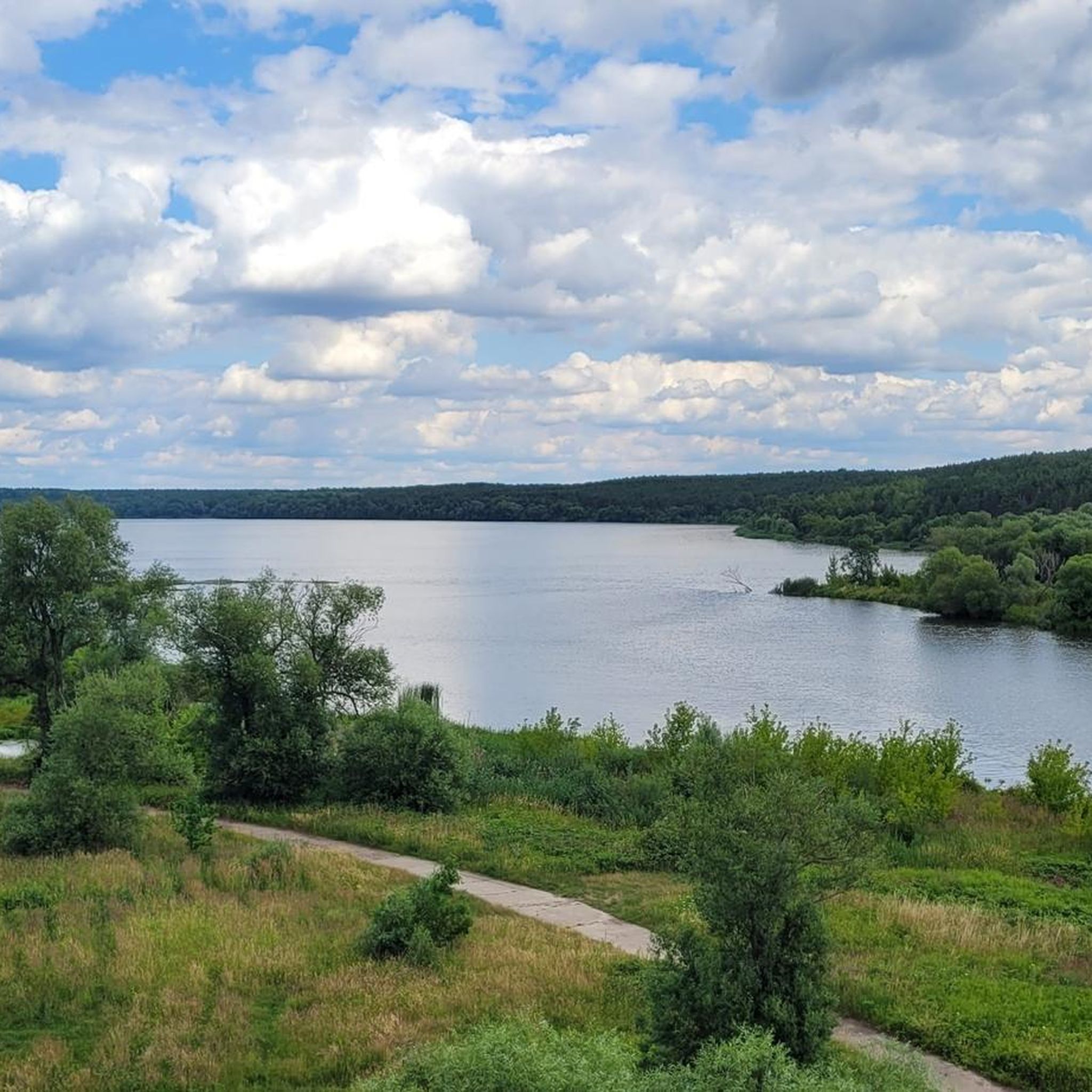
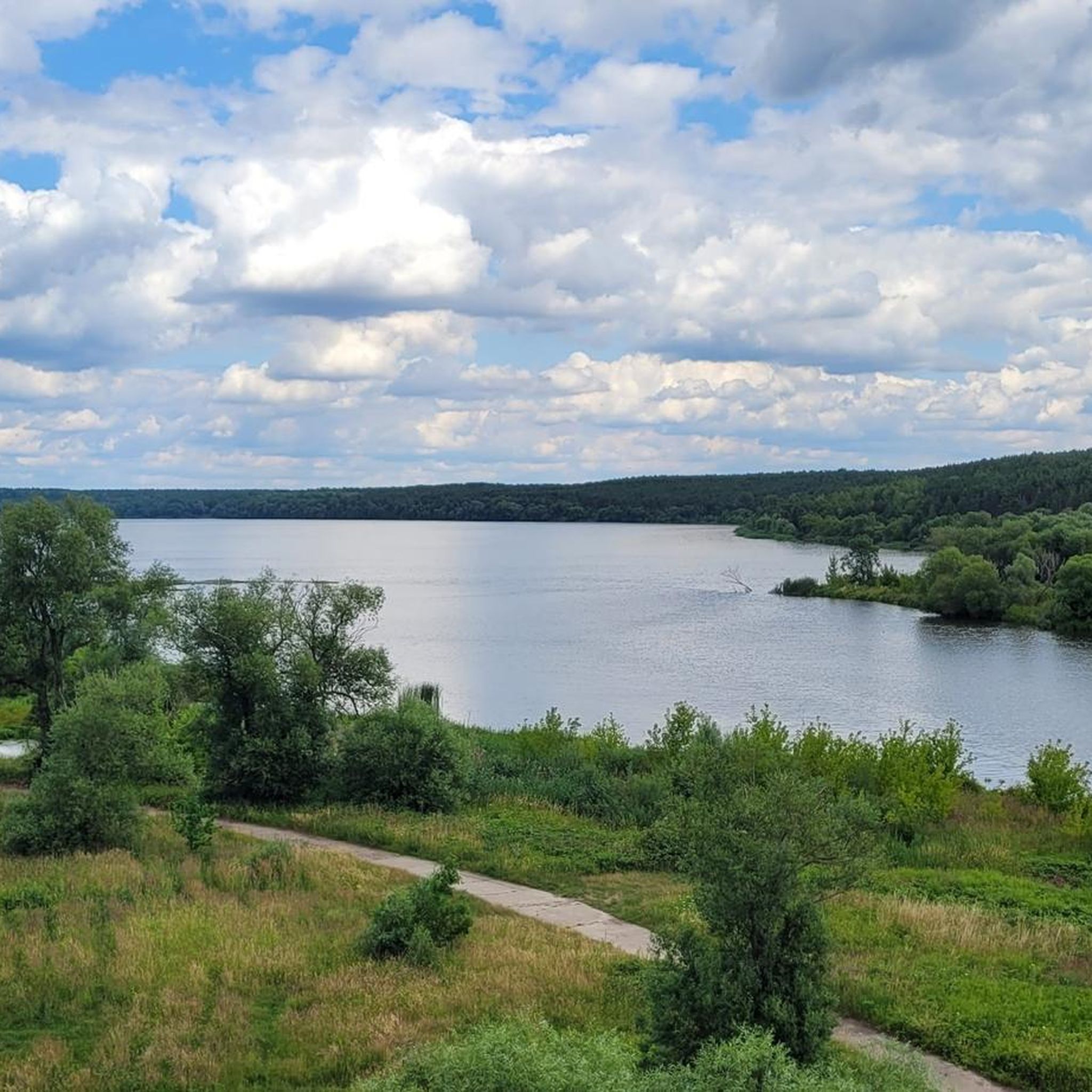
This view from the circular path onto the Goitzsche is always beautiful again.
1
0

Simply wonderful 👍
1
0
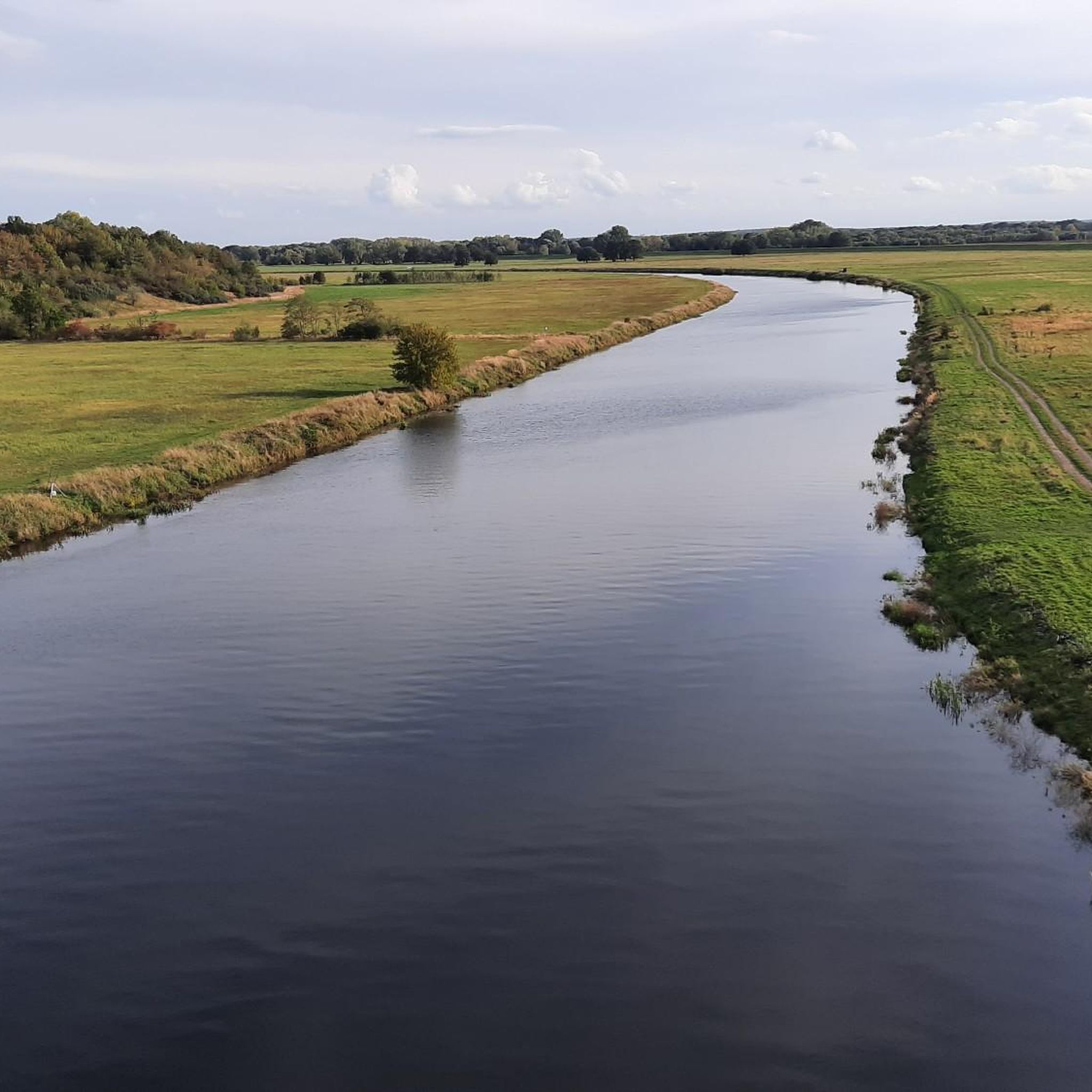
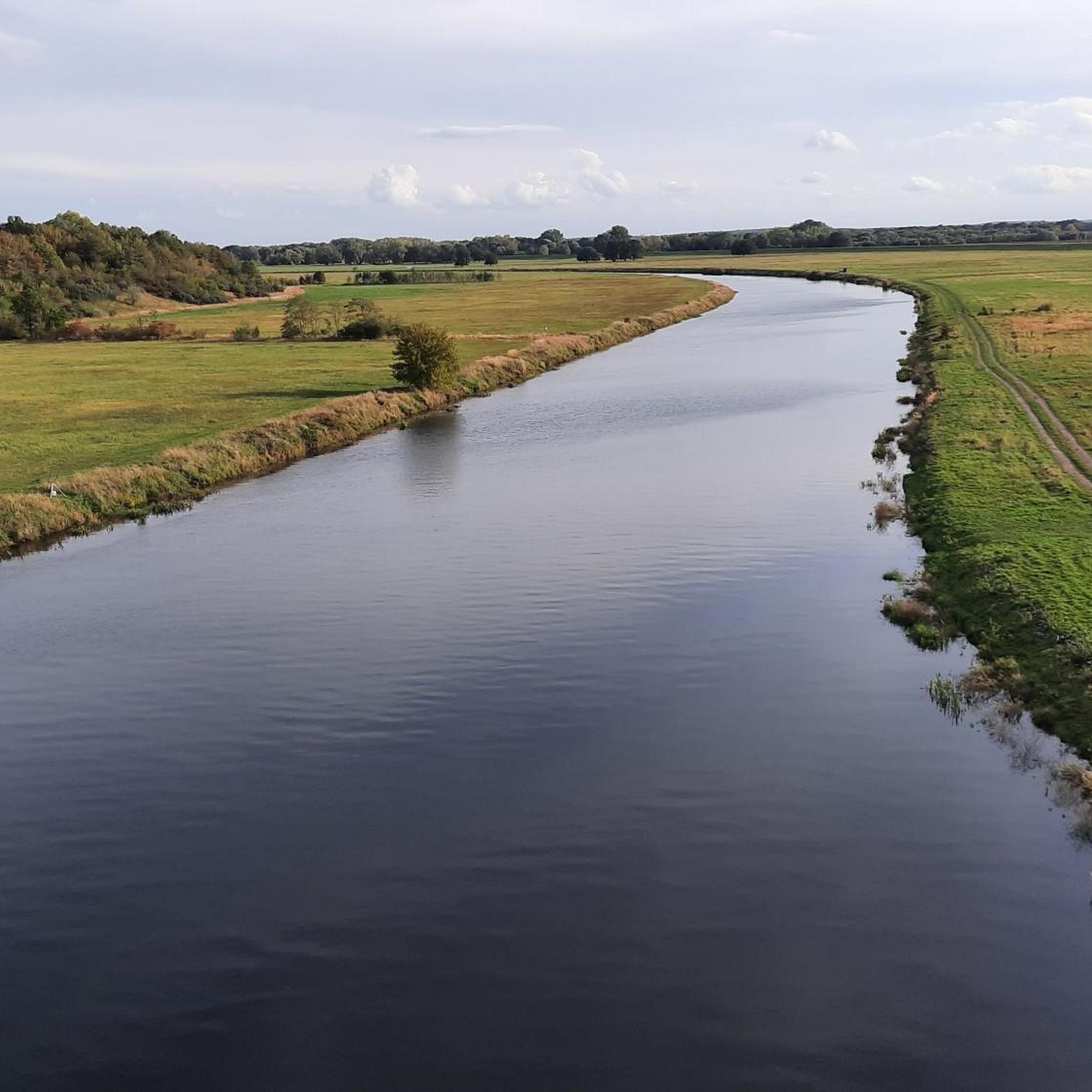
The Mulde, also known as the United Mulde or Vereinte Mulde, is a left, non-navigable tributary of the Elbe. It originates southeast of Leipzig near Sermuth (Saxony) from the confluence of two large headstreams: the longer Zwickauer Mulde and the Freiberger Mulde, which drains a larger catchment area due to its greater discharge. The river's catchment area encompasses large parts of Saxony and, in particular, the vast majority of the northern slopes of the Ore Mountains. With a discharge of approximately 73 m³/s at its mouth,[8] it is the fourth largest tributary of the Elbe. The old name for the Mulde, Milda, is translated by onomasticians as "the water-rich one."[9] The word element "Mel," referring to grinding, is sometimes associated with the name due to the numerous mills that once operated along the river. This overlooks the fact that river names represent the oldest, often Slavic or Celtic, layer of geographical names. The Mulde's name is sometimes linked to the numerous mills that once operated along its banks, but this connection overlooks the fact that river names represent the oldest, often Slavic or Celtic, layer of geographical names. Source https://de.wikipedia.org/wiki/Mulde_(Fluss)
2
0
The village of Seelhausen was buried in 1987 during the expansion of the Goitzsche open-cast mine. The Seelhausen Lake was created by flooding the remaining open-cast mine pit. It lies west of Löbnitz, south of Bitterfeld, and north of Delitzsch, in the Central German Lake District. From the end of July 2000, the lake was filled with water from the Mulde River via a pipeline at a rate of 1 m³/s[1] until the pipeline was destroyed by the Elbe River flood in 2002. Since then, the lake has been fed by the Lober-Leine Canal. According to the LMBV (Lausitz and Central German Mining Company), 96% of the planned water level had been reached by March 2004. The flooding work was completed in 2005.[1] A beach area has since been built at the flooding site, and further development of the lake as a recreational area is planned. The larger Goitzsche Lake lies northwest of the Seelhausen Lake. The lake district also includes Lake Paupitzsch, Lake Holzweißig, Lake Ludwig, Lake Neuhaus, and Lake Zöckeritz with Essigloch and Lake Auensee. The total surface area of all lakes in the former Goitzsche open-cast mine is estimated at 24 square kilometers. Lake Seelhausen is a former open-cast mine lake with a water level of 78 meters above sea level. Its storage capacity is 74 million cubic meters, with a surface area of 622 hectares. Source: https://de.wikipedia.org/wiki/Seelhausener_See
2
0
Lake Seelhausen is a former open-cast mining lake of approximately 622 hectares, formed from the former Rösa lignite mine (part of the Goitzsche). It lies mostly in the German state of Saxony and partly in Saxony-Anhalt. Source: https://de.wikipedia.org/wiki/Seelhausener_See
2
0
The outlet structure of the Löbnitz polder (Nordsachsen district) was completed today (May 12, 2022). It is an important component of the controlled polder system and is located north of Löbnitz. The structure consists of a 300-meter-long fixed overflow weir and five movable gates, known as sluices, with a total opening width of 40 meters. Normally, the sluices are closed. When the polder is flooded, the gates are only opened after the water level between the polder and the Vereinigte Mulde river has been measured. Construction of this structure began in February 2020 and cost approximately six million euros, financed by the National Flood Protection Program. Background information: During the August 2002 floods, the Vereinigte Mulde river experienced severe flooding. This revealed that the existing flood control structures near the river were causing high flow velocities and discharge depths. The dikes were overtopped and breached in several places. The Löbnitz polder now provides the Vereinigte Mulde river with the necessary floodplains. Construction of the polder has been underway since 2011. The controlled flood protection system covers an area of approximately 1,400 hectares and can hold around 15 million cubic meters of water. Floodwaters can also be channeled through the polder to reduce the flow velocity and thus prevent dike breaches and erosion. For this purpose, the existing dikes are being repaired to their current level of protection and will form the future polder dike. In the event of a major flood, the water will be channeled through the polder via reinforced inlet and outlet structures. Further information about the Löbnitz polder can be found on the following website: www.polder-loebnitz.de. Floodwater runoff can also be directed through the polder to reduce the flow velocity and thus prevent dike breaches and erosion. Source: https://www.medienservice.sachsen.de/medien/news/1044944 Source https://loebnitz-am-see.de/buerger-gemeinde/brand-und-katastrophenschutz/deichanlage-polder/
5
0
Construction of the new bridge began in 2025 and it will run parallel to the old bridge.
5
0
Frequently Asked Questions
How many touring cycling routes are available around Muldestausee?
There are nearly 600 touring cycling routes available around Muldestausee, offering a wide variety of options for different skill levels and interests. The komoot community has explored these routes over 25,000 times.
What is the typical terrain like for touring cyclists in the Muldestausee region?
The terrain around Muldestausee is generally flat to gently rolling, making it well-suited for touring cyclists. You'll primarily encounter routes that navigate transformed landscapes of former mining areas, now featuring lakes and forests, as well as floodplains along the Mulde River. Many paths are well-maintained, though some sections, especially along the Mulde Cycle Route, might be unpaved.
What natural features can I expect to see while cycling around Muldestausee?
While cycling, you'll experience the unique landscape of the Muldestausee reservoir, the third-largest body of water in Saxony-Anhalt. The region is part of the Dübener Heide Nature Park, offering views of diverse biotopes, reforested areas, and the Mulde River. Keep an eye out for local wildlife such as red deer, foxes, Elbe beavers, and various birds of prey like ospreys and white-tailed eagles. You can get excellent views from the Muldestausee Bridge.
Are there any interesting landmarks or historical sites to explore on a touring bike near Muldestausee?
Yes, the region offers several points of interest. You can cycle past the impressive Muldestausee Dam and Hydroelectric Power Plant, a testament to the area's industrial transformation. The Mulde Bridge (B100) near Pouch also offers scenic views. Further afield, the region connects to the UNESCO World Heritage Site Dessau-Wörlitz Garden Kingdom and historical industrial sites along the 'Coal | Steam | Light' route.
What do other touring cyclists say about the routes around Muldestausee?
The touring cycling routes around Muldestausee are highly rated by the komoot community, with an average score of 4.5 stars from over 6,000 reviews. Cyclists often praise the well-maintained paths, the scenic views of the lakes and forests, and the unique blend of natural beauty with the area's industrial heritage.
Are there touring cycling routes suitable for families or beginners?
Absolutely. The Muldestausee region offers a significant number of easy touring cycling routes, with nearly 400 classified as easy. These routes often feature flat terrain around the lakes, such as the Großer Goitzschesee Gauge Tower – Bitterfeld Arch loop from Pouch, making them ideal for families or those new to touring cycling.
Can I bring my dog on the touring cycling routes around Muldestausee?
Many touring cycling routes around Muldestausee are suitable for cycling with dogs, especially those on wider paths through natural areas. However, as the region is part of the Dübener Heide Nature Park and home to diverse wildlife, it's important to keep your dog on a leash and respect local regulations, particularly in protected areas or near sensitive habitats.
Are there any circular touring cycling routes around Muldestausee?
Yes, many of the touring cycling routes around Muldestausee are designed as loops, allowing you to start and end at the same point. Examples include the View of Gröberner Lake – Lake Gröbern loop from Schlaitz, which takes you through the lake district, and the Great Goitzsche Lake – Großer Goitzschesee Gauge Tower loop from Schlaitz.
What is the best time of year to go touring cycling around Muldestausee?
The best time for touring cycling around Muldestausee is typically from spring to autumn. During these seasons, the weather is generally mild, and the natural landscape is at its most vibrant. Spring brings blooming flora, while autumn offers beautiful foliage. Summer is also popular, but be prepared for warmer temperatures and potentially more visitors.
Where can I find parking for my touring cycling trip to Muldestausee?
Parking is generally available at various access points around the Muldestausee and the surrounding lakes. Popular starting points for routes, such as Schlaitz or Pouch, often have designated parking areas for visitors. It's advisable to check specific route descriptions on komoot for detailed parking information near your chosen starting point.
Are there options for public transport to reach the touring cycling routes?
While the Muldestausee region is best explored by bike, some public transport options can get you to the vicinity. Regional train services connect to nearby towns like Bitterfeld-Wolfen, from where you might be able to cycle to the lake. Bus services also operate within the Muldestausee municipality, though their frequency and bike-carrying capacity may vary. Planning your journey in advance is recommended.
Are there any cafes or places to stop for refreshments along the touring cycling routes?
Yes, as a popular recreational area, Muldestausee offers several opportunities for refreshments. You'll find cafes and restaurants in the villages surrounding the lake, as well as some establishments directly on the lakeside, particularly on the north shore. These spots provide ideal breaks during your touring cycling adventure.
Most popular routes around Muldestausee
Most popular attractions around Muldestausee

Get inspired with the komoot mobile app


Explore more
Browse the best Cycling routes in other regions.
