The best MTB trails around Muldestausee
4.6
(452)
1,435
riders
134
rides
Mountain biking around Muldestausee offers routes through a landscape shaped by its past as a lignite mining area, now transformed into diverse natural settings. The region features extensive water bodies, including the Muldestausee reservoir, and borders the Dübener Heide Nature Park, providing a mix of forests and open terrain. This reclaimed industrial landscape offers a unique backdrop for cycling, with trails winding through reforested areas and along the Mulde River. The varied topography includes gentle gradients around the lakes and…
Last updated: June 27, 2026
5.0
(6)
17
riders
Easy mountain bike ride. Great for any fitness level. Suitable for all skill levels.
5.0
(2)
6
riders
46.3km
03:11
200m
200m
Moderate mountain bike ride. Good fitness required. Suitable for all skill levels.

Sign up for free
5.0
(3)
6
riders
49.6km
03:09
170m
170m
Moderate mountain bike ride. Good fitness required. Advanced riding skills necessary.
1.0
(1)
3
riders
Moderate mountain bike ride. Great for any fitness level. Advanced riding skills necessary.
5.0
(5)
33
riders
34.2km
01:59
100m
100m
Easy mountain bike ride. Great for any fitness level. Suitable for all skill levels.
Get access to more routes and recommendations from other explorers.
Sign up for free
Already have an account?
Our route recommendations are based on thousands of hikes, rides, and runs completed by other people on komoot.
Start today with a free account
Your next adventure awaits.
Login or Signup
Tips from the Community

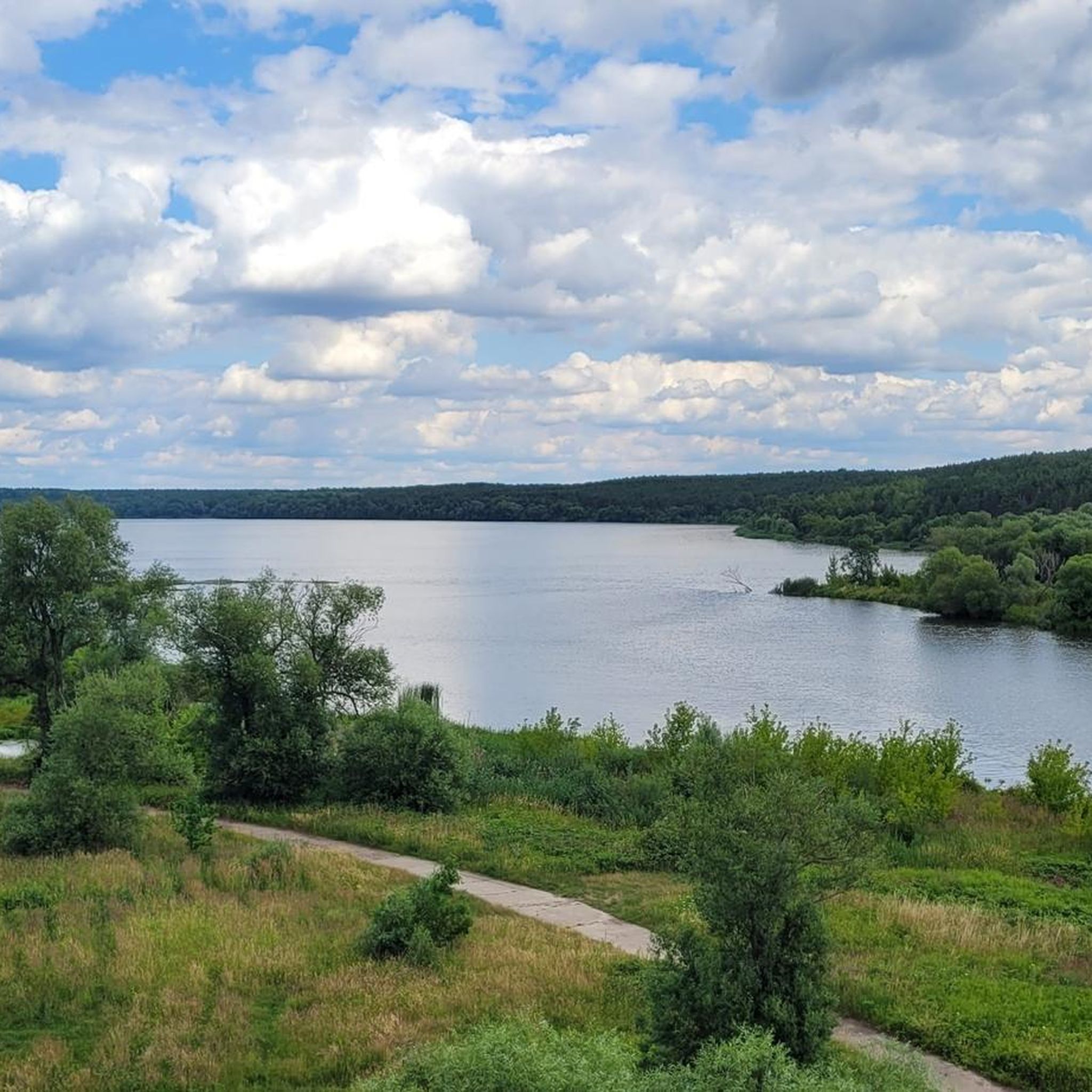
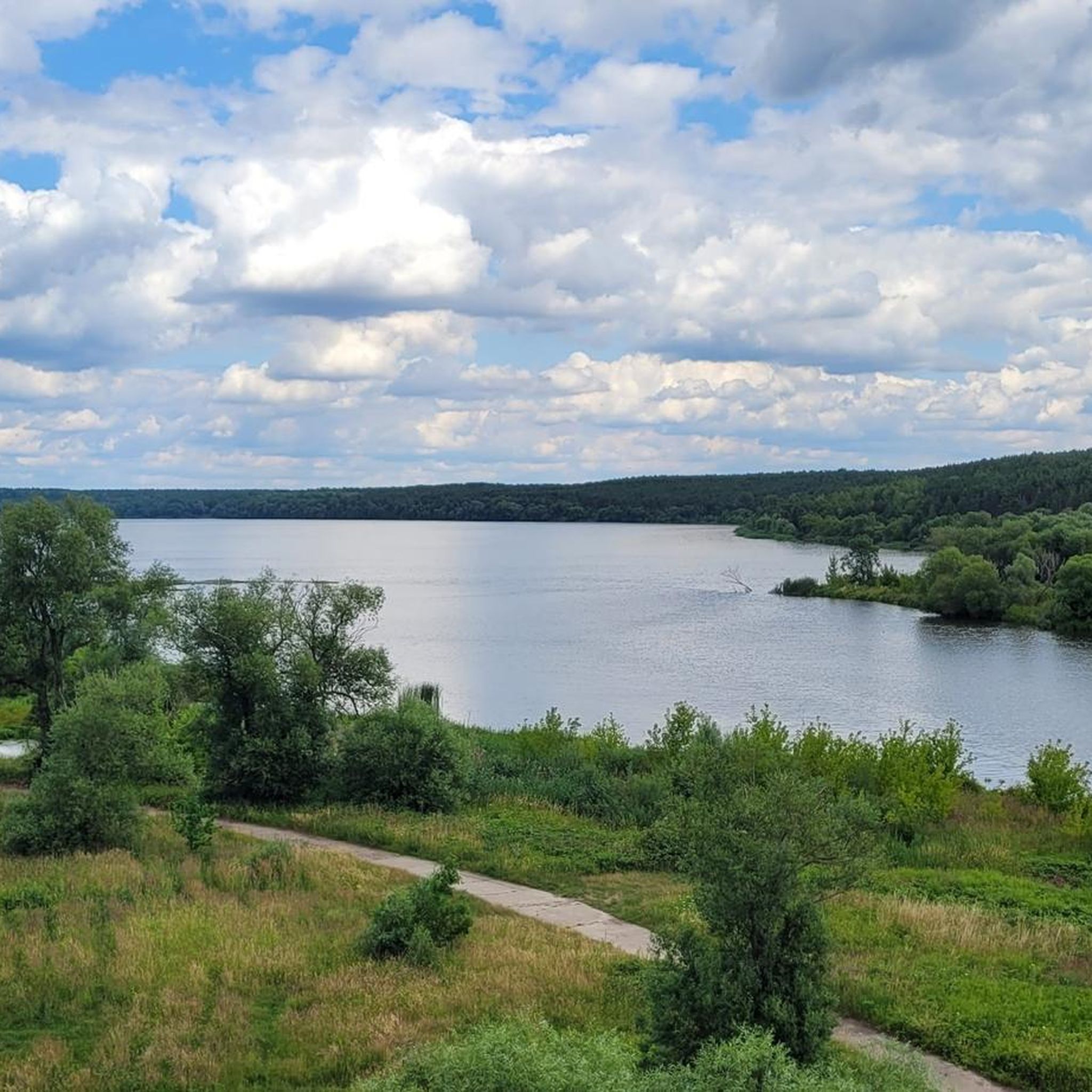
This view from the circular path onto the Goitzsche is always beautiful again.
1
0
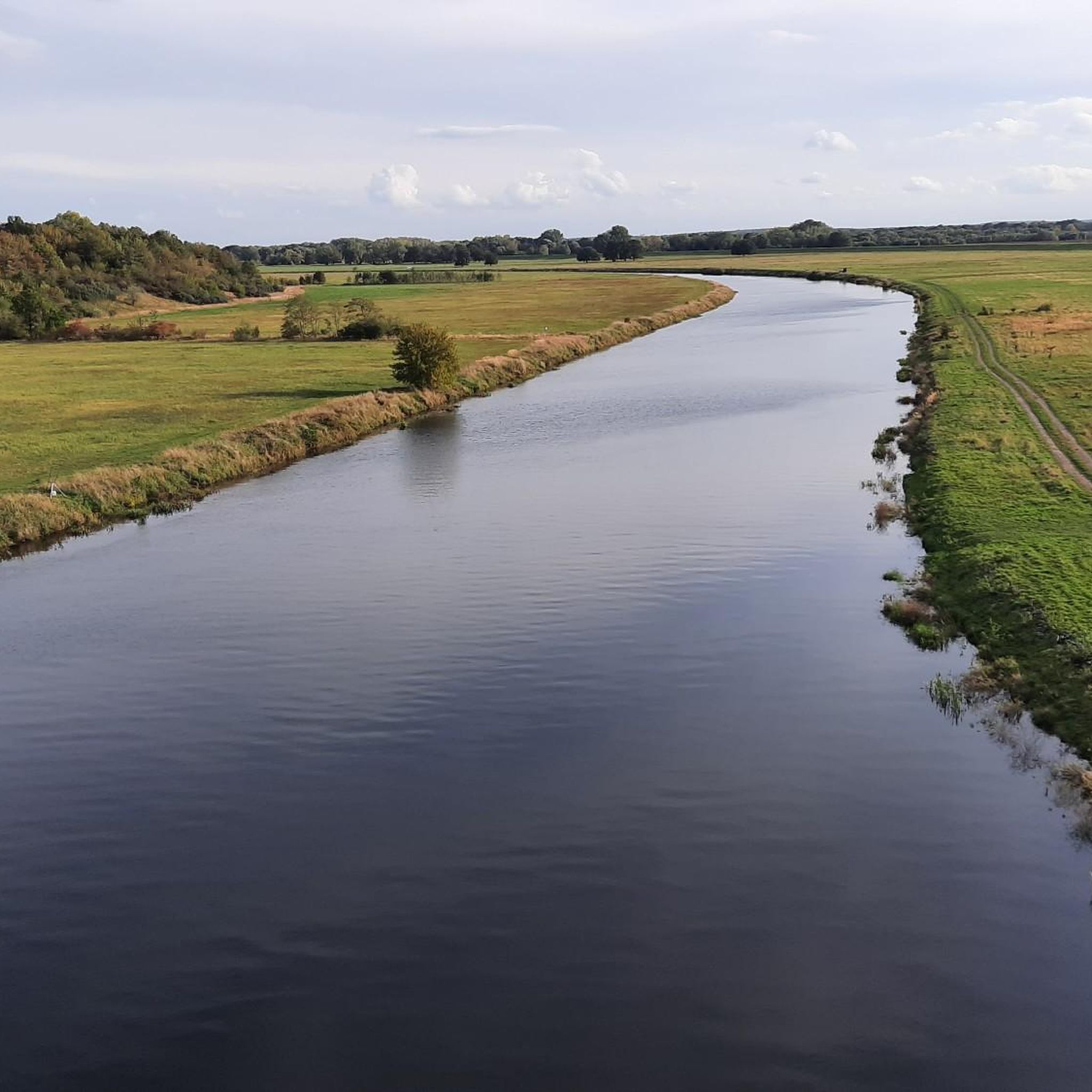
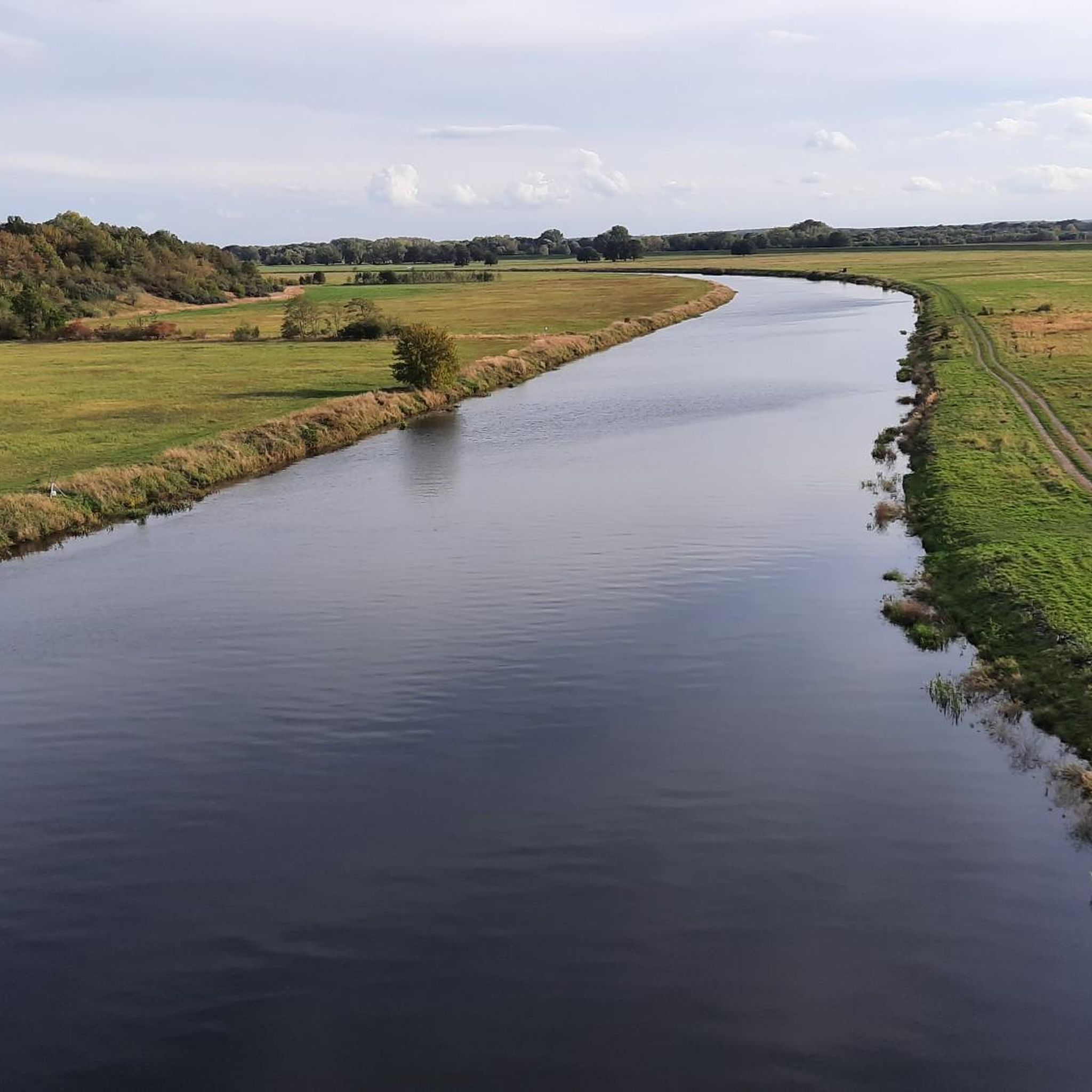
Beautiful view of the Alte Mulde river from the Mulde cycle path.
2
0
Magnificent view of the Mulde from the bridge
7
0

Ferropolis (Greek-Latin ferro and polis "iron city") is an industrial museum and event venue in Gräfenhainichen, east of Dessau-Roßlau, on a peninsula in Lake Gremmin, the former Golpa-Nord open-cast mine.[1][2] Ferropolis is an anchor point of the European Route of Industrial Heritage (ERIH). Originally, the workshops, power supply, and social facilities of the Golpa-Nord open-cast mine, part of the Bitterfeld mining district, were located here. Until 1955, a mine railway line connected Bergwitz with the Zschornewitz power station. Parts of the abandoned railway embankment were later used as an access road for the Golpa-Nord lignite open-cast mine and later for the connection to Ferropolis. The mine railway and the current connecting tracks for Ferropolis were built parallel to this former railway line. After the closure of the open-cast mine in 1991, the idea of bringing together and using the large machinery remaining on the site as a museum on a remaining pillar projecting into the open-cast mine, today's peninsula, was born, based on a diploma thesis submitted to the Bauhaus Dessau Foundation in 1992 by the architect Martin Brück.[3] In addition to the Bauhaus Foundation, the Expo 2000 Society Saxony-Anhalt GmbH and the Lusatian and Central German Mining Administration Company were involved in the design of the site, which was designated as a regional project for Expo 2000.[4][5] The official founding of the "City of Iron" was completed with the unveiling of the town sign by the then Minister of Economic Affairs of Saxony-Anhalt, Klaus Schucht, on December 14, 1995.[6] Ferropolis opened to the public in July 2000. The opening gala concert was conducted by Greek composer Mikis Theodorakis; the accompanying light show was staged by Gert Hof.[7] Bauhaus and Expo-Gesellschaft withdrew from the operating company Ferropolis GmbH at the end of 2001;[8] The current main shareholder (2019) is the city of Gräfenhainichen.[9] In 2004, extensive renovation work was carried out on the large-scale equipment. The connection to Ferropolis was renewed in 2005. In December 2005, Ferropolis was officially included in the European Route of Industrial Heritage. Since April 22, 2006, the Gräfenhainichen registry office has operated a branch office for weddings in the disused control room of the Golpa-Nord open-cast mine. Ferropolis can also be reached by museum trains from the former Zschornewitz narrow-gauge railway. An industrial museum has been established in the former Zschornewitz coal-fired power plant as a testament to coal-fired power generation. On July 6, 2013, one of five parallel concerts titled "Together Against the Flood - We Say Thank You" by the radio station MDR Jump was held in Ferropolis. The occasion was the regional impact of the 2013 floods in Central Europe.[10] Source: Wikipedia
0
0

A beautiful photo opportunity. Sometimes decorated as a candle during the Christmas season. Across the street on the shore are bars and restaurants and a playground. It's quite busy in good weather.
0
0

The staircase construction is also impressive. Don't be fooled, it's a double whammy. I only noticed it when I came down, and my head was confused for a moment. 🤣
0
0
And so, only groups go down to the operating room. It's 7.5 meters below the water level of the Mulde, explains Martin Hilgert, the plant's technical director. That seems to be the cue for Karsten, as he looks up skeptically. But his attention is already drawn to two colorfully designed giant pipes. These turbines are capable of generating around 4.5 million kilowatt hours of electricity per year. That's enough to supply approximately 1,800 households for a year, according to Hilgert. It's not easy for him, as he has to use his voice to force the noise of the machines down here. 20 cubic meters of water flow through each turbine per second. Normally. Now, however, the power is throttled; the water level in the Mulde is low, explains the expert. "Two to three cubic meters of water are needed as a minimum for energy generation. And then it all depends on the gradient. Without that, it wouldn't work; mathematicians knew that a thousand years ago." So, during floods, nothing works. Source: https://www.mz.de/lokal/bitterfeld/kraftprotze-unter-dem-fluss-2531765
5
0
Frequently Asked Questions
How many mountain bike trails are available around Muldestausee?
There are over 140 mountain bike trails around Muldestausee listed on komoot, offering a wide range of options for different skill levels and preferences. The komoot community has highly rated these routes, with an average score of 4.6 stars.
What kind of terrain can I expect on mountain bike trails in Muldestausee?
The terrain around Muldestausee is diverse, shaped by its past as a lignite mining area. You'll find trails winding through reclaimed industrial landscapes, extensive reforested areas, and along the shores of the Muldestausee reservoir. The region also borders the Dübener Heide Nature Park, offering a mix of forests and open terrain with gentle gradients around the lakes and more undulating paths within the nature park.
Are there easy mountain bike trails suitable for beginners or families in Muldestausee?
Yes, Muldestausee offers a good selection of easy mountain bike trails. For instance, the View of Lake Goitzsche – Großer Goitzschesee Gauge Tower loop from Schlaitz is an easy 28 km route that provides scenic views without significant climbs. Another accessible option is the Bitterfeld Arch – Großer Goitzschesee Gauge Tower loop from Pouch, which is also easy and explores the Goitzschesee area.
What are some notable landmarks or viewpoints I can see while mountain biking in Muldestausee?
Muldestausee offers several interesting landmarks and viewpoints. You can enjoy panoramic perspectives from the View of the Mulde River and the Muldestausee from the Muldestausee Bridge. The Red Tower (Roter Turm) in Pouch, a 13th-century castle remnant, also provides sweeping views of the lake and surrounding landscape. Additionally, the Muldestausee (Mulde Reservoir) itself is a central feature, offering serene natural beauty.
Are there any longer or more challenging mountain bike routes for experienced riders?
While many routes are easy to moderate, there are options for longer rides. The Boat harbor – Großer Goitzschesee Marina loop from Pouch is a moderate 46.4 km trail that takes around 3 hours 11 minutes to complete, leading through extensive water bodies and reclaimed areas. For even more challenging options, komoot lists a few difficult trails, though the majority are easy or moderate.
Can I find circular mountain bike routes around Muldestausee?
Yes, many of the mountain bike trails around Muldestausee are designed as circular routes, allowing you to start and end at the same point. Examples include the View over Gremminer Lake – View of Gröberner See loop from Pouch, a moderate 49.6 km loop, and the View of Muldestausee – Blue Lake loop from Mühlbeck, an easy 21.8 km option.
What is the best time of year to go mountain biking in Muldestausee?
Muldestausee is enjoyable for mountain biking throughout much of the year. Spring and autumn offer pleasant temperatures and vibrant scenery, with fewer crowds than peak summer. Summer is also popular, especially for combining biking with water sports on the lake. Winter can be an option if trails are clear of snow and ice, but conditions should be checked locally.
Are there mountain bike trails in Muldestausee that are dog-friendly?
Many trails in the Muldestausee region, particularly those through forests and along the lake, are suitable for cycling with dogs, provided they are well-behaved and kept on a leash where required. Always be mindful of local regulations, wildlife, and other trail users, especially in the Dübener Heide Nature Park.
Is there public transport access to the mountain bike trails in Muldestausee?
Public transport options to Muldestausee exist, connecting to nearby towns. However, direct public transport access to specific trailheads with bike carriage can vary. It's advisable to check local bus and train schedules, especially those serving towns like Pouch, Schlaitz, or Mühlbeck, and confirm their bike transport policies before planning your trip.
Where can I find parking for mountain biking in Muldestausee?
Designated parking areas are available at various points around Muldestausee and the Goitzschesee, particularly near popular access points, marinas, and villages like Pouch, Schlaitz, and Mühlbeck. These often serve both visitors to the lakes and trail users. Look for signs indicating public parking or specific trailhead parking.
Are there cafes or amenities along the mountain bike routes in Muldestausee?
Yes, especially around the main lake areas and in the villages bordering Muldestausee, you'll find cafes, restaurants, and other amenities. The
What makes mountain biking in Muldestausee unique compared to other regions?
Mountain biking in Muldestausee offers a unique experience due to its landscape, which has transformed from a former lignite mining area into a diverse natural setting. This creates a distinctive backdrop of reclaimed industrial heritage blended with extensive water bodies like the Mulde Reservoir and the forests of the Dübener Heide Nature Park. This blend provides a fascinating and varied environment for cycling.
Most popular routes around Muldestausee
Most popular attractions around Muldestausee

Get inspired with the komoot mobile app


Explore more
Browse the best MTB trails in other regions.
