Olympic National Forest
Olympic National Forest
The 11 Most Amazing Peaks in Olympic National Forest
Best mountain peaks in Olympic National Forest are characterized by their diverse terrain and significant elevation changes. This region, part of the broader Olympic Mountains, features a range of natural landscapes from forested slopes to alpine summits. It offers numerous opportunities for exploration, with 11 distinct peaks to discover. The area provides a variety of experiences for those seeking to engage with its natural features.
Best mountain peaks in Olympic National Forest
- The most popular mountain peaks is Mt. Muller…
Last updated: June 24, 2026
Mount Townsend
Highlight • Summit
Tip by

Mount Walker North Viewpoint
Highlight • Viewpoint
Tip by

Sign up now to discover places like this
Get recommendations on the best single tracks, peaks, & plenty of other exciting outdoor places.
Sign up for free
Mt. Muller Peak
Highlight • Summit
Tip by

Mount Zion
Highlight • Summit
Tip by
Mt. Zion Trail #836
Highlight (Segment) • Trail
Tip by
Sign up for free to discover even more peaks in Olympic National Forest.
Sign up for free
Already have an account?
Start today with a free account
Your next adventure awaits.
Login or Signup
Tips from the Community

The climb up can be a challenge, but the rewards are well worth it. From this viewpoint, you're treated to stunning 360 views. To the west, you'll catch a glimpse of Mt. Jupiter, the nearest high peak to Hood Canal. Further on, Mt. Constance stands as the third-highest peak in the Olympics, with its awe-inspiring rock faces. On exceptionally clear days, you'll even spot Mt. Baker to the northeast, the state's fourth-highest peak with a remarkable glacial system.
0
0

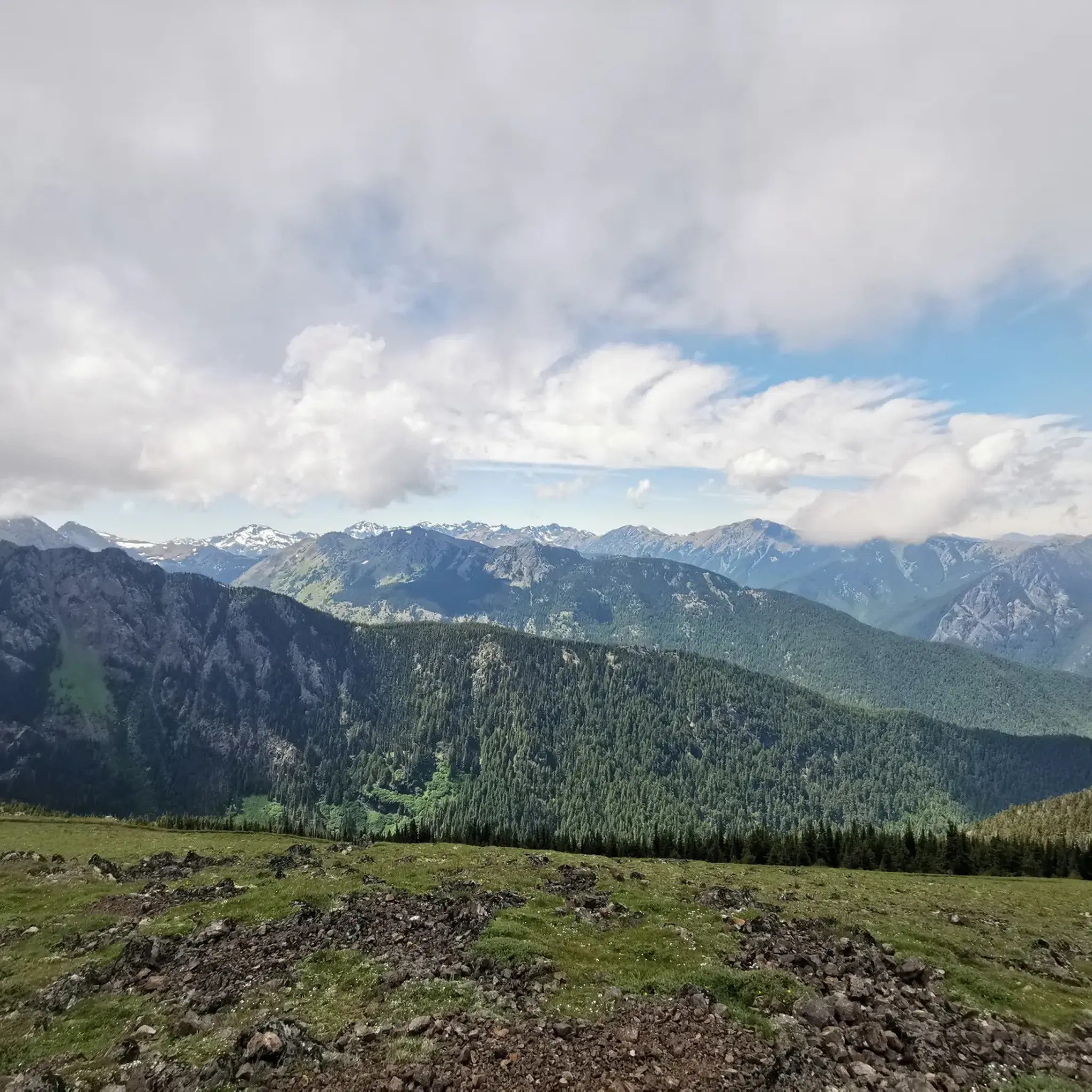
Mount Townsend is a widely popular destination for good reason. This beautiful alpine turtleback summit surrounded by the Welch Peaks offers panoramic views of the San Juans to the north across the Straight, the Olympics to the west, and east across the Sound to the Cascades. In the spring, there are lots of rhododendrons and wildflowers in bloom. You can even see a few waterfalls tucked away in the old-growth forest.
0
0
Mount Zion is among the most northeastern peaks in the Olympic National Forest, where you can catch glimpses of Mt. Baker, Mt. Shuksan and Mt. Rainier through the trees. There is a rocky ridge a tenth of a mile northwest from the summit that is worthy of a photo. The ridge drops off to the southwest, where you can see evidence that it was once a popular rock climbing destination by a few old bolts scattered around. The views from here are somewhat limited; however, the Snow Creek Trail connects to the Mt. Zion Trail, and if you follow it for about a half mile, you can see fantastic views of Mt. Townsend, the Olympic Mountains and Gray Wolf Ridge.
0
0
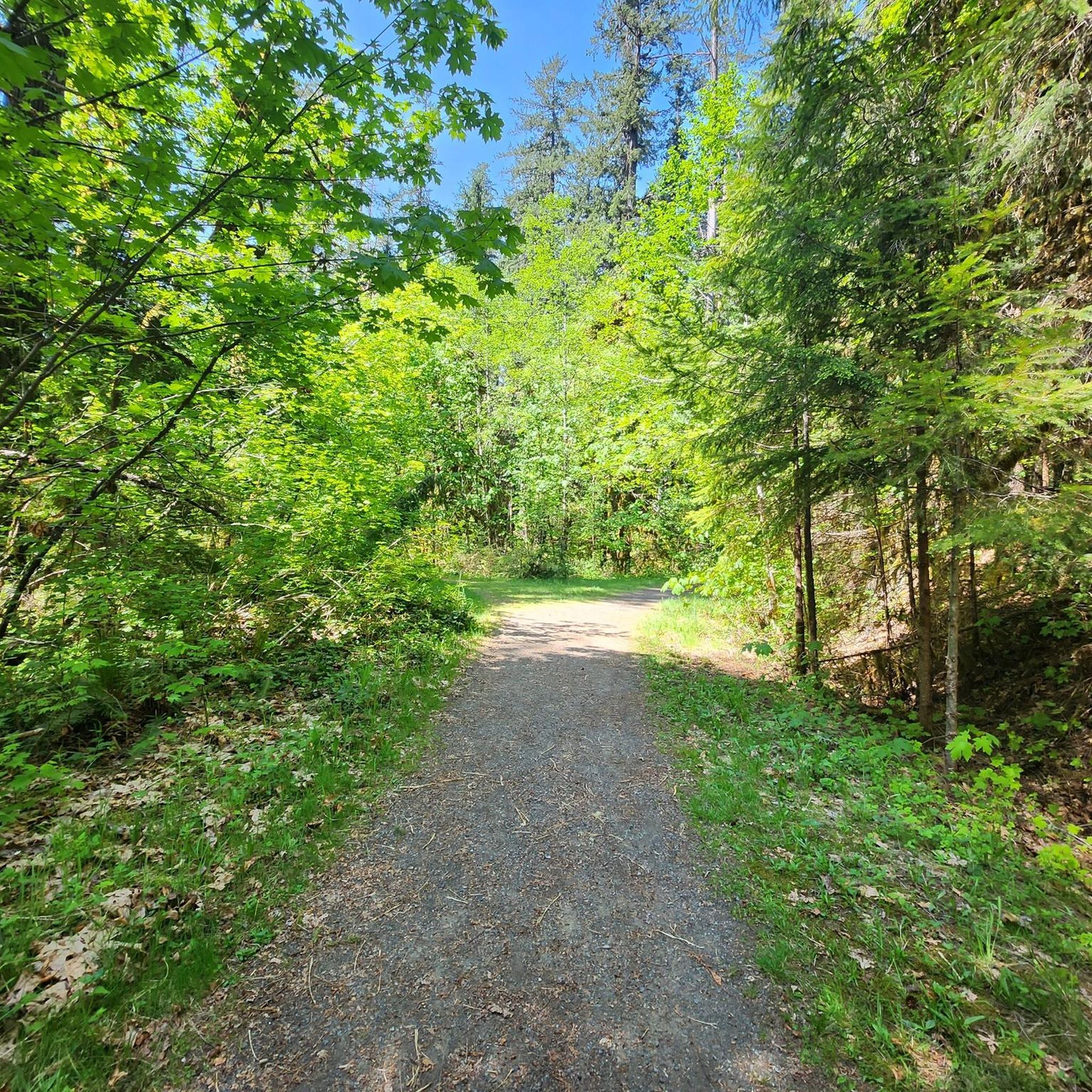
This trail takes you on a relatively steady climb to the top of Mount Zion. When you reach the last .08 miles of the route, the path levels off before increasing in elevation, similar to stairs, for a nice challenge. Along the way, there are a few side trails with beautiful viewpoints. If you explore these during your run, be cautious, as these spots have drop-offs. Once you reach the summit, this trail connects to the Snow Creek Trail, where you can catch some fantastic views of Mt. Townsend on a clear day.
0
0
The climb up can be a challenge, but the rewards are well worth it. From this viewpoint, you're treated to stunning 360 views. To the west, you'll catch a glimpse of Mt. Jupiter, the nearest high peak to Hood Canal. Further on, Mt. Constance stands as the third-highest peak in the Olympics, with its awe-inspiring rock faces. On exceptionally clear days, you'll even spot Mt. Baker to the northeast, the state's fourth-highest peak with a remarkable glacial system.
0
0

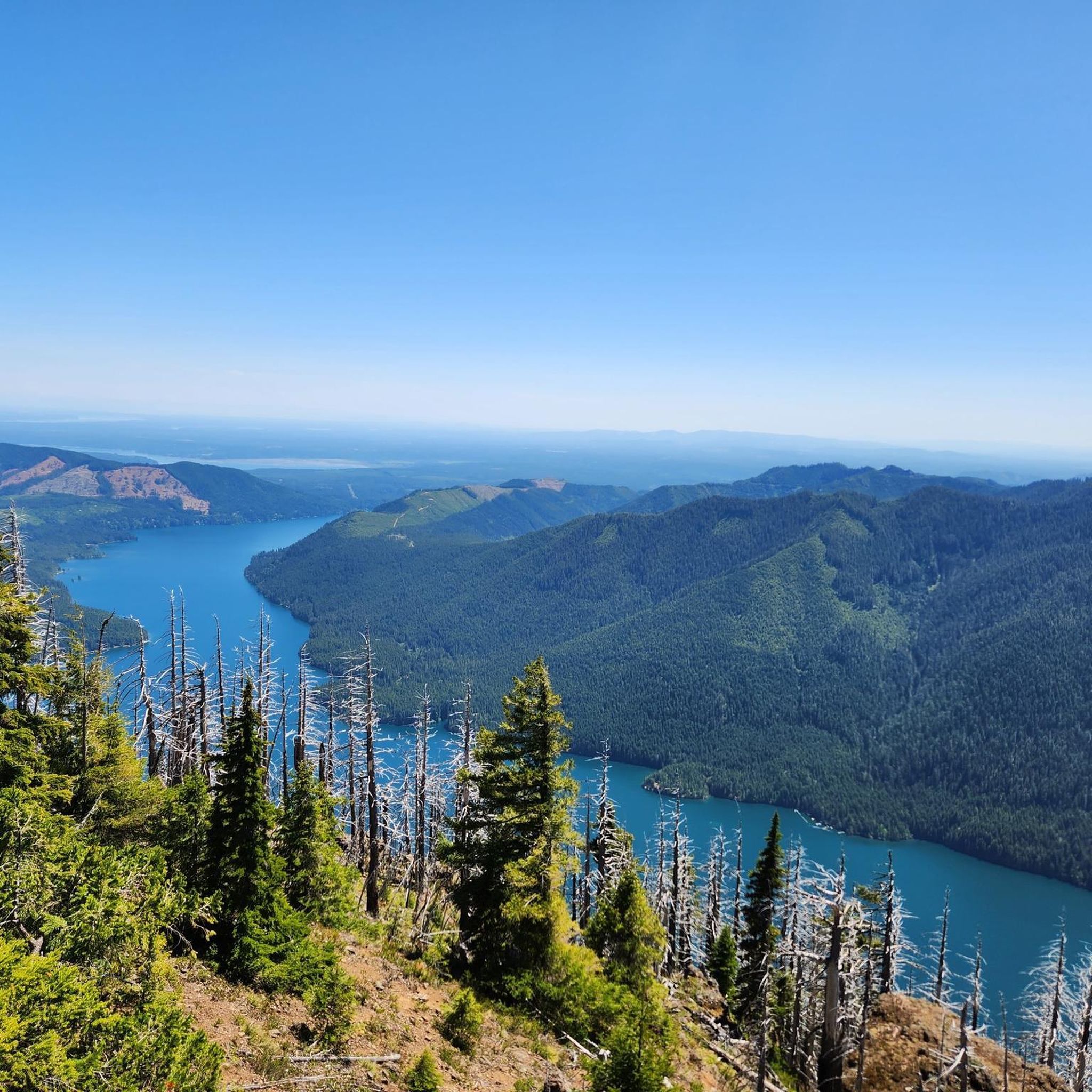
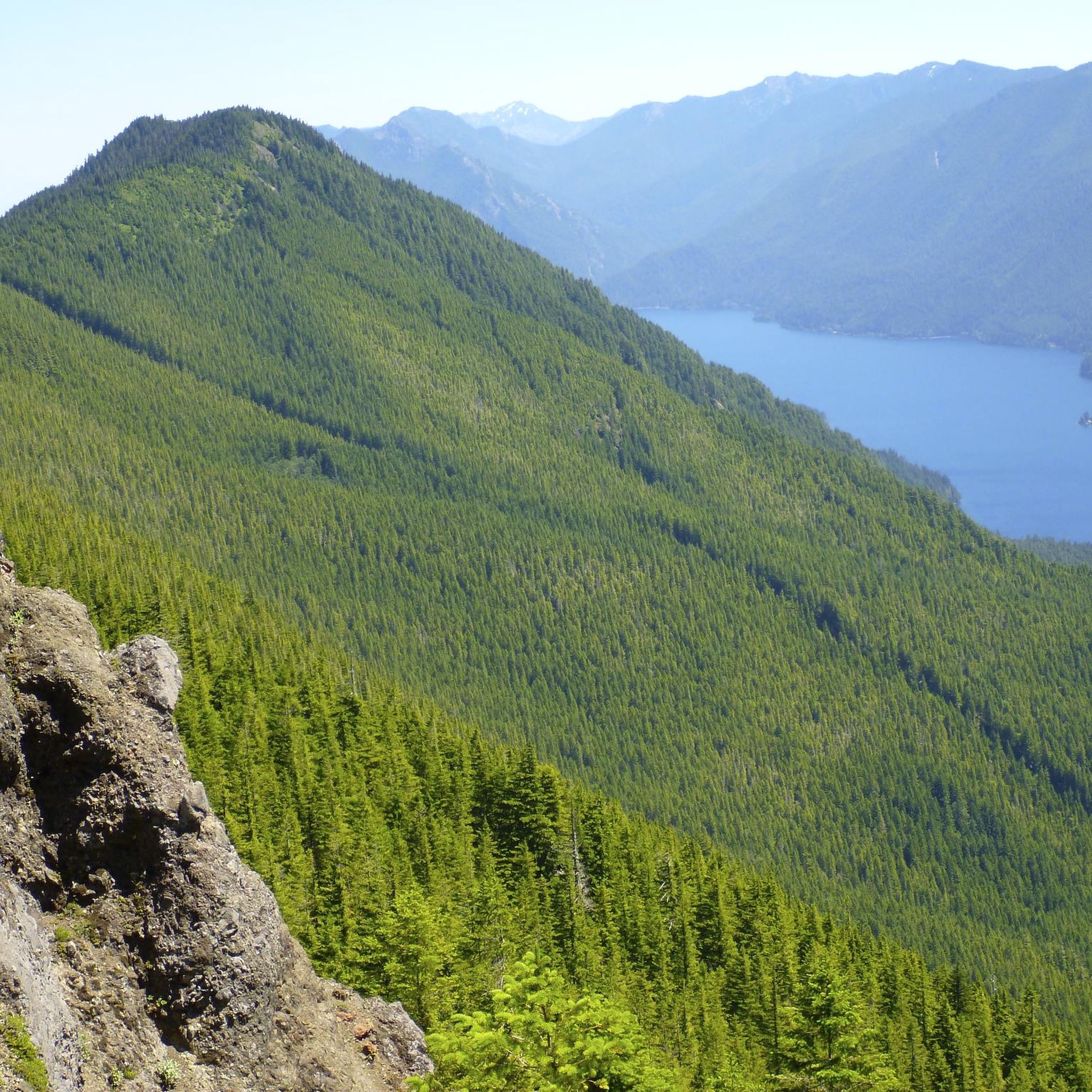
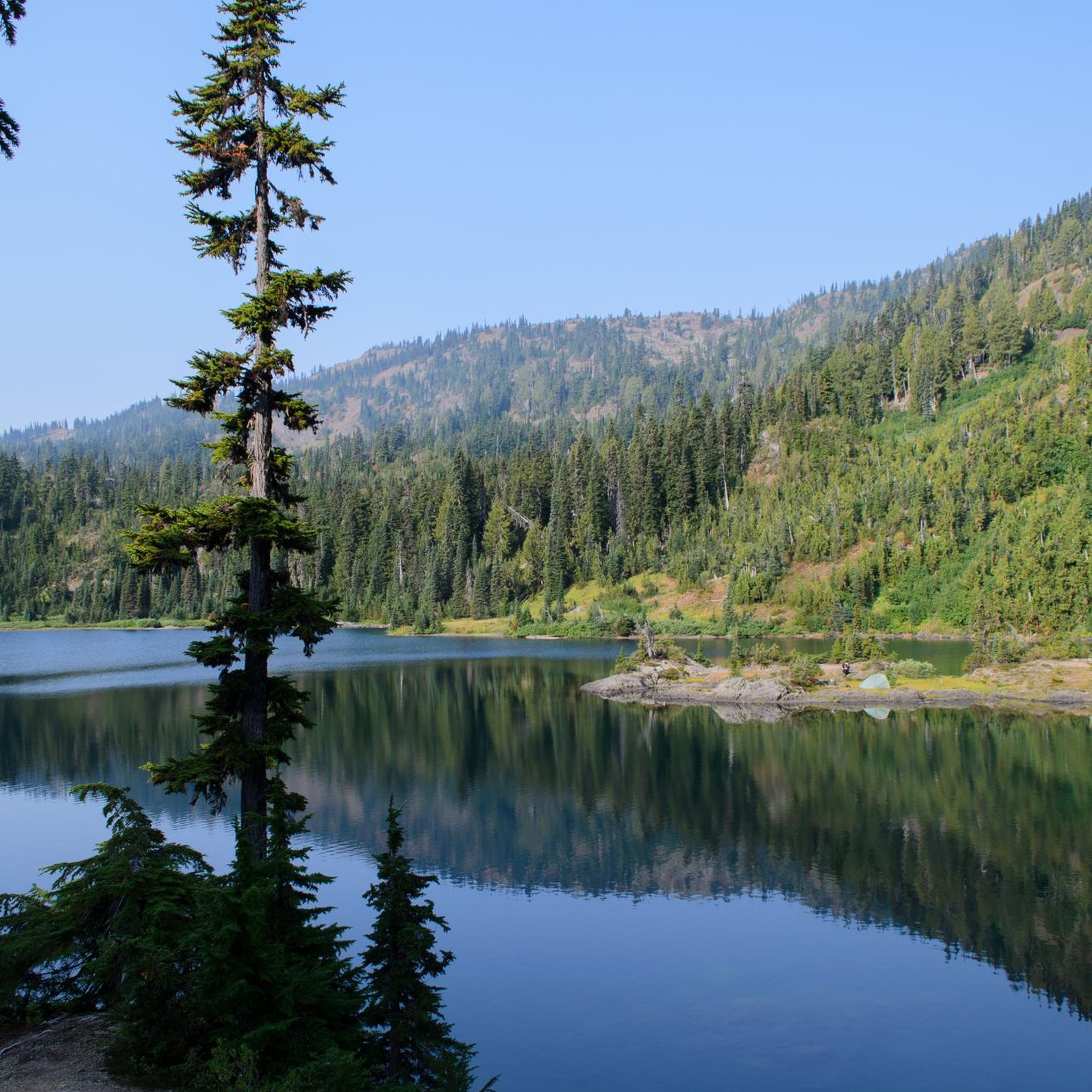
Are you ready to work for some breathtaking views on Strait of Juan de Fuca, massive Mount Olympus, and sapphire Lake Crescent? Then the hike to the summit of Mount Muller at 3,748 feet is for you. Note that the only water source is Littleton Creek right after your start at Littleton Horse Camp, so bring plenty of water for this challenging, but rewarding hike.
1
0

Magnificient view! On a clear day you can see Mt. Olympus, Lake Crescent and the Sol Duc Valley from the mountaintop.
1
0
Frequently Asked Questions
Which are the most popular mountain peaks in Olympic National Forest?
Among the most popular peaks in Olympic National Forest are Mt. Muller Peak, which offers expansive views of Mount Olympus, Lake Crescent, and the Strait of Juan de Fuca. Another favorite is Mount Townsend, known for its panoramic views of the San Juan Islands, the Olympics, and the Cascades. Mount Walker North Viewpoint also provides stunning 360-degree vistas, including Mount Jupiter and Mount Constance.
What kind of views can I expect from the mountain peaks in the Olympic National Forest region?
From peaks like Mt. Muller Peak, you can see iconic landmarks such as Mount Olympus, Lake Crescent, and the Sol Duc Valley. Mount Townsend offers broad views stretching from the San Juan Islands to the Cascades. From Mount Walker North Viewpoint, you can often spot Mount Jupiter, Mount Constance, and on clear days, even Mount Baker.
Are there accessible mountain peaks or viewpoints for all skill levels in the Olympic Mountains?
Yes, for easy accessibility, Hurricane Ridge in Olympic National Park is reachable by car and offers panoramic views of the Olympic Range, including Mount Olympus. For a well-maintained trail with superb views, Mount Ellinor is a popular choice. Peaks like Mount Townsend and Mt. Muller Peak in Olympic National Forest offer intermediate challenges with rewarding vistas.
What are some challenging mountain climbs in the Olympic Mountains?
For experienced mountaineers, Mount Olympus is a highly challenging ascent known for its extensive glaciation. Mount Deception, the second-highest peak, requires mountaineering skills due to steep, exposed sections and loose rock. Mount Constance is also considered one of the most difficult peaks to climb, with routes ranging from Class 3 to mid-Class 5. Mount Anderson involves multi-day backpacking and climbing trips into the Olympic interior.
When is the best time to visit the mountain peaks in the Olympic National Forest?
The best time to visit generally depends on your activity. For hiking and clear views, late spring through early fall (May to October) is ideal. Spring brings blooming rhododendrons and wildflowers to areas like Mount Townsend. For winter activities like skiing and snowshoeing, Hurricane Ridge is a popular destination.
Are there family-friendly mountain hikes in the Olympic National Forest?
While many peaks offer challenging ascents, there are options for families. Hurricane Ridge provides accessible nature trails and stunning views without strenuous climbing. For specific trails, you can explore the Hiking in Olympic National Forest guide, which includes routes like the easy Quinault Loop Trail.
What unique natural features can be found among the Olympic Mountain peaks?
The Olympic Mountains are known for their diverse features. Mount Olympus boasts several large glaciers, including the Hoh and Blue Glaciers. Mount Deception and Mount Constance, while receiving less precipitation, still harbor small glaciers. Mount Anderson is hydrologically significant, feeding three different bodies of water. Areas like Royal Basin near Mount Deception offer spectacular high-country scenery, and Mount Townsend is known for its spring wildflowers and waterfalls.
What outdoor activities can I do near the mountain peaks in Olympic National Forest?
Beyond peak bagging, the area offers a variety of outdoor activities. You can find numerous hiking opportunities, including easy routes like the Quinault Loop Trail or more moderate options like the Lower Lena Lake Trail, detailed in the Hiking in Olympic National Forest guide. Cycling is also popular, with routes around Lake Crescent and Wynoochee Lake, as highlighted in the Cycling in Olympic National Forest guide.
Are there specific trails to reach the summits in Olympic National Forest?
Yes, for instance, the Mt. Zion Trail #836 offers a relatively steady climb to the top of Mount Zion, with side trails providing viewpoints. The hike to Mt. Muller Peak is a challenging but rewarding ascent. Many peaks have established trails, though some, especially the higher ones in Olympic National Park, require off-trail navigation and mountaineering skills.
What wildlife might I encounter on mountain trails in the Olympic National Forest?
Wildlife encounters are common in the Olympic Mountains. On Mount Ellinor, for example, you might spot various animals. The diverse ecosystems, from forested slopes to alpine summits, support a range of species. Always be aware of your surroundings and practice Leave No Trace principles to protect the local wildlife.
What do visitors enjoy most about the mountain peaks in Olympic National Forest?
Visitors consistently praise the magnificent and breathtaking views from the summits. The panoramic vistas, often including distant mountains like Mount Olympus and Mount Baker, as well as bodies of water like Lake Crescent and the Strait of Juan de Fuca, are a major draw. The challenge of the climbs and the beauty of the alpine environments, especially with wildflowers in spring, are also highly appreciated.
Most popular routes in Olympic National Forest
Most popular attractions in Olympic National Forest

Get inspired with the komoot mobile app


Explore more
See even more amazing summits in Olympic National Forest with these guides:
