Attractions and Places To See in Olympic National Forest - Top 20
Best attractions and places to see in Olympic National Forest include diverse natural landscapes, from lush rainforests to significant natural monuments. This region is characterized by its dense forests, rivers, and historical sites, offering a range of outdoor experiences. It encompasses areas with ancient trees, waterfalls, and trails that highlight its ecological significance. The Olympic National Forest provides opportunities to explore varied terrain and discover unique natural features.
Best attractions and places to see in Olympic National Forest
- The most…
Last updated: July 6, 2026
Madison Falls
Highlight • Waterfall
Tip by

The World's Largest Sitka Spruce
Highlight • Natural Monument
Tip by
Sign up now to discover places like this
Get recommendations on the best single tracks, peaks, & plenty of other exciting outdoor places.
Sign up for free
Sol Duc River
Highlight • River
Tip by

Ranger Hole Trail
Highlight (Segment) • Trail
Tip by

Rainforest Nature Trail
Highlight (Segment) • Trail
Translated by Google •
Tip by

Sign up for free to discover even more attractions in Olympic National Forest.
Sign up for free
Already have an account?
Start today with a free account
Your next adventure awaits.
Login or Signup
Tips from the Community

Fantastic
0
0

The western stretch of the Olympic Discovery Trail crosses over and follows the Sol Duc River (Quileute for sparkling waters) for many miles. Rising in the Olympic Mountains and flowing west for 78 miles, the Sol Duc joins the Bogachiel River and forms the Quillayute River which carries the water a final 4 miles to the Pacific.
0
0
The western stretch of the Olympic Discovery Trail crosses over and follows the Sol Duc River (Quileute for sparkling waters) for many miles. Rising in the Olympic Mountains and flowing west for 78 miles, the Sol Duc joins the Bogachiel River and forms the Quillayute River which carries the water a final 4 miles to the Pacific.
0
0

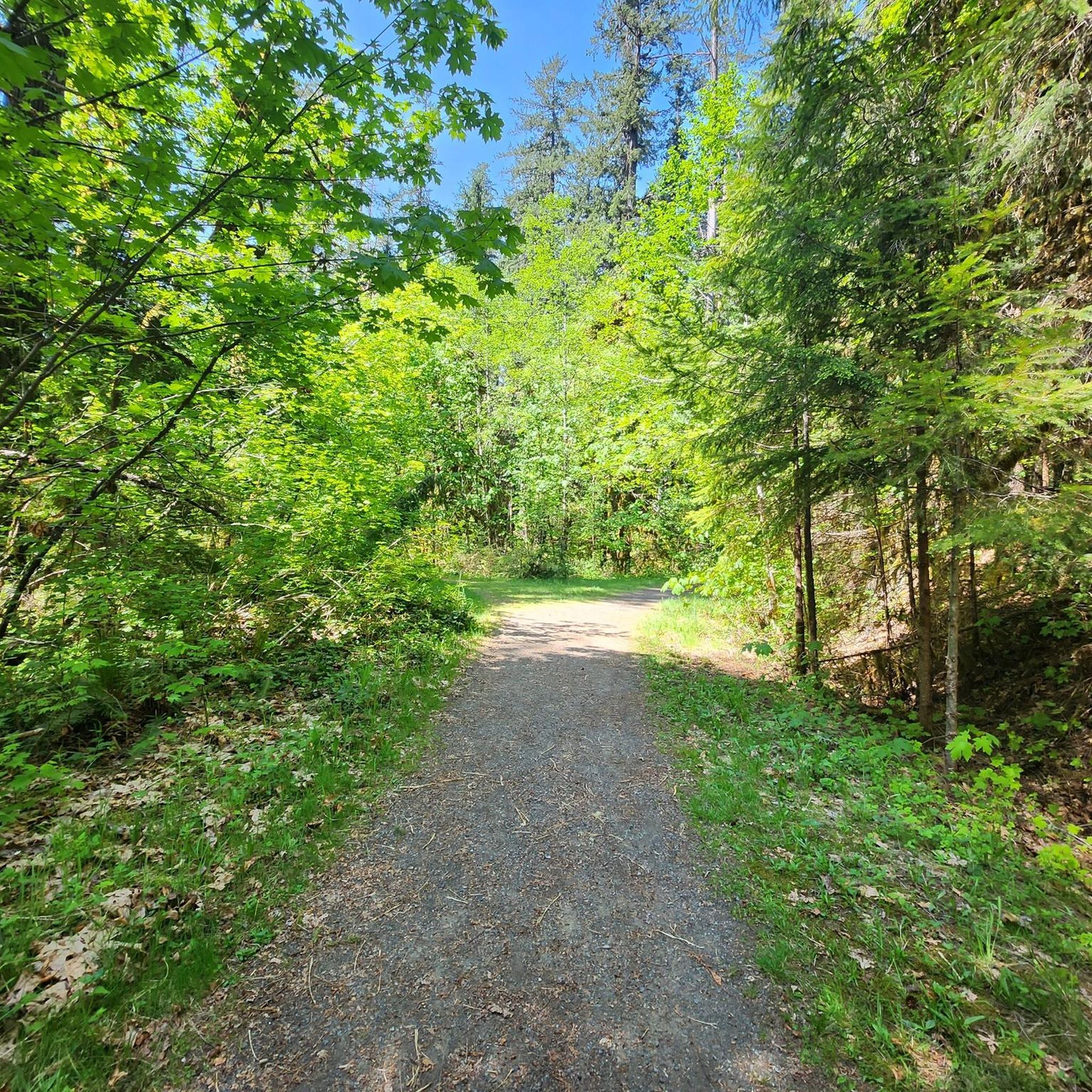
The Ranger Hole Trail is a short and relatively easy hiking path in the Olympic National Forest. It offers a pleasant stroll through a lush rainforest environment with towering trees. The trail ends at Duckabush River. Thanks to its short length and natural beauty, it is the perfect hike for families and a popular choice for those looking for a quick and rewarding nature escape.
0
0

This waterfall is a beautiful sight to see and the trail that leads you there is even more magical! Run through lush rainforest along the river to reach the falls. This is a perfect place to stop for a break before turning back or continuing on to Glines Canyon Spillway Overlook.
0
0

This trail is perfect for beginners or those seeking a shorter adventure. At the beginning, you'll find the historic Interrorem Cabin, built in 1907 as the first administrative site of the Olympic National Forest. Today, this cabin holds historical significance and is available for rent. The trail winds through an area of dense second-growth forest before descending steeply to the rushing river below. The trail then follows the river briefly, offering views of a deep pool called the 'Ranger Hole.' It earned its name due to its popularity among Forest Rangers who once resided at the Interrorem Cabin for fishing.
0
0

The trail leads through a beautiful stretch of untouched rainforest. Everything is explained very well - even better than in the national park itself!
0
0

Walk on a paved trail just a short distance to the magical Madison Falls. Take your time and sit on one of the benches next to the tumbling water, before you head back trough the lush rainforest.
1
1
Frequently Asked Questions
What natural features can I explore in the Olympic National Forest area?
The Olympic National Forest area offers a diverse range of natural features. You can experience lush temperate rainforests, such as the Rainforest Nature Trail, which provides insights into the local ecosystem. The region is also home to impressive waterfalls like Madison Falls, accessible via a paved trail. You can also visit natural monuments such as The World's Largest Sitka Spruce. Beyond the forest, the broader Olympic Peninsula features glaciated mountains, rugged Pacific coastline with dramatic sea stacks, and pristine lakes like Lake Crescent.
Are there family-friendly attractions in the Olympic National Forest?
Yes, many attractions in the Olympic National Forest are suitable for families. The Madison Falls trail is paved and short, making it easy for all ages. The Rainforest Nature Trail and the Ranger Hole Trail are also considered family-friendly, offering pleasant walks through lush forests. Visiting The World's Largest Sitka Spruce is another accessible and impressive natural monument for families to enjoy.
What kind of hiking trails can I find in the Olympic National Forest?
The Olympic National Forest offers a variety of hiking experiences. For an easy and scenic walk, consider the Ranger Hole Trail, which winds through a dense forest and follows the Duckabush River. The Rainforest Nature Trail provides an interpretive walk through an untouched rainforest. For more options, you can explore various routes listed in the Hiking in Olympic National Forest guide, including easy trails like the Quinault Loop Trail or moderate ones like the Lower Lena Lake Trail.
Are there any historical or cultural sites to visit in the area?
Yes, the Olympic National Forest area is rich in history and culture. The Ranger Hole Trail begins near the historic Interrorem Cabin, built in 1907, offering a glimpse into early forest administration. The entire Olympic Peninsula has a deep Native American heritage, with eight local tribes maintaining strong ties to the land. You can find archaeological sites documenting thousands of years of human occupation. For deeper cultural insights, consider visiting the Makah Cultural Center near the park, or the Lake Quinault Museum & Historical Society.
What outdoor activities are available near the attractions in Olympic National Forest?
Beyond hiking, the Olympic National Forest area provides opportunities for various outdoor activities. The Sol Duc River is popular for fishing and offers scenic views along its course. You can also find gravel biking routes, such as those detailed in the Gravel biking in Olympic National Forest guide, which include loops around Wynoochee Lake and Lake Crescent. The broader Olympic Peninsula also offers kayaking, canoeing, and paddleboarding on its lakes.
What is the best time of year to visit the Olympic National Forest?
The best time to visit the Olympic National Forest largely depends on your desired activities. Summer (June to September) generally offers the most favorable weather for hiking and exploring, with warmer temperatures and less rain. However, the temperate rainforests, like the Hoh Rain Forest, are lush and vibrant year-round. For winter activities such as snowshoeing, higher elevations like Hurricane Ridge (within the broader Olympic National Park) are accessible when conditions allow.
Are there any accessible viewpoints or trails in the Olympic National Forest?
Yes, the Olympic National Forest strives to offer accessible options. Madison Falls is a notable example, featuring a paved trail that leads directly to the waterfall, making it accessible for wheelchairs and strollers. The broader Olympic National Park area also includes accessible paths like the Spruce Railroad Trail along Lake Crescent, which offers forest and lake views.
What kind of wildlife can I expect to see in the Olympic National Forest area?
The diverse ecosystems of the Olympic National Forest and surrounding Olympic National Park support a wide array of wildlife. In the forests, you might spot Roosevelt elk, black-tailed deer, and various bird species. Along the rivers, such as the Sol Duc River, you may see salmon during spawning season. Higher elevations are home to marmots and black bears, while the coastal areas offer opportunities to spot marine life and migratory birds.
Where can I find information about permits or parking for trails?
Specific information regarding permits and parking can vary by trail and season. For trails within the Olympic National Forest, it's advisable to check the official U.S. Forest Service website for the Olympic National Forest. For areas within the adjacent Olympic National Park, you may need a park entrance pass. Parking availability at trailheads can also vary, especially during peak seasons, so arriving early is often recommended.
What makes the Olympic National Forest unique compared to other natural areas?
The Olympic National Forest, situated within the broader Olympic Peninsula, is unique due to its incredible ecological diversity. It's part of a region that transitions from glaciated mountains to rugged Pacific coastline and lush temperate rainforests, all within a relatively compact area. This diversity, including ancient trees like The World's Largest Sitka Spruce and vibrant rainforests, contributes to its designation as a UNESCO World Heritage Site and International Biosphere Reserve for its exceptional natural beauty and ecological significance.
Are there any hidden waterfalls in the Olympic National Forest?
While Madison Falls is easily accessible, the Olympic National Forest and the wider Olympic Peninsula are dotted with numerous cascades, some more secluded than others. The Olympic Peninsula Waterfall Trail connects many waterfalls, including Marymere Falls near Lake Crescent, which is reached by a family-friendly hike. Exploring various hiking trails, especially those less traveled, can lead to discovering smaller, less-known waterfalls.
What are some of the most scenic drives in the Olympic National Forest area?
While specific scenic drives within the Olympic National Forest itself are less formally designated, the broader Olympic Peninsula offers breathtaking routes. The scenic drive to Hurricane Ridge provides panoramic mountain vistas. Driving along the coast offers dramatic views of the Pacific Ocean, sea stacks, and driftwood-strewn beaches. The roads around Lake Crescent also offer picturesque views of the clear, turquoise waters and surrounding forests.
Most popular routes in Olympic National Forest
Most popular attractions in Olympic National Forest

Get inspired with the komoot mobile app


Explore more
Still not found the Highlight you’re looking for? See guides of the top attractions in other regions:
