Attractions and Places To See in Shoshone National Forest - Top 11
Best attractions and places to see in Shoshone National Forest, America's first national forest, span nearly 2.5 million acres in Wyoming. This region borders Yellowstone National Park and features diverse landscapes, from sagebrush plains to alpine meadows and rugged mountain ranges. It is home to significant wilderness areas and offers a rich natural and cultural history.
Best attractions and places to see in Shoshone National Forest
- The most popular attractions is Middle Falls Fork Trail, a waterfall trail that…
Last updated: October 11, 2026
Beartooth Pass Climb South
Highlight (Segment) • Climb
Tip by

Avalanche Peak
Highlight • Summit
Tip by

Sign up now to discover places like this
Get recommendations on the best single tracks, peaks, & plenty of other exciting outdoor places.
Middle Falls Fork Trail
Highlight (Segment) • Waterfall
Tip by

Beartooth Pass Climb
Highlight (Segment) • Climb
Tip by

Lake Creek Falls
Highlight • Waterfall
Tip by

Sign up for free to discover even more attractions in Shoshone National Forest.
Already have an account?
Start today with a free account
Your next adventure awaits.
Popular around Shoshone National Forest
Tips from the Community

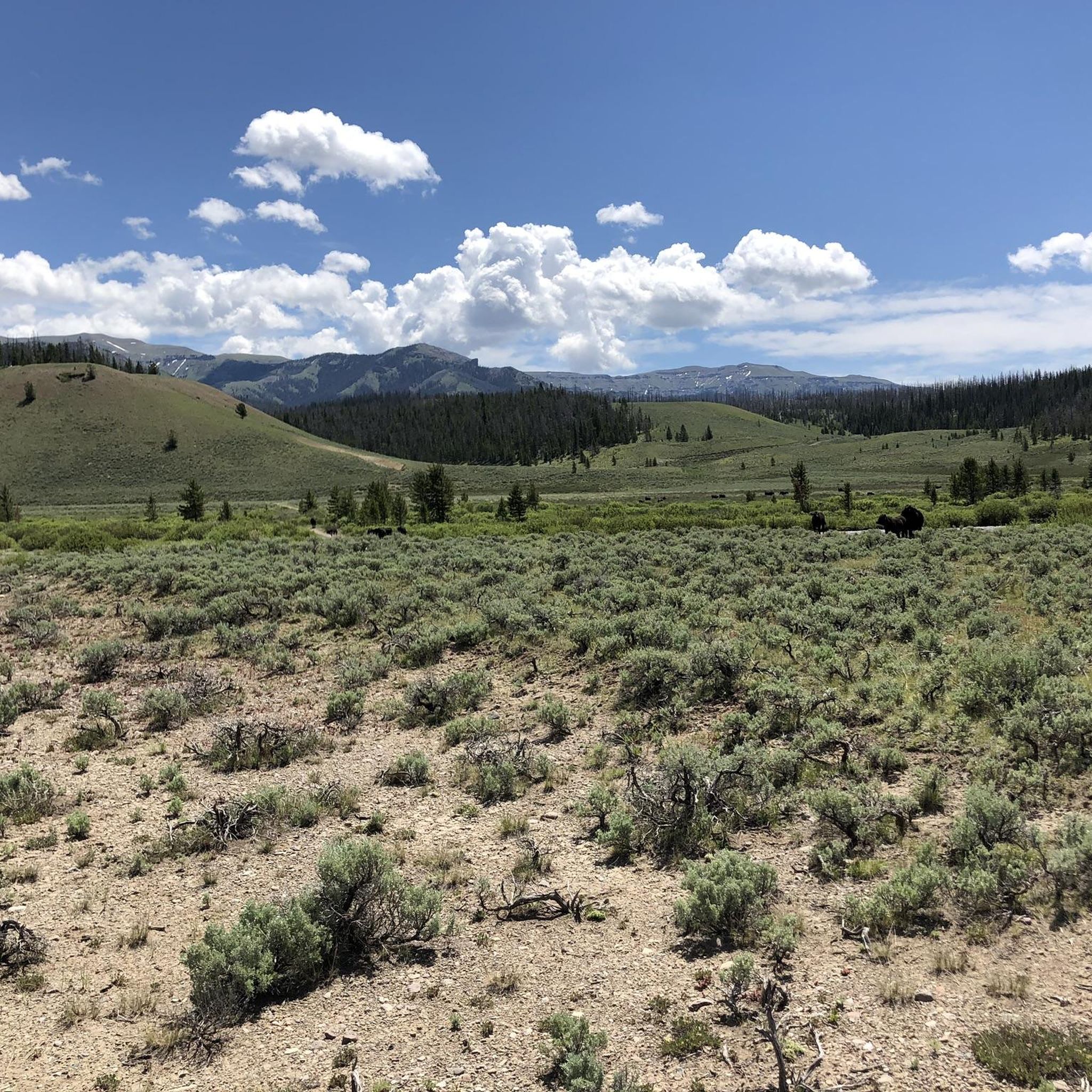
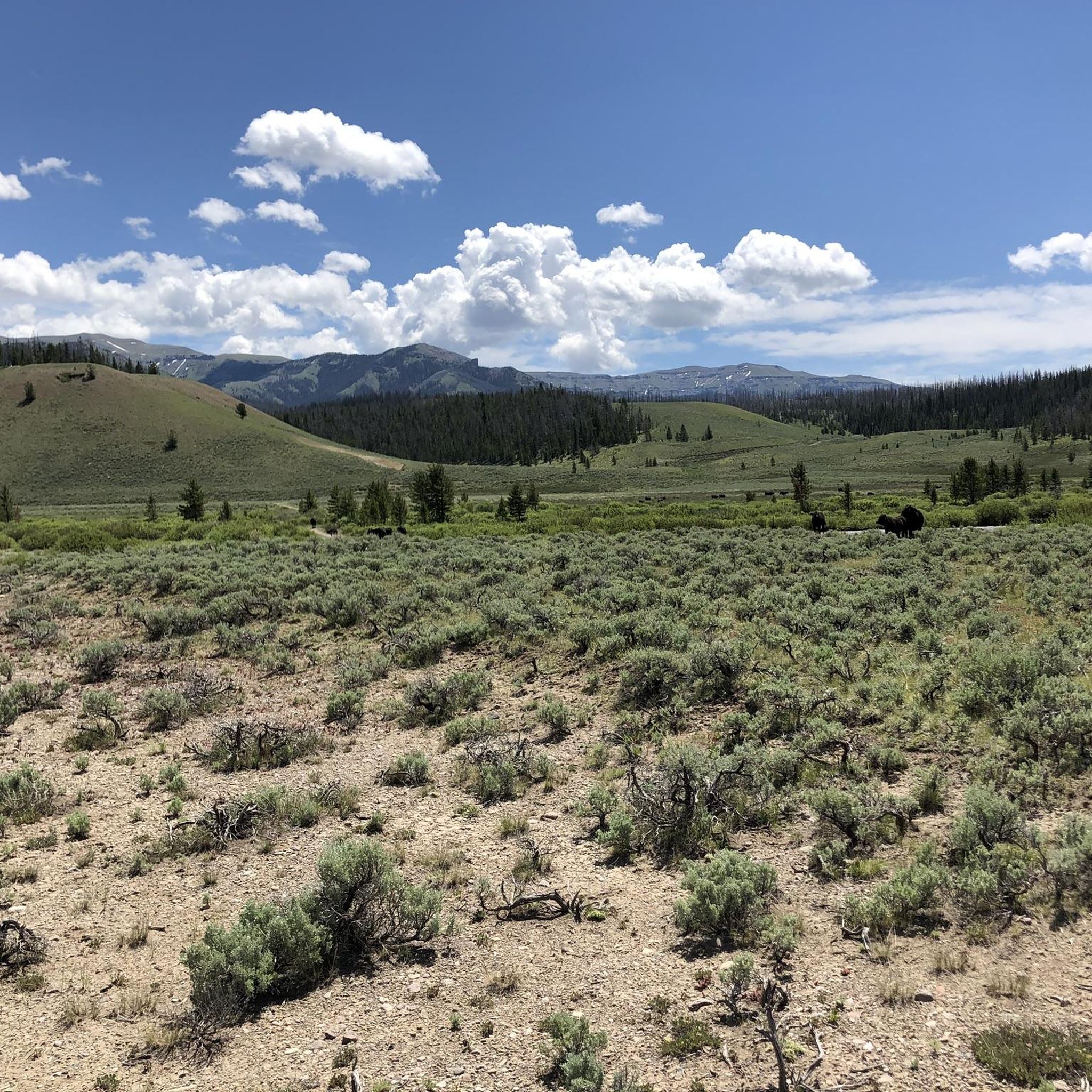
Climbing the Beartooth Highway northbound from near Crazy Creek Falls puts you immediately into one of America's most spectacular high-alpine environments, ascending across the vast 'Top of the World' Beartooth Plateau. Starting already at significant elevation around 8,000ft, you'll tackle the upper section of the climb over perhaps 10-12 miles, gaining around 3,000ft to reach the breathtaking 10,947ft summit. Expect a sustained climb across stunning tundra landscapes dotted with alpine lakes averaging around 5-6% for this portion, it will feel hard due to the extreme altitude and frequent strong winds. You'll catch glimpses of the Beartooth summit as you traverse the highway enroute.
0
0

The north side of Beartooth Pass offers one of Montana’s most challenging and scenic climbs, leading into the rugged Beartooth Mountains near the Wyoming border. Starting with a gradual incline, the road gradually steepens as it winds south, with breathtaking views of the valley and multiple switchbacks, some with exposed sections. By mile 22, the climb takes you above the treeline into stunning alpine terrain, crossing into Wyoming before a brief descent and a final push to the summit at 10,947 feet.
0
0

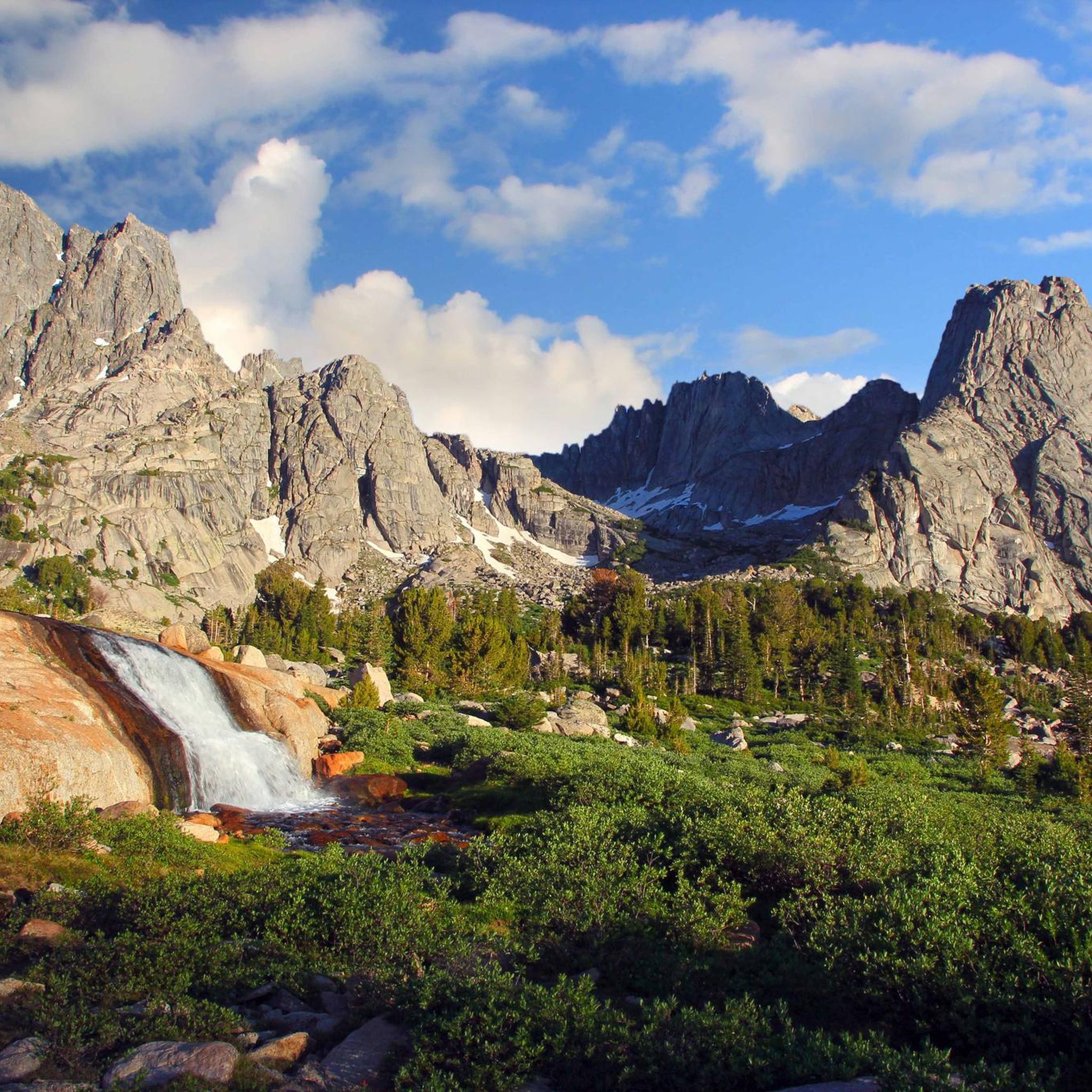
This is one of the shortest hikes you'll ever take, but the payoff is really pretty: You get good views of Lake Creek and the foaming waterfall it creates as it spills downstream. The lake then runs under the Beartooth Scenic Byway, eventually joining the Clarks Fork Yellowstone River.
0
0

Just off the scenic highway, walkable from the road just a few meters. There are great views of Lake Creek with Lake Creek Falls; waterfall cascading thought the valley.
0
0

At 10,568 feet (3,221 m) tall Avalanche Peak may not be the tallest mountain in Yellowstone National Park, but it could be one of the most challenging to summit. The 4.5 mile roundtrip hike gains almost 2,100 feet (640 m) in a relatively short distance, with gradients up to 30%. The rewards at the top are well worth the effort with views of Yellowstone Lake to the west and the Tetons to the south.
1
0

Amazing hike all year round! The trail goes along the river and there are several panoramic spots where you'll get amazing and beautiful photos!
3
0
Frequently Asked Questions
What are the most notable natural features and viewpoints in Shoshone National Forest?
The forest is rich with natural wonders. You can experience the challenging ascent of Beartooth Pass Climb South, which takes you across stunning tundra landscapes to a 10,947-foot summit with alpine lakes. Another highlight is Avalanche Peak, offering rewarding views of Yellowstone Lake and the Tetons from its 10,568-foot summit. Don't miss Middle Falls Fork Trail, a beautiful waterfall trail with panoramic spots along the river.
Are there any easy or family-friendly trails in Shoshone National Forest?
Yes, for an easy and family-friendly experience, consider visiting Lake Creek Falls. It's easily accessible just off the scenic highway, offering great views of Lake Creek cascading through the valley with minimal walking. For more options, you can explore easy hiking routes like the Popo Agie Falls Trail or the Becker Lake via Beartooth High Lakes Trail, which are detailed in the Easy hikes in Shoshone National Forest guide.
What kind of hiking opportunities are available in Shoshone National Forest?
Shoshone National Forest offers extensive hiking opportunities, with over 1,300 to 1,600 miles of trails. Popular options include the challenging climb to Avalanche Peak for incredible views, or the scenic Middle Falls Fork Trail. For a broader selection, check out the Hiking in Shoshone National Forest guide, which features trails like the Beauty Lake and Beartooth High Lakes Loop and the Popo Agie Falls Trail.
Can I go running in Shoshone National Forest?
Absolutely! The forest provides various trails suitable for running. You can find routes like the Middle Falls Fork Trail loop or the Lander Mill loop. For a comprehensive list of options, refer to the Running Trails in Shoshone National Forest guide.
What are the best scenic drives in Shoshone National Forest?
The Shoshone National Forest is home to several breathtaking scenic byways. The Beartooth Highway (US Highway 212) is an 'All-American Road' known for spectacular vistas of alpine lakes and tundra. The Chief Joseph Scenic Byway (State Highway 296) offers views of the Clarks Fork Valley and follows the historic path of the Nez Perce tribe. Additionally, the Buffalo Bill Cody Scenic Byway (US Highway 14/16/20) is renowned for its abundant wildlife and rugged rock formations along the North Fork of the Shoshone River.
Are there any historical sites or cultural points of interest in the forest?
Yes, the Shoshone National Forest has a rich history. The Wapiti Ranger Station, built in 1903, is the first ranger station constructed at federal expense in the U.S. and is a National Historic Landmark. You can also explore the Kirwin Ghost Town, an early-day mining town, or find remains of Tie Hack Flumes and Cabins, which are reminders of the region's logging past. Archaeological evidence suggests human habitation for at least 10,000 years by various Native American tribes.
What kind of wildlife can I expect to see in Shoshone National Forest?
The forest is home to diverse wildlife, including black and grizzly bears. The Buffalo Bill Cody Scenic Byway, in particular, is known for abundant wildlife viewing opportunities. You might also spot various bird species, elk, deer, and other mammals across its varied ecosystems, from sagebrush plains to alpine meadows.
What is the best time of year to visit Shoshone National Forest?
The best time to visit largely depends on your desired activities. Summer (June to September) is ideal for hiking, camping, and exploring the scenic byways, as most roads and trails are clear of snow. Spring and fall offer beautiful foliage and fewer crowds, though some higher elevation areas may still have snow or experience early closures. Winter provides opportunities for cross-country skiing and snowmobiling.
Are there opportunities for fishing in Shoshone National Forest?
Yes, the Shoshone National Forest boasts many streams and rivers considered 'Blue Ribbon Trout Streams.' Excellent opportunities for catching various trout species can be found in locations like the North and South Forks of the Shoshone River, the Greybull River, and the Clarks Fork of the Yellowstone.
What unique geological features can be found in Shoshone National Forest?
Beyond its stunning mountain ranges and waterfalls, the forest contains a petrified forest with paleontological specimens. It also features unique thermal areas, though less extensive than Yellowstone's, including bubbling mudpots, small geysers, and steaming ground, particularly around the North Fork of the Shoshone River and the Absaroka Range. Another unique feature is Three Waters Mountain, which funnels water to the Green, Missouri, and Snake Rivers.
What are the options for camping in Shoshone National Forest?
The Shoshone National Forest offers a variety of camping experiences with 32 campgrounds and 11 picnic sites. Options range from first-come, first-served sites to those where advanced reservations are available, allowing visitors to choose between primitive backcountry camping and more developed facilities.
Most popular routes in Shoshone National Forest
Most popular attractions in Shoshone National Forest

Get inspired with the komoot mobile app


Explore more
Still not found the Highlight you’re looking for? See guides of the top attractions in other regions:
