The best cycling routes around Zalew Sulejowski
4.7
(557)
2,859
riders
209
rides
Touring cycling around Zalew Sulejowski offers routes through diverse landscapes centered around the artificial lake in Poland's Łódź Voivodeship. The region is characterized by the expansive reservoir, extensive pine forests, river valleys, and protected areas within the Sulejowski Landscape Park. Cyclists can expect varied terrain, including both paved and unpaved sections, with gentle elevation changes suitable for touring. The shoreline of the reservoir and surrounding woodlands provide scenic backdrops for rides.
Best touring cycling routes around Zalew Sulejowski
- The most popular touring cycling route is St. Wenceslaus Wooden Church – Karolinów Beach loop from Smardzewice, a 14.1 miles (22.6 km) trail that takes 1 hour 25 minutes to complete, offering views of the lake and local landmarks.
- Another top favourite among local touring cyclists is Karolinów Beach – Pandemka Dragon Sculpture loop from Zarzęcin, an easy 16.2 miles (26.1 km) path that explores the lakeside and surrounding areas.
- Local touring cyclists also love the Camping Łoś – Dam on the Sulejow Reservoir loop from Smardzewice, a 29.3 miles (47.2 km) trail leading through forested areas and along the reservoir, often completed in about 3 hours 14 minutes.
- Touring cycling around Zalew Sulejowski is defined by the reservoir's shoreline, protected forests, and river valleys. The network offers options for different ability levels, from easy loops to moderate longer rides.
- The routes in Zalew Sulejowski are highly rated by the komoot community with an average score of 4.8 stars from over 500 reviews. More than 2,800 touring cyclists have used komoot to explore Zalew Sulejowski's varied terrain.
Last updated: July 4, 2026
4.6
(7)
38
riders
42.8km
02:36
150m
150m
Moderate bike ride. Good fitness required. Mostly paved surfaces. Suitable for all skill levels.
4.3
(6)
21
riders
26.5km
01:45
110m
110m
Easy bike ride. Great for any fitness level. Mostly paved surfaces. Suitable for all skill levels.

Sign up for free
4.4
(7)
25
riders
25.2km
01:34
110m
110m
Easy bike ride. Great for any fitness level. Mostly paved surfaces. Suitable for all skill levels.
4.5
(2)
11
riders
19.6km
01:16
80m
80m
Easy bike ride. Great for any fitness level. Mostly paved surfaces. Suitable for all skill levels.
5.0
(2)
10
riders
26.2km
01:58
90m
90m
Easy bike ride. Great for any fitness level. Mostly paved surfaces. Suitable for all skill levels.
Get access to more routes and recommendations from other explorers.
Sign up for free
Already have an account?
Our route recommendations are based on thousands of hikes, rides, and runs completed by other people on komoot.
Start today with a free account
Your next adventure awaits.
Login or Signup

Tips from the Community

Crossing over the small bridge, be sure to check.
0
0
Sulejowski Reservoir and Smardzewice
0
0
You can see the Cistercian monastery.
0
0
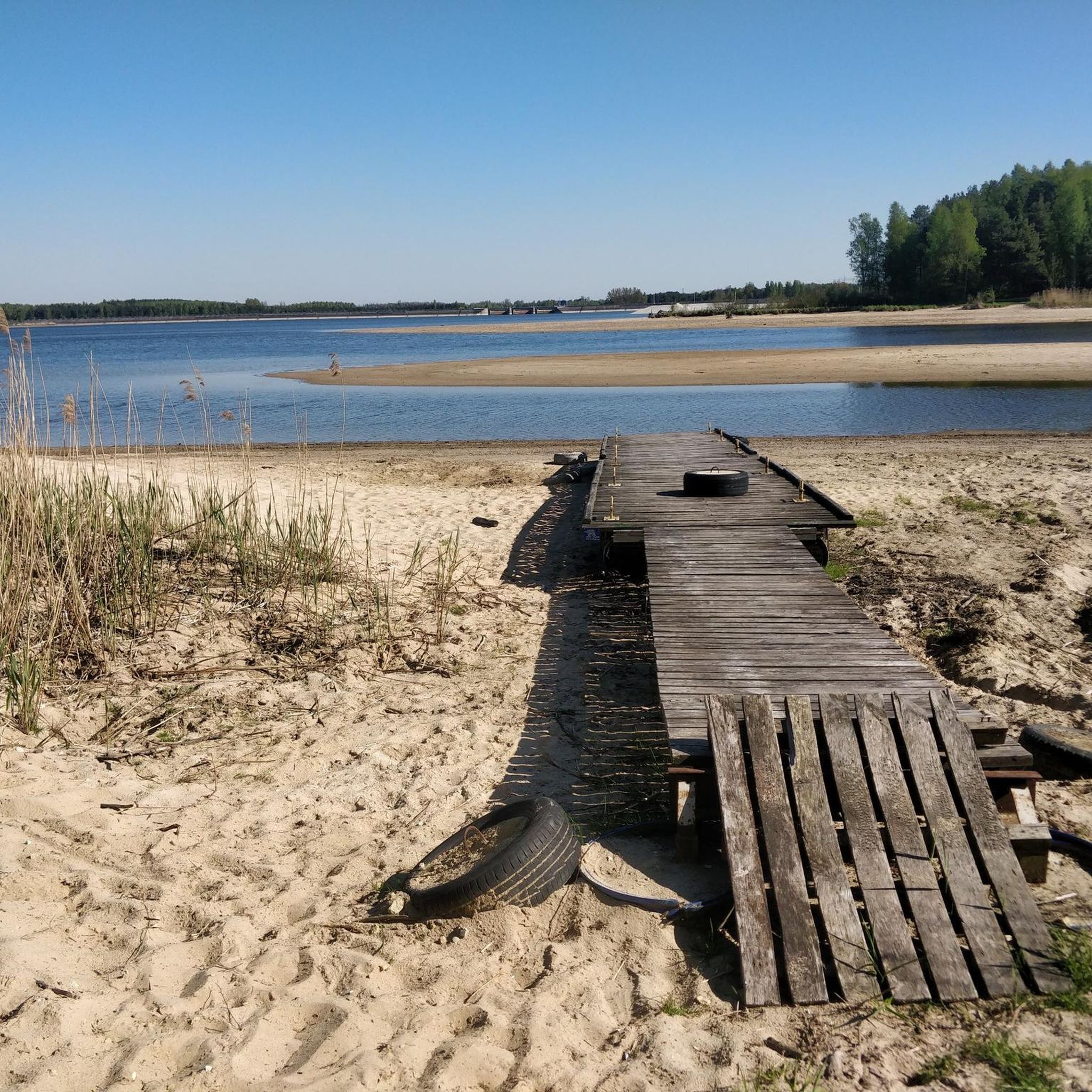
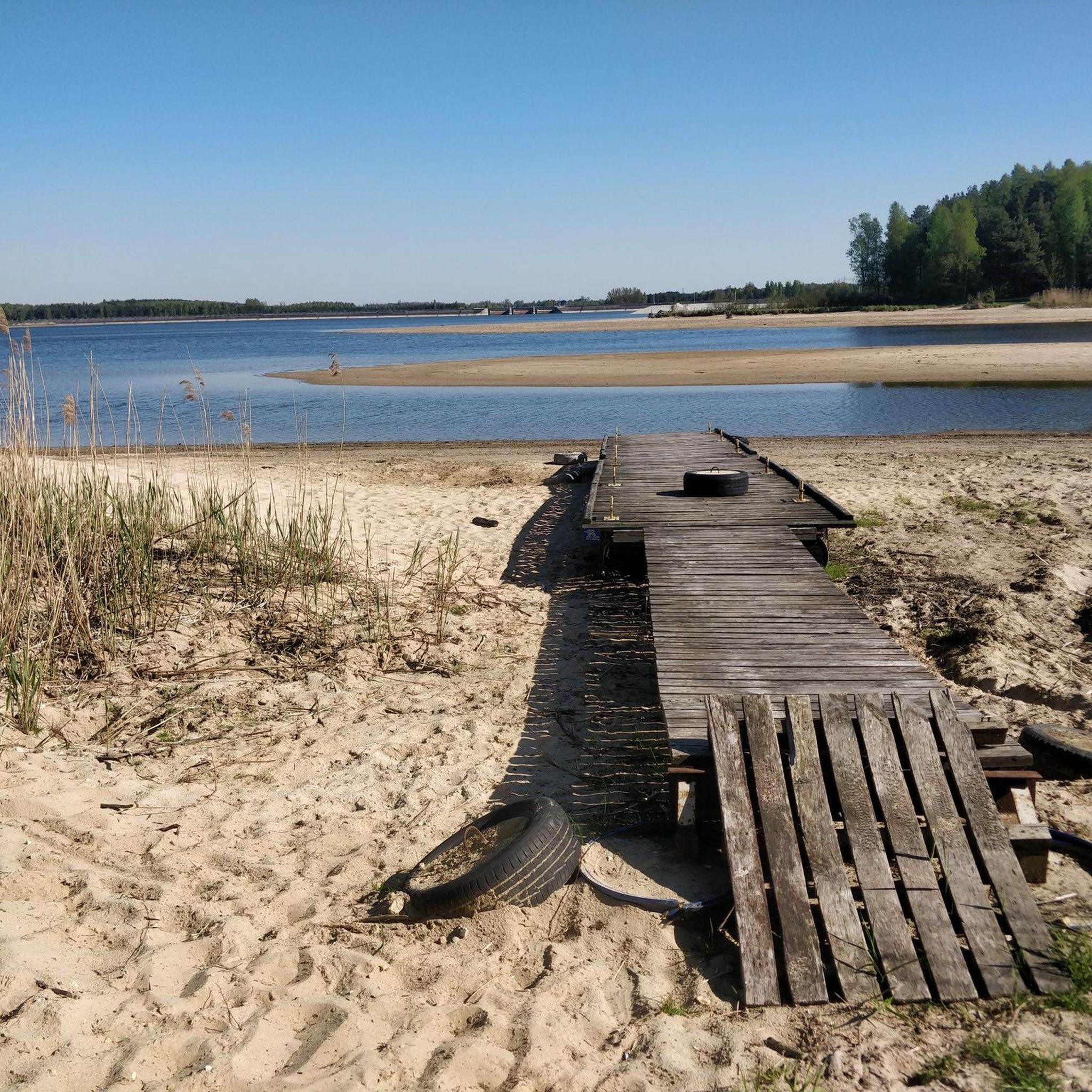
In May 2026, 2 planks are missing but it is passable.
0
0
It's always some variety with bridges on the route.
0
0
It is possible to ride, although in May 2026, 2 planks were missing.
0
0

view from the flood embankment
0
0

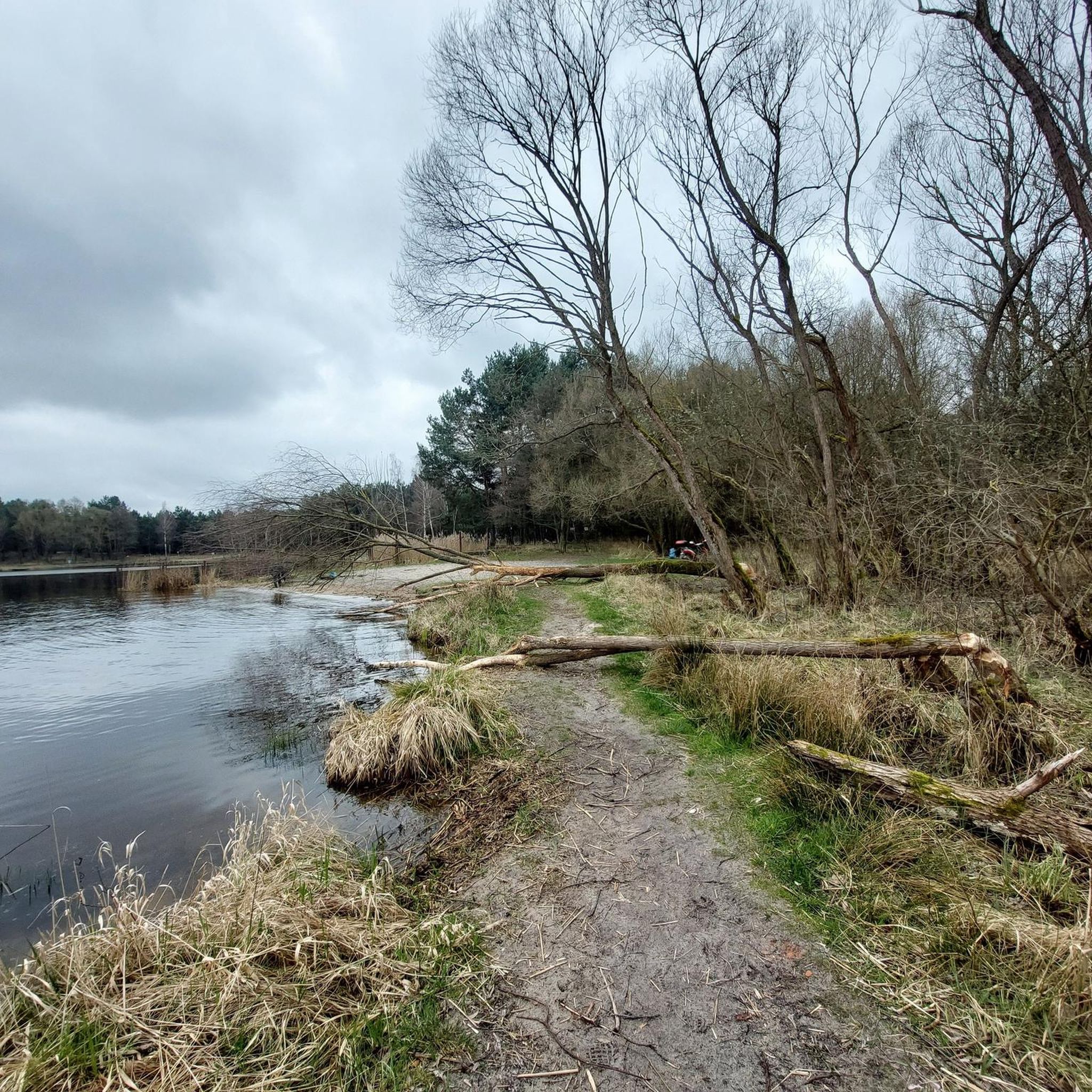
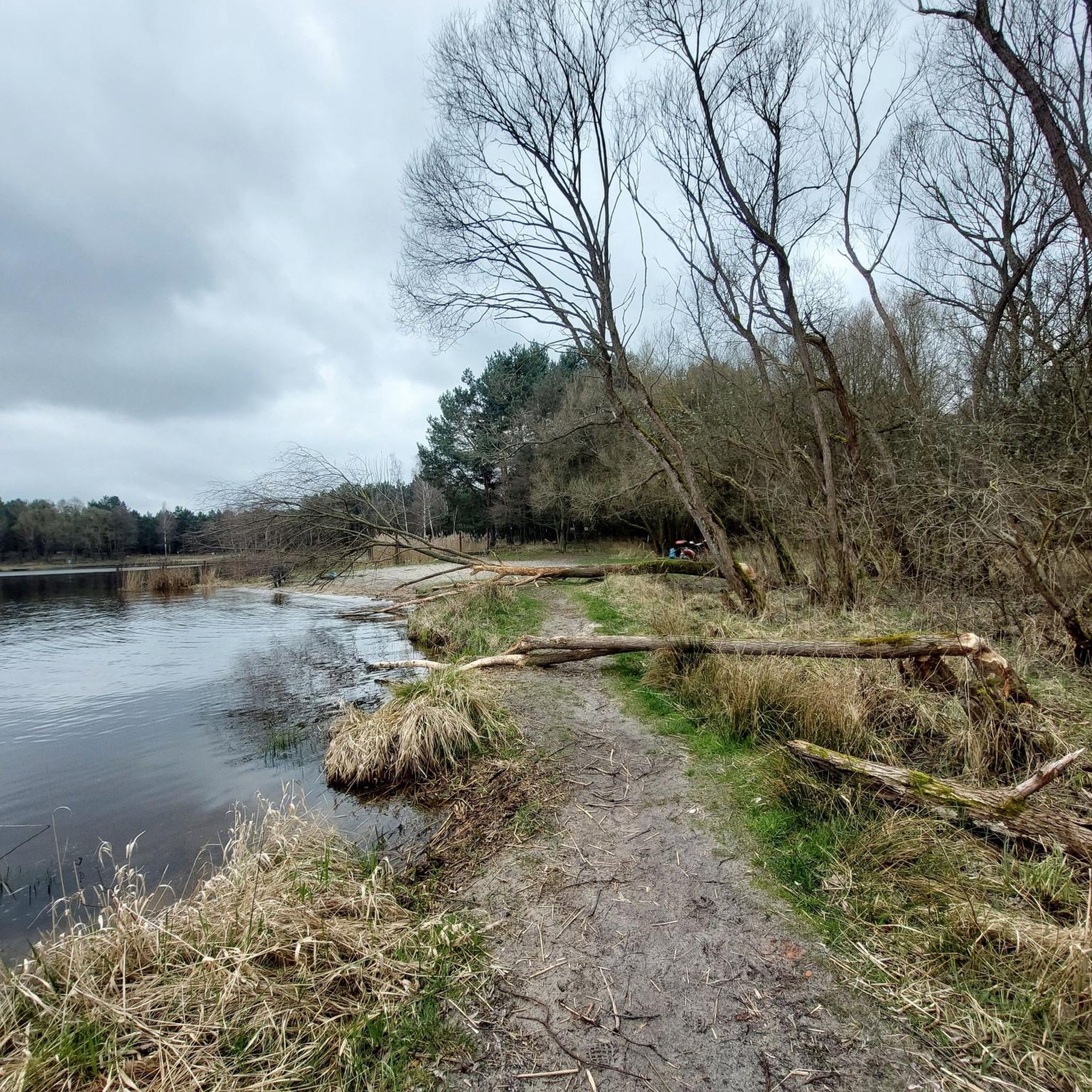
A spot by the reservoir in the "Overnight in the Forest" area. A gentle slope down to the water. You might encounter anglers.
1
0
Frequently Asked Questions
How many touring cycling routes are available around Zalew Sulejowski?
There are over 170 touring cycling routes around Zalew Sulejowski, catering to various skill levels. This includes more than 120 easy routes, 30 moderate routes, and 20 more challenging options.
What kind of terrain can I expect on touring cycling routes in Zalew Sulejowski?
The routes around Zalew Sulejowski offer a diverse landscape. You'll find a mix of paved and unpaved sections, including gravel and forest paths. The terrain generally features gentle elevation changes, making it suitable for touring cyclists. Expect scenic views of the reservoir, extensive pine forests, and the Pilica River valley.
Are there any family-friendly touring cycling routes around Zalew Sulejowski?
Yes, many routes are suitable for families. For an easy ride, consider the Bike loop from Barkowice, which is just under 20 km. The region's generally gentle elevation and varied surfaces make it accessible for different ages and abilities.
What are some notable landmarks or attractions I can see while cycling around Zalew Sulejowski?
Cyclists can explore several interesting attractions. The impressive Dam on the Sulejow Reservoir in Smardzewice is a significant hydro-technical structure. You can also visit the Cistercian Abbey in Sulejów-Podklasztorze, one of Poland's best-preserved monasteries, or the Niebieskie Źródła (Blue Springs) Nature Reserve in Tomaszów Mazowiecki, known for its unique karstic springs.
Are there circular touring cycling routes around Zalew Sulejowski?
Yes, many routes are designed as loops, allowing you to start and end at the same point. A popular option is the St. Wenceslaus Wooden Church – Karolinów Beach loop from Smardzewice, an easy 22.6 km ride offering views of the lake and local landmarks.
What do other touring cyclists enjoy most about cycling in Zalew Sulejowski?
The area is highly rated by the komoot community, with an average score of 4.8 stars from over 500 reviews. Reviewers often praise the diverse scenery, from the tranquil reservoir shoreline to the quiet woodlands of the Sulejowski Landscape Park, and the well-maintained paths that cater to various cycling preferences.
Can I find places to eat or rest along the touring cycling routes?
Yes, the area around Zalew Sulejowski is popular, and you'll find various amenities. Along the routes, especially near popular beaches like Karolinów or marinas, there are cafes and restaurants. The region also offers designated resting places and viewpoints, particularly along the Zygmunt Goliat cycling path and other well-developed trails.
What is the best time of year to go touring cycling in Zalew Sulejowski?
The best time for touring cycling is typically from spring to autumn (April to October). During these months, the weather is generally pleasant, and the natural scenery, especially the forests within the Sulejowski Landscape Park, is at its most vibrant. Summer offers the added benefit of water sports and swimming opportunities in the reservoir.
Are there any routes that offer views of the reservoir and surrounding nature?
Absolutely. Many routes are designed to showcase the beauty of Zalew Sulejowski. For example, the Karolinów Beach – Pandemka Dragon Sculpture loop from Zarzęcin is an easy 26.1 km path that explores the lakeside and surrounding natural areas, providing picturesque views.
Where can I park my car when starting a touring cycling route?
Parking is available at various points around the reservoir, especially near popular starting locations like Smardzewice, Zarzęcin, and other access points to the cycling network. Many routes, such as the Camping Łoś – Dam on the Sulejow Reservoir loop from Smardzewice, often start from areas with accessible parking facilities.
Are there any other activities besides cycling available at Zalew Sulejowski?
Yes, Zalew Sulejowski is a hub for various outdoor activities. It's very popular for water sports such as sailing, kayaking, windsurfing, and kitesurfing, with equipment rentals often available. The area also features sandy beaches for swimming and sunbathing, and it's a well-known spot for fishing.
Most popular routes around Zalew Sulejowski
Most popular attractions around Zalew Sulejowski

Get inspired with the komoot mobile app


Explore more
Browse the best Cycling routes in other regions.
