Top 20 Natural Monuments in South East England
Best natural monuments in South East England include a diverse range of geological features, from dramatic chalk cliffs to expansive dry valleys and prominent hill summits. This region offers varied natural landscapes shaped by ancient geological processes and historical human activity. These natural landmarks provide opportunities for exploration and offer scenic viewpoints across the countryside and coastline. The area's natural features contribute to its ecological significance and provide habitats for various flora and fauna.
Best natural monuments in South East England
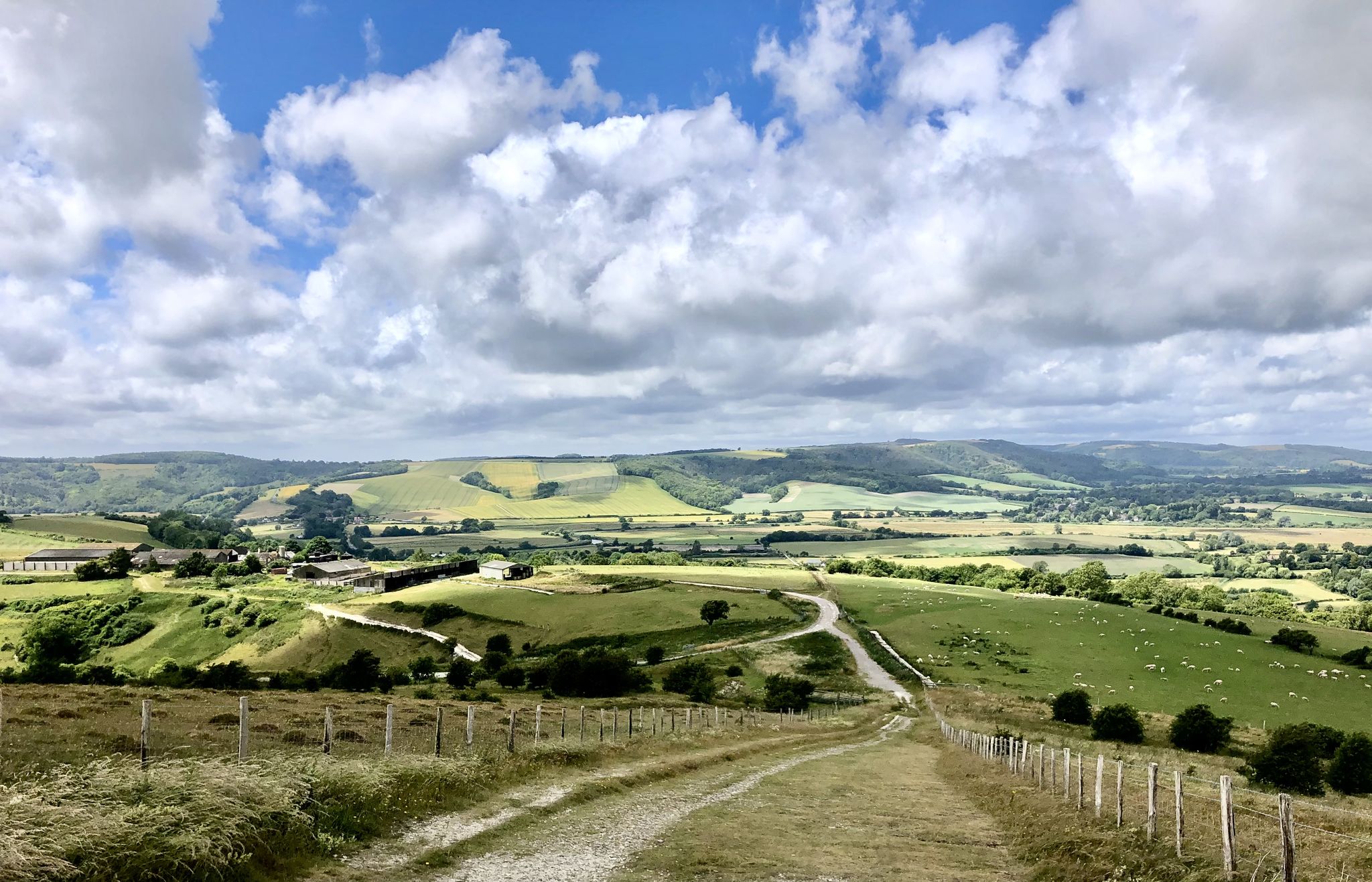
- The most popular natural monuments is Ditchling Beacon, a natural monument that is the highest point along the Sussex Downs, standing at 814 feet (248 m) above sea level. From its summit, visitors can experience panoramic views south to the sea, north across the Weald, and east-west across the Downs.
- Another must-see spot is The White Cliffs of Dover, a natural monument and viewpoint. These famous chalk cliffs rise sharply up to 350 feet (110 meters) above sea level, offering spectacular viewpoints and walking trails.
- Visitors also love Beachy Head and Lighthouse, a viewpoint that looms above the sea at 162 meters (531 feet). This iconic landmark provides views over the English Channel and features a distinctive red-and-white striped lighthouse at its foot.
- South East England is known for its chalk cliffs, hill summits, and dry valleys. These natural monuments offer a variety of landscapes to explore, from coastal paths to elevated viewpoints.
- The natural monuments in South East England are appreciated by the komoot community, with over 560 upvotes and 70 photos shared across more than 540 highlights.
Last updated: October 13, 2026
Ditchling Beacon
Highlight • Natural Monument
Tip by

Tennyson Monument
Highlight • Monument
Tip by

Sign up now to discover places like this
Get recommendations on the best single tracks, peaks, & plenty of other exciting outdoor places.
Ivinghoe Beacon
Highlight • Summit
Tip by

Coombe Hill Viewpoint and Boer War Memorial
Highlight • Viewpoint
On the west slopes, you can see the nests of the extremely rare yellow meadow ant erupting from the landscape. The reserve is home to more than 30 species of wildflower and 28 species of butterfly.
Tip by
Birling Gap and the Seven Sisters Cliffs
Highlight • Natural Monument
Tip by

River Mole Stepping Stones
Highlight • Bridge
Tip by
Seven Sisters Cliffs
Highlight (Segment) • Natural Monument
From west to east, beginning to the east of Cuckmere Haven, they bear the following names, with the valleys in between also bearing individual designations. In the list, the cliffs are highlighted in bold:
Haven Brow
Short Bottom
Short Brow
Limekiln Bottom
Rough Brow
Rough bottom
Brass point
Gap Bottom
Flagstaff Point (passing in the Flagstaff Brow)
Flagstaff Bottom
Flat Hill
Flathill Bottom
Baily's Hill
Michel Dean
Went Hill Brow
East of the last rock is the village of Birling Gap, which is severely threatened by erosion. Here you can access the beach via a staircase. Behind it there is the already dismantled lighthouse Belle Tout and then the highest chalk cliffs in the UK, the Beachy Head, below which stands a lighthouse.
Source: Wikipedia de.wikipedia.org/wiki/Seven_Sisters_(Sussex)
Translated by Google •
Tip by

Holmbury Hill Viewpoint
Highlight • Natural Monument
Tip by
Butser Hill
Highlight • Natural Monument
Tip by
Beachy Head and Lighthouse
Highlight • Viewpoint
Tip by

Sign up for free to discover even more natural monuments in South East England.
Already have an account?
Start today with a free account
Your next adventure awaits.
Popular around South East England
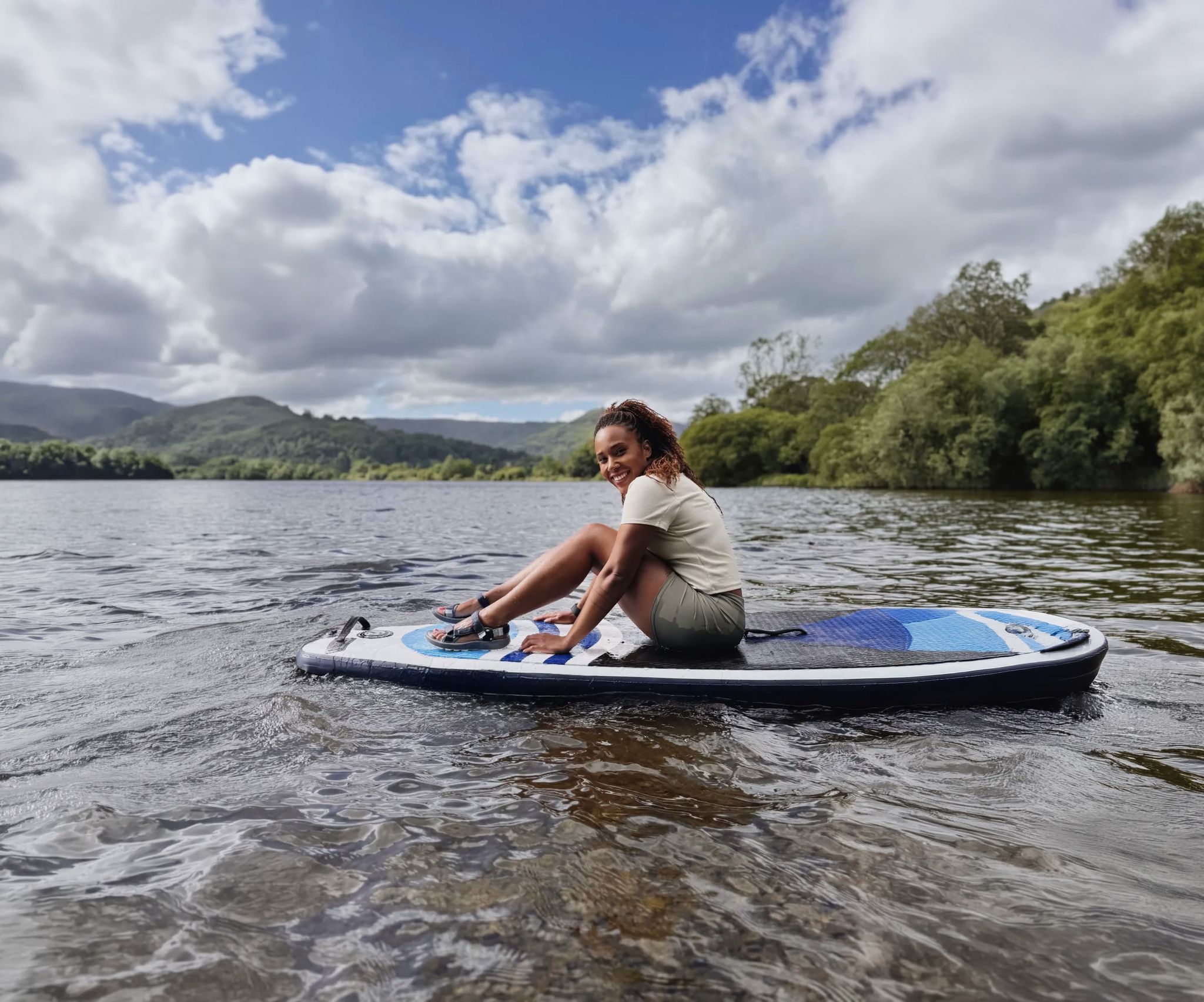
Scenic hikes to stand-up paddleboarding locations in the UK
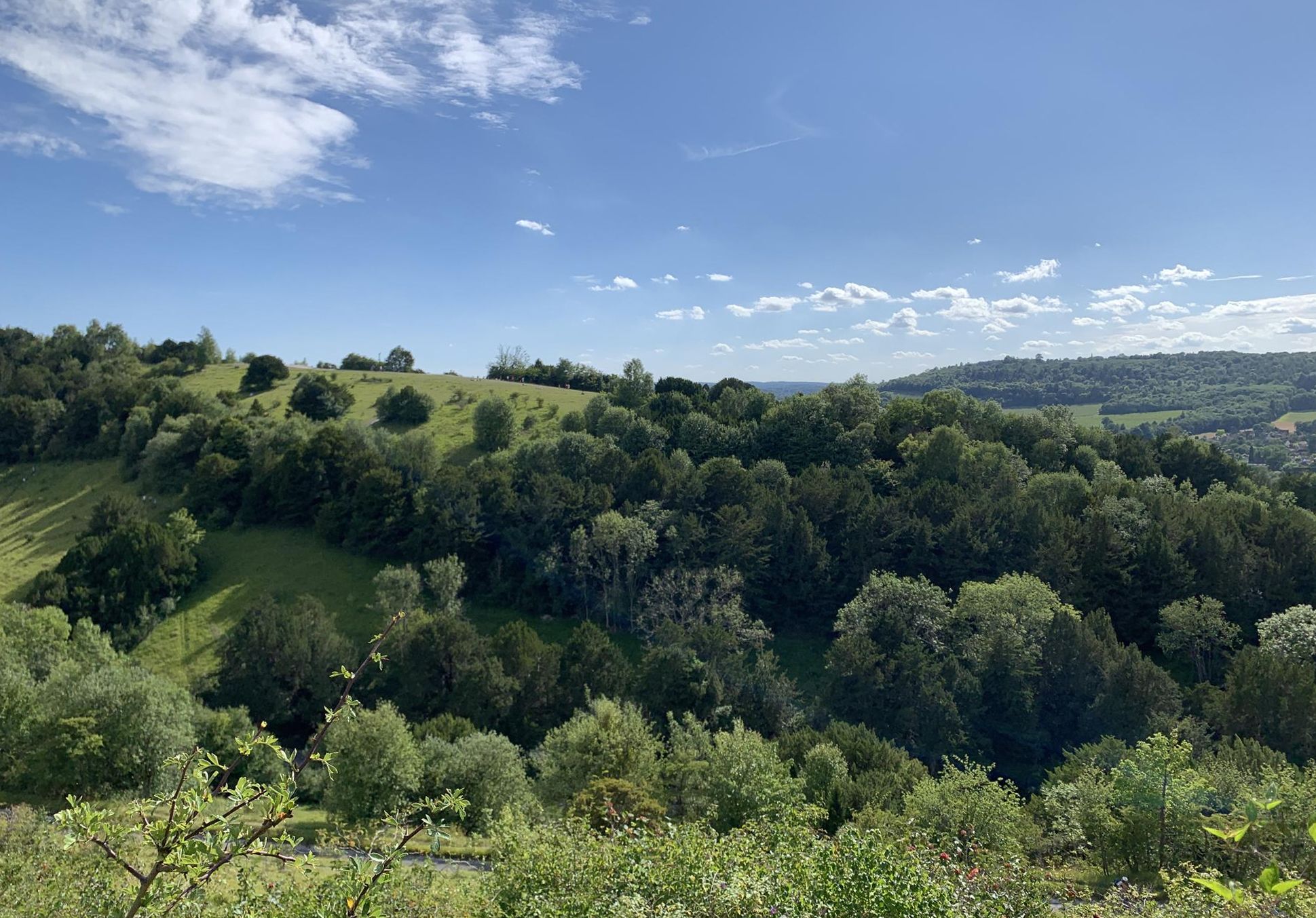
Multi-use magic in the Surrey Hills – Leith Hill Greenway

Bedtime Adventure Stories for Grown Ups
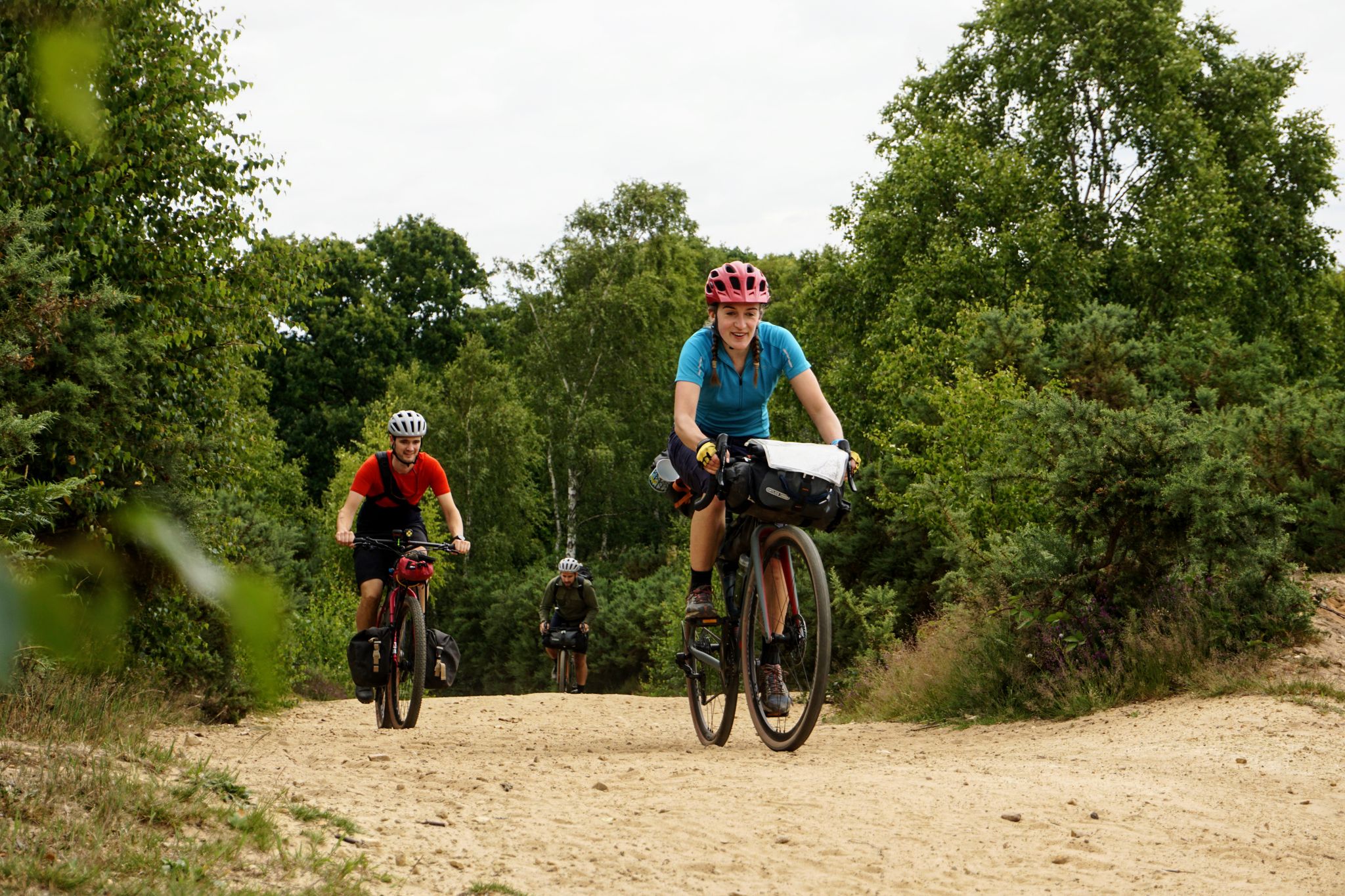
King Alfred's Way — History, chalk, grassland and forest
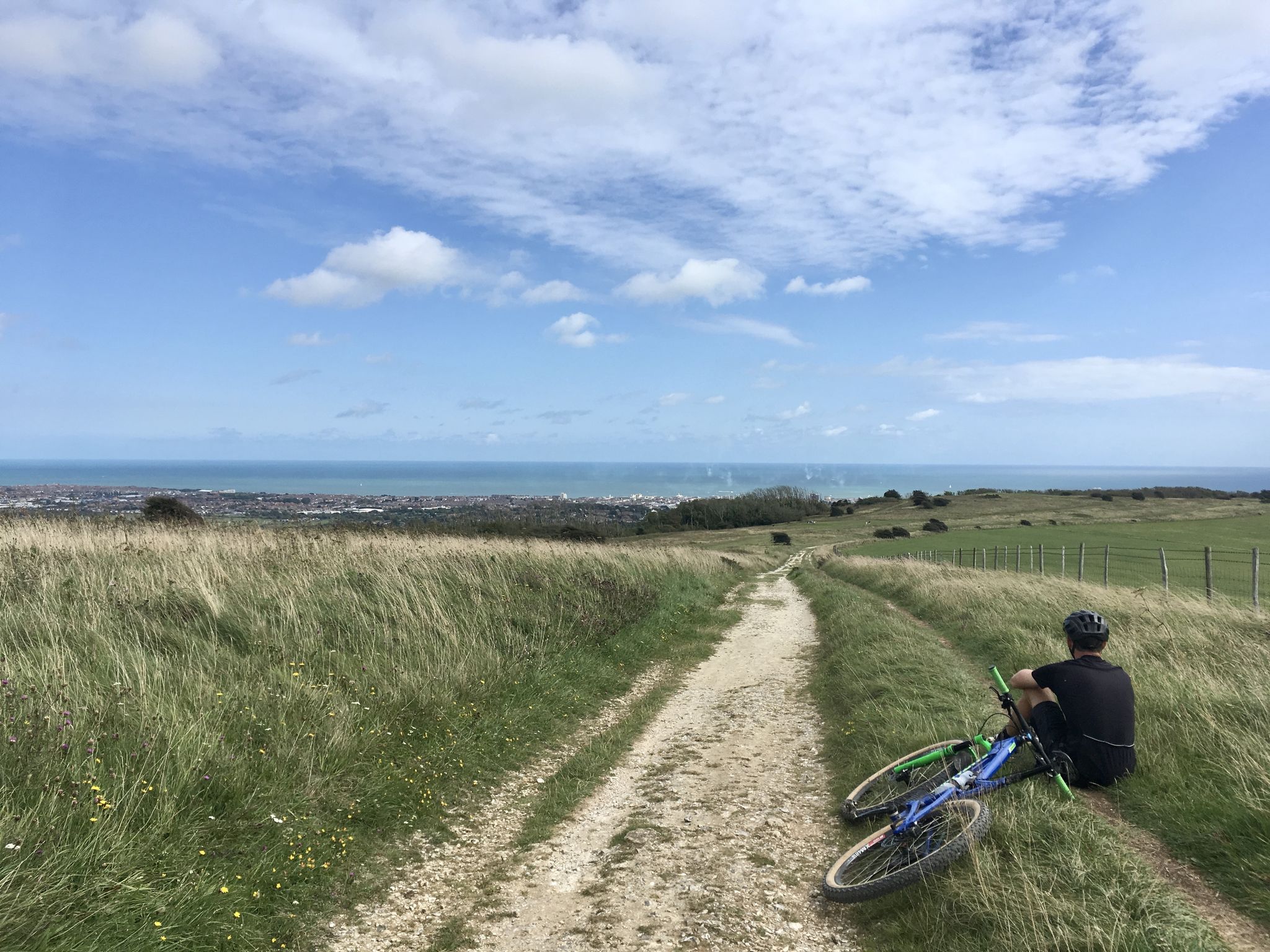
South Downs Way — A Southern off-road utopia
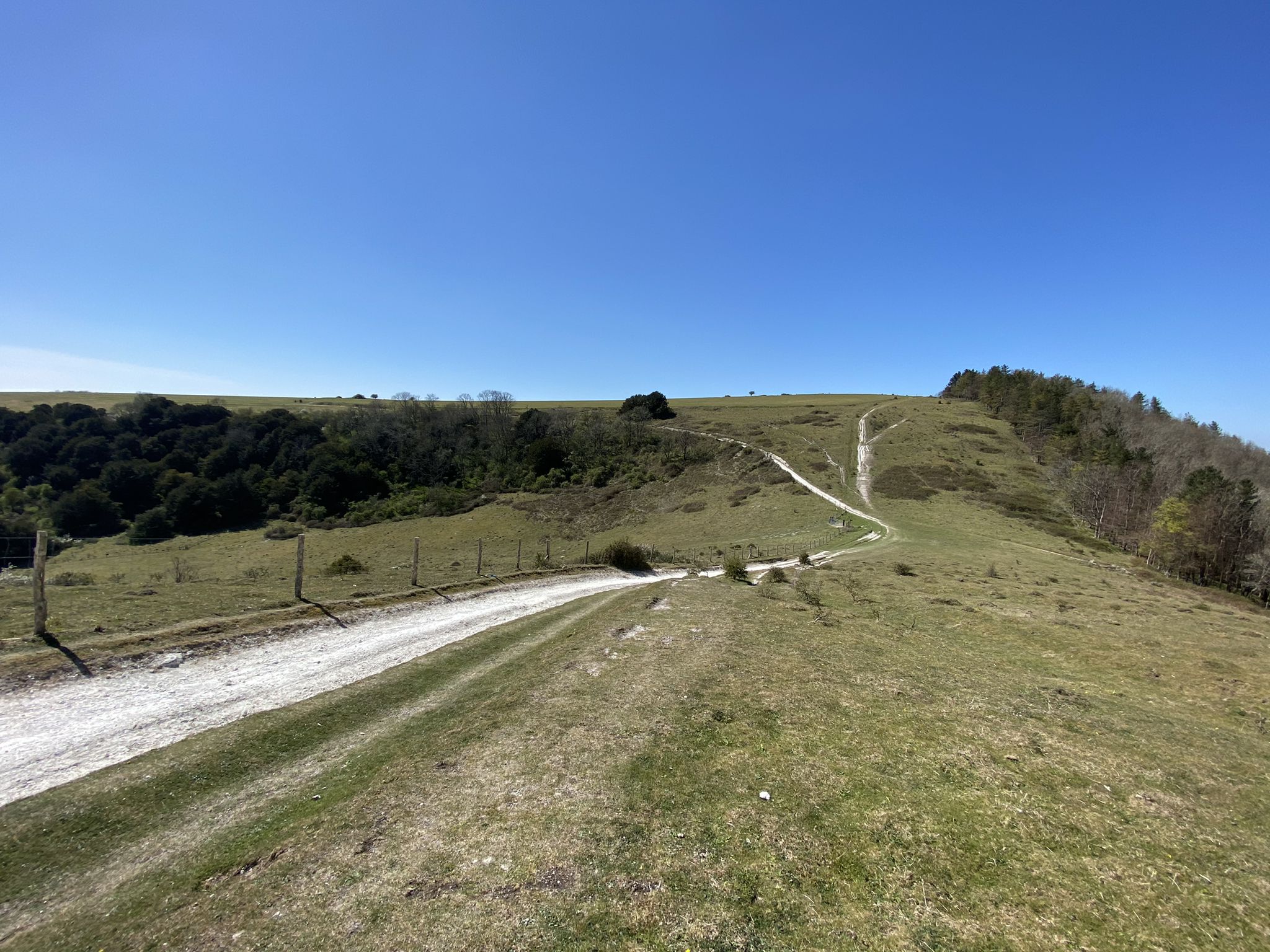
South Downs Way – a 100-mile run across the national park
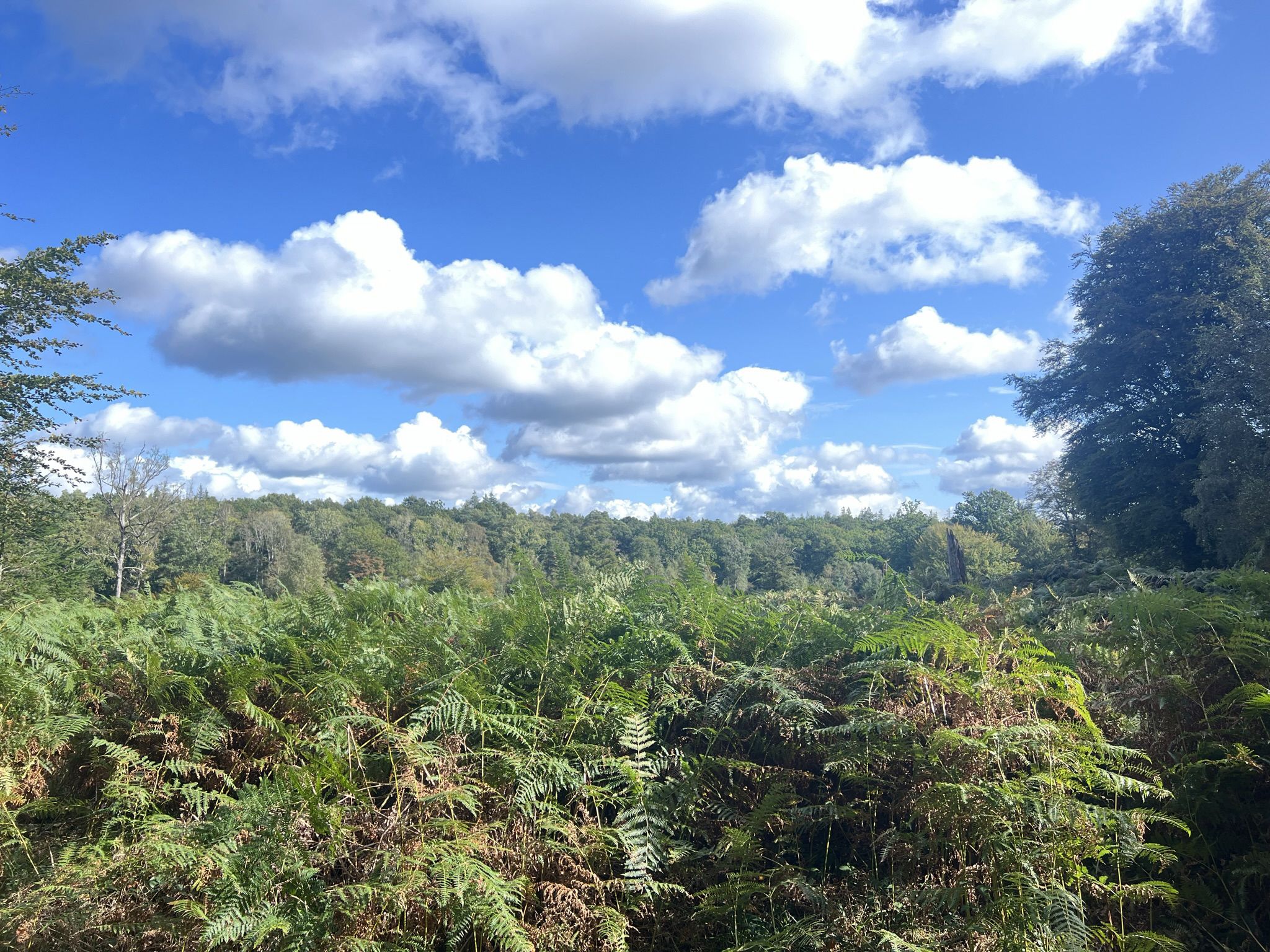
New Forest National Park – A Walk in the Parks
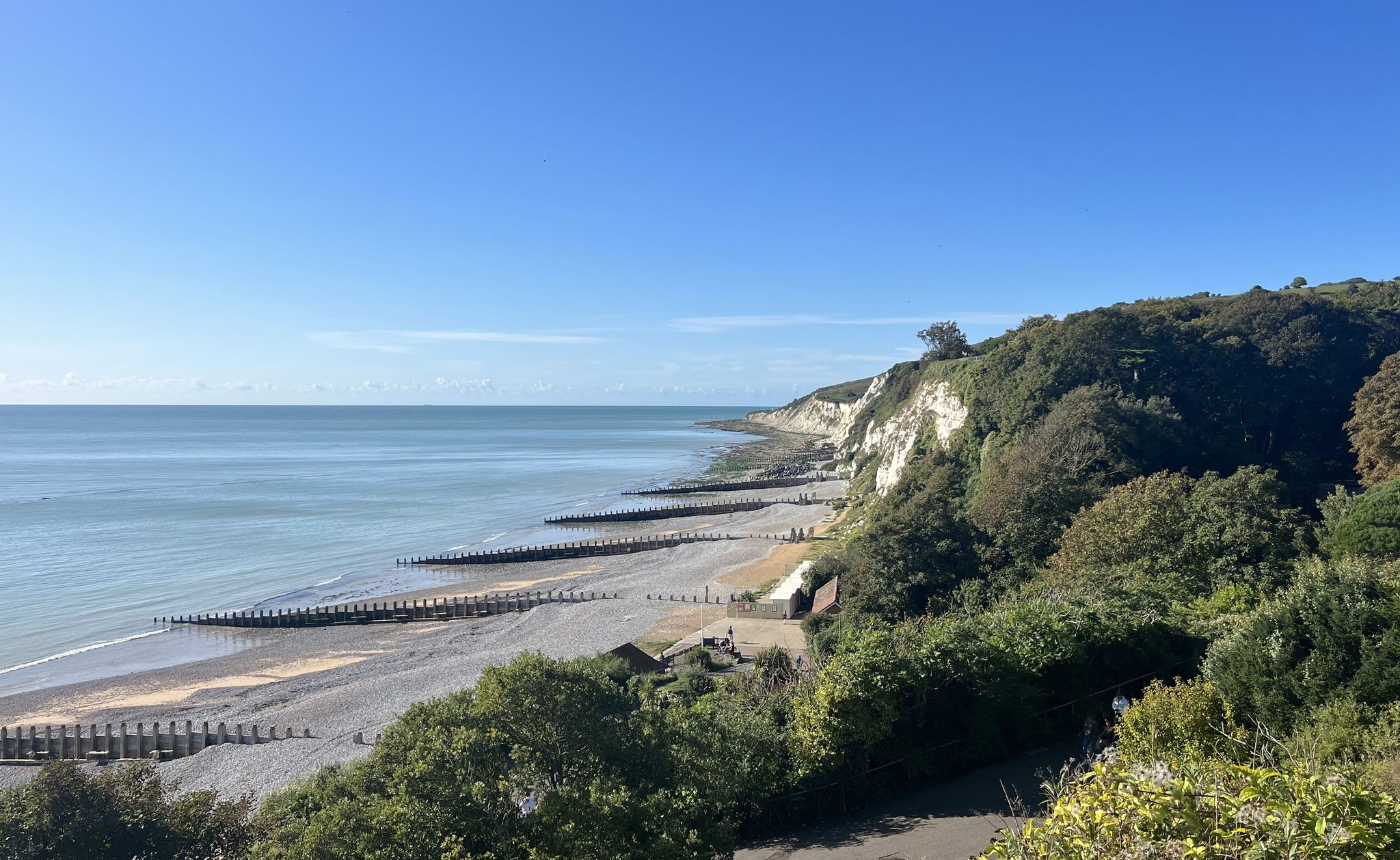
South Downs National Park – A Walk in the Parks
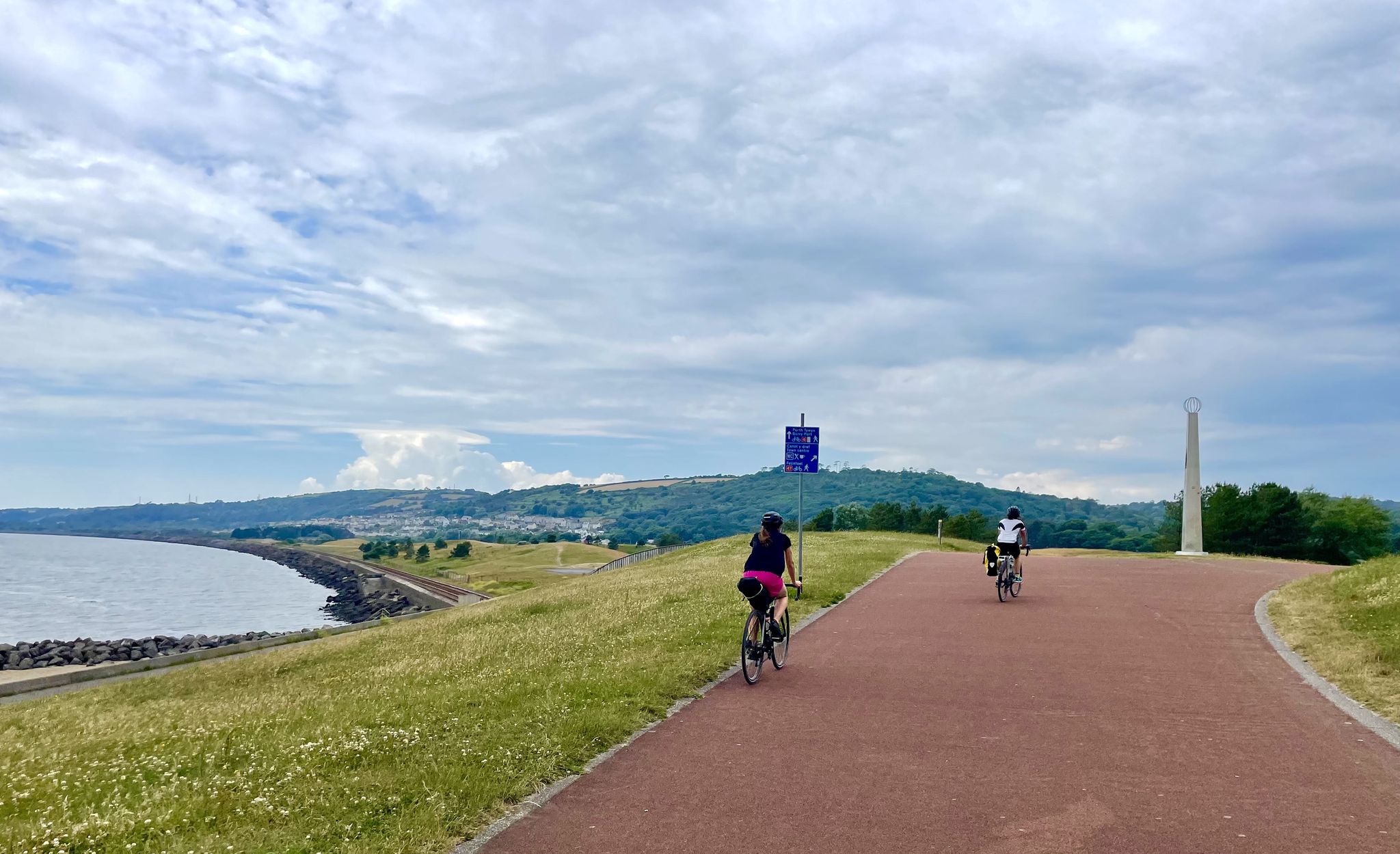
National Cycle Network Route 4 — Greenwich to Fishguard
Bikepacking Brighton to Bristol — Ridges, canals and rail paths
Other adventures in South East England


Tips from the Community

Super views. It tends to be windy here. In winter, mud that makes it difficult to ascend.
2
0
A nice spot with a spectacular view of the surroundings.
2
0

I was actually https://www.az-mvdnow.com reading your article and found some really interesting information. The thing is quite clear that I just want to thank for it.
0
0

Wonderful walk on the cliffs overlooking the sea, wonderful walk
1
0

At over 650 feet (200 m), Ditchling Beacon gives you a good climb and a great vantage point to see out over the surrounding countryside. To the north you look back at the lush countryside of the Weald, to the south are views of Brighton, and to the east and west, the rolling undulating views out over the South Downs.
1
1


With Alfred Tennyson, 1st Baron Tennyson, (or Alfred Lord Tennyson), to whom this monument is dedicated, we go back in time to the middle of the 19th century, because the poet, who was already a prominent figure at that time, lived from 1809 to 1892. I had to research the term “Poet Laureate” mentioned by mi1994, and of course Wikipedia also knows something about it: “In the United Kingdom, Poet Laureate is the office of a court poet whose job it is to write poems for official occasions and national events.” Tennyson was awarded this honorary office by Queen Victoria in 1850 and raised to the peerage in the same year.
4
0

Ice cream van also serving Tea today (Easter Monday). view from the top on a nice clear day
0
0
Frequently Asked Questions
What are some unique natural features to explore in South East England?
South East England offers a diverse range of natural features. You can explore the dramatic white chalk cliffs of The White Cliffs of Dover and the Seven Sisters, or the iconic natural limestone arch of Durdle Door. The region also features the UK's longest dry valley at Devil's Dyke and prominent hill summits like Ditchling Beacon and Butser Hill, offering varied landscapes shaped by ancient geological processes.
Which natural monuments offer the best panoramic views in South East England?
For breathtaking panoramic views, consider visiting Ditchling Beacon, the highest point along the Sussex Downs, which provides vistas south to the sea and north across the Weald. Ivinghoe Beacon offers views of Buckinghamshire, Hertfordshire, and Bedfordshire. Coombe Hill Viewpoint in the Chilterns provides enchanting views over the Aylesbury Vale, and Butser Hill, the highest point on the South Downs, overlooks Hampshire and the English Channel.
Are there any natural monuments with significant historical importance in South East England?
Yes, several natural monuments in the region hold historical significance. The White Cliffs of Dover have witnessed dramatic moments in English history and served as a symbol of home and freedom, particularly during wartime. Ditchling Beacon is an archaeological site with an Iron Age hillfort. Devil's Dyke also features Iron Age hill fort ramparts and a curious history, including remains of a Victorian funfair.
What kind of walking routes can I find near these natural monuments?
You'll find a wide variety of walking routes. Coastal paths along the Seven Sisters Cliffs and The White Cliffs of Dover offer dramatic sea views. Inland, the South Downs Way passes through areas like Ditchling Beacon and Devil's Dyke, providing extensive walks across chalk grassland. Many routes feature varied terrain, from gentle slopes to more challenging climbs, often leading to stunning viewpoints. For more options, explore the easy hikes in South East England guide.
Are there opportunities for other outdoor activities besides hiking near these natural monuments?
Absolutely. The diverse landscapes of South East England support various outdoor activities. You can find excellent road cycling routes, such as those detailed in the Road Cycling Routes in South East England guide. Mountain biking trails are also available, with options in the MTB Trails in South East England guide. Other activities include bird watching, photography, and even paragliding at Devil's Dyke.
Are there family-friendly natural monuments in South East England?
Many natural monuments in South East England are suitable for families. Locations like Birling Gap and the Seven Sisters Cliffs offer accessible paths and beach access for rock-pooling. Coombe Hill Viewpoint has easy paths for everyone. The White Cliffs of Dover also feature wheelchair-friendly paths and a visitor center. Always check specific trail conditions for younger children.
What is the best time to visit the natural monuments in South East England?
The best time to visit is generally from spring to early autumn (April to October) when the weather is milder and the days are longer, making it ideal for walking and outdoor activities. Spring brings wildflowers to the chalk grasslands, while summer offers the warmest temperatures. Autumn provides beautiful foliage. Winter can be dramatic, especially along the coast, but paths may be muddy or icy.
Are there accessible natural monuments for visitors with limited mobility?
Yes, some natural monuments offer accessible options. The White Cliffs of Dover have a wheelchair-friendly path, allowing many visitors to enjoy the spectacular views. It's always recommended to check the specific accessibility details for each site before your visit, as terrain can vary.
Can I bring my dog to the natural monuments in South East England?
Many natural monuments and their surrounding trails are dog-friendly, especially those within national parks like the South Downs. Areas like Devil's Dyke and the Seven Sisters are popular with dog walkers. However, it's crucial to keep dogs on leads, especially near cliff edges, livestock, and ground-nesting birds. Always check local signage for specific restrictions.
Where can I find parking at these natural monuments?
Most major natural monuments in South East England, such as Ditchling Beacon, The White Cliffs of Dover, and Devil's Dyke, have designated car parks, often managed by the National Trust or local authorities. These usually require a fee or are free for National Trust members. It's advisable to arrive early during peak season as spaces can fill up quickly.
Are there cafes or pubs near the natural monuments for refreshments?
Yes, many popular natural monuments have facilities nearby. The White Cliffs of Dover visitor center includes a coffee shop. Near Beachy Head, there's a café. You'll also find charming pubs and cafes in the villages surrounding sites like Devil's Dyke and along the South Downs Way, perfect for a break after exploring.
What geological features are prominent in South East England's natural monuments?
The region is renowned for its chalk geology. The iconic white cliffs, such as the Seven Sisters and The White Cliffs of Dover, are composed of chalk formed from marine organisms over millions of years. Other significant features include the natural limestone arch of Durdle Door, a highlight of the Jurassic Coast, and the unique 'dry valley' formation of Devil's Dyke, carved by meltwater during the last ice age.
What do visitors enjoy most about the natural monuments in South East England?
Visitors frequently highlight the spectacular views and the sense of peace and natural beauty. The dramatic coastal scenery, especially along the chalk cliffs, is a major draw. Many appreciate the extensive walking trails, the opportunity for wildlife spotting, and the historical context of sites like The White Cliffs of Dover. The diverse landscapes offer something for everyone, from challenging hikes to gentle strolls.
Most popular routes in South East England
Most popular attractions in South East England

Get inspired with the komoot mobile app


Didn’t find what you were looking for?
Find even more amazing natural monuments in South East England by checking out the top Highlights region by region:
Explore more
Extend your search for the best caves by checking out these guides of the top ones in South East England:
