The best road cycling routes around National Park Redes
4.2
(42)
1,862
riders
11
rides
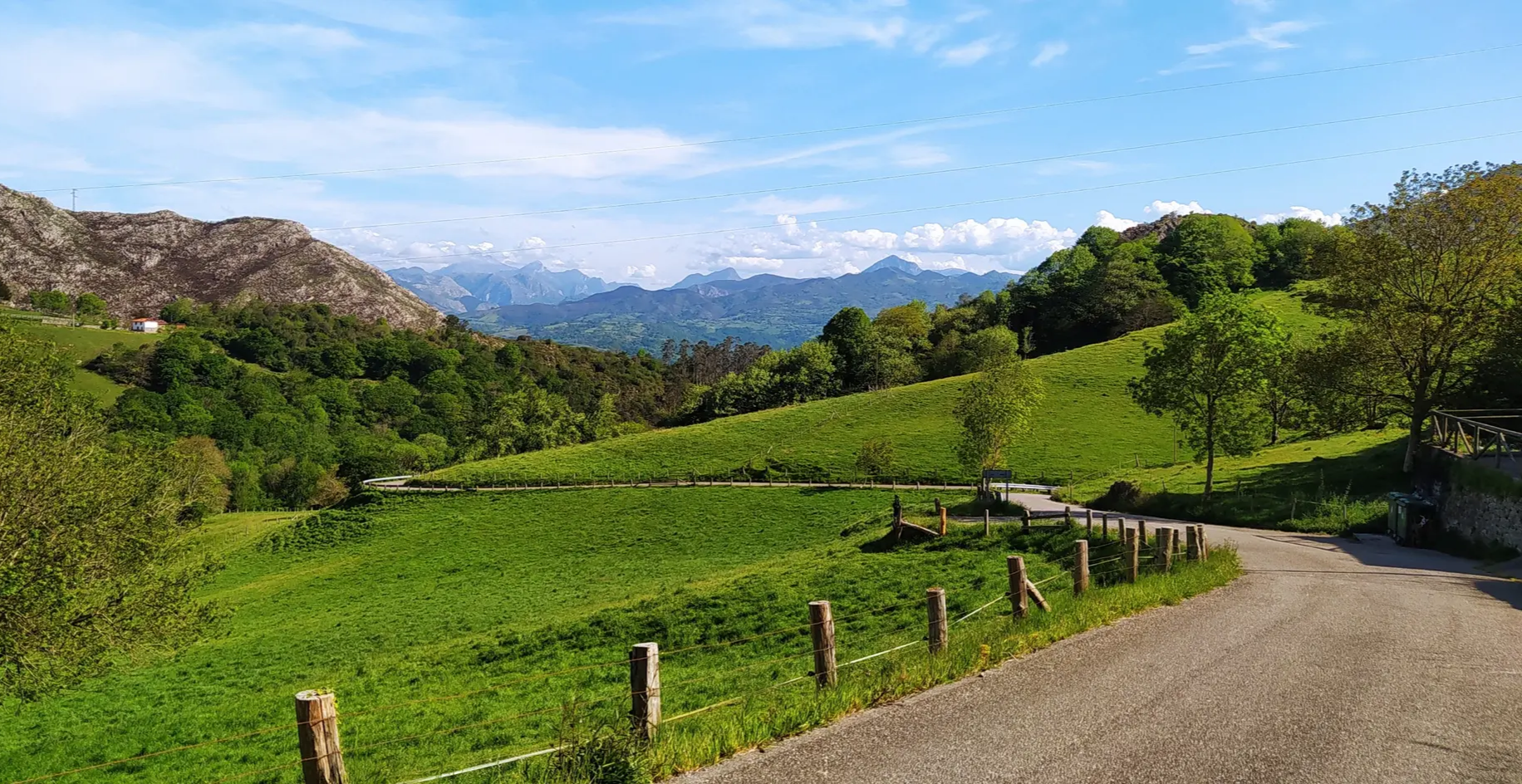
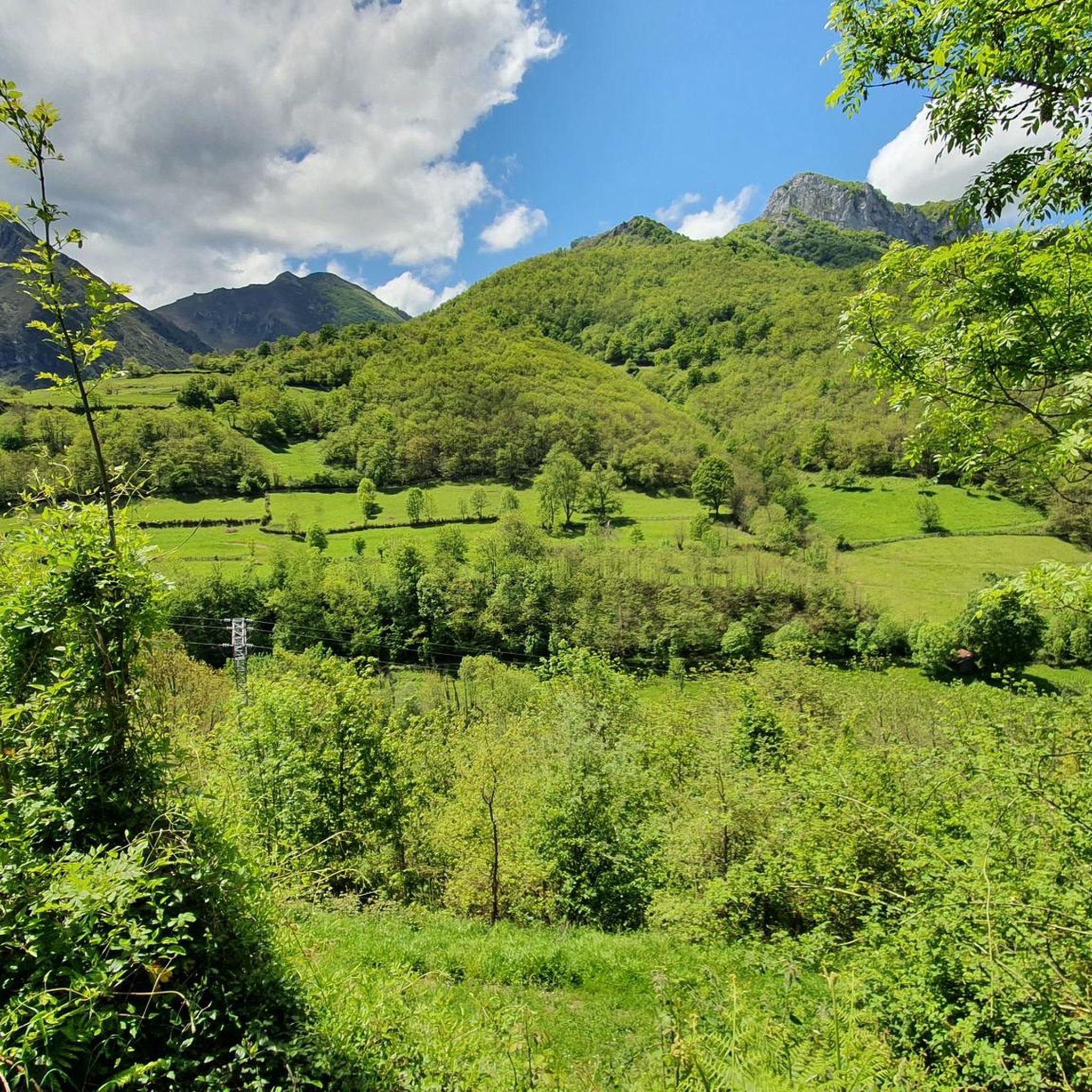
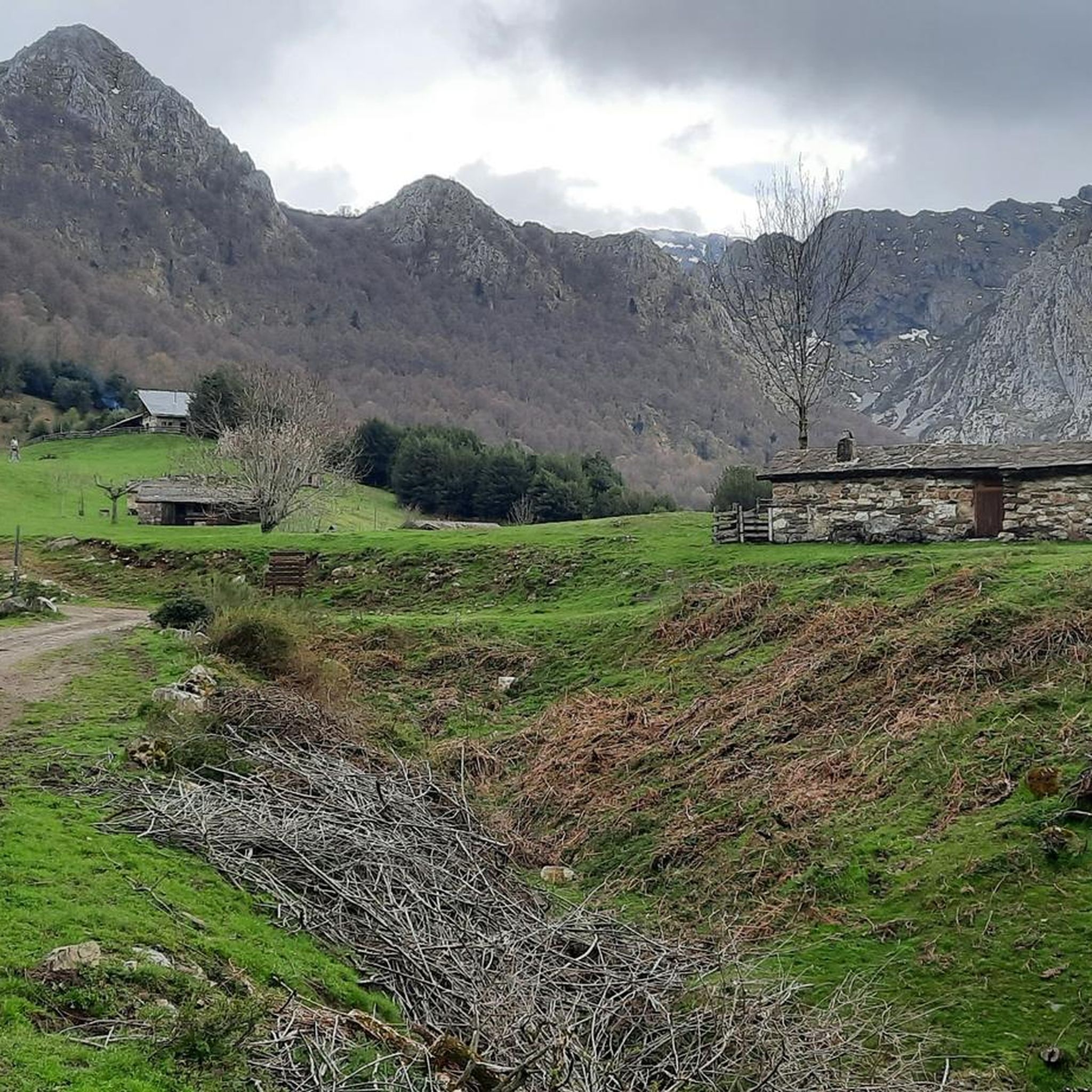
Road cycling routes around National Park Redes traverse a landscape characterized by significant elevation changes, deep valleys, and the presence of reservoirs. The region features a mix of forested areas and open mountain passes, offering varied terrain for road cyclists. Routes often follow river courses and connect small villages, providing a blend of natural scenery and cultural points. The area's topography presents opportunities for both moderate and challenging climbs.
Best road cycling routes around National Park Redes
- The most popular…
Last updated: July 15, 2026
4.0
(1)
98
riders
56.2km
02:27
510m
510m
Moderate road ride. Good fitness required. Mostly well-paved surfaces and easy to ride.
4.7
(3)
58
riders
110km
05:08
1,280m
1,280m
Hard road ride. Very good fitness required. Mostly well-paved surfaces and easy to ride.

Sign up for free
4.0
(1)
26
riders
Hard road ride. Very good fitness required. Some segments of this route may be unpaved and difficult to ride.
18
riders
141km
06:59
2,150m
2,150m
Hard road ride. Very good fitness required. Mostly well-paved surfaces and easy to ride.
4.5
(2)
33
riders
54.6km
02:47
860m
860m
Moderate road ride. Good fitness required. Mostly well-paved surfaces and easy to ride.
Get access to more routes and recommendations from other explorers.
Sign up for free
Already have an account?
Our route recommendations are based on thousands of hikes, rides, and runs completed by other people on komoot.
Start today with a free account
Your next adventure awaits.
Login or Signup

Other adventures around National Park Redes

Tips from the Community

The Museum of Mining and Industry of Asturias (MUMI) is a true masterpiece of industrial heritage preservation. From the moment you arrive, the very architecture of the site is impressive and signals a total immersion into the region's mining epic. The collections displayed inside are of absolutely exceptional richness, retracing with remarkable precision the technical, social, and human evolution of this industry that has shaped Asturias. From imposing machinery to the daily objects of the miners, each room is overflowing with unique pieces that will captivate history and engineering enthusiasts. The visit to the reconstructed mine is the highlight of the experience and is worth the trip in itself. Descending into this lifelike replica immediately grips the senses and allows visitors to get a tangible feel for the raw reality and courage of the underground workers. The galleries are masterfully arranged, making the exploration spectacular, realistic, and profoundly moving for visitors of all ages. The only real downside of this superb establishment lies in the linguistic accessibility for non-Spanish speakers. Currently, all the rich explanations, panels, and posters in the museum are written solely in Spanish, with no leaflets, guides, or small translation booklets available for loan at the reception to help decipher the content. Similarly, the guided tour of the mine, although led by passionate staff, is conducted exclusively in Spanish, which unfortunately leaves out a part of the international audience.
0
0

Views of the Nalón River from the bridge
0
0

Saint Stephen, the patron saint of this church in Cianu, was one of the first seven deacons of the original Jerusalem church and, as the New Testament tells us, was the first martyr (martyr) of early Christianity. The church commemorates his death on Boxing Day, December 26th. When Stephen recounted his vision of the open heavens: "And he, full of the Holy Spirit, looked up into heaven and saw the glory of God, and Jesus standing at the right hand of God" (Acts 7:55), the people were so outraged that they drove him out of the city and stoned him.
0
0

From here, there are plenty of options for hitting the road and making loops. Lieres, Camperona, etc.
0
0

Several routes depart from Soto de Agues, including the typical Ruta del Alba.
0
0
Frequently Asked Questions
What types of road cycling routes can I find in National Park Redes?
National Park Redes offers a variety of road cycling routes characterized by significant elevation changes, deep valleys, and scenic reservoirs. You'll find routes that follow river courses and connect small villages, providing a blend of natural beauty and cultural points. The terrain includes both forested areas and open mountain passes, catering to moderate and challenging ability levels.
Are there any easy road cycling routes for beginners in National Park Redes?
The road cycling routes in National Park Redes are generally categorized as moderate to difficult due to the region's significant elevation changes. There are no routes specifically classified as 'easy' in the immediate selection, but moderate options like the Soto de Agues Village loop from Sobrescobio offer a good starting point for those comfortable with some climbing.
What are some challenging road bike climbs in National Park Redes?
National Park Redes is known for its challenging climbs. Routes such as the Tanes Reservoir – Quintana loop from Sotu feature substantial elevation gain, reaching over 2,100 meters. Another demanding option is the Carbayín Alto – Gargantadá loop from Sotu, which includes over 1,200 meters of ascent across its extensive distance.
What is the best season for road cycling in National Park Redes?
The best season for road cycling in National Park Redes is typically from late spring to early autumn (May to October). During these months, the weather is generally more stable, and the mountain passes are clear of snow, offering optimal conditions for exploring the varied terrain. Summers are warm but rarely excessively hot, making it pleasant for longer rides.
Can I find loop road cycling routes in National Park Redes?
Yes, many of the road cycling routes in National Park Redes are designed as loops, allowing you to start and finish at the same point. Examples include the popular Soto de Agues Village loop from Sobrescobio and the more challenging Soto de Agues Village – Alto de La Colladona (850 m) loop from Sobrescobio.
What are some scenic viewpoints along the road cycling routes?
The routes often pass through areas with stunning vistas. While specific viewpoints vary, you can expect panoramic views of deep valleys, forested areas, and reservoirs. The Texu la Oración Viewpoint is a notable spot in the region that offers impressive scenery.
Are there any attractions or landmarks to explore near the road cycling routes?
Yes, the region offers several points of interest. You can visit the charming Soto de Agues Village, or explore natural features like the Tarna Pass. For more natural beauty, the Tabayón del Mongayu Waterfall is also within the broader area.
What do other road cyclists enjoy most about road cycling in National Park Redes?
The road cycling experience in National Park Redes is highly rated by the komoot community, with an average score of 4.1 stars from over 30 reviews. Cyclists frequently praise the challenging climbs, the scenic beauty of the reservoirs, and the charm of connecting traditional villages. The varied terrain and well-maintained roads are also often highlighted.
How long do road cycling routes typically take in National Park Redes?
The duration of road cycling routes in National Park Redes varies significantly based on distance and difficulty. Moderate routes, such as the Soto de Agues Village – Tanes Reservoir loop from Sobrescobio (39 km), can take around 2 hours. Longer, more difficult routes like the Tanes Reservoir – Quintana loop from Sotu (141 km) can require up to 7 hours to complete.
Are there options for less crowded road cycling routes in the area?
While specific crowd levels can vary, focusing on routes that are not the absolute most popular or exploring during off-peak times (weekdays, early mornings) can help you find a quieter experience. The extensive network of roads connecting villages and traversing mountain passes offers many opportunities to discover less-traveled paths within the park's diverse landscape.
Are there any waterfalls accessible near the road cycling routes?
Yes, the region is home to beautiful natural features. The Tabayón del Mongayu Waterfall is a prominent natural monument in the vicinity of National Park Redes, offering a spectacular sight for those willing to take a short detour or combine their ride with a hike.
Most popular routes around National Park Redes
Most popular attractions around National Park Redes

Get inspired with the komoot mobile app


Explore more
Browse the best Road cycling routes in other regions.
