Attractions and Places To See around Muñogrande - Top 10
Attractions and places to see around Muñogrande offer a glimpse into traditional Spanish village life within the province of Ávila, Castile and León. The region is characterized by its vast cereal plains, granite outcrops, and the undulating landscape of the "alta Moraña." Visitors can explore cultural sites and natural features that reflect the area's rich history and rural environment.
Best attractions and places to see around Muñogrande
- The most popular attractions is Castle of Narros de Saldueña, a castle…
Last updated: June 29, 2026
Castle of Narros de Saldueña
Highlight • Castle
Translated by Google •
Tip by

Aveinte
Highlight • Settlement
Translated by Google •
Tip by
Sign up now to discover places like this
Get recommendations on the best single tracks, peaks, & plenty of other exciting outdoor places.
Sign up for free
Castronuevo Castle-Palace
Highlight • Castle
Translated by Google •
Tip by
Ruins of Castronuevo
Highlight • Historical Site
Translated by Google •
Tip by

Church of Our Lady of Sorrows
Highlight • Religious Site
Translated by Google •
Tip by
Sign up for free to discover even more attractions around Muñogrande.
Sign up for free
Already have an account?
Start today with a free account
Your next adventure awaits.
Login or Signup


Tips from the Community

Narros de Saldueña Castle, also known as the Castle of the Duke of Montellano, is one of the best-preserved fortresses in the province of Ávila. It is located in the town of Narros de Saldueña, within the town limits. Construction: Late 15th century, attributed to Rodrigo de Valderrábanos, Lord of the Saldueña Estate. Expansions: It was renovated and enlarged at the beginning of the 16th century by his successors.
4
0
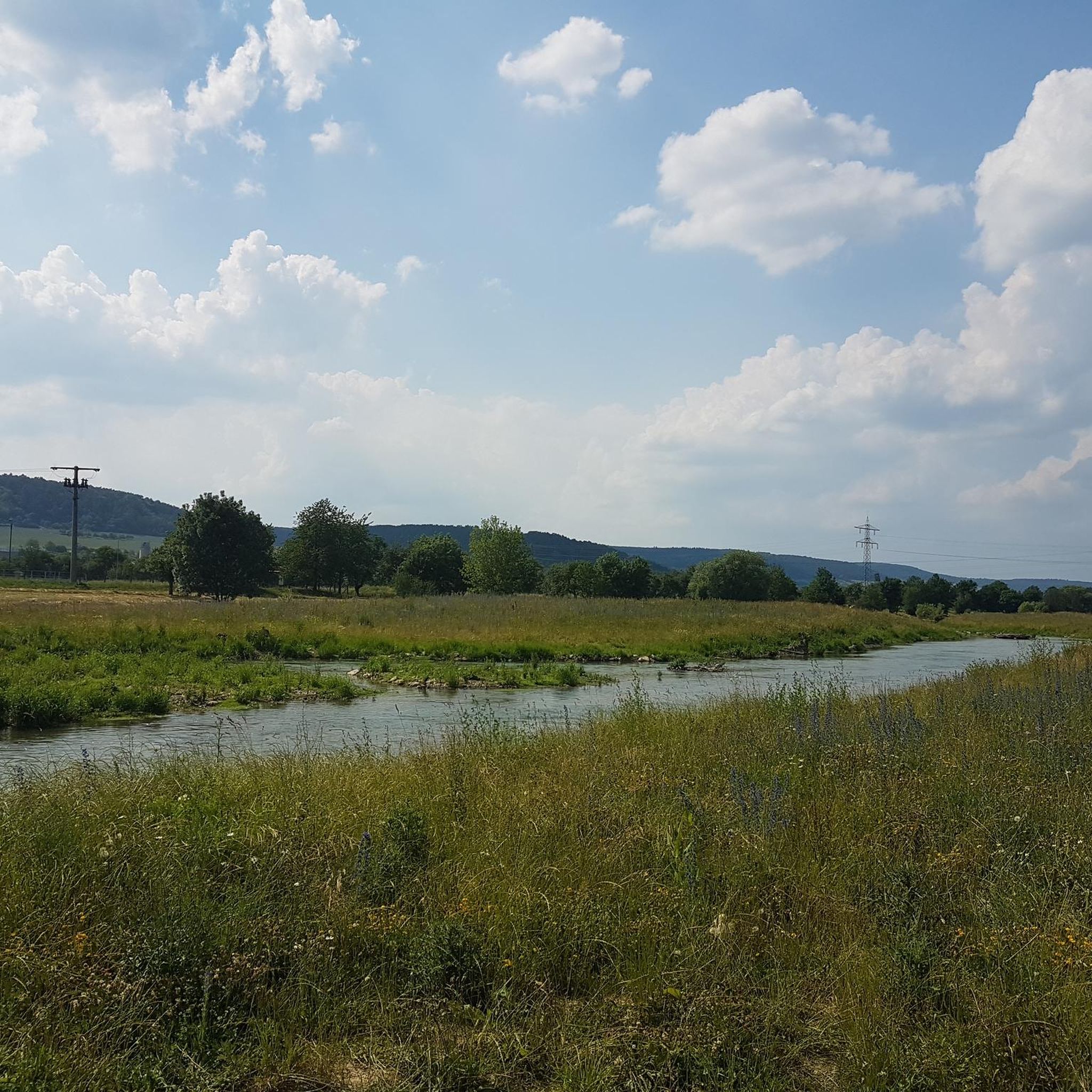
Aveinte, a name with historical roots, has a fascinating legend dating back to ancient times. Many centuries ago, at the dawn of the Middle Ages, there was a small town in what we know today as Aveinte. The inhabitants of this place were simple people, dedicated mainly to agriculture and livestock. They lived in harmony with nature and worshiped the gods of the earth and sky. One day, during a time of drought and scarcity, the locals gathered in the town square to pray for rain and good harvests. The wise old man of the place, known as Adventius, led the ceremony. With his wrinkled hands and deep voice, he spoke words of supplication to heaven. Legend has it that, at that crucial moment, a mysterious figure appeared among the clouds. He was a luminous being, dressed in white robes and silver hair. The villagers were amazed and knelt before this heavenly presence. The being addressed Adventius and spoke to him in an ancient language that only he understood. “For your devotion and the faith of your people, I will grant a blessing,” he said. “From now on, every twenty years, the waters of the river that runs through Aveinte will overflow, fertilizing the land and ensuring abundant harvests.” Thus the name Aveinte was born, which means “advent” or “arrival” in honor of the heavenly visit. Since then, every twenty years, the river overflows and renews the earth, fulfilling the promise of the luminous being. The inhabitants of Aveinte keep this tradition alive and celebrate “Aveinte” with joy and gratitude. The legend has been passed down from generation to generation, and the town's name remains a reminder of its connection to the divine and renewed hope. So, when you walk through the cobblestone streets of Aveinte, remember this story and the magic that surrounds its name. 🌟🏡
2
0
The Castle-Palace of Castronuevo, also known as Castle of Rivilla de Barajas, is an impressive fortification located in the municipality of Rivilla de Barajas, in the province of Ávila, within the autonomous community of Castilla y León. Although its current use is null, its history and structure reveal its former greatness. It was erected by Gil de Vivero before 1481, on the site of Castronuevo, and later remodeled by his son before selling it in 1489 to the Duke of Alba. The castle has three circular towers and two rectangular towers. Despite its age and danger of collapse, this castle remains a fascinating testament to medieval history and architecture. 🏰🌟
3
0
The Castle of the Duke of Montellano, also known as Castle of Narros de Saldueña, is located at the end of the town of Narros de Saldueña, in the heart of the La Moraña plain, in the province of Ávila, autonomous community of Castilla y León. This castle, tracing its origins to the 15th century, is a good example of a castle-palace built with brick and mud (mortar), which relates it to Mudejar architecture.
6
0
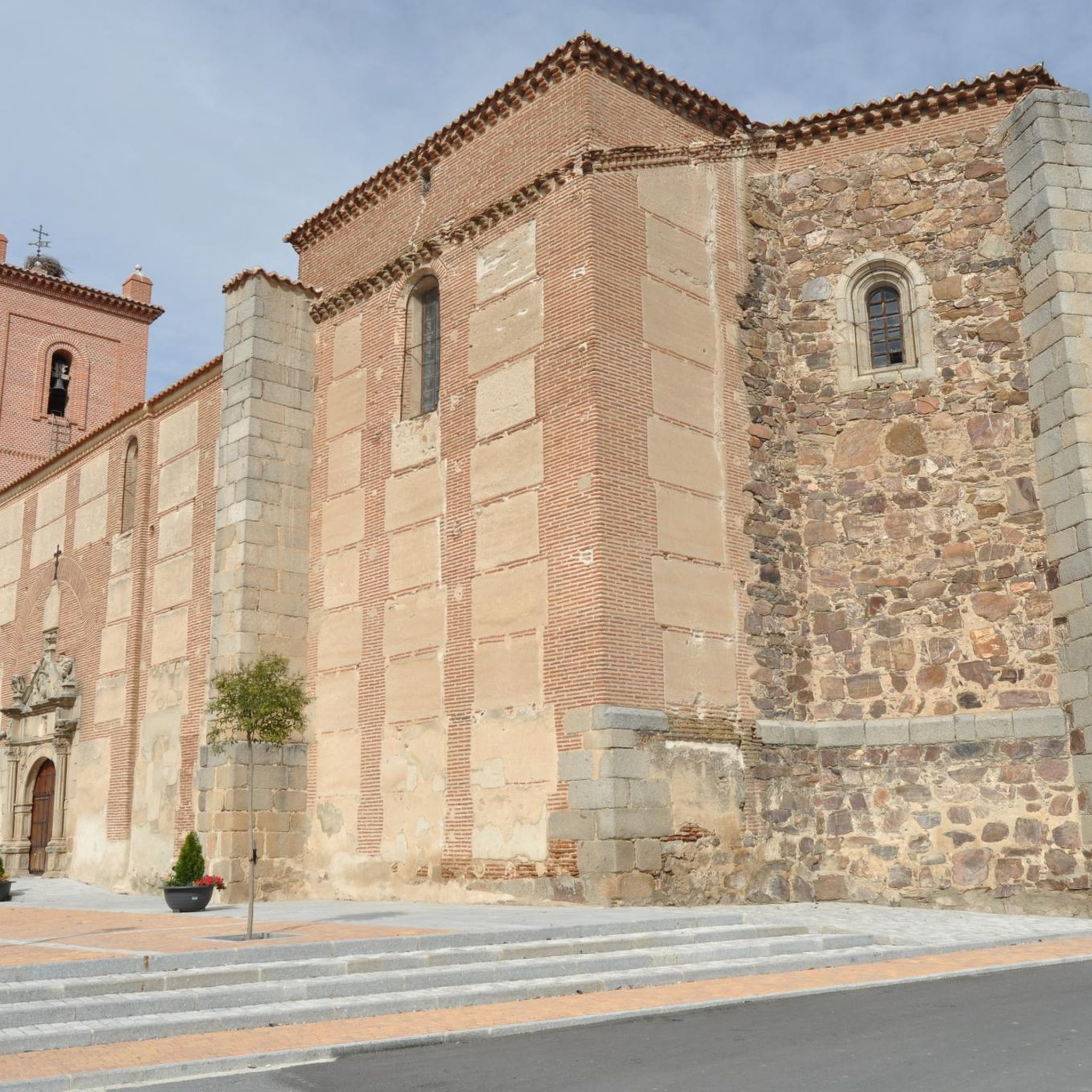
The church dates back to the time of the Catholic Monarchs, specifically the 16th century. Its main entrance presents a spectacular doorway attributed to the sculptor and architect Juan Rodríguez. This doorway follows the classic scheme, with a semicircular arch flanked by two columns with Corinthian capitals. On the entablature and triangular pediment, you will find granite sculptures representing mythological beings and gargoyles.
3
0

Beautiful castle also called the Duke of Montellano (Ávila) Well-preserved building that is worth visiting!
0
1

Church with three wide naves that began to be built in the s. XV, being in its day one of the best of the time in the province. If you visit the town at Christmas, you should know that it is part of the Moraña Nativity Scene Route.
1
0
The castle of the Duke of Montellano dates from the s. XV and, given the use of brick and mud in its construction, it is related to Mudejar architecture. In its day it belonged to the Valderrábano family. It is listed as an Asset of Cultural Interest.
1
0
Frequently Asked Questions
What historical sites can I explore around Muñogrande?
The region is rich in history, featuring several notable sites. You can visit the impressive Castle of Narros de Saldueña, a 15th-century castle-palace showcasing Mudéjar architecture. Another significant fortification is the Castronuevo Castle-Palace, with its distinctive circular and rectangular towers. Nearby, you can also find the Ruins of Castronuevo, which include the remains of a church near a small pond.
Are there any notable religious buildings in the area?
Yes, the area features several religious buildings. The Church of Our Lady of Sorrows, dating back to the 16th century, boasts a spectacular doorway attributed to Juan Rodríguez. In Muñogrande itself, the Iglesia de San Andrés Apóstol, along with the Asunción de Nuestra Señora in Castiblanco, features beautiful wooden Mudéjar coffered ceilings inside.
What natural features characterize the landscape around Muñogrande?
Muñogrande is set within the 'alta Moraña' landscape, characterized by vast cereal plains that become more undulating towards the Sierra de Ávila foothills. The scenery includes dehesas (wooded pastures) and large granite rock formations known as berrocales. The municipality is also traversed by the Arevalillo river and temporary streams like the Arroyo del Medio and Arroyo del Prado de la Fuente, often lined with poplar trees.
What kind of outdoor activities can I do near these attractions?
The area around Muñogrande offers various outdoor activities. You can explore numerous hiking trails, including moderate routes like the 'Castillo-Palacio de Castronuevo — circular por los Parajes de La Mora' or easier options such as the 'Castillo del Duque de Montellano — circular desde Muñomer del Peco'. For cycling enthusiasts, there are road cycling routes like the 'Llanura de la Moraña y Castillo del Duque de Montellano' and MTB trails such as the 'Iglesia de Horcajuelo loop from San Pedro del Arroyo'. You can find more details on these activities in the dedicated guides for Hiking around Muñogrande, Road Cycling Routes around Muñogrande, and MTB Trails around Muñogrande.
Are there family-friendly attractions around Muñogrande?
Yes, there are options suitable for families. The historical settlement of Aveinte, with its fascinating legends, is considered family-friendly. Additionally, the Church of Our Lady of Sorrows is also noted as a family-friendly site, especially if visiting during Christmas when it's part of the Moraña Nativity Scene Route.
What is the best time to visit Muñogrande for outdoor activities?
While specific seasonal recommendations are not detailed, the region's landscape of cereal plains and dehesas suggests that spring and autumn would offer pleasant temperatures for hiking and cycling. Summers can be warm, and winters might be chilly, typical of inland Spain. Always check local weather forecasts before planning your visit.
What kind of architecture can be seen in the traditional houses of Muñogrande?
The local houses in Muñogrande exhibit a unique architectural style that blends 'morañegas' and 'serranas' influences. This is typically seen in their construction, which often features a sturdy stone or masonry base, topped with an upper section of exposed brick and whitewashed panels.
Are there any easy hiking trails suitable for beginners or casual walkers?
Yes, there are easy hiking options available. For example, the 'Castillo del Duque de Montellano — circular desde Muñomer del Peco' is an easy route covering about 4.9 km. These trails allow you to enjoy the rural landscape without significant difficulty. More routes can be found in the Hiking around Muñogrande guide.
What makes the settlement of Aveinte historically significant?
Aveinte holds historical roots and fascinating legends dating back to the early Middle Ages. One legend tells of a luminous being appearing every twenty years to bless the land, ensuring abundant harvests, which is said to be the origin of its name. This rich past offers a glimpse into the region's ancient history and traditions.
Can I find challenging outdoor routes near Muñogrande?
Yes, for those seeking more challenging outdoor experiences, there are options available. For hiking, the 'Gotarrendura and El Oso Loop' is classified as difficult, covering over 23 km. In road cycling, routes like 'Las Fuentes Pass – Mancera de Arriba loop from Crespos' are considered difficult. You can explore these and other challenging routes in the respective Hiking, Road Cycling, and MTB guides around Muñogrande.
What do visitors enjoy most about the attractions around Muñogrande?
Visitors appreciate the historical significance and architectural beauty of the castles and ancient sites. The tranquil rural environment, traditional architecture, and the natural beauty of the surrounding Ávila province are also highly valued. The komoot community has shown its appreciation with 7 upvotes and 9 photos shared, highlighting the appeal of these unique attractions.

Get inspired with the komoot mobile app


Explore more
Still not found the Highlight you’re looking for? See guides of the top attractions in other regions:
