The best road cycling routes around Muñogrande
19
riders
7
rides
Road cycling around Muñogrande offers diverse terrain within the Ávila province, characterized by high Moraña cereal plains that transition into more undulating landscapes near the Sierra de Ávila foothills. The region features dehesas and large granite rock formations, with vertical poplars marking transient river courses. This varied topography provides options ranging from flatter sections to routes with significant elevation gains, particularly towards the Sierra de Gredos.
Best road cycling routes around Muñogrande
- The most popular road cycling route is Llanura…
Last updated: July 11, 2026
Easy road ride. Great for any fitness level. Mostly well-paved surfaces and easy to ride.
4
riders
42.0km
01:48
320m
330m
Moderate road ride. Good fitness required. Mostly well-paved surfaces and easy to ride.

Sign up for free
4
riders
84.0km
03:23
450m
450m
Moderate road ride. Good fitness required. Mostly well-paved surfaces and easy to ride.
4
riders
133km
06:12
1,530m
1,530m
Hard road ride. Very good fitness required. Mostly well-paved surfaces and easy to ride.
3
riders
92.3km
04:13
1,050m
1,050m
Hard road ride. Very good fitness required. Mostly well-paved surfaces and easy to ride.
Get access to more routes and recommendations from other explorers.
Sign up for free
Already have an account?
Our route recommendations are based on thousands of hikes, rides, and runs completed by other people on komoot.
Start today with a free account
Your next adventure awaits.
Login or Signup
Popular around Muñogrande

Tips from the Community

Narros de Saldueña Castle, also known as the Castle of the Duke of Montellano, is one of the best-preserved fortresses in the province of Ávila. It is located in the town of Narros de Saldueña, within the town limits. Construction: Late 15th century, attributed to Rodrigo de Valderrábanos, Lord of the Saldueña Estate. Expansions: It was renovated and enlarged at the beginning of the 16th century by his successors.
4
0

Pretty Castilian village in the middle of the fields
0
0
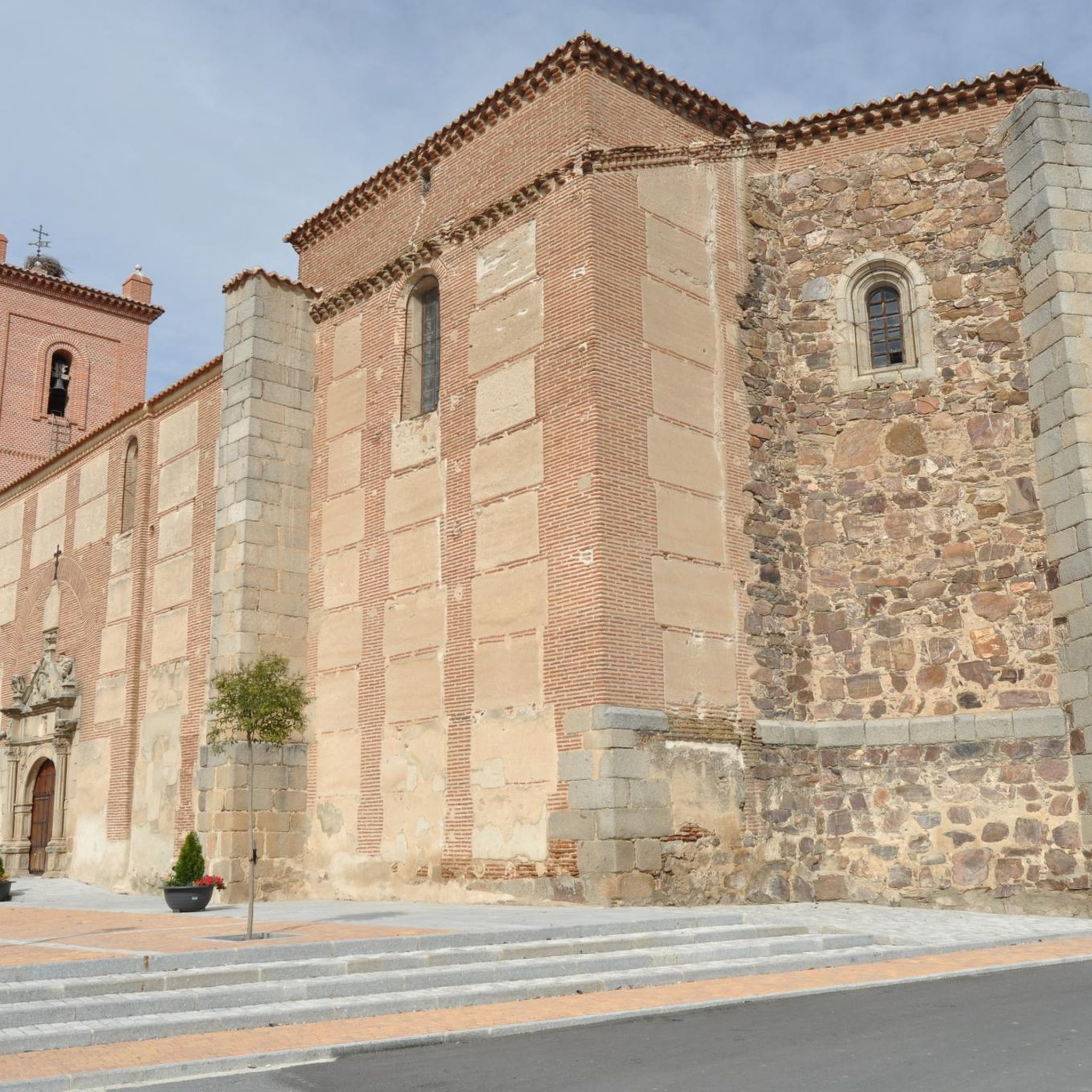
The Church of San Miguel in Peñaranda de Bracamonte is a beautiful classicist-style temple, built in quarry stone. Although its interior was severely damaged in 1971, its imposing exterior façade remains a testament to its history. After the fire of 1971, only the main altar chapel was saved, where the main altarpiece was located, a baroque masterpiece made by Sebastián Ducete and Esteban de Rueda. The chapel of San Antonio is also preserved, and in it you can see the Cristo de la Cama, an object of great local devotion. The stone baptismal font is original and was remodeled under the direction of Fernando Pulín, who received the National Restoration Award for his work. If you ever visit Peñaranda de Bracamonte, be sure to admire this architectural gem. 🌟🏰
2
0
The Castle of the Duke of Montellano, also known as Castle of Narros de Saldueña, is located at the end of the town of Narros de Saldueña, in the heart of the La Moraña plain, in the province of Ávila, autonomous community of Castilla y León. This castle, tracing its origins to the 15th century, is a good example of a castle-palace built with brick and mud (mortar), which relates it to Mudejar architecture.
6
0
The church dates back to the time of the Catholic Monarchs, specifically the 16th century. Its main entrance presents a spectacular doorway attributed to the sculptor and architect Juan Rodríguez. This doorway follows the classic scheme, with a semicircular arch flanked by two columns with Corinthian capitals. On the entablature and triangular pediment, you will find granite sculptures representing mythological beings and gargoyles.
3
0

Beautiful castle also called the Duke of Montellano (Ávila) Well-preserved building that is worth visiting!
0
1

This church was dedicated to the Archangel Michael "San MIGUEL". The name (coming from the Hebrew language) means "Who is like God?". He is often depicted - in paintings or as a statue - with a flaming sword, and occasionally a lance. Michael / Miguel is - along with Raphael, Gabriel and Uriel - one of the four archangels who (according to human understanding) occupy the highest rank in the heavenly hierarchy of angelic beings. Their common feast day in the saints' calendar is September 29th.
1
0

Church with three wide naves that began to be built in the s. XV, being in its day one of the best of the time in the province. If you visit the town at Christmas, you should know that it is part of the Moraña Nativity Scene Route.
1
0
Frequently Asked Questions
What kind of terrain can I expect when road cycling near Muñogrande?
The region around Muñogrande offers diverse terrain. You'll find classic high Moraña landscapes with cereal plains, which transition into more undulating areas closer to the Sierra de Ávila foothills. Expect picturesque scenery with dehesas (wooded pastures) and large granite rock formations. Vertical poplars often mark the courses of transient rivers, adding to the natural charm.
Are there road cycling routes for different skill levels?
Yes, the area caters to various abilities. You can find easy routes that traverse the plains, such as the Llanura de la Moraña y Castillo del Duque de Montellano — circular desde San Pedro del Arroyo. There are also moderate options with varied terrain and some elevation gain, like the Castillo de Bebán loop from Collado de Contreras, and challenging routes with significant climbs, such as Las Fuentes Pass – Mancera de Arriba loop from Crespos.
What natural features will I encounter on road cycling routes around Muñogrande?
Beyond the cereal plains and undulating landscapes, you'll experience the unique dehesas and impressive granite rock formations. The region is also a gateway to the Sierra de Gredos, where you can find stunning landscapes sculpted by ancient glacial forces, including serene lagoons, rocky cirques, steep gorges, and imposing cliffs, offering a dramatic backdrop to your rides.
Are there any historical landmarks or points of interest along the cycling routes?
Yes, several routes pass by or are near historical sites. For instance, the Llanura de la Moraña y Castillo del Duque de Montellano — circular desde San Pedro del Arroyo route passes by the Castillo del Duque de Montellano. Other notable attractions in the wider area include the Castle of Narros de Saldueña and the Castronuevo Castle-Palace.
What is the best time of year for road cycling in the Muñogrande region?
The varied climate of the Ávila province generally makes spring and autumn ideal for road cycling, offering pleasant temperatures and vibrant landscapes. Summer can be hot, especially in the plains, while winter in the higher Sierra de Gredos areas can bring snow, making lower elevation routes more suitable.
Are there family-friendly road cycling routes around Muñogrande?
For families or those seeking an easier ride, the region offers routes with minimal elevation gain. The Castle of Narros de Saldueña loop from San Pedro del Arroyo is an easy option, covering 22.3 km with very little climbing, making it suitable for a relaxed outing.
Can I find long-distance road cycling options in the area?
Yes, for cyclists looking for longer distances, routes like the Las Fuentes Pass – Mancera de Arriba loop from Crespos offer a substantial challenge, covering over 92 km with significant elevation. Another option is the Rasueros – Canatalapiedra Gate loop from Horcajo de las Torres, which is 84 km long.
What are some of the more challenging road cycling routes for experienced riders?
Experienced road cyclists will appreciate the routes that venture into the more undulating and mountainous parts of the region. The Las Fuentes Pass – Mancera de Arriba loop from Crespos is classified as difficult, featuring over 1000 meters of elevation gain across its 92 km, providing a demanding and rewarding experience.
Are there any circular road cycling routes available?
Many of the road cycling routes in the Muñogrande area are designed as circular loops, allowing you to start and finish at the same point. Examples include the easy Llanura de la Moraña y Castillo del Duque de Montellano — circular desde San Pedro del Arroyo and the moderate Castillo de Bebán loop from Collado de Contreras.
What are the options for parking near the road cycling trails?
While specific parking areas for each route are not detailed, as Muñogrande is a small municipality, you can typically find parking in the villages where routes begin, such as San Pedro del Arroyo, Collado de Contreras, or Horcajo de las Torres. It's advisable to check local regulations upon arrival.
Is public transport available to reach the cycling routes around Muñogrande?
Muñogrande and the surrounding small villages are primarily accessed by road. Public transport options, such as bus services, may connect larger towns in the Ávila province, but direct public transport to specific trailheads in smaller municipalities like Muñogrande might be limited. It's recommended to plan your journey by car for maximum flexibility.
Are there places to eat or stay near the cycling routes?
The Ávila province offers various amenities for visitors. While Muñogrande itself is small, nearby towns and villages will have local cafes, restaurants, and accommodation options ranging from rural guesthouses to small hotels, especially in the larger centers within the province. These can serve as convenient bases for your cycling adventures.
Most popular routes around Muñogrande
Most popular attractions around Muñogrande

Get inspired with the komoot mobile app


Explore more
Browse the best Road cycling routes in other regions.
